15 Things You Can Only Do in Spain: Experiences Found Nowhere Else on Earth
Some countries have a famous sight you can only see there. Spain has something rarer: a whole calendar of things you can only do there — experiences that exist in one village, one valley, one bodega or one basilica, and nowhere else on earth. A devil who leaps over newborn babies. A language that is whistled, not spoken. A human tower ten storeys tall, built from nothing but people. A tomato fight that buries a town square ankle-deep in pulp.
This is not a list of landmarks — our best places to visit in Spain covers those. Every entry below is an experience with an address and, in most cases, a date: something to book, queue for, sign up to or simply stand in the right street for. Several can only happen once a year, and one of them — the Camino in a Holy Year — will not come round again until 2032.
A note on honesty before we start: a few of these are wild, one or two are genuinely dangerous, and we say so where it applies. But every single one is real, still happening, and open to you — as a participant in some, and as a wide-eyed spectator in the rest.
In this guide:
- Stand Inside a Human Tower — the Castells of Catalonia
- Fight in La Tomatina, the World’s Biggest Food Fight — Buñol
- Run with the Bulls at San Fermín — Pamplona
- Get Drenched at the Batalla del Vino — Haro, La Rioja
- Watch a Devil Leap Over Babies at El Colacho — Castrillo de Murcia
- See Angels Descend in the Misteri d’Elx — Elche
- Walk the Last 100 Kilometres of the Camino de Santiago
- Hear a Language That Is Whistled — Silbo Gomero, La Gomera
- Watch Flamenco Inside a Cave at a Sacromonte Zambra — Granada
- Drink Sherry Where Only Jerez Can Make It — Jerez de la Frontera
- Eat at the World’s Oldest Restaurant, Botín — Madrid
- Pour Cider from Above Your Head — the Escanciado of Asturias
- Sleep in a Medieval Castle with the Paradores — Cardona
- Cross Green Spain on the Transcantábrico Gran Lujo
- Walk a Western Film Set in Europe’s Only Desert — Tabernas, Almería
- How to Choose (and Combine) Your Only-in-Spain List
- Final Thoughts
1. Stand Inside a Human Tower — the Castells of Catalonia
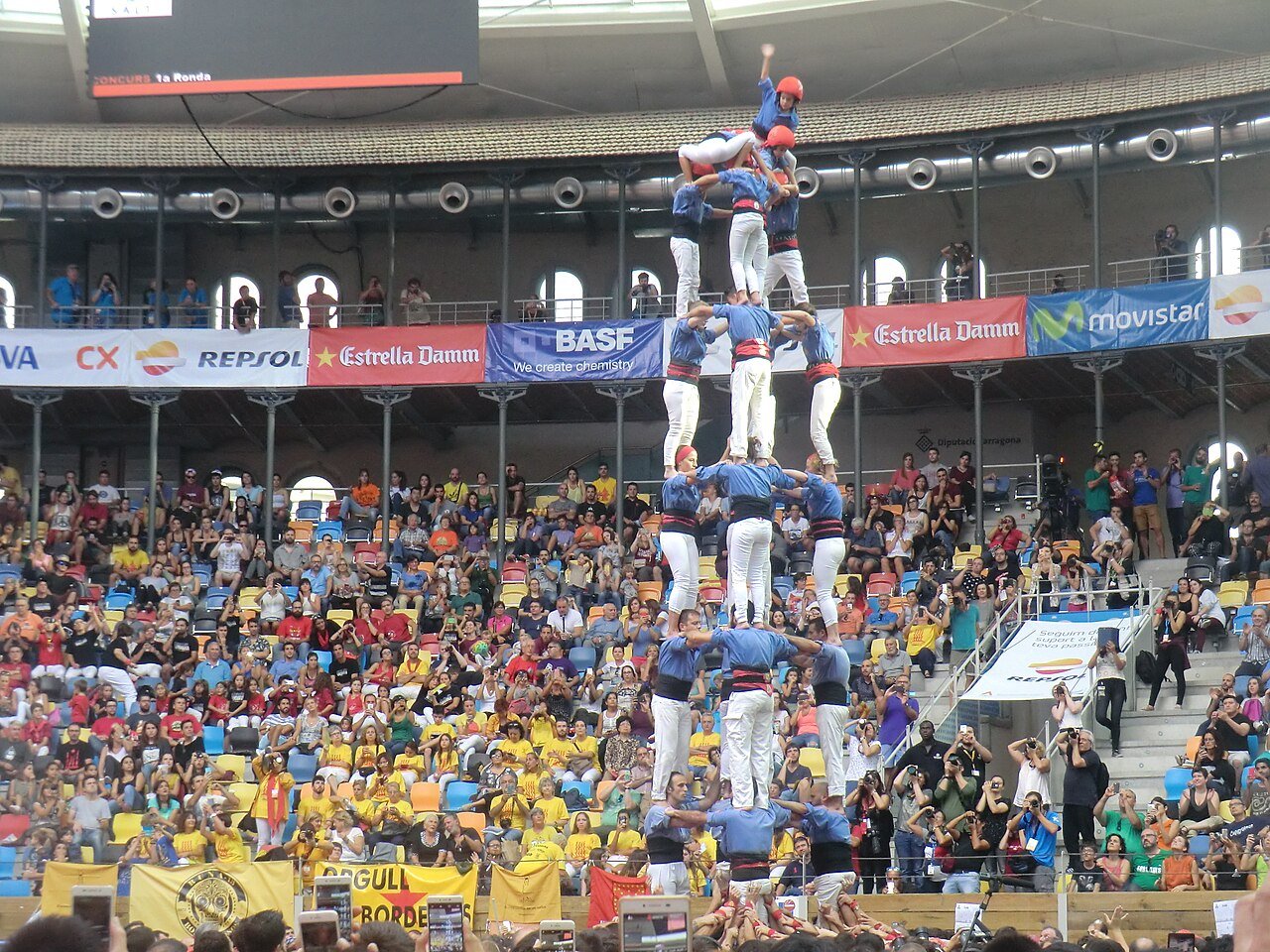
Start with the most Spanish spectacle of all, because it is made of nothing but Spaniards. A castell is a tower built entirely from human bodies: hundreds of members of a team — a colla — lock together into a swaying base called the pinya, level climbs upon level, until a small child wearing a helmet, the enxaneta, scrambles to the very top and raises one hand. That raised hand, the aleta, is the moment the whole square erupts. The biggest colles build towers ten levels high.
Castells grew out of the festival culture of southern Catalonia more than two hundred years ago, and UNESCO placed them on its Intangible Cultural Heritage list in 2010. They can only be Catalan in the deepest sense: each colla belongs to a town or a neighbourhood, rehearses all year in its own hall, and wears its own colour of shirt. There is no franchise, no touring version — if you want to see a castell, you go to where the colles are.
That means town squares across Catalonia from spring to November, where diades (castell days) are free to watch — just stand close enough to feel the pinya breathe, and step back when the crowd surges. The season’s summit is the Concurs de Castells in Tarragona, the biennial championship held in the city’s old bullring on the first weekend of October in even years; the 30th edition ran in October 2026, so there is no Concurs in 2027 — the next is October 2028. In an odd year, aim instead for the Diada de Santa Úrsula in Valls, the castells’ ancestral home, on the Sunday nearest 21 October. Best for: anyone who loves a crowd with a purpose. There is nothing to skip — spectating costs nothing and asks nothing of you but applause.
2. Fight in La Tomatina, the World’s Biggest Food Fight — Buñol

On the last Wednesday of August, the Valencian town of Buñol loads well over 100 tonnes of overripe tomatoes into trucks, drives them into its narrow streets, sounds a rocket — and for exactly one hour, roughly 20,000 people throw them at each other. Not watch. Throw. By the second rocket, which ends the fight at 13:00, the square is a river of pulp and everyone in it is unrecognisable.
Local tradition dates La Tomatina to 1945, when a scuffle during a parade knocked over a vegetable stall and the crowd improvised the rest; the town liked it so much it never stopped. Since 2013 the fight has been ticketed and capped at 20,000 people, which ended the era of simply turning up — official entry costs about €15 through the festival’s own site, and it sells out. The rules are few and sensible: squash each tomato before you throw it, throw nothing else, and stop the second the closing rocket fires.
Getting there takes a little planning, because Buñol’s own beds fill fast and most fighters base themselves in Valencia, forty minutes away. Book it: From Valencia: La Tomatina 2027 — rated 4.8/5 from 77 reviews, from $190. Buses leave Valencia at 07:00, and the ticket bundles your festival entry with the pre- and post-fight parties in Buñol and the night-time after-party back in the city, which removes every logistical headache in one stroke. Wear clothes and shoes you are prepared to throw away afterwards, bring goggles, and leave anything you love at the hotel. Best for: the young, the game and the unshockable. Skip it if dense, slippery, shoulder-to-shoulder crowds are your idea of hell — for you, the photographs really are enough.
3. Run with the Bulls at San Fermín — Pamplona
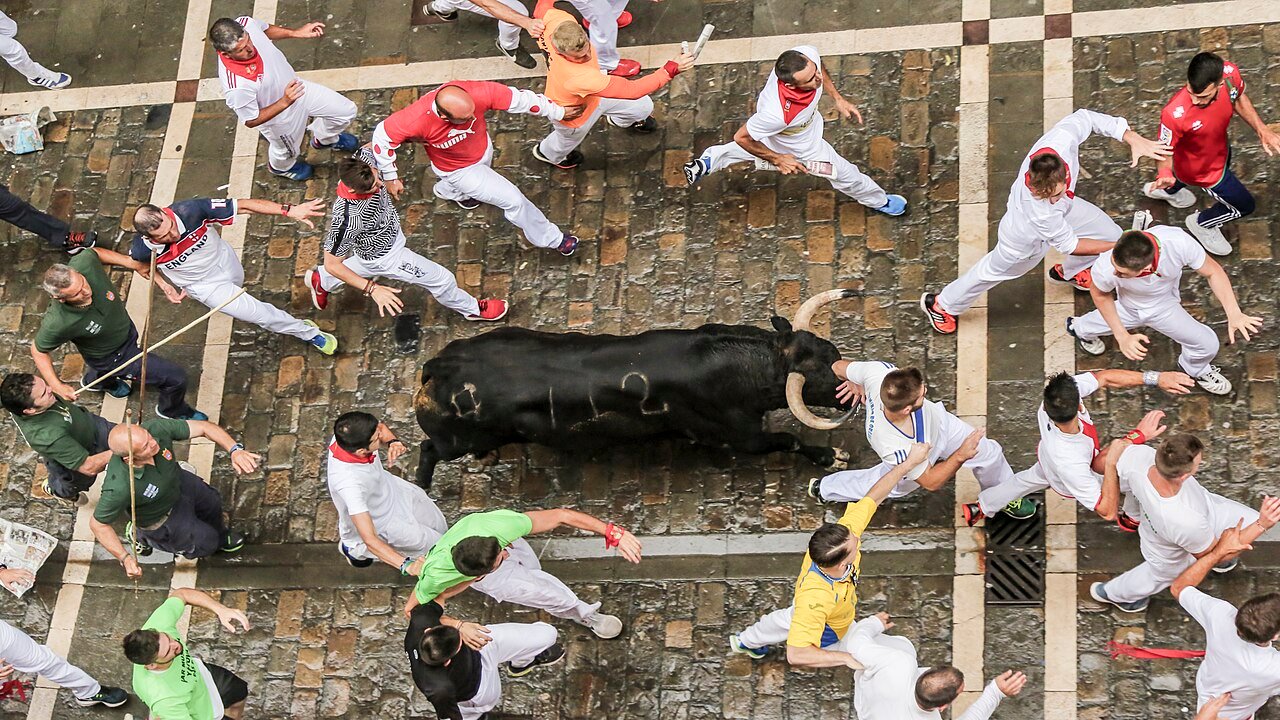
Every year from 6 to 14 July, Pamplona dresses in white and red for San Fermín — and every morning from 7 to 14 July, at 08:00 sharp, six fighting bulls and the steers that guide them are released onto 875 metres of fenced, cobbled street, with hundreds of runners sprinting ahead of the horns. The encierro is over in minutes. It is also, without exaggeration, one of the most dangerous things a tourist can legally do anywhere in Europe.
Nothing like it exists elsewhere because nothing else grew the same way: the run began as the practical business of moving bulls from the city’s corrals to its bullring, with local men gradually inserting themselves in front of the herd until the transport became the festival. Hemingway’s The Sun Also Rises made it world-famous in 1926, and the world has been coming ever since — but the run itself remains stubbornly local, marshalled by shepherds with sticks (pastores) and expert dobladores who guide bulls into the ring.
Be clear-eyed about the risk before you romanticise it: runners are injured every single year, sometimes seriously, and people have died on this course. Running is free, but it is restricted to over-18s who are sober, properly shod and familiar with the official rules and the course — read them, walk the route the day before, pick one short stretch rather than the whole course, and treat your first year as a watching year. Watching, it turns out, is superb: from behind the double fencing, or from a rented balcony above Calle Estafeta, you lose none of the electricity and none of the sleep either. We make no apology for steering most readers that way — the festival around the run, nine days of music, fireworks and street partying, needs no horns at all.
4. Get Drenched at the Batalla del Vino — Haro, La Rioja

If La Tomatina is Spain’s red food fight, La Rioja answers with a purple one. On the morning of 29 June, the feast of St Peter, around 10,000 people climb the Riscos de Bilibio — crags about six kilometres from the wine town of Haro — dressed head to toe in white with a red scarf. By the time they come down, every one of them is dyed head to toe in red wine. Tens of thousands of litres of it are thrown, sprayed, tipped and launched in the Batalla del Vino, the Wine Battle.
The roots are genuinely local: pilgrims and townsfolk had been making the St Peter’s day climb to the hermitage of Bilibio for centuries, and by the late nineteenth century the picnic wine was being playfully poured over fellow climbers in mock “baptisms”. The event was first called a battle in 1949, and in 2011 it was declared a Festival of National Tourist Interest — official recognition that did nothing to civilise it. There are no teams and no winners; there is only the shared project of leaving nobody dry.
Practicalities are simple and gloriously low-tech. Wear the white clothes and red scarf (they will not survive), bring your ammunition in whatever vessel you like — a traditional leather bota, a bucket, a water pistol, a pressurised backpack sprayer if you want to be taken seriously — and expect the battle to rage through the morning from around nine. Afterwards everyone troops back into Haro for a long, purple-stained lunch in one of Spain’s great wine towns. Best for: wine lovers who prefer their Rioja interactive. Skip it if you are precious about your clothes, your camera or your dignity — and keep glass bottles out of the fight entirely.
5. Watch a Devil Leap Over Babies at El Colacho — Castrillo de Murcia

Of everything in this guide, El Colacho is the one your friends will not believe. In Castrillo de Murcia, a village of a few hundred people near Burgos, the Corpus Christi celebrations end with a man dressed as the Devil — yellow and red, whip in one hand, castanets in the other — running through the streets and leaping clean over mattresses laid in the road. On the mattresses, in their best clothes, lie the village’s babies: every child born in the previous year.
The rite has run since 1620, organised by the Cofradía del Santísimo Sacramento de Minerva, and its logic is ancient and heartfelt: as El Colacho jumps, he is believed to carry evil away with him, leaving the children cleansed and protected. The Colacho also spends the day theatrically menacing the crowds with his whip and taunting the altar boys who chase him — part pantomime villain, part scapegoat. Four centuries in, the safety record is the statistic that silences most sceptics: no baby has ever been reported injured.
El Colacho takes place on the Sunday after Corpus Christi — in 2027 that pattern puts it at the end of May, but the cofradía confirms the date locally, so check before you book anything around it. Understand your place in it: this is a living village ritual, not a show staged for visitors. The babies are the village’s own, the mattresses are for them alone, and outsiders watch from the roadside with everyone else — which is exactly as it should be. Come quietly, stand where you are put, and afterwards the village bars will be very happy to explain all of it to you over a glass of Ribera del Duero. Best for: travellers who collect the genuinely strange, and who know how to watch respectfully.
6. See Angels Descend in the Misteri d’Elx — Elche
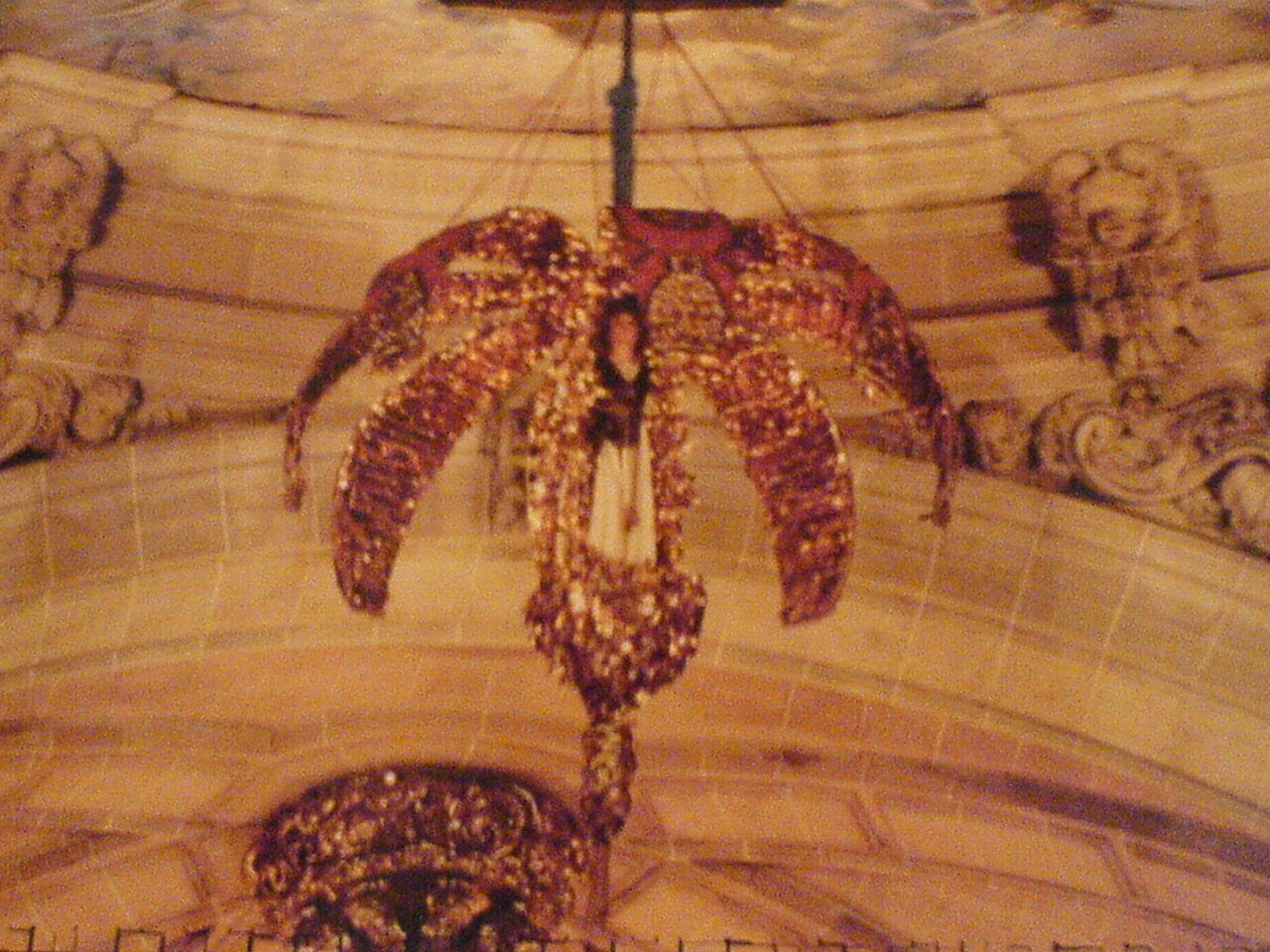
Twice a year, heaven opens inside a church in Elche. The Misteri d’Elx is a sacred musical play about the death and assumption of the Virgin Mary, performed since the mid-fifteenth century in the Basilica of Santa María — entirely sung, in Valencian with passages in Latin, by singers drawn from the city itself. Its staging is the marvel: devices descend slowly from the dome carrying angels, among them the great golden pomegranate, the Mangrana, which opens mid-air to reveal the angel inside. Nothing else in Europe still does this, because everywhere else it was banned: when the Church prohibited religious theatre inside its buildings after the Council of Trent, Elche alone kept its play, protected by a papal bull from Urban VIII in 1632.
UNESCO proclaimed the Misteri a Masterpiece of the Oral and Intangible Heritage of Humanity in 2001 and inscribed it on the Representative List in 2008. The performances fall on 14 August (La Vespra, the first act) and 15 August (La Festa, the second) — high summer, in a packed basilica, in a city that treats the week as the centre of its year.
Here is the insider’s route in: full dress rehearsals on 11, 12 and 13 August perform both acts together, and they are often the easier ticket. Whenever you go, book the moment sales open — the basilica’s capacity is fixed by its walls, demand is not, and the Misteri sells out. Arrive early, dress for a church in an Alicante August, and surrender your phone: this is a sung medieval liturgy, not a photo opportunity, and the silence when the Mangrana begins its descent is worth more than any picture. Best for: music lovers, history lovers and anyone who thinks they have seen everything European festivals have to offer. You have not seen this.
7. Walk the Last 100 Kilometres of the Camino de Santiago
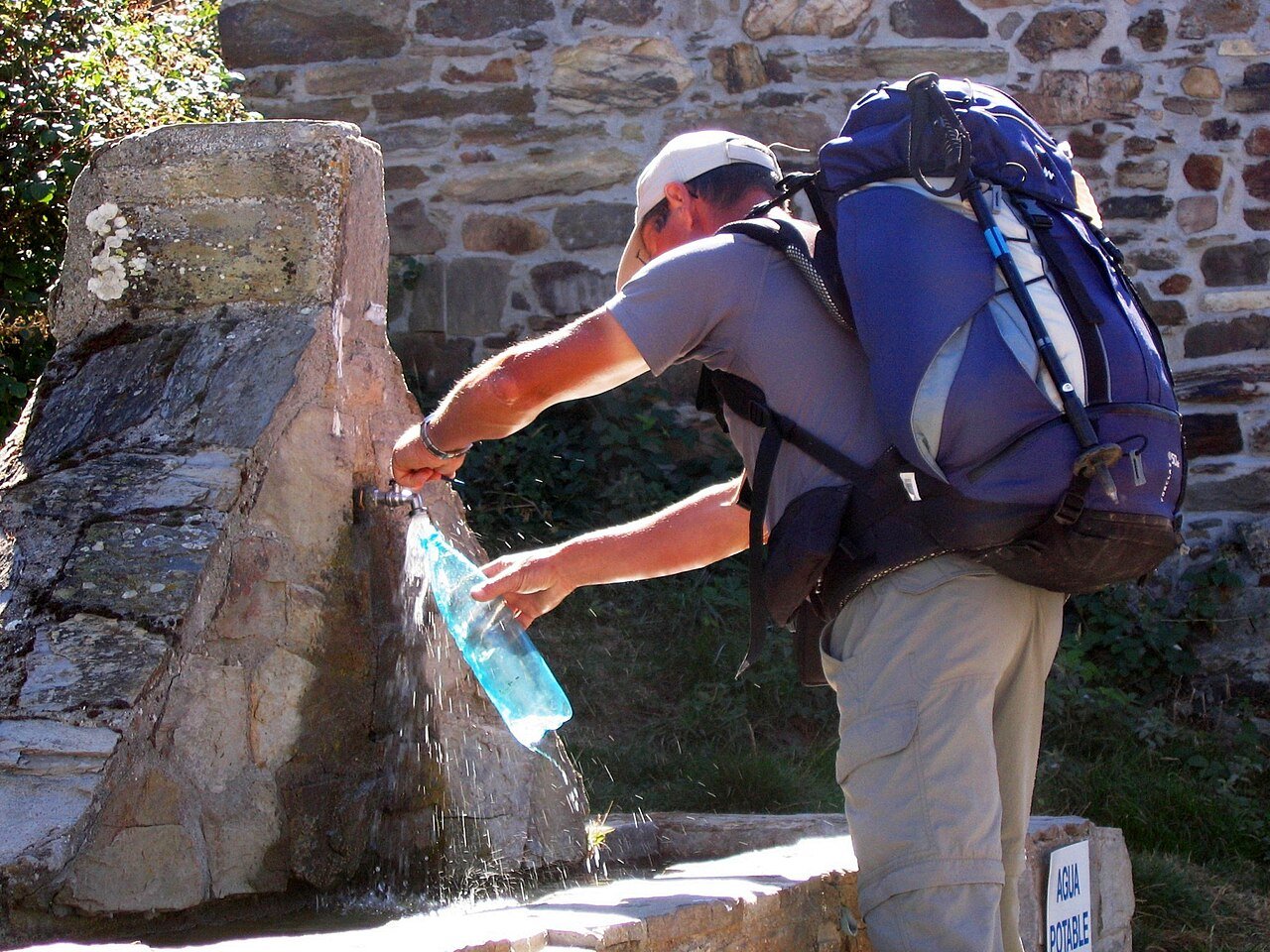
Pilgrimage routes exist all over the world, but only one ends with a certificate in Latin, issued by a cathedral office, for a walk measured to the kilometre. The Compostela — the document pilgrims have received in Santiago de Compostela for centuries — has rules: you must walk at least the final 100 kilometres of a recognised route (or cycle 200), carry a pilgrim’s credencial and collect at least two stamps a day over that final stretch. Which is why the Galician town of Sarria, just past the 100-kilometre mark on the Camino Francés, is where more pilgrims start than anywhere else on earth.
The walk itself takes about five days: green lanes, stone villages, Roman bridges and a rhythm of dawn starts, café stops and pilgrim hostels (albergues) that resets something in most people. In 2025 the Pilgrim’s Office issued 530,772 Compostelas — and 2027 is the year to join them, because 2027 is a Xacobeo Holy Year: the feast of St James, 25 July, falls on a Sunday, the cathedral’s Holy Door stands open from 31 December 2026 right through the year (the next chance is 2032), and Galicia lays on a year of concerts, exhibitions and open doors along the routes.
Walk into the Praza do Obradoiro, queue at the Pilgrim’s Office with your stamped credencial, and then do what pilgrims have always done: go to the midday Pilgrim’s Mass, and hope it is one of the days the great Botafumeiro thurible swings its arc of incense across the transept. Best for: walkers, seekers and anyone who wants a holiday that is also an achievement. Skip the full 100 kilometres if your knees say so — the rules are the cathedral’s, and there is no shame in walking a shorter stretch for the joy of it; you simply will not collect the certificate.
8. Hear a Language That Is Whistled — Silbo Gomero, La Gomera
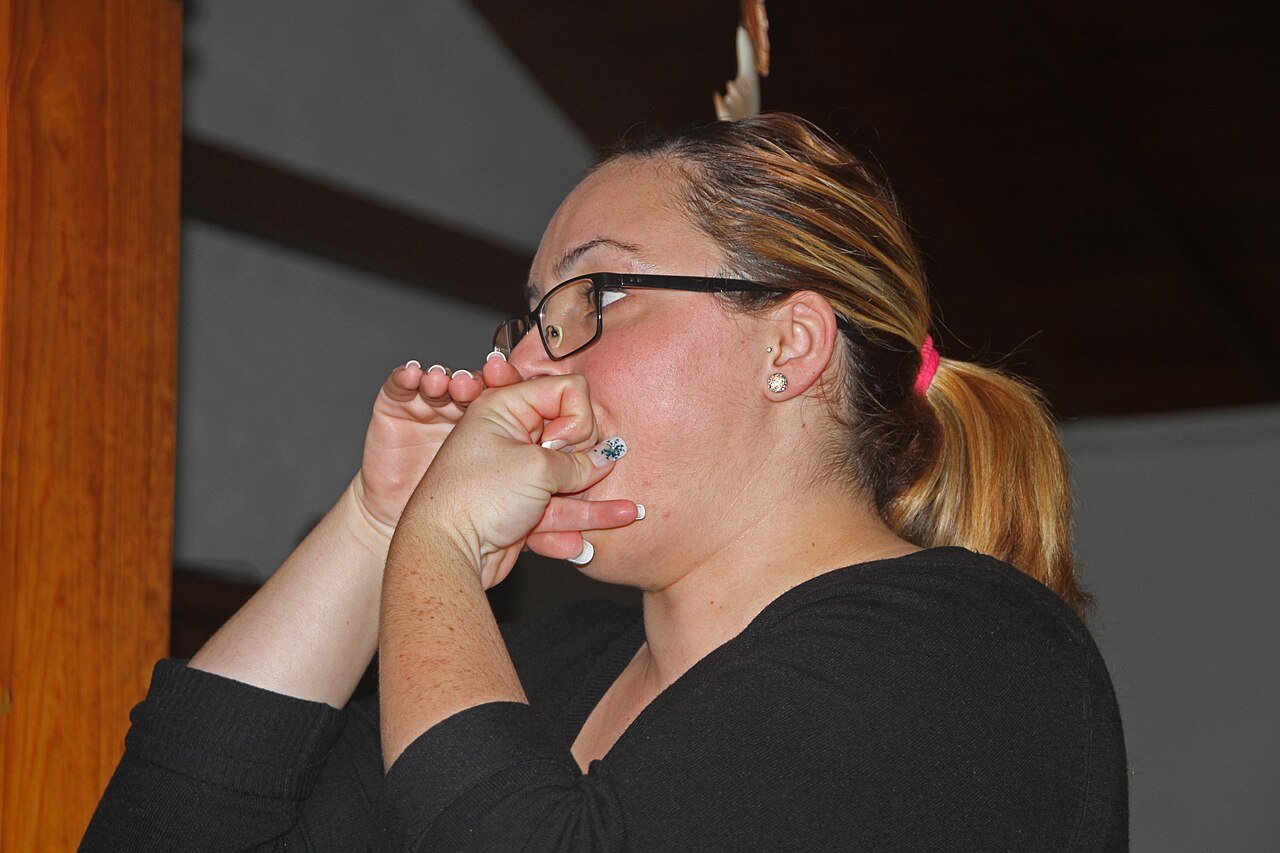
La Gomera is an island cut by ravines so deep that a journey of two kilometres as the crow flies can mean an hour’s walk down one side and up the other. So its people learned to talk across the air. Silbo Gomero is Spanish transformed into whistles — vowels and consonants encoded in pitch and interruption — that carries for kilometres over the barrancos. A good whistler can hold a real conversation with someone on the far ridge: news, instructions, a warning, an invitation to dinner.
UNESCO, which inscribed Silbo on its Intangible Cultural Heritage list in 2009, calls it the only whistled language in the world that is fully developed and actively used by a large community — La Gomera’s roughly 22,000 islanders. It nearly died with the telephone; instead, in 1999, it was made a compulsory subject in the island’s schools, and a generation of Gomeran children now whistle as their grandparents did.
You can hear it, properly, in its own landscape. Book it: From Tenerife: Guided Tour to La Gomera with Ferry and Lunch — rated 4.3/5 from 717 reviews, from $123 for a 10-hour day. The Fred Olsen ferry crosses from Los Cristianos, the route climbs into the laurel forest of Garajonay National Park, and lunch in the village of Agulo comes with a live Silbo demonstration across the tables — the tour holds free cancellation up to 24 hours ahead and reserve now & pay later, so it is easy to lock in early. Stand still when the whistling starts. It is the strangest and loveliest sound in Spain.
9. Watch Flamenco Inside a Cave at a Sacromonte Zambra — Granada

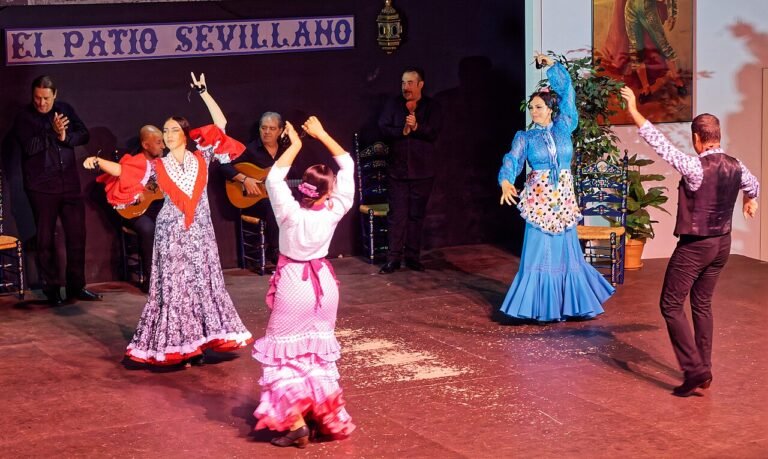
Flamenco is performed all over Spain, but only in Granada is it performed inside the hill. Above the city, the Sacromonte is a mountainside of whitewashed cave houses, settled from the late fifteenth century by the Romani families who made this neighbourhood their own. In their caves they kept the zambra — from the Arabic zamra, a Moorish celebration of music and dance that the families reshaped into something uniquely theirs: intense, close-quarters flamenco sung and danced in a cave room, with the audience close enough to feel the floorboards answer the heels.
The great family caves still run nightly shows — Cueva de la Rocío, run by the Maya family since 1951, Cuevas Los Tarantos, Zambra María la Canastera and Venta El Gallo among them. A zambra is not a theatre production: there is no amplification worth the name and no distance at all, just guitar, voice, palms and dance unfolding a few feet from your chair. Flamenco itself joined UNESCO’s heritage list in 2010; the Sacromonte is where you feel why.
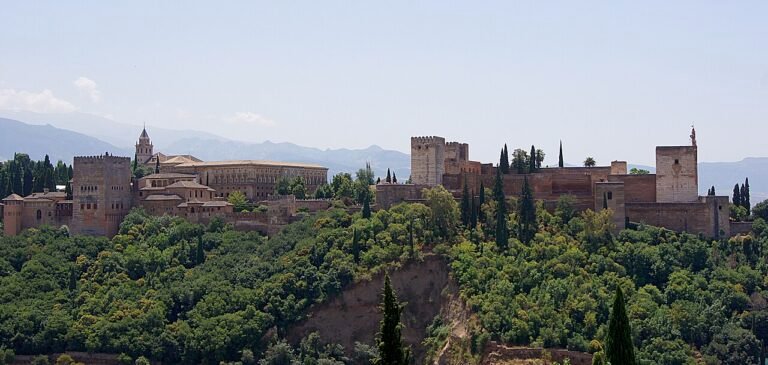
Go up in the evening, when the cave doors open onto a terrace view of the floodlit Alhambra across the valley, and book ahead in high season. By day, the Museo Cuevas del Sacromonte preserves eleven caves as the neighbourhood’s homes, workshops and stables once were — the essential context that turns a night show into an understanding. We cover the practical Granada side in our guide to things to do in Granada; but whatever else that trip holds, keep one night for the hill. Best for: anyone who thinks flamenco is for tourists. One hour in a Sacromonte cave will correct you, permanently.
10. Drink Sherry Where Only Jerez Can Make It — Jerez de la Frontera
Champagne has a region; sherry has a triangle. By law and by Denominación de Origen, sherry can only be made in the Marco de Jerez — Jerez de la Frontera, Sanlúcar de Barrameda and El Puerto de Santa María — where chalky white albariza soil, Atlantic breezes and a method found nowhere else conspire. The method is the criaderas y solera system: barrels stacked in scales, the oldest wine drawn from the bottom row and refreshed with younger wine from above, so every bottle is a blend of vintages stretching back decades. The great bodegas are built like cathedrals — high ceilings, thick walls, earth floors kept damp — and the driest finos age under a living veil of yeast called flor that no other wine region on earth can replicate in quite this way.
And then there is the pour. A venenciador dips a long, thin venencia deep into the butt, lifts it high and sends the sherry in a glittering arc into a small glass without spilling a drop — a party trick with four centuries of cellar craft behind it, performed daily for visitors who have never seen anything like it.
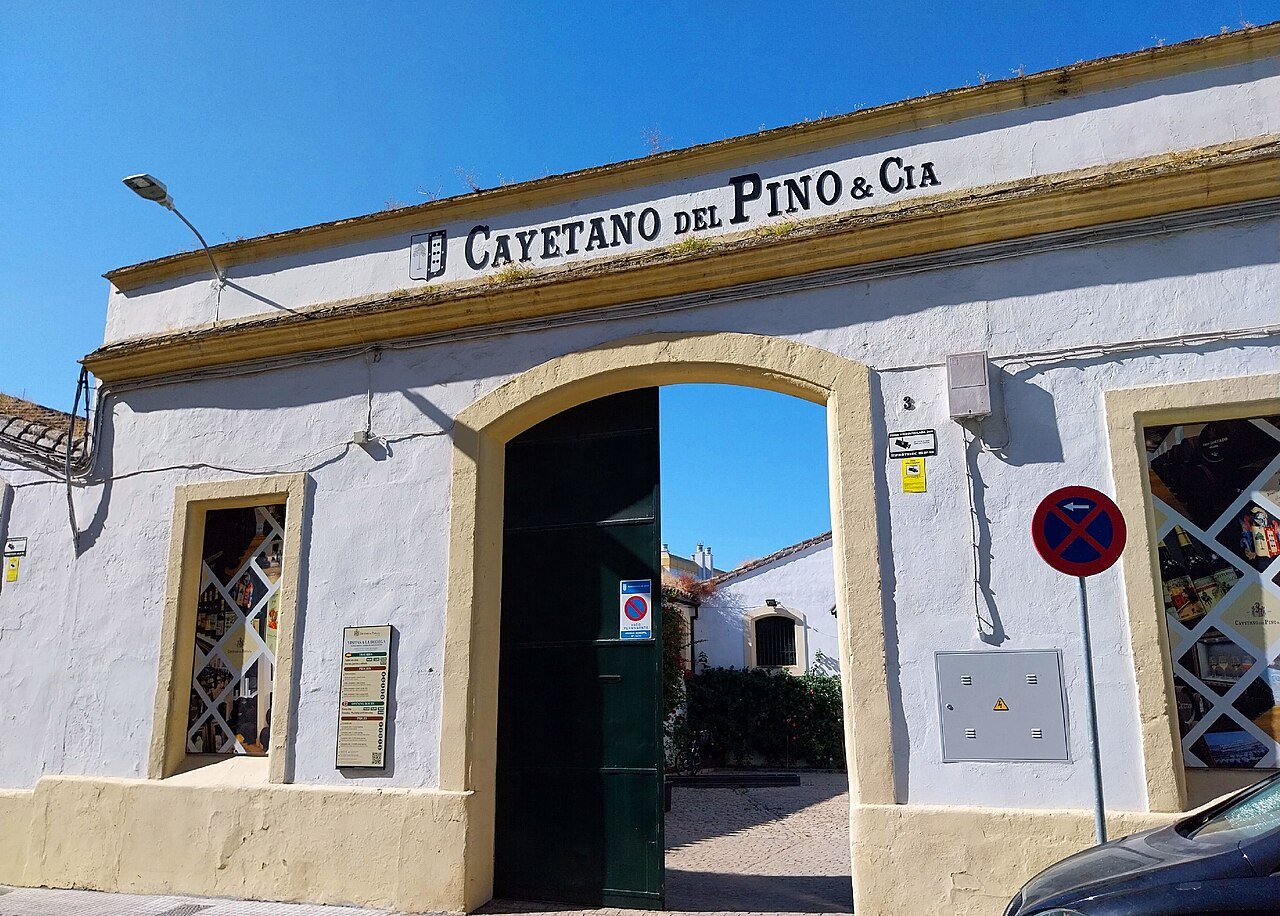
Do it where it is made. Book it: Jerez: Guided Winery Tour with Wine Tasting — rated 4.3/5 from 730 reviews, from $22. The tour walks you through Cayetano del Pino, a family bodega founded in 1886, past its collection of original nineteenth-century labels, and finishes with a tasting of two wines and appetizers. The big names are essential viewing too — González Byass, founded in 1835, welcomes around 100,000 visitors a year — and Jerez pairs naturally with things to do in Córdoba on the same Andalusian trip. Best for: wine travellers. There is nowhere else to do this, by definition.
11. Eat at the World’s Oldest Restaurant, Botín — Madrid

Plenty of restaurants are old. One restaurant is the oldest: Sobrino de Botín, founded in 1725 on Calle de Cuchilleros, just off Madrid’s Plaza Mayor, and recognised by Guinness World Records as the oldest restaurant in continuous operation on the planet. Three hundred years of lunches and dinners, through monarchies, republics, a civil war and everything since — and through all of it, by the house’s own proud tradition, the wood-fired oven at its heart has never been allowed to go cold.
You eat what that oven has always produced: cochinillo asado, roast suckling pig with crackling skin and falling-apart meat, and roast lamb, served in low, tiled, eighteenth-century dining rooms by waiters who treat the menu’s brevity as a point of honour. Ernest Hemingway, who loved the place, gave Botín the final scene of The Sun Also Rises — Jake and Brett’s last lunch together happens here, “at Botín’s”, over roast young suckling pig and Rioja Alta.
Practical notes from three centuries of popularity: Botín is small, famous and in every guidebook ever printed, so book well ahead through the restaurant’s own channels and expect to be offered the sittings that remain rather than the one you dreamed of. It is not cheap, but nor is it the tourist-trap pricing the address might suggest; you are paying ordinary Madrid prices for an extraordinary room. Order the cochinillo, obviously — we place it among the essential plates in our guide to famous Spanish foods — then walk it off in the old town. Best for: romantics, Hemingway readers and anyone who collects superlatives. Vegetarians, honestly assessed, will have a thin time of it: this is a temple of roast meat.
12. Pour Cider from Above Your Head — the Escanciado of Asturias

In Asturias, cider is not poured; it is performed. The escanciador raises the green bottle to full stretch above their head, holds the wide glass down by their knee, and lets a long, unbroken stream fall — deliberately striking the side of the glass, which is the whole point. That impact, called romper (breaking) the cider, wakes the flat natural cider up: it foams, breathes and releases its aroma for exactly as long as it takes you to drink the small pour — the culín — in one go. Then the glass, traditionally shared around the group, is refilled from on high and passed on.
This is no modern bar theatre. Asturian cider culture — the orchards, the cider houses (llagares), the pouring ritual itself — was inscribed on UNESCO’s Intangible Cultural Heritage list in 2024. Natural Asturian cider is dry, cloudy, apple-sharp and completely still until the pour gives it its brief life, and an experienced escanciador can perform the whole manoeuvre one-handed, chatting, without looking at the glass once.
Your classroom is a sidrería — a cider house — and the finest classroom in Spain is Oviedo’s Calle Gascona, nicknamed the Bulevar de la Sidra for its unbroken run of cider houses with sawdust on the floor. Order a bottle, watch two pours, and then accept the inevitable invitation to try it yourself; some cider houses and cider festivals happily hand visitors the bottle. Expect to wear some of your first attempt. Everyone does, including, on the record, every Asturian who ever learned. Best for: hands-on travellers and cider sceptics alike — the theatre is the gateway, but the cider itself, bone-dry and farmhouse-honest, is the discovery.
13. Sleep in a Medieval Castle with the Paradores — Cardona
Many countries have castle hotels. Only Spain nationalised the idea. Paradores de Turismo is a state-owned network, founded in 1928, that rescues castles, monasteries, palaces and convents from ruin by running them as hotels — around a hundred properties today, each in a building that would otherwise be a roped-off monument, each bookable by anyone at ordinary hotel rates. You do not tour these castles. You sleep in them, eat breakfast in their cloisters and take your nightcap in a bar installed in a medieval chapel.
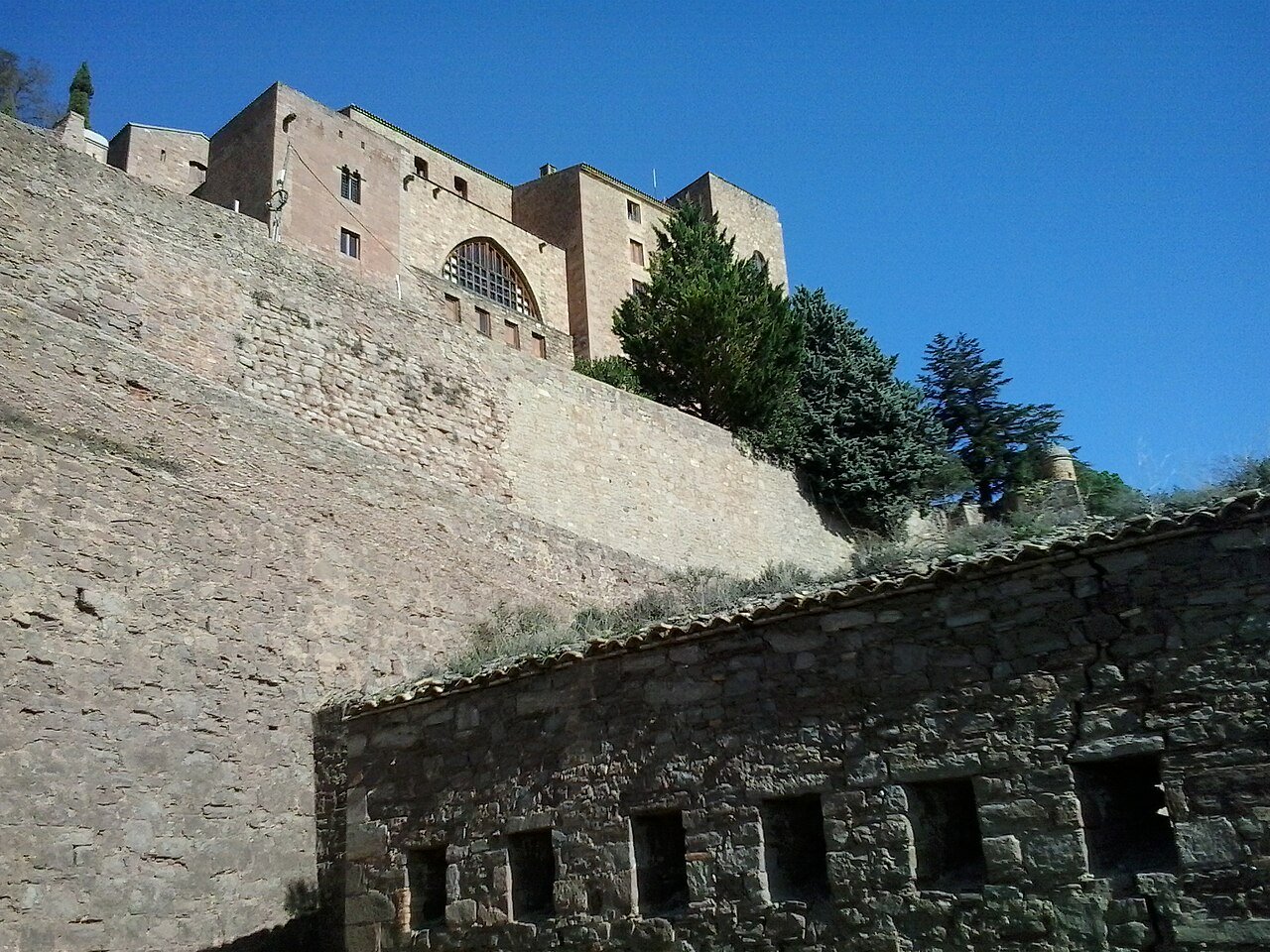
The archetype is the Parador de Cardona in Catalonia. Cardona’s castle was raised in 886 on a hill above the town’s salt mountain; its ducal palace became a parador in 1976, and today you check in beneath Romanesque towers, dine in a stone-vaulted hall and wake to views the dukes of Cardona — once called the kings without a crown — considered the finest in their domain. Other famous houses include the castle of Sigüenza, the monastery-palace of Santo Estevo in Galicia’s Ribeira Sacra and the Hostal dos Reis Católicos in Santiago itself, but the system’s joy is its spread: there is a parador in almost every province, priced from modest to splurge according to the house and the season.
Book through the official Paradores site, join its Amigos loyalty programme for the member rates, and treat the building as the destination rather than the base. Best for: history lovers who prefer their heritage with a mattress in it. Skip it only if anonymous modern hotels are your comfort blanket — the paradores are proudly, creakily themselves.
14. Cross Green Spain on the Transcantábrico Gran Lujo

Spain’s other great luxury is a train that goes nowhere fast, on purpose. The Transcantábrico Gran Lujo runs the narrow-gauge railway — the old FEVE line, the longest narrow-gauge network in western Europe — along the green northern coast between San Sebastián and Santiago de Compostela. Eight days, seven nights, one unhurried ribbon of track threading cliffs, fishing ports, cider country and the foothills of the Picos de Europa.
The format has been running since 1983 and is the exact opposite of modern rail travel. By day the train rolls gently between stops — Santander, Oviedo, Luarca, Viveiro, A Coruña — with excursions by coach to the places the branch lines cannot reach. By night it stands still in a station, deliberately, so that you sleep in a silent suite rather than a rattling one, and so that nobody keeps you from the local restaurants and old towns after dinner. There are lounge cars, a pub car, fine dining built on each region’s produce, and cabins that are suites in everything but square footage.
Honesty about price: this is the splurge of this list by an enormous margin. Expect to pay upwards of €9,000 per person for the full week at 2026 prices, with the season running roughly March to October. A sister train, the Transcantábrico Clásico, works shorter and somewhat gentler-priced versions of the northern routes. Best for: a once-in-a-decade celebration, and rail romantics. Skip it if your travel style is a Ryanair seat and a hostel bunk — but know that in Spain, uniquely, the grand railway palace runs on metre-gauge track through cider orchards.
15. Walk a Western Film Set in Europe’s Only Desert — Tabernas, Almería
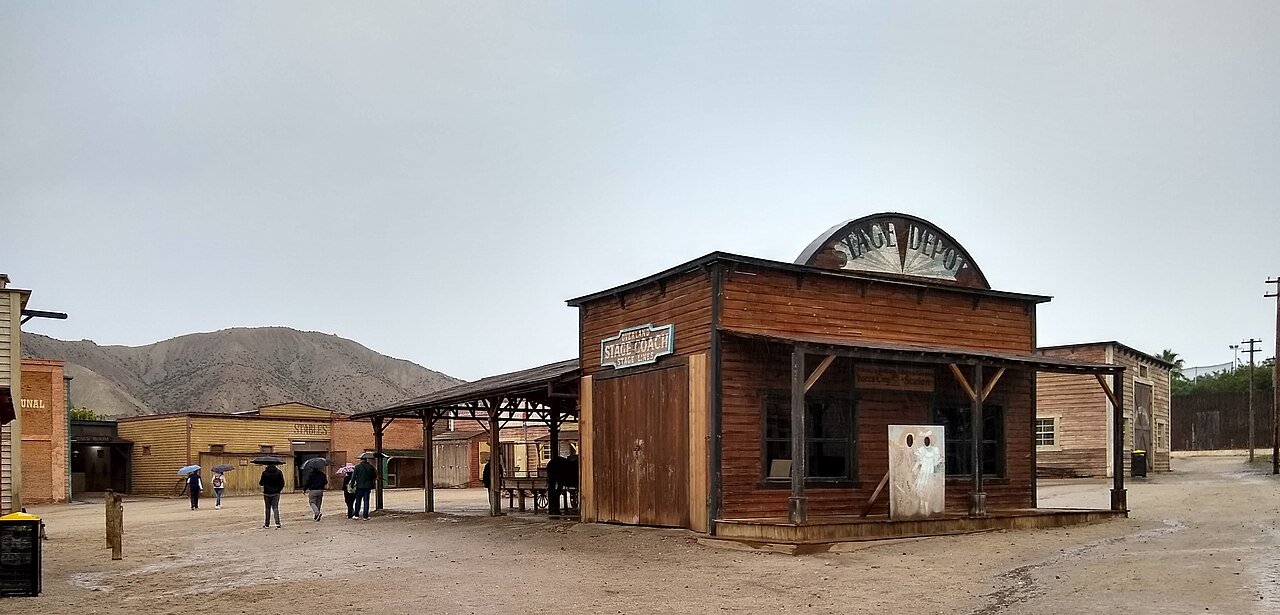
Stand in the main street of MiniHollywood at noon and the illusion is complete: saloon, bank, sheriff’s office, gallows, dust. Then remember where you actually are — the Tabernas Desert of Almería, the only true desert in Europe, some 280 square kilometres of badlands that receive under 250 millimetres of rain a year in the rain shadow of the Sierra de los Filabres and the Sierra Alhamilla. Hollywood noticed the light in the 1960s; Sergio Leone noticed it more, and shot A Fistful of Dollars, For a Few Dollars More and The Good, the Bad and the Ugly here between 1964 and 1966, after David Lean had already filmed parts of Lawrence of Arabia in the same ravines. More than 300 productions have followed.
Three of the old film towns survive as working attractions: Oasys MiniHollywood, built for Leone’s second Dollars film and still staging daily western shows; Fort Bravo / Texas Hollywood, the largest and most film-set-authentic of the three; and the smaller Western Leone. You walk real sets, drink in a real saloon and watch stunt riders fall off real roofs — then step outside the gate and the set turns out to be a real desert, empty and silent to the horizon.
Come in the morning before the heat builds, give yourself most of a day for one park done properly, and pair the desert with Almería city and the wild beaches of Cabo de Gata — most visitors reach Tabernas on an Andalusian loop that also takes in things to do in Málaga. Best for: film lovers, families and photographers. Skip a mid-August midday visit in favour of literally any other hour: Europe’s only desert takes its title seriously.
How to Choose (and Combine) Your Only-in-Spain List
Fifteen experiences, one problem: half of them happen once a year. Build around the calendar first. Spring brings El Colacho (end of May in 2027); early summer stacks the Batalla del Vino (29 June) against San Fermín (6–14 July); mid-August doubles the Misteri d’Elx (14–15 August) with La Tomatina (25 August 2027); and the castells season peaks in autumn — remembering that the Tarragona Concurs takes 2027 off. The other six — Botín, sherry, the zambra, Silbo, a parador night, the escanciado, Tabernas — work in any month of the year (the Transcantábrico runs roughly March to October).
Geography helps too: Buñol, Haro, Castrillo de Murcia and Elche are exactly the kind of small places we rounded up in the best Spanish towns — several of these festivals make the perfect excuse to build a trip around one town done slowly. If your time is short, a well-shaped one-week Spain itinerary can hold three or four of these experiences when the dates align — Madrid for Botín, Granada for the zambra, Jerez for sherry is a ready-made southern week. And before you commit to festival dates, read our Spain travel tips: the fixed-date events in this list sell out their towns’ beds months ahead, and every one of them rewards the traveller who books early and arrives the day before.
Travel insurance, sorted
Whether it is a two-week holiday or a longer move, travel insurance is not the most glamorous part of a trip – but it is the one booking you want to have in place before a trip, and while you are already away. Get a quote from SafetyWing
Final Thoughts
Spain’s great gift to the traveller is that so much of it never got standardised. These fifteen experiences survived — in a Burgos village, a Gomera ravine, a Jerez bodega and a Granada hillside — because the people who own them refused to let them become generic, and UNESCO’s lists now read like a roll-call of Spanish stubbornness. You cannot import a castell, franchise a wine battle or stream a whistled language. You have to go.
So go at the right time of year, book the few things that need booking, stand where the locals stand and join in where joining in is offered. God willing, one August you will be standing in Buñol as the first rocket fires — and you will understand that some things really do only happen in Spain.
15 Best Spanish Towns to Visit: Beautiful Small Towns From Ronda to Baeza
Frequently Asked Questions
What is the most unique thing to do in Spain?
For sheer only-here-ness, the castells of Catalonia take it — no other country builds ten-storey towers out of people, and UNESCO lists the tradition by name. El Colacho, the baby-jumping of Castrillo de Murcia, runs it close: it is the one entry in this guide that visitors consistently refuse to believe until they see the photographs.
When is La Tomatina in 2027, and do I need a ticket?
La Tomatina falls on the last Wednesday of August, which in 2027 is Wednesday 25 August. Yes, you need a ticket: since 2013 participation has been capped at 20,000 and entry is sold through the festival’s official channels (about €15) and bundled into day tours from Valencia. It sells out, so book early.
Is the running of the bulls free, and how dangerous is it really?
Running in the encierro is free, but restricted to over-18s who obey the official rules — sober, properly dressed, no filming from the course. Take the danger seriously: runners are injured every year, sometimes badly, and deaths have occurred in the run’s history. Watching from behind the fencing is also free, and a balcony above the course can be rented privately if you want the famous overhead view.
What is a Xacobeo Holy Year, and why does 2027 matter for the Camino?
A Xacobeo (Holy Year) falls whenever the feast of St James, 25 July, lands on a Sunday — as it does in 2027. The cathedral’s Holy Door in Santiago opens for the year (from 31 December 2026), Galicia programmes a year of events, and pilgrim numbers climb. The next Holy Year is not until 2032, which makes 2027 the year to walk the final 100 kilometres and collect a Compostela.
Can visitors actually join in, or are these experiences spectator-only?
It splits neatly. You participate fully in La Tomatina, the Batalla del Vino, the Camino and the escanciado (someone will hand you the bottle), and you may run at San Fermín at your own risk. The castells, El Colacho and the Misteri d’Elx are watch-only for visitors — the towers are built by town teams, the babies are the village’s own, and the Misteri is a sung liturgy, not a show with audience parts.
How many of these experiences can I fit into one trip?
Realistically three or four, because the great festivals are fixed to single dates scattered across the year. The flexible six — Botín, sherry in Jerez, a Sacromonte zambra, Silbo Gomero, a parador castle night and Asturian cider — can anchor any itinerary, and a southern week of Madrid, Granada and Jerez covers three of them without rushing. Plan the year around one fixed-date festival and build outward from it.
One Comment