Things to Do in Granada: 12 Unforgettable Highlights From the Alhambra to the Free Tapa
Granada is the Spanish city most often visited badly. The pattern is famous: a train or a tour bus in the morning, three breathless hours inside the Alhambra, and out again by evening — with the traveller left wondering why the most beautiful palace in Europe felt like hard work. The Alhambra is not the problem. The schedule is. Granada rewards the visitor who gives it two or three days: one for the palace and its gardens, paced properly and booked honestly, and the rest for the city that the palace was built to rule — the white Moorish quarter facing it across the valley, the cave homes behind that, the riverside lane below it, and a bar culture in which every drink still arrives carrying a free tapa.
This guide is arranged the way a good visit unfolds. The twelve highlights run from the Alhambra itself through the Albaicín and Sacromonte, the cathedral and Royal Chapel of the Christian city, the tapas, the market, two quiet gardens-and-science escapes, and the ski mountains that stand over everything. A practicalities section closes it — trains, neighbourhoods, seasons. If Granada is one stop on a longer first trip, it sits at the heart of our one week in Spain itinerary, which gives the city the two nights it deserves; this article is the full city-level version of those two days.
In This Guide
- 1. The Alhambra and the Generalife: The Palace, Booked Properly
- 2. The Albaicín: The Moorish Quarter That Faces It
- 3. Mirador de San Nicolás: The Sunset Everyone Promises You
- 4. Sacromonte: Cave Homes and the Zambra
- 5. Carrera del Darro and El Bañuelo: The Prettiest Walk in Granada
- 6. Granada Cathedral: The Renaissance Answer
- 7. The Royal Chapel: Where the Catholic Monarchs Lie
- 8. Tapas: The City of the Free Tapa
- 9. The Alcaicería: The Silk Market That Burned and Came Back
- 10. Carmen de los Mártires: The Gardens Nobody Finds
- 11. Parque de las Ciencias: The Science Park Nobody Expects
- 12. Day Trip: The Sierra Nevada, From Palm Trees to Ski Lifts
- 13. Granada Practicalities: Getting There, Where to Stay and When to Go
- Final Thoughts
1. The Alhambra and the Generalife: The Palace, Booked Properly
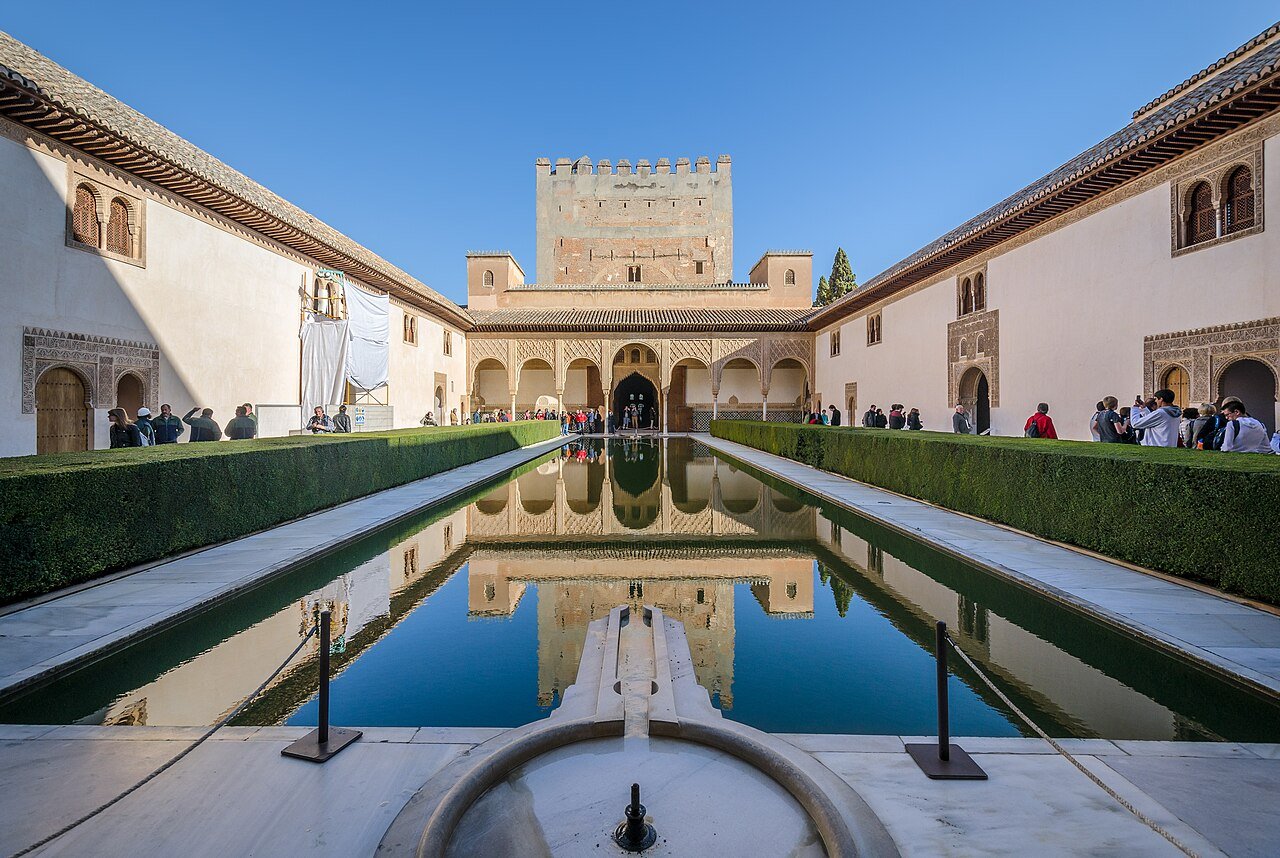
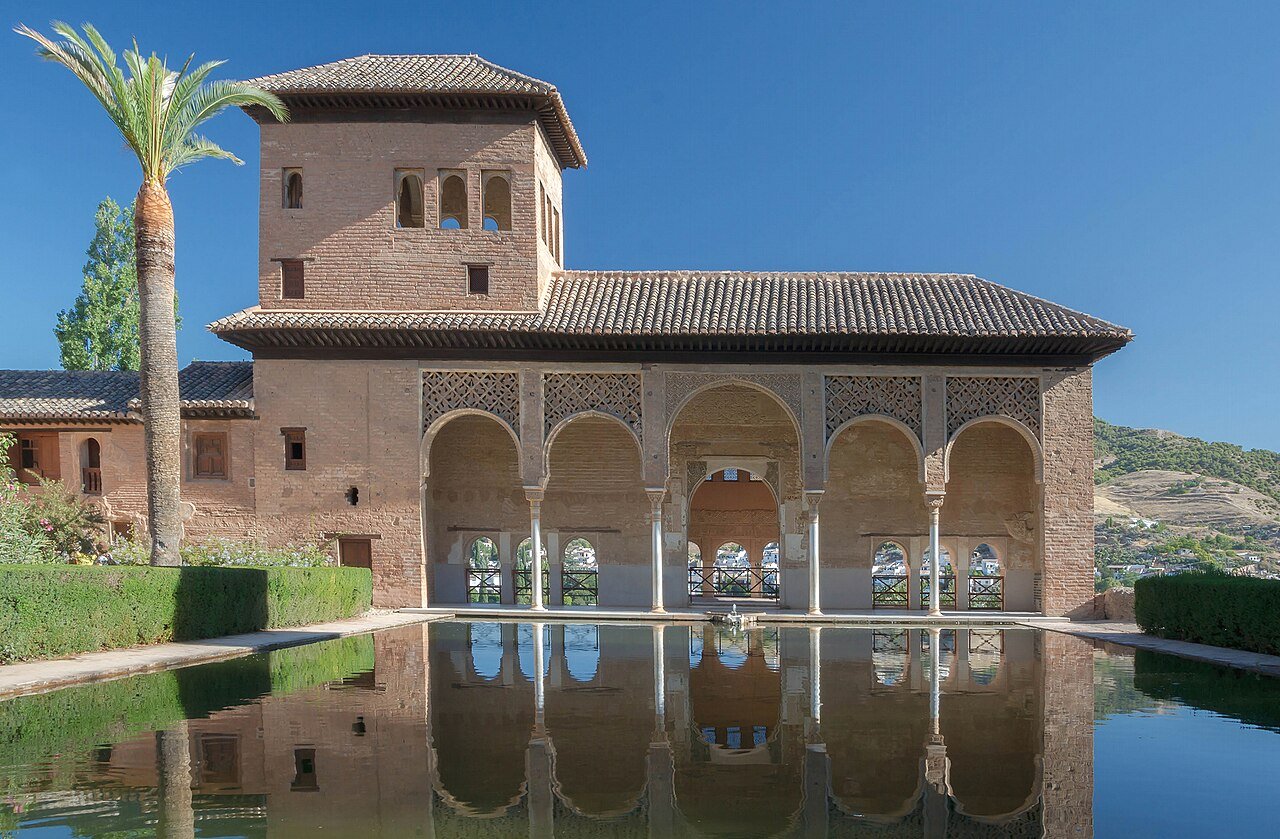
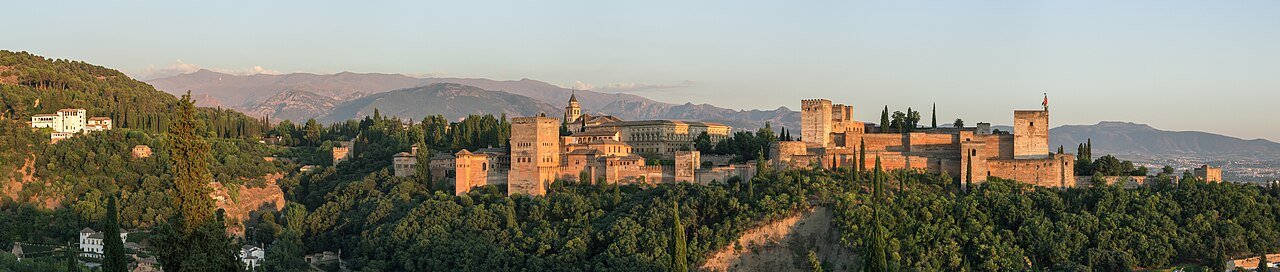
Begin with the building that puts Granada on every list of the best places to visit in Spain — and begin, specifically, with its ticket, because the Alhambra is a visit that is won or lost at the booking screen. The complex on its hill is really four visits wearing one name. The Alcazaba, the fortress, is the oldest part: thick walls, the Torre de la Vela watchtower, and the best view over the city you will get all trip. The Nasrid Palaces are the miracle — the Mexuar, the Comares Palace with its courtyard pool mirroring the tower, and the Court of the Lions, room after room of carved plaster, tile and calligraphy that represents Islamic art at its absolute summit. The Partal and its gardens step down the hill in terraces, and across the ravine the Generalife spreads out — the sultans’ summer palace, all water channels, cypresses and the famous Patio de la Acequia, where a long pool runs between flower beds under ranks of thin fountains. Between fortress and palaces stands the jarring, magnificent Palace of Charles V, a full Renaissance palazzo with a circular courtyard, planted here by the emperor who conquered the place; its two museums — the Alhambra Museum and the Fine Arts Museum — are among the visit’s quiet bonuses.
The rules that govern all of it are simple and absolute. Your ticket carries your name and the number of your passport or ID, and the original document is checked at the doors — no document, no entry. The Nasrid Palaces admit about 300 people per half-hour slot, and the time printed on your ticket is that slot and no other: miss it and the finest rooms in Spain stay shut to you, with the Alcazaba, Partal and Generalife (which the same ticket covers for the rest of the day) as your consolation. Buy through the official channel, tickets.alhambra-patronato.es, as soon as your dates exist — the general ticket costs €21 on the Patronato’s price list, €22.27 bought online with the booking fee, children under 12 are free but still need a named ticket booked alongside yours, and in spring and autumn the good slots go weeks to months ahead. Opening runs 8:30 to 20:00 from April to mid-October and 8:30 to 18:00 in the winter half of the year; the complex closes only on 25 December and 1 January. Allow four hours, minimum. Travellers who allow ninety minutes see the Alhambra’s outline and miss its point.
If official stock has gone for your date — it happens constantly — the authorised resellers are the second door, and they should be walked through with open eyes. The Alhambra and Nasrid Palaces Entry Ticket on GetYourGuide — 4.6/5 from 18,236 reviews, from about $31 — sells the same day admission, fast-tracked, covering the Alcazaba, Nasrid Palaces, Generalife, the Palace of Charles V and the Mosque Baths, with the booking fee inside the price. Read its terms before you pay: it is non-refundable, it includes neither a guide nor an audio guide, and your voucher is exchanged at the Access Pavilion, from which the Nasrid Palaces are still a 10-to-15-minute walk — arrive early, with your passport, exactly as the official ticket demands. Whatever door you buy through, the choreography inside is the same: build the day around your palace slot, take the Alcazaba and the Charles V museums while you wait, and save the Generalife’s cool gardens for last.
2. The Albaicín: The Moorish Quarter That Faces It
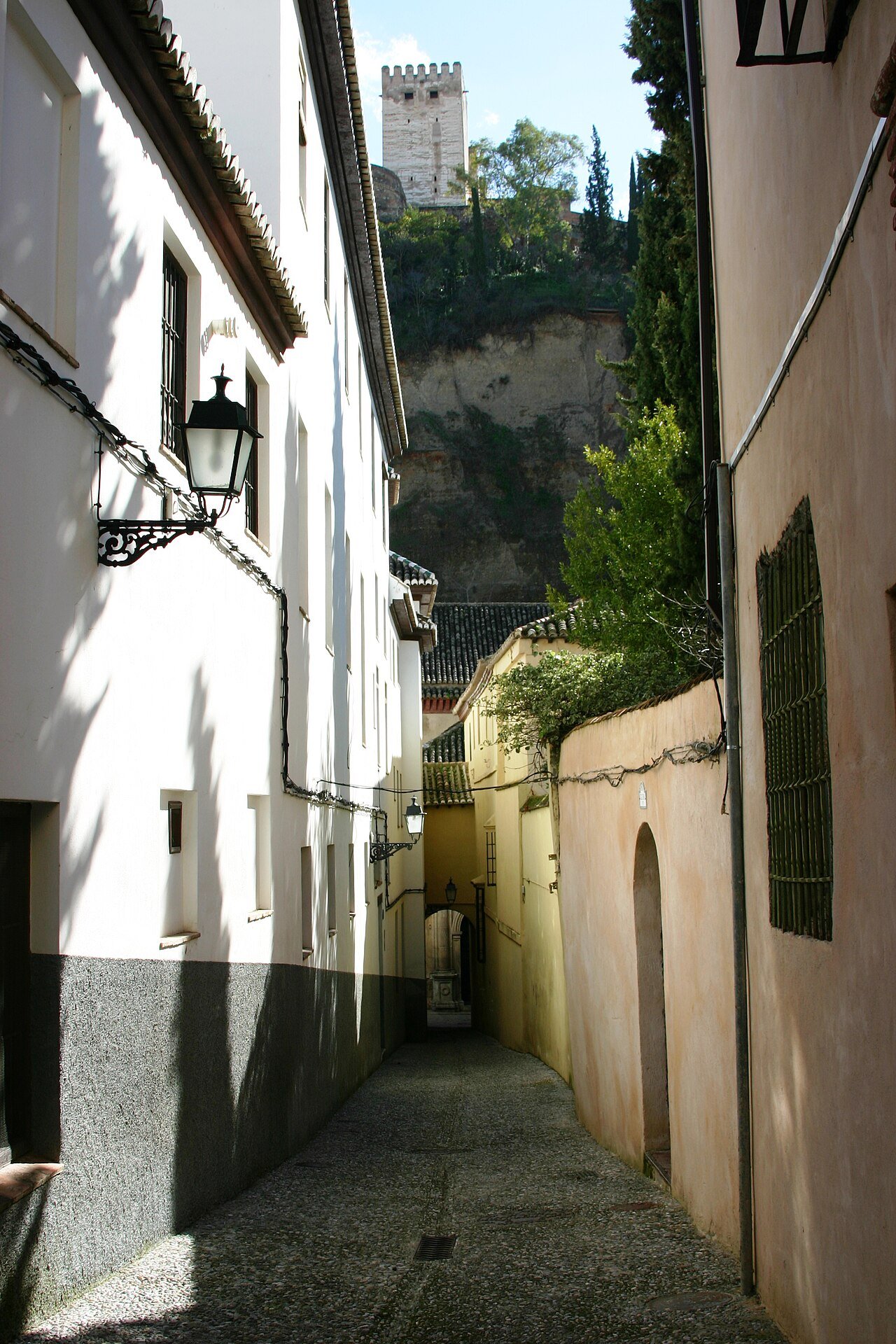
Stand in the Alhambra at any hour and the view that competes with the palace itself is the one across the Darro valley: a hillside of white houses, cypresses and church towers, stacked along lanes that were old when the Nasrid sultans were new. That is the Albaicín, Granada’s Moorish quarter, protected by UNESCO in its own right and still, underneath the visitors, a lived-in neighbourhood. There is no itinerary to it and there should not be. The Albaicín is a place to climb slowly and get productively lost in: white lanes that narrow to a shoulder’s width, sudden small squares with a fountain and a bar, and behind high white walls the cármenes — the quarter’s signature houses, invisible from the street, each hiding a garden and a private framed view of the Alhambra. Down at the quarter’s foot, the Calle Calderería is the lively exception, a short lane of teterías — Moorish-style tea houses serving mint tea and Arabic pastries — that feels like a page from the city’s other history.
Two landmarks give a wander its shape. The Mezquita Mayor, Granada’s Great Mosque, opened in 2003 beside the San Nicolás viewpoint — the first new mosque raised in the city in five centuries — and its garden shares, free of charge, the same famous view as the crowded mirador next door, usually with a fraction of the people. And everywhere, the quarter’s dozen small churches mark where mosques stood before them, several keeping their minaret towers, converted into belfries. Practical warnings, briefly: the lanes are steep, the cobbles are polished by centuries, and the Albaicín is no friend to wheels — neither suitcases nor pushchairs enjoy it. Go up in the late afternoon, when the stone cools and the light turns, and let the quarter deliver you to its viewpoint at sunset.
The structured alternative is genuinely good here, because the Albaicín’s stories are not written on its walls. The Albaicín and Sacromonte Guided Sunset Walking Tour on GetYourGuide — 4.9/5 from 3,654 reviews, from about £13 — walks both quarters in two to two and a half hours from Plaza Nueva, taking in El Bañuelo from the Darro lane, the San Nicolás viewpoint at sunset and the Sacromonte cave quarter as the light fails. It comes with free cancellation up to 24 hours ahead for a full refund and reserve-now-pay-later, which makes it an easy booking to make early and drop if plans change. Its own page carries the honest caveat the quarter deserves: steep hills and stairs throughout, not recommended for limited mobility.
3. Mirador de San Nicolás: The Sunset Everyone Promises You
Every famous view has a machinery around it — crowds, cameras, a low wall nobody can get to — and the Mirador de San Nicolás, on the little square beside the church of the same name at the Albaicín’s top, has all of it. Come anyway. The view is the genuine article: the whole Alhambra spread along its wooded ridge directly opposite, close enough to read its towers one by one, with the Sierra Nevada standing behind it — snow-covered for much of the year — and the Generalife gardens stepping down to the right. In the last hour of the day the palace stone takes the sun and turns the colour of apricot jam, and the plaza behind you fills with buskers, students and half of Granada. Bill Clinton, visiting in 1997, is said to have called it the most beautiful sunset in the world; whoever said it first, the square has been trading on the line ever since, and on a clear evening it is simply true.

The tactics are simple. Arrive 45 minutes before sunset if you want the wall; arrive at sunset if you are content to stand three deep, which is also fine — the lightshow lasts a while. The mosque garden a few steps away (§2) offers the same panorama in near-silence on days when the mirador itself is impassable. Photographers should know the classic shot wants the snow: late winter and spring, when the Sierra is white and the evenings are already lengthening, give the postcard its full contrast. And do not hurry down in the dark. The Albaicín at nightfall, its lanes lit and the palace floodlit across the valley, is the quarter’s second act — walk down slowly, by whichever lane looks prettiest, toward the lights of Plaza Nueva and dinner.
4. Sacromonte: Cave Homes and the Zambra
Follow the Darro valley east from the Albaicín and the city changes again. The Sacromonte hill is honeycombed with cuevas — homes dug straight into the soft rock, their whitewashed fronts and chimneys the only sign that the hillside is inhabited. This has been Granada’s Roma quarter for centuries, and it is the spiritual home of the zambra, the flamenco form named for the celebrations once held in these caves. Families still live in cave houses along the Camino del Sacromonte today, in a neighbourhood that is neither a museum nor a film set but a working, idiosyncratic community strung along a single climbing road.
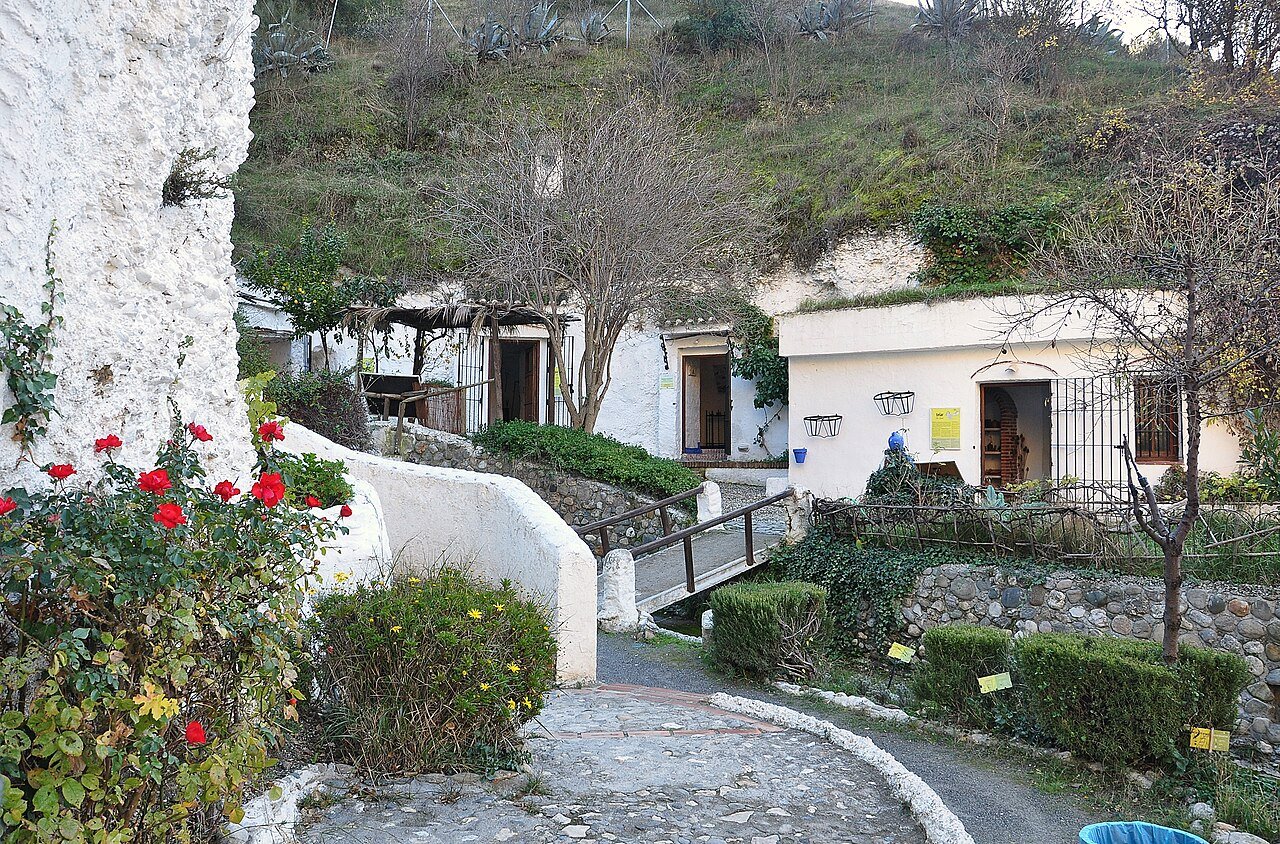
The way in is the Museo Cuevas del Sacromonte, an open-air ethnographic museum set in the Barranco de los Negros ravine, where a group of furnished cave dwellings recreates the traditional crafts and domestic life of the quarter — the forge, the pottery, the kitchen cave, the stable — with gardens and the same Alhambra view as everything on this hill. It charges a small entry fee and takes an unhurried hour. Walk on up the road afterwards to the Abadía del Sacromonte, the abbey at the hill’s end, as far as most visits get. By night, the quarter belongs to the zambra: cave venues along the Camino — Los Tarantos is the longest-running of them — stage intimate flamenco shows in whitewashed cave rooms, where the singing sits a few feet from the front row and the whole performance has a rawness the big city tablaos cannot copy. Granada’s flamenco is its own dialect of the art; travellers heading west afterwards can hear the story continued at Seville’s Museo del Baile Flamenco, but the cave version, heard where it was born, is the one that stays with you. The sunset walking tour in §2 ends in this quarter and pairs naturally with a show the same night.
5. Carrera del Darro and El Bañuelo: The Prettiest Walk in Granada

If the Albaicín is explored vertically, the Carrera del Darro is its horizontal pleasure: the lane that runs along the River Darro from Plaza Nueva toward the Paseo de los Tristes, in the slot of valley between the Albaicín on one side and the Alhambra hill on the other. Old stone bridges cross and re-cross the river, grand houses line the far bank, and every gap in the buildings frames a tower of the palace above. Locals call the far end’s terrace row the Paseo de los Tristes — the Promenade of the Sad — because funeral processions once passed this way to the cemetery; today it is all café tables under the Alcazaba, and one of the great places in Spain to do nothing with a coffee. Walk it in the morning, before the day heats the valley, and walk back through the Albaicín above you.
Halfway along, a doorway in the lane leads into the walk’s treasure. El Bañuelo is an 11th-century Arab bathhouse — the Hammam al-Yawza — and one of the oldest and best-preserved in Spain: a sequence of brick-vaulted rooms on marble columns, the main hall lit by star- and octagon-shaped skylights exactly as it was a thousand years ago, when the steam rose and the bathers talked business under them. It is small, cool and quietly astonishing, and it costs very little: €2 on its own, or as part of the combined Monumentos Andalusíes ticket (€8) that also covers the Palacio de Dar-al-Horra, the Casa Morisca del Horno de Oro and the Maristán. With the same ticket family in mind, detour afterwards to the Corral del Carbón, near the cathedral — the only Nasrid alhóndiga (a merchants’ inn and granary) preserved in Spain, entered through a grand horseshoe-arch gateway, and free to visit.
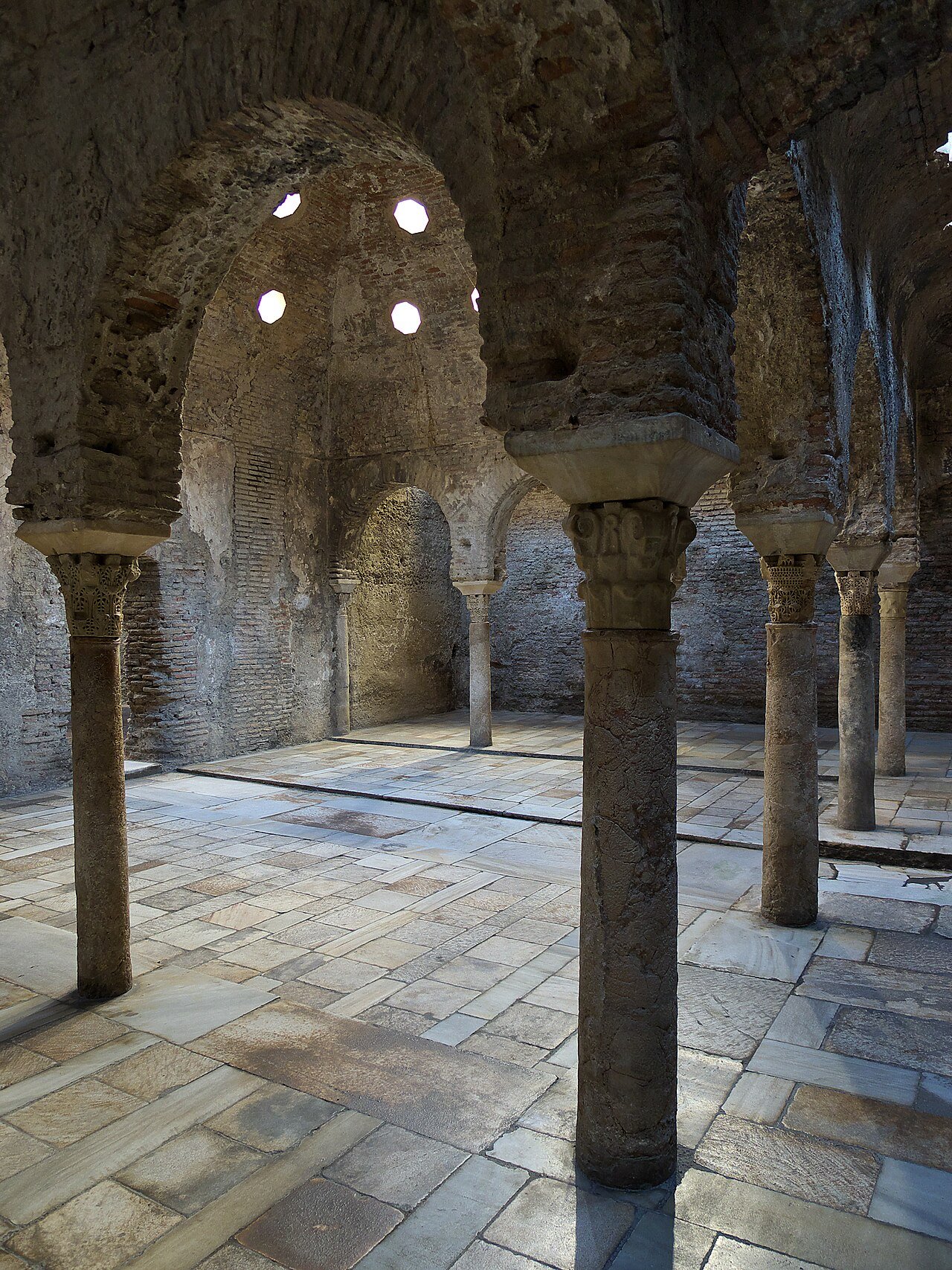
Fittingly, this is also where Granada lets you take the bath rather than just admire one. Hammam Al Ándalus, on Calle Santa Ana just off Plaza Nueva at the Darro’s start, is a modern bathhouse built in the Nasrid manner — it makes no claim to be medieval, and its candlelit rooms of hot, warm and cold pools, steam and mint tea in the rest room are all the better for the honesty. The Hammam Al Ándalus session on GetYourGuide — 4.8/5 from 1,900 reviews, from about $71 — buys a 1.5-hour session with an optional 15- or 30-minute massage inside the time, for groups of no more than six bathers, with free cancellation up to 24 hours ahead for a full refund. Bring swimwear, book the evening slot after a day in the Alhambra, and it is the single best recovery treatment this city offers tired legs.
6. Granada Cathedral: The Renaissance Answer
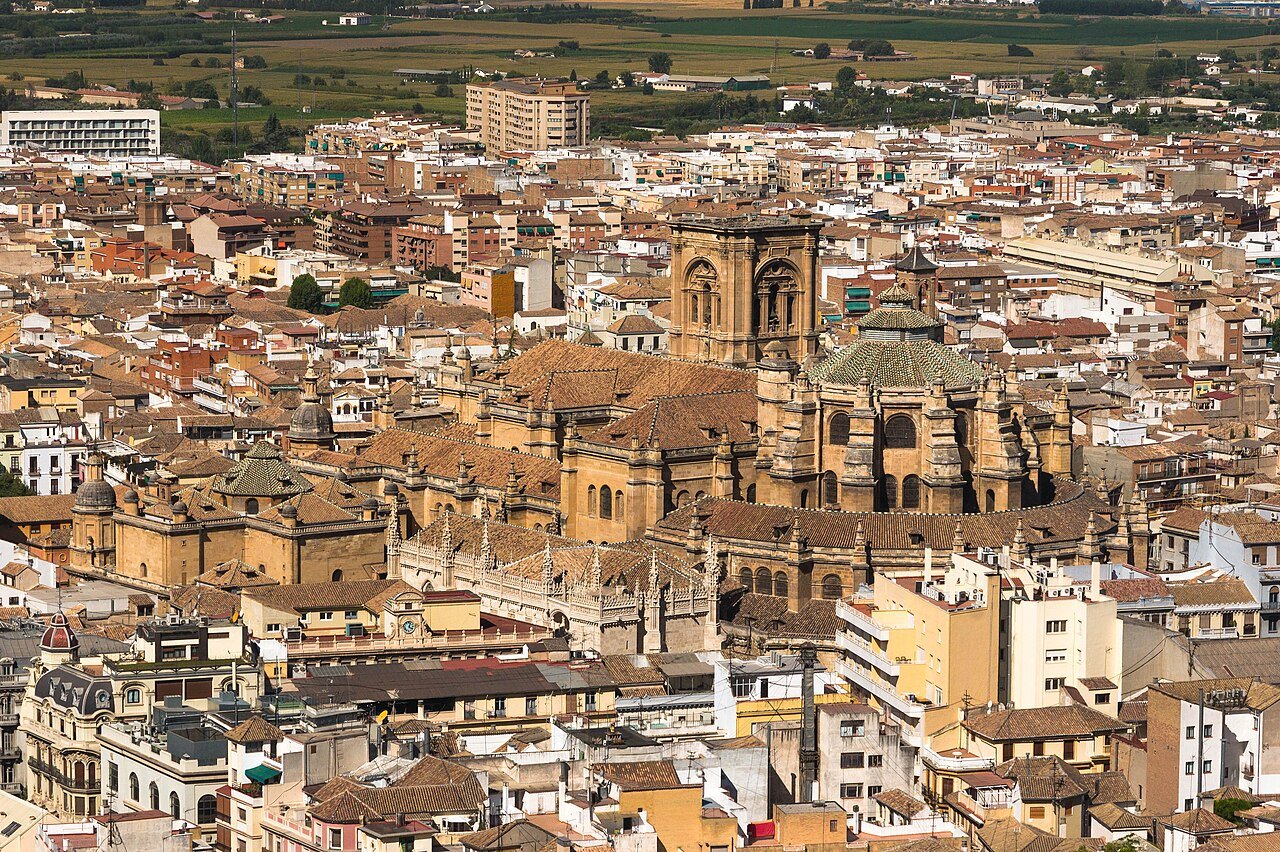
In 1492 Granada fell, and the Christian city that replaced the Nasrid capital announced itself in stone a generation later, on the site of the Great Mosque at the centre of the modern streets. Granada Cathedral is one of the great churches of the Spanish Renaissance: begun in 1523 and raised largely to Diego de Siloé’s design, it replaces Gothic gloom with a forest of immense white Corinthian columns and a main chapel built as a perfect rotunda — a circular Capilla Mayor unlike anything else in Spain, designed to hold the tombs of emperors before history changed the plan. The main facade came later and speaks a different language, all Baroque theatre from the hand of Alonso Cano, painter, sculptor and architect in one. Stand in the nave at midday, when the light from the high windows turns the white stone luminous, and the building makes the conquerors’ argument for them: a new world, built in a new style, directly on top of the old one.
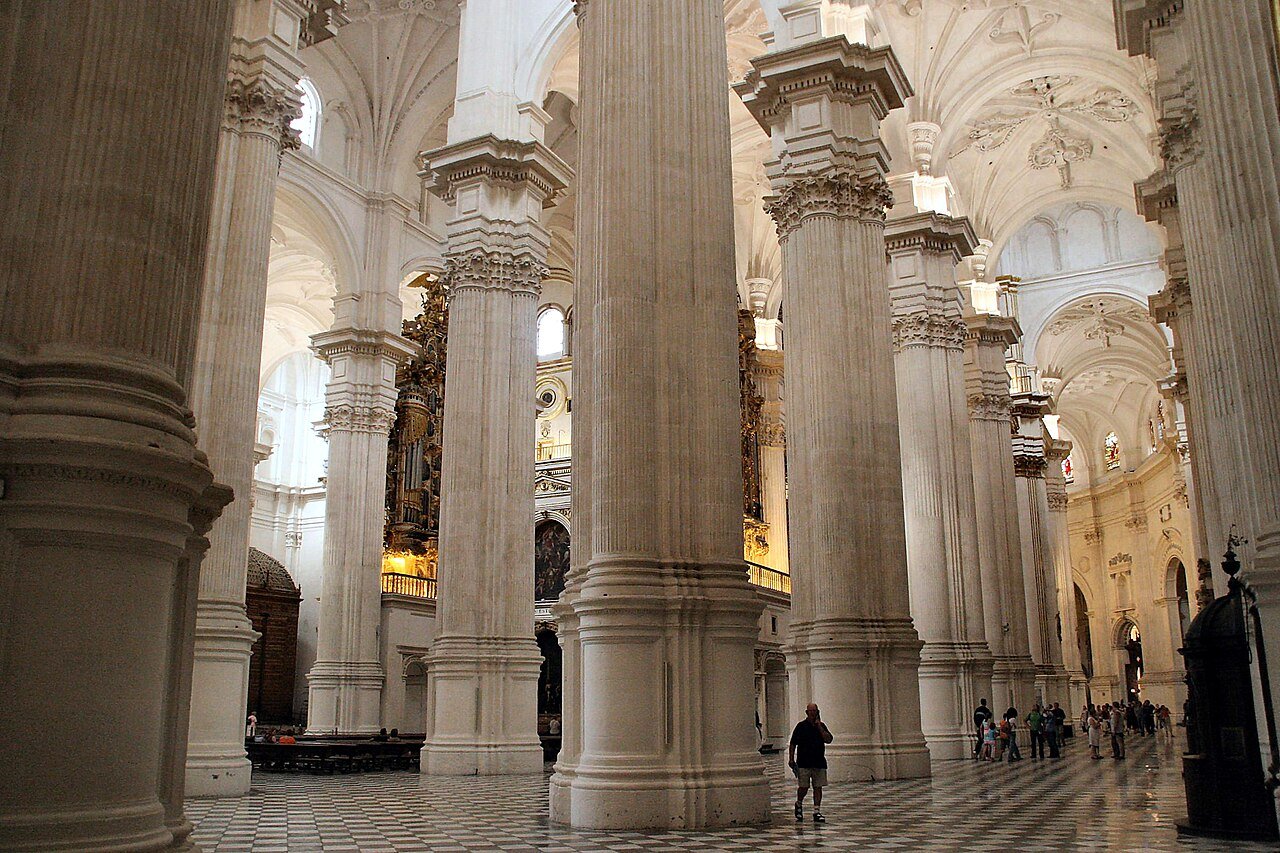
Practicalities are kind. The cathedral stands a two-minute walk from Plaza Nueva in the flattest part of the city, tourist entry is sold online from about €10, and the usual visiting pattern runs Monday to Saturday from mid-morning to early evening and Sunday afternoons — mornings before the tour groups are the calmest. It pairs naturally with its neighbour, the Royal Chapel (§7), but note that the two are separate monuments with separate entrances and separate tickets, joined by a door the public cannot use. Do the cathedral first, while your legs are fresh for its scale; the chapel is the smaller, denser, more emotional visit, and it benefits from coming second.
7. The Royal Chapel: Where the Catholic Monarchs Lie
The Capilla Real is a small building carrying an enormous weight of Spanish history. Isabella of Castile and Ferdinand of Aragon — the Catholic Monarchs who took Granada in 1492, united the Spanish crowns and sent Columbus west — chose this city, their conquest, for their tomb, and the chapel raised beside the cathedral between 1505 and 1517 in late, lacy Isabelline Gothic is where they lie. Beneath the high altar’s marble effigies — the work of the Italian sculptor Domenico Fancelli, carved in Carrara marble — rest the monarchs themselves in plain lead coffins in the crypt below, a deliberate humility that visitors find unexpectedly moving. Their daughter Joanna of Castile and her husband Philip the Handsome lie in the same chapel, in tombs every bit as grand.
Do not leave through the gift shop too quickly: the chapel’s museum, in the old sacristy, holds Isabella’s personal collection, and it is one of the great small museums of Spain — her crown and sceptre, her prayer books, and the Flemish and Italian paintings she collected, including Botticelli’s Prayer in the Garden. Admission is €7, children under 12 go free, and entry is free on Wednesday afternoons if you reserve ahead — the slots go quickly. Together, cathedral and chapel take an unhurried hour and a half, and they complete the story the Alhambra begins: the palace shows you the civilisation that built Granada, and these two buildings show you the one that replaced it, at the very moment of replacement.
8. Tapas: The City of the Free Tapa
Now for the custom that makes Granada the best-value eating city in Spain. Order a drink in a bar here — a caña of the local Alhambra beer, a glass of wine, a soft drink — and a small plate of food arrives with it, unasked and uncharged. That is the free tapa, and Granada is its last great stronghold. The house chooses what you get: it might be a slice of jamón and cheese, a spoonful of stew, fried fish, a mini bocadillo, a Russian salad — the plate is the bar’s signature and its advertisement, and in many bars the tapas grow more ambitious with each round, a quiet incentive to stay for one more. A traveller can graze an entire evening this way, moving from bar to bar, and spend less than the cost of one restaurant main course at home.

The rules of engagement are easy. Do not ask what the tapa will be — the surprise is the institution — though a good bar will happily tell you what is on today. If you want a particular dish, order it as a ración and pay for it; the free plate is the house’s gift, not a menu. The classic ground is the centre: Calle Navas and the lanes around Plaza Nueva and Plaza Bib-Rambla for the traditional bars, Calle Elvira for a scruffier, student-flavoured run, and the Realejo quarter (§13) for the modern generation. For the dishes themselves — what jamón to order, how the stews and fried fish of Andalusia fit together — our guide to famous Spanish foods is the menu translator to read first. And one happy consequence: in Granada, the question “where shall we eat?” often answers itself, one free plate at a time.
9. The Alcaicería: The Silk Market That Burned and Came Back
Beside the cathedral, a Moorish archway in the shopping streets opens into a different century. The Alcaicería was Nasrid Granada’s silk exchange — al-qaysariyya, the market of Caesar, a walled bazaar of lockable stalls where raw silk and finished cloth, the wealth of the kingdom, changed hands a few steps from the Great Mosque. Silk made Granada rich, and this little warren was its counting house. The original bazaar survived the conquest by three and a half centuries and then, in 1843, burned to the ground in a single night, in a fire that began in a match shop. What stands today is the 19th-century rebuilding, a neo-Moorish romance of horseshoe arches, latticed plaster and tiny courtyard lanes, raised on the original footprint and in conscious imitation of what was lost.

Come with the right expectations and it is a pleasure. The Alcaicería today sells souvenirs, ceramics, marquetry and Fajalauza pottery rather than silk, at prices pitched at visitors, and a slow ten minutes of bargaining and browsing is the correct dose. It is also, incidentally, the prettiest shortcut in the centre, cutting from the cathedral square toward Calle Reyes Católicos — walk through it even if you buy nothing, and look up: the plasterwork above the stalls is the bazaar’s own quiet exhibit.
10. Carmen de los Mártires: The Gardens Nobody Finds
Half of Granada’s visitors walk past the Alhambra’s hill and never learn that its southern slope hides the city’s loveliest public garden — which is precisely its charm. The Carmen de los Mártires takes its name from the Christian captives said to have been held in caves on this hill in Nasrid times; what stands here now is a 19th-century carmen, a mansion and terraced gardens above the city, given over to fountains, a duck pond, peacocks with the run of the paths, a fern-filled grotto and gardens laid out in the French and English manners, room by green room. Entry is free. From the terraces, the view runs not to the Alhambra — for once — but out over the city and the Vega plain to the mountains, which makes it the local counterweight to San Nicolás: the same golden hour, a tenth of the crowd.
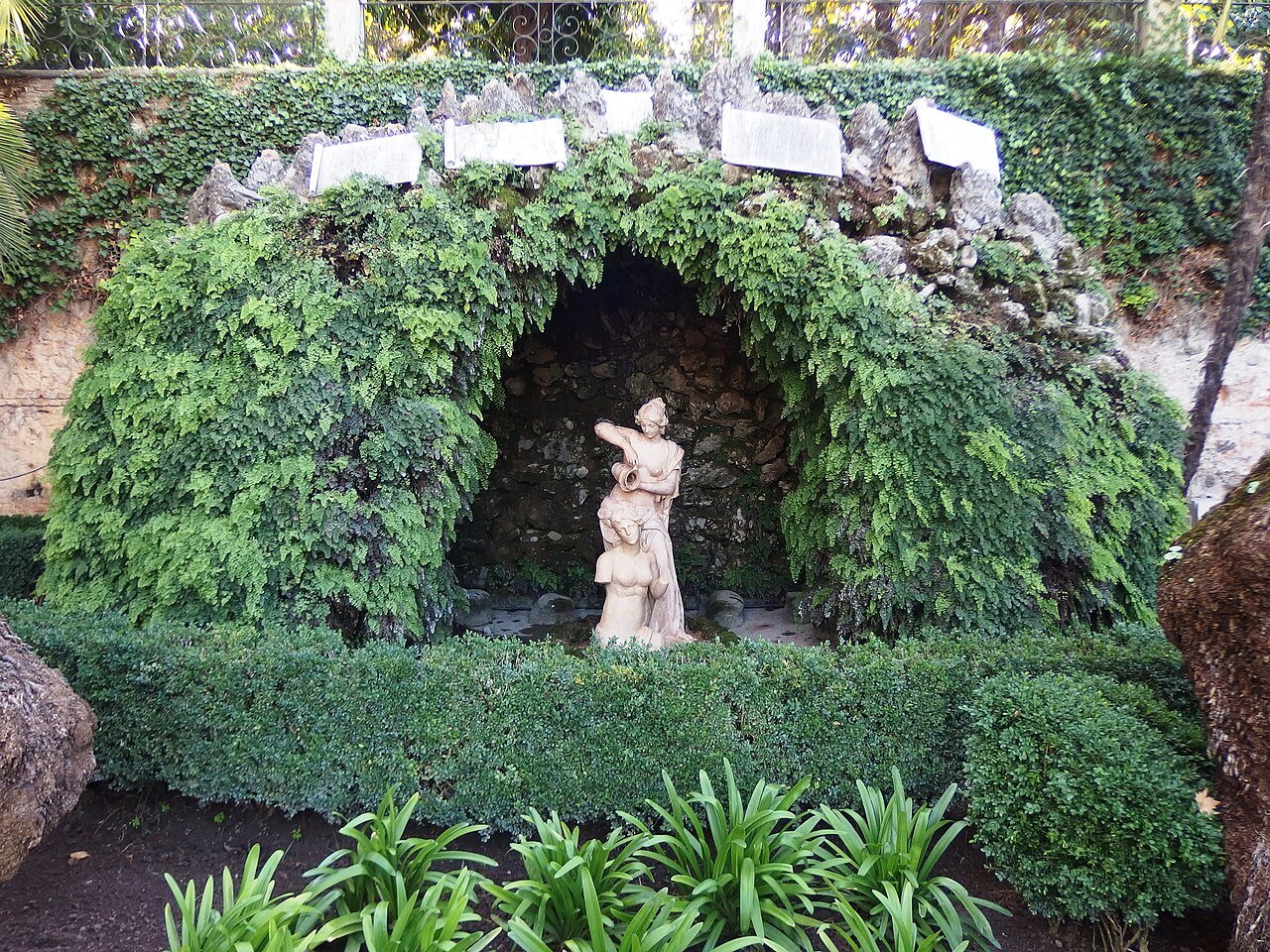
The practical catch is simply knowing the door: the gardens sit on the Paseo de los Mártires, on the Alhambra hill above the Realejo, a short uphill walk from the centre or a stop on the little Alhambra bus. Pair it with the Alhambra itself — come down from a morning palace slot, rest in the shade here, and let the crowds go to lunch without you. It is also, not coincidentally, the most romantic hour in the city for travellers who have had enough of queues: bring a book, find the lake terrace, and let Granada be quiet for a while.
11. Parque de las Ciencias: The Science Park Nobody Expects
Every long city trip needs a pressure valve — a rainy-day plan, a children’s treaty, a break from the 16th century — and Granada’s is superb. The Parque de las Ciencias, a fifteen-minute bus ride southwest of the centre, is one of the most visited museums in Andalusia: a sprawling interactive science park opened in 1995, with pavilions on the human body, perception, physics and the natural world, a planetarium, an observation tower, and the BioDomo, a glass ecosystem of tropical forest and aquarium — sharks and rays in the tanks, lemurs and tropical birds in the canopy — housing more than 200 species. Almost everything is hands-on, bilingual and pitched at the genuinely curious rather than the dutiful, which is why school parties and families can each happily lose half a day here.

The prices keep it an easy decision: museum entry €7, the planetarium €2.50, and the museum and BioDomo together €11, with the BioDomo and planetarium ticketed separately from the main museum. It opens Tuesday to Saturday 10:00–19:00 and Sundays 10:00–15:00, and closes on Mondays — plan around that, and book the BioDomo ahead at weekends. Travellers with children rate it the best family half-day in the city; travellers without them should consider it the standing answer to Granada’s one reliable weather surprise, a Sierra-fed rainy day.
12. Day Trip: The Sierra Nevada, From Palm Trees to Ski Lifts
Look south from any Granada viewpoint and the horizon is a wall of mountains. The Sierra Nevada — the Snowy Range — holds Mulhacén, at 3,479 metres the highest peak on the Spanish mainland, wrapped in a national park and biosphere reserve; and on its northern slopes, barely 40 minutes’ drive from the cathedral, sits Pradollano, the village of Europe’s southernmost ski resort, whose lifts climb to about 3,398 metres. The party trick is real and worth performing once: ski in the morning, with views on a clear day that run to the Mediterranean and, some say, to Africa — then drive down and take your evening tapa in a city where the orange trees are in blossom. No other city in Europe offers the combination on a single day’s timetable.
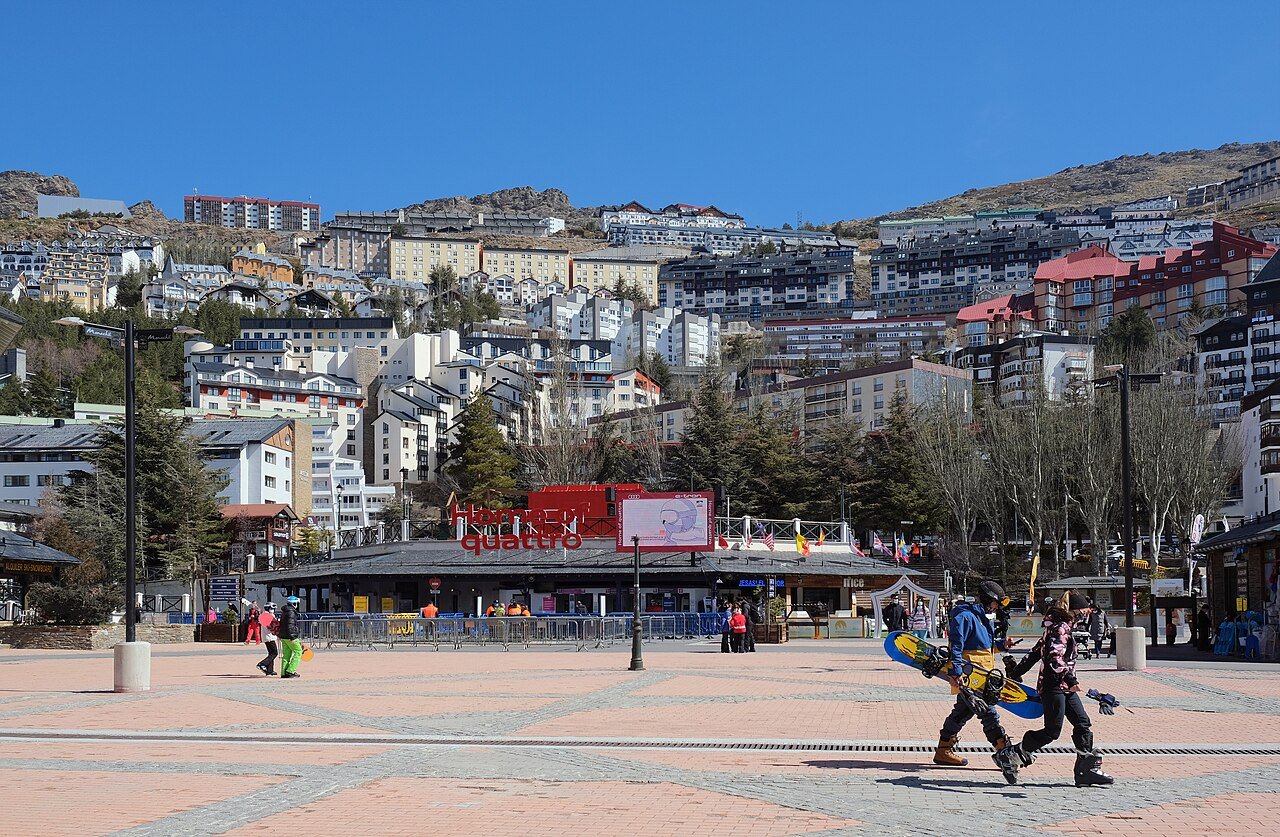
Outside the ski season the mountains change their offer rather than closing. Summer brings high hiking — the old sulphur road toward the Veleta peak, the high lagunas, refuge-to-refuge walks under peaks still striped with snow in July — and the Alpujarra, the valley system on the range’s southern face, where the white villages of Pampaneira, Bubión and Capileira hang on the Poqueira gorge above terraced farms, a separate and beloved day trip. Buses and tours run to both the resort and the Alpujarra from the city, and drivers should simply remember that the mountain road is a mountain road. Even travellers who never leave Granada feel the Sierra working: it is the snow in the San Nicolás postcard, the cold edge in a winter evening, and the reason the city’s summers cool down at night in a way Seville’s never do.
13. Granada Practicalities: Getting There, Where to Stay and When to Go
Getting there. Granada has a mainline station west of the centre, a short tram, bus or taxi ride — or a fifteen-minute walk — from the cathedral. The trains that matter: direct AVE services from Madrid Atocha take about three and a half hours; Córdoba is about an hour and three quarters away on the same high-speed spine; Seville is about two and three-quarter hours; and direct Avant trains from Málaga María Zambrano take about an hour and twenty minutes — but there are only a handful of direct departures a day on that route, so read its timetable before building a day trip on it (other Málaga trains change at Antequera-Santa Ana). The city’s own small airport, Federico García Lorca Granada-Jaén, handles domestic and a few European flights, with buses and taxis into the centre; many international visitors instead fly to Málaga and come up by train or bus. Inside the city, the centre, Albaicín foot and cathedral quarter are all walkable; the little red Alhambra minibuses earn their fare on the two hills.
Where to stay. Four bases cover the city’s personalities. The Centro around Plaza Nueva and the cathedral is the practical default — flat, full of hotels at every level, walkable to everything except the high Albaicín. The Realejo, the old Jewish quarter at the foot of the Alhambra hill, is the local favourite: bars, street art — look for the murals of El Niño de las Pinturas — and a neighbourhood feel, ten minutes from the centre. The Albaicín itself is the romantic choice, all views and garden hotels, at the price of steep lanes and luggage-hauling; stay there for the atmosphere, not the logistics. And a handful of hotels on the Alhambra hill itself trade the city for gardens and silence, ideal for a short, palace-focused stay. Granada’s prices run gentler than Seville’s or Barcelona’s across every band in our budget travel guide, and the free tapa quietly subsidises every evening of the stay.
When to go. Spring and autumn are the seasons the city would choose for itself: April to early June and mid-September to November bring warm days, cool evenings and — in spring — the Sierra still white behind the palace. Summer days are fiercely hot but the altitude (Granada sits some 740 metres up) takes the edge off the nights, and the pattern of our Spain travel tips applies at full strength: sights early, the long lunch, the city again at dusk. Winter is colder than visitors expect and is rewarded for it — quiet palaces, the ski season above, and the Alhambra against snow. Two festivals move the whole calendar: Semana Santa, and the Corpus Christi fair in late spring, the city’s biggest week, when hotel prices and crowds both peak. Whenever you come, hold the trip’s shape: Granada pairs perfectly with Seville — our 3 days in Seville itinerary is its natural travelling companion — and Córdoba sits between them on the line, an hour and three quarters away.
Travel insurance, sorted
Whether it is a two-week holiday or a longer move, travel insurance is not the most glamorous part of a trip – but it is the one booking you want to have in place before a trip, and while you are already away. Get a quote from SafetyWing
Final Thoughts
Granada is two cities in one view. From San Nicolás you can see both of them at once: the palace of a lost civilisation glowing on its hill, and the white quarter that civilisation built, facing it across five hundred years. The travellers who only tour the palace have seen the masterpiece and missed the conversation. Give Granada its days — book the Alhambra first and walk its rooms slowly, climb the Albaicín at dusk, stand in the cathedral’s white forest of columns, eat the free tapas, soak in the hammam, and let the Sierra Nevada keep appearing at the end of every street. It is, in the end, the most romantic city in Spain, and the hardest to leave on schedule.
One Week in Spain: A 7-Day Itinerary from Madrid to Seville You’ll Actually Follow
Frequently Asked Questions
How many days do you need in Granada?
Two full days is the honest minimum: one for the Alhambra complex, taken at its own pace, and one for the Albaicín, Sacromonte, the cathedral quarter and the tapas. A third day is easily filled — the Carmen de los Mártires and the Science Park, a slower second look at the Albaicín, or the Sierra Nevada day trip. One day is possible only as an Alhambra raid, and we argue against it everywhere in this guide: the city outside the palace walls is half the experience.
Do you have to book Alhambra tickets in advance?
Yes — this is the single most important booking of any Granada trip. Nasrid Palaces entry is by named ticket with a half-hour slot, capacity is capped at about 300 visitors per slot, and in spring and autumn the official tickets at tickets.alhambra-patronato.es (€22.27 online for the general ticket) sell out weeks to months ahead. Bring the original passport or ID you booked with; it is checked at the door. If official stock is gone, authorised resellers such as GetYourGuide hold their own allocations — read the cancellation terms carefully, as the main entry listing is non-refundable.
What is the best month to visit Granada?
May and the second half of September into October are the sweet spots: warm but not fierce days, cool evenings, the full tapas-terrace life, and in May the Sierra Nevada still snow-capped behind the Alhambra. April is lovely but holds Semana Santa crowds; June is hot by the end. Winter is the quiet insider’s season — cold, bright, the palace nearly empty on weekday mornings, and skiing above the city — while July and August demand the full southern rhythm of early sights and late nights.
Is Granada expensive to visit?
No — it is one of the best-value cities in Spain. The headline sight costs €22.27 bought officially, the cathedral quarter is cheap, the Royal Chapel is €7, the Carmen de los Mártires and the Corral del Carbón are free, and the free-tapa custom means an evening’s eating can cost little more than the price of your drinks. Mid-range hotels run noticeably below Seville and Barcelona levels. The costs that do bite are the ones this guide flags: reseller Alhambra tickets when official stock runs out, and festival-week hotel prices.
Can you visit Granada as a day trip from Seville or Málaga?
From Málaga, yes, comfortably: direct Avant trains take about an hour and twenty minutes, though there are only a few a day, so fix your trains first — and book the Alhambra slot to match. From Seville it is technically possible and practically punishing: about two and three-quarter hours each way leaves a tired half-day in a city whose best hours are the evening ones. If Granada matters to you, sleep here; the Albaicín at night and the palace at opening time are the two experiences a day trip can never have.
Is the free tapa really free — and can you choose it?
It is really free: order a drink in a Granada bar and a small plate arrives with it, charged to nobody. What arrives is the bar’s choice, not yours — that is the institution, and asking to swap it marks you as new in town. Order a second round and a different tapa usually follows, often a better one; order a specific dish as a ración and you pay for it as normal. Not every bar in the centre keeps the custom at full strength, but the traditional bars of Calle Navas, Elvira and the Realejo keep it proudly.



3 Comments