Best Places to Visit in Northern Spain: 10 Places to See First
If you only base in one northern city on a first trip, make it San Sebastián: a shell of golden sand at La Concha, a warren of pintxo bars in the old town, and the whole Green Spain coast unrolling westwards from its station. After San Sebastián, work west the way this list does — Bilbao and Gaztelugatxe, Santander and the Picos, Asturias, a detour inland for Rioja, and finally Galicia, where the Camino ends at Santiago.
The region’s shape is the second thing to understand. Northern Spain — Green Spain — is the Atlantic strip most visitors never reach: the Basque Country, Cantabria, Asturias and Galicia, pressed between the Bay of Biscay and the Cantabrian Mountains. The mountains catch the weather, so this Spain is green, mild and occasionally wet rather than sun-baked — fishing ports instead of beach resorts, cider and white wine instead of sangría, and mountains that drop almost straight into the sea.
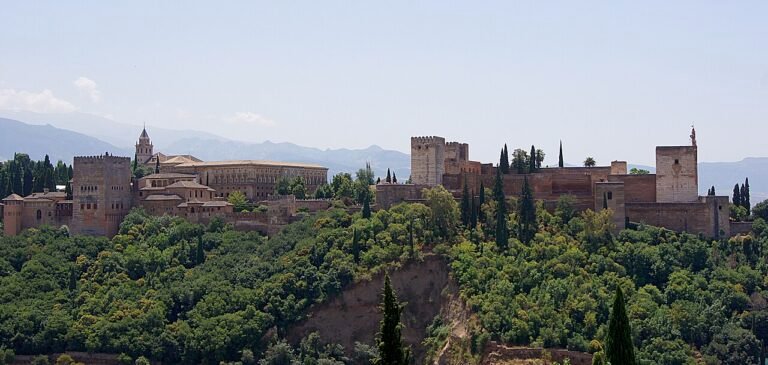
It is the natural other half of the best places to visit in Spain: where the iconic places in southern Spain are white villages and Moorish palaces under hard sun, the north answers with Gothic cathedrals, pre-Romanesque churches, wine country and the wildest coastline on the peninsula. Here are the ten to build the trip around.
In This Guide
- 1. San Sebastián, the Bay and the Pintxo Bars
- 2. Bilbao and the Guggenheim
- 3. San Juan de Gaztelugatxe, the Dragonstone Islet
- 4. Santander, the Bay City
- 5. The Picos de Europa
- 6. Oviedo, Pre-Romanesque Churches and Cider
- 7. Cudillero, the Amphitheatre Village
- 8. La Rioja: Haro and Logroño
- 9. Santiago de Compostela, the End of the Camino
- 10. Combarro and the Rías Baixas
- 11. How to Get Around Northern Spain
- 12. Where to Base Yourself
- 13. Final Thoughts
- 14. Frequently Asked Questions
1. San Sebastián, the Bay and the Pintxo Bars
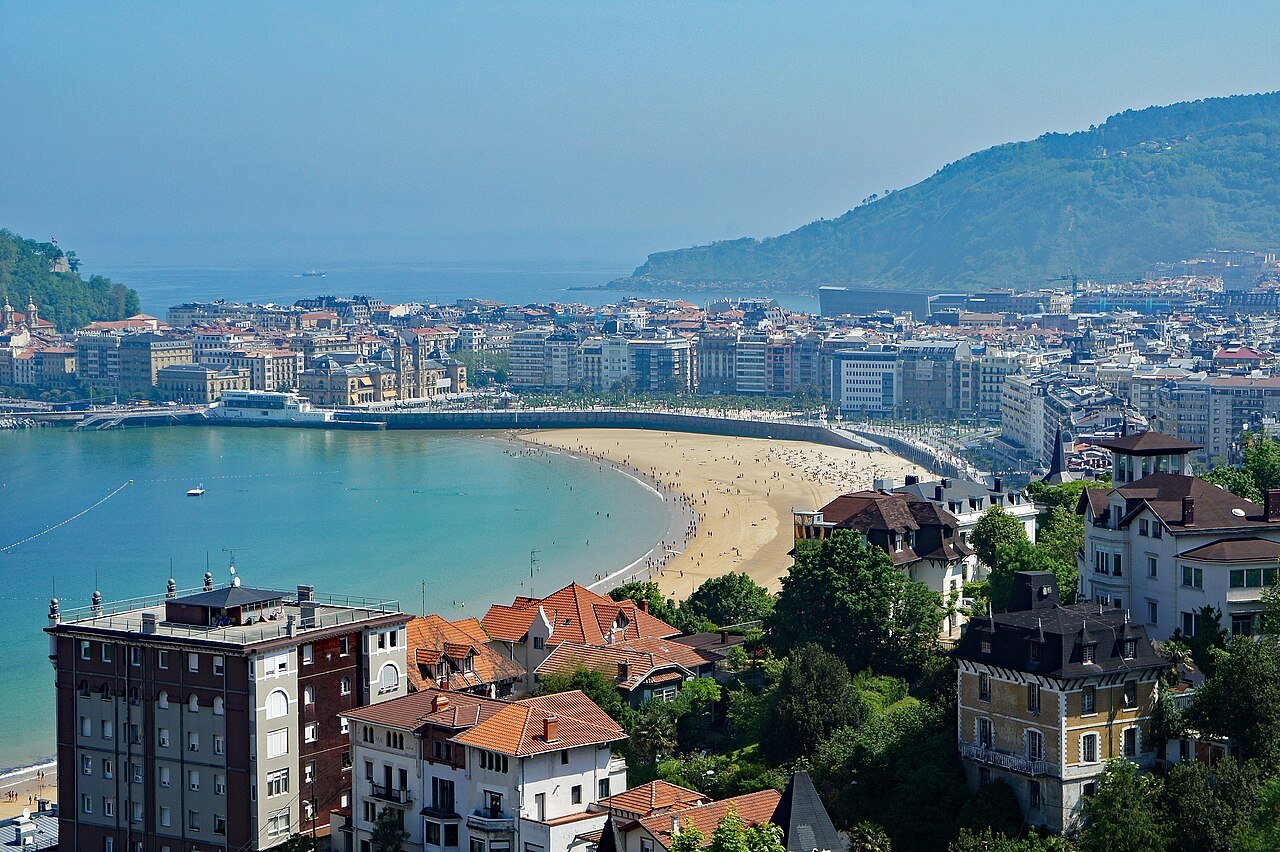
San Sebastián — Donostia in Basque — is the north’s showpiece, and the view explains why: La Concha, a near-perfect crescent of pale sand curving between two green headlands, with the little island of Santa Clara parked in the middle of the bay. Behind the promenade’s white railings the city runs Belle Époque grand, all wedding-cake façades and café terraces — and then, tucked between the bay and Monte Urgull, the Parte Vieja, the old town, does something else entirely.
The old town is the one thing not to miss, and the way to do it is to eat. Its lanes hold the densest concentration of great bars in Spain, each counter loaded with pintxos — the Basque answer to tapas, small plates and skewered bites, from the original Gilda (olive, anchovy, pickled pepper) to miniature works of modern art. Bar-hop standing up, one or two pintxos and a small glass of txakoli wine or cider per stop, the way locals do; lunch and dinner both work, and the lanes around the Plaza de la Constitución are the classic hunting ground.
Come hungry and come in the evening, when the bars hit their stride. San Sebastián is also the north’s easiest base: a handsome, walkable city with the region’s best food, a main beach in front of you and Bilbao an easy hop west. If your trip has one splurge, spend it here.
Book it like a local: the San Sebastian: Premium Market, Pintxos and Wine Tasting Tour (5.0/5, 134 reviews, from $161 per person) spends three hours in the old town with a local guide — the market and a ham tasting first, the story of the Gilda at the olive shop, then a bar-hop through six top pintxos with local wine and cider. Free cancellation up to 24 hours ahead and reserve now, pay later were both stated on the product page when checked.
2. Bilbao and the Guggenheim
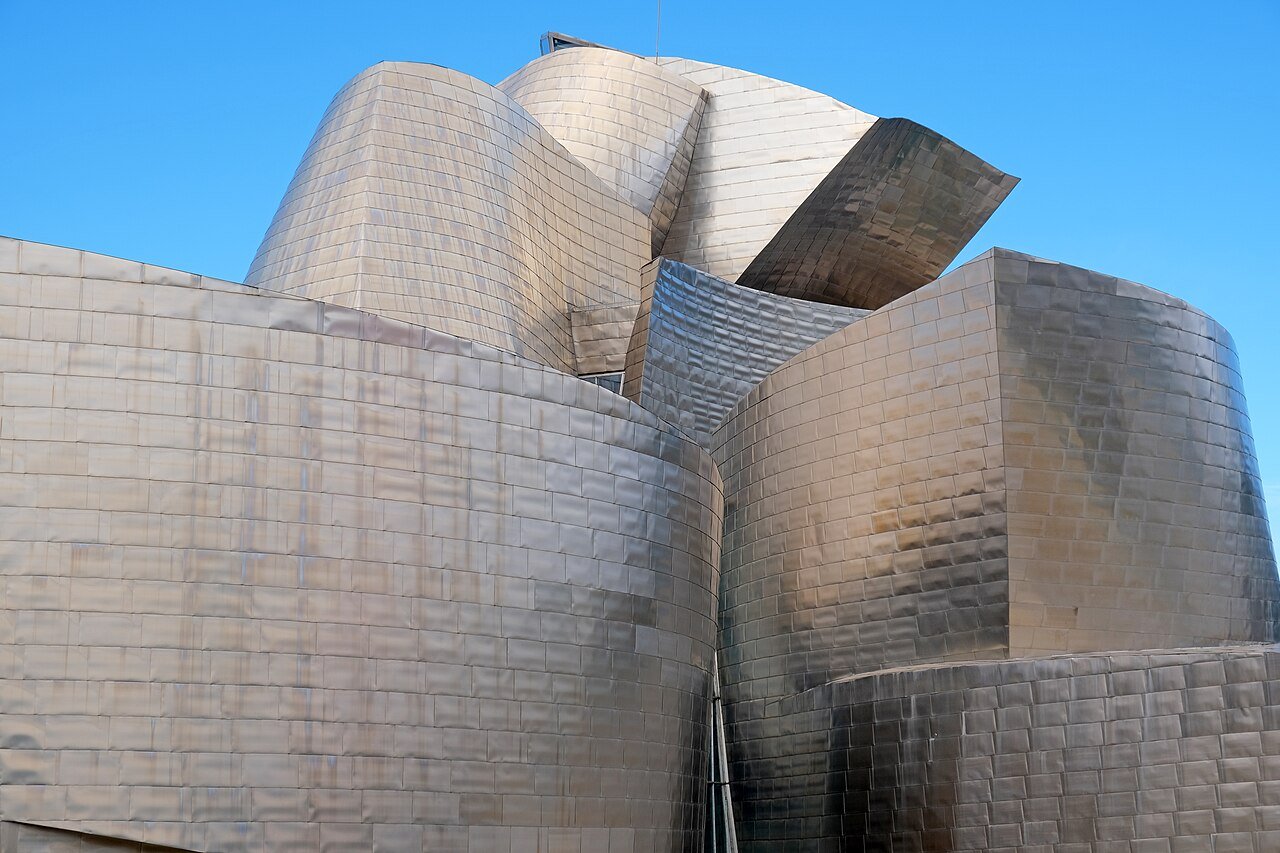
A generation ago Bilbao was a steel-and-shipbuilding city that visitors flew over. Then, in 1997, Frank Gehry’s Guggenheim opened on the Nervión river — a swirling ship of titanium scales that changed colour with the light and put Bilbao on every traveller’s map. The museum’s contents are world-class modern art, but the building is the masterpiece: walk the riverbank at golden hour and watch it turn gold, pink and silver in turn, with Jeff Koons’ giant flower-covered Puppy standing guard outside.
The one thing not to miss is the combination, not just the museum: cross the river into the Casco Viejo, the old town, where the original Siete Calles — the Seven Streets — hold the cathedral, the market hall on the river and pintxo bars that rival San Sebastián’s. Bilbao today is the north’s big-city package: the museum, a serious food scene, and the region’s main airport and transport hub a short ride away.
Base logic: Bilbao is the practical base. Sleep here for the flight connections, the metro and the day trips — above all to Gaztelugatxe, below — and give San Sebastián its own nights rather than commuting to it.
3. San Juan de Gaztelugatxe, the Dragonstone Islet
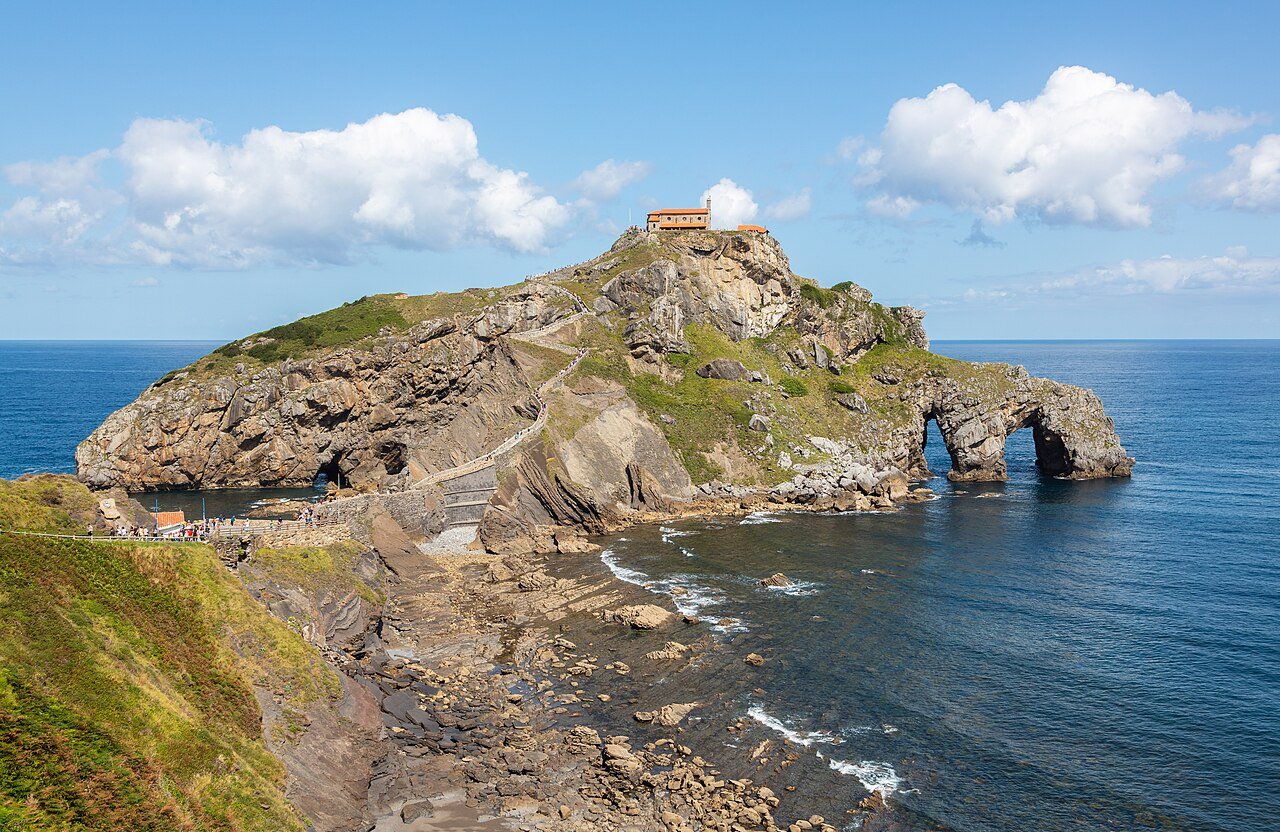
Off the Biscay coast east of Bilbao, a rocky islet rises from the Atlantic topped by a tiny hermitage, joined to the mainland by a stone bridge and a zigzag stair of 241 steps. This is San Juan de Gaztelugatxe, and television made it famous: dressed with digital castles, it played Dragonstone in Game of Thrones. The real place needs no effects — waves booming into the rock arches, gulls wheeling, and the whole Cantabrian coast spread out from the top.
The ritual at the summit is the one thing not to miss: ring the hermitage bell three times, the tradition says, and make a wish. Below, the coast stays gloriously undeveloped — the fishing village of Bermeo and the wetlands of the Urdaibai reserve are the natural companions, and Gernika, the town whose bombing Picasso immortalised, lies just inland with its Assembly House and sacred oak.
Practicalities matter here: access to the islet is limited and, in the busy season, you must reserve the free entry slot online ahead — do not simply turn up in August. Come early in the day for the light and the quiet. From Bilbao it is an easy half-day; from San Sebastián, a long one.
Book it without the logistics: the From Bilbao: Gaztelugatxe with Access, Bermeo and Gernika tour (4.3/5, 619 reviews, from $67 per person) meets beside the Guggenheim, gives you two free hours on the islet with access tickets included, then adds a guided walk in Bermeo and Gernika’s Assembly House and Tree across six hours. Free cancellation up to 24 hours ahead and reserve now, pay later were both stated on the product page when checked.
4. Santander, the Bay City
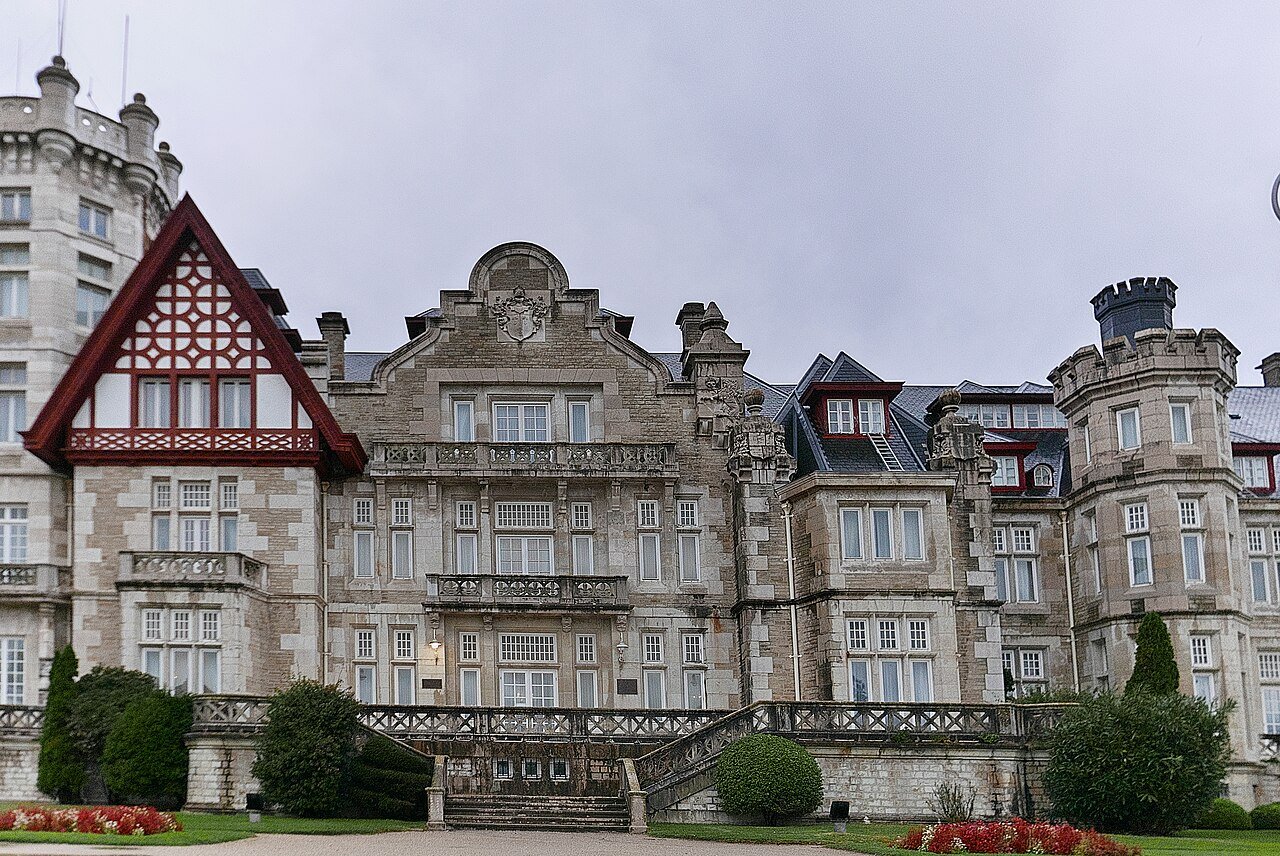
Santander is Cantabria’s capital and the north’s most elegant waterfront city: a deep, mountain-backed bay, a promenade of grand buildings, and the green Magdalena peninsula standing guard at the harbour mouth. At the peninsula’s tip sits its palace — the Palacio de la Magdalena, built between 1909 and 1911 by public subscription as a summer home for King Alfonso XIII, whose family spent their summers here for nearly two decades. The walk around the peninsula, past the palace lawns and the little headland zoo of sea lions and penguins, is the city’s signature stroll.
The one thing not to miss pairs the old and the new: the Centro Botín, Renzo Piano’s shimmering arts centre that hovers over the bay on pillars — opened in 2017, it is Santander’s Guggenheim moment, smaller and subtler — and then the ferry across the bay to the long dune beaches of Somo and Pedreña, where the city’s skyline lines up across the water. A great fire in 1941 took much of the old centre, so Santander’s pleasures are its bay, its beaches at El Sardinero — grand hotels behind two long strands — and its seafood.
Base logic: Santander is the middle-coast base. It is the natural sleeping spot between the Basque Country and Asturias, with the Picos day trips leaving from its bus stations — which is the next stop on this list.
5. The Picos de Europa
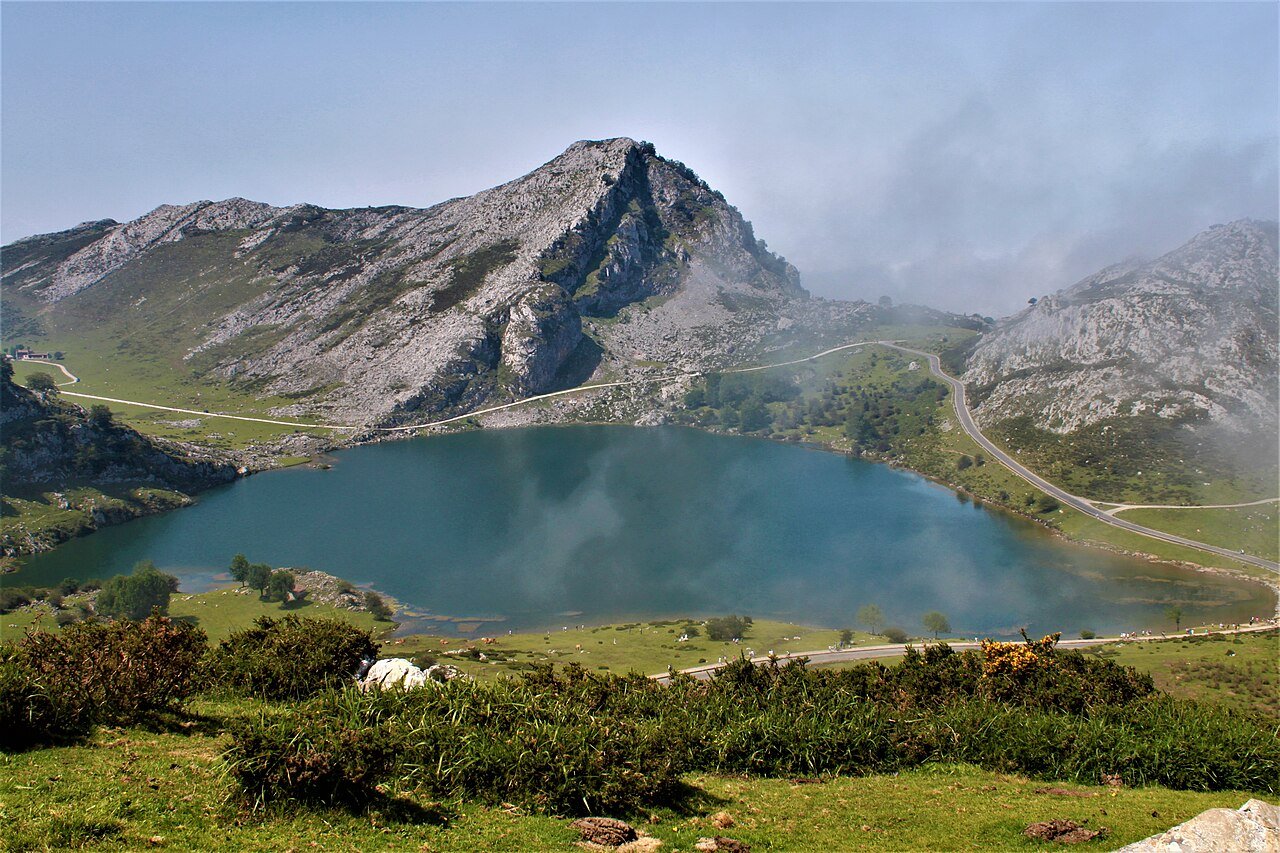
Thirty kilometres inland from the coast, the land does something violent: the Picos de Europa, a wall of pale limestone peaks rising over 2,600 metres almost within sight of the sea. This is Spain’s first national park — declared around Covadonga in 1918 — and it is the north’s great outdoors: three massifs split by gorges, high pastures dotted with cheese-making villages, and griffon vultures riding the thermals between the crags.
You have two classic ways in, and the one thing not to miss is one of them. From the Asturian side, the Lagos de Covadonga — the glacial lakes of Enol and Ercina, mirroring the peaks above a sanctuary town where Spain’s creation myth begins. From the Cantabrian side, Fuente Dé, where a cable car whisks you in about four minutes to a viewpoint at 1,823 metres, straight onto a plateau of alpine meadows. Walkers should aim at the Cares Gorge, the path carved into the cliff between Poncebos and Caín — the park’s signature hike.
Base logic: the Picos are a day trip from Santander or Oviedo, or two nights in a gateway town — Potes on the Cantabrian side, Cangas de Onís on the Asturian — if you are hiking seriously. Book the day out from Santander: the Santander: Picos, Santo Toribio Monastery and Potes Day Tour (4.8/5, 355 reviews, from $101 per person) drives the Hermida Gorge to the monastery of Santo Toribio de Liébana — keeper of the Lignum Crucis, the largest surviving fragment of the True Cross — gives you free time at Fuente Dé for the cable car, and ends with a guided walk through the stone lanes of Potes, across nine hours.
6. Oviedo, Pre-Romanesque Churches and Cider
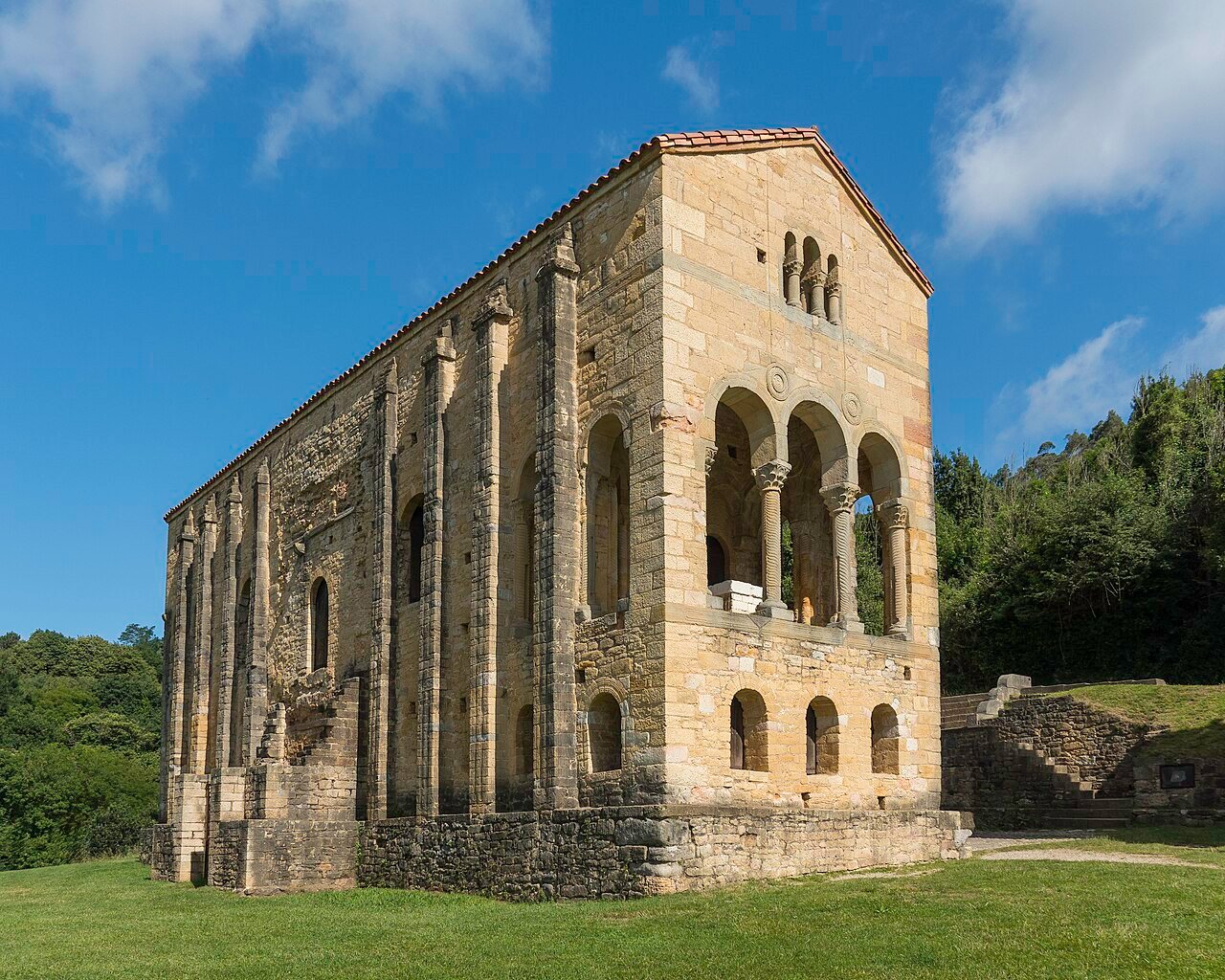
Asturias’ capital is the north’s quiet achiever: a spotless, walkable old town of plazas and statues — and, on the green hill of Monte Naranco above it, one of the wonders of early medieval Europe. Santa María del Naranco was built between 842 and 850 as a pleasure palace for King Ramiro I, its open arcaded galleries and barrel vault a leap forward for its century; later converted into a church, it was inscribed by UNESCO in 1985, with its little sister San Miguel de Lillo a hundred metres up the path.
The one thing not to miss is Naranco at the day’s quiet ends — morning or late afternoon, when the stone is warm and Oviedo spreads out below. Back in town, the cathedral’s Holy Chamber guards the old kingdom’s relic treasury, and the Fontán market square does the honours for lunch.
Then do as the Asturians do: cider. Oviedo’s Calle Gascona is nicknamed the boulevard of cider, a street of sidrerías where waiters pour sidra from a bottle held high overhead into a glass at waist height, aerating it in the fall — you drink the small measure in one go and hand the glass back for the next. It is theatre, ritual and refreshment in one, and it is the north’s essential night out.
Base logic: Oviedo suits a night or two on the westward run — calmer and cheaper than the coast cities, with the Picos’ lakes and the coast both within day-trip reach.
7. Cudillero, the Amphitheatre Village
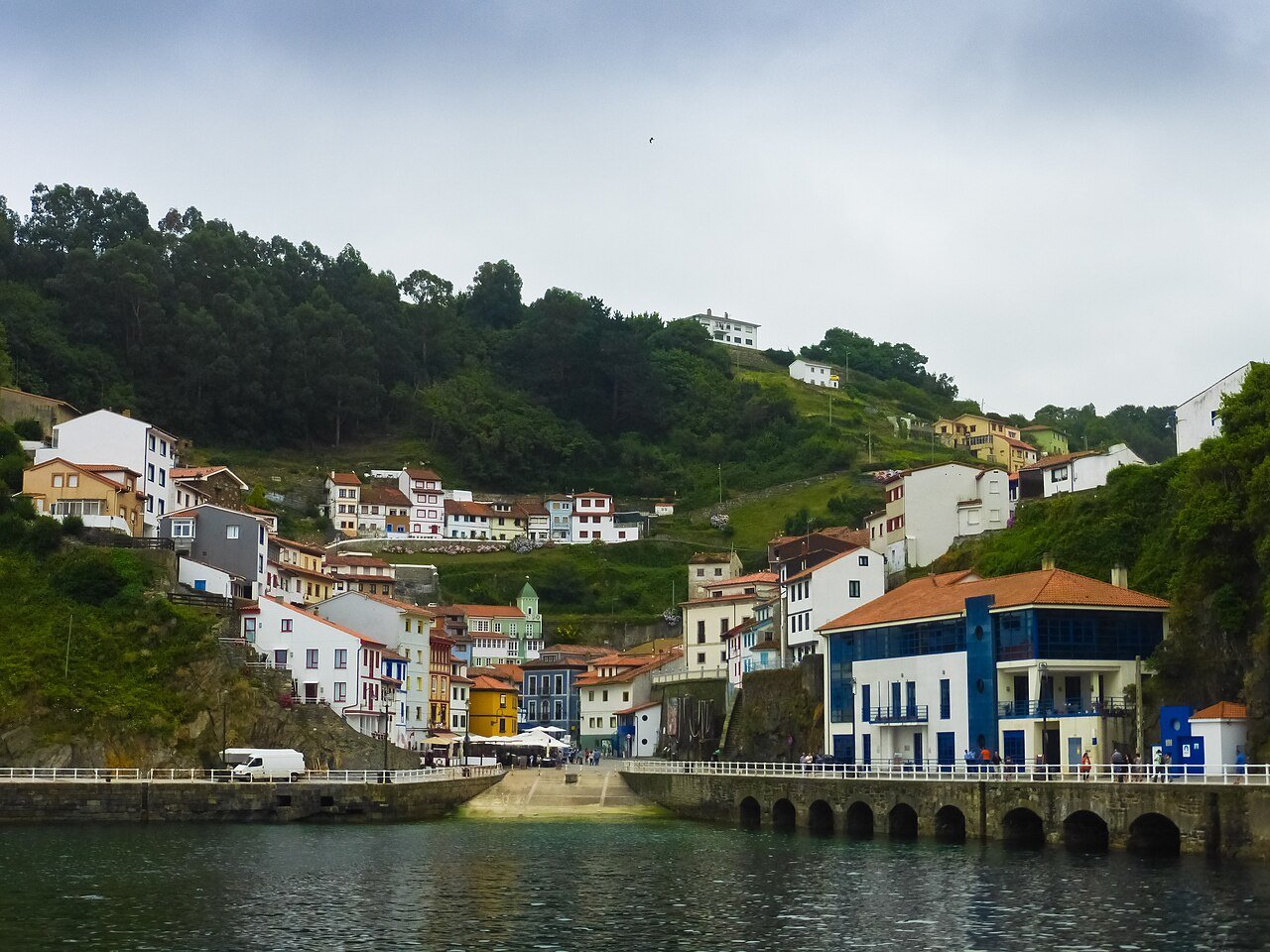
Halfway along the Asturian coast, Cudillero does the thing every visitor photographs: a fishing village poured into a steep green amphitheatre, its houses stacked in tiers of white, blue, ochre and red above a pocket-sized harbour. There is no beach and no big sight — the village is the sight, best taken in from the harbour wall in the evening, when the day-trippers have gone and the tiers light up one by one.
The one thing not to miss is the climb: lose yourself in the lanes and stairways between the houses — this was the village of the pixuetos, fishing families whose own dialect marked them out from the farming villages inland — and keep going up to the viewpoints, where the amphitheatre resolves into its full postcard shape. Then come back down for dinner: the harbour restaurants serve the day’s catch, and fish this fresh needs nothing fancy done to it.
Cudillero belongs on any list of the best Spanish towns to slow down in — but it is small, and it knows it. Treat it as a night between Oviedo and Galicia, or as the coast’s prettiest lunch stop, rather than a base for the whole west.
8. La Rioja: Haro and Logroño
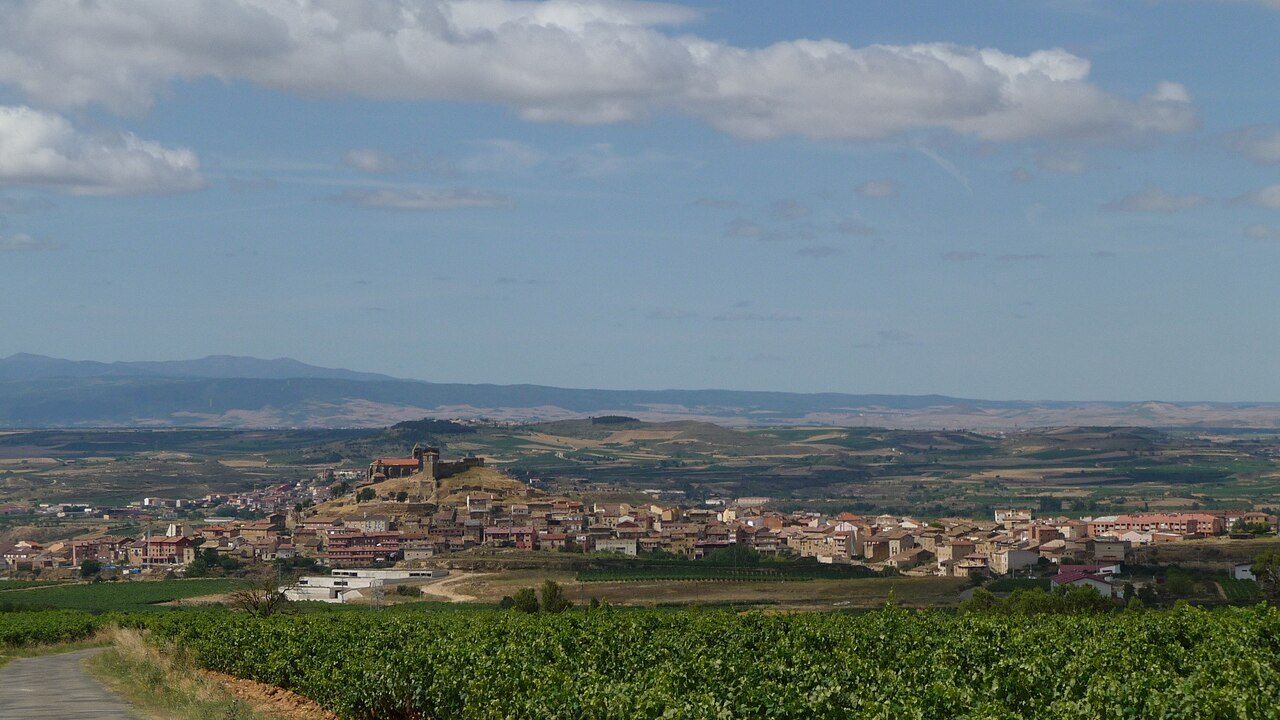
Every northern trip should bend inland once, and this is the bend: an hour south of Bilbao, the Ebro valley opens into Spain’s most famous wine landscape, La Rioja — a sea of tempranillo vines under sandstone sierra skylines. The region divides its pleasures between two small cities, and the trick is to do both.
Start in Haro, the wine capital. Beside its railway station stands the Barrio de la Estación, the station quarter: one of the densest clusters of historic wineries anywhere in the world, founded in the late 19th century when the railway let Rioja ship its wine to France and beyond. Several of the great old bodegas open their cellars for tours and tastings within a few minutes’ walk of each other — barrel halls, century-old vintages, and architecture that now includes some striking modern additions. It is the easiest great wine day in Spain: arrive by train, taste on foot, leave by train.
End in Logroño, the regional capital, whose old town holds Calle Laurel — a few short streets so dense with tapas bars that each one specialises in a single dish: mushrooms grilled to order here, tortilla there, a famous skewer across the lane. A bottle from a Haro cellar is also among the most welcome Spanish gift ideas to carry home — buy it where it was made.
Base logic: Rioja works as a long day trip from Bilbao or San Sebastián, but a night in Logroño — tapas at Laurel, wineries the next morning — is the version nobody regrets.
9. Santiago de Compostela, the End of the Camino
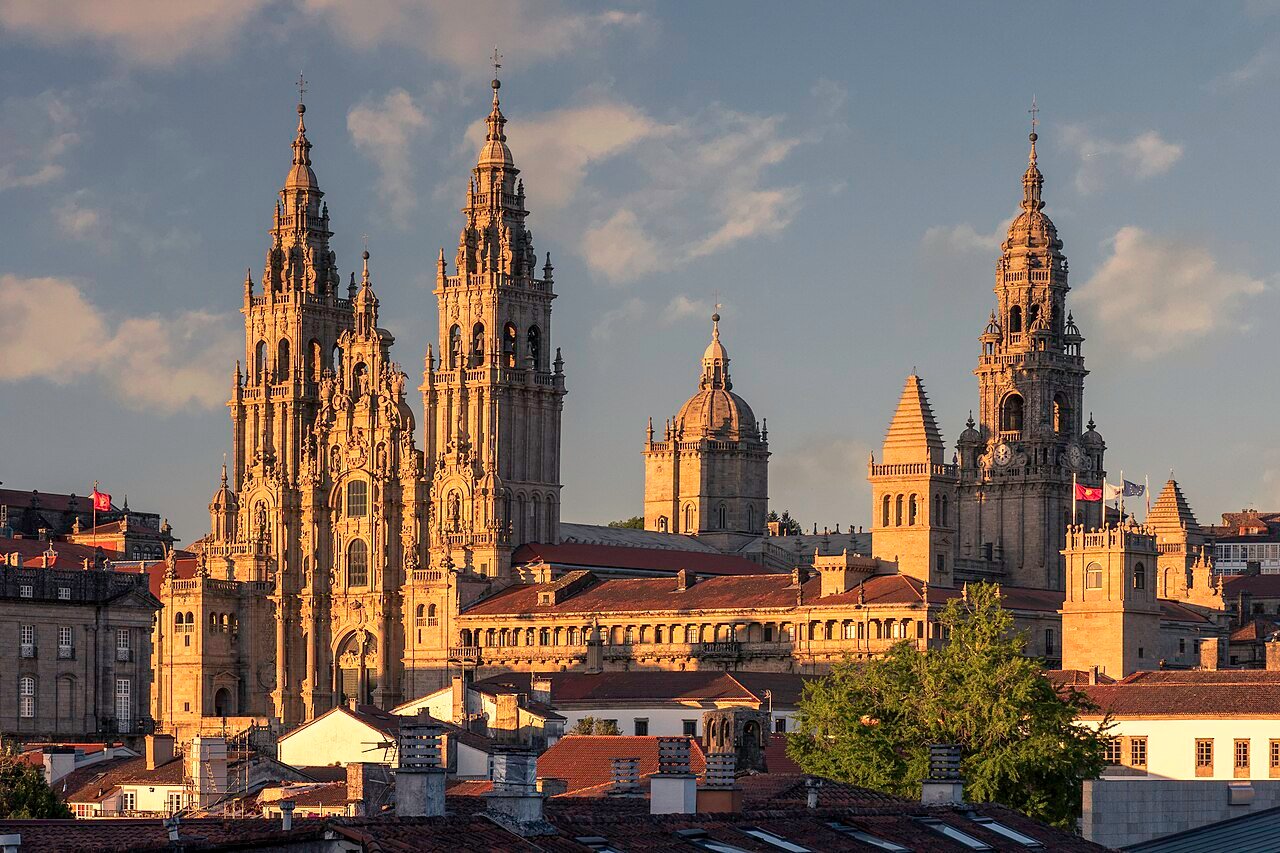
For a thousand years, Europe has walked to this city. Santiago de Compostela is the goal of the Camino de Santiago, the web of pilgrim routes that ends at the cathedral holding the tomb of the apostle St James — and the arrival still lands. Pilgrims with scallop shells on their packs pour into the Praza do Obradoiro, lie on the paving and stare up at the cathedral’s baroque Obradoiro façade, all twin towers and weathered granite glowing gold in the evening light.
The one thing not to miss is the pilgrims’ mass at the cathedral — arrive early, visit the tomb and embrace the statue of St James as pilgrims have for centuries, and on great feast days watch the Botafumeiro, the cathedral’s enormous thurible, swung in great arcs across the transept by a team of men on ropes. The old town around it, a UNESCO World Heritage Site, is all arcaded granite streets — the rúas — built for Galicia’s rain and lined with taverns serving the pilgrim menu of the day.
Come in the late afternoon for the façade’s golden hour, and again after dark, when the stone lanes empty and the city turns medieval. Base logic: Santiago is the natural end of the northern road — give it two nights, one for the cathedral and one for simply being at the end of the journey.
10. Combarro and the Rías Baixas
The north’s last act is water of a different kind. Galicia’s south-western coast is carved into rías — long, deep inlets where the Atlantic fingers its way inland between green hills — and the Rías Baixas are the gentlest of them: sheltered water, island-dotted mouths, and a shoreline of fishing villages, mussel rafts and albariño vines. The village that distils it all is Combarro.
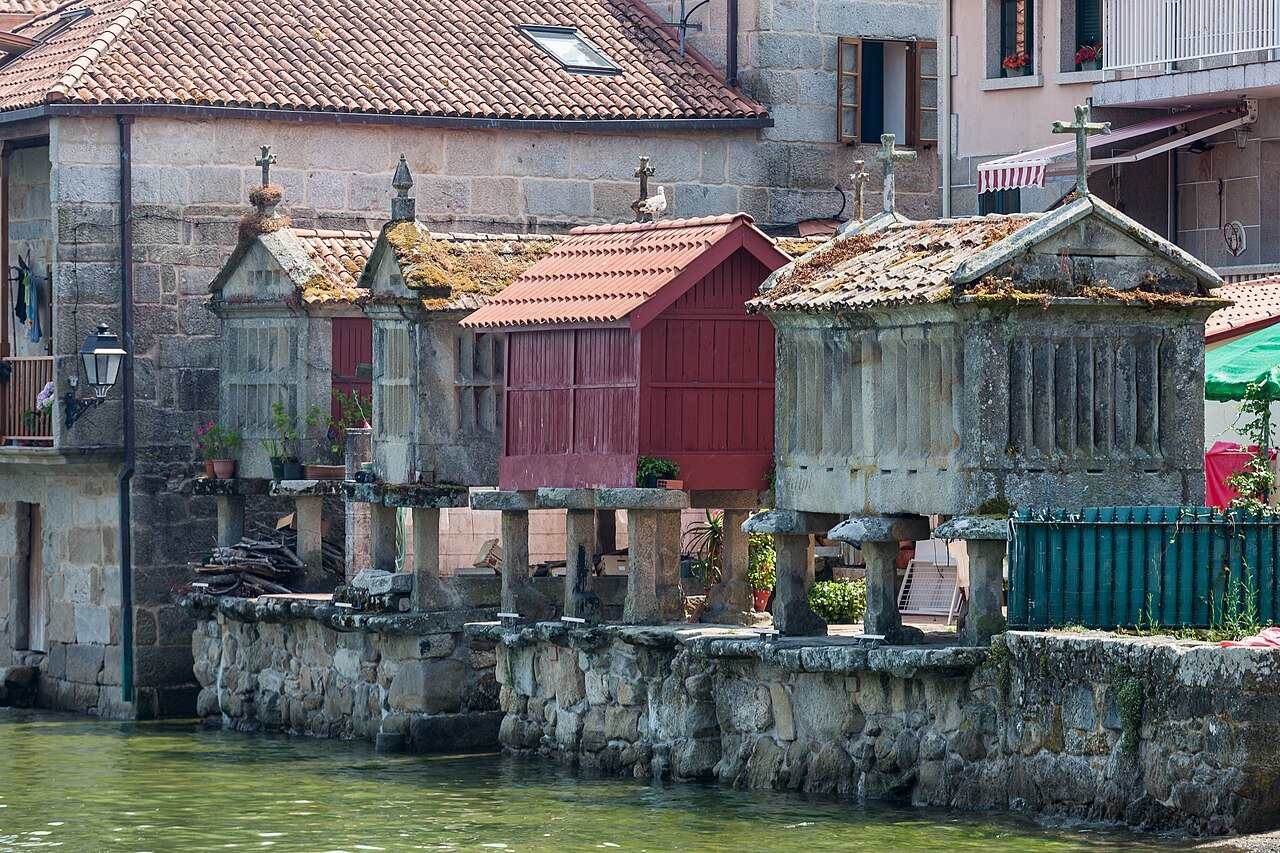
The one thing not to miss is Combarro’s old core at the water’s edge: a granite lane of fishermen’s houses and cruceiros (stone crosses) — and, standing right along the shore, its famous hórreos, the stone granaries raised on pillars to keep the harvest dry, dozens of them silhouetted against the ría at low tide. It is a tiny place and takes an hour to walk, but at sunset, with the tide out and the granaries reflected in the wet sand, it is the most quietly beautiful spot in Galicia.
Pair it with Pontevedra, the provincial capital a few minutes away, whose largely car-free old town of granite squares is the ría’s living room — and with a glass of the local albariño, the crisp white wine the whole coast seems designed to accompany. Base logic: Pontevedra is the base for the Rías Baixas; Combarro is its essential evening trip.
11. How to Get Around Northern Spain
The north has four useful airports. Bilbao is the region’s hub and the usual entry point; Santander, Asturias (for Oviedo) and Santiago de Compostela serve their own corners, and Vigo covers the Rías Baixas. From Madrid, high-speed trains now run to Galicia, while the Basque and Cantabrian cities are served by fast trains down from the plateau — and one glorious slow one: the narrow-gauge coastal railway, the old FEVE, which hops harbour to harbour from Bilbao through Santander and Oviedo towards Galicia. Take it for the journey, not the schedule.
Driving is how the north really opens up. The A-8 motorway hugs the coast from the French border to Galicia, putting every stop on this list along one green corridor — but the mountains behind it are the point: allow whole days for the Picos and for Gaztelugatxe, and expect the passes south through the Cantabrian range to be the slow, scenic part of any journey onwards. (The Catalan coast at the region’s other end is a separate trip — it has its own article.)
The honest summary: trains and buses will carry you between the cities happily, but a car turns the itinerary below from a chain of day trips into a road trip — and this coast was made for a road trip.
12. Where to Base Yourself
For a first trip, split the north into three bases and let the map do the work. San Sebastián first: three or four nights for the food, the bay and Bilbao and Gaztelugatxe as day trips — Bilbao itself is worth a night of that stretch if the Guggenheim gets a full day. Santander or Oviedo second: two or three nights in the middle, with the Picos as the great day out and Cudillero as the pretty one. Santiago last: two nights at the end of the road, with the Rías Baixas as the final day trip.
Short on time? Cut from the middle, not the ends — San Sebastián and Santiago are the two non-negotiables. Two bases that pull double duty: Bilbao (airport, museum, Gaztelugatxe, Rioja all in reach) and Pontevedra (Combarro and the whole Rías Baixas from one granite old town). Couples planning a slower version will find this coast anchors several of the country’s finest romantic getaways in Spain — San Sebastián’s bay and Cudillero’s harbour were made for evening trips that turn into nights.
Travel insurance, sorted
Whether it is a two-week holiday or a longer move, travel insurance is not the most glamorous part of a trip – but it is the one booking you want to have in place before a trip, and while you are already away. Get a quote from SafetyWing
Final Thoughts
Northern Spain rewards the traveller who treats it as ten places rather than one coastline. Eat your way through San Sebastián’s old town, stand under the Guggenheim’s titanium, climb Gaztelugatxe’s 241 steps, ride the cable car at Fuente Dé, watch cider fall from a height in Oviedo, and finish where the pilgrims finish, in the Obradoiro at golden hour. That is the whole north in one trip: two great food cities, the wildest mountains in Spain, a wine country detour and the end of the world’s most famous walk. For the practical layer underneath all of it — seasons, bookings and getting around Spain smoothly — our Spain travel tips are the companion read.

Best Costa Brava Towns: 12 Places to Stay and Visit
Frequently Asked Questions
What is the best place to visit in northern Spain?
San Sebastián, for most first-time visitors. It pairs one of Europe’s great city beaches, La Concha, with the old town’s pintxo bars — the best eating in the region — and it works as a base for Bilbao and Gaztelugatxe. If mountains matter more to you than food, reverse the order and put the Picos de Europa first.
How many days do you need in northern Spain?
A week covers the spine of this list: San Sebastián and Bilbao, Gaztelugatxe, one Picos day, and Santiago with the Rías Baixas. Ten days to two weeks lets you do all ten places properly, adding Santander, Oviedo, Cudillero and a night in Rioja. A long weekend should pick one corner — the Basque Country alone fills it easily.
When is the best time to visit northern Spain?
Late spring and early autumn are the sweet spots: green hills, warm-enough sea and the cities in full swing without peak crowds. July and August bring the best beach weather — and the busiest weeks of the year on the coast. Winter is mild but wet; it is cider season in Asturias and the cities are atmospheric, but the Picos trails and Gaztelugatxe demand proper weather-watching.
Can you visit northern Spain without a car?
Yes, more easily than most of rural Spain. The cities are linked by trains and buses, the narrow-gauge coastal railway joins Bilbao, Santander and Oviedo, and organised day tours cover Gaztelugatxe, the Picos and Rioja from the main bases. A car earns its money for chaining the small stops — Cudillero, Combarro and the Picos trailheads — and for travelling at your own pace between bases.
What food is northern Spain famous for?
Pintxos in the Basque Country — San Sebastián’s bars are the summit — fabada bean stew and poured cider in Asturias, anchovies and sobaos in Cantabria, and in Galicia, seafood above all: octopus, scallops and mussels from the rías, washed down with albariño. Plus the inland detour: Rioja is Spain’s most famous wine, and its cellars pour it where it was made.
Is northern Spain cooler than the south?
Yes — noticeably. The Atlantic keeps Green Spain mild and green year-round: summers are warm rather than fierce, and even in August you will want a layer for the evenings and the mountain viewpoints. Pack for a shower or two whatever the month; the same rain is what makes the landscape look the way it does.
Where should a first-time visitor stay in northern Spain?
Use three bases: San Sebastián in the east (for the Basque Country), Santander or Oviedo in the middle (for the Picos and the Asturian coast), and Santiago de Compostela in the west (for the Camino’s end and the Rías Baixas day trip). Each base keeps daily driving short, and the three together cover all ten places on this list without a single marathon day.