Museo del Baile Flamenco Seville: The Complete Guide to the Flamenco Museum
Short Answer
The Museo del Baile Flamenco is the world’s only museum devoted entirely to flamenco dance, created in 2006 by Cristina Hoyos — the greatest bailaora of her generation — inside an 18th-century palace in Seville’s Barrio Santa Cruz. By day it is an interactive museum of flamenco’s history, styles and costumes; by night its courtyard becomes a tablao for the Puro Flamenco show, performed three times an evening at 17:00, 19:00 and 20:45. Museum-only entry costs €6; the smart buy is the combined visit — museum in the afternoon, then the Puro Flamenco show ticket with the museum visit included, so the exhibition explains the art and the show then proves it, all under one roof.
Table of Contents
- The Short Version
- A Museum Built by a Dancer: Cristina Hoyos
- The Building: An 18th-Century Palace in Santa Cruz
- Flamenco’s Road to This Museum
- The Interactive Museum: Screens, Styles and Costumes
- The Vault Below, the Gallery Above
- The Puro Flamenco Show: The Museum After Dark
- What a Performance Is Actually Like
- Museum, Show, or Both?
- Practical Info
- Tickets and Booking
- Opening Hours
- Getting There
- When to Go
- How Long You Need
- Tips for Visiting
- What to See Nearby
- Final Thoughts
The Short Version
Seville does flamenco in a dozen venues, but only one place teaches it before it performs it. Cristina Hoyos’s museum wraps an interactive exhibition — the origins, the palos, the costumes, a giant screen you can dance along with — around a working tablao in a galleried courtyard, five minutes from the Cathedral. It belongs on any first-timer’s list of the best things to do in Seville, because it solves flamenco’s beginner problem: an hour here first, and the evening’s show stops being beautiful noise and becomes a language you can half-read. Do the museum in the late afternoon, eat early, and take the 19:00 or 20:45 show.
A Museum Built by a Dancer: Cristina Hoyos
Most museums are built by committees. This one was built by a dancer, and it shows in every decision the building makes. Cristina Hoyos was born in Seville in 1946 and became, with Antonio Gades, half of the most famous partnership in flamenco history: his company carried her austere, dramatic dancing around the world, and Carlos Saura filmed the two of them in the trilogy that took flamenco global — Bodas de sangre (1981), Carmen (1983) and El amor brujo (1986). She later founded her own company and spent a decade directing the Ballet Flamenco de Andalucía. When she finally built her legacy, she did not choose a theatre. She chose a museum with a stage in it — because she wanted audiences to understand what they were applauding.
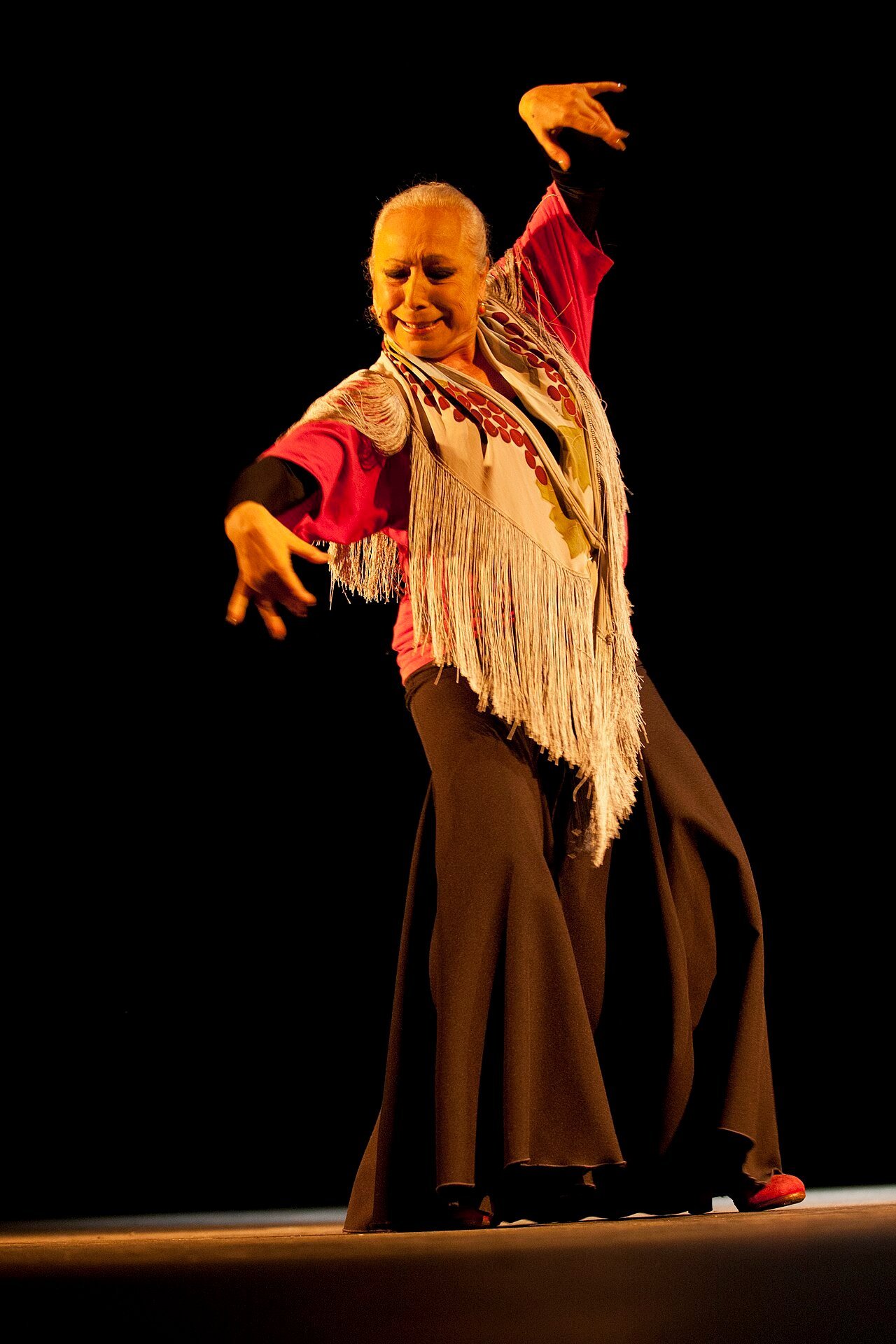
“You will find all my dreams and all my passion in this place,” she says of it, and the museum carries her name in its full title: Museo del Baile Flamenco Cristina Hoyos. She opened it in 2006, and her hand is still on the product — the Puro Flamenco show is performed under her artistic direction, choreographed in her style: no folkloric padding, no dinner-theatre dilution, just cante, toque and baile at close range. That authorship is the museum’s real distinction. Plenty of Seville venues will sell you a flamenco show; only this one is curated end to end by a woman who helped define the art form in the twentieth century.
The Building: An 18th-Century Palace in Santa Cruz
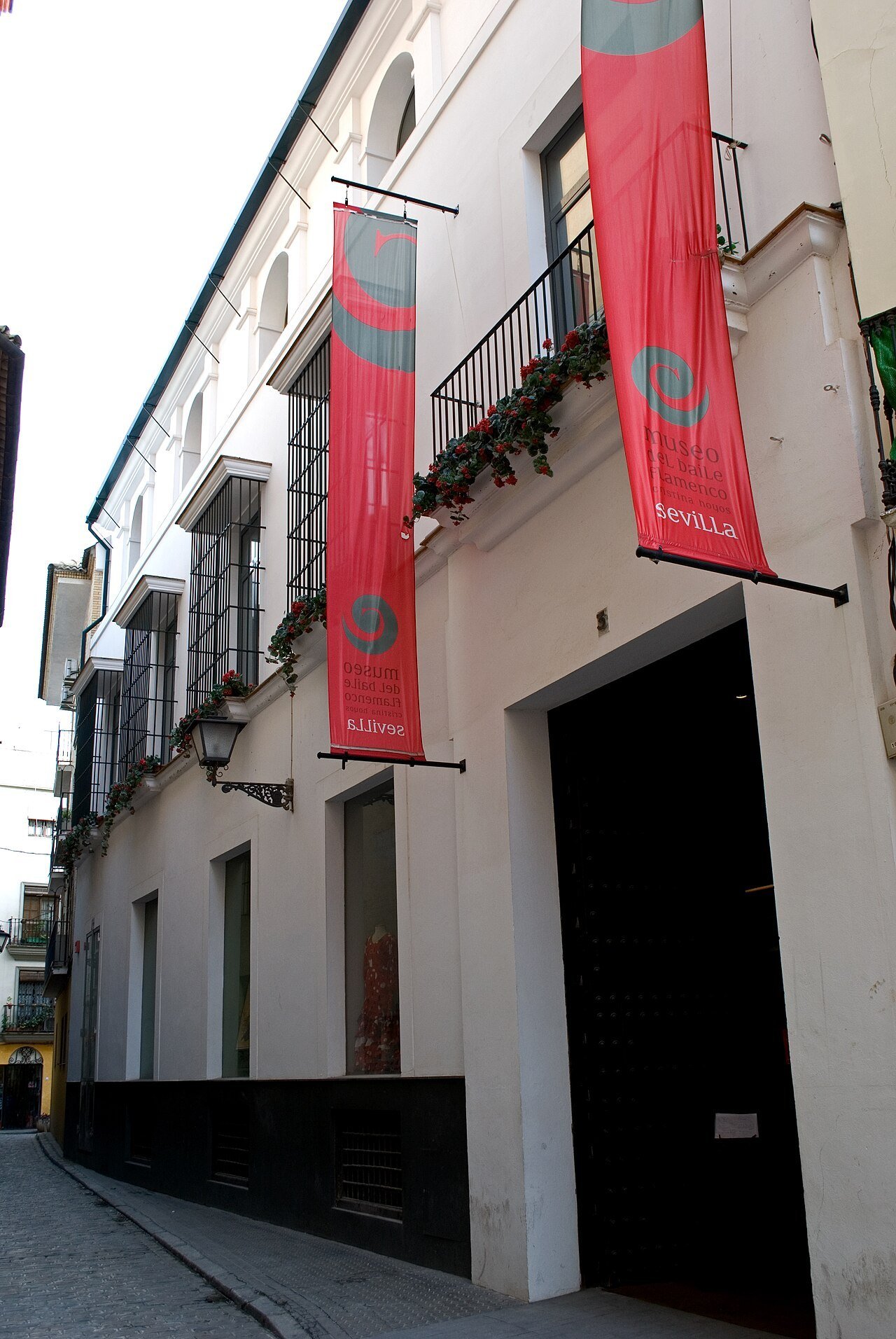
The museum hides in plain sight. Calle Manuel Rojas Marcos is a quiet lane in the Barrio Santa Cruz, the old Jewish quarter of white lanes and orange trees east of the Cathedral, and the palace the museum occupies is a typical grand Sevillian house of the 1700s: a sober white façade, barred windows, geraniums on the balconies — and two long red banners over the door to tell you that this one is different.
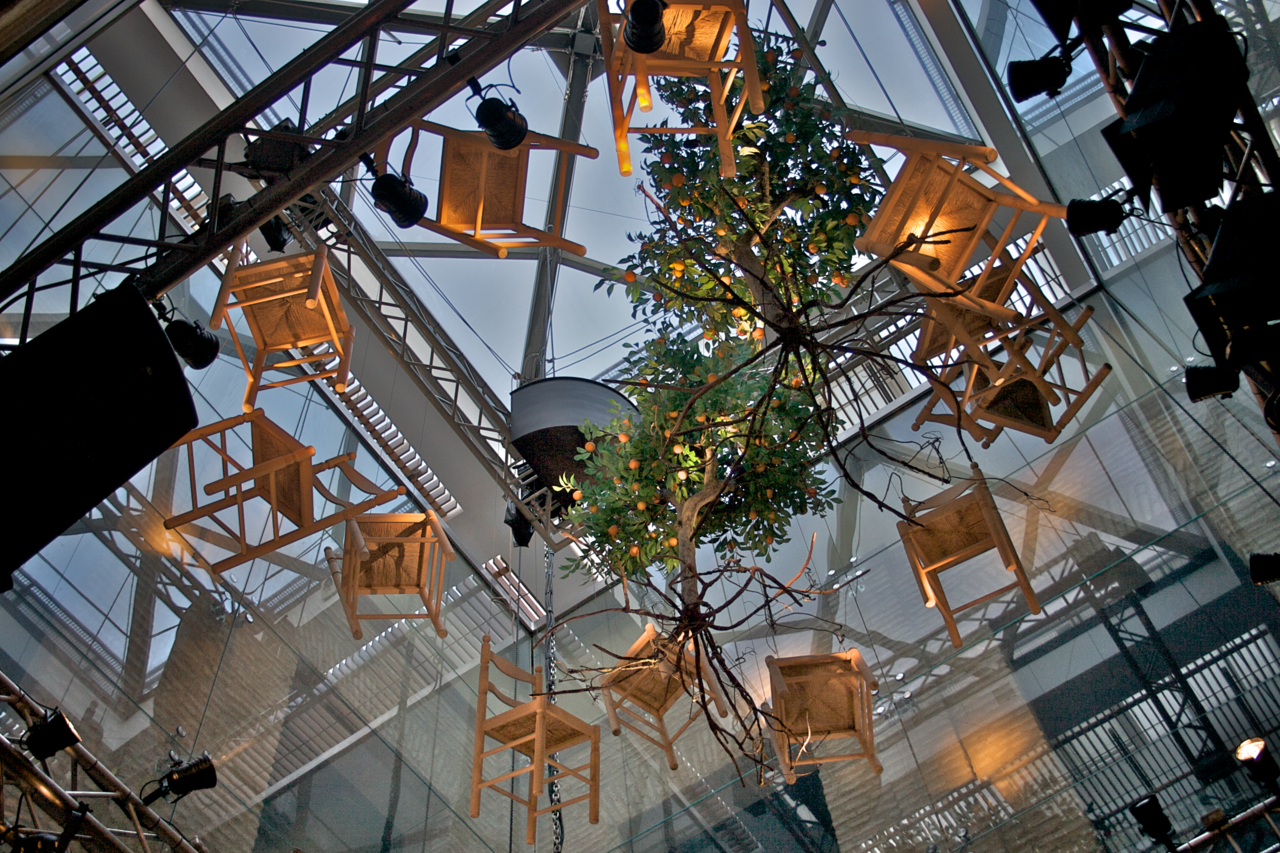
Inside, the house organises itself around one of the last surviving Écija-style patios in Seville — a galleried courtyard of brick arches that now does triple duty as the museum’s hall, its shop floor and its theatre. A glass roof keeps the Andalusian weather out and the light in, and the courtyard’s backdrop is the museum’s most photographed sight: wooden Sevillian chairs and a whole orange tree suspended in the air above the stage, hanging where the sky should be. It reads as surrealism; it works as scenography, framing every performance with the two objects a patio flamenco gathering has always needed — chairs, and shade. The rest of the house stacks neatly around it: the interactive exhibition on the floor above, an art gallery at the top, and a stone vault underneath it all.
Flamenco’s Road to This Museum
To understand why this museum exists, you need the short, dense history it exists to tell. Flamenco grew up in Andalusia in the late 18th and 19th centuries, in the meeting of Romani, Moorish, Jewish and Andalusian peasant cultures across the Seville–Cádiz–Jerez triangle — sung in courtyards, taverns and family gatherings long before it was staged. Its first theatres were the cafés cantantes, the singing cafés of the later 1800s, where paying audiences first watched professionals perform on a raised tablao and the art split into its three pillars: cante (song), toque (guitar) and baile (dance).
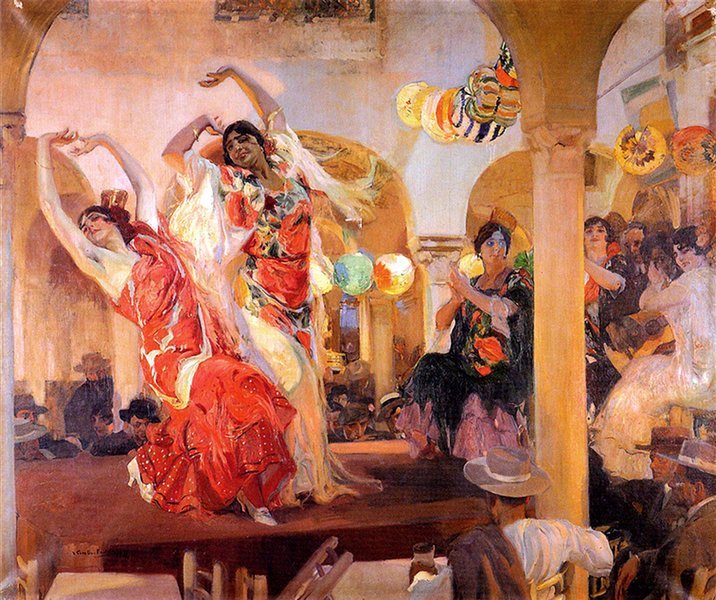
The 20th century took flamenco from the café to the opera house, through Franco-era folkloric packaging and out the other side, until in 2010 UNESCO inscribed it on its Representative List of the Intangible Cultural Heritage of Humanity. The museum’s argument — Hoyos’s argument — is that an art this codified needs a grammar lesson before the performance: the family tree of palos (the song forms, from funereal seguiriya and soleá to festive alegrías, bulerías and tangos), the twelve-beat compás underneath them, the vocabulary of zapateado footwork, mantón shawl-work and the long trained bata de cola. Learn the grammar here in the afternoon and you will hear the evening show completely differently.
The Interactive Museum: Screens, Styles and Costumes
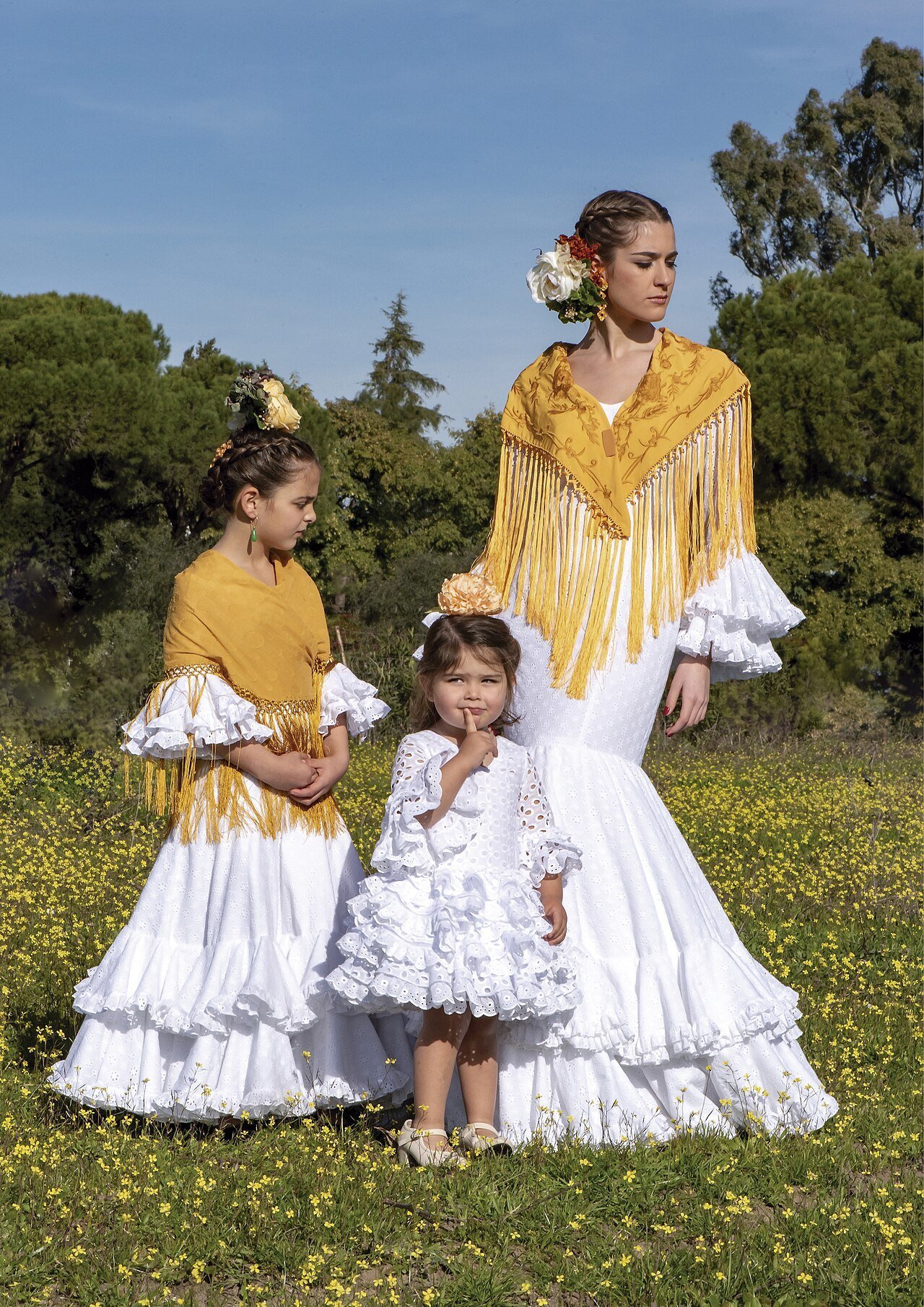
The exhibition floor — the museum proper — is built to be touched. Screens and interactive displays walk you through flamenco’s origins and the cultures that fed it, then through the palos one by one, so you can hear how a soleá drags and how bulerías sprint. Historic objects and costumes from different eras anchor the story in cloth and leather: the dresses, shoes and shawls of two centuries of dancers, displayed as working tools rather than fashion. The centrepiece is a giant semi-circular screen that wraps a full choreography around you — and the museum invites you to go further than watching, with initiation classes in dance and percussion for visitors who want the compás in their own hands and feet. The whole experience runs in six languages, so nothing depends on your Spanish.
Give the floor a good 45 minutes to an hour. It is compact — this is a palace, not a science park — but dense, and it is deliberately sequenced: origins first, styles second, costumes and great names last, so that by the time you descend to the courtyard you know what a llamada is and why the singer, not the dancer, is flamenco’s emotional centre. Children, in particular, do well here: the screens and the dance-along elements give them handles that a bare evening show cannot.
The Vault Below, the Gallery Above
Two more spaces complete the house, and both are easy to miss. Underneath the patio lies the basement: a historic vault built with Roman and pre-Roman stones, the oldest fabric in the building by two thousand years. The museum uses it for its most intimate performances — the Flamenco Dreams show, a small-capacity tablao session in which the artists are a few feet away and every breath of the cante lands — and for private events and classes. At the top of the house, the second floor works as an art gallery: rotating temporary exhibitions of painting, drawing and sculpture by artists from Spain and abroad, all of it circling the same subject — what flamenco looks like when other art forms try to hold it. Between the vault and the gallery, the building makes its point in section: flamenco has ancient roots, a living present on the patio stage, and a future being painted upstairs.
The Puro Flamenco Show: The Museum After Dark
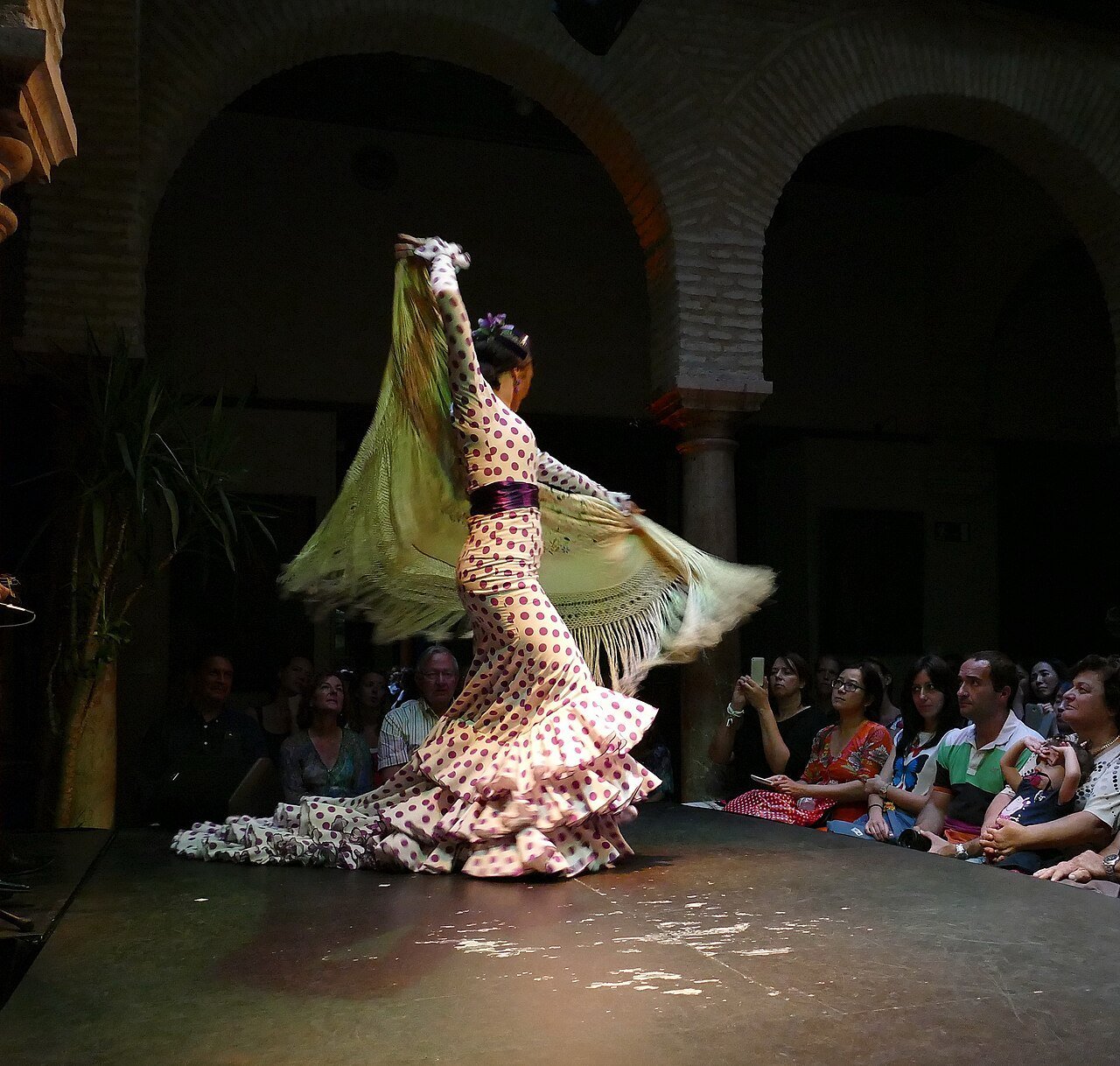
At 17:00 the museum changes shifts. The exhibition empties, the courtyard lights come up, and the patio becomes what it was secretly designed to be all along: a tablao. The headline production is Puro Flamenco, performed three times daily — 17:00, 19:00 and 20:45 — for about an hour, with no interval and no dinner service competing for your attention. The cast rotates every night: a bailaora and bailaor, a cantaor and a guitarist, performing a programme that changes with them, so the museum can promise the format but never the same show twice. Book the Puro Flamenco show ticket for a fixed performance time; the museum visit, if your ticket includes it, can be taken earlier the same day.
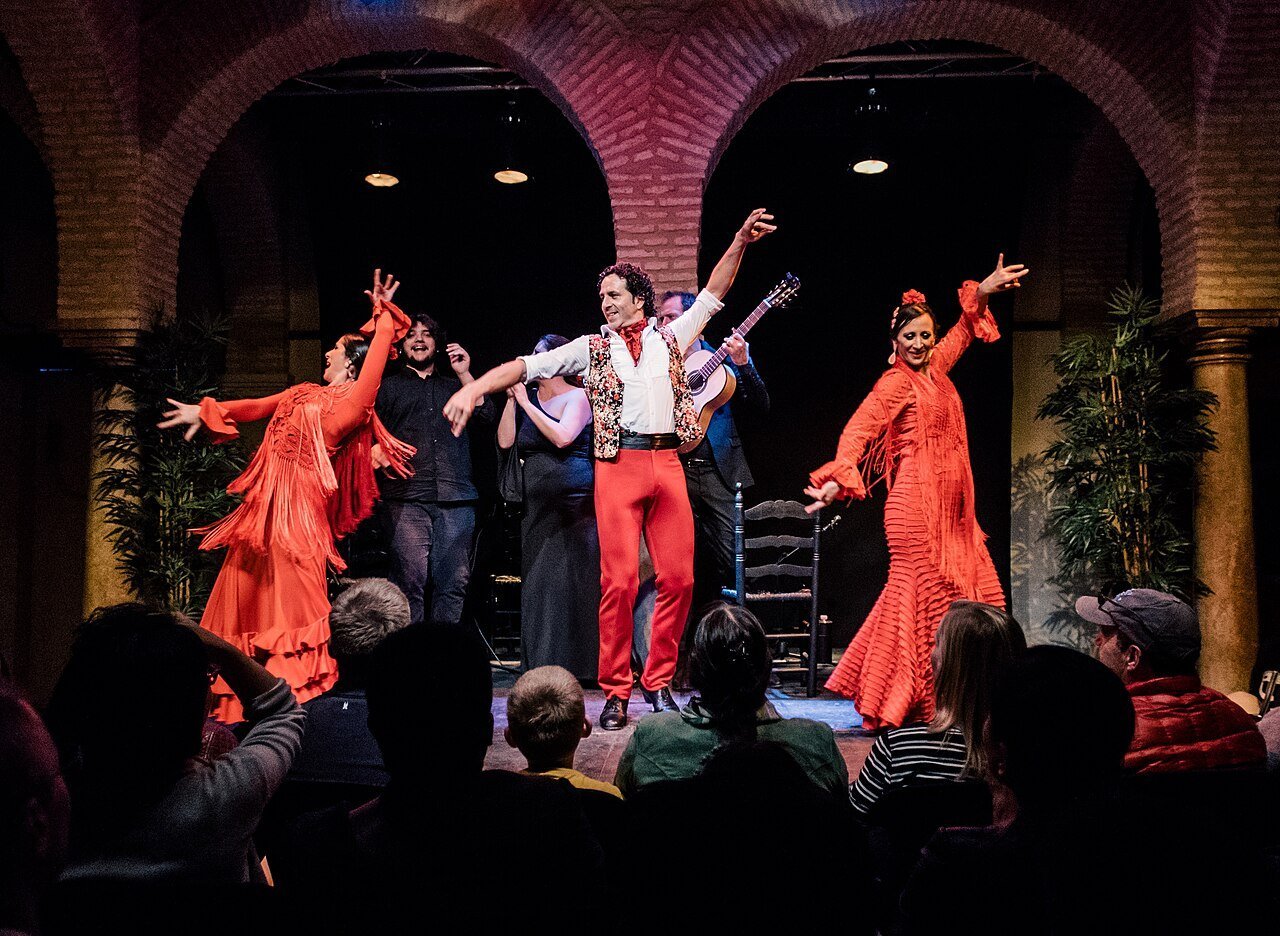
The museum runs two further formats around the flagship. A Flamenco Matinée brings the same company to the patio at midday — the family-friendly slot, and a lifesaver if your evenings are committed — while Flamenco Dreams takes a smaller audience down into the Roman-stone vault for the closest, quietest flamenco in the building. Schedules for the matinée and the vault show vary by season, so check the museum’s own listings for your date; the three Puro Flamenco times are the fixed spine of the day.
What a Performance Is Actually Like
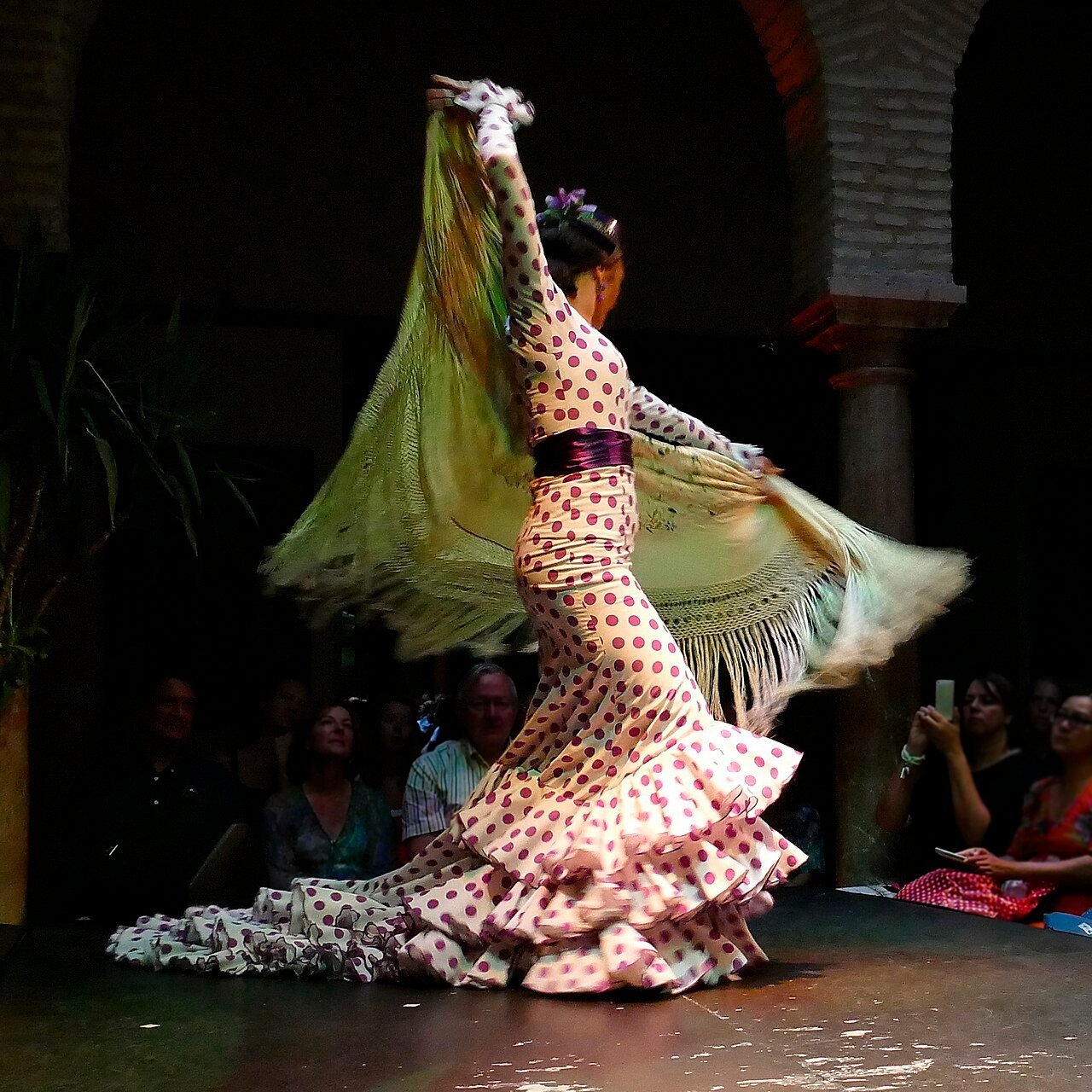
Forget the dinner-show image of flamenco as background colour. A Puro Flamenco hour is structured like an argument in three voices. The cante leads: the singer — seated, eyes often closed, working entirely without amplification of feeling — delivers the letras in a voice that can sound like it is tearing, because in the grave palos it is meant to. The toque answers: one guitarist carrying rhythm, harmony and half the drama in falsetas that a century of players have refined. And the baile embodies both: the dancer’s upper body all arms, hands and mantón, the feet a percussion instrument in their own right.
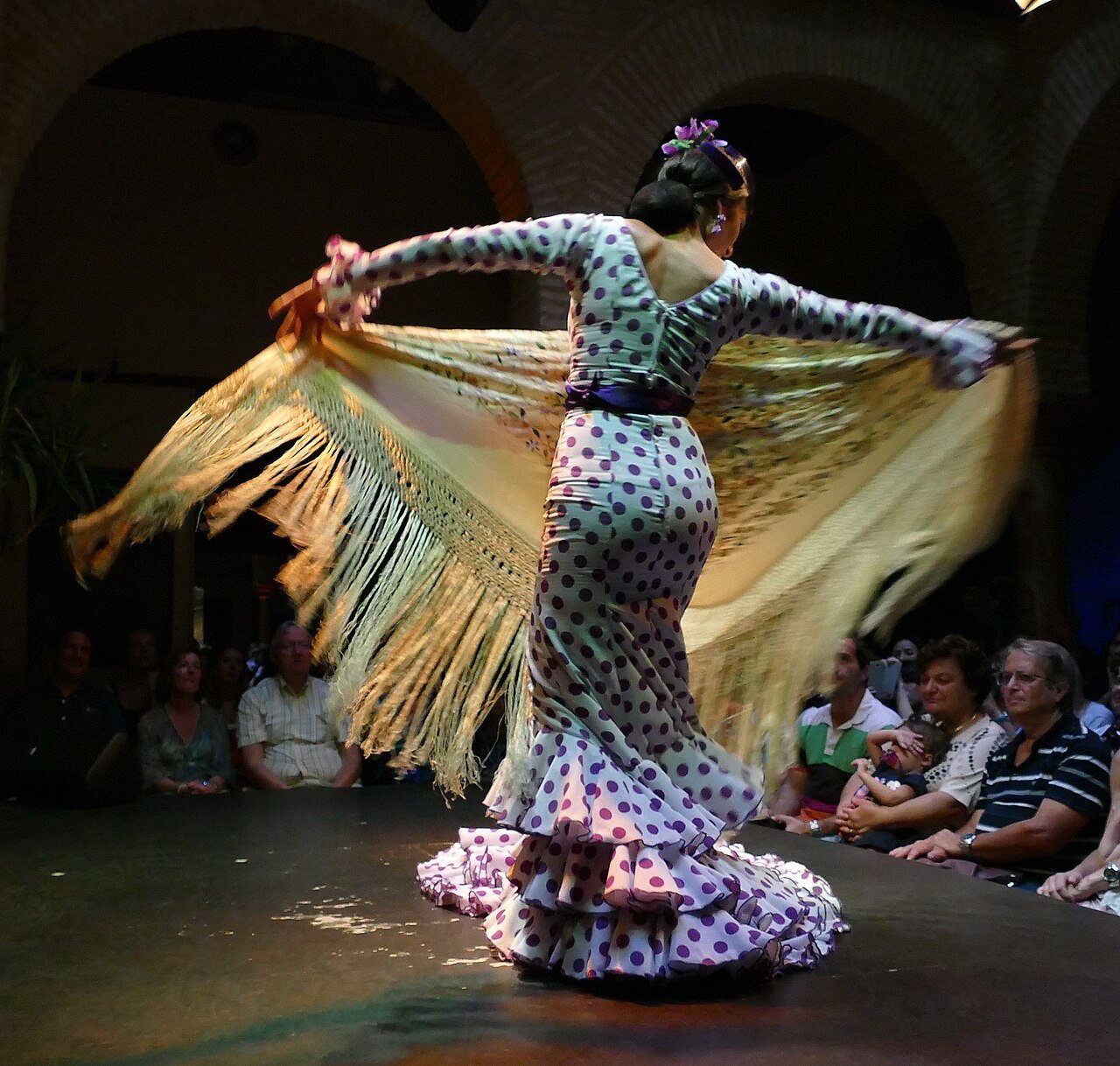
Watch the details the museum taught you to watch. The bata de cola — the long-trained dress — is not decoration: kicking, flicking and steering metres of ruffled train with one foot while turning is one of the hardest techniques in the form, and the alegrías that traditionally use it are the show’s usual blaze of an opener or closer. The zapateado passages, when the dancer’s heels and toes hammer a rhythm against the board faster than the guitarist’s hands, are where the courtyard’s closeness pays: in the front rows you feel it through the floor.
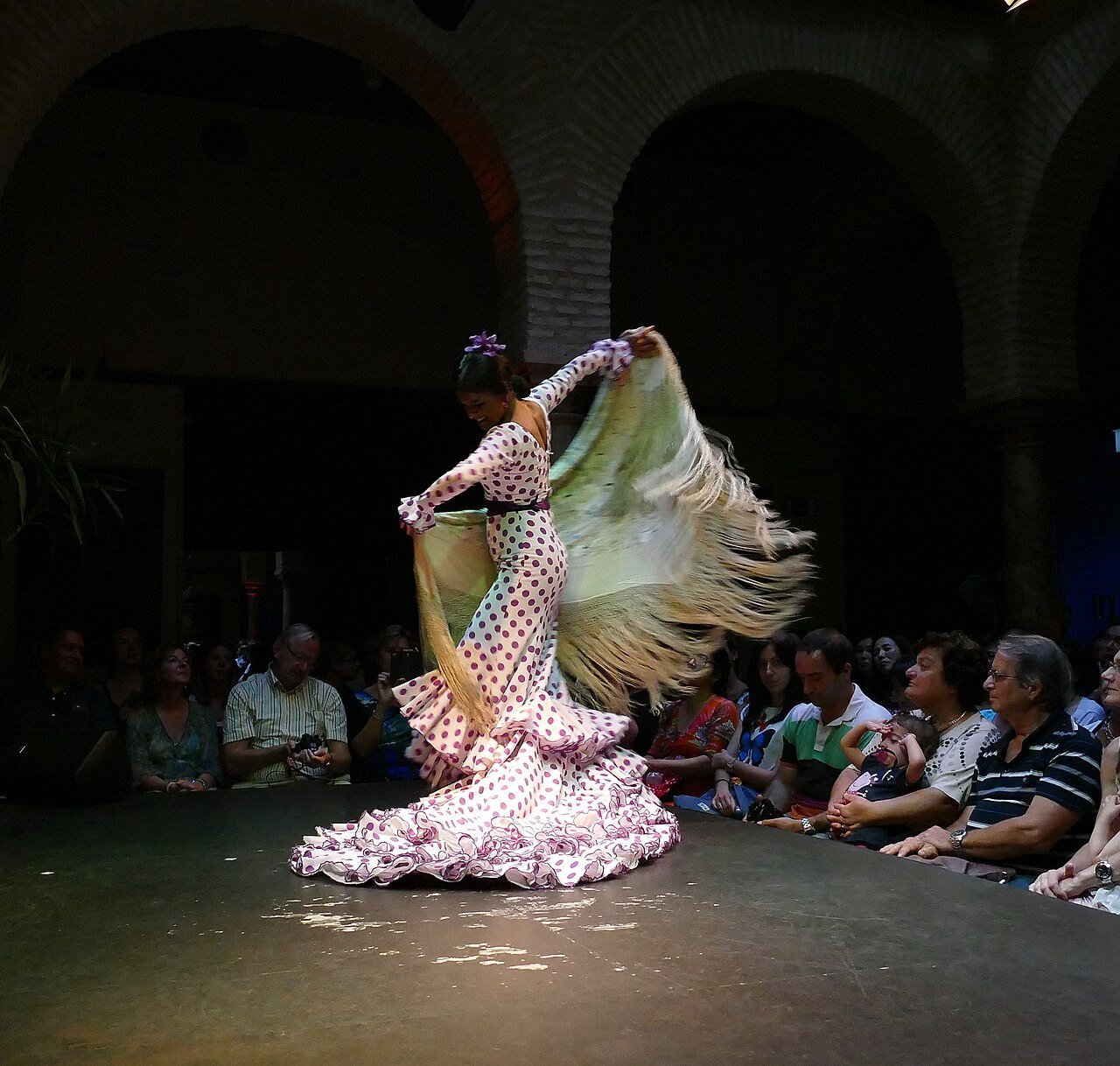
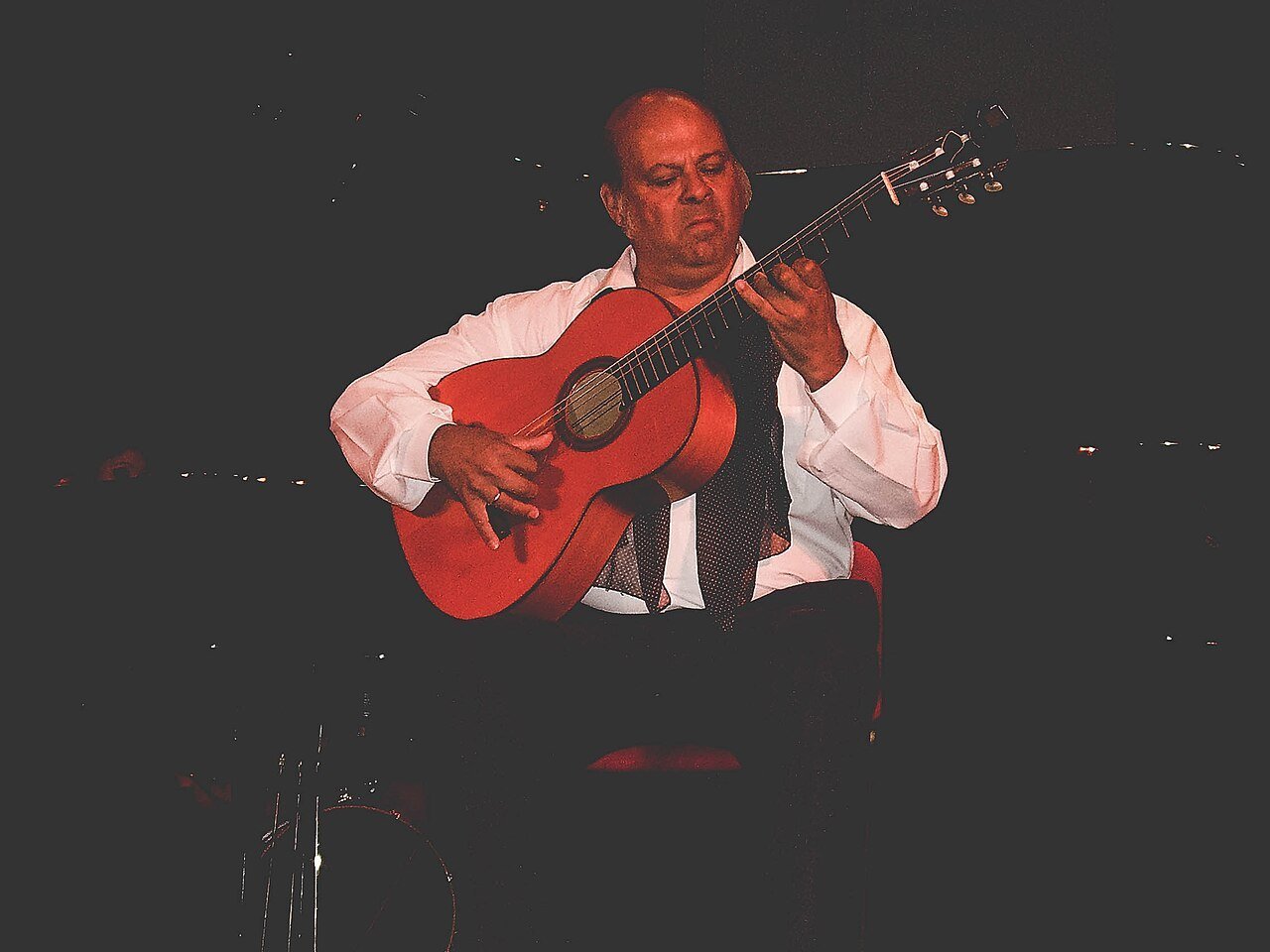
And listen for the duende — the word every flamenco explanation reaches for and none can define: the moment, usually in a seguiriya or a soleá, when the room goes completely quiet and the performance stops being skill and becomes something closer to confession. It does not happen on demand, and the museum is honest enough not to promise it. What it promises — and delivers — is the setting in which it can happen: a small courtyard, a serious cast, an audience that the afternoon exhibition has taught to listen.
Museum, Show, or Both?
Three ways in, and they suit three different visitors. Museum only (€6) is the scholar’s ticket: come at midday, work through the exhibition at your own pace, and leave flamenco-literate — the right choice if you already have a show booked elsewhere in the city. Show only is the pragmatist’s: if your Seville time is short and you want one excellent, central, reliably-staged performance without the lesson, the Puro Flamenco hour stands on its own. Both together is what the building was designed for and what we recommend: the exhibition first (arrive by about 17:30–18:00 for the 19:00 show, or late morning for the matinée pattern), then the performance, when every palo the screens introduced walks onto the stage in person. The combined ticket also costs less than the two bought separately.
Practical Info
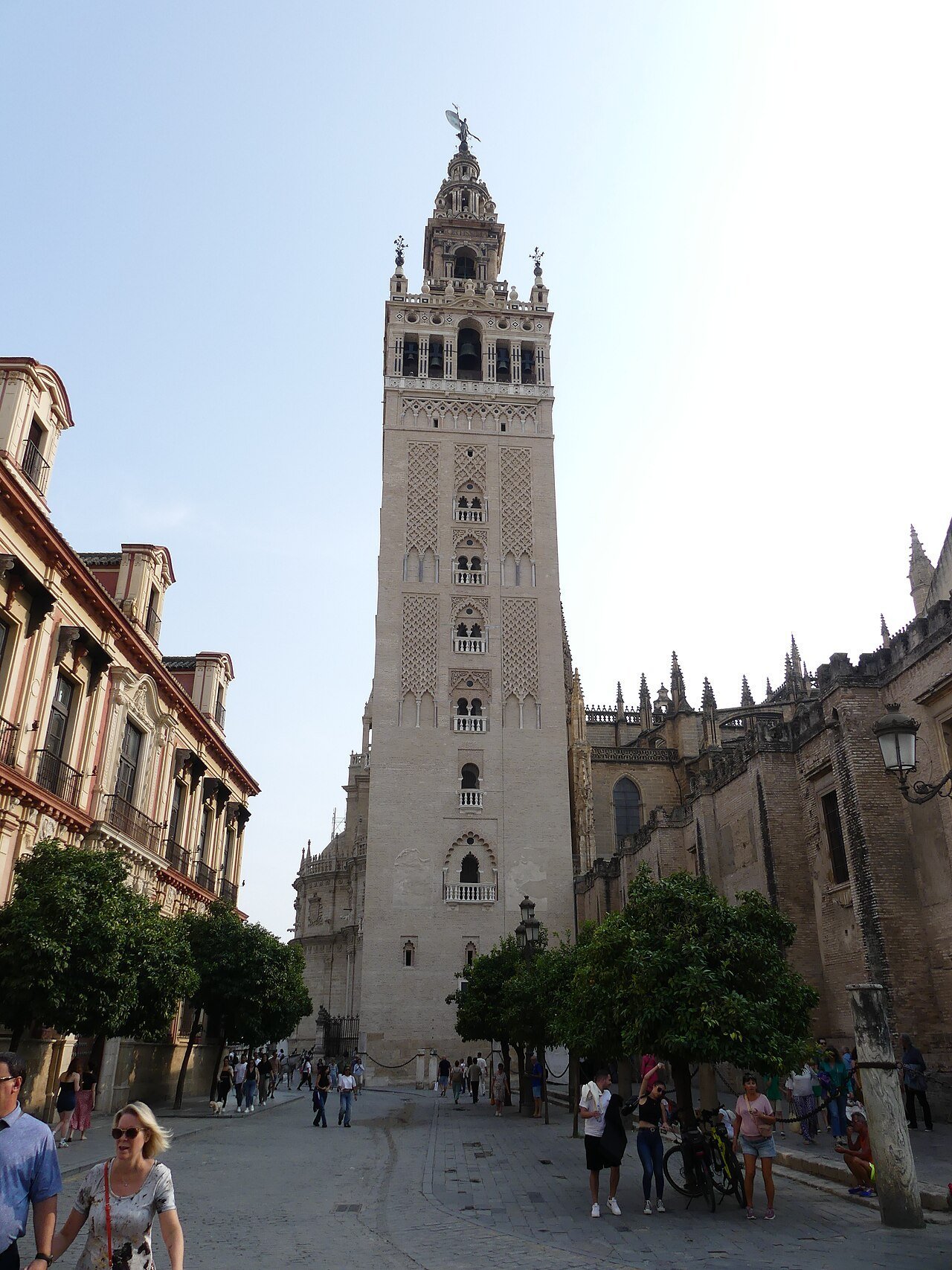
Address: Calle Manuel Rojas Marcos 3, 41004 Sevilla — a side street in the Barrio Santa Cruz, about five minutes’ walk from the Cathedral and the Giralda.
What it is: a working flamenco museum and tablao in an 18th-century palace — interactive exhibition, art gallery and Roman-stone vault below, with live shows in the courtyard patio. It is a performance venue with a museum attached (or the other way round), not a quiet gallery: expect music, applause and jaleo from the patio at show times.
| Best for | Flamenco first-timers who want to understand what they’re watching; anyone choosing one central, high-quality show |
| Entry | Museum only €6; Puro Flamenco show around €25; combined show + museum around €29 (reduced rates for students, over-65s and children 6–12) |
| Time needed | 45–60 minutes for the museum; the show runs about 1 hour; 2–2.5 hours for the full combined visit |
| Nearest metro | Puerta Jerez (Line 1), about 5 minutes on foot |
| Don’t miss | The moment the singer starts — and a look up at the hanging chairs and orange tree above the stage before the lights drop |
Tickets and Booking
Tickets are sold through the museum’s own ticket site and at the door, but the shows — above all the 19:00 and 20:45 performances in high season — regularly sell out, so book ahead. The same Puro Flamenco show is sold on GetYourGuide as the Puro Flamenco show ticket with optional museum entry: choose the show-only option or the option that adds the museum visit, and note the museum part can be visited earlier on the same day, within museum hours. If you book direct, the museum’s own combined ticket does the same job. Classes (flamenco initiation and percussion) and group guided tours in several languages are booked separately through the museum — worth knowing for families and school groups.
Prices move a little with season and seller, so treat the figures here as the shape of it: at the time of writing the museum lists museum-only entry at €6, the show at around €25 and the combined ticket at around €29, with reduced prices for students, pensioners and children aged 6–12. Check the live price for your date before you commit — and be wary of resellers charging well over the museum’s own rates for the same seats.
Opening Hours
The museum opens daily. Its own site currently lists museum visiting hours as 10:00–19:00 with last entrance at 18:15 (its footer gives the museum day as 10:00–18:00), and listings agree the doors open at 10:00 every morning; on the first Monday of each month the museum opens later, in the afternoon. The Puro Flamenco show runs daily at 17:00, 19:00 and 20:45; the matinée and vault shows run to their own schedules. Hours can shift on holidays — check the museum’s official site for your exact date, especially around Christmas, New Year and Epiphany.
Getting There
You will almost certainly arrive on foot, and you should: the museum sits in the pedestrian heart of Santa Cruz, a couple of minutes from the Cathedral through the lanes around the Archivo de Indias. The street itself is easy to miss — look for the red banners on Calle Manuel Rojas Marcos, which runs between the Plaza del Salvador side of the centre and the Jardines de Murillo.
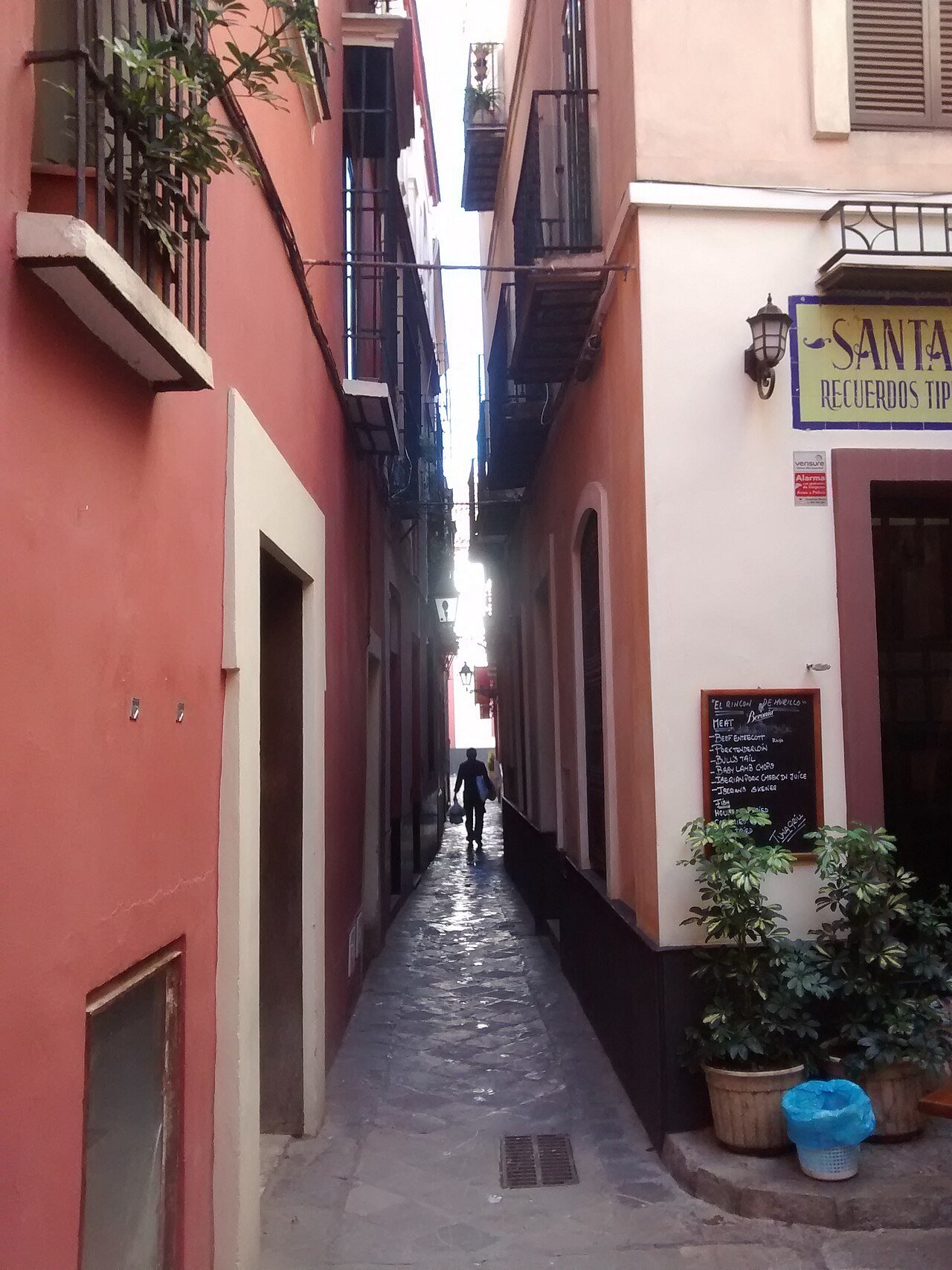
By metro, Puerta Jerez (Line 1) is the closest station, about five minutes’ walk; the tram stops at Archivo de Indias, barely further. City buses skirt the old town rather than entering it. Do not drive into Santa Cruz — the lanes predate the car by several centuries and parking is a penance; park outside the centre and walk in.
When to Go
For the museum, late morning is the quiet slot: arrive near opening and the screens and costumes are yours. For the combined visit, the rhythm that works best is museum at about 17:30, a drink in the quarter, then the 19:00 show — or take the 20:45 show after an early dinner, the most Sevillian of the three patterns. Seasonally, the shows sell hardest during Semana Santa, the Feria de Abril and the autumn Bienal years, when the whole city is thinking about flamenco; in August the midday museum is also a blessedly cool hour out of the heat. First Monday of the month, remember, the museum opens late — build the day around a show instead.
How Long You Need
Budget two to two and a half hours for the full experience: 45–60 minutes in the exhibition, a pause in the patio, and the hour-long show. Museum only, done properly, takes 45 minutes to an hour; show only, arrive 20–30 minutes before the performance for seating and give it the hour. Rushing the exhibition in twenty minutes before the show is the commonest mistake — you would be skipping exactly the part that makes the show land.
Free Seville travel guide
Planning a trip to Seville? Get our free one-page Seville checklist: what to book ahead, what to skip, and the tapas bars we actually eat in.
Tips for Visiting
- Do the museum first, even if it means arriving unfashionably early. The exhibition is the show’s instruction manual; the combined ticket exists because the order matters.
- Book the show ahead in season. The 19:00 and 20:45 performances sell out around Semana Santa, the Feria and autumn weekends — the 17:00 show is the fallback that most often still has seats.
- Sit close. The patio is small and seating fills from the front; arrive 20–30 minutes before showtime. In a tablao this size, the front rows feel the zapateado through the floorboards.
- Check the first-Monday rule. The museum opens in the afternoon on the first Monday of each month; a morning visit planned for that day will bounce off a closed door.
- Look up before the lights drop. The hanging chairs and orange tree above the stage are the museum’s signature — and they are best seen in the pre-show light.
- Keep the evening going in Triana. If the show gives you the taste, cross the river afterwards: Triana’s bars are where flamenco in Seville goes when it clocks off.
What to See Nearby
The museum stands in the middle of Seville’s densest sightseeing quarter. The Cathedral and the Giralda are five minutes west; the Real Alcázar and the Archivo de Indias about the same. Santa Cruz itself is the attraction between them — give its lanes, the Plaza de Doña Elvira and the Callejón del Agua their own unhurried hour, and end at the Jardines de Murillo. For flamenco’s other homeland, walk twenty minutes west across the Puente de Isabel II into Triana, the potters’ and sailors’ quarter where so many of the museum’s palos were sung first. And if the gallery floor upstairs whets your appetite for painting, the Museo de Bellas Artes, across the centre, holds the great Sevillian canvases of Murillo and Zurbarán.
Travel insurance, sorted
Whether it is a two-week holiday or a longer move, travel insurance is not the most glamorous part of a trip — but it is the one booking you want to have in place before a trip, and while you are already away. Get a quote from SafetyWing
Final Thoughts
Seville sells flamenco everywhere, but it explains it in exactly one place. Cristina Hoyos built the museum she wished every audience could visit before the curtain — and then put the curtain in the museum’s own courtyard, under a ceiling of hanging chairs. Go in the afternoon as a student and come out at night as a witness: that transformation, more than any single exhibit or performance, is what the €29 combined ticket buys. ¡Buen viaje!
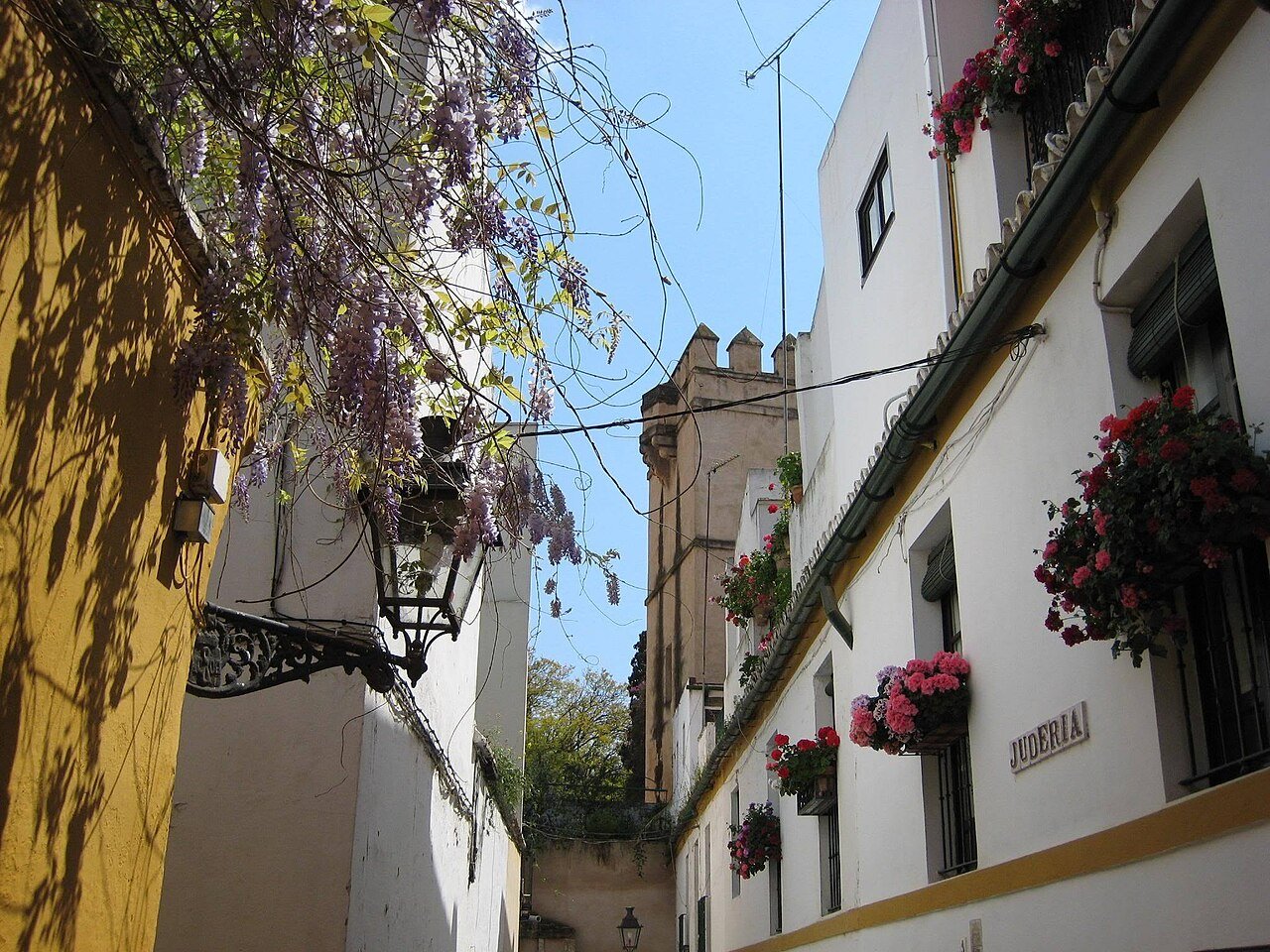
Photo credits: Anual (CC BY 3.0), Ministerio de Cultura de la Nación (CC BY-SA 2.0), ecodallaluna (CC BY-SA 2.0), Joaquín Sorolla (public domain), MariCruz México (CC BY-SA 4.0), Sefaradia (CC BY-SA 4.0), Schnobby (CC BY-SA 4.0), JaviCMoreno (CC BY-SA 4.0), David Devesa (CC BY-SA 4.0), Mx. Granger (CC0) and CarlosVdeHabsburgo (CC BY-SA 4.0), via Wikimedia Commons.