4 Days in Barcelona: The Ultimate Itinerary
Four days is the trip I wish everyone would take to Barcelona. Three days — and I have written that itinerary too, and it works — gets you the highlights, but it gets them at a clip: the Sagrada Família and both Gaudí houses compressed into a single heroic day, the old town in an afternoon, and Park Güell or Montjuïc sacrificed to the clock. The fourth day changes the arithmetic completely. Suddenly the Gaudí sights can breathe across a full day of their own, the old town gets a whole day instead of a gap between trains, and you are left with something no three-day trip can offer: a day with a genuine choice in it. Montserrat in the mountains, or a slow city day of football, modernista hospitals and the beach? That choice is what turns a sightseeing trip into your trip.
One more thing four days buys you, and it is not a sight: rhythm. Barcelona runs on its own clock — shops and kitchens wake late, lunch is an afternoon event, and the city’s best hour is the one just before dinner, when the light goes gold on the stone facades and everyone is out walking. A three-day trip forces you to fight that rhythm; a four-day trip lets you join it. You will notice it in this plan: mornings start at sights, not at dawn, lunches are given their full Catalan weight, and every day leaves an unscripted seam — a coffee standing at a bar, a square you sit in longer than planned — because the days are no longer mortgaged to a checklist. That looseness is not wasted time. In my experience it is where Barcelona actually happens: the vermouth bar you find by accident, the bakery on the corner of your hotel’s street, the second look at the Sagrada Família from the park because you finally have ten spare minutes to stand still.
This itinerary suits first-time visitors who want the complete Barcelona without the sprint, repeat visitors filling the gaps their first trip skipped, and anyone travelling in summer, when the heat punishes overpacked days. Each day is built around one compact area, so you walk more than you ride, and every timed ticket is flagged where it appears — in Barcelona, booking order matters more than almost anything else. If you have one day fewer, our 3 Days in Barcelona itinerary is the honest cut-down version of this same plan; if you are still deciding where to sleep, our Where to Stay in Barcelona guide covers the neighbourhoods — the Eixample or the edge of the Gothic Quarter serve this itinerary best, and these three hotels cover the range:
Where to Stay in Barcelona
Luxury — Ohla Barcelona
Mid-range — Seventy Barcelona
Budget — Amfores Boutique
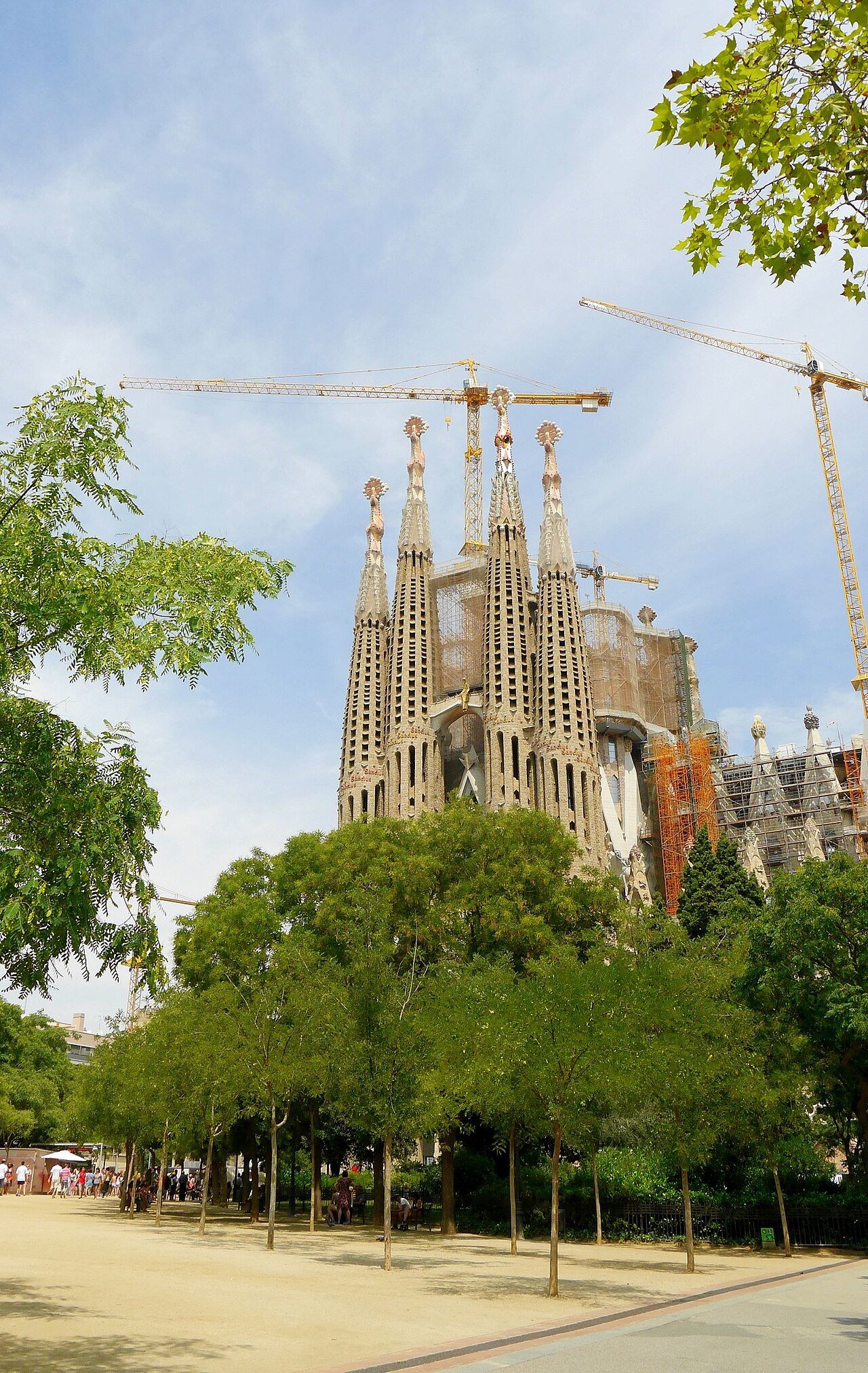
Table of Contents
- Day 1: Gaudí Day — Sagrada Família and Passeig de Gràcia
- Day 2: The Old Town — Gothic Quarter, El Born and Barceloneta
- Day 3: Park Güell, Gràcia and Montjuïc
- Day 4: The Flex Day — Montserrat or the City
- Getting Around
- Where This Itinerary Fits
- Final Thoughts
Day 1: Gaudí Day — Sagrada Família and Passeig de Gràcia
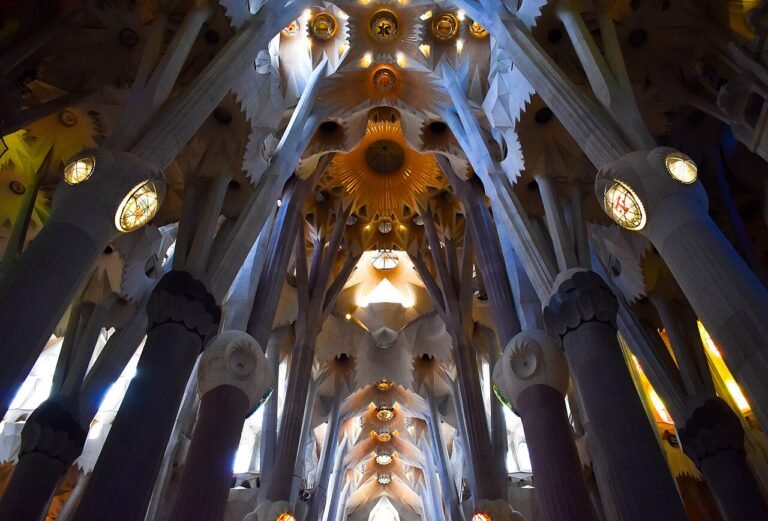
Morning — the Sagrada Família, first slot of the day (9:00–11:00). Start where Barcelona starts. Book the earliest entry you can get to the Sagrada Família Sagrada Família entry ticket and arrive at the Nativity facade side, on Plaça de Gaudí, fifteen minutes early — the pond in that little park gives you the classic postcard frame before you go in. Inside, give the basilica a full two hours. The mistake everyone makes is treating it as a photo stop; the light through the stained glass changes by the hour, the museum underneath explains Gaudí’s hanging-chain models, and the building rewards slowness like nothing else in the city. Our Inside the Sagrada Família guide walks through the eleven things not to miss in detail. If you want the towers — and on a clear morning, you do — book them with your entry; our Sagrada Família Towers guide explains which tower to choose and what the climb actually involves.
Late morning — the walk down to Passeig de Gràcia (11:00–12:30). From the basilica, stroll southwest through the Eixample’s grid — twenty unhurried minutes — and you are on the city’s grandest boulevard. Before any interiors, just walk it: the ornate lamppost-benches, the hexagonal pavement tiles, and then the famous Illa de la Discòrdia, the “Block of Discord”, where three rival architects built three rival houses side by side. You are about to enter two of them.
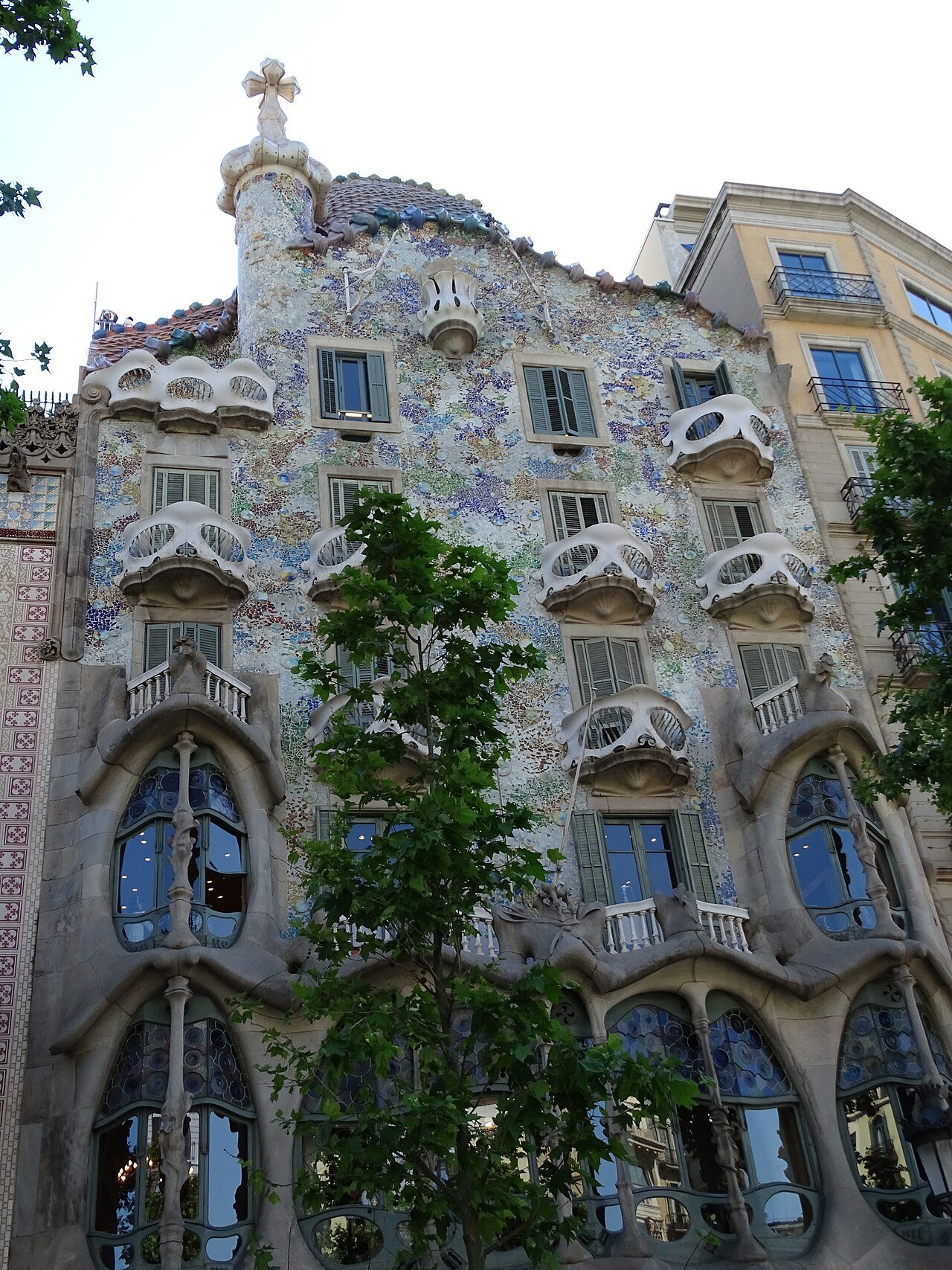
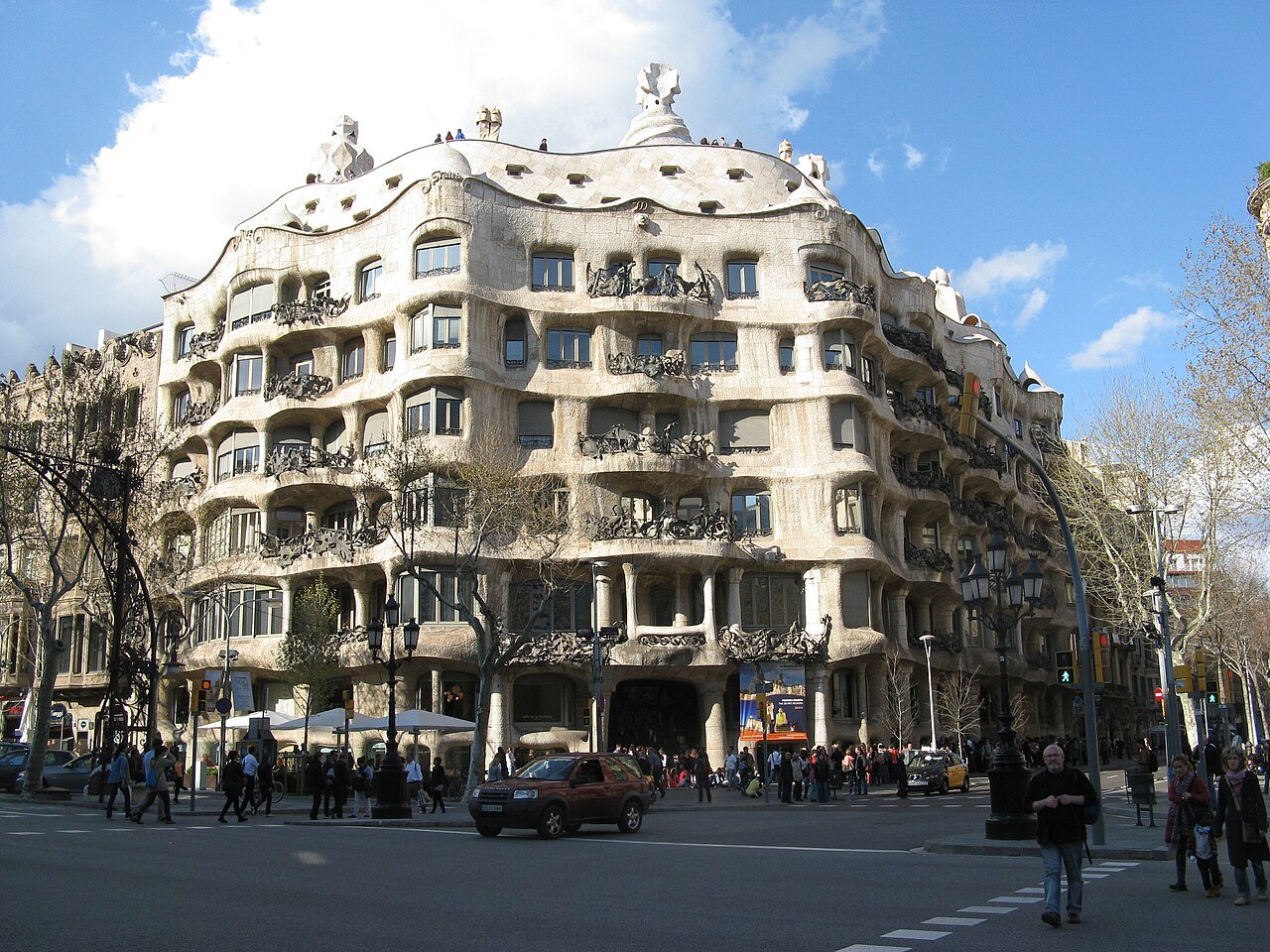
Afternoon — Casa Batlló, then Casa Milà (13:00–18:00). Book Casa Batlló Casa Batlló entry ticket for around one o’clock, after a coffee rather than a full lunch — you will eat properly later, Catalan-style. Batlló is the dream-house: the dragon-back roof, the mask balconies, the underwater-blue stairwell. Allow an hour and a half, and do not skip the roof terrace; the chimney stacks alone justify the ticket. From there it is a five-minute walk up the boulevard to Casa Milà Casa Milà (La Pedrera) entry ticket — La Pedrera, the stone quarry — for a late-afternoon slot. Milà is Batlló’s opposite: no colour, all curve and weight, and the greatest rooftop in Barcelona, a sculpture garden of warrior chimneys with the Sagrada Família framed in the distance. Time it so you are on that roof towards six, when the light softens and the crowds have thinned.
Evening — the Eixample at table (20:00 onwards). You are already in the city’s best dining district. Tonight is for a proper Catalan dinner — book somewhere on or just off the Rambla de Catalunya, the Eixample’s gentler, tree-lined twin of the boulevard — and a vermouth before it if you skipped lunch. Eat late, walk back past the two houses lit up (Batlló after dark is a different building), and get to bed at a sane hour: tomorrow starts in the ninth century, more or less.
Day 2: The Old Town — Gothic Quarter, El Born and Barceloneta
Morning — the Cathedral and the Gothic Quarter (9:00–12:00). Yesterday was the new city; today is the old one, and it starts at the Cathedral on the Pla de la Seu. Go inside in the morning quiet — the soaring nave, the carved choir stalls, and the cloister where thirteen white geese have kept honour guard for centuries (one for each year of Saint Eulàlia’s life, as the story goes). Then give the Gothic Quarter what it actually asks for: two hours of structured wandering. The Plaça de Sant Jaume, seat of city and Catalan government on a square that was the Roman forum; the Temple of Augustus, four Corinthian columns hiding improbably in a medieval courtyard; the Plaça del Rei, where the old royal palace climbs in towers; and the Jewish Quarter’s lanes around the ancient synagogue. Have a mid-morning coffee standing at a bar, the way the neighbourhood does.

Afternoon — Picasso and El Born (12:30–17:00). Cross into El Born, the old town’s more local-feeling half, for the Picasso Museum — and book it ahead, because this is the old town’s most queued-for door. The museum tells the story of the young Picasso in the city that formed him, and the guided visit Picasso Museum guided tour makes the early work click in a way that wandering alone rarely does. Afterwards, five minutes’ walk brings you to Santa Maria del Mar, the great Catalan Gothic basilica built by the porters of La Ribera — a single, soaring, stone-grey space that feels like the sea rendered in architecture. Then simply enjoy the Born: the Passeig del Born’s plane trees, the small boutiques and workshops of the side streets, and an early-evening drink at a vermouth bar before the evening move.

Evening — Barceloneta and the sea (18:00 onwards). Walk down through the old port to Barceloneta, the fishermen’s quarter that the city grew against the beach. The correct evening goes like this: a slow walk along the palm-lined promenade as the light goes, a swim if the season allows — the water here is clean and the beach faces east, so late afternoon is its golden hour — and then dinner in the quarter’s tight grid of streets: seafood, a bomba (the neighbourhood’s own spicy potato croquette, invented here), and absolutely no rush. The W Hotel’s sail silhouette marks the far end of the beach; the walk back along the marina, past the yachts and the old port’s masts, is the right end to the old-town day.

Free Barcelona travel guide
Planning a trip to Barcelona? Get our free one-page Barcelona checklist: what to book ahead, what to skip, and the tapas bars we actually eat in.
Day 3: Park Güell, Gràcia and Montjuïc
Morning — Park Güell, before the heat and the crowds (9:30–11:30). Take a taxi or the metro-plus-walk up the hill to Park Güell Park Güell entry ticket for a morning slot in the monumental zone. Enter, find El Drac — the mosaic salamander on the entrance stairway — then climb to the great terrace and its famous serpent bench for the view: the whole city laid out below, the Sagrada Família mid-frame, the sea behind. The park was Gaudí’s failed garden-city that became the city’s beloved front garden, and the morning is its best self — cooler, quieter, and the trencadís mosaics still vivid before the midday glare flattens them. Two hours is right; then walk downhill, because downhill from Güell is one of Barcelona’s great neighbourhoods.

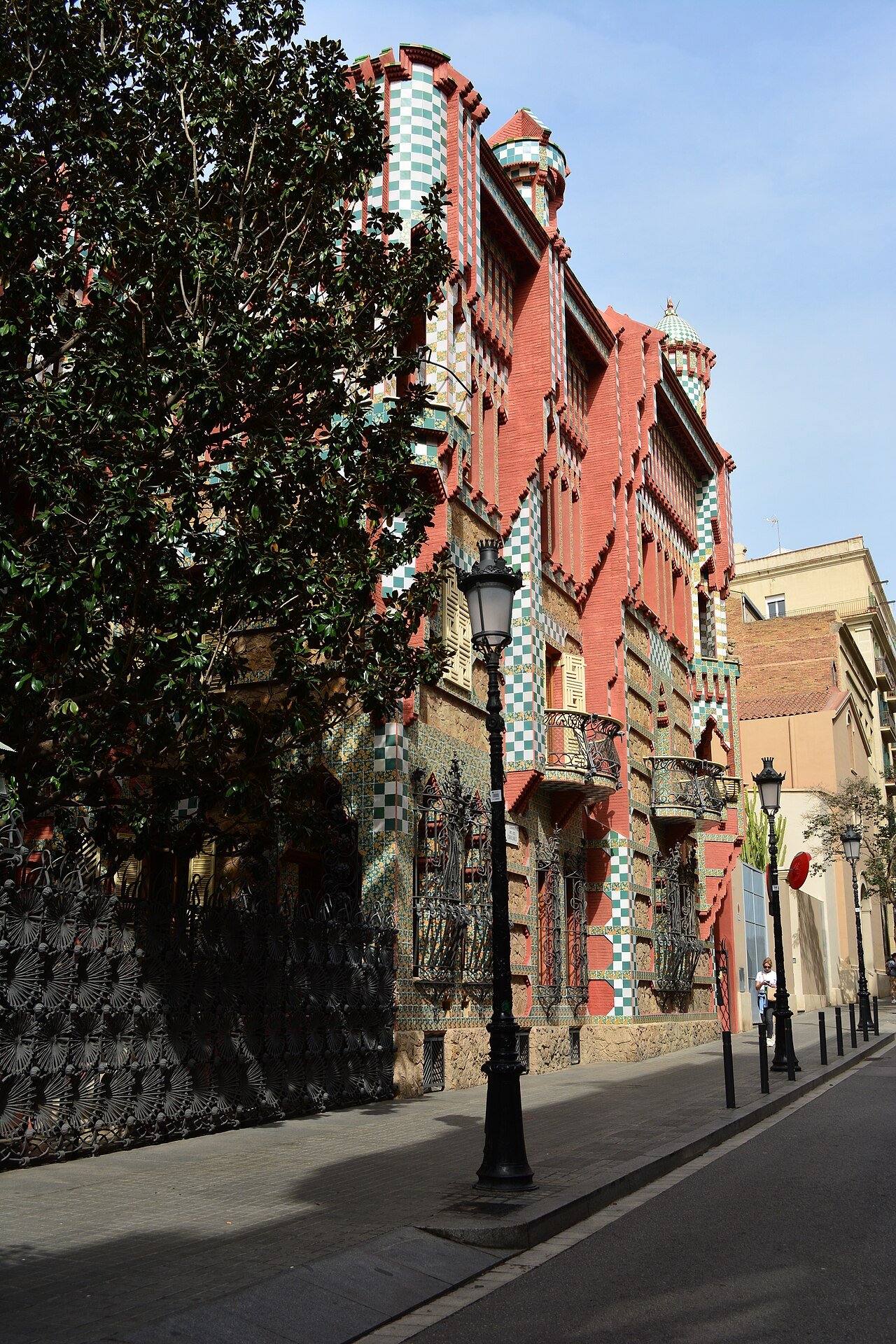
Late morning and lunch — Gràcia (11:30–15:00). Gràcia was a separate town until 1897 and still behaves like one: a village of small squares, each with its own personality, stitched together uphill from the Eixample. Pop into Casa Vicens — Gaudí’s very first house, a red-brick, green-tile riot at the neighbourhood’s edge — if yesterday left you wanting one more Gaudí interior, or simply take the squares as they come: Plaça de la Vila with its clock tower, Plaça del Sol for lunch on a terrace, Plaça de la Virreina for the quiet. Eat here — Gràcia’s restaurants serve the people who live here, at prices the centre has forgotten — and take the long Catalan lunch seriously. You have earned it, and the afternoon’s hill is the last big climb of the trip.
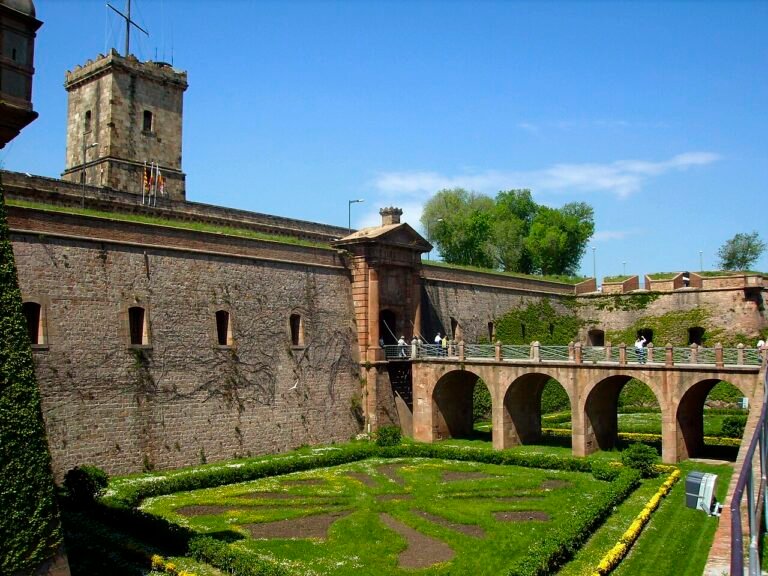
Afternoon — Montjuïc: castle, gardens and the great museum (15:30–19:30). Cross the city to Montjuïc, the green castle-hill that watches over the port. Ride the cable car up from the Paral·lel side Montjuïc cable car ticket — the cabins sail over the harbour with the whole coastline swinging into view — and spend an hour at Montjuïc Castle, the fortress on the summit. Its history is dark (it has been prison and execution ground as often as defence), but its bastions give the single best panorama in Barcelona: port, city grid and sea in one sweep. Walk down through the gardens as the afternoon cools — the hill is layered with them — to the MNAC, the national art museum in the Palau Nacional: a thousand years of Catalan art, from Romanesque church frescoes rescued from Pyrenean villages to the modernistas, in a palace built for the 1929 exhibition. Even if museums are not your thing, go up its front steps for the terrace view down the cascades to Plaça d’Espanya.

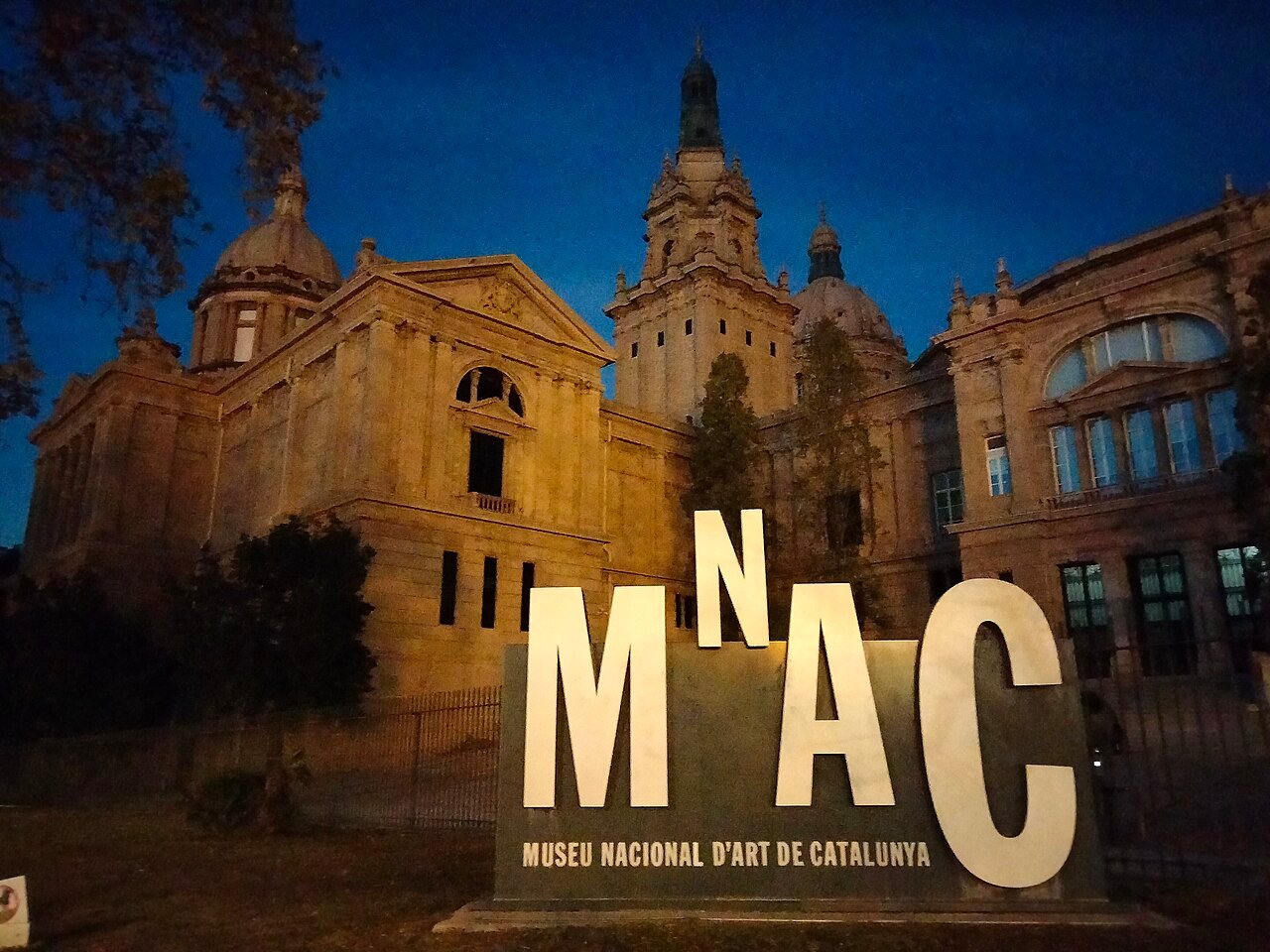
Evening — Plaça d’Espanya and the Magic Fountain area (20:00 onwards). Descend to Plaça d’Espanya as the light goes. The Magic Fountain at the foot of the MNAC steps is Barcelona’s beloved old spectacle — when its music-and-light shows are running (they follow a seasonal schedule, so check the current one before you promise anyone), the evening here is pure civic theatre. Either way, dinner in the streets behind the old bullring — now a shopping centre with a rooftop terrace worth the lift ride for the 360-degree view — rounds off the hill day properly.
Day 4: The Flex Day — Montserrat or the City
This is the day the three-day trips do not have, and it is yours to aim. Two honest options — here is how to choose, then both, in full.
Choose Montserrat if: this is your first trip and you are unlikely to return soon; you want one landscape that justifies the whole holiday; cathedrals and abbeys move you more than football does. Choose the city option if: you are travelling with football-mad children (or football-mad adults); the first three days felt rushed and you want a slower gear; or the weather in the mountains looks poor — Montserrat in cloud is a fine monastery inside a grey postcard, while the city option is almost entirely weatherproof.
Option A: Montserrat Day Trip
Full day (8:00–16:00). Leave the city early — the organised day trip Montserrat day trip from Barcelona collects the logistics (mountain rack railway or coach, timed abbey entry) into one booking, and on a four-day trip that simplicity is worth more than the small saving of going independently. Montserrat is Catalonia’s sacred mountain: a Benedictine abbey pinned beneath a serrated ridge of pink-grey rock pinnacles that look carved rather than formed. Visit the basilica and the Black Madonna, La Moreneta, in her chapel above the altar; hear the boys’ choir if your timing lands on their daily singing (it pauses in high summer — check ahead); and then take the funiculars or the walking paths up into the rock, because the abbey is only the doorway — the mountain itself, with its hermitages and viewpoints over half of Catalonia, is the destination. Back in Barcelona by mid-to-late afternoon, with an evening kept deliberately empty: a last wander, a last dinner near the hotel, no tickets anywhere.

Option B: Camp Nou, Sant Pau and the Beach
Morning — football’s cathedral (10:00–12:30). Start across the city at Camp Nou. An honest note first: the stadium has been deep in its Espai Barça rebuild in recent years, so the current experience is the Barça immersive tour and museum Camp Nou / Barça immersive tour rather than a classic stadium walk — the trophies, the interactive exhibits and the story of més que un club are all there, and the sheer scale of the place still lands even mid-rebuild; check what is open when you book. Allow two hours, more if someone in your party is wearing the shirt.

Afternoon — Sant Pau and a slow finish (14:30 onwards). Cross back to the Eixample’s northeast corner for the Recinte Modernista de Sant Pau, the former Hospital de la Santa Creu i Sant Pau: a garden-city of tiled pavilions by Domènech i Montaner, Gaudí’s great contemporary, and my answer whenever anyone asks for Barcelona’s most underrated sight. It is a ten-minute walk from the Sagrada Família down the Avinguda de Gaudí — the two buildings were designed to face each other down that avenue — so it pairs naturally with a second, unhurried look at the basilica from the park if yesterday’s visit left you wanting one. After Sant Pau, the day is deliberately unscripted: the beach at Barceloneta or Bogatell if the sun is out, the Born’s shops if it is not, and the evening for a farewell dinner in whichever neighbourhood won your heart.

Getting Around
This itinerary is kinder than it looks. Days 1 and 2 are mostly walkable end to end — the Eixample grid and the old town are compact — and the metro covers the rest: Park Güell, Montjuïc’s funicular and Camp Nou are the only real rides, and taxis in Barcelona are plentiful and honest for the uphill trips (the taxi to Park Güell is the local’s move). A multi-day travel card pays for itself if you ride twice a day or more; single journeys otherwise. The one transport rule that matters: never let the journey eat the morning slot — Barcelona’s timed tickets will not wait for a delayed train, so build the buffer into the day, not the apology.
Where This Itinerary Fits
Four days sits in the sweet spot between our 3 Days in Barcelona itinerary — the same city at a sprint — and a longer stay built around our Day Trips from Barcelona guide, which adds Girona, Sitges and the Costa Brava to the menu. If your four days include a Sunday, check the museum and market rhythms before locking the order (several museums open free on certain Sunday afternoons, and the big flea-market mornings reward an early start), and if a sight on this list is your personal non-negotiable, cross-check it against our Best Things to Do in Barcelona guide so nothing essential slips. The booking order, whenever your dates are fixed: Sagrada Família first (it sells out furthest ahead), then Park Güell and Casa Batlló, then the Picasso Museum and Montserrat, and the rest forgives improvisation.
Travel insurance, sorted
Whether it is a two-week holiday or a longer move, travel insurance is the one booking not to skip. We point readers to SafetyWing’s Nomad Insurance — cover built for travellers, remote workers and longer stays abroad, on a flexible monthly subscription you can start before a trip or while you are already away.
Final Thoughts
The difference between three days and four in Barcelona is not one more day of sights — it is the difference between a checklist and a trip. With four, Gaudí gets a day instead of a dash, the old town gets a day instead of an afternoon, Montjuïc gets its evening, and the last day belongs to you and one honest choice. Book the big tickets early, walk more than feels efficient, eat later than feels sensible — and when the light goes down over the port on your last evening, you will understand why nobody who gives this city four days ever wishes they had given it three. If anything, the usual regret runs the other way: travellers write to me wishing they had protected the fourth day instead of spending it on a train to somewhere else. Barcelona is not a stop on the way to the rest of Spain. Given four honest days, it is the destination the rest of the trip has to live up to.
¡Buen viaje!

Photo credits: Sagrada Família — Ronny Siegel, CC BY 4.0 · Casa Batlló — Ad Meskens, CC BY-SA 4.0 · Casa Milà (La Pedrera) — Yair Haklai, CC BY-SA 4.0 · Barcelona Cathedral — Enric, CC BY-SA 4.0 · Santa Maria del Mar — Kent Wang, CC BY-SA 4.0 · Barceloneta beach and promenade — DimiTalen, CC0 · Park Güell terrace — Julian Lupyan, CC0 · Casa Vicens — Joe Mabel, CC BY-SA 4.0 · Montjuïc Castle — Enric, CC BY-SA 4.0 · Palau Nacional (MNAC) — Enric, CC BY-SA 4.0 · Montserrat Abbey — Bernard Gagnon, CC BY-SA 3.0 · Camp Nou — Luis Miguel Bugallo Sánchez (Lmbuga), CC BY-SA 3.0 · Hospital de Sant Pau — Joe Mabel, CC BY-SA 4.0. All via Wikimedia Commons.


4 Comments