30 Best Things to Do in Barcelona for First-Time Visitors
Barcelona is one of those cities where the “must-see” list writes itself — and then a local ruins it by adding twenty more things. This is my honest version: the 30 experiences I would actually give a first-time visitor, with the booking warnings and small tips that make the difference between seeing a sight and enjoying it.
A few need advance tickets (I have flagged every one — please believe me about the Sagrada Família and Park Güell). The rest are free, cheap or walk-up. Mix them by neighbourhood, leave gaps for wandering, and you have the bones of a perfect trip. For ready-planned days, start with our full Barcelona guide and the itineraries linked at the end.
Where to Stay in Barcelona
The right base makes this whole list easier — most of what follows is walkable from these three real, well-established hotels.
Luxury pick — El Palace Barcelona
Barcelona’s grande dame since 1919, just off Passeig de Gràcia: grand rooms, a rooftop terrace and service that still does everything properly. Casa Batlló is a short stroll away.
Boutique pick — Mercer Hotel Barcelona
A calm design hotel folded into a medieval Gothic Quarter building, with Roman wall fragments in its architecture and a small rooftop pool. The oldest lanes in the city start at its door.
Budget pick — Hotel Lleo
Good-value and brilliantly connected, two minutes from Plaça Catalunya: airport bus, half the metro network and a small rooftop pool. For a sightseeing-heavy trip, position beats everything.
Table of Contents
- Where to Stay in Barcelona
- Gaudí & Modernisme
- Old Town & History
- Museums & Culture
- Parks, Views & Beach
- Food & Markets
- Day Trips & Experiences
- Final Thoughts
Gaudí & Modernisme
1. Sagrada Família
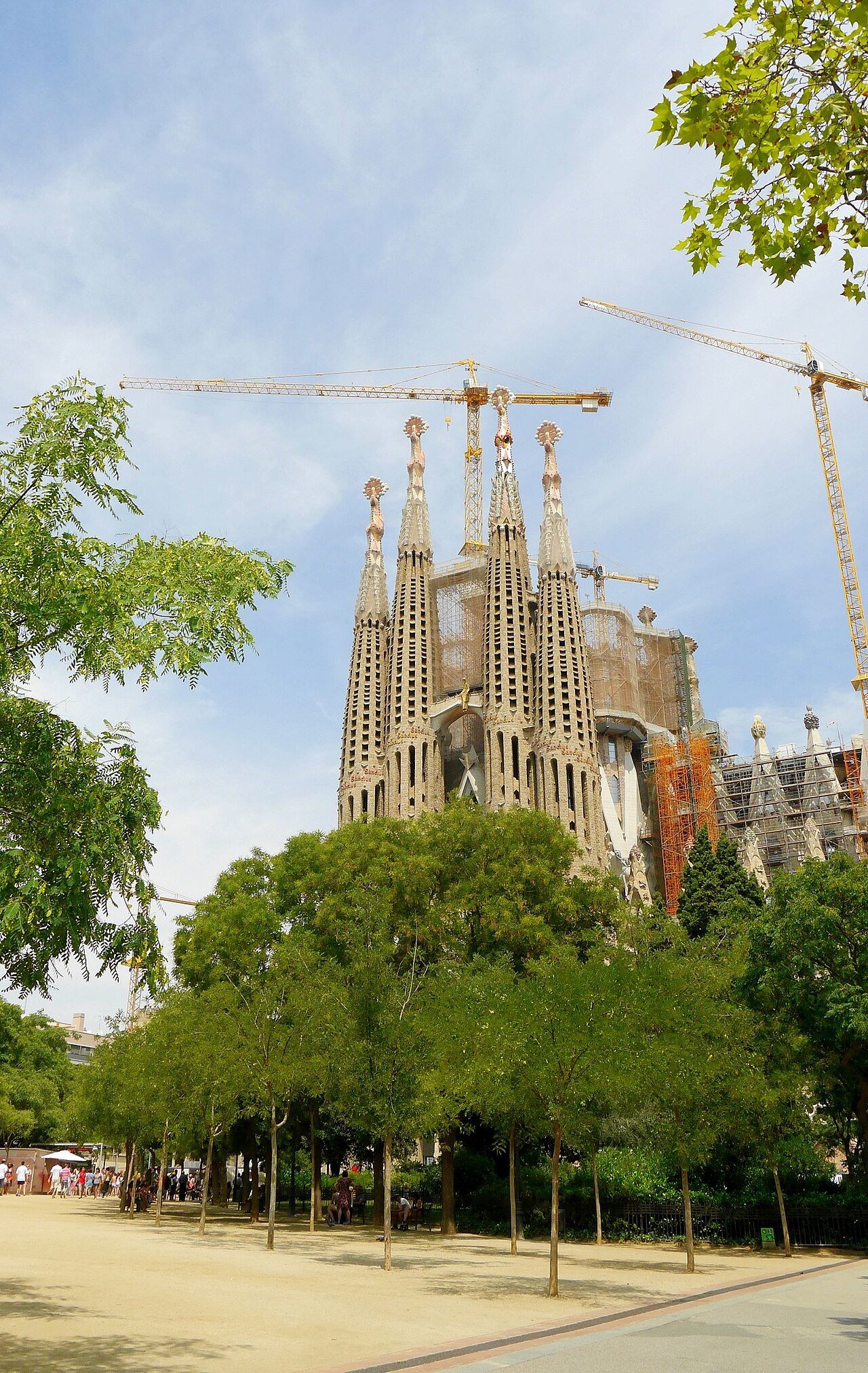
Gaudí’s unfinished basilica is the single greatest building of the last 150 years, and no photograph prepares you for the interior: columns branching into a stone forest, stained glass flooding one side in cool blues and the other in fire. Give it 90 minutes and add a tower if you can. The one rule that matters: book a timed ticket online as soon as your dates are fixed — slots sell out days ahead. Go early for the calmest light.
2. Park Güell

Gaudí’s fantastical public park above Gràcia: a mosaic salamander on the entrance stairs, gingerbread gatehouses, the columned Hypostyle Hall, and the famous wavy tiled bench curving around a terrace with views over the city to the sea. The monumental zone is ticketed and capped daily, so book ahead; the rest of the park is free green space. Metro L3 to Lesseps, then follow the escalators uphill.
3. Casa Batlló
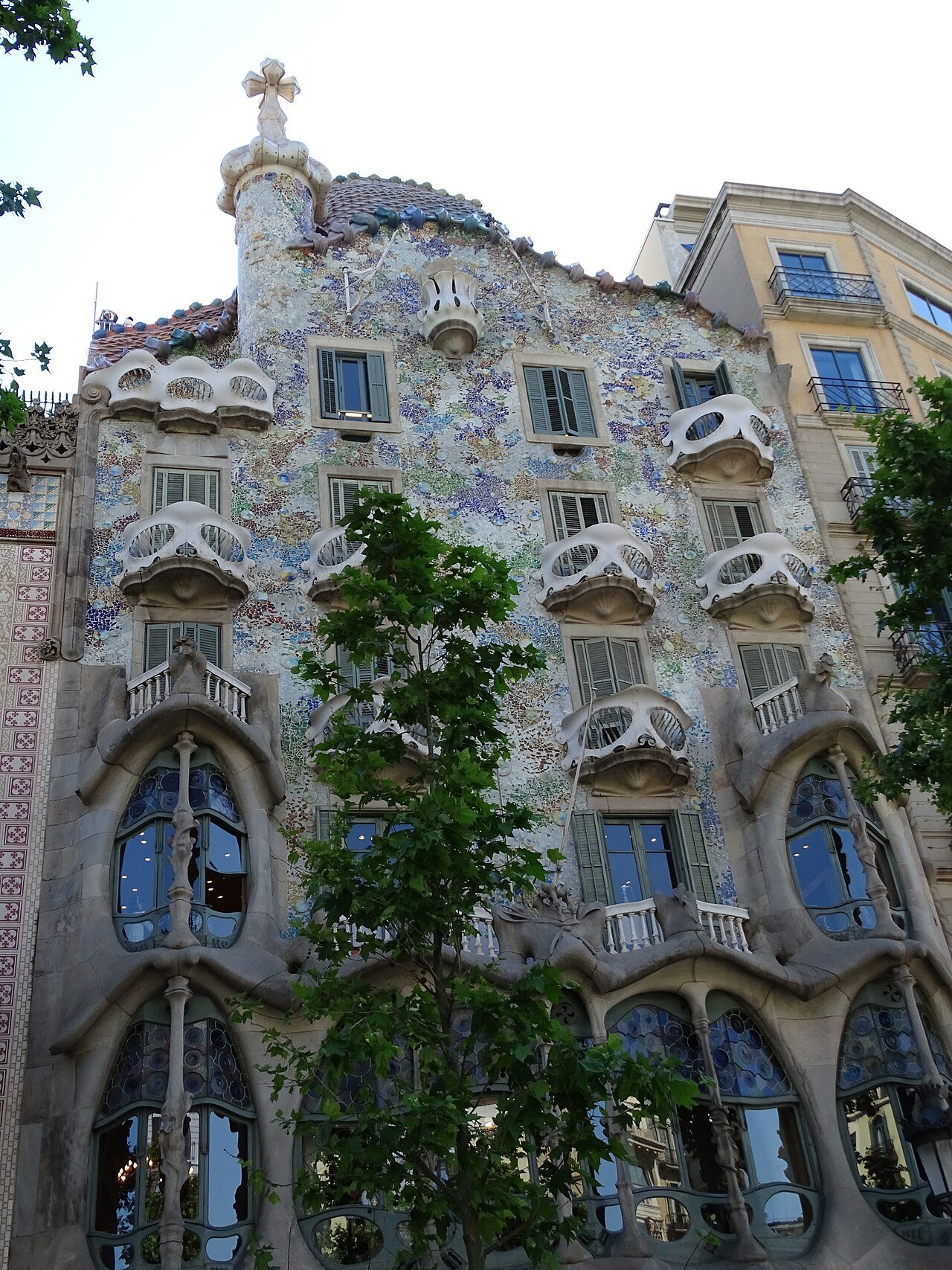
The dreamiest house on Passeig de Gràcia — a facade of shimmering blue-green tiles, bone-like balconies and a dragon’s-back roof, inspired by the legend of Saint George. Inside, everything ripples: there is barely a straight line in the building. The visit is superbly run and the audio guide genuinely adds to it, so an hour here beats rushing two houses. Book ahead in season, and look up at the facade again at dusk, when the tiles glow.
4. Casa Milà (La Pedrera)
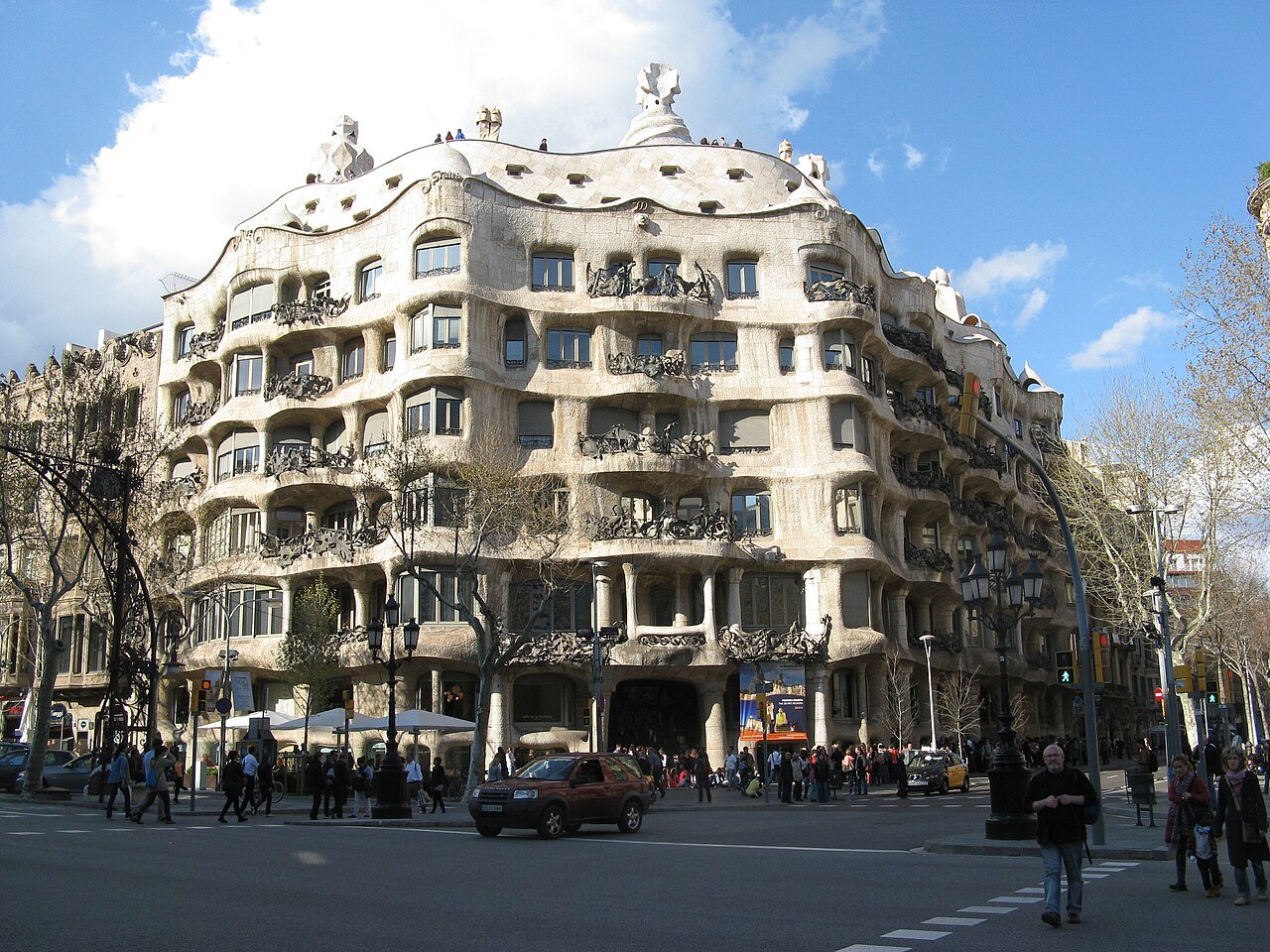
Gaudí’s other great Passeig de Gràcia house is the sculptural opposite of Batlló: a rippling stone facade, wrought-iron balconies like seaweed, and a rooftop guarded by surreal chimney “warriors” — now one of Barcelona’s defining images. The attic, built from catenary arches like a whale’s ribcage, explains Gaudí’s methods better than any book. Go late and stay for the evening light on the roof.
5. Palau de la Música Catalana
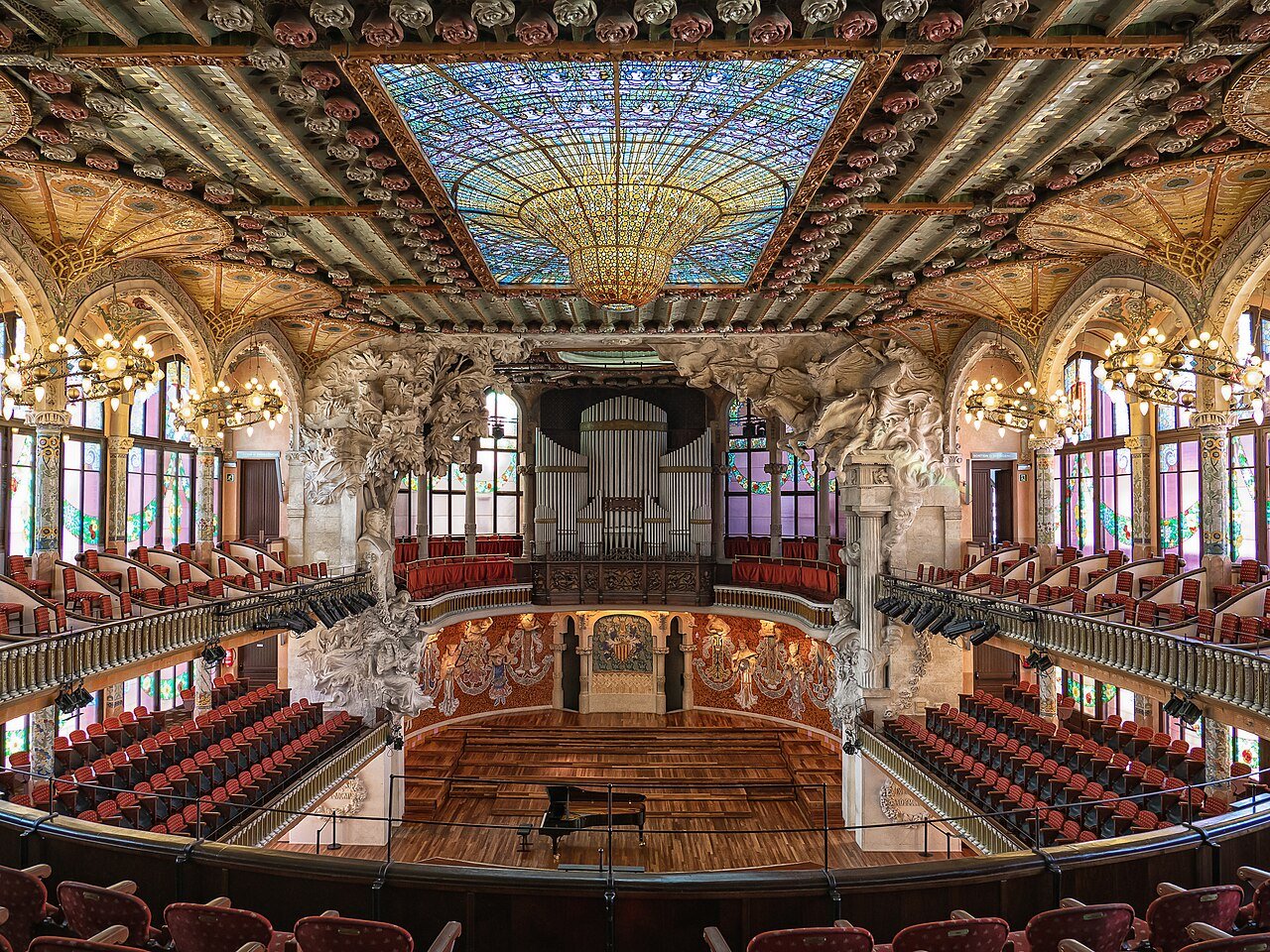
A concert hall by Domènech i Montaner, Gaudí’s great modernista rival, that out-decorates everything: stained glass, mosaics, sculpted muses and a vast skylight like a drop of golden water above the stage. It is a working concert hall, so the guided tour is the only way in as a visitor — take it; if an evening concert fits your dates, hearing music in that room is unforgettable.
6. Palau Güell
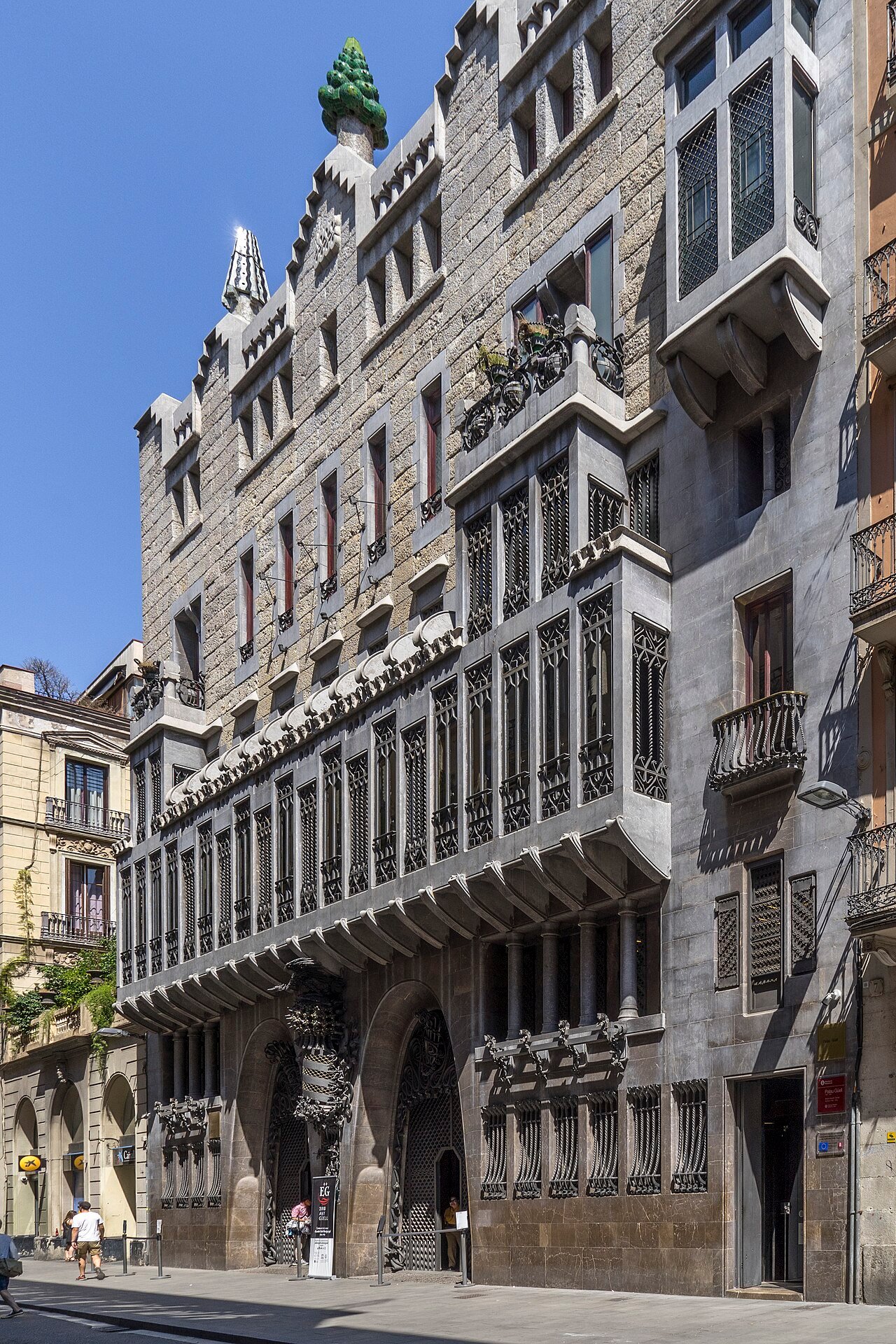
Gaudí’s early mansion for his patron Eusebi Güell, just off La Rambla on Carrer Nou de la Rambla — darker and moodier than the later houses, with a central hall lit by a hidden dome and a rooftop of fantastical tiled chimneys where his imagination first ran loose. It is usually far quieter than Batlló or Milà, which makes it a connoisseur’s favourite. Your ticket includes a good audio guide; allow an hour.
7. Casa Vicens
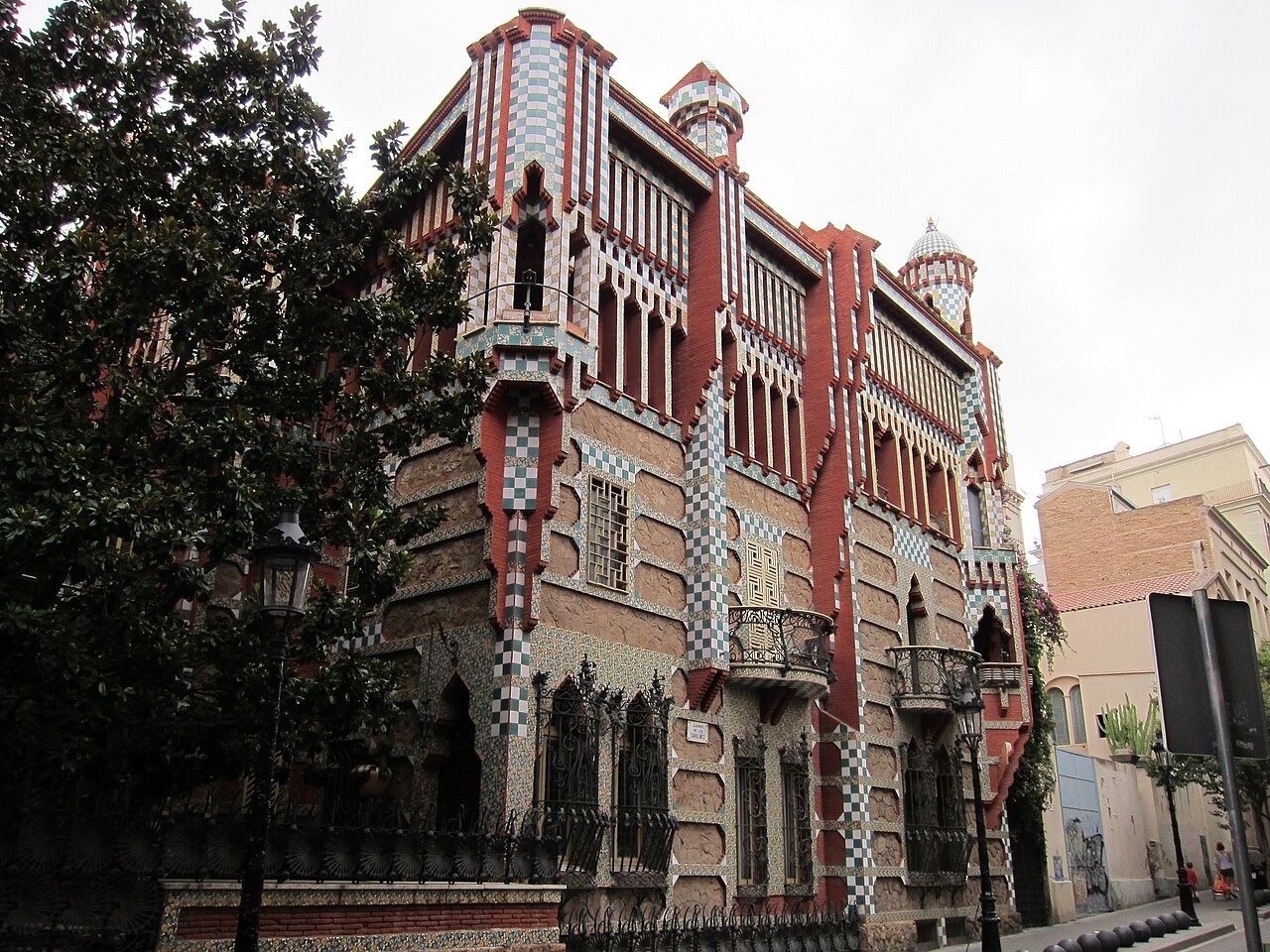
Gaudí’s very first house, in Gràcia: a riot of green-and-white tiles, Moorish influences, and youthful ideas he would spend forty years refining. Long a private home, it opened to visitors in 2017 and still feels like a discovery — many locals have never been. Pair it with an afternoon in Gràcia’s squares (and see our where-to-stay guide). Book ahead at weekends.
Old Town & History
8. Wander the Gothic Quarter
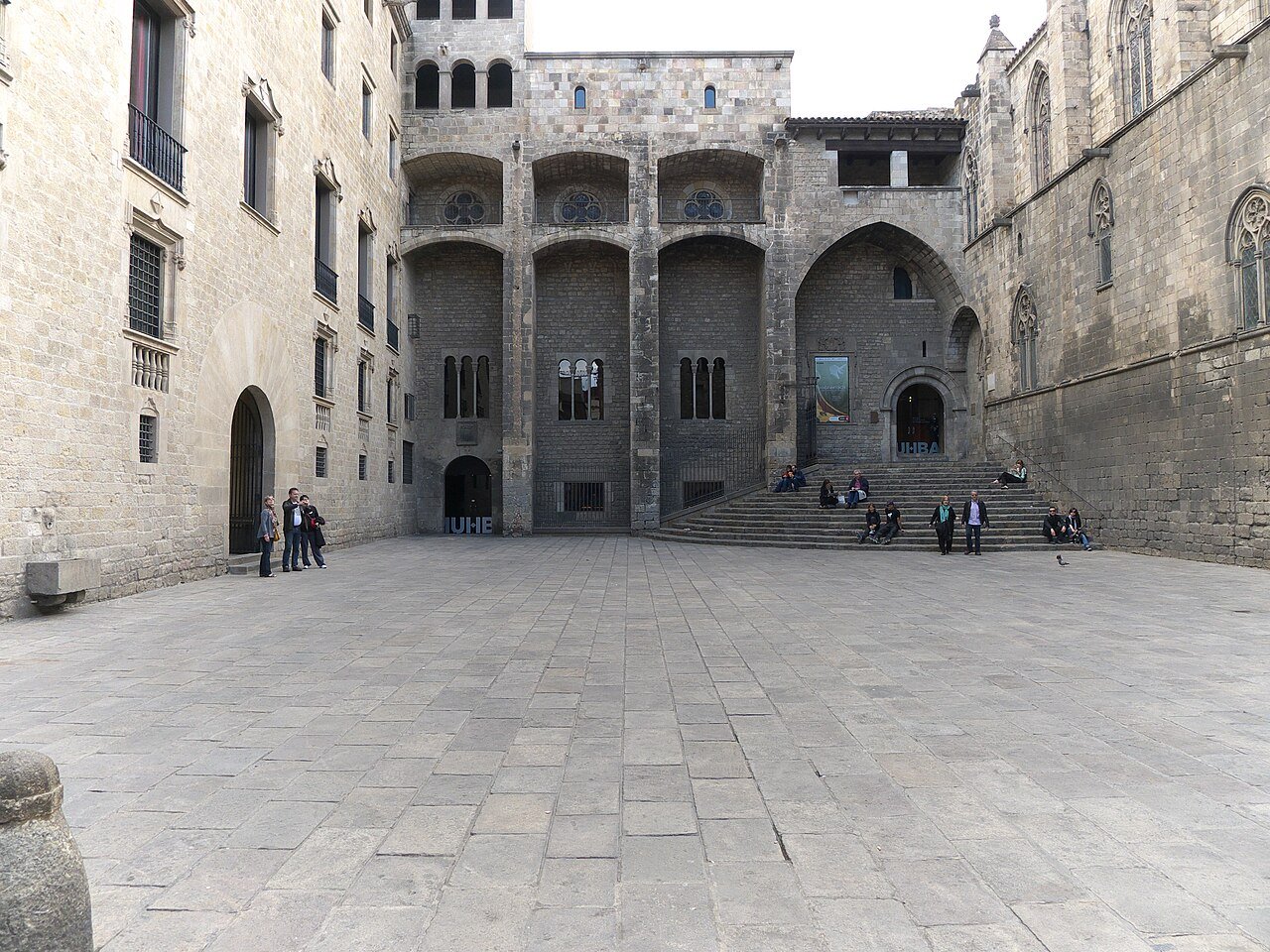
Two thousand years of city, layered into a few lanes: Roman walls, a medieval cathedral, the delicate neo-Gothic Pont del Bisbe bridge, and squares like Sant Felip Neri that carry real scars and real quiet. The best method is deliberate aimlessness for an hour, then a coffee in a plaza. Go early in the morning at least once — the lanes empty of crowds are a different, better place. Keep a hand on your bag in the busiest streets.
9. Barcelona Cathedral and Its Rooftop

Not the Sagrada Família — the city’s true Gothic cathedral, in the old town, all flying buttresses and quiet cloister. The cloister is the beloved bit: a green courtyard, a fountain, and thirteen white geese, one for each year of the martyr Santa Eulàlia’s life. Take the lift to the rooftop for one of the best cheap views over the old town. Dress respectfully — shoulders and knees covered — and check mass times, which pause tourist visits.
10. Stroll La Rambla
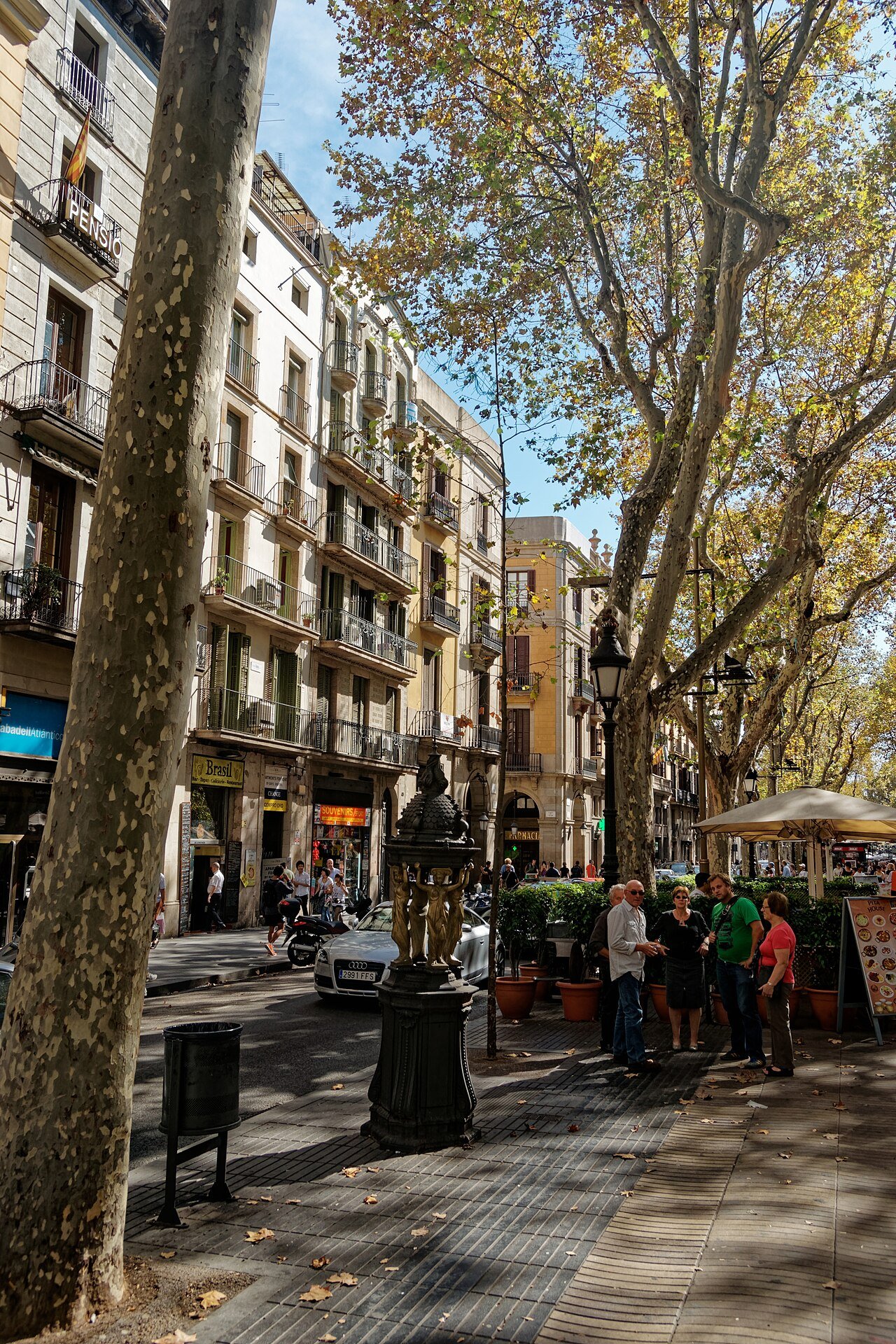
Barcelona’s famous tree-lined boulevard runs from Plaça Catalunya to the Columbus Monument at the port, and every first-timer should walk it once, properly: flower stalls, the mosaic by Joan Miró under your feet, the Liceu opera house, and the Boqueria market halfway down (item 25). Honest advice: it is a spectacle, not a dining destination — eat a street or two away — and it is prime pickpocket ground, so stay alert without letting it spoil the stroll.
11. Santa Maria del Mar

El Born’s great Gothic church, built in the 14th century in just 55 years — a speed that left it unusually pure and harmonious, all soaring columns and restrained stone. It was the church of the port’s shipwrights and stevedores, and it still feels like theirs: plain, vast and quietly moving. Entry is usually free or nearly so; the guided rooftop visit, when it runs, adds old-town views and the story of how the basilica was carried up stone by stone.
12. Plaça Reial and Plaça de Sant Jaume
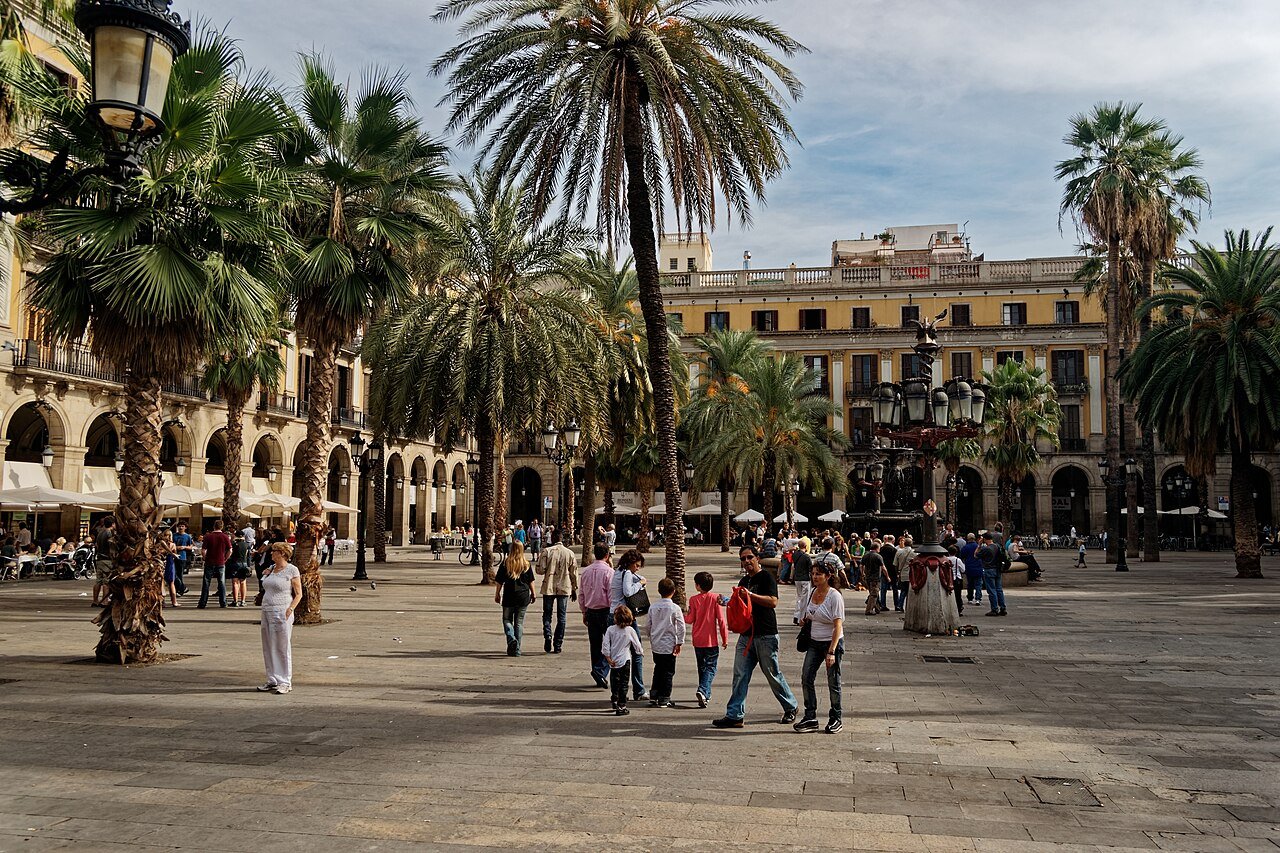
Two squares, two Barcelonas, two minutes apart. Plaça de Sant Jaume is the political heart — the Generalitat and City Hall facing off where Roman Barcino’s forum stood. Plaça Reial, just off La Rambla, is its pleasure-loving twin: an arcaded square of palm trees and terraces, with lampposts designed by a young Gaudí. Come to Reial at aperitif hour, sit outside, and let the square do the entertaining. Both are free; both reward slow looking.
13. El Call and the Roman City
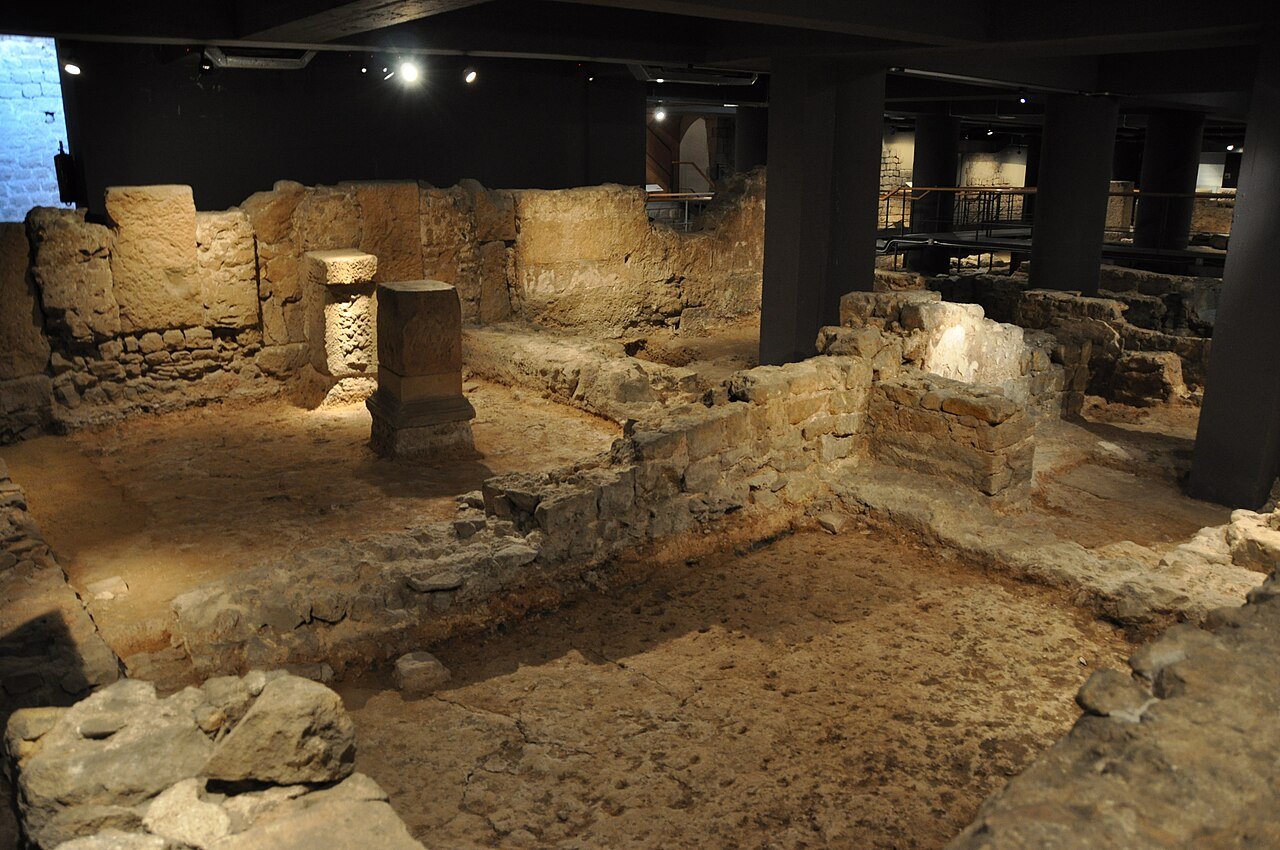
Beneath the medieval lanes lies Barcino, Roman Barcelona. In El Call, the old Jewish quarter, tiny streets survive around the ancient synagogue, one of Europe’s oldest. Then go underground at the Museu d’Història (MUHBA) on Plaça del Rei, where you walk at Roman street level past laundries, wine workshops and the first bishop’s palace — one of the city’s great museum experiences, reached by lift from a medieval square. Allow 90 minutes for the underground city alone.
Museums & Culture
14. Picasso Museum
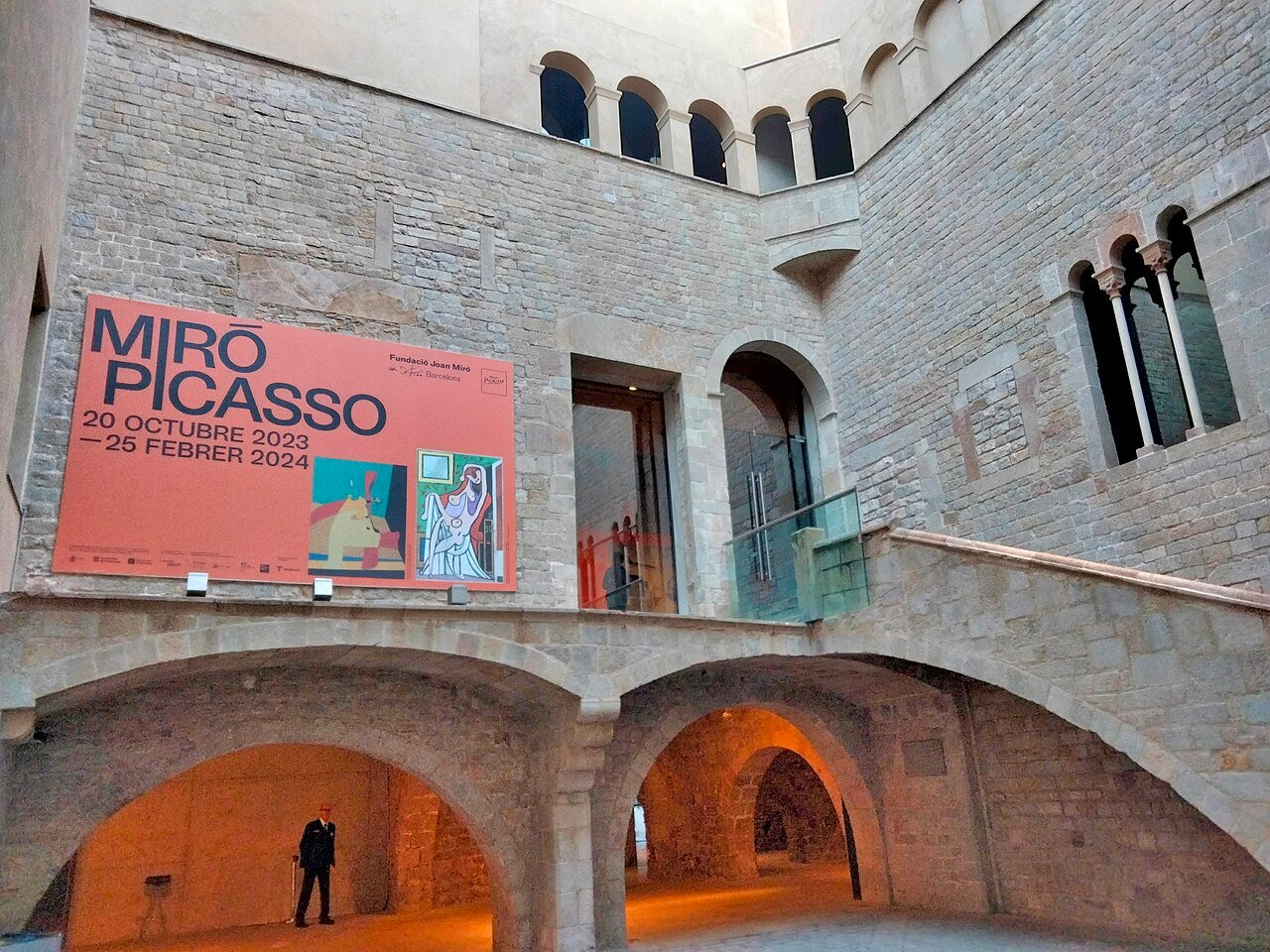
The world’s most complete collection of Picasso’s early work, in a string of medieval palaces in El Born — sketchbooks, the teenage paintings of a prodigy learning his trade, and the complete Las Meninas series painted in obsessive dialogue with Velázquez. It explains the artist Barcelona formed before Paris made him famous. One of the city’s most visited museums, so book a timed ticket and go at opening or late afternoon.
15. Camp Nou and the Barça Immersive Tour

Europe’s largest stadium, home to FC Barcelona — football fan or not, a genuine city institution, and the museum’s trophy rooms, giant screens and immersive show carry the visit. One essential caution: the stadium is undergoing the huge Espai Barça rebuild, so the tour route changes as works progress — check what the current experience includes before you book. Metro L3 to Palau Reial or L5 to Collblanc.
16. MNAC — the National Art Museum

The Museu Nacional d’Art de Catalunya fills the Palau Nacional above Plaça d’Espanya with a thousand years of Catalan art — its Romanesque frescoes, rescued from Pyrenean churches, are world-class and unlike anything else in this list. Even if museums rank low for you, ride the escalators up for the terrace: the view down the cascades to the Venetian towers is one of Barcelona’s great free panoramas. Often free on Saturday afternoons and the first Sunday of the month.
17. Fundació Joan Miró

On Montjuïc, in a bright white building designed with the artist himself, the Miró Foundation holds the full arc of his work — primary-colour symbols, a sculpture garden, and city views from its roof terraces. It is calm, luminous and mercifully uncrowded next to the centre’s big names, and pairs perfectly with the castle and cable car (item 19) on the same hill. Allow 90 minutes.
18. Recinte Modernista de Sant Pau

The sleeper hit of Barcelona sightseeing: a former hospital by Domènech i Montaner, a few streets from the Sagrada Família, built as a garden city of tiled pavilions and orange trees — so beautiful it is now a UNESCO site. Most visitors walk straight past it on the way to Gaudí; don’t. It is serene, photogenic and rarely busy. The same metro stop serves both; do Sant Pau in the same morning.
Free Barcelona Travel Guide — enjoying the list? Download our free printable Barcelona guide with these 30 sights on a neighbourhood map, the booking checklist and the metro shortcuts.
Parks, Views & Beach
19. Montjuïc Castle and the Cable Car

Ride the funicular from Paral·lel, then the cable car up to Montjuïc Castle — come for the 360-degree views over port, city and sea rather than the (genuinely dark) history. The glide up in the gondola is half the pleasure; walk back down through the gardens if your knees allow. Check opening days, and note the cable car pauses in high winds.
20. The Magic Fountain of Montjuïc

Barcelona’s beloved free show: water, light and music below the illuminated Palau Nacional on selected evenings. Practical honesty matters here — the schedule is seasonal, shows do not run nightly, and drought restrictions have paused them for long stretches in recent years. Check the current timetable on the day. Even on a dark night, the cascade avenue and floodlit palace make a fine dusk walk from Plaça d’Espanya.
21. Barceloneta Beach

The city’s favourite strip of sand, backed by the old fishermen’s quarter and a promenade made for strolling. Swim, rent a paddleboard, or do what half of Barcelona does: walk the seafront at golden hour, then eat seafood in the streets behind (item 28). The water is cleanest furthest from the port, and the beach fills fast on summer weekends — arrive before noon for space, or at sunset when the day-trippers leave.
22. Sunset at the Bunkers del Carmel

The locals’ favourite viewpoint: a Civil War anti-aircraft battery on the Turó de la Rovira hill, with a near-360° panorama — the Sagrada Família, the Eixample grid, the sea, and sunset straight ahead. It is free and deservedly popular; bring a drink, arrive an hour before sunset for a good spot, and expect company. Bus or metro to El Carmel plus an uphill walk — there is no shortcut, which is why it stayed local for so long.
23. Ciutadella Park and the Arc de Triomf
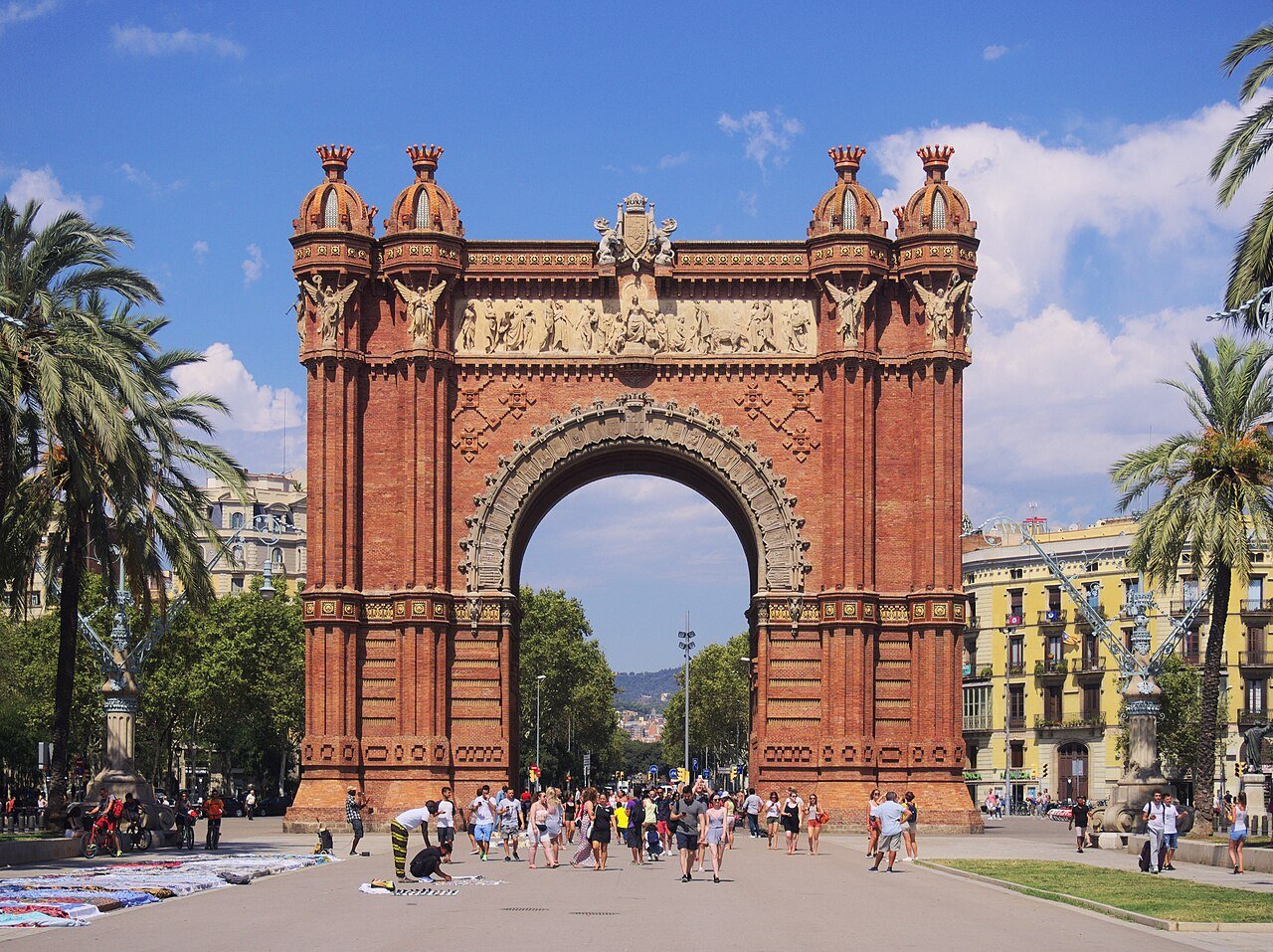
Barcelona’s green living room: rowing boats on the lake, a monumental fountain Gaudí helped design as a young assistant, the Catalan Parliament, and the zoo. Enter under the Arc de Triomf — the red-brick arch built for the 1888 World Fair, atop a wide palm-lined promenade. The park is the natural pause between El Born and the beach; locals picnic here at weekends, and joining them with market supplies is a perfect slow hour.
24. Tibidabo and the Sagrat Cor
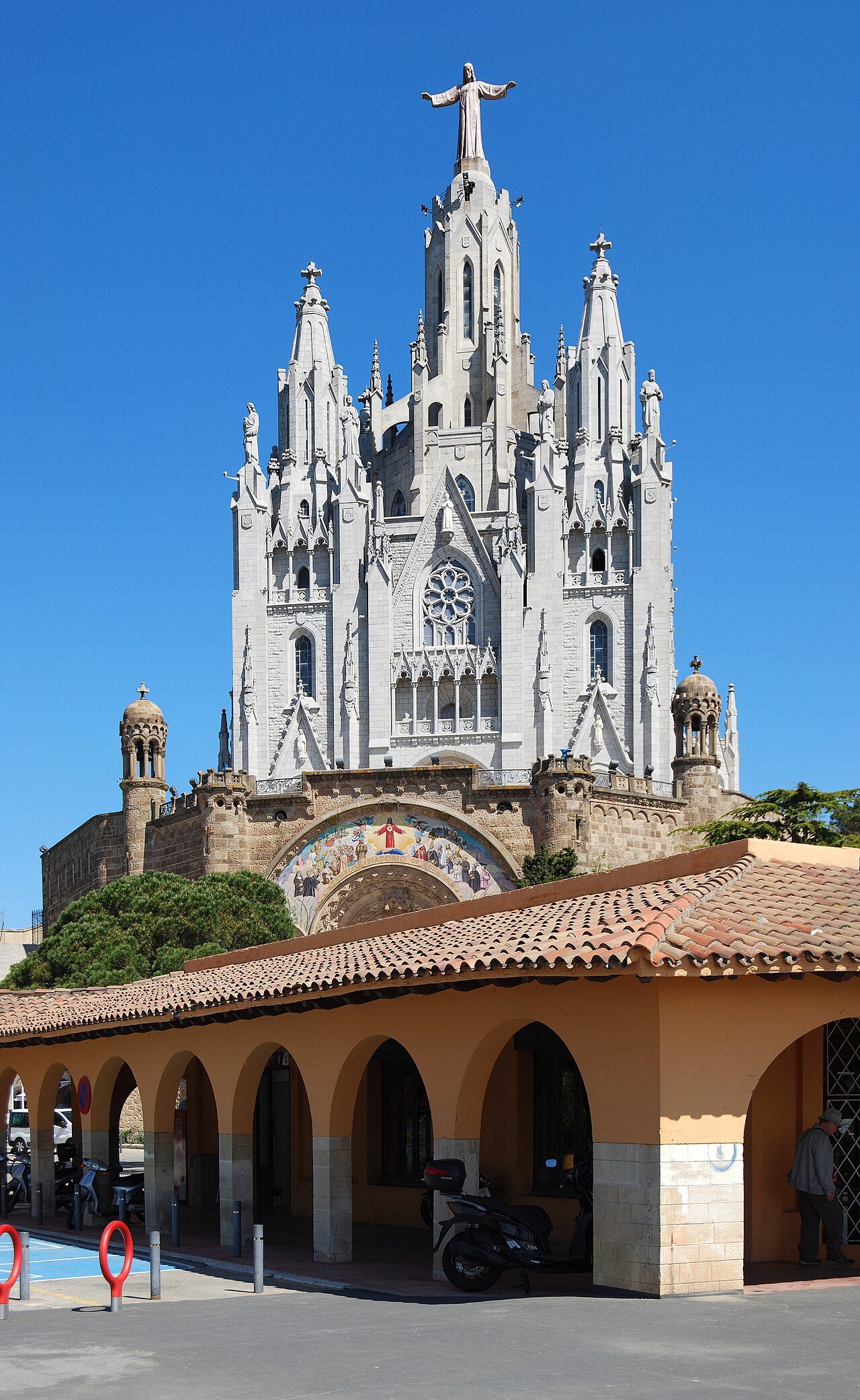
The mountain that watches over the city, crowned by the Sagrat Cor church and a gloriously old-fashioned amusement park (1901, and proud of it). The views from the church terrace are the widest in Barcelona. The journey is part of the fun: FGC train, the vintage Tramvia Blau or its replacement bus, then the funicular. Pick a clear day; haze can wipe out the view that justifies the trip.
Food & Markets
25. Mercat de la Boqueria
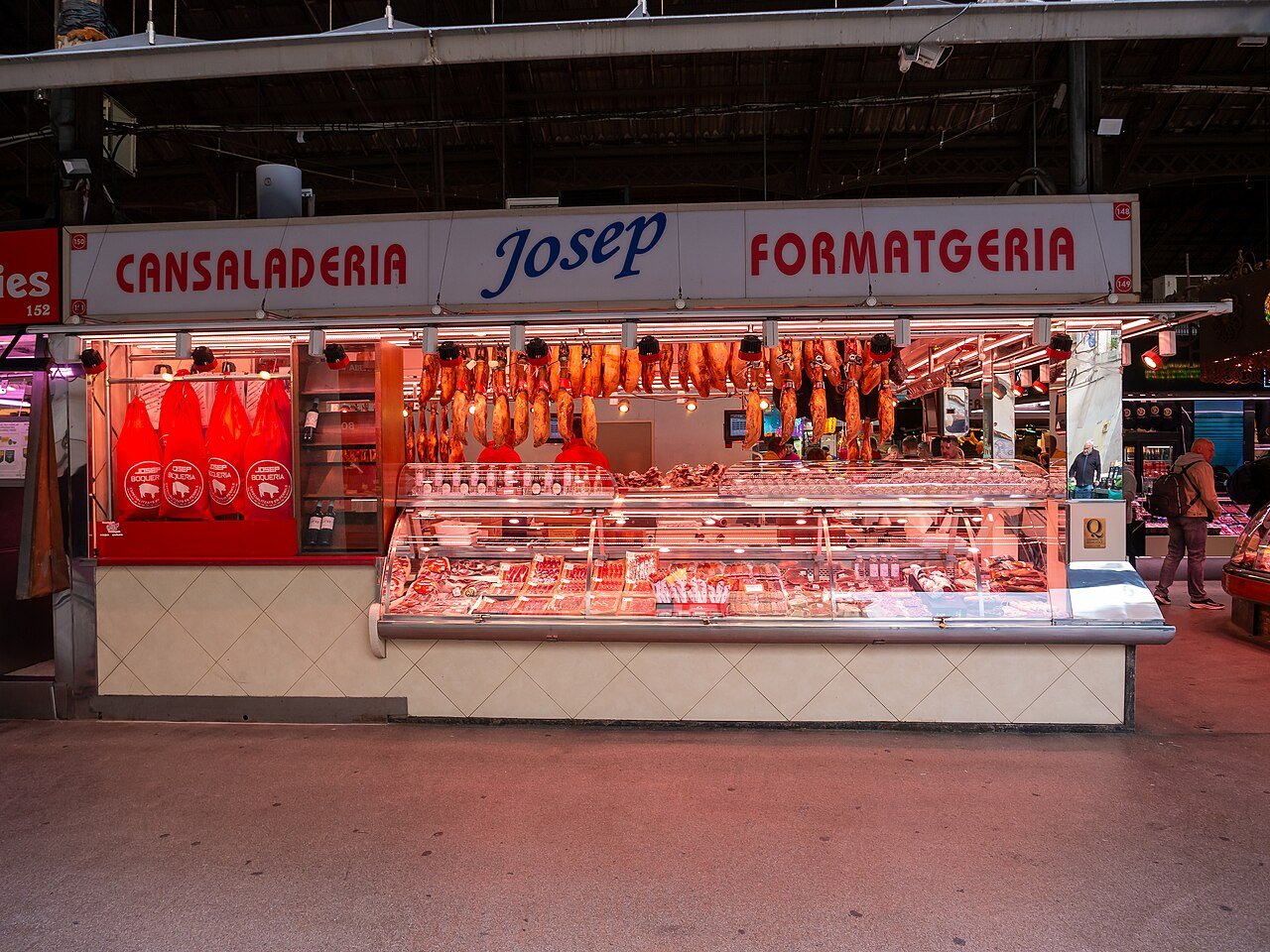
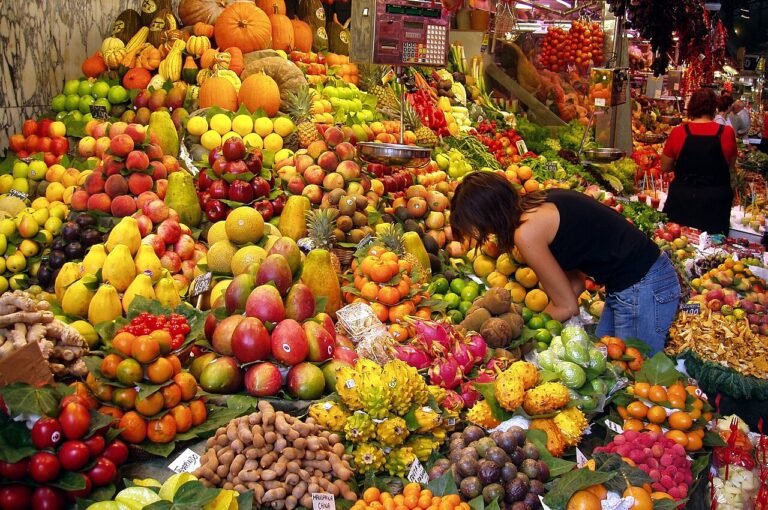
Barcelona’s most famous food market, halfway down La Rambla: pyramids of fruit, hanging jamón, seafood bars and juice stalls under a stained-glass entrance. The honest way to do it: walk past the pricey front stalls and eat standing at a bar deeper inside, where the market workers eat — grilled prawns, a cone of jamón, whatever the day brought in. Closed Sundays; mornings are best, and keep your bag close. It anchors the market morning in our 3-day route.
26. Mercat de Santa Caterina and Sant Antoni

The locals’ alternatives to the Boqueria. Santa Caterina, in El Born, hides under a wavy, kaleidoscope-tiled roof and serves its neighbourhood properly — superb produce, fair prices, and a corner showing the convent ruins beneath. Sant Antoni is a grand iron market reborn after a long restoration, with a famous Sunday collectors’ market for books and comics outside. Pick one, shop like you’re cooking, then eat at its bar.
27. A Pintxos Crawl on Carrer de Blai
Poble-sec’s great gift to travellers: a whole street of bars serving Basque-style pintxos — little bites on bread, speared with cocktail sticks, most for a couple of euros. The system is beautifully simple: take a plate, help yourself, keep every stick, and pay by the stick at the end. Hop three or four bars, chase the tortilla and stuffed peppers, and wash it down with txakoli or a caña. Dinner for the price of a starter elsewhere.
28. Paella by the Sea in Barceloneta
Eating paella where Barcelona insists it belongs: a terrace in Barceloneta, sea in view, a pan for two (it is always cooked for a minimum of two) and no hurry. Learn the two honest rules: real paella is cooked to order and takes at least 20 minutes, so a five-minute one was not made for you; and traditionally it is a lunch dish, though many places serve it at night. Seafood paella or black arròs negre, sand a street away — or learn to make it with a chef first, market visit included.
Day Trips & Experiences
29. Montserrat

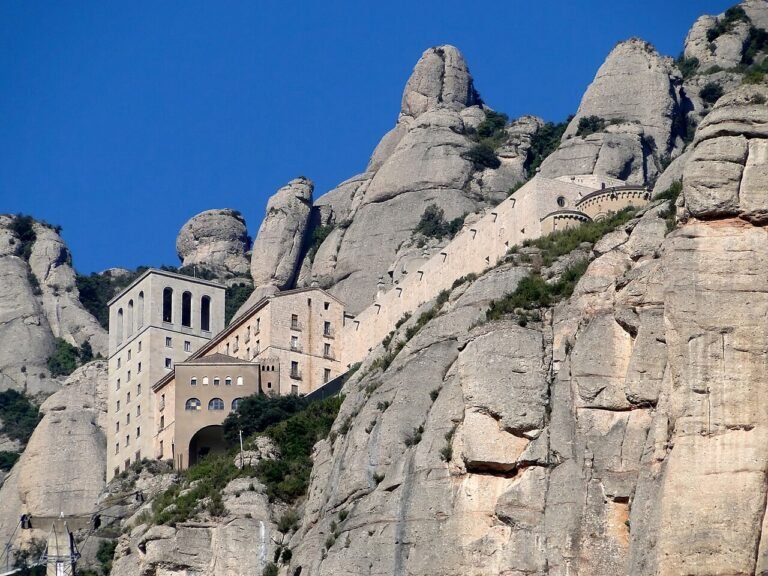
An hour by train and rack railway (or a straightforward organised trip) takes you to Catalonia’s sacred mountain: a serrated ridge of pink rock, a Benedictine abbey, the Black Madonna, and trails with views to the Pyrenees. Go early, ride the funiculars above the monastery if the day is clear, and be back for dinner. It is the day trip I recommend first — the mountain looks impossible from the plain and better with every metre you climb.
30. Girona and the Costa Brava
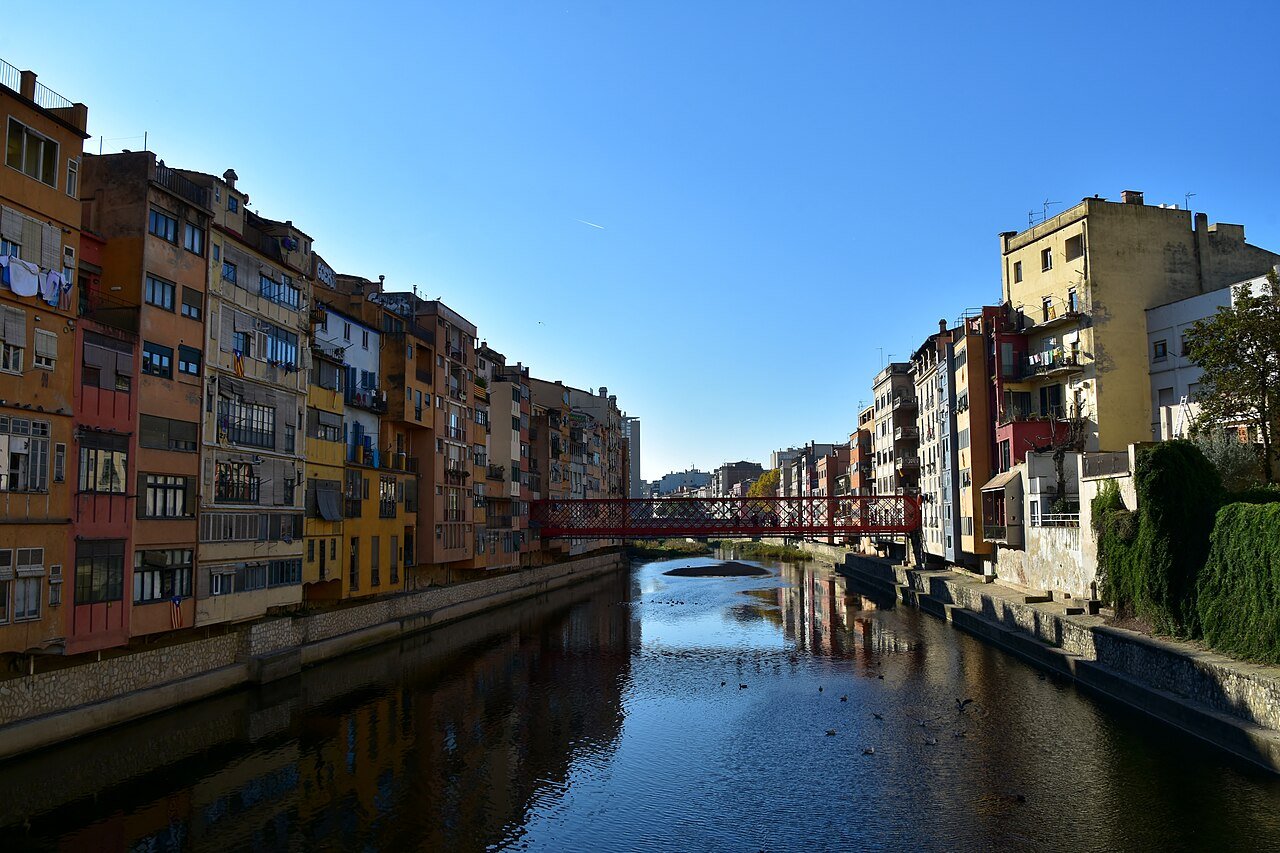
Girona, 40 minutes by fast train, gives you a complete, calmer old city: a vast Gothic cathedral, a Jewish quarter among Europe’s best preserved, and pastel houses over the Onyar river. Pair it with the Costa Brava’s coves — on an organised trip the two combine easily. It is the perfect counterweight if Barcelona’s buzz starts to blur: history, river light and, in summer, a swim in clearer water than the city’s.
Final Thoughts
Thirty things, and I have still left out the vermouth bars of Gràcia, half the modernista buildings and every beach north of the city. That is Barcelona: the list regenerates faster than anyone can finish it. So do not treat this as homework. Pick the famous five, book them properly, and let the city happen to you in the gaps.
Where you sleep shapes your days — our neighbourhood guide matches areas to travel styles, and if time is short, the one-day route distils this list into a single brilliant day. Come curious, walk everywhere, and eat standing up at least once.
¡Buen viaje!

Photo credits: Sagrada Família — Ronny Siegel, CC BY 4.0; Park Güell — Valérie et Agnès, CC BY-SA 3.0; Casa Batlló — Photo: © Ad Meskens / Wikimedia Commons, CC BY-SA 4.0, via Wikimedia Commons; Casa Milà — Yair Haklai, CC BY-SA 4.0; Palau de la Música Catalana — Tudoi61, CC BY-SA 4.0; Palau Güell — Thomas Ledl, CC BY-SA 4.0; Casa Vicens — Carlos Cunha, CC BY-SA 3.0; Plaça del Rei — José Luis Filpo Cabana, CC BY 3.0; Barcelona Cathedral — Jose María Ligero Loarte, CC BY-SA 4.0; La Rambla — Txllxt TxllxT, CC BY-SA 4.0; Santa Maria del Mar (night) — Enric, CC BY-SA 4.0 · Plaça Reial — Txllxt TxllxT, CC BY-SA 4.0 · MUHBA Roman ruins — JosepBC, CC BY-SA 3.0 · Picasso Museum courtyard — Enric, CC BY-SA 4.0 · Camp Nou — Luis Miguel Bugallo Sánchez (Lmbuga), CC BY-SA 3.0 · MNAC / Palau Nacional — MARIA ROSA FERRE, CC BY-SA 2.0 · Fundació Joan Miró — Felix König, CC BY 3.0 · Sant Pau — Ank Kumar, CC BY-SA 4.0 · Montjuïc Castle — Txllxt TxllxT, CC BY-SA 4.0 · Magic Fountain — Nicholas Gemini, CC BY-SA 4.0 · Barceloneta beach — DimiTalen, CC0 · Bunkers del Carmel view — Alexey Komarov, CC BY-SA 4.0 · Arc de Triomf — C messier, CC BY-SA 4.0 · Sagrat Cor, Tibidabo — Felix König, CC BY 3.0 · La Boqueria stall — Matti Blume, CC BY-SA 4.0 · Santa Caterina market roof — Tony Hisgett, CC BY 2.0 · Montserrat Abbey — Bernard Gagnon, CC BY-SA 3.0 · Girona Onyar houses — Richard Mortel, CC BY 2.0. All via Wikimedia Commons.



55 Comments