20 Things You Definitely Don’t Need to Pack for Spain
Every Spain trip I have ever helped plan began with the same suitcase problem: not too little, but far, far too much. People pack for the Spain they imagine — a country of dress codes, dodgy plumbing, unpronounceable menus and shops that might not sell shampoo — and land in a modern, easy, gloriously well-stocked country carrying 23 kilos of insurance against problems that do not exist.
So here is my honest clear-out list: twenty things you can leave at home with total confidence, why Spain makes each of them pointless, and the lighter thing to do instead. Read it with your suitcase open. You are about to win back half of it — and on Spanish cobbles, in Spanish heat, up the stairs of a fourth-floor apartment with no lift, you will thank me by day two.
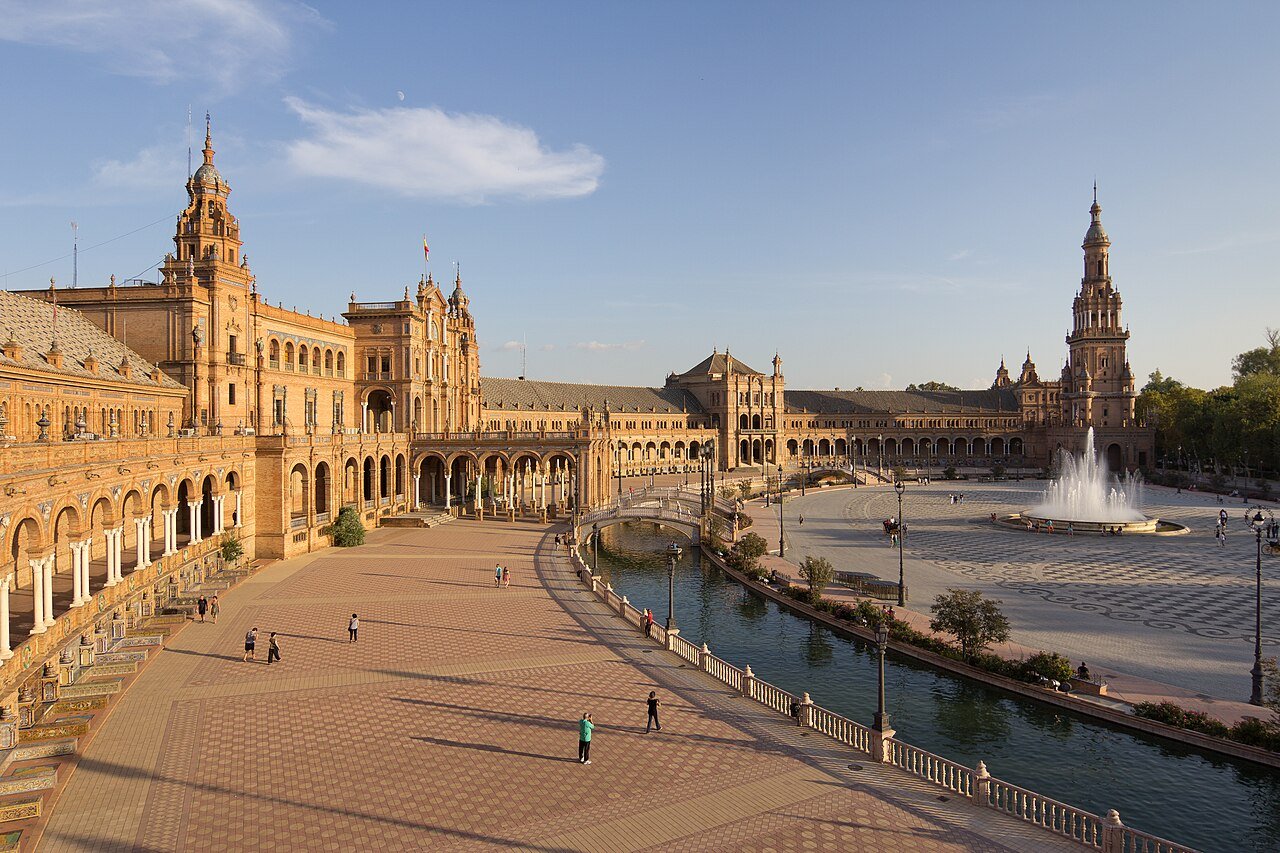
Table of Contents
- 1. A Heavy Paper Guidebook
- 2. Too Many Pairs of Shoes
- 3. High Heels
- 4. Jeans for August
- 5. A Thick Jumper “Just in Case”
- 6. An Umbrella for a Summer Trip
- 7. Full-Size Toiletries
- 8. A Hairdryer
- 9. Traveller’s Cheques
- 10. The Money-Belt Fortress
- 11. A Paper Phrasebook
- 12. A Bag Full of Plug Adapters
- 13. A Bulky Beach Towel and Your Own Beach Umbrella
- 14. A Giant Hard-Shell Suitcase
- 15. A Binder of Printed Everything
- 16. Flashy Jewellery and a Designer Handbag
- 17. Snacks From Home
- 18. A Special “Cathedral Outfit”
- 19. The Locks-and-Alarms Paranoia Kit
- 20. A Different Outfit for Every Day
- What I Actually Pack Instead
- Final Thoughts
1. A Heavy Paper Guidebook
A 600-page guidebook weighs more than everything else on this page combined, and it was out of date before it was printed. Restaurant hours, ticket prices and opening times in Spain change constantly — your phone checks them live, downloads offline maps, and translates the menu while it is at it. Keep the phone, ditch the brick. The one exception I allow: one slim paperback novel for the train, because Spain’s long, smooth AVE journeys are the best reading time of your trip.
2. Too Many Pairs of Shoes
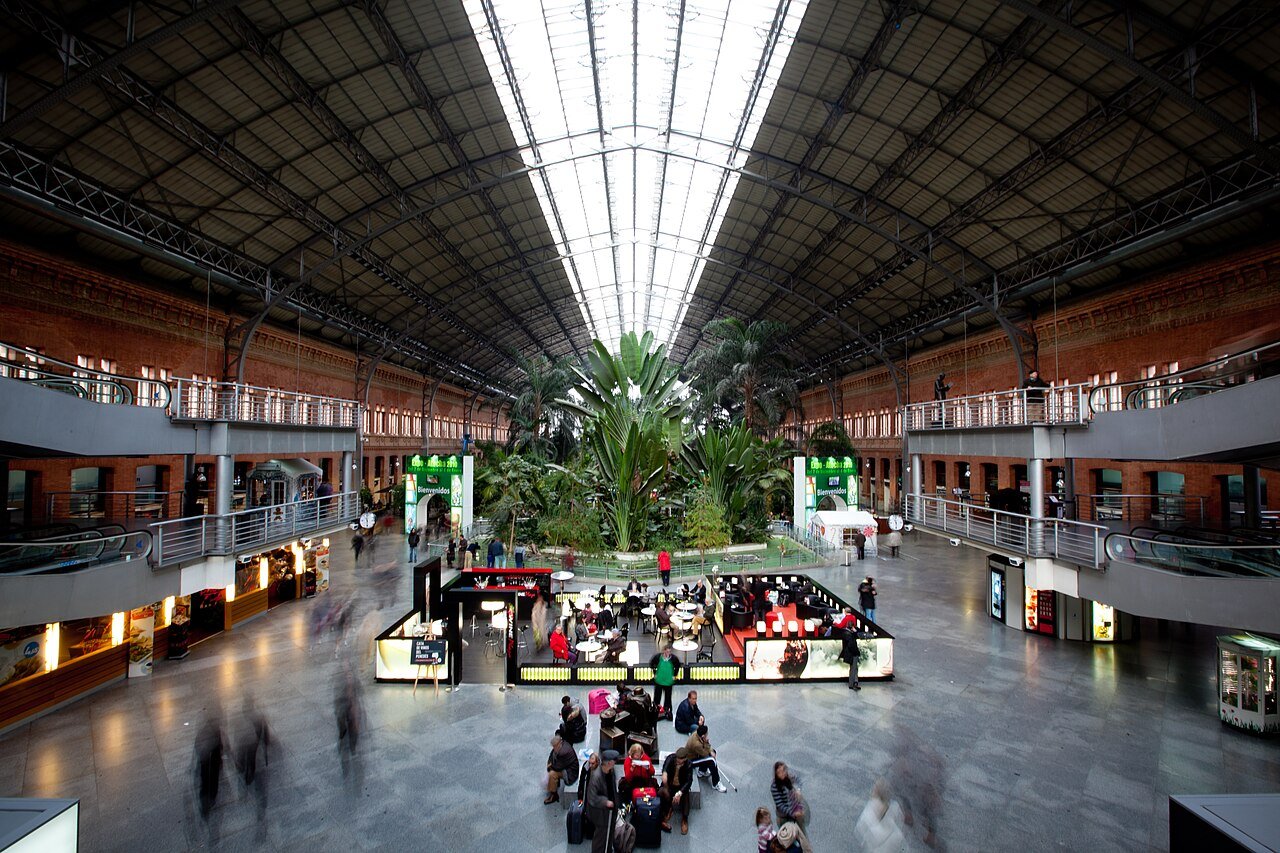
Four pairs of shoes is three pairs too many. Spain is a walking country — you will do 15,000 steps on a gentle day — and you will do almost all of them in the same comfortable pair. My rule is two: the broken-in walkers you arrive in, and one smarter-but-still-walkable pair for evenings. Everything else is dead weight you will drag across Atocha station and up old-town staircases. Nobody in a tapas bar has ever once looked at your feet.
3. High Heels
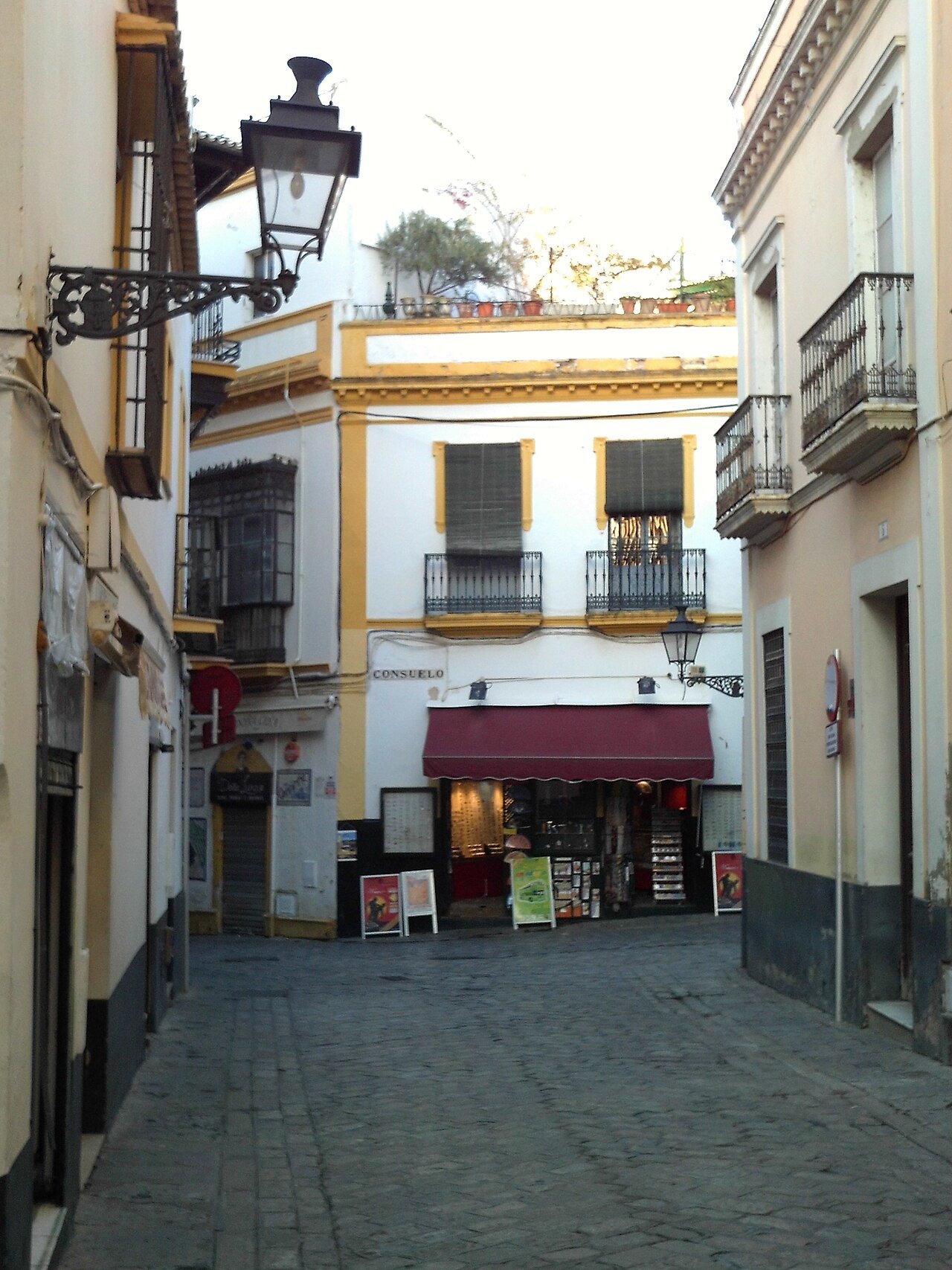
Seville’s Barrio Santa Cruz, Barcelona’s Gothic Quarter, Toledo, Granada’s Albaicín: Spain’s most beautiful streets are paved with cobbles, flagstones and polished marble that turn stilettos into an ankle injury with a dinner reservation attached. Spanish women going out at night — and Spain goes out later than anywhere in Europe — overwhelmingly choose wedges, block heels or elegant flats for exactly this reason. Copy them. Your one smart pair from the item above should be the pair you can cross a plaza in.
4. Jeans for August
Denim in southern Spain in August is a wearable sauna. Seville and Córdoba regularly pass 40°C, Madrid sits in the high 30s, and even Barcelona’s sea breeze cannot save thick jeans at two in the afternoon — which, remember, is when Spain sensibly goes indoors for lunch and a siesta while visitors melt in the street. Pack linen, cotton and light blends instead. If your trip is a summer one, our guides to the Best Time to Visit Barcelona and the Best Time to Visit Seville explain exactly what the heat does to a day — and to a wardrobe.
5. A Thick Jumper “Just in Case”
“Just in case” is how suitcases fill up. Between May and September, Spain’s evenings are warm; a single light layer — the one you wear on the plane — covers every realistic chill, from air-conditioned trains to a breezy Galician evening. Winter is different, and inland cities like Madrid, Salamanca and Burgos do get properly cold — but then you pack one proper coat and wear it travelling, not a “just in case” jumper plus a coat plus a fleece. One layer, chosen honestly for the season. That is the whole rule.
6. An Umbrella for a Summer Trip
In July and August, much of Spain simply does not rain. Seville can go the whole summer on a couple of mm, and the Mediterranean coast’s famous downpours — the autumn gota fría around Valencia — belong to September and October, not to your August week. Check the forecast the day before you fly; if it is dry (it will be), leave the umbrella and take the sunglasses. The only shade you will be hunting is the kind a plaza provides at midday. Seasonal detail lives in our Best Time to Visit Valencia guide if the coast is your base.

7. Full-Size Toiletries
Spain has pharmacies — the glowing green crosses you will see on every second street — plus Mercadona, Primor and El Corte Inglés, all selling every shampoo, sunscreen and moisturiser you own, usually cheaper. A litre of your favourite brand is a kilo of luggage and a leak waiting to happen. Bring travel sizes for the first 48 hours and buy the rest here like a local. Sunscreen especially: Spanish pharmacies stock excellent high-factor ranges designed for this sun, because of course they do.

8. A Hairdryer
Virtually every hotel, hostal and rental apartment in Spain provides a hairdryer — and the one in the bathroom drawer, whatever its quality, weighs nothing in your bag. Hair straighteners are the same story with an extra risk attached: a high-heat appliance from a 110-volt country can cook itself (and its fuse) on Spain’s 230-volt supply even through an adapter, because an adapter is not a converter. Leave the salon at home. Spain’s dry summer air does half the styling for you anyway.
9. Traveller’s Cheques
I include these because someone packs them every year, lovingly, like it is 1994. Spanish banks will look at a traveller’s cheque the way a tapas bar looks at a request for decaf at midnight: with genuine puzzlement. Spain runs on cards — contactless for everything from a metro ride to a €1.20 coffee — backed by a modest amount of cash for the shrinking number of village bars that prefer it. A debit card, a credit card and €50–100 in notes is the complete modern system.
10. The Money-Belt Fortress
The layered defence system — money belt under the trousers, pouch round the neck, second pouch round the ankle, cash sewn into three garments — turns every coffee into a striptease and every day into low-level anxiety. Spain is not a dangerous country; its cities ask for ordinary big-city awareness, mainly against pickpockets in crowded metro stations and around the big sights. One sensible crossbody bag worn in front, a card in your phone case, and a backup card left at the hotel achieves everything the fortress does, minus the sweating.
Free Spain travel guide — Planning a trip to Spain? Get our free one-page Spain checklist: what to book ahead, what to skip, and the mistakes first-timers always make.
11. A Paper Phrasebook
The phrasebook’s problem is not size, it is that the conversation never follows the script. You will memorise “¿cuánto cuesta?” and the answer will arrive at machine-gun speed in Andalusian. Your phone translates speech live, photographs menus into English, and pronounces things out loud — a phrasebook does none of that. Do learn five human phrases — hola, gracias, por favor, la cuenta, and ¡qué rico! for food — because they open doors no app can. Then let the phone carry the dictionary.
12. A Bag Full of Plug Adapters
Here is the whole mystery of Spanish electricity, solved: Spain uses Type C and F plugs — the two round pins used across almost all of continental Europe — at 230 volts. One adapter. That is it. Not a different one per city, not a converter for your phone (modern chargers handle 230V automatically — check the tiny print once, at home), and not the five-piece world set. Buy a single European adapter, ideally with USB ports, and the panic is over. The converter exception is heat appliances, and those are staying home per item 8.
13. A Bulky Beach Towel and Your Own Beach Umbrella
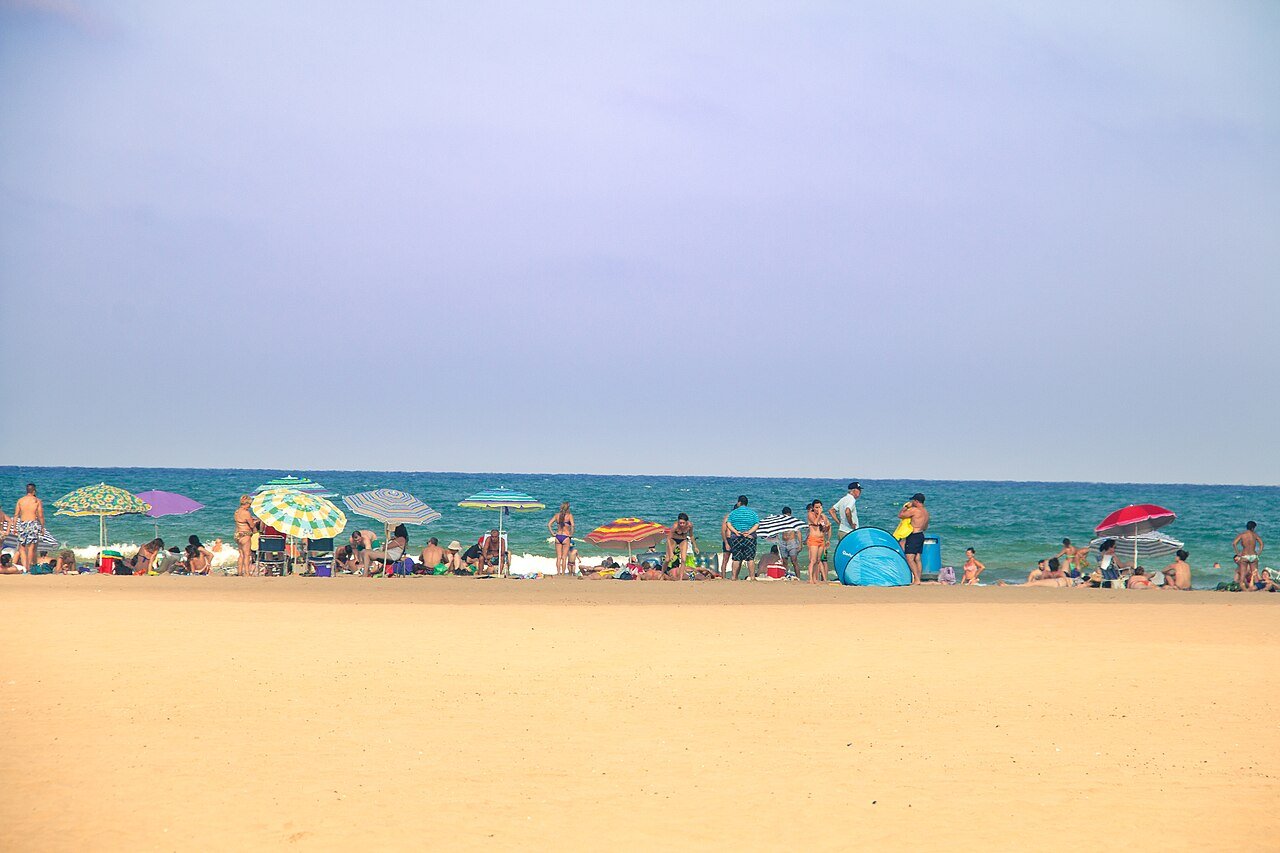
A bath-sheet beach towel eats a third of a carry-on, and a beach umbrella is airline comedy. Spanish beaches are a serviced civilisation: at Barceloneta, La Malvarrosa and a hundred others you can rent a lounger and umbrella by the day, and every seaside town sells cheap beach towels in shops that also sell everything else you forgot. If you must bring a towel, bring a thin, quick-drying travel one (see my list below) — it earns its space on trains and in hostels too.
14. A Giant Hard-Shell Suitcase
The biggest case you own is the worst tool for Spain. Old-town streets are cobbled, pretty and hostile to wheels; many apartment buildings in historic centres have no lift; regional trains and the excellent long-distance coaches have modest luggage racks; and you will lift the thing onto both, repeatedly, in the heat. A medium soft case or a travel backpack, carried without hatred, beats a rigid trunk every time. Light luggage is also what makes our favourite move possible — a spontaneous Day Trips from Barcelona by train, bag in the station lockers, gone by nine.
15. A Binder of Printed Everything
Printed confirmations for every train, hotel and ticket, in triplicate, in a plastic folder: I understand the impulse, and Spain makes it unnecessary. Renfe, your airline, GetYourGuide-style ticket apps and your hotel all live in your email and wallet apps, and Spanish ticket gates scan phone screens all day long. One screenshot folder on your phone is the entire system. The single paper I do endorse: a note of your hotel’s address and your travel-insurance emergency number, kept in your bag in case your phone dies. One page, not a binder.
16. Flashy Jewellery and a Designer Handbag
Not because Spain is unsafe — see item 10 — but because precious things change how you travel. The watch you cannot stop worrying about, the bag you cannot put on a café floor, the necklace you keep touching on the metro: they tax every hour. Spain dresses well but casually; nobody at a beach chiringuito or a neighbourhood tapas bar is auditing your accessories. Bring the inexpensive versions you can forget you are wearing, and leave the heirlooms in a drawer at home where they can relax too.
17. Snacks From Home
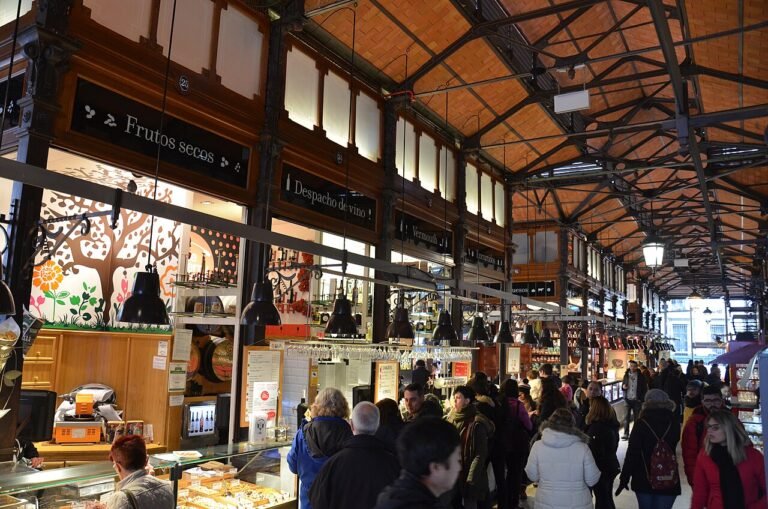
Packing your own country’s cereal bars, peanut butter and comfort snacks into a suitcase bound for Spain — Spain — is the one item on this list I find genuinely upsetting. This is the land of Mercadona’s own-brand everything, of bakeries on every corner, of markets like La Boqueria, San Miguel and Valencia’s Mercado Central, and of the menú del día. If hunger strikes on a train, the café car sells a decent bocadillo. Arrive hungry; it is the correct Spanish packing strategy. Leave the suitcase space for what you will inevitably buy here.
18. A Special “Cathedral Outfit”
The honest version of the dress-code myth: Spain’s great cathedrals and churches do ask visitors to dress respectfully — covered shoulders and no beachwear is the working rule, and at a few major sites staff may hand a shawl to someone in a strappy top. What you do not need is a dedicated outfit bought for the purpose. The light layer from item 5, draped over your shoulders, plus the ordinary rule of not sightseeing in swimwear covers every cathedral in the country — Seville, Granada, Santiago de Compostela, all of them. Respect is a layer you already own, not a costume.

19. The Locks-and-Alarms Paranoia Kit
Cable locks for your bag, a wedge alarm for the hotel door, a portable safe, a second lock for the first lock: sold by the anxiety industry, carried by the exhausted. Ordinary precautions — the hotel safe or a locked case for your passport and backup card, a bag worn in front in crowds, a room door locked with the lock it already has — are the level Spain actually requires. Every gram of hardware beyond that buys a feeling, not safety, and the feeling evaporates by day two anyway.
20. A Different Outfit for Every Day
The finale, and the root of all the others: fourteen outfits for ten days, none of which repeat, most of which return home unworn. Spain’s secret, visible in every plaza, is that locals wear simple, good clothes on rotation and nobody notices or cares. Three bottoms, five tops that all match them, one smart-ish outfit for the one nice dinner, underwear you can rinse in a sink: that is a fortnight, in a case you can carry up four floors. Launderettes (lavanderías) exist in every Spanish city if the trip runs long. Repeat outfits; repeat pleasures; travel light.
What I Actually Pack Instead
The flip side — the short list that earns its space in my bag every single trip:
- a lightweight packing cube set — one cube for tops, one for bottoms, one for underwear; the case stays organised and half-empty-looking.
- a universal travel plug adapter with USB ports — one adapter, two pins, phone and camera charged from the same block. Done.
- refillable silicone travel bottles — filled with my own shampoo and cream for the first days, topped up from a Spanish supermarket after that.
- a quick-dry microfibre travel towel — thumbnail-thin, dries in an hour, covers beach, train picnic and hostel alike.
- a compact power bank — because the phone is now the guidebook, phrasebook, ticket wallet and camera, and it deserves a backup.
- One light layer for shoulders, air-conditioning and cathedrals — the hardest-working garment in Spain.
- A small crossbody day bag, worn in front, that fits water, phone and the layer above.
- Comfortable, broken-in walking shoes — worn on the plane, because they are the heaviest thing I bring.
Travel insurance, sorted
Whether it is a two-week holiday or a longer move, travel insurance is the one booking not to skip. We point readers to SafetyWing’s Nomad Insurance — cover built for travellers, remote workers and longer stays abroad, on a flexible monthly subscription you can start before a trip or while you are already away. Get a quote from SafetyWing
Final Thoughts
Packing for Spain is really a question of trust: trust that it is a modern country with excellent shops, kind people, warm evenings and pharmacies with glowing green crosses on every corner. Everything you genuinely need and forgot can be bought within a ten-minute walk of anywhere you are likely to sleep — usually better, usually cheaper, and with a story attached. What cannot be bought at the other end is the ease of walking off a train with a light bag into a Spanish evening. Pack for that.
¡Buen viaje!

Photo credits: Plaza de España, Seville — Carlos Delg


One Comment