The Best Time to Visit Valencia (Weather, Las Fallas and Crowds, Month by Month)
Valencia has a simpler weather story than most Spanish cities — a Mediterranean climate that gives you mild winters, long warm springs and autumns, and summers built for the beach — and one enormous complication: Las Fallas. For five days every March, the city hosts one of Europe’s great festivals, fills every hotel bed for miles and becomes, depending on your tastes, either the single best or the single worst week of the year to be here. Everything else about timing a Valencia trip is a gentle negotiation between warmth, crowds and price.
The short version: late April to early June and mid-September to late October are the sweet spots — warm enough for the beach, cool enough for sightseeing, and priced like a normal city rather than a festival ground. Come in March only if Las Fallas is the point. Come in winter for low prices and a city that belongs to the Valencians. Base yourself well whenever you come — our Where to Stay in Valencia guide covers the neighbourhoods — and read on for the month-by-month working-out.
Table of Contents
- The Short Answer
- Valencia in Spring: Sunshine Without the Squeeze
- Las Fallas: The Week Valencia Detonates
- Valencia in Summer: Hot, Beachy and Local
- Valencia in Autumn: The Golden Season
- Valencia in Winter: Mild, Quiet and Bright
- Valencia Month by Month at a Glance
- The Best Time to Visit Valencia by Traveller Type
- When to Book: A Few Honest Rules
- Final Thoughts
The Short Answer

- Best weather overall: May, June, September and October — warm days (roughly 23–29°C), swimmable sea from June, low rain.
- Best for festivals: Las Fallas, 15–19 March — one of Europe’s great street festivals, and the city’s most expensive, crowded week by a distance. Book everything months ahead.
- Best value: January, February and late November — mild days (roughly 16–17°C), small crowds, the year’s lowest hotel prices.
- Best for the beach: June and September — hot sun, warm sea, and none of August’s crush.
- Best compromise: late April and late October — shoulder prices with a real chance of summer-like days.
Valencia in Spring: Sunshine Without the Squeeze

Once Las Fallas has burned itself out, Valencia settles into what might be its finest stretch of the year. April warms steadily through the high teens into the low twenties, the orange trees in the streets flower and scent whole districts, and the Turia Gardens — the nine-kilometre park in the old riverbed — fill with runners, cyclists and picnic blankets. May is better still: days around 23–25°C, evenings made for terraces, and the sea beginning to tempt the brave.
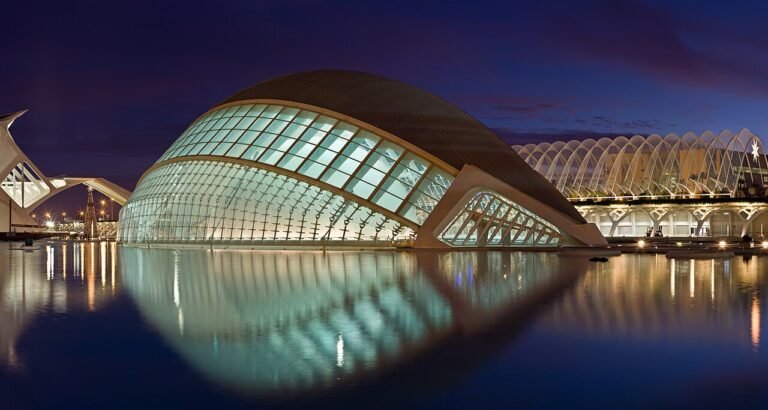
Spring’s great advantage over the equivalent weeks in Barcelona or Seville is the breathing room. The City of Arts and Sciences, the cathedral and the Mercado Central are all busy but bookable at short notice, and hotel prices, outside the Fallas spike, sit at honest mid-season levels. If your dates are flexible and no festival is calling you, aim for May: it is the month Valencians themselves would choose for showing off their city. Our 3 Days in Valencia itinerary is written for exactly this kind of trip.
Las Fallas: The Week Valencia Detonates
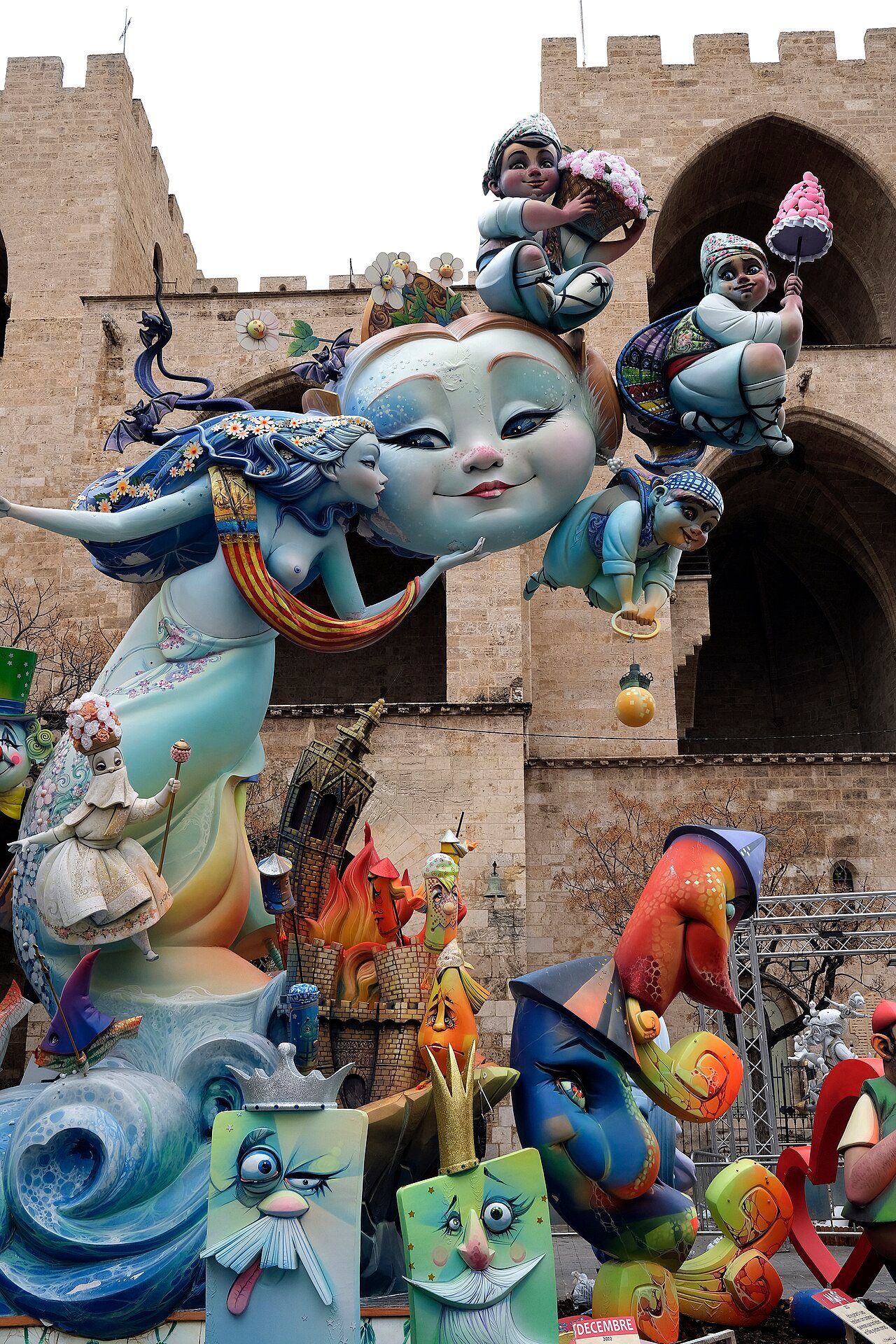
Every March, Valencia builds some 700-plus sculptural monuments — fallas — across the city: vast, satirical, wildly colourful constructions, many several storeys high, erected over the days around 15 March (the plantà) and burned to the ground on the night of 19 March (the cremà). Between those dates the city runs on fireworks: a mascletà — a thunderous, rhythmic firecracker barrage you feel in your ribs — shakes the Plaza del Ayuntamiento at 2pm every day from 1 March, the falleras process in traditional dress, and street parties run until the small hours. UNESCO lists Las Fallas as Intangible Cultural Heritage, and being inside it is genuinely unforgettable.
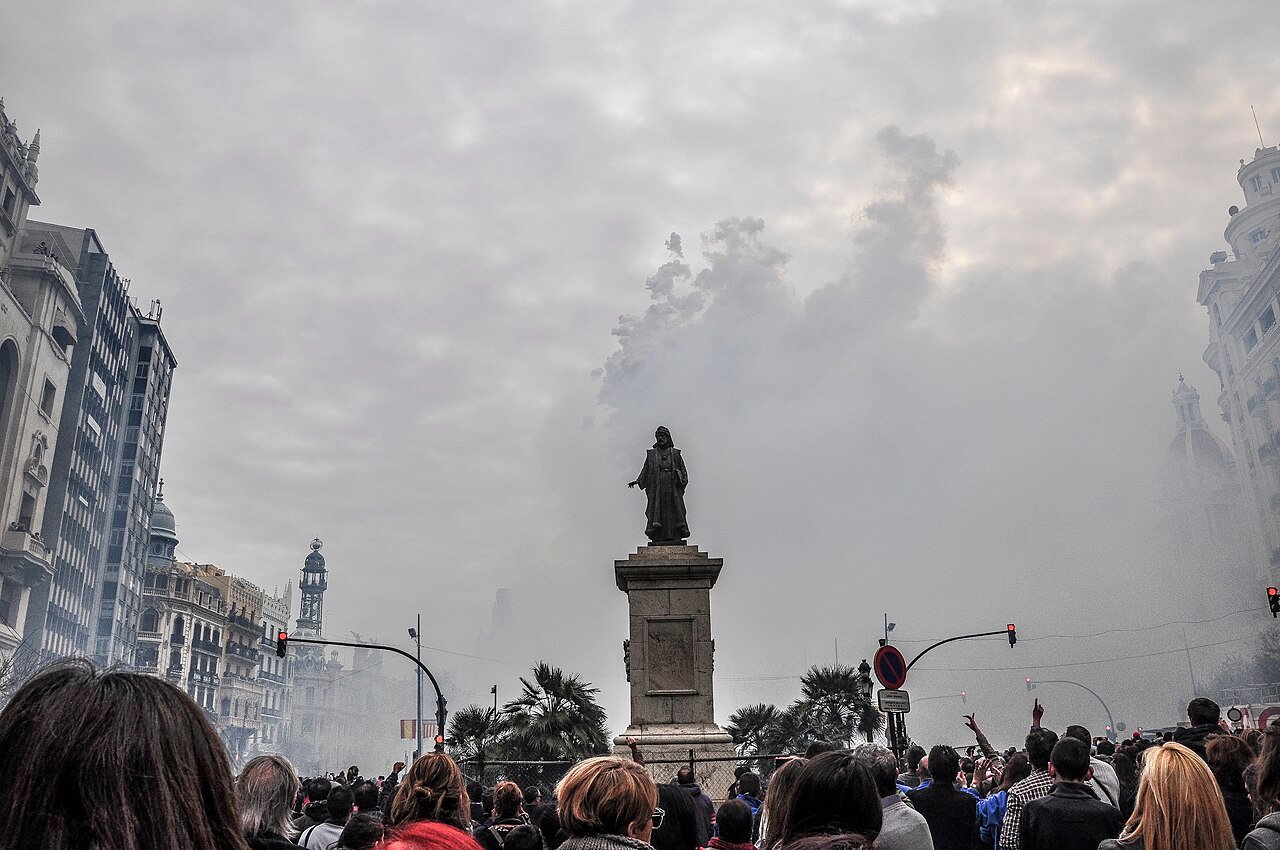
The honest costs: this is the hardest week of the year to visit casually. Central hotels can cost two or three times their normal rates and sell out months ahead; the old town is a beautiful, deafening maze of closed streets, crowds and bangers; and sleep before 3am is aspirational anywhere near a falla. Come for Las Fallas if the festival itself is the point — it rewards commitment utterly, and our Best Things to Do in Valencia guide explains how the week unfolds. Avoid it, precisely, if you wanted a relaxed first visit with museums and quiet dinners: the same city, three weeks later, gives you everything at half the price and a tenth of the volume.
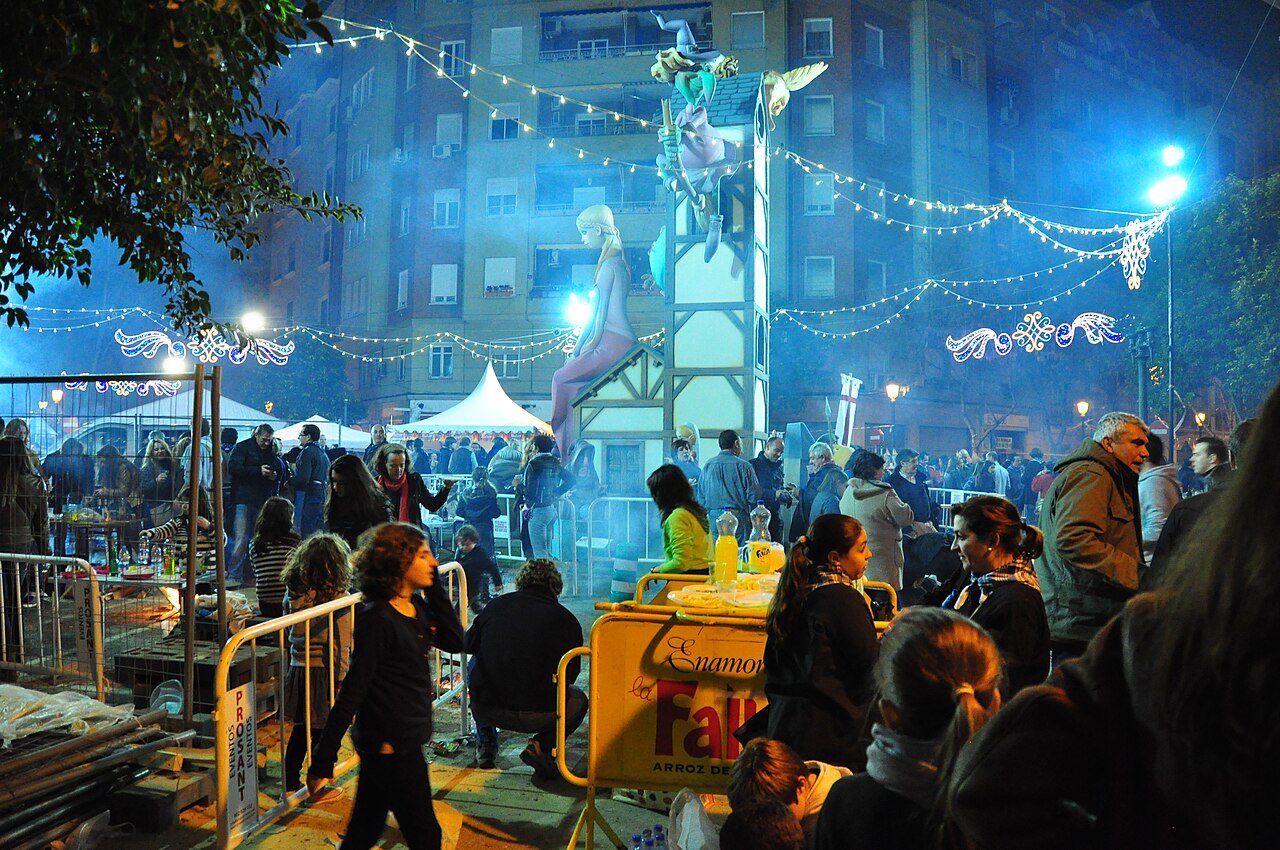
Practical notes for those who do come: book accommodation the moment your dates exist, choose a hotel a few streets back from a major falla if sleep matters, bring earplugs, and treat the 19th — when the monuments burn one by one from 8pm and the great municipal falla goes up in flames around midnight — as the trip’s centrepiece rather than its ending.
Free Valencia travel guide
Planning a trip to Valencia? Get our free one-page Valencia checklist: what to book ahead, what to skip, and the paella rules we actually follow.
Valencia in Summer: Hot, Beachy and Local
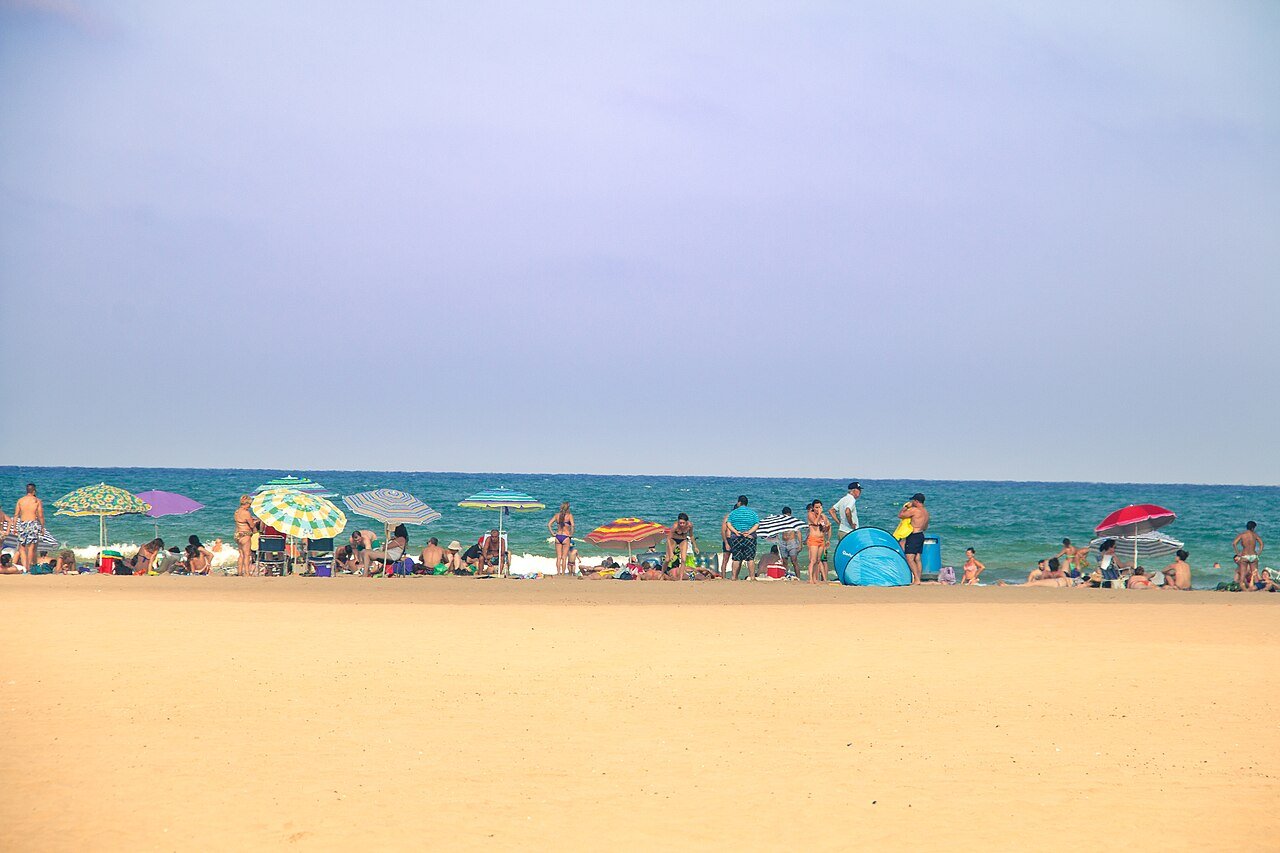
Valencia’s summer is hot but rarely brutal by Spanish standards: average highs sit around 30°C in July and August, tempered by the sea breeze, and the city’s rhythm bends towards the water. Mornings belong to the sights and the Mercado Central; afternoons belong to Malvarrosa and Patacona beaches; evenings belong to the promenade, the old town’s terraces and dinner at ten. The night of 23 June — the Nit de Sant Joan — fills the beaches with bonfires and midnight swims to welcome summer, one of the year’s most joyful nights if your dates catch it.
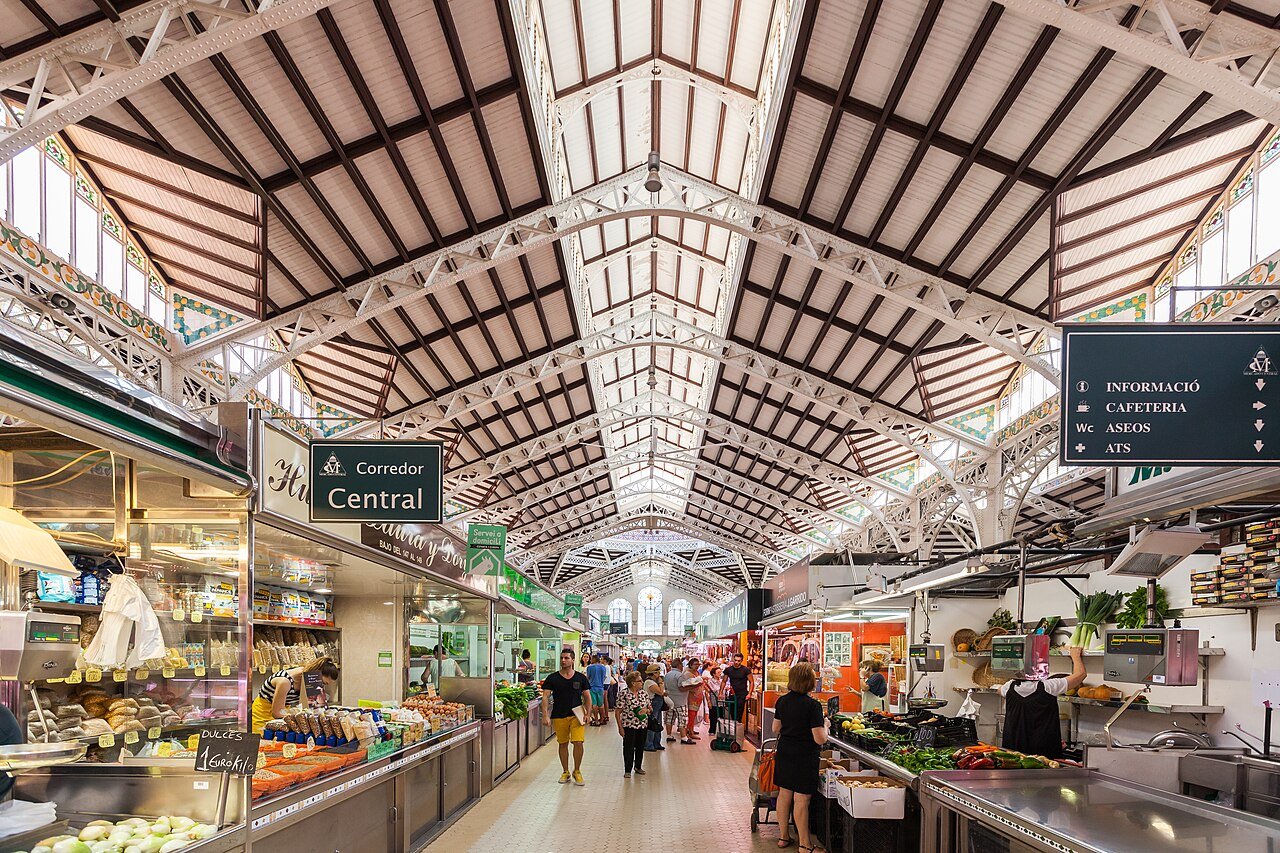
August is the month to approach with eyes open. It is the Spanish holiday month: the city itself stays lively at the beach but many family-run restaurants and shops close, the heat and humidity peak together, and the coast fills with domestic tourism. Prices for beachfront accommodation rise accordingly, while old-town hotels can actually soften. Summer works best in June — long days, warm sea, full city — and if August is what you have, it still works: sightsee early, swim late, eat later, and let our Best Food in Valencia guide keep your evenings well fed. One regional footnote: the famous Tomatina tomato fight happens in late August in Buñol, about 40 minutes inland — a day trip, not a Valencia event, and one to book well ahead if it tempts you.
Valencia in Autumn: The Golden Season

Sevillians boast about their second spring; Valencia’s autumn makes the same claim more quietly. September is really a bonus summer month — days around 28°C, the sea at its warmest of the year, the crowds draining away as schools return — and October settles into gold: mid-twenties temperatures, soft light, and the Albufera’s rice fields turning colour before the harvest. The sunset boat ride on the lake is at its most beautiful in these weeks, and our Day Trips from Valencia guide opens up as the heat comes off the castle hills inland.
The honest caveat is rain. Valencia’s wettest moments come in autumn, occasionally in the form of short, intense downpours when a cold drop of air meets the warm sea — the locals’ gota fría. Most autumn weeks are dry and glorious; a small minority are dramatically wet for a day or two. It is a reason to pack a light waterproof, not a reason to stay away: by November the city is mild, calm and cheap, with highs around 19–20°C and the sights to yourself.
Valencia in Winter: Mild, Quiet and Bright
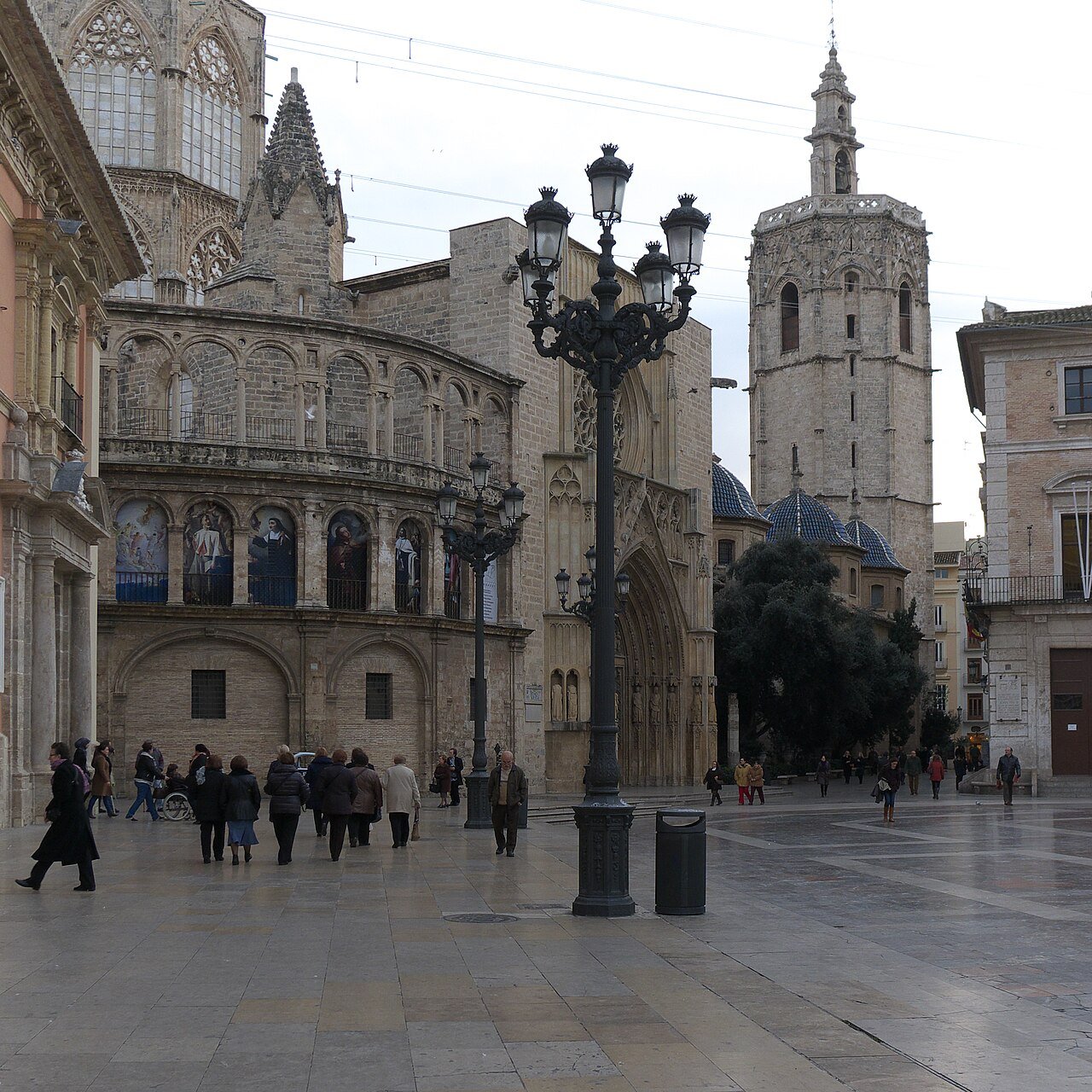
Winter is when Valencia’s much-quoted “300 days of sun” statistic earns its keep. Average highs sit around 16–17°C from December to February, rain is infrequent, and a clear January day — blue sky, orange trees heavy with fruit, lunch outside in a light jacket — is one of Mediterranean Europe’s great bargains. The City of Arts and Sciences, the cathedral and La Lonja can be visited without the timed-ticket stress of spring, and hotel prices touch their annual floor outside the Christmas–New Year window.
December brings Christmas lights along Calle Colón, nativity scenes in the churches and a festive market in the old town; early January adds the Three Kings’ parade on 5 January. Days are short and evenings cool — around 5–7°C, so layers earn their place — and the sea is for looking at, not swimming in, unless you are made of stern stuff. For a second visit, a food-focused trip or a budget city break, winter Valencia is a delight rather than a compromise.
Valencia Month by Month at a Glance

- January: mild (~16°C), quiet, cheapest. Post-Christmas calm; the city at its most local.
- February: similar, with the first Fallas appetisers — the Crida ceremony at the Torres de Serranos late in the month lights the fuse.
- March: two different months in one — calm, warming spring until the 15th, then Las Fallas (15–19th): extraordinary, deafening, expensive. Book a year ahead for the best beds.
- April: blossom, terraces, ~20°C and rising. Semana Santa is a modest affair here compared with Seville — the city stays relaxed.
- May: the connoisseur’s month — warm (~24°C), long days, everything open, nobody frantic.
- June: summer arrives (~28°C); the sea warms up, the Nit de Sant Joan fires burn on the 23rd, and prices are still sane.
- July: hot (~30°C), beach-led, lively; sightsee early and late.
- August: hottest and most humid; the beach is packed, the old town half-shut, Tomatina over in Buñol late in the month.
- September: the golden hinge — ~28°C early, easing late; warm sea, thinning crowds, harvest in the Albufera.
- October: my favourite all-round month (~24°C) — with a small chance of a dramatic rainy day or two.
- November: mild (~19°C), quiet and good value; the light goes soft and the city exhales.
- December: festive, bright and calm outside the Christmas–New Year spike; orange trees and nativity scenes.
The Best Time to Visit Valencia by Traveller Type
First-timers: May or late September to October. Full city, kind weather, honest prices — and our How Many Days in Valencia guide will help you size the trip.
Festival hunters: there is only one answer — Las Fallas, 15–19 March. Nothing else in Valencia’s year is close, and nothing else in Europe is quite like it. Book everything the moment you can.
Beach people: June or September. August’s sea is just as warm, but you’ll share the sand with half of Spain.
Budget travellers: January, February or November. Beds at their cheapest, sights at their emptiest, and a “winter” day warmer than a northern spring.
Families: late May, June or September — warm enough for the beach and the Bioparc, calm enough for the Oceanogràfic without the longest queues.
Photographers: March for Las Fallas’ colour and chaos, October for Albufera sunsets and golden old-town light.
When to Book: A Few Honest Rules

Book Las Fallas as early as you possibly can — central hotels at fair prices disappear months ahead, and the week is not one to improvise. Book May, June, September and October a few months out for the best choice of neighbourhood; our Where to Stay in Valencia guide explains which areas suit which trip. Book timed sights — the Oceanogràfic above all — a few days ahead in the warm months; in winter you can usually decide on the day. Book summer beachfront stays early (Spanish families do), while old-town hotels in August can reward the late booker. And book trains to Valencia when they open if you’re coming from Madrid or Barcelona at a festival weekend — the cheap fares go first, as our Valencia Airport and Train Stations guide explains.
Travel insurance, sorted
Whether it is a two-week holiday or a longer move, travel insurance is the one booking not to skip. We point readers to SafetyWing’s Nomad Insurance — cover built for travellers, remote workers and longer stays abroad, on a flexible monthly subscription you can start before a trip or while you are already away. Get a quote from SafetyWing
Final Thoughts
Valencia’s calendar has one mountain and many gentle hills. The mountain is Las Fallas: climb it deliberately, with bookings made and earplugs packed, and it may be the most memorable week of travelling you ever do. The hills — May’s blossom, September’s warm sea, October’s gold, January’s quiet sun — are the Valencia that residents love and visitors keep secret. Match the month to the trip, and this most liveable of cities will do the rest. For routes once you arrive, our 2 Days in Valencia itinerary covers a first weekend, the three-day version adds the lake, and our Your Ultimate Guide to Valencia gathers everything else we have written about the city.
¡Buen viaje!
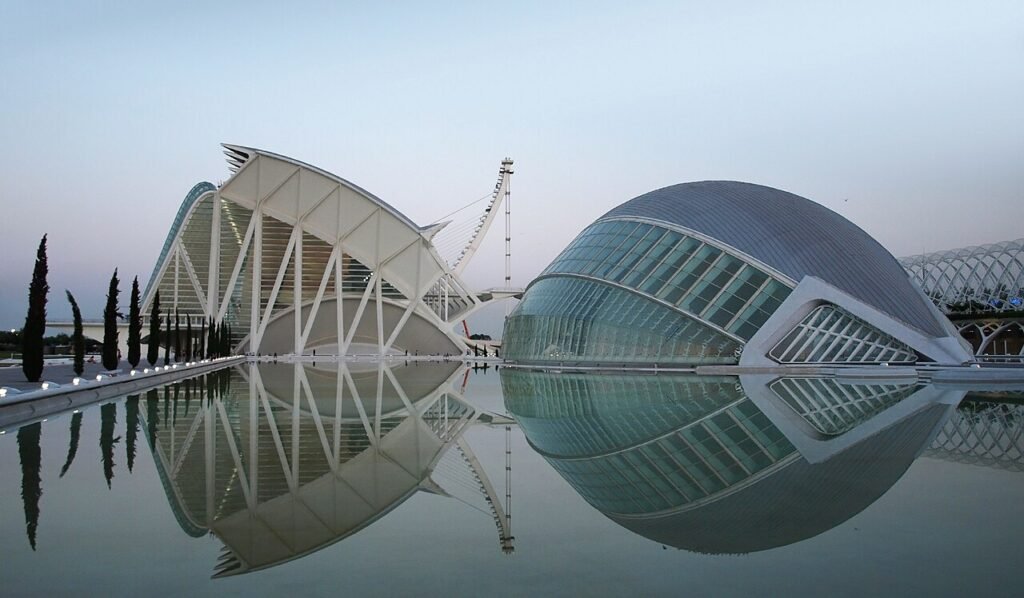
Photo credits: City of Arts and Sciences at dusk — Elemaki, modifications by Alvaro qc, CC BY-SA 3.0 · Turia Gardens — Esniom, CC BY-SA 4.0 · Falla monument at the Torres de Serranos — ANGEL-ROS-DIE, CC BY-SA 4.0 · The mascletà, Plaza del Ayuntamiento — Keith Ellwood, CC BY 2.0 · A neighbourhood falla at night — Keith Ellwood, CC BY 2.0 · Malvarrosa beach — Juanedc, CC BY 2.0 · Mercado Central interior — Diego Delso, CC BY-SA 3.0 · Albufera sunset boat — Diego Delso, CC BY-SA 4.0 · Plaza de la Virgen and the Miguelete — José Luis Filpo Cabana, CC BY 3.0 · The Miguelete at dusk — Codex, CC BY-SA 4.0 · Estació del Nord — Diego Delso, CC BY-SA 4.0. All via Wikimedia Commons.

5 Comments