The Best Time to Visit Seville (Weather, Festivals and Crowds, Month by Month)
Ask a Sevillian when to visit and they will not hesitate: spring. Ask them when to avoid and they will not hesitate either: August, when the city empties, the shutters come down and the thermometer flirts with numbers that sound like typos. Between those two certainties lies the real answer — because Seville’s best time depends on whether you are chasing perfect weather, the great festivals, low prices, or a quiet city, and those four things almost never arrive in the same week.
The short version: late March to May and mid-September to October are the sweet spots, with April holding both Semana Santa and the Feria de Abril — the two weeks when Seville is at its most extraordinary and its most expensive. Winter is the budget traveller’s friend and far better than its reputation. Summer is for the heat-proof, the pool-equipped and the very determined. Base yourself well whenever you come — our Where to Stay in Seville guide covers the neighbourhoods — and read on for the month-by-month working-out.
Table of Contents
- The Short Answer
- Seville in Spring: The Famous Season
- Semana Santa: The City at Full Intensity
- Feria de Abril: The Week Seville Dances
- Seville in Summer: Beautiful, Fierce and Empty
- Seville in Autumn: The Second Spring
- Seville in Winter: Oranges, Quiet and Low Prices
- Seville Month by Month at a Glance
- The Best Time to Visit Seville by Traveller Type
- When to Book: A Few Honest Rules
- Final Thoughts
The Short Answer
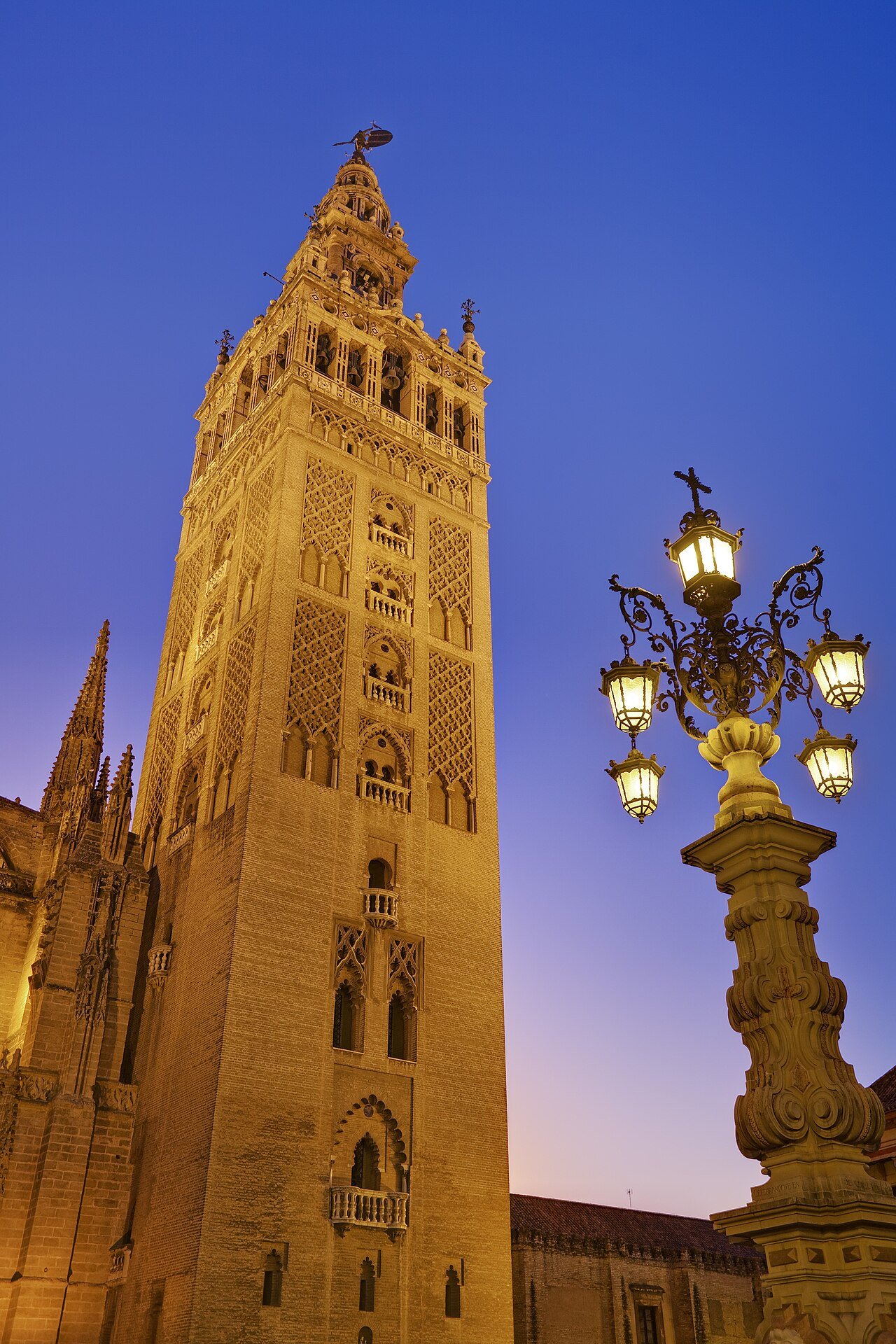
- Best weather overall: April, May and October — warm days (roughly 22–27°C), cool evenings, low rain.
- Best for festivals: Semana Santa (the week before Easter) and the Feria de Abril (about two weeks after Easter) — book everything months ahead.
- Best value: January, February and late November — mild days, small crowds, the city’s lowest hotel prices.
- Best to avoid if you hate heat: July and August, when average highs sit around 36°C and afternoons pass 40°C.
- Best compromise: early March and early November — shoulder-season prices with a real chance of spring-like days.
Seville in Spring: The Famous Season
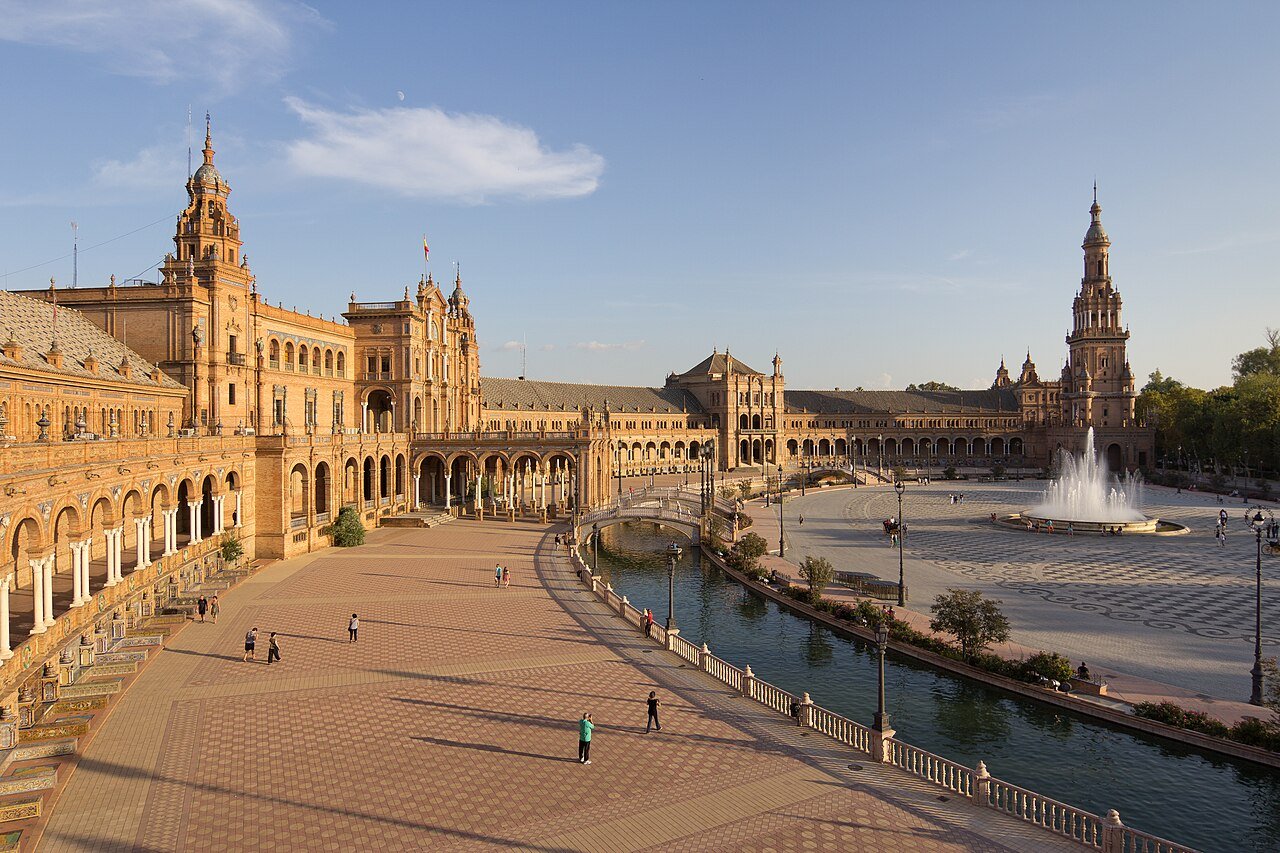
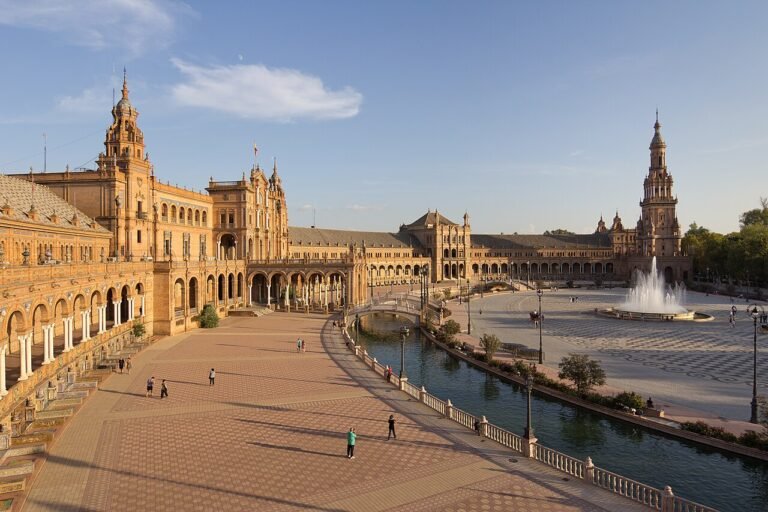
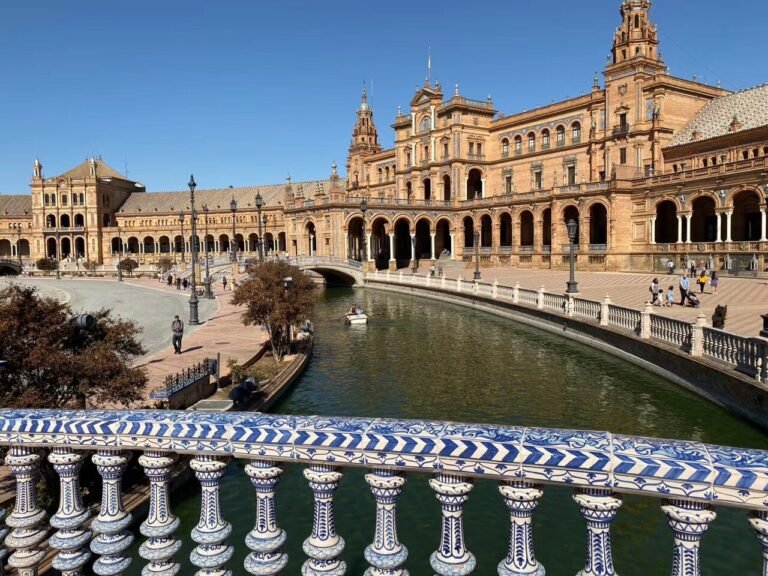
Spring is when Seville performs. The orange trees that line every street flower in March and April, and the whole city smells faintly of azahar — orange blossom — for weeks. Temperatures climb from the high teens in March to the mid-to-high twenties by May, the terraces fill, and every sight on your list is open, busy and at its best. The Plaza de España, built for spectacle, gets its light back; the Alcázar’s gardens are green rather than scorched.
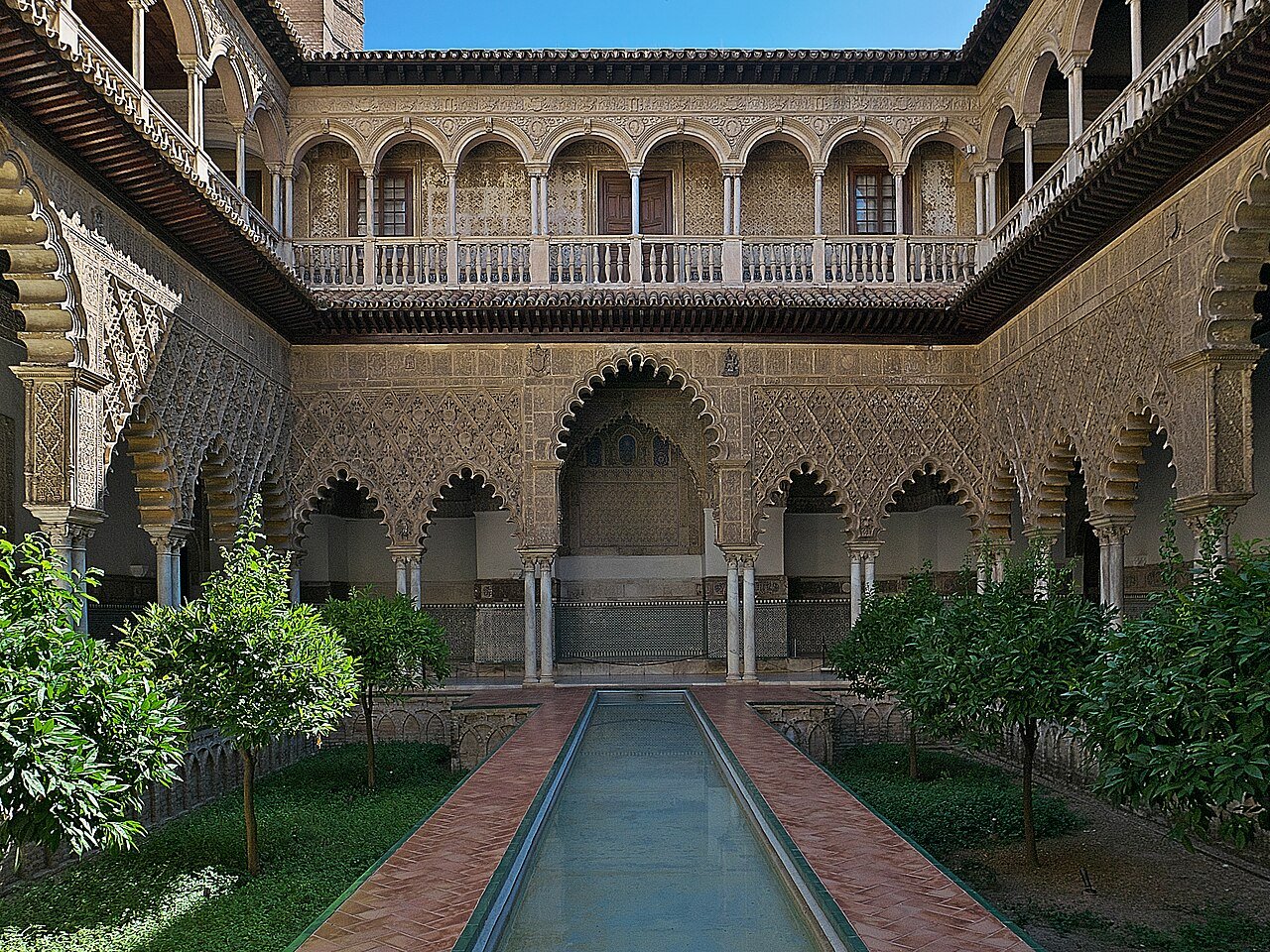
The costs of spring are crowds and prices, and they are real: the Alcázar and the Cathedral draw their longest queues of the year, so book both ahead: Royal Alcázar entry and Seville Cathedral and Giralda tour, and expect hotel rates to peak around the festival weeks. Outside those two weeks, spring is simply the best all-round answer — if your dates are flexible, aim for May, when the festivals have passed, the days are long and warm, and the city exhales.
Semana Santa: The City at Full Intensity
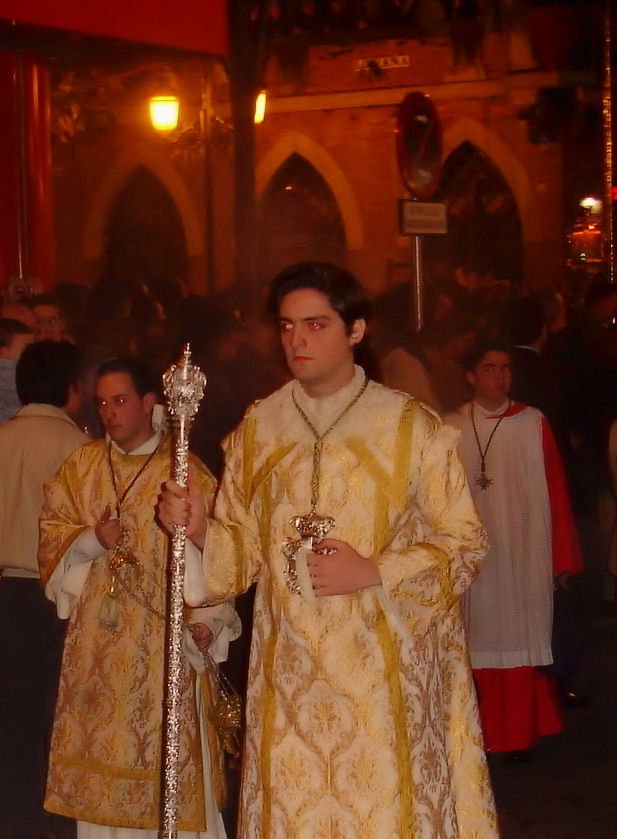
Holy Week — the week running up to Easter Sunday — is Seville’s defining event: some sixty brotherhoods carry vast, candle-lit floats (pasos) through the streets day and night, in silence, in brocade, in a tradition that fills the old town completely. It is beautiful, solemn and unlike anything else in Europe. It is also the single hardest week of the year to visit casually: the centre is a beautiful maze of processions and barriers, hotels sell out months in advance at the year’s highest prices, and sightseeing runs on the processions’ timetable, not yours.
Come for Semana Santa if the event itself is the point — it rewards commitment, and one night procession, watched late from a side street, justifies the whole trip. Avoid it if you wanted a relaxed first visit; the same city, three weeks earlier or later, gives you the sights at half the price and a tenth of the effort. Our Your Ultimate Guide to Seville links our full Holy Week advice.
Feria de Abril: The Week Seville Dances
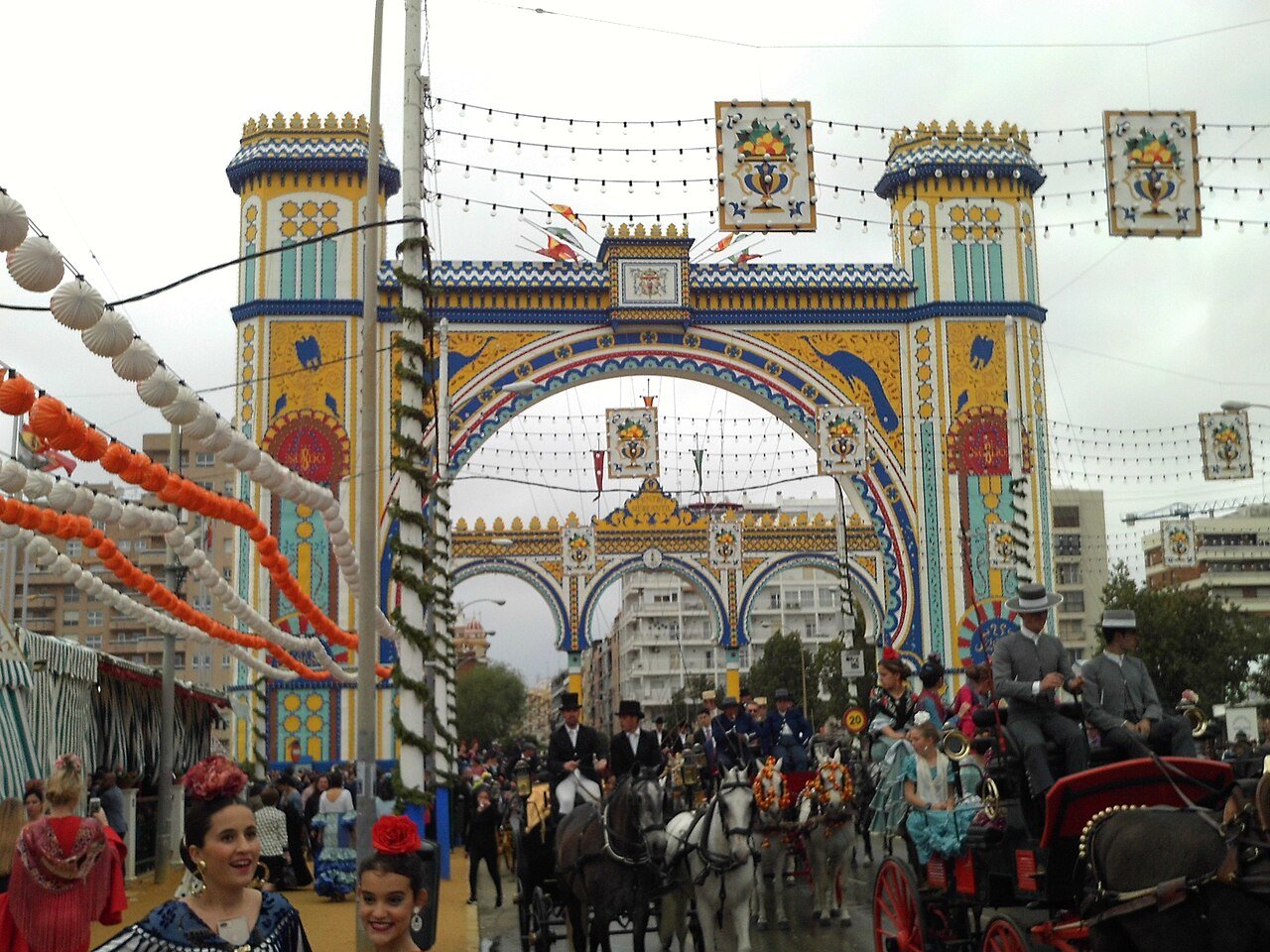
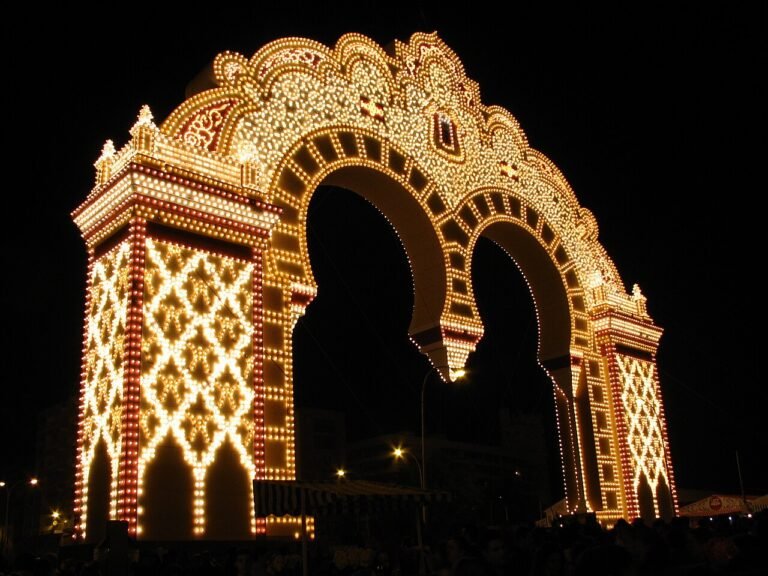
About two weeks after Easter, Seville swaps solemnity for celebration. The Feria de Abril is a week-long fair in the Los Remedios fairground: a small city of striped tents (casetas), horses and carriages by day, flamenco dresses everywhere, and dancing — sevillanas, specifically — until dawn. The illuminated entrance gate, the portada, is rebuilt to a new design each year and lit on the Monday night to open the fair.
The Feria is joyous and surprisingly welcoming to visitors — the public casetas admit anyone, and the daytime paseo of horses is a street party — but plan like a local: hotels spike again, restaurants run fair hours, and the city’s mornings start very late. If festivals are why you travel, a spring trip that catches the Feria is the single most fun week to be in Seville. If you want the city to yourself, it is the week to be anywhere else.
Free Seville travel guide
Planning a trip to Seville? Get our free one-page Seville checklist: what to book ahead, what to skip, and the tapas bars we actually eat in.
Seville in Summer: Beautiful, Fierce and Empty
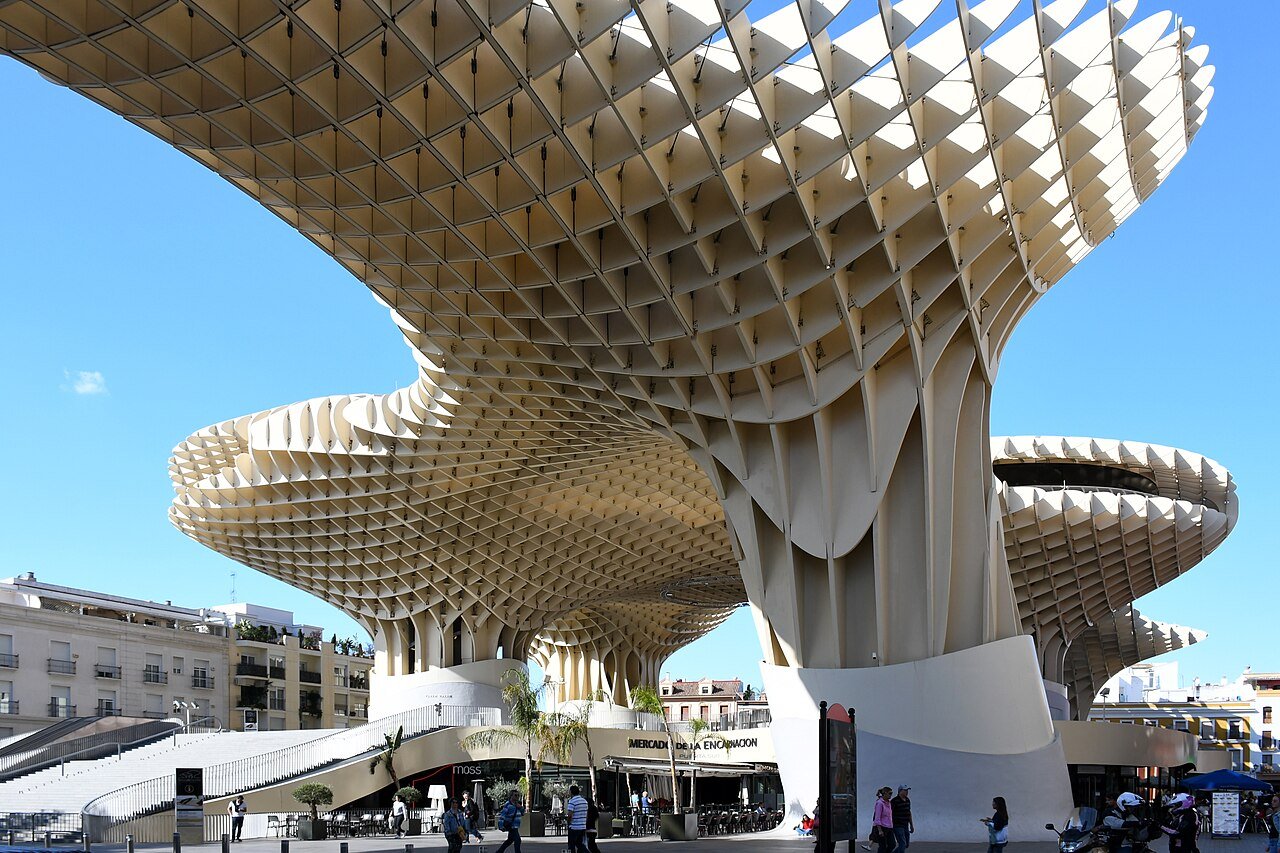
Summer in Seville is not a rumour: average highs sit around 36°C in July and August, and heatwave afternoons pass 40°C. The city responds rationally — it empties. Locals leave for the coast, many family-run places close for part of August, and the streets at 4pm belong to the brave and the lost. Prices drop, queues vanish, and the monuments glow in a hard, white light that photographers love.
Summer works if you adopt the Sevillian operating system: sights at opening time, a long siesta-shaped hole in the middle of the day (pool, shade, air-conditioning — choose a hotel with at least two of the three, per our Where to Stay in Seville guide), and the city again from 8pm, when the river breeze arrives, the terraces fill and Seville becomes glorious. Seville’s evenings in summer are genuinely wonderful — dinner at 10pm, the old town lit, nobody in a hurry to be anywhere else.
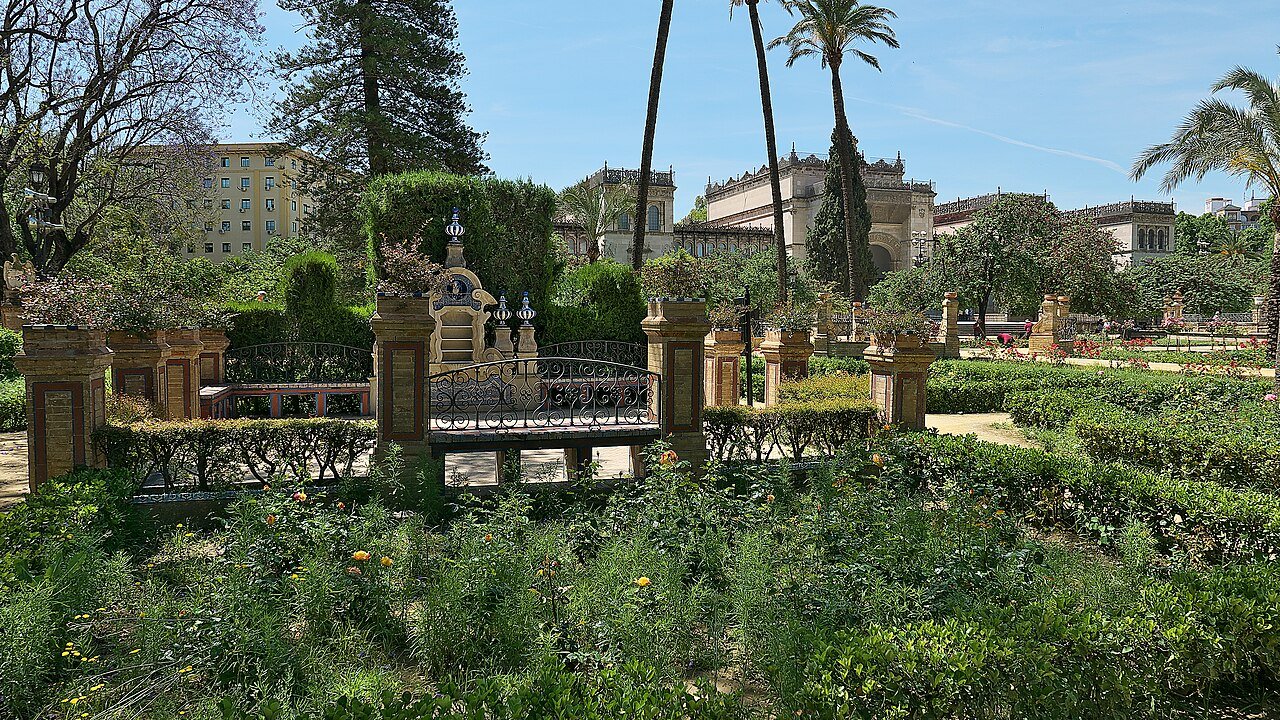
The shaded acres of María Luisa Park and the tile-cool interiors are your midday allies. Do that, and a July trip can be a pleasure. Ignore the heat’s rules, and Seville will teach them to you by day two.
Seville in Autumn: The Second Spring

Sevillians call autumn their second spring, and they are right. September starts hot — often still above 30°C — but by October the city settles into the same golden pattern as April: warm days, soft evenings, the river at its best. Calle Betis in Triana, facing the old town across the Guadalquivir, was made for autumn dusk.

Autumn’s advantages compound: the festival crowds are gone, hotel prices step down from their spring peak, and the great sights are bookable days rather than weeks ahead. Rain becomes a real possibility from late October — Seville’s wettest weeks of the year are late autumn and winter — but it tends to arrive in short, dramatic bursts rather than grey weeks. For a first visit without a festival agenda, October is my single favourite month to recommend: all of the city, none of the frenzy, and light like poured honey. Our 3 Days in Seville itinerary runs beautifully in October.
Seville in Winter: Oranges, Quiet and Low Prices
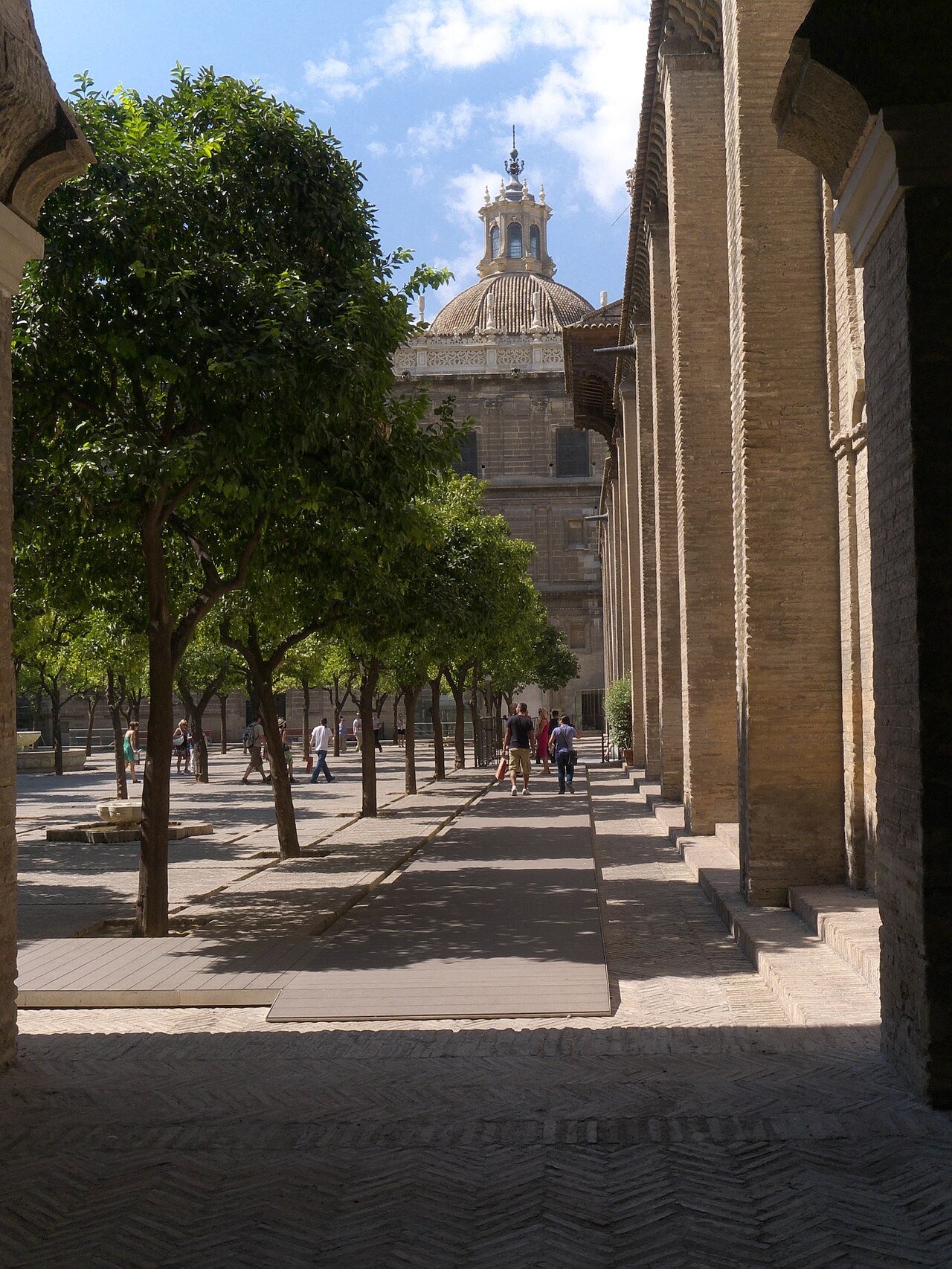
Winter is Seville’s secret season. The orange trees hang full of fruit — beautiful, bitter and strictly decorative — the average high sits around 16°C, and the city belongs to its residents. There are crisp blue days when a terrace lunch in a light jacket feels like stolen spring, and the Alcázar, the Cathedral and the museums can be walked into with barely a queue. The Archivo de Indias, that serene, free, under-visited archive beside the Cathedral  , becomes an hour of hushed warmth rather than a refuge from the sun.
December brings its own pleasures: Christmas lights, nativity scenes (belenes) in churches and palaces, and the artisan market on Plaza Nueva  . Early January keeps the festive thread with the Cabalgata de Reyes — the Three Kings’ parade on 5 January, one of Spain’s grandest, when the Kings process through the city throwing sweets to enormous crowds of children. It is worth timing a winter trip around it: the city is in full celebration, prices have not yet spiked, and the next day is a public holiday with a correspondingly slow, festive morning.
The honest caveats: days are short, evenings are genuinely chilly by Spanish standards (around 5–8°C), some restaurants trim their hours, and rain is at its likeliest. None of that stops winter being the best-value, most local-feeling time to come — for a second visit especially, it is a delight. Pack layers rather than a heavy coat, plan your sightseeing for the warm middle of the day rather than against it, and winter Seville will treat you like a local who happens to be on holiday.
Seville Month by Month at a Glance
- January: cool (highs ~16°C), quiet, cheapest. Sales season; the city at its most local.
- February: similar, with almond-blossom day trips and the first hint of spring late in the month.
- March: warming (~20°C), orange blossom begins; Semana Santa falls here some years — check the Easter dates.
- April: festival month — Semana Santa and/or the Feria, perfect weather, peak prices. Book everything.
- May: the connoisseur’s spring — warm (~27°C), festivals over, long days, Corpus Christi processions late in the month some years.
- June: hot by month’s end (~32°C); still workable with siesta discipline, and cheaper than spring.
- July: fierce (~36°C average high). Empty streets, low prices, evenings only.
- August: the fiercest and emptiest month; some businesses close. For heat-lovers and pool hotels only.
- September: starts hot, ends lovely; the Bienal de Flamenco fills September in even-numbered years — catch a show Teatro Flamenco Triana show.
- October: the second spring at its best (~26°C early, cooler late). My favourite month.
- November: mild (~20°C), quiet, better value; rain chances rise late in the month.
- December: festive, chilly evenings, low prices outside the Christmas–New Year spike.
The Best Time to Visit Seville by Traveller Type
First-timers: late April (avoiding the festival weeks unless you mean it) or October. Full city, kind weather, manageable queues — though “manageable” still means booking the Alcázar ahead Royal Alcázar entry.
Festival hunters: Semana Santa for awe, the Feria for joy. Pick one — catching both means a long stay between them or two trips — and book accommodation the moment your dates exist.
Budget travellers: January, February or late November. Seville’s sights cost the same, but beds can cost half their April price, and a 16°C “winter” day beats most of northern Europe’s spring.
Heat-seekers and pool people: June to September, unapologetically — with a hotel pool and an evening-led rhythm. Sunset from the top of Las Setas is summer’s nightly reward Setas de Sevilla entry.
Photographers: spring for blossom and festivals, October for golden river light, winter for empty monuments and hard blue skies.
When to Book: A Few Honest Rules
Book festival weeks (Semana Santa, Feria) as early as you can — central hotels sell out months ahead and prices only move one way. Book spring and October a few months out for the best choice of neighbourhood and price; our Where to Stay in Seville guide explains which areas suit which trip. Book timed sights — Alcázar and Cathedral — before you travel in any month from March to October; in winter you can usually decide a day or two ahead. And book summer late with a clear conscience: the city’s emptiest season often rewards the spontaneous, provided your hotel has a pool.
Travel insurance, sorted
Whether it is a two-week holiday or a longer move, travel insurance is the one booking not to skip. We point readers to SafetyWing’s Nomad Insurance — cover built for travellers, remote workers and longer stays abroad, on a flexible monthly subscription you can start before a trip or while you are already away. Get a quote from SafetyWing
Final Thoughts
There is no wrong month in Seville — there are only mismatches between the city you wanted and the city that month provides. Come in April for the legend, October for the light, January for the bargain and August only if the heat itself is part of the adventure. Match the month to the trip, and Seville will do the rest. For routes once you are here, our 1 Day in Seville itinerary and 2 Days in Seville itinerary compress the essentials, the three-day version spreads them out, and our Best Things to Do in Seville guide ranks the sights themselves — whenever you land, give Seville your evenings. That rule has no season.
¡Buen viaje!
Photo credits: The Giralda at dusk — David Iliff (Diliff), CC BY-SA 3.0 · Plaza de España — Carlos Delgado, CC BY-SA 4.0 · Patio de las Doncellas, Royal Alcázar — Jl FilpoC, CC BY-SA 4.0 · Semana Santa procession detail — Carolus, CC BY 2.5 · Feria de Abril portada — CarlosVdeHabsburgo, CC BY-SA 4.0 · Las Setas (Metropol Parasol) — Gzzz, CC BY-SA 4.0 · A tiled glorieta, María Luisa Park — Jl FilpoC, CC BY 4.0 · Calle Betis, Triana — Anual, CC BY-SA 4.0 · Torre del Oro and the Guadalquivir — Benjamin Smith, CC BY-SA 4.0 · Patio de los Naranjos — José Luis Filpo Cabana, CC BY 3.0 · Archivo de Indias — Anual, CC BY 3.0 · Plaza Nueva — Gzzz, CC BY-SA 4.0. All via Wikimedia Commons.



7 Comments