Two Weeks in Spain: The 14-Day Itinerary That Finally Fits It All In
Two weeks is where a Spain trip stops being a compromise. One week — and our one-week itinerary walks it day by day — forces a hard choice between Andalusia and Barcelona. A fortnight ends the argument: Madrid with its great day trip, Córdoba, Granada, Málaga, Ronda and Seville strung along the southern railway, then one short flight north to Barcelona, with Montserrat and Girona still in hand. No base changes more often than every second night, and the Alhambra and the Sagrada Família each get a day built around them, not a slot squeezed between trains.
The shape is the one-week route grown up, not replaced. Fly into Madrid and out of Barcelona, so the trip runs one way with no backtracking: three nights in Madrid, because Toledo deserves its day; one night in Córdoba; two each in Granada, Málaga (Ronda as its day trip) and Seville; then the trip’s single internal flight, and four days in and around Barcelona to close. Thirteen nights, six bases, five train rides, one flight. The fortnight follows, day by day, booking decisions first — because the order you buy things in matters almost as much as the order you visit them in.

In This Guide
- 1. The Route at a Glance: Two Weeks, One Direction
- 2. Before You Book: The Decisions That Make or Break the Fortnight
- 3. Days 1–2: Madrid — The Prado, the Old Town and a Slow Start
- 4. Day 3: Toledo — The Day Trip the Third Night Buys
- 5. Day 4: Córdoba — The Mezquita and the Night the Day-Trippers Miss
- 6. Days 5–6: Granada — The Alhambra, at the Pace It Demands
- 7. Day 7: Málaga — South to the Sea
- 8. Day 8: Ronda and Setenil — The Gorge and the Village Under the Rock
- 9. Days 9–10: Seville — The Alcázar, the Cathedral and the Evening City
- 10. Day 11: The Hop North — Fly, Don’t Ride
- 11. Days 11–14: Barcelona — Gaudí, the Old Town and the Sea
- 12. The Two Day Trips: Montserrat and Girona
- 13. The Other Fortnight: The Northern Variant
- 14. What Two Weeks Cost: The Honest Sketch
- 15. Cut It to 10 Days, Stretch It to Three Weeks
- Final Thoughts
1. The Route at a Glance: Two Weeks, One Direction
Spain’s railways have a geography, and this route obeys it twice. In the south, the high-speed spine out of Madrid runs through Córdoba towards Málaga and Seville, with Granada on its own branch — no leg longer than about two and a quarter hours. In the north-east, Barcelona sits close enough to Montserrat and Girona for day trips, far enough from Seville that flying beats riding. Join the halves with one internal flight and the country becomes a single one-way journey.
The sights line up too. The ranked lists of the best places to visit in Spain keep returning to the same interiors — the Prado, Toledo’s cathedral, the Mezquita, the Alhambra, Seville’s Alcázar and cathedral, the Sagrada Família — and a fortnight is the first trip length that holds them all without turning any into a dash. (It still is not everything: Valencia, the Balearics and the Atlantic north deserve their own trips, and §13 sketches the northern variant.)
| Day | You wake up in | The day in one line | You sleep in |
| 1 | — (arriving) | Madrid, gently: check in, one plaza, one park, early night | Madrid |
| 2 | Madrid | The Prado in the morning, the old town all afternoon | Madrid |
| 3 | Madrid | Toledo: the cathedral, El Greco and the city of three cultures | Madrid |
| 4 | Madrid | Morning train south; the Mezquita and a night in Córdoba’s old town | Córdoba |
| 5 | Córdoba | Late-morning train; Granada’s Albaicín and the sunset viewpoint | Granada |
| 6 | Granada | The Alhambra and the Generalife, at full size | Granada |
| 7 | Granada | The direct train to the sea; Málaga’s Alcazaba and old town | Málaga |
| 8 | Málaga | Ronda’s gorge and Setenil’s houses under the rock | Málaga |
| 9 | Málaga | Morning train west; Seville and the Plaza de España by golden hour | Seville |
| 10 | Seville | Cathedral and Alcázar, then Triana after dark | Seville |
| 11 | Seville | The short flight north; Barcelona’s old town by evening | Barcelona |
| 12 | Barcelona | The Sagrada Família and the Gaudí houses | Barcelona |
| 13 | Barcelona | Montserrat: the abbey in its mountain | Barcelona |
| 14 | Barcelona | Girona’s old town — or a slow last day by the sea — then out | — (depart) |
Three honest footnotes. The plan is thirteen nights, ending in a Day-14 departure: if your flight home leaves the next morning, add a fourteenth night in Barcelona and change nothing else. The day trips are load-bearing, not decoration — Toledo, Ronda, Montserrat and Girona are where a fortnight pulls away from a week. And the route reverses cleanly.
2. Before You Book: The Decisions That Make or Break the Fortnight
Five decisions, all taken before you arrive, determine whether these two weeks flow or fight you — all are easier now than later.
Book the flights open-jaw, and the internal one early. Into Madrid, out of Barcelona — plus Seville to Barcelona on Day 11 (§10 explains why the plane beats the train there). Internal fares behave like train fares: the cheap seats go first, so buy the hop with the long-hauls.
Book the Alhambra before anything else — then the Sagrada Família. Two sights can sell out from under you. The Alhambra’s Nasrid Palaces admit visitors in small timed groups, tickets are tied to a named person, and the passport used for the booking is checked at the door; in busy months its slots vanish weeks ahead. The Sagrada Família runs timed entry too, and its best hours go nearly as fast. The moment your dates exist, those bookings come first — Days 6 and 12 are then built around the slots you got. The Prado, Toledo Cathedral, Seville’s Alcázar and Park Güell deserve advance tickets too, but they forgive a week’s notice in a way the big two do not.
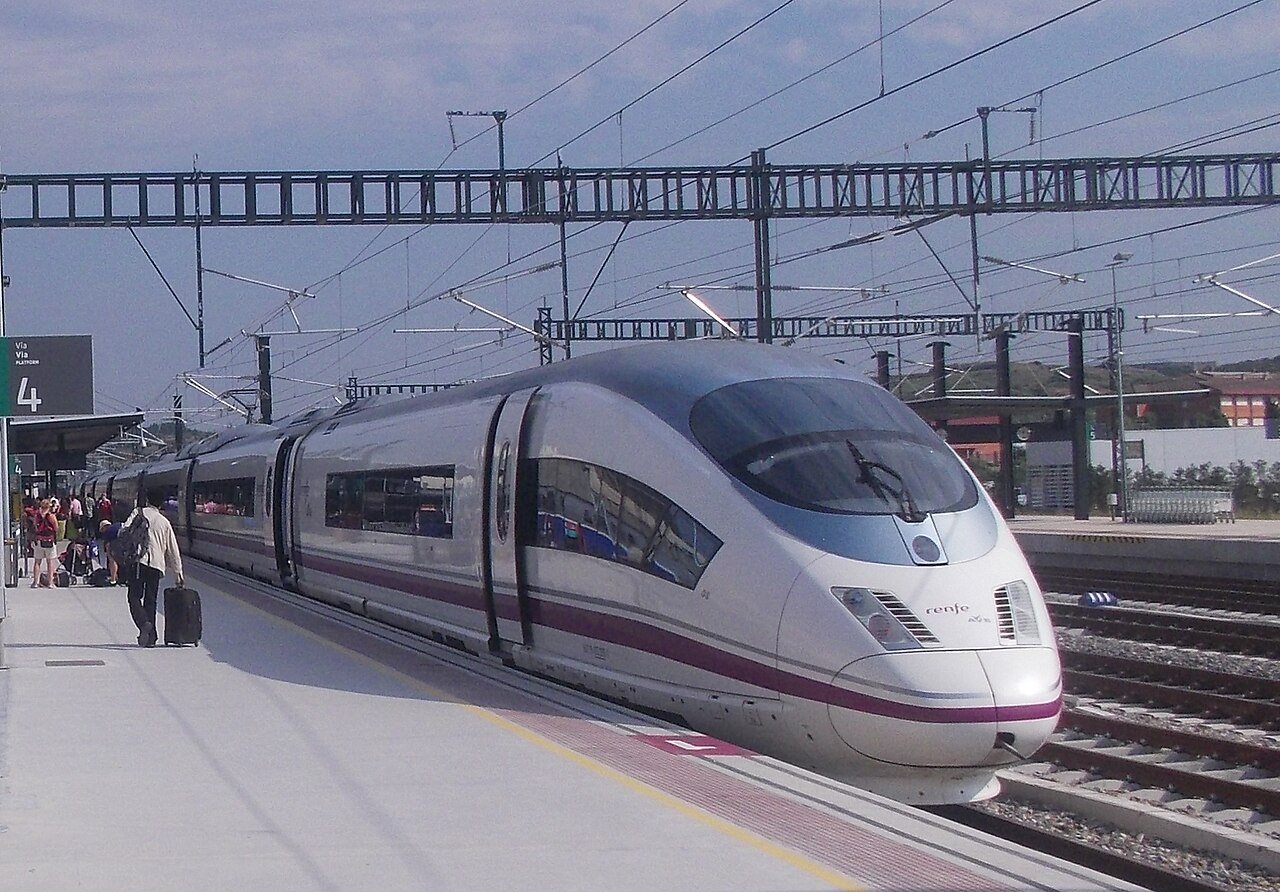
Book the trains early — and check two timetables twice. High-speed fares work like air fares: the same seat can cost three times as much bought late, so book every leg when the Alhambra goes in the diary. Two legs are thin rather than frequent, and the days around them should be chosen by the railway: Córdoba to Granada runs a handful of direct trains a day, Granada to Málaga just three (§§5 and 7). Read those two timetables before fixing anything.
Pace the bases, not just the days. Six bases in fourteen days keeps the trip restful: never one night twice in a row, two nights minimum everywhere except Córdoba, whose single night is deliberate (§5). If you are tempted by a seventh base, take it from Barcelona’s block or don’t take it.
Plan for Spanish hours from the start. Lunch at two, dinner at nine or later, monuments in the morning and again in the late afternoon: the mechanics are in our Spain travel tips, and this itinerary is built on them. Fight the timetable and you spend a fortnight hungry at the wrong hours; adopt it, and the schedule becomes one of the sights.
3. Days 1–2: Madrid — The Prado, the Old Town and a Slow Start
However you arrive, Day 1 is a half day wearing a full day’s clothes, and the itinerary treats it that way. Madrid will still be there tomorrow. Today’s job is smaller: get in, get settled, get your bearings, and be asleep at an hour that makes the fortnight possible.
Base yourself between Atocha station and the old town — the Huertas (Barrio de las Letras) or the edge of Centro: ten minutes to the Prado, fifteen to Plaza Mayor, a short walk to the station for the Toledo and Córdoba trains, tapas streets on your doorstep. The afternoon is deliberately modest: drop the bags and take one slow loop — Plaza Mayor, a first caña under its arches, then east to the Retiro for the golden hour on the boating lake. Resist the Prado today; resist the palace. Nobody wins a marathon on Day 1.
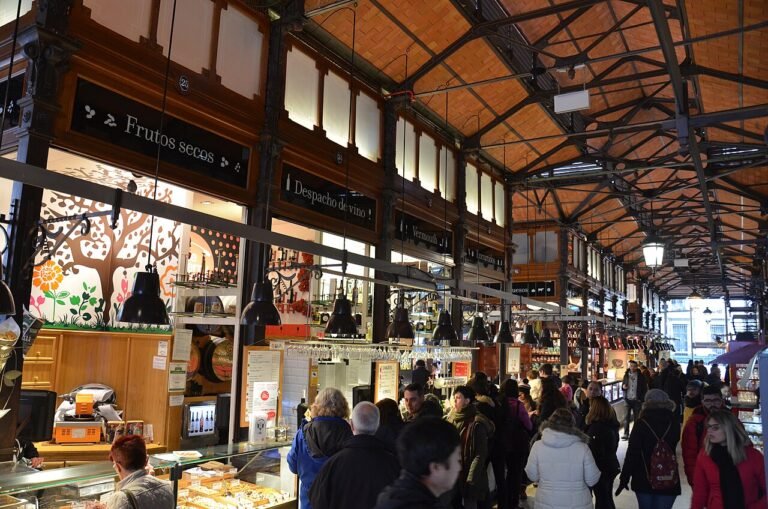
Day 2 is Madrid’s one full sightseeing day, built around a single fact: the Prado cannot be done in an hour, and it should not share its morning with anything. Go at opening, with a short list — Las Meninas, Goya’s Black Paintings and the Bosch room — and give it the whole morning on a timed ticket. Then let the old town have the afternoon: Madrid de los Austrias, the Royal Palace from its square, the Mercado de San Miguel, tapas in La Latina. If energy remains at dusk, the Temple of Debod, an Egyptian temple on a hill west of the centre, is Madrid’s favourite free sunset.
Sleep in Madrid — nights 1–3 of 3. Base: Centro/Huertas near Atocha.

4. Day 3: Toledo — The Day Trip the Third Night Buys
This is the day the third Madrid night exists for. Toledo — imperial capital, city of three cultures, a walled old town on a hill inside a loop of the Tagus — sits barely half an hour from Atocha by Renfe Avant train, with departures all day: close enough for a day trip, far too good to hurry. Our one-week route had to tell Toledo no; this one says yes first.
The railway way is pure pleasure: an early Avant out, a day on your own feet, a late train back. Toledo station, a small Mudéjar-style jewel, sits a short walk below the old town. Give the cathedral its hour — one of Spain’s great Gothic interiors — then Santo Tomé, where El Greco’s Burial of the Count of Orgaz hangs where it was painted, then the Synagogue of Santa María la Blanca, a forest of white horseshoe arches. Walk the Mirador del Valle across the river before you leave: the whole city, Alcázar on top, like a model.
The guided way trades a little freedom for a lot of context. The full-day guided tour of Toledo from Madrid on GetYourGuide — 4.6/5 from 916 reviews, from $89, eight hours — runs the same circuit by coach with skip-the-line guided visits to the cathedral, Santo Tomé and the synagogue, then hands you over an hour of free time; its page states free cancellation up to 24 hours ahead and reserve now, pay later, so it can be booked as insurance and cancelled if the train plan wins. Either way, be back in Madrid for a late dinner: tomorrow the trip turns south.
Sleep in Madrid — night 3 of 3. Pack tonight; Atocha is a short walk in the morning.

5. Day 4: Córdoba — The Mezquita and the Night the Day-Trippers Miss
Take a morning train — not the first, not the last — from Atocha, and an hour and three quarters later step out into Andalusia. Madrid to Córdoba is one of the easiest legs in Spanish travel: direct high-speed trains run all day, and the station is a short walk or quick taxi from the old town. By eleven you are standing in a different civilisation: Córdoba, once among the largest cities in the world and the capital of Islamic Spain.
The Mezquita — the Great Mosque with a Renaissance cathedral growing out of its centre — is the day’s whole argument, and a night in the city lets you take it at the calmest hour rather than in the day-trip crush. Inside, the famous forest of red-and-white double arches runs away in every direction, hundreds of columns deep, cool and dim; at the centre the light changes, and a full cathedral rises out of the prayer hall. Give it the late morning and do not rush it — and before you leave, find the maqsurah’s gold mosaics around the mihrab, the quiet masterpiece most hurried visits walk past.
The afternoon is Córdoba at walking pace: the Jewish Quarter’s white lanes, the little synagogue, the Alcázar’s terraced gardens, the flower-filled patios (explosive in May, charming in every month) — then the Roman Bridge at sunset, with the Mezquita’s bulk behind you. Our guide to things to do in Córdoba walks the city sight by sight. Evening is why the night is spent here: the day crowds leave on the last trains, and dinner followed by the bridge lit across the water becomes the best-value night of the fortnight.
One piece of logistics before bed: tomorrow’s leg, Córdoba to Granada, is the thinnest service in the south — a handful of direct trains a day — so check the departure you are booked on tonight and plan the morning around the railway.
Sleep in Córdoba — the trip’s only single night, and worth every hour. Base: the old town.

6. Days 5–6: Granada — The Alhambra, at the Pace It Demands
The late-morning train east from Córdoba takes about an hour and three quarters, delivering you to the city the whole southern week has been pacing towards. Granada is two cities in one eyeline: the Albaicín, a hillside of white lanes facing the sunset, and across the Darro valley the Alhambra — fortress, palace-city and gardens, the most rewarding ticket in Spain. Two nights is the minimum the place accepts gracefully.
Day 5 is for the Albaicín, slowly. Drop the bags, climb the lanes in the afternoon light — the tea houses of Calle Calderería, the church towers that were minarets, the sudden framed views of the palace across the valley — and end at the Mirador de San Nicolás at sunset, the Alhambra turning rose-gold against the Sierra Nevada. A cliché the way sunsets are a cliché; go anyway, and you will understand tomorrow better for having seen its outside tonight. Dinner, then an early night.
Day 6 is the Alhambra, done properly — and “properly” has a precise meaning here. Your ticket names an entry slot for the Nasrid Palaces, the carved, tiled heart of the complex, and that slot governs the day: build everything around it, arrive well before it, and bring the passport or ID the booking was made with — it is checked. Outside the slot, the rest of the hill rewards slowness: the Alcazaba and its tower views, the palace of Charles V, then the Generalife, where the Patio de la Acequia runs its long canal under the fountain jets. Give the complex the day, not the morning. Our guide to things to do in Granada covers the city beyond the hill for the evening; Granada is where a drink still arrives with a free tapa, and after a day inside the palace, that is exactly the right register for dinner.
Sleep in Granada — nights 1–2 of 2. Base: Centro or the Realejo for the evenings; the Albaicín for the views.

7. Day 7: Málaga — South to the Sea
Granada to Málaga is the shortest move of the fortnight and the one that changes the trip’s weather: ninety minutes from the Darro valley to the Mediterranean. It comes with the route’s second thin timetable — direct Renfe trains run just three times a day (morning, midday and early evening on current listings), with slower one-change journeys and frequent ALSA buses of about ninety minutes filling the gaps. Plan Day 7 around the direct trains: take the midday one, be in Málaga for a late lunch by the port, and keep the bus as a fallback.
Málaga is the stop a week cannot afford and a fortnight can, and it deserves better than its airport reputation: a real, art-filled city that happens to have a beach. Picasso’s birthplace, with his museum in the old town; a one-handed cathedral whose second tower was never finished; the Roman theatre below the Alcazaba; and above everything the Gibralfaro castle, with the great establishing view — fortress below, port beyond, the sea doing the rest. Our guide to things to do in Málaga covers it all sight by sight, Caminito del Rey included, for anyone who swaps it against §8.
With an arrival afternoon and tomorrow given to Ronda, Day 7’s programme is gentle: up to the Alcazaba while the light is good — the Alhambra idea in miniature, without the ticket stress — down through the old town to the Atarazanas market before it closes, and out to Muelle Uno, the port promenade, for the evening. Eat where Málaga eats: espetos, sardines grilled over olive wood at the beach chiringuitos, and a glass of the local sweet wine. Tomorrow is a road day; tonight is the sea.
Sleep in Málaga — nights 1–2 of 2. Base: the old town, between the cathedral and the port.

8. Day 8: Ronda and Setenil — The Gorge and the Village Under the Rock
Ronda is the white town that isn’t quite like the others: a real small city split in two by the El Tajo gorge, a hundred metres of cliff with the Guadalevín river at the bottom and the Puente Nuevo — the “new” bridge, finished in 1793 — leaping between old town and new. It is the day trip Málaga was made for, and the second name the one-week route had to refuse. From Málaga the road climbs through the Serranía in about an hour and a half; go early.
The shape of the day is simple. Cross the bridge slowly, twice, then walk down the path on the far side until you can see it whole, soaring over the gorge with the waterfall under it — that view, not the railing selfie, is Ronda. Then the old town: the Mondragón Palace, Santa María la Mayor, the Arab baths by the river, and Spain’s oldest bullring across the bridge. Lunch late and long, in the back streets rather than the bridge’s edge.
The practical way to do it without a car is the Ronda and Setenil day trip from Málaga on GetYourGuide — 4.5/5 from more than 5,600 reviews, from about $28, around ten hours — which pairs Ronda with the day’s second wonder and lets you choose in Ronda between wandering at your own pace or joining its guided walking tour. That second wonder is Setenil de las Bodegas, twenty minutes away, where the white houses do not sit under the cliff but inside it: whole streets roofed by the rock overhang, cafés tucked into the stone. Independent travellers can reach Ronda by bus from Málaga, but Setenil is awkward without wheels — tour for both, improvisation for Ronda alone.
Sleep in Málaga — night 2 of 2. Tomorrow, Seville.

9. Days 9–10: Seville — The Alcázar, the Cathedral and the Evening City
The morning train west from Málaga María Zambrano to Sevilla-Santa Justa takes about two hours on the direct services. Seville is the south’s finale and it knows it: the largest Gothic cathedral in the world, a royal palace still in use, and an evening culture — tapas, terraces, river light — no other city on this route matches. Two nights here is the reward for every early train before it.
Day 9 runs on arrival logic. Settle in Santa Cruz or the Centro, then spend the afternoon on the city’s great free gesture: the Plaza de España, the vast tiled semicircle built for the 1929 exposition — go in the golden hour, when the tiles glow, and let the adjoining María Luisa park carry you back towards the centre. Evening belongs to the tapas bars: Seville is where this trip’s eating peaks.
Day 10 is the double bill. The cathedral first — Columbus’s tomb, the golden altarpiece, and the Giralda, the Almohad minaret turned bell tower, climbed by ramps wide enough for a horse — then the Royal Alcázar, Seville’s answer to the Alhambra and in one sense its superior: a working royal palace whose Mudéjar courtyards were built by Muslim craftsmen for Christian kings, in gardens that can absorb the rest of the day. Book both ahead (§2), take the gardens slowly, and when the light goes, cross the river to Triana for the last southern evening.
One comparison is worth making while you stand in both cities: the Alhambra on Day 6 and Seville’s Alcázar on Day 10 bookend the southern fortnight, and seeing the pair — the fortress-palace and the palace that never stopped being one — is something no one-week trip manages. This is what the extra days were for.
Sleep in Seville — nights 1–2 of 2. Base: Santa Cruz or the Centro.

10. Day 11: The Hop North — Fly, Don’t Ride
Every long one-way itinerary has a hinge, and this one is the morning of Day 11. Seville and Barcelona are 830 kilometres apart. The train is the romantic answer and, on current timetables, the slow one: direct services run only a few times a day and take a little over six hours on the fastest, nearer six and three quarters on average — older guides quote five and a half, but the current timetable says otherwise. The plane wins outright: Vueling and Ryanair fly the route directly several times a day, about an hour and three quarters in the air, and a mid-morning departure has you walking Barcelona’s old town by the time the train is passing Tarragona.
So Day 11 runs like this. A slow Seville breakfast — you have earned one — then the airport bus or a taxi to San Pablo airport, the short flight, and the Aerobús or metro from El Prat into the centre. Keep the day light at the far end: check in, walk the Gothic Quarter’s lanes to the cathedral, take a first vermouth-hour drink in El Born, and let Barcelona introduce itself at street level before Gaudí’s day tomorrow. If your dates make the flight absurdly priced — it happens at Easter — the fallback is the early direct train and a book.
Sleep in Barcelona — night 1 of 3 (add the fourth night here if you take §1’s Day-15 departure option). Base: the Gothic Quarter or El Born, the Eixample for Gaudí on your doorstep.
11. Days 11–14: Barcelona — Gaudí, the Old Town and the Sea
Barcelona gets the longest block of the fortnight — what’s left of Day 11, two full days and a departure day — and it earns it twice over: it holds the route’s second book-ahead sight, and it is the base for §12’s two day trips. Sequence it loosely; Barcelona rewards wandering. Here is the order that works.
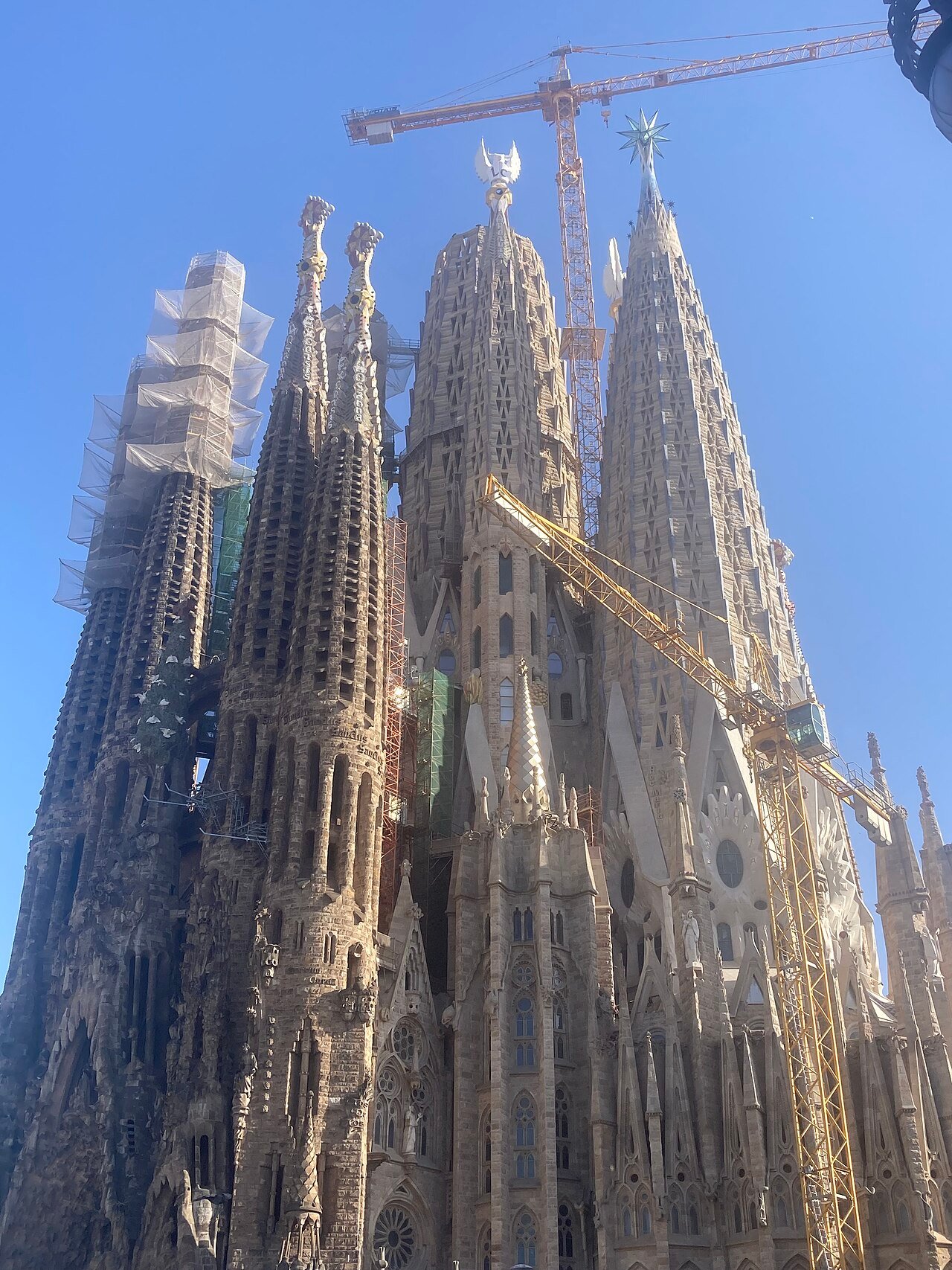
Day 11’s remainder is the old town, already begun in §10: the cathedral and its cloister geese, the Roman walls, the lanes of the Gothic Quarter and the Born, Santa Maria del Mar — the people’s cathedral — and dinner in the Born. Day 12 is Gaudí’s, with one fixed point: the Sagrada Família, on the timed ticket you booked before the Alhambra had even happened (§2). Go inside — the interior, a forest of branching columns under coloured light, is the most original room built in Europe in a century — and pair it with Casa Batlló and Casa Milà. Day 13 is Montserrat (§12). Day 14 holds Girona (§12) for late departures, or runs slow: Park Güell at opening, the Barceloneta waterfront, a long lunch, and out.
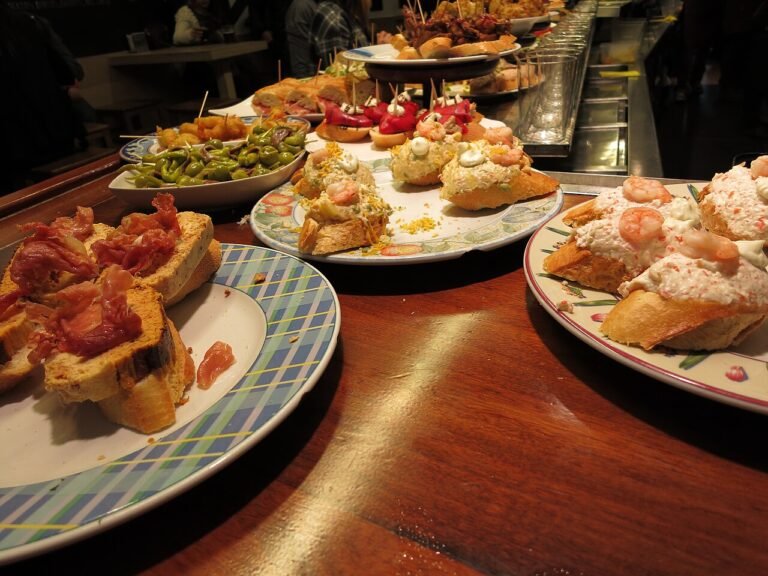
Two Barcelona pleasures deserve naming inside the plan. The first is food: Spain’s most inventive eating city, where the vermouth hour, the market halls and the Born’s old bodegas deserve evenings of their own. The second is wine — an hour away lie the cava hills of the Penedès, and our guide to Barcelona wine tours turns Day 14 into a cava day for late departures.
Sleep in Barcelona — nights 2–3 (and the optional 4th) of the block.
12. The Two Day Trips: Montserrat and Girona
A one-week trip treats day trips as luxuries. A fortnight makes them structure — and Barcelona’s two are the best pair in Spain, one vertical and one horizontal, one a mountain abbey and one a medieval city.
Montserrat (Day 13). An hour from Plaça Espanya on the FGC R5 line — trains hourly, timed to meet the mountain — Catalonia’s sacred mountain rises out of the plain in a wall of pink-grey conglomerate, with the Benedictine abbey tucked into its flank and the Black Madonna, La Moreneta, in the basilica. Ride up by the Cremallera rack railway or the Aeri cable car (the same R5 journey serves both, from different stops), hear the Escolania boys’ choir if your timing meets its singing, and ride the funiculars higher to walk the ridge paths, until Barcelona and the sea appear on one side and the Pyrenees on the other. Montserrat is the day this itinerary breathes out: no timed tickets, no city to conquer — just a mountain, a monastery and a view.
Girona (Day 14). Thirty-eight minutes from Barcelona Sants on the Avant and AVE trains that run all day (the regional R11 takes about an hour and a quarter for less money), Girona is the medieval city Barcelona’s crowds haven’t reached: a cathedral with the world’s widest Gothic nave, one of Europe’s best-preserved Jewish quarters, the coloured houses along the Onyar, and city walls you can walk end to end. The organised alternative is the Girona and Dalí Museum small-group day trip on GetYourGuide — 4.7/5 from more than 2,200 reviews, ten hours — which walks Girona with a guide in the morning and continues to Figueres for the Dalí Theatre-Museum, priority entrance included. Choose the tour if Dalí is on your list; choose the train if Girona alone is, and spend the saved hours on the walls.
Do both trips if your departure allows (§1’s fourteenth-night option exists largely for this); if a choice is forced, Montserrat for walkers and wonder, Girona for history and calm.


13. The Other Fortnight: The Northern Variant
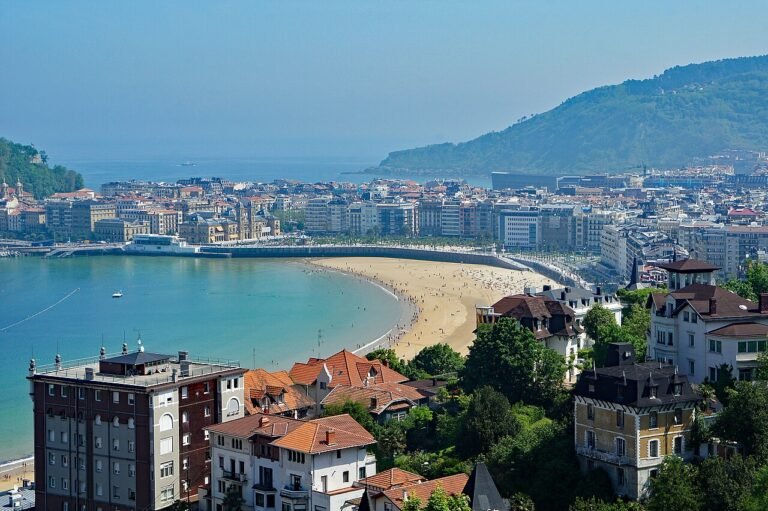
Everything above assumes the classic arc. But two weeks is also exactly enough for Spain’s other great journey — the green Atlantic north — and if your heart is set on pintxos rather than palaces, here is the honest swap. Keep Madrid and Toledo. Then give the middle of the trip to the Basque Country: San Sebastián for three nights — the La Concha bay, the pintxo bars, a day trip to Bilbao for the Guggenheim — and come back down through Burgos or Logroño, Rioja’s wine capital, before Barcelona’s closing block. The north trades the Alhambra, the Mezquita and Seville’s evenings for cooler air, Spain’s best eating per square metre and a coastline that looks more like Ireland than the Mediterranean.
The warning, plainly stated: the north does not chain by rail the way the south does. The AVE spine makes Andalusia effortless; the Basque cities are reached by trains that take the best part of a day from Madrid, or by short internal flights — budget one flight, and treat the north as one base with day trips. And the two arcs do not combine: Madrid, Andalusia, Barcelona and the north in fourteen days is an itinerary-shaped way to see four motorways. Pick your Spain.


14. What Two Weeks Cost: The Honest Sketch
Money first, method second — the full system lives in our budget travel in Spain guide; what follows is its arithmetic applied to this route. That guide prices a day on the ground, per person, at roughly €60–80 travelling lean (simple hotels, menú del día lunches, free museum hours), €120–160 in the comfortable middle (good three-star hotels, every ticket paid without flinching), and €200–250 travelling generously. Fourteen days of that gives an on-the-ground sketch of about €850–1,100 lean, €1,700–2,250 mid-range, and €2,800–3,500 comfortable per person, trains included.
Three honest exclusions, stated rather than hidden. The internal flight sits outside the sketch: bought early it is usually a modest budget fare; bought late it can rival a rail fare — §2’s advice to book it with everything else is financial, not just tidy. The organised tours linked in §§4, 8 and 12 are upgrades on days the itinerary already covers by train, not additions: take them and add their prices on top. And nothing here includes getting to Spain. The advantage stands regardless: the second week costs barely more than the first, because the long-haul flights are already paid.
Travel insurance, sorted
Whether it is a two-week holiday or a longer move, travel insurance is not the most glamorous part of a trip – but it is the one booking you want to have in place before a trip, and while you are already away. Get a quote from SafetyWing
15. Cut It to 10 Days, Stretch It to Three Weeks
Ten days. The surgery is painless because the route is built in blocks. Drop Málaga’s second night and do Ronda as a day trip from Seville instead (the same tours run from both cities), cut Madrid back to two nights with Toledo as the guided day between them, and take Barcelona down to three nights with Girona as the only day trip. Córdoba keeps its single night — by now you know why. All six great sights survive; only elbow room goes.
Three weeks. Add, in this order: Valencia — two nights for the old town, the City of Arts and Sciences and the paella’s home city; the northern loop of §13, four to five nights based in San Sebastián with Bilbao as a day trip; and a slow day wherever the first fortnight felt thinnest — a third night in Granada, or a Málaga beach day with the Caminito del Rey walked properly. Three weeks is when Spain stops being a route and becomes a residence.
Final Thoughts
A week in Spain is a highlights reel — a great one, but a reel. Two weeks is the film. This fortnight asks for nothing heroic: six bases, five trains, one short flight, and the discipline to book two sights and a handful of tickets before you fly. In exchange it hands back everything the week has to refuse — Toledo’s hill, Ronda’s gorge, Málaga’s sea light, Girona’s lanes, a mountain abbey, a last evening in Triana — while never making you run for a train with a suitcase in your hand. Pick your dates, book the Alhambra first, and let the route do the rest. God willing, around Day 10, in a Triana bar with the river lights coming on, you will understand exactly what the extra week bought.

Barcelona Wine Tours: Penedès Cava Trips, Winery Visits and Tastings Worth Booking
Frequently Asked Questions
Is two weeks in Spain enough — or too long?
It is the sweet spot for a first long trip. Fourteen days covers Madrid, the Andalusian arc and Barcelona with day trips to spare, at a pace that never changes hotels two nights running. It is not enough for the north, the islands and Valencia as well — §§13 and 15 show what those need — but for the classic route it is the first length that feels unhurried.
What is the best two-week Spain itinerary route?
The one in this guide: fly into Madrid and out of Barcelona, ride the high-speed railway south through Córdoba, Granada, Málaga and Seville, then take one short internal flight north to Barcelona. It runs in one direction with no backtracking, every surface leg under about two and a quarter hours, and it strings together the Prado, Toledo, the Mezquita, the Alhambra, Seville’s Alcázar and the Sagrada Família.
How many places should I stay in during two weeks in Spain?
Six bases: three nights in Madrid, one in Córdoba, two each in Granada, Málaga and Seville, and three to four in Barcelona. Fewer bases means day trips that are too long; more means your holiday becomes a sequence of check-ins. Córdoba’s single night is the one deliberate exception — it earns its place by giving you the Mezquita’s city after the day-trippers leave.
Should I fly or take the train from Seville to Barcelona?
Fly. Direct flights take about an hour and three quarters and run several times a day, while the direct trains — only a few a day — take a little over six hours on the fastest current services. Every other leg of this itinerary belongs on the railway; this single hop is the exception, and the plane returns most of a day to Barcelona.
What should I book in advance for a two-week Spain trip?
Two things before everything else: the Alhambra — its Nasrid Palaces slots are named, timed and checked against your passport, and they sell out weeks ahead — and the Sagrada Família’s timed entry. Then the high-speed train legs, whose cheapest fares go first; the Seville–Barcelona flight; and timed tickets for the Prado, Toledo Cathedral, Seville’s Alcázar and cathedral and Park Güell. Book the sights the week your dates are fixed, not the week you travel.
How much does two weeks in Spain cost?
On the ground, per person, this route sketches at roughly €850–1,100 travelling lean, €1,700–2,250 in the comfortable middle and €2,800–3,500 travelling generously — beds, food, sights and the southern trains included, based on the daily bands in our budget guide. The internal flight, any organised tours you add, and getting to Spain sit on top of those figures.
Can I do this itinerary in reverse?
Yes — it reads identically backwards: Barcelona first, the flight south to Seville, then Granada, Córdoba and Madrid, with Toledo last. Nothing depends on the direction. Madrid-first simply suits more flight schedules, and puts the Alhambra on Day 6, when you are fully rested.
When is the best time of year for two weeks in Spain?
Spring and autumn, with May and late September into October the strongest windows: Andalusia is warm but not fierce, the great sights are busy but manageable, and every terrace and timetable is running at full stretch. Summer works if you live the Spanish day — sights early, shade at midday, cities after dark — but July and August in Seville and Córdoba are seriously hot. Winter is the quiet bargain: Madrid and Barcelona run cold and clear, Andalusia stays mild, and only the north turns wet.



One Comment