Living in Barcelona: The Honest Pros, Cons, Costs and Neighbourhoods
Every year, thousands of people do the maths on a postcard — the beach, the Gaudí facades, the long lunches — and move to Barcelona. Some stay forever. Some are gone within eighteen months, worn down by things no postcard mentions: the rent, the bureaucracy, the August humidity, the pickpockets working the metro. Both groups are telling the truth. Barcelona is one of Europe’s great cities to live in if you arrive with your eyes open, a realistic budget and the right neighbourhood.
This guide is the eyes-open version: the neighbourhoods people actually settle in (and what each one really feels like at street level), what life here costs in 2026, the pros that live up to the brochure, and the cons nobody puts in one. If you are still at the dreaming stage, start with our Best Things to Do in Barcelona guide and a few days in the city; if you are pricing the move, read on.
Table of Contents
- Why People Move to Barcelona (and Why Some Leave)
- The Neighbourhoods, Honestly
- What It Costs to Live in Barcelona
- The Pros: What Lives Up to the Brochure
- The Cons: What the Brochure Leaves Out
- Everyday Life: Markets, Metro and the Beach
- The Paperwork, Briefly
- Final Thoughts
Why People Move to Barcelona (and Why Some Leave)
The pull is easy to list: a major European city with a beach, mountains behind it, 300-odd days of sun a year, a food culture that treats lunch as a serious event, and an international community big enough that a newcomer can build a social life in weeks. Remote workers, EU professionals, students, retirees and Spanish families moving for work all land here for versions of the same reason — the quality of daily life per euro is very hard to beat this side of the Pyrenees.
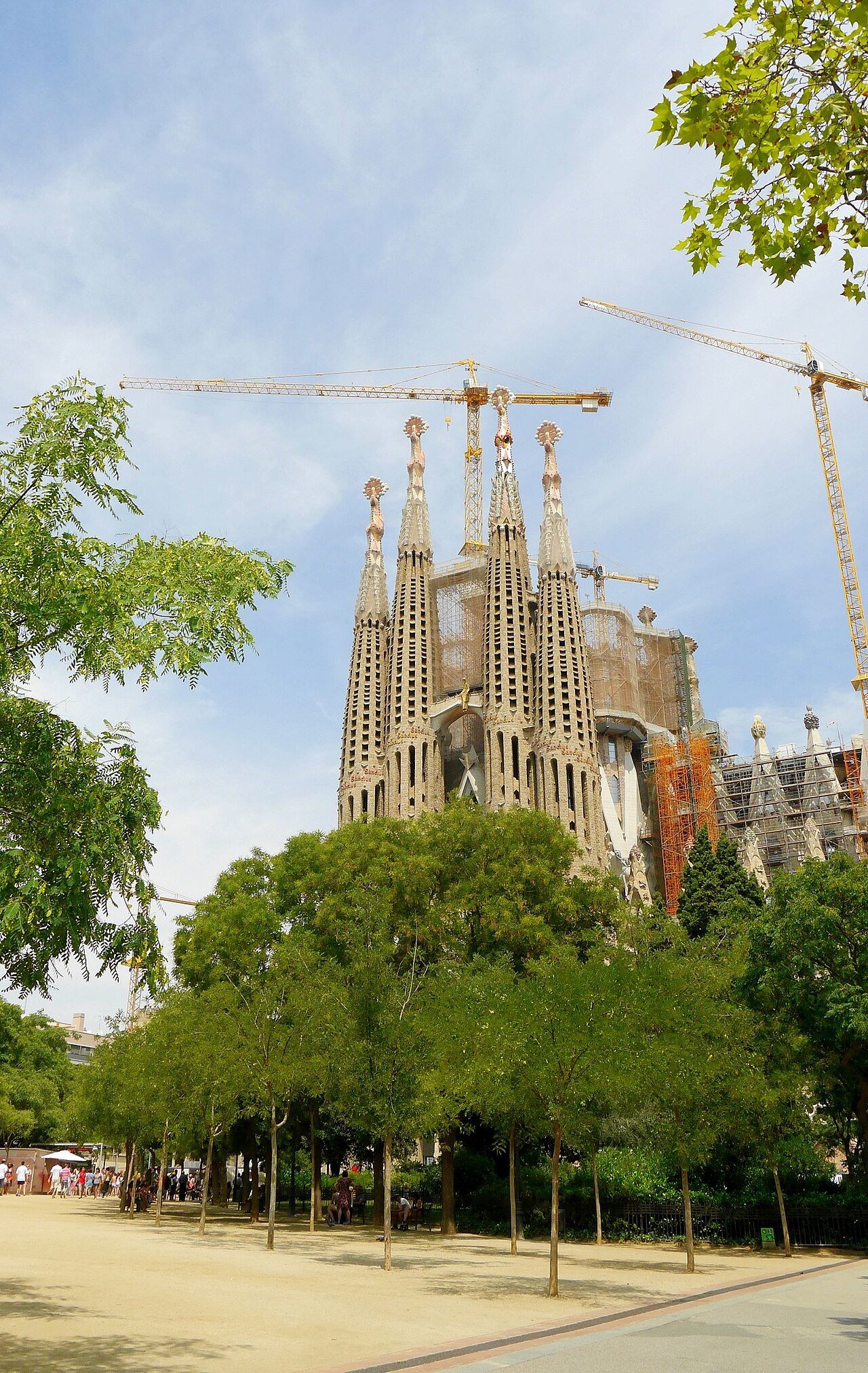
The people who leave early tend to cite the same three things. They underestimated the rent — Barcelona is a genuinely expensive housing market now, closer to a northern-European capital than to the rest of Spain. They underestimated the language: you can survive on English in the international bubble, but daily life, landlords, tradesmen and the town hall run on Spanish and Catalan. And they mistook a holiday for a lifestyle — the visitors’ Barcelona of beach clubs and rooftop bars is a thin layer over a working city with working-city problems. None of that should put you off. It should put you in the right neighbourhood, with the right budget. Which brings us to the part that decides everything.
The Neighbourhoods, Honestly
Choose the neighbourhood before the flat. Barcelona’s districts differ more in daily feel than cities twice its size, and most unhappy movers are simply people who rented in the wrong one.
The Eixample — Grand, Central, Grown-Up
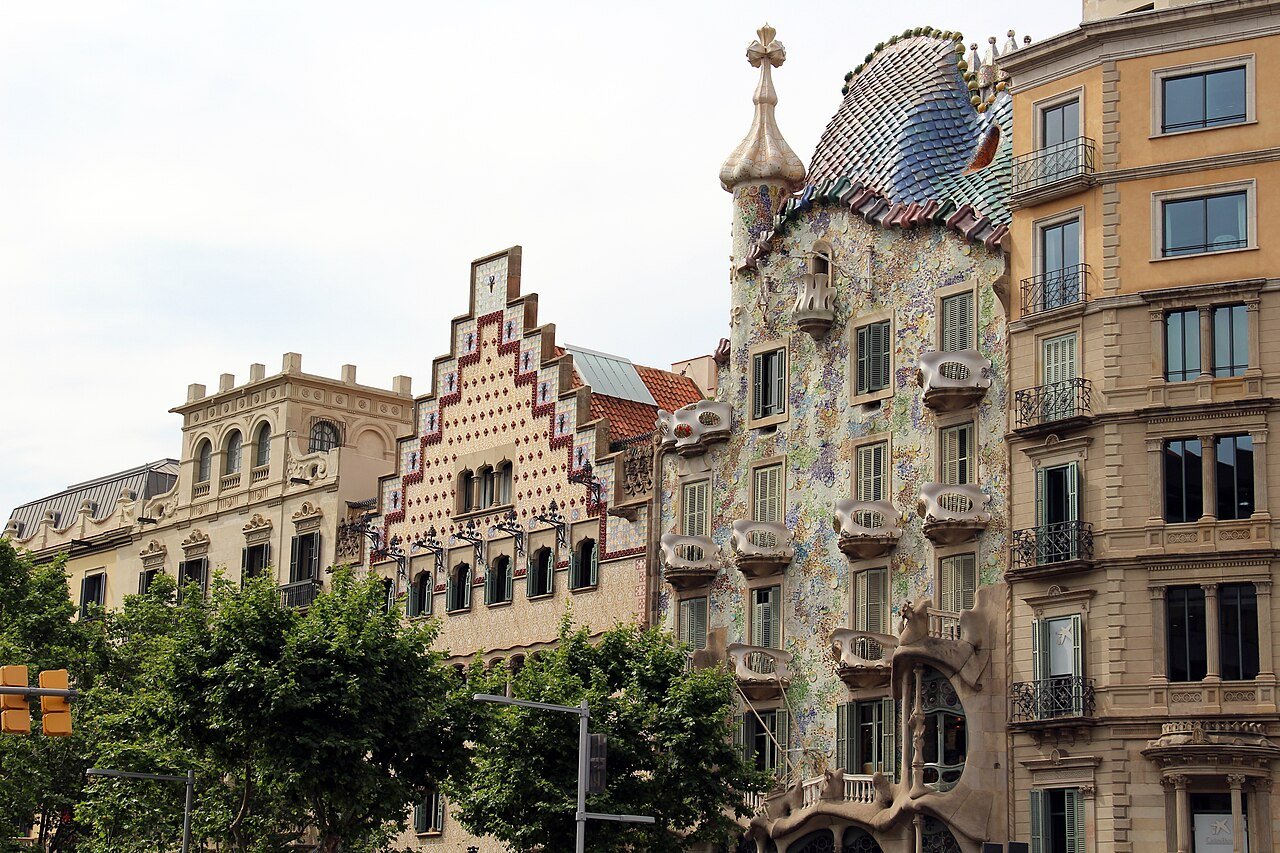
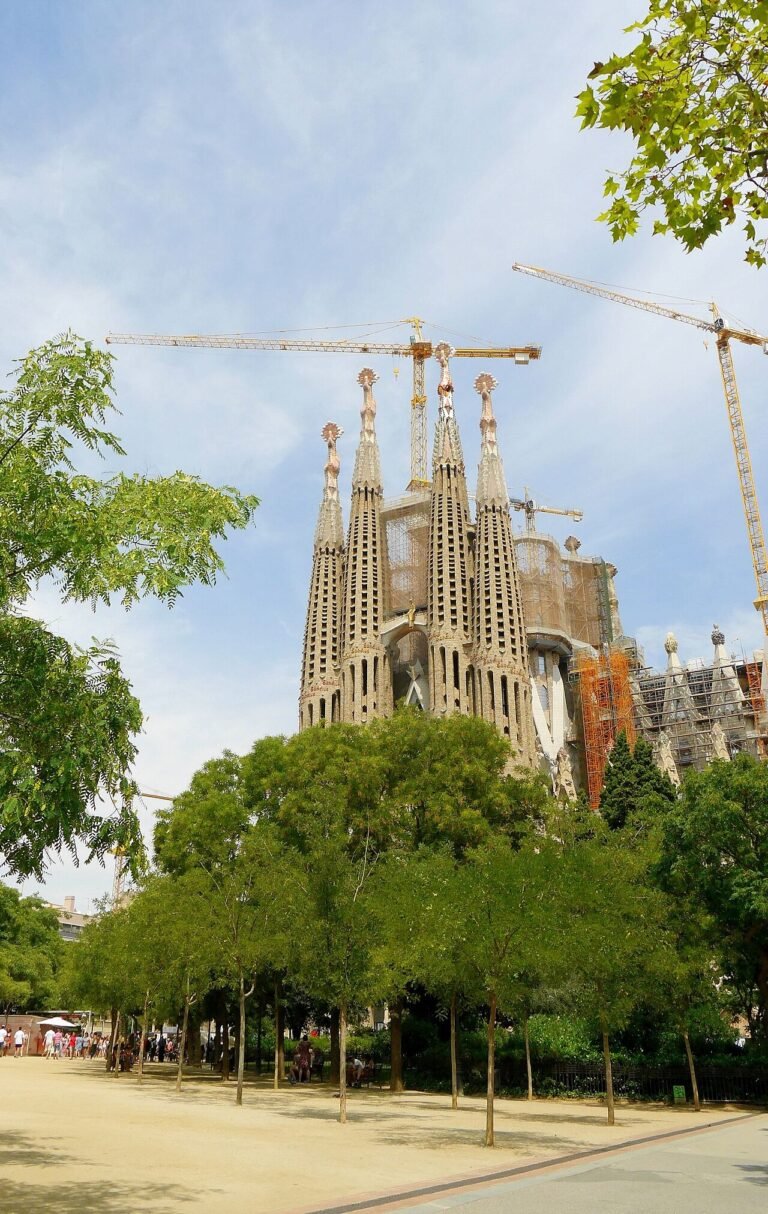
The great grid of octagonal blocks above the old town is Barcelona’s postcard and its living room at once: Modernista facades, wide pavements, a café on every corner and the Sagrada Família rising at its eastern end. Flats here are the city’s classic product — high ceilings, mosaic floors, long galleries — and the area suits professionals and couples who want the whole city walkable and do not mind paying for it. The trade-offs are traffic noise on the main avenues (choose an interior-facing or high-floor flat) and the city’s highest rents outside the uptown districts. Our Where to Stay in Barcelona guide breaks down the Eixample block by block if you want the short-stay view of the same streets.
Gràcia — The Village Inside the City
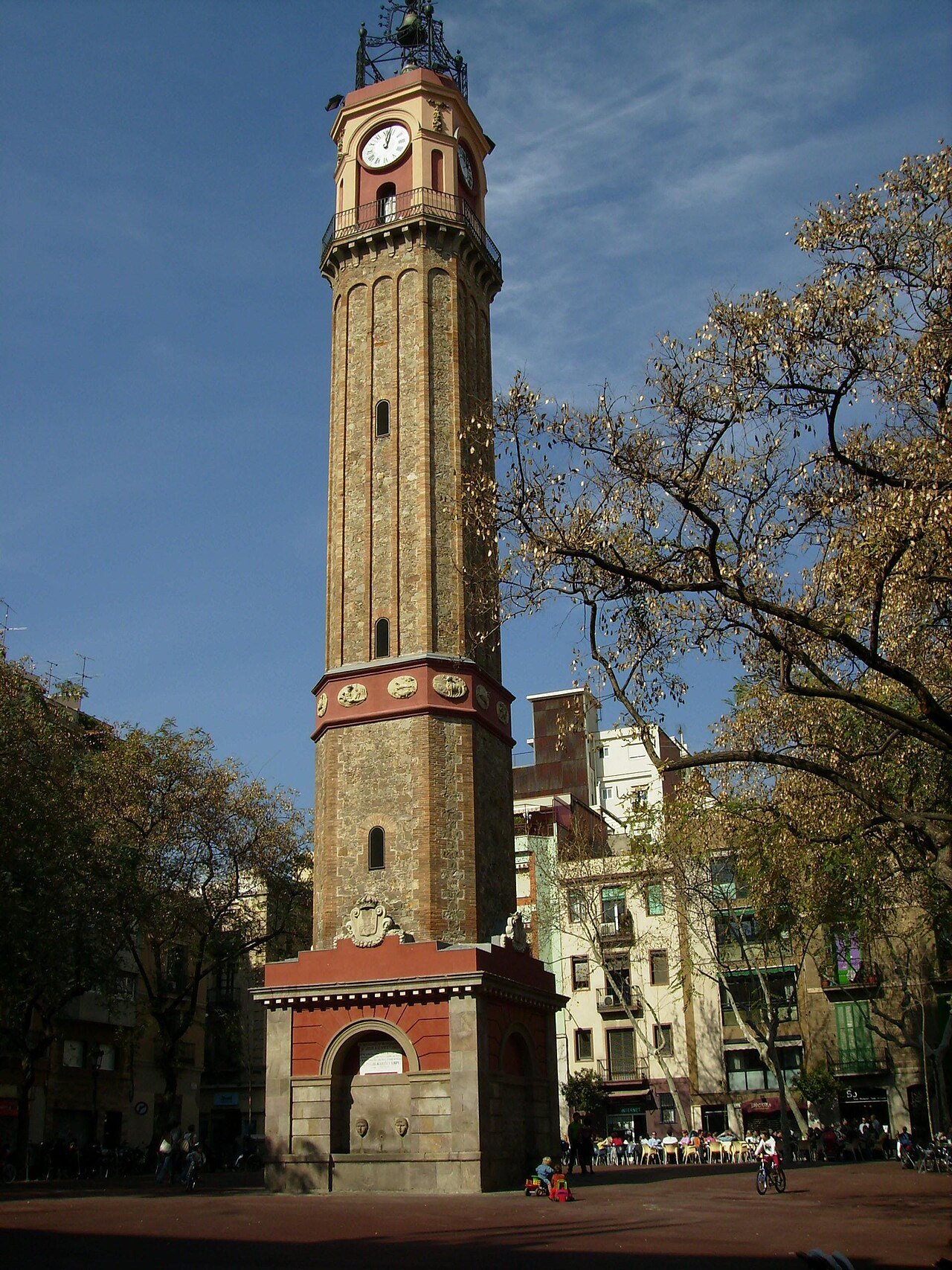
Gràcia was an independent town until 1897 and still behaves like one: a maze of small squares, each with its own bars and personality, a fiercely local festival every August, and streets too narrow for the tourist machine to fully colonise. It is the default choice of young professionals, creatives and young families who want neighbourhood life with the centre twenty minutes away on foot. Flats run smaller and older than the Eixample, rents a notch lower, and the nightlife is plaza-terrace rather than club. If your mental picture of living in Barcelona involves a square, a coffee and the same faces every morning, this is the district that delivers it.
El Born and the Old Town — Beautiful, and Not for Everyone

The medieval lanes around Santa Maria del Mar are the most atmospheric streets in the city — and the most compromised by tourism. Living here means beauty at your door and a crowd outside it: narrow streets that amplify noise, flats that can be dark, and a local shop for every ten souvenir shops in the worst-hit lanes. El Born’s edges, towards the Ciutadella park and the market, stay more liveable than the Gothic Quarter’s core. Choose it for a first year if romance matters more than sleep; most long-termers drift out to Gràcia, Poblenou or the Eixample and come back to visit.
Poblenou — The Local Favourite by the Sea
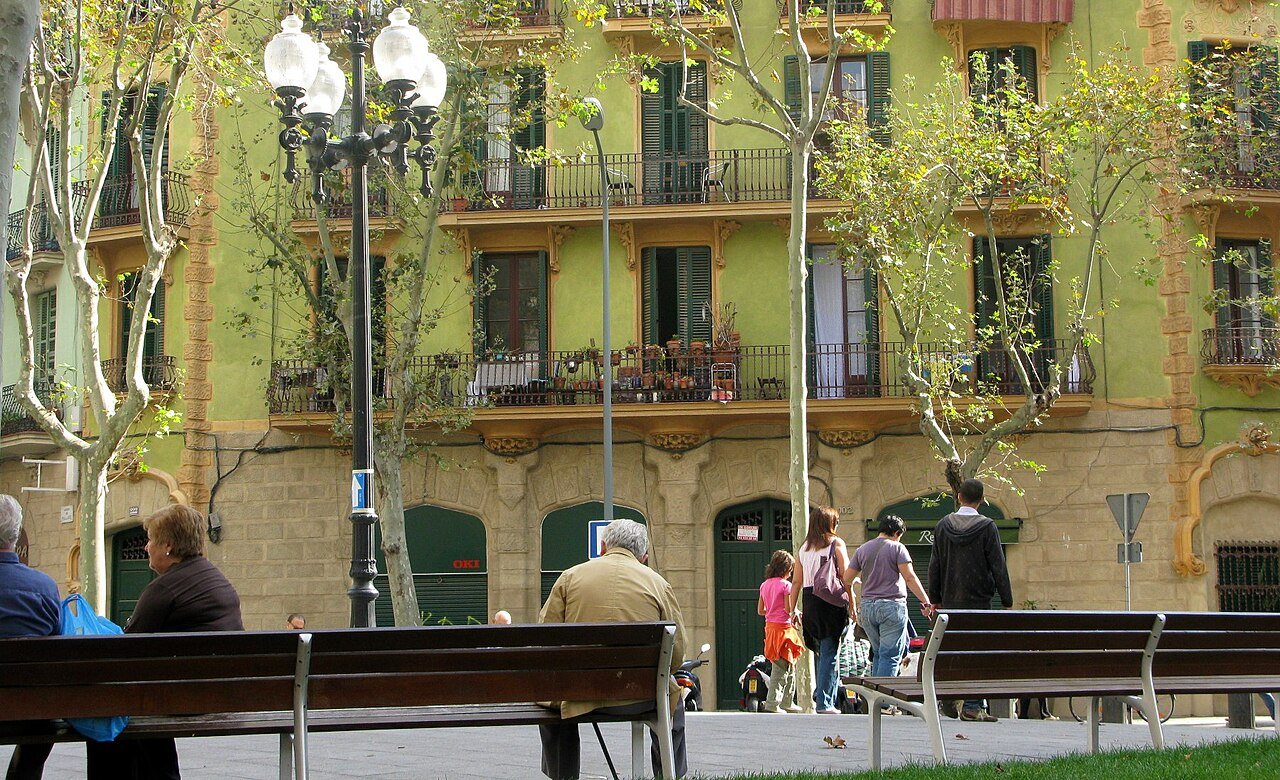
Poblenou is what Barceloneta was before the world arrived: a former industrial, working neighbourhood with its own rambla running down to quieter beaches, old factories converted into studios and tech offices, and a population that still includes the families who have always lived there. It is the fastest-changing district in the city — the 22@ innovation zone sits within it — but it keeps a village spine that the centre lost. Rents sit below the Eixample for larger, newer flats, families rate the schools and the space, and the centre is a metro ride rather than a walk. For many movers this is now the sweet spot.
Sants and the Plaça d’Espanya Side — Real Life, Fair Prices

West of the centre, Sants is unglamorous and proud of it: the city’s main railway station, proper local shopping streets, market halls, and flats at prices that remind you Spain is still Spain once you leave the postcard zone. The Plaça d’Espanya end puts Montjuïc’s parks and museums on your doorstep; the Sants station end puts all of Catalonia — and the high-speed line to Madrid — on yours. It suits Spanish-speaking movers and anyone whose budget says the Eixample is a visit, not a home.
Sarrià-Sant Gervasi — Quiet, Green, Uptown
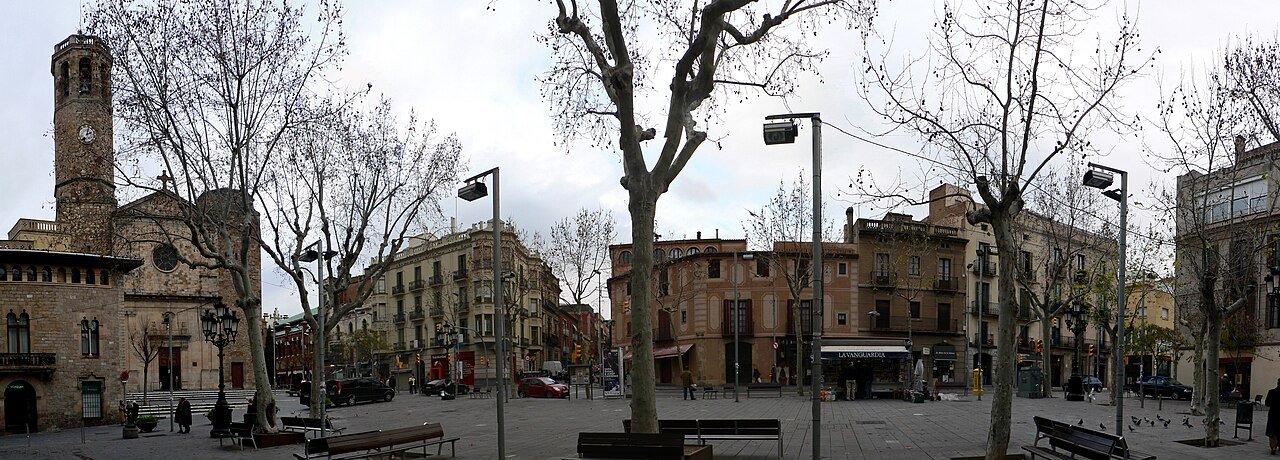
Uptown Barcelona, under the Collserola hills, is where the city’s established families live: Sarrià keeps a village square and a main street of small shops, Sant Gervasi adds embassies, clinics and international schools. It is greener, quieter, more expensive per square metre in its best pockets, and noticeably more Catalan and less international than the centre. Families prioritising schools and calm pick it deliberately; nobody drifts here by accident, and the nightlife is a short FGC train ride away rather than on your street — which is rather the point.
Barceloneta — The Beach, With Asterisks

Living at the beach sounds like the dream and, from October to May, often is: morning swims, the promenade as your front garden, the old town ten minutes behind you. From June to September the same streets host a significant share of Europe’s holidaymaking, with the noise, the short-let flats and the beach vendors that come with it. The old fishermen’s quarter housing stock is small and ageing, too. Verdict: wonderful for a season or a young year; most residents who stay long-term move one district inland and keep the beach as a morning habit instead.
Free Barcelona moving checklist
Thinking of making the move? Get our free one-page Barcelona settling-in checklist: the neighbourhood shortlist, the paperwork order that actually works, and the rental traps to check before you sign.
What It Costs to Live in Barcelona
Barcelona is not cheap Spain — it is best budgeted as a mid-priced European capital with Spanish-priced pleasures. All figures below are realistic 2026 ranges for a normal life, not a survival budget; your mileage will vary by neighbourhood more than by any other factor.
Rent is the number that decides everything. As of 2026, expect roughly €1,200–€1,800 a month for a decent one-bedroom in the Eixample or Gràcia, €900–€1,300 in Poblenou, Sants or further out, and €1,800–€2,800+ for a good two-bedroom in the central districts. Rooms in shared flats run roughly €450–€700. Long-term contracts (five to seven years under current rules) are far better value than the furnished mid-term lets aimed at newcomers — treat a mid-term flat as a landing pad, not a solution.
Bills and basics. Utilities for a one or two-bedroom flat typically land around €100–€180 a month across the year, with summer air-conditioning the swing factor. Broadband is roughly €25–€40. A supermarket shop for one, cooking most meals, runs about €250–€350 a month — and the neighbourhood markets keep fresh food cheaper than in most northern capitals.
Getting around. Almost nobody needs a car. The integrated transport pass (the T-usual and its successors) has recently cost around €20–€25 a month for unlimited metro, bus and tram travel within the city zone — one of the great bargains of European city life, though the exact fare is set year by year, so check the current price before you budget it to the euro.
Eating and drinking out remain gloriously reasonable: a menú del día lunch at roughly €12–€16, a coffee around €1.50–€2, tapas and drinks for two at €30–€45 in a neighbourhood bar. The city’s pleasures are priced for residents; only the tourist-core terraces are not.
Put together, a single person renting a one-bedroom in a central district should expect roughly €2,000–€2,600 a month all-in for a comfortable life; a couple sharing can live well on €2,800–€3,600 between them. Drop a district or share a flat and those numbers fall fast.
The Pros: What Lives Up to the Brochure
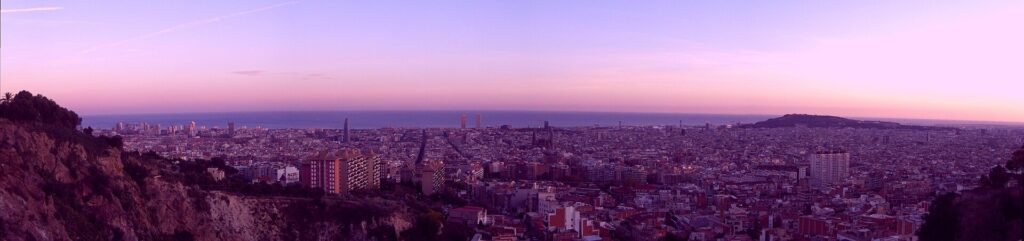
The daily-life dividend. Beach before work in summer, mountains behind the city for Sunday, a public park — and the Bunkers del Carmel viewpoint above the whole grid — that cost nothing. Barcelona’s best assets are free and outdoors.

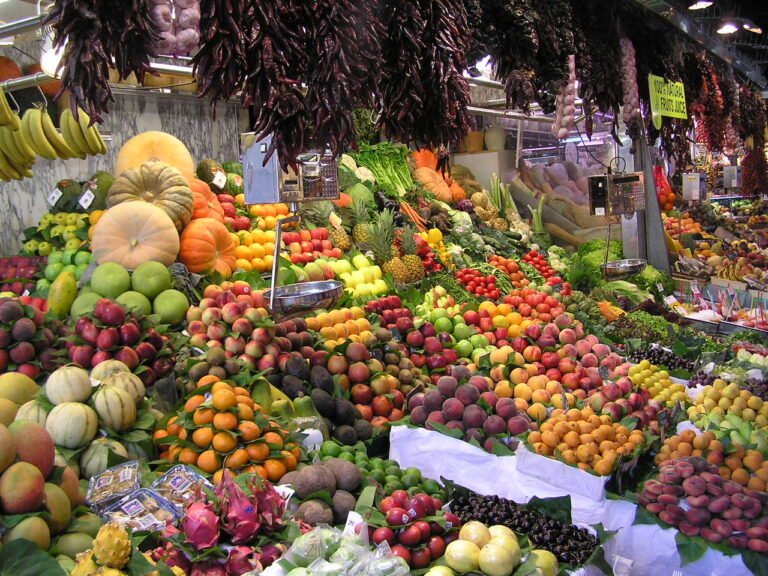
The food culture. Not restaurants, though there are thousands: the default settings. A market hall in every district, a three-course lunch as a weekday institution, vermouth on Sundays. Eating well here is not a hobby; it is the water you swim in.
The connectivity. An airport with flights everywhere in Europe, high-speed trains to Madrid and France, and a metro that makes the whole city a 30-minute proposition. Few cities this liveable are this easy to leave and return to.
The international layer — without the bubble being compulsory. There are meetups, coworking spaces and English-speaking services enough to land softly, and a whole Catalan-Spanish city beyond them when you are ready. You choose your ratio.
The Cons: What the Brochure Leaves Out
Housing pressure is real. Demand outruns supply in every decent district; good flats go in days, scams target newcomers, and the politics of tourism and rent are live arguments you will hear at the bar. Arrive with documents ready (work contract, payslips, ID) and never pay a deposit on a flat you have not stood inside.
Petty crime is the city’s open secret. Pickpocketing on the metro and around La Rambla and the Sagrada Família is industrial in scale. It is a property crime problem, not a safety-in-the-street problem — Barcelona feels safe at night in a way many capitals do not — but your phone and wallet need habits, not hope.
Bureaucracy runs at its own pace. Appointments (citas) for foreigner paperwork can take weeks to appear; processes need Spanish or a gestor; nothing about the system rewards impatience. It all works out — everyone’s does — but budget time and temper for it in month one.
August, and the summer generally. The city empties of locals, fills with visitors, and turns humid in a way the sea breeze only partly fixes; many small businesses close for weeks. Movers learn to love September the way locals do.
You will need the languages. English opens the first doors; Spanish runs the city; Catalan opens the society. None is strictly required on day one — all three pay compound interest, and even modest Spanish changes how the city treats you.
Everyday Life: Markets, Metro and the Beach
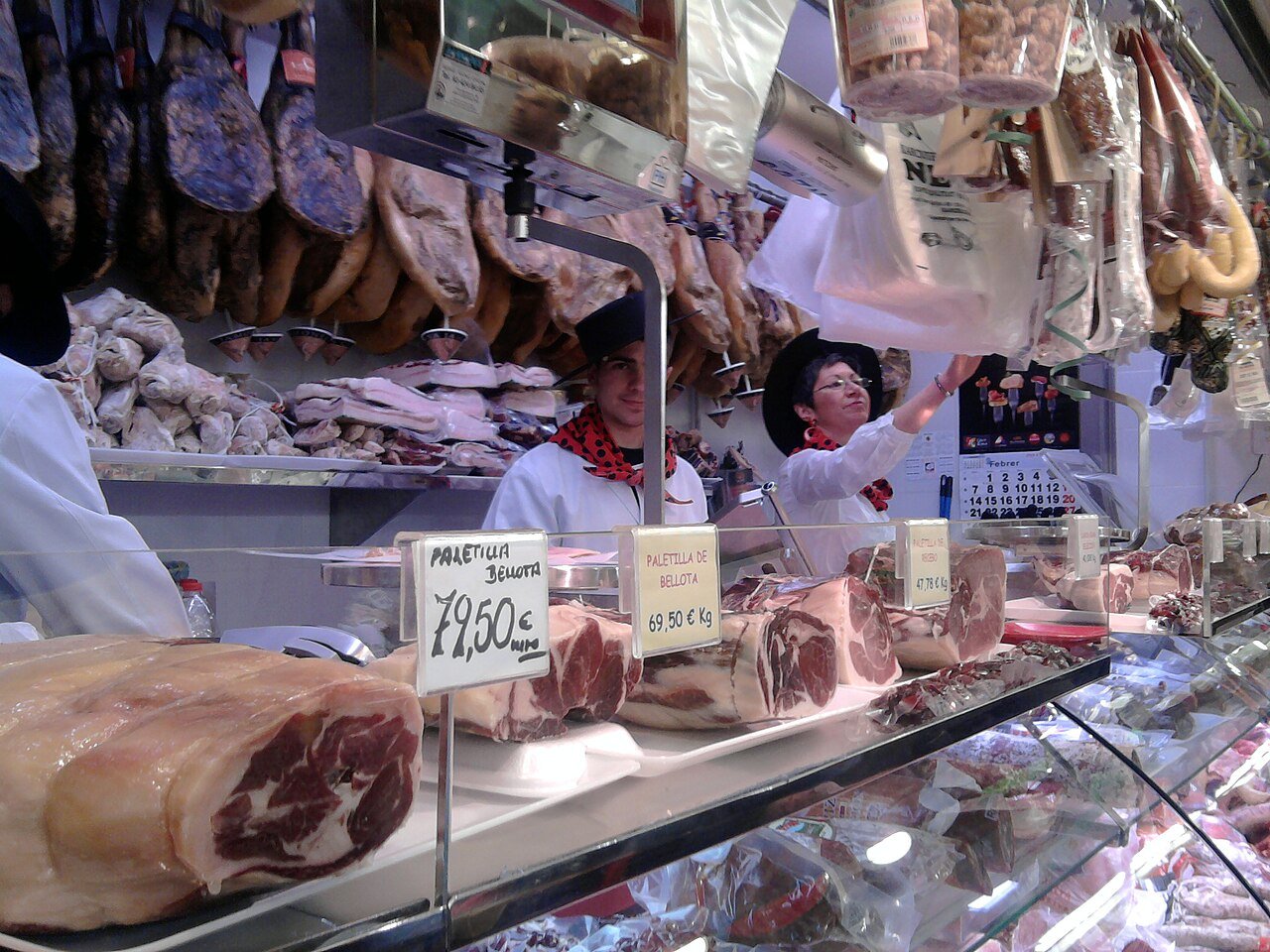
The machinery of daily life is where Barcelona quietly wins. Every district has its market hall — Sant Antoni’s, rebuilt and magnificent, is the emblem — and the rhythm of shopping small and often replaces the weekly supermarket haul.
Underneath it all, the metro runs until midnight on weekdays and all night on Saturdays, supplemented by buses, trams and the Bicing bike-share for residents; most residents’ worlds are walkable in any case, in a grid city built before the car.

And the sea is not a day trip. For eight months of the year the beaches are a local’s park — morning swims, lunchtime runs, evening volleyball — which is perhaps the single hardest thing to give up for everyone who eventually leaves. Stitch the sights into your first weeks with our 3 Days in Barcelona itinerary and you will also, without noticing, have walked most of the districts in this guide.
The Paperwork, Briefly
Three steps, in this order, cover most moves. First, the empadronamiento — registering your address at the town hall; it is the key that unlocks almost everything else and is straightforward with a rental contract. Second, your NIE (foreigner ID number) and, for non-EU citizens, the residence card that matches your visa; EU citizens register for their green certificate instead. Third, registering with the public health system once you are working or otherwise entitled, which gives you a local health centre and doctor. Rules and appointment systems change, consulates and the city’s own newcomer services publish the current detail, and a good gestor (administrative agent) is money well spent if your Spanish is new. Do not let anyone sell you panic about this — hundreds of thousands have done it before you, in this exact city, this year.
Travel insurance, sorted
Whether it is a two-week holiday or a longer move, travel insurance is the one booking not to skip. We point readers to SafetyWing’s Nomad Insurance — cover built for travellers, remote workers and longer stays abroad, on a flexible monthly subscription you can start before a trip or while you are already away. Get a quote from SafetyWing
Final Thoughts
Living in Barcelona rewards the people who choose it on purpose: the right district for their life, a budget based on Barcelona’s prices rather than Spain’s, and the patience to let paperwork and language catch up with the dream. Get those three right and the city’s side of the bargain — the light, the food, the sea, the street life — is kept every single day. Come for a month before you commit, walk the neighbourhoods at night as well as at noon, and read our Your Ultimate Guide to Barcelona for everything else we have written about the city. If it still feels like yours after that, it probably is.
¡Buen viaje!
READ NEXT
Your Ultimate Guide to Barcelona
Planning your move or your next trip? Explore the full Barcelona guide for more sights, neighbourhoods and practical planning.
Photo credits: Illa de la Discòrdia, Passeig de Gràcia — Fred Romero, CC BY 2.0 · Torre del Rellotge, Plaça de la Vila de Gràcia — puigalder, CC BY-SA 3.0 · Santa Maria del Mar — Kent Wang, CC BY-SA 4.0 · Rambla del Poblenou — Alain Rouiller, CC BY-SA 2.0 · Venetian Towers, Plaça d’Espanya — Didier Descouens, CC BY-SA 4.0 · Plaça de Sarrià — Oliver-Bonjoch, CC BY-SA 3.0 · Barceloneta beach — Otto Normalverbraucher, CC BY-SA 2.0 AT · Sagrada Família — Ronny Siegel, CC BY 4.0 · La Rambla dels Caputxins — Txllxt TxllxT, CC BY-SA 4.0 · Mercat de Sant Antoni — Pilar Romero Meza, CC BY-SA 3.0 · Metro at Plaça de Catalunya — John Seb Barber, CC BY 2.0 · Bunkers del Carmel view — Thingstodoinbarcelona, CC BY-SA 4.0. All via Wikimedia Commons.




One Comment