Living in Seville: What It’s Really Like to Make Andalusia’s Capital Home
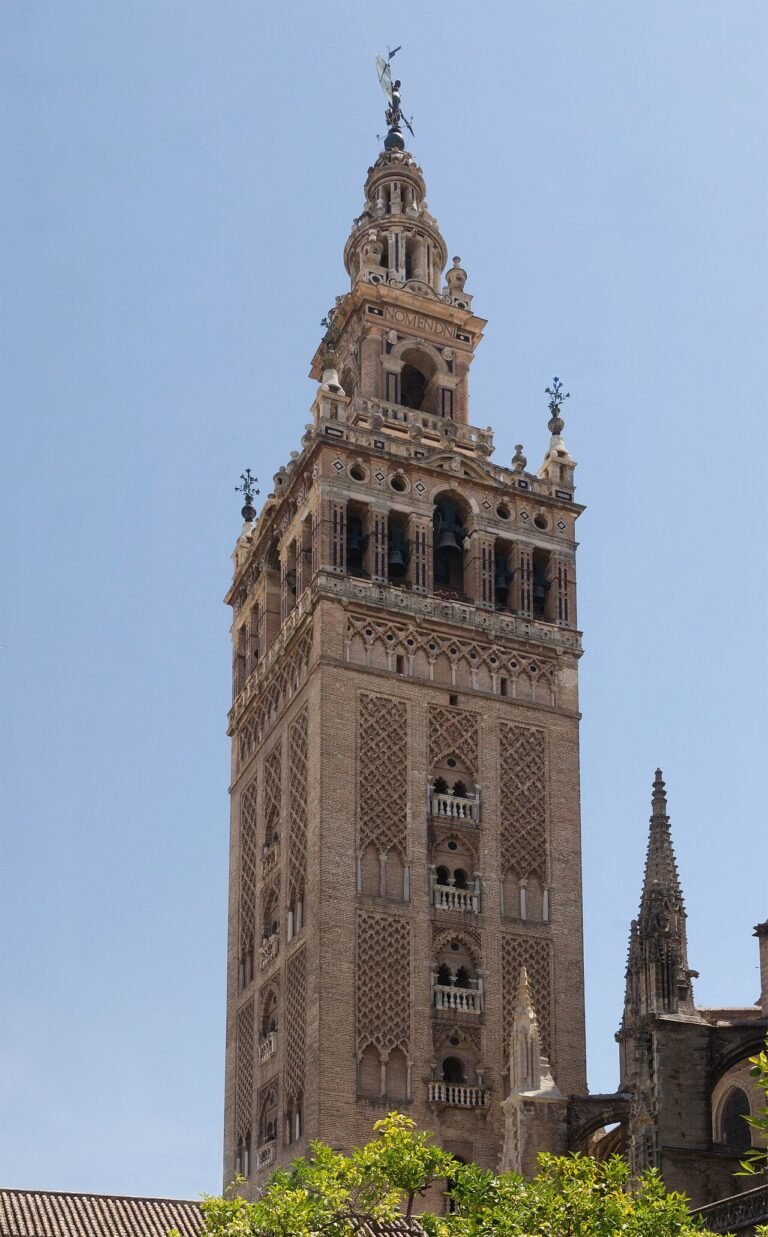
Seville seduces visitors in a weekend — the orange trees, the Giralda at dusk, a city that seems to run on beauty and tapas alone. Living here is a different and, in many ways, better proposition: the same city, minus the sightseeing, plus a rhythm of life built around shade, siesta, festivals and the river. It is also one of the most affordable major cities in western Europe, with a quality-of-life ceiling few places at any price can match — provided you can handle a summer that does not so much warm the city as occupy it.
This is the honest resident’s version: the neighbourhoods people actually settle in, what life costs as of 2026, the genuine pros, and the cons — heat first among them — stated plainly. If you are still in the falling-in-love phase, our Best Things to Do in Seville guide is the right place to start; this page is for pricing the relationship.
Table of Contents
- Why Seville, and Who It Suits
- The Neighbourhoods, Honestly
- Barrio Santa Cruz — The Postcard, at a Price
- Centro and El Arenal — The Practical Heart
- Triana — The Local Favourite Across the River
- Alameda de Hércules — Young, Late and Bohemian
- Nervión — Modern, Practical, Football-Mad
- Los Remedios — Calm, Residential, Great Value
- Macarena — Real Seville, North of the Walls
- What It Costs to Live in Seville
- The Pros: A Life Built Around Pleasure
- The Cons, Stated Plainly
- The Rhythm of the Year
- The Paperwork, Briefly
- Final Thoughts
Why Seville, and Who It Suits
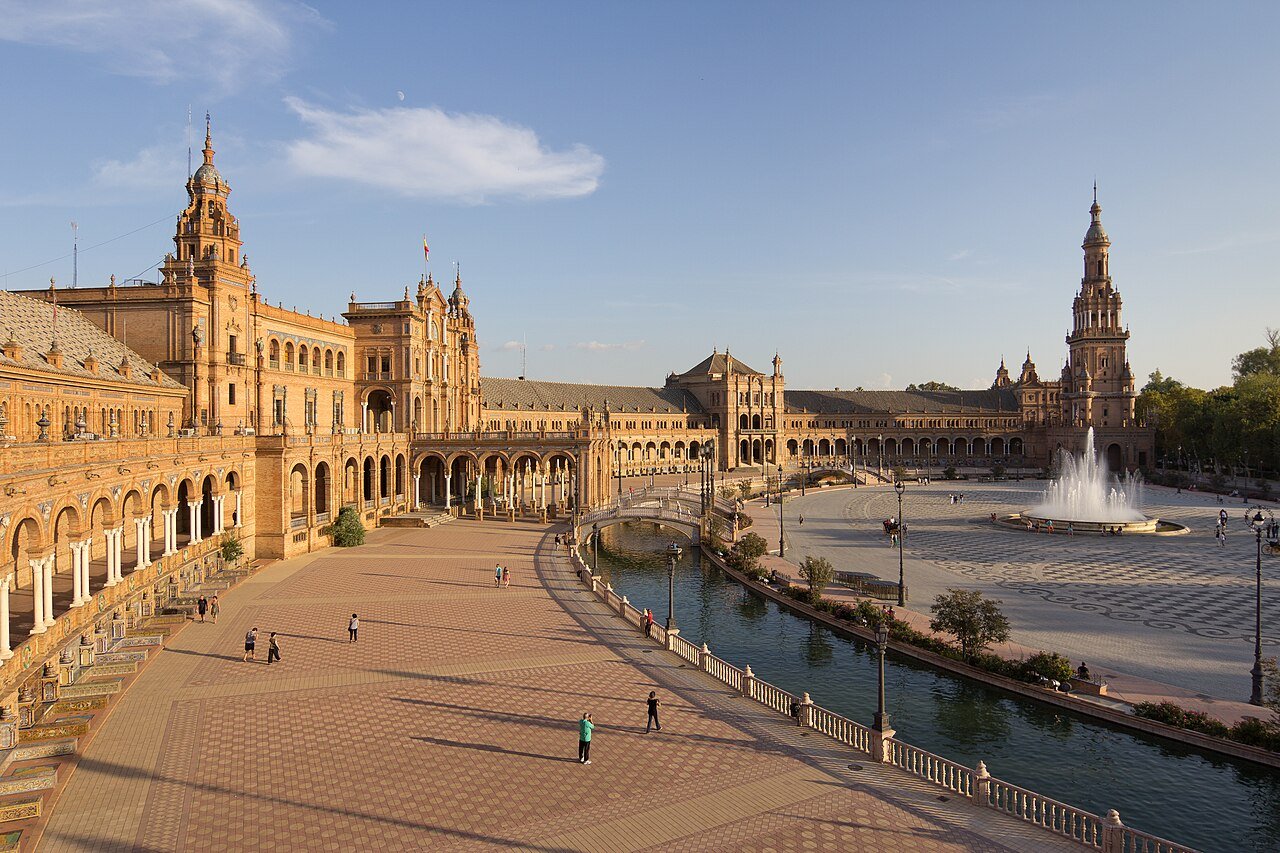
Start with the arithmetic: Seville gives you a monumental, walkable, endlessly social city — the fourth largest in Spain — at rents and restaurant prices a full tier below Madrid and Barcelona. Add around 300 days of sun a year, a historic centre that is a lived-in city rather than a museum, and a culture that treats eating, drinking and being outside with friends as the main events of the day, and the appeal writes itself.
It suits remote workers and freelancers whose income arrives from elsewhere, retirees who want a real Spanish city rather than a resort coast, students (the university is large and the Erasmus crowd historic), and anyone whose plan is to learn Spanish properly — here, unlike the international capitals, daily life insists on it. It suits people who earn locally less well: Seville’s job market is the honest asterisk on the whole proposition, and we will come back to it.
The Neighbourhoods, Honestly
Seville divides along the river and by distance from the Cathedral. Almost everything a newcomer wants is within a twenty-minute walk of it — the skill is choosing which twenty minutes.
Barrio Santa Cruz — The Postcard, at a Price
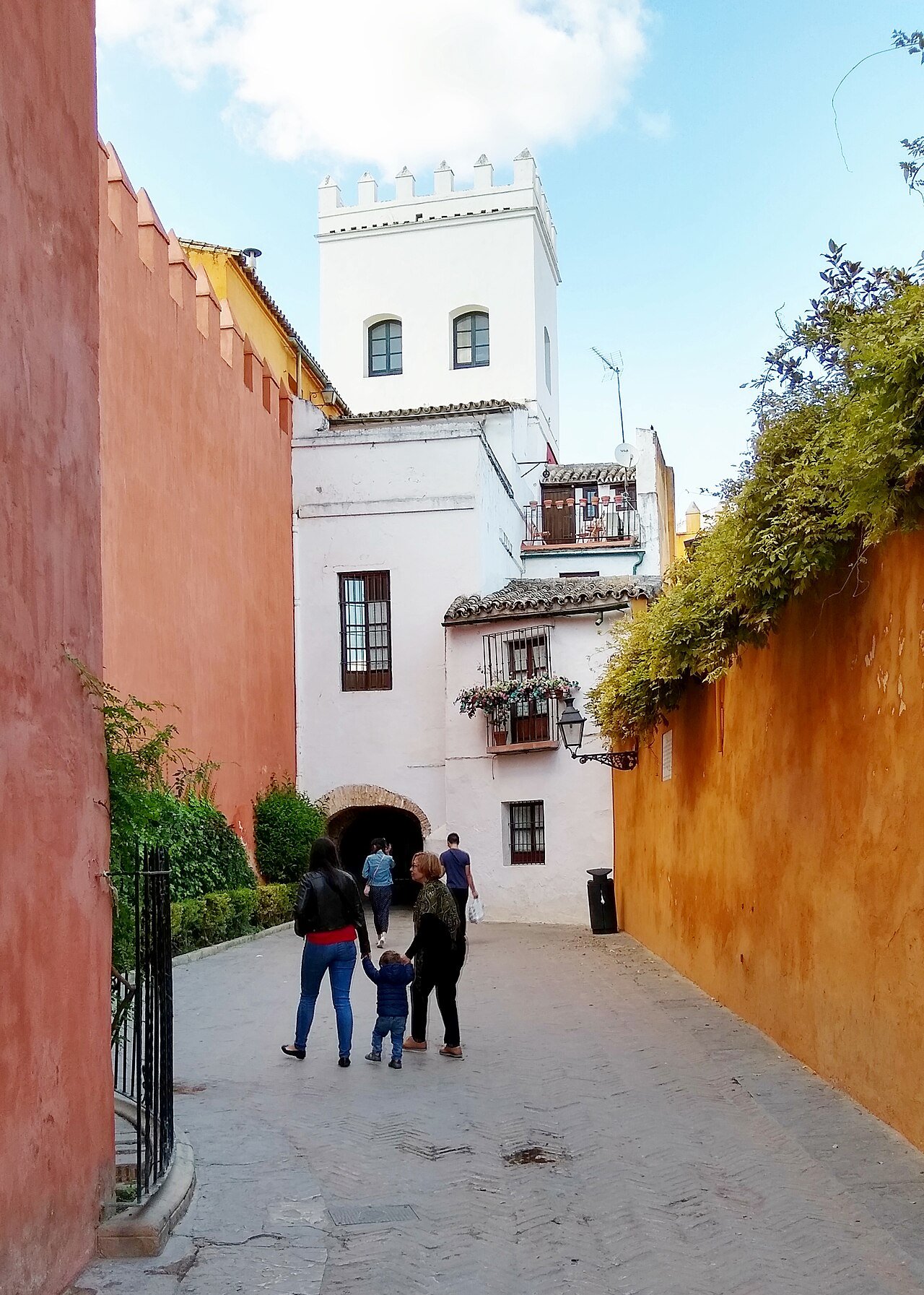
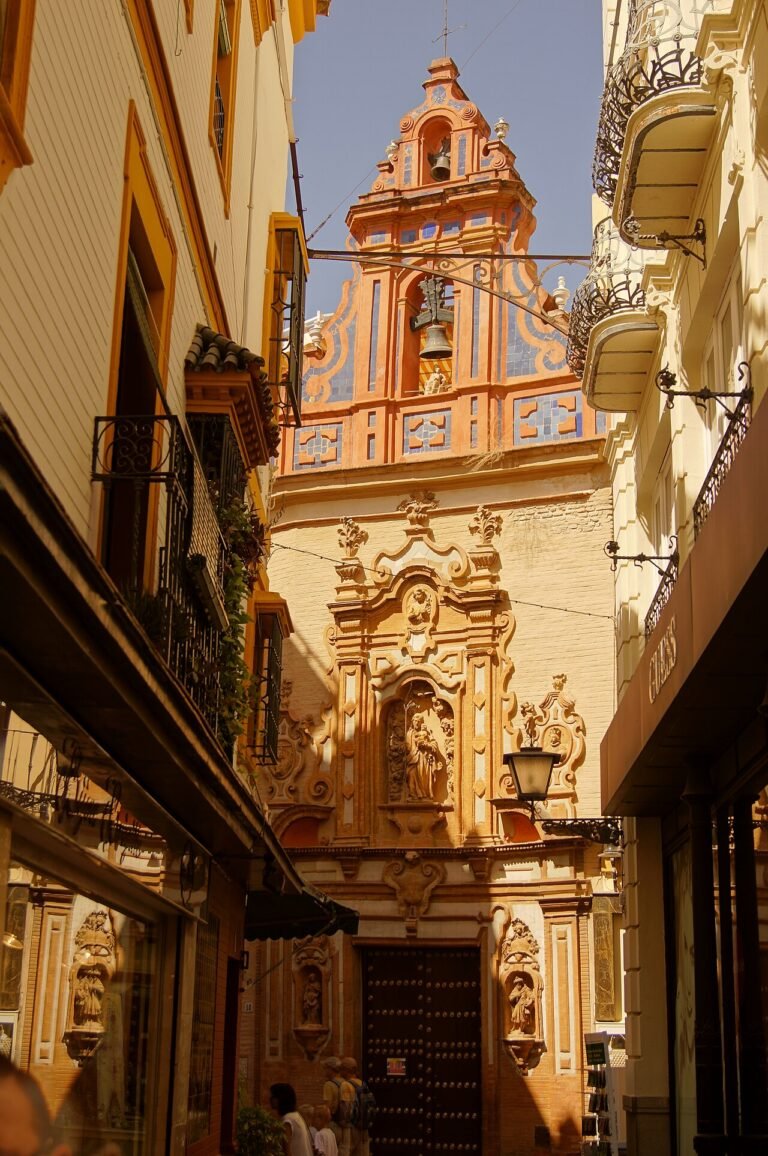
The old Jewish quarter is the Seville of the imagination: whitewashed lanes, orange trees, the Cathedral and Alcázar at the end of your street. Long-term flats here are scarce — much of the stock is small, old or aimed at visitors — and rents carry a postcard premium, but for a first year in the city it is incomparable: car-free, shaded, safe at all hours, and so beautiful it recalibrates your standards permanently. Couples and romantics first; families needing space, look across the squares instead.
Centro and El Arenal — The Practical Heart

The streets between Plaza Nueva, the shopping avenues and the bullring are Seville’s working centre: department stores, the tram, the oldest tapas bars in the city, and flats in every bracket from grand 19th-century floors to modest apartments over shops. It is less storybook than Santa Cruz and more useful — everything, including the station bus and the river, within ten minutes. For most movers this is the sensible default: central without the theme-park feel, and where our Where to Stay in Seville guide points short-stay visitors for the same reasons.
Triana — The Local Favourite Across the River

Cross the Isabel II bridge and Seville changes key. Triana — potters, sailors, flamenco singers, the city’s great food market — has its own identity, its own patroness, and a loyal population that considers the centre “over there”. The view from Calle Betis is the postcard (the old town, framed across the water), the prices are noticeably lower than Santa Cruz, and the evening bar scene is as local as it gets. It is the district repeat visitors fall for; as a resident you get the best of both banks, ten minutes apart on foot.
Alameda de Hércules — Young, Late and Bohemian
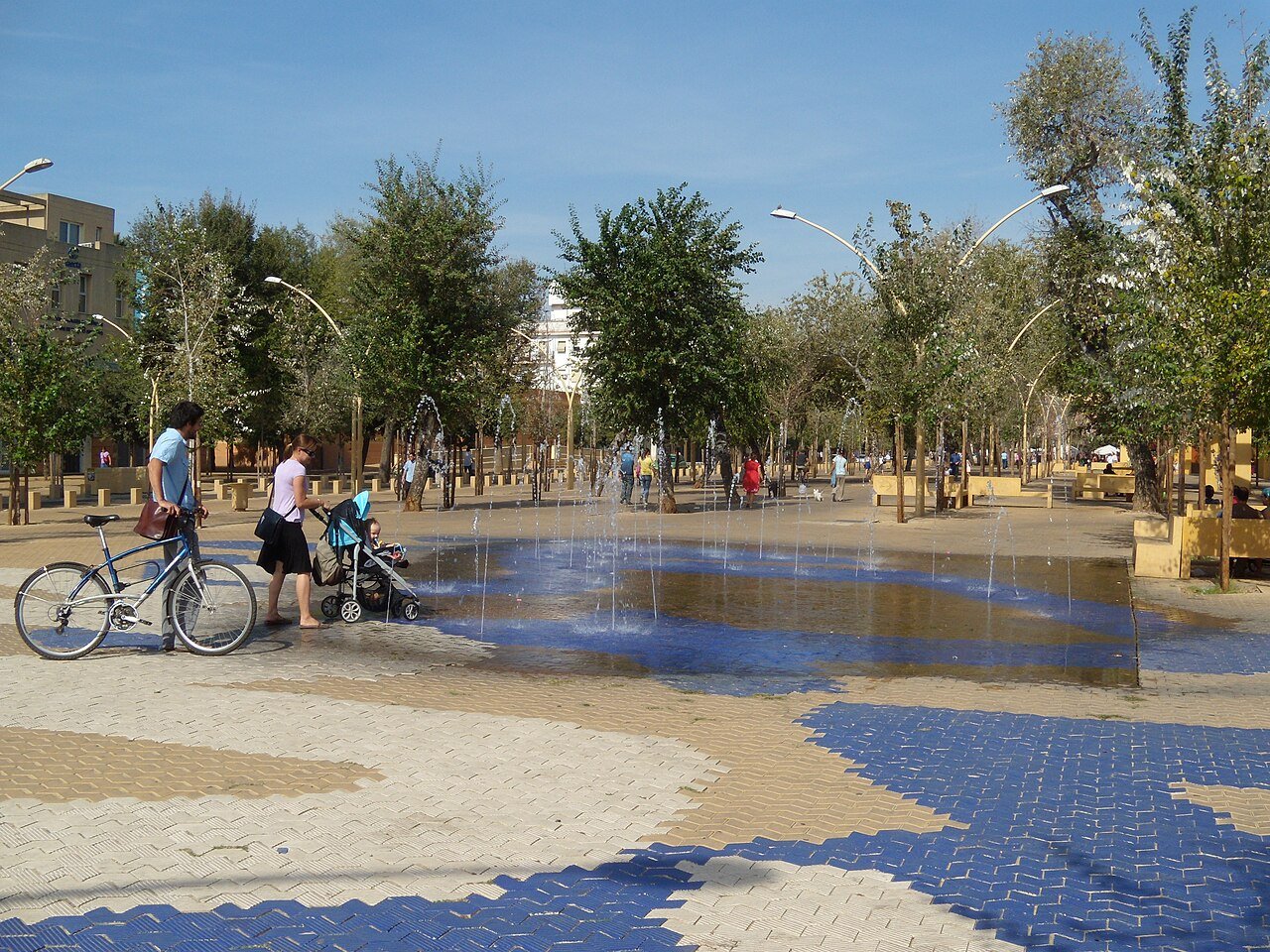
The broad boulevard at the old town’s northern edge is the city’s alternative living room: vintage shops, small theatres, craft beer, terraces that fill from 8pm, and the area around it — San Luis, Feria street, the Thursday flea market — is among the most genuinely residential in the centre. Rents here undercut the monument zone while staying a fifteen-minute walk from the Cathedral, which is why students, creatives and younger movers cluster here. The trade-off is exactly what you would expect of the fun district: weekends are loud, and your street may be part of the party.
Nervión — Modern, Practical, Football-Mad
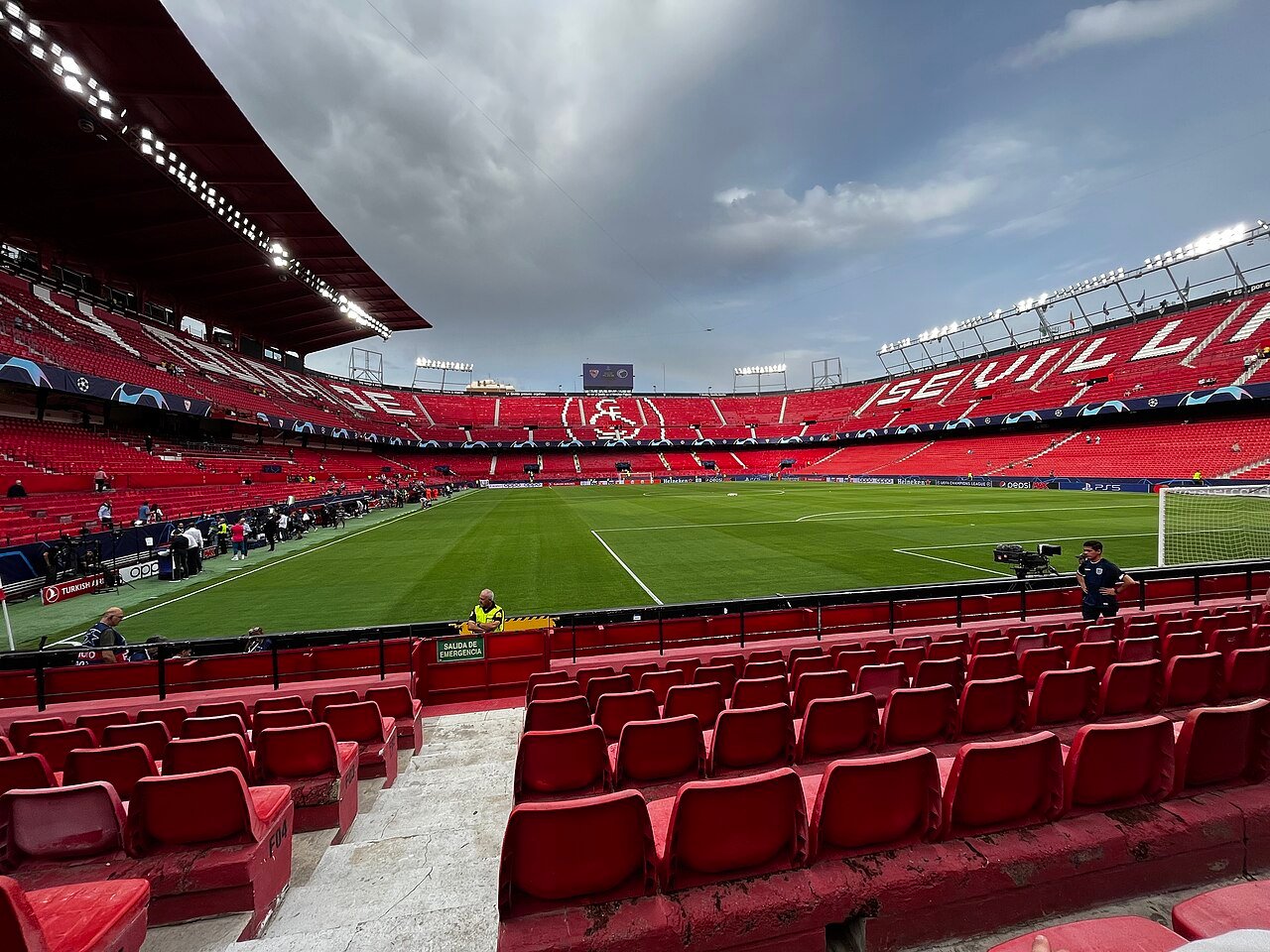
East of the centre, Nervión is Seville built for residents rather than visitors: wide avenues, the city’s big shopping mall, modern apartment blocks with lifts and parking, and Santa Justa station — the high-speed gateway to Madrid and Córdoba — at its edge. Its heartbeat is the Sánchez-Pizjuán, Sevilla FC’s stadium, and match nights reorganise the whole district. Rents buy you more space and more modernity per euro than anywhere central, the old town is ten minutes by tram or metro, and what you surrender is charm. Professionals working at the station-side offices and families who value ease over atmosphere choose it on purpose.
Los Remedios — Calm, Residential, Great Value
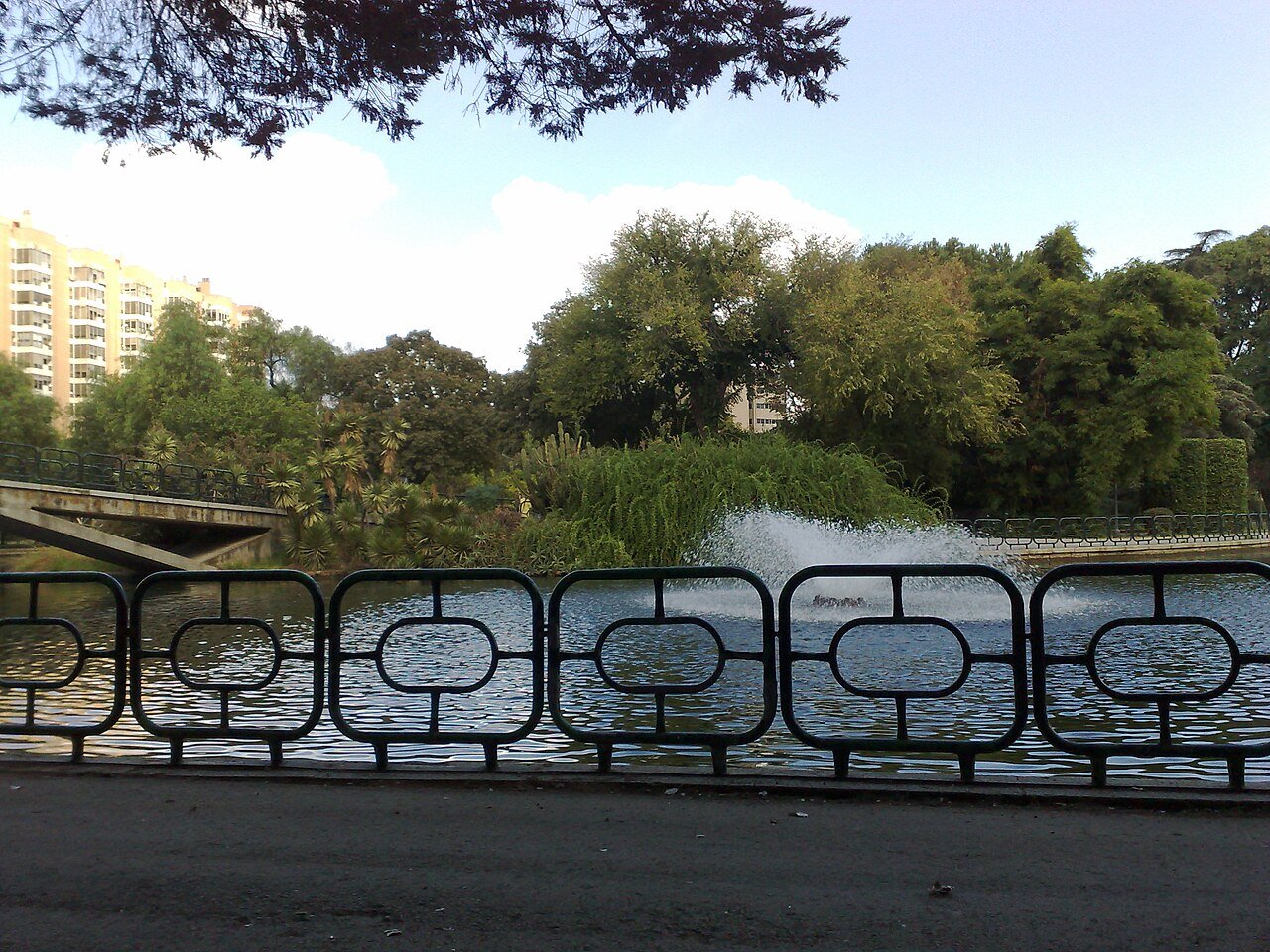
Directly south of Triana, Los Remedios is where prosperous Sevillian families actually live: orderly streets, good local restaurants on Calle Asunción, the green Parque de los Príncipes as its garden, and — one week a year — the Feria fairground at its edge, making it the most coveted base in the city each April. The rest of the year it is calm, safe, well-served and cheaper than the old town, fifteen minutes’ walk over the San Telmo bridge. There are few hotels here because it is a neighbourhood of homes — as a resident, that is the recommendation.
Macarena — Real Seville, North of the Walls

Beyond the Arco de la Macarena and the longest surviving stretch of the medieval walls, the Macarena district is traditional, working Seville at full strength: the basilica of the city’s beloved Virgin, local markets, old-school bars and prices that belong to a city before tourism. Holy Week turns it into the emotional centre of Seville’s year — a privilege to live inside and a logistical event to plan around. The Cathedral is a twenty-minute walk or a short bus ride. Return visitors and Spanish-speakers who want the city as its people know it end up here; it repays them.
Free Seville settling-in guide
Planning a move to Seville? Get our free one-page Seville checklist: the neighbourhood shortlist, the paperwork order that works, and the heat-survival rules every new resident learns the hard way.
What It Costs to Live in Seville
Seville is where the Spanish cost advantage still lives. As of 2026, a single person can live comfortably here — not carefully, comfortably — on roughly €1,400–€1,900 a month including a central one-bedroom; a couple sharing does very well on €2,000–€2,600 between them. The breakdown:
Rent. Expect roughly €800–€1,200 a month for a good one-bedroom in Santa Cruz, Centro or Triana, €650–€900 in Nervión, Los Remedios or the Macarena, and €1,200–€1,700 for a spacious two-bedroom in the best central streets. Shared-flat rooms run around €300–€450. Stock in the old town is old — check the air-conditioning and the shutters as carefully as the rent, because in July they are the flat.
Bills and food. Utilities for a small flat typically run €80–€140 a month across the year, with the summer air-conditioning spike replacing any winter heating bill. Supermarket costs track the Spanish average — roughly €200–€300 a month for one person cooking most meals — and the markets, Triana’s above all, keep fresh fish, produce and jamón at prices visitors photograph in disbelief.
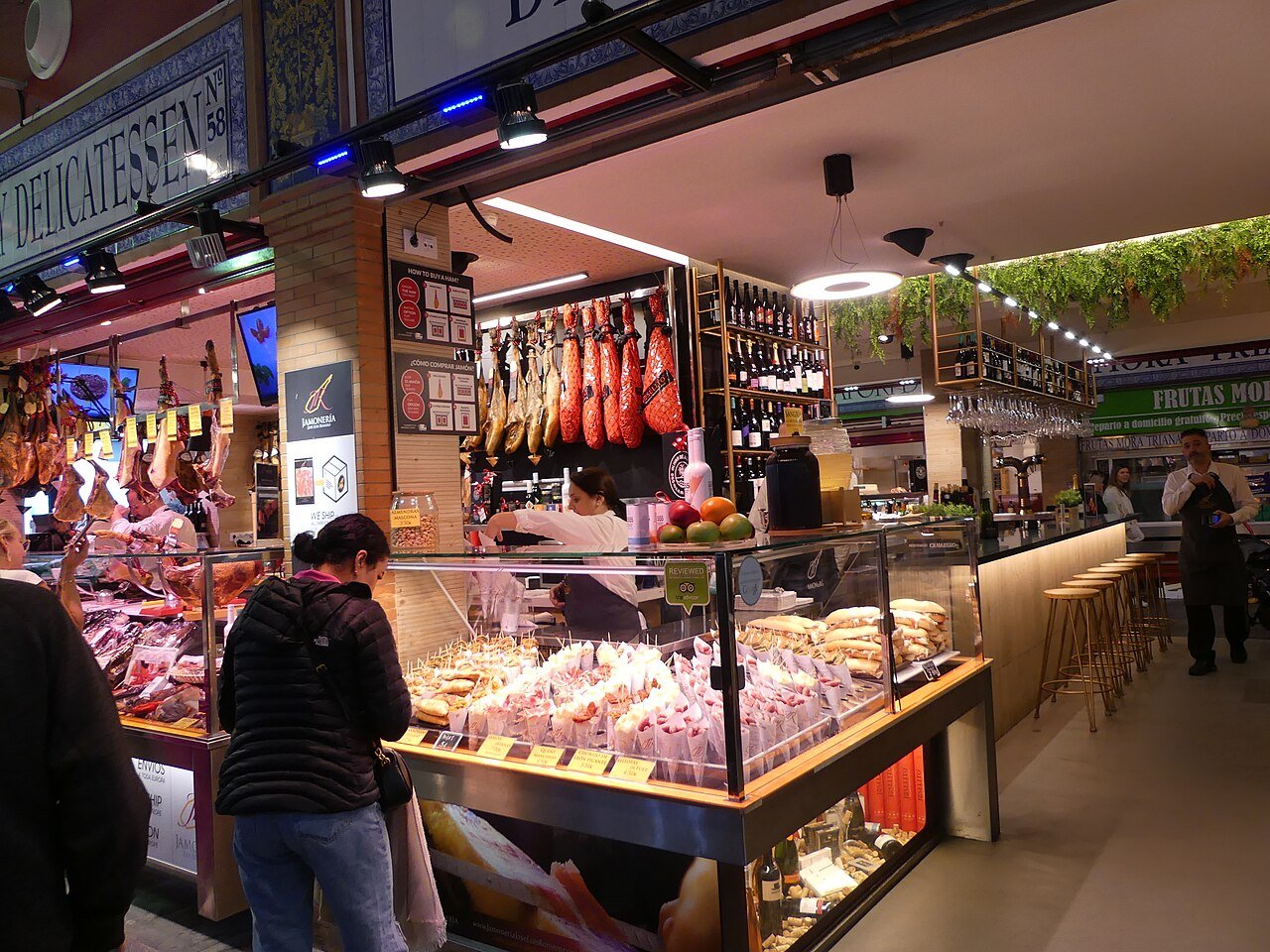
Eating out is Seville’s superpower: tapas at €3–€5 a plate, a caña around €1.50–€2, a full bar lunch for €12–€18. A social life here costs a fraction of a northern capital’s, which is why residents’ calendars are full.
Getting around barely registers: the centre is walkable end to end, the tram and metro cover the axes, buses are cheap with a transport card, and the Sevici bike-share — a resident staple for years — costs less per year than a single month of transport in London or Paris. Most residents do not own a car; those who do use it for the coast and the sierra, not the city.
The Pros: A Life Built Around Pleasure
The price of happiness is low. More than any single sight, it is the ratio that seduces: world-class beauty, food and social life at small-city prices. Your money simply lasts longer here, and it lasts in the open air.
The climate, nine months of the year. From October to May, Seville may be the most pleasant big city in Europe: blue skies, orange trees in fruit, café terraces in January. Winters are mild enough to feel like a rumour of winter.
The scale. Everything that matters is walkable; the city is big enough to keep discovering and small enough to feel like yours within a season. The river walks at dusk — past the Torre del Oro, across to Triana — become a daily ritual rather than an outing.

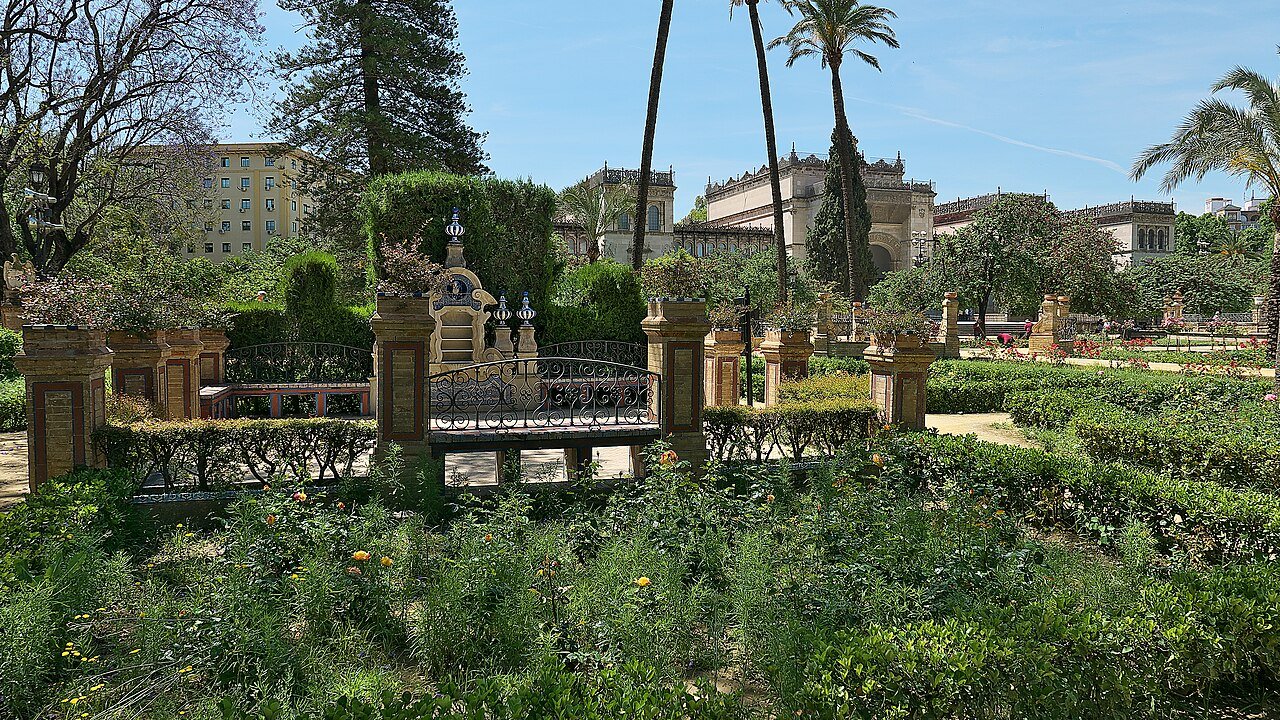
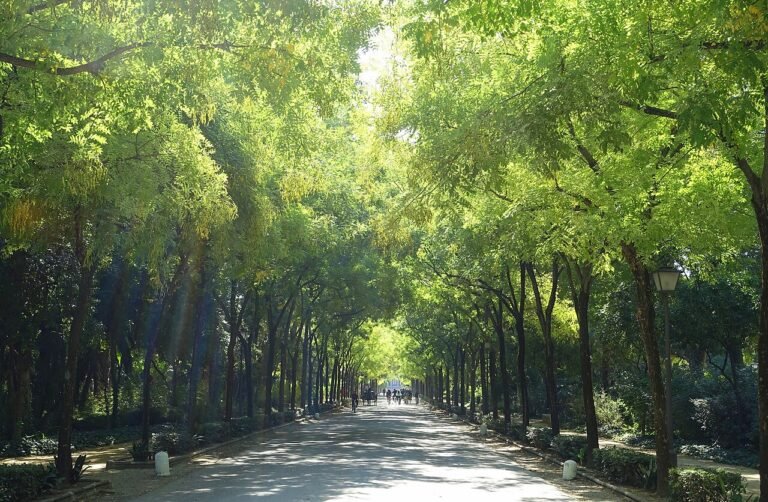
The culture is participatory. Semana Santa and the Feria are not shows staged for visitors; they are the city’s own great events, and living here means being inside them — with a neighbourhood, a bar, a routine of your own. Between festivals there are flamenco peñas, the Maestranza’s opera and concert season, and María Luisa Park as everyone’s green drawing room.
The Cons, Stated Plainly
The summer. From late June to early September, Seville is among the hottest cities in Europe: 40°C afternoons are normal, 45°C happens, and life reorganises around it — siesta hours, closed shutters, a city that sleeps at 4pm and dines at 10:30pm. August empties as residents flee to the coast. You adapt or you leave for the season; there is no third option, and anyone selling you Seville without this paragraph is selling.
The job market. Local salaries are low and unemployment historically high by western-European standards. Seville is a superb base for remote income, a business you bring with you, retirement or study — and a hard place to land a well-paid local job, especially without strong Spanish.
The connectivity gap. The airport is modest next to Málaga’s or Madrid’s; many European capitals need a connection or a hop to Málaga (an easy train ride, but a hop nonetheless). Santa Justa’s high-speed trains partly compensate — Madrid in about two and a half hours.
Language is not optional. Outside the university and the tourist core, English thins quickly. This is, depending on your attitude, the city’s best feature — you will actually learn Spanish — but arrive knowing daily life, landlords and bureaucracy run on it.
The old-town housing stock. Charm and caveats share an address: thin walls, tourist-let neighbours in some streets, few lifts, and flats that bake if the shutters and air-conditioning are not up to the job. Inspect in the afternoon, ask about the comunidad, and read our neighbourhood notes above twice.
The Rhythm of the Year
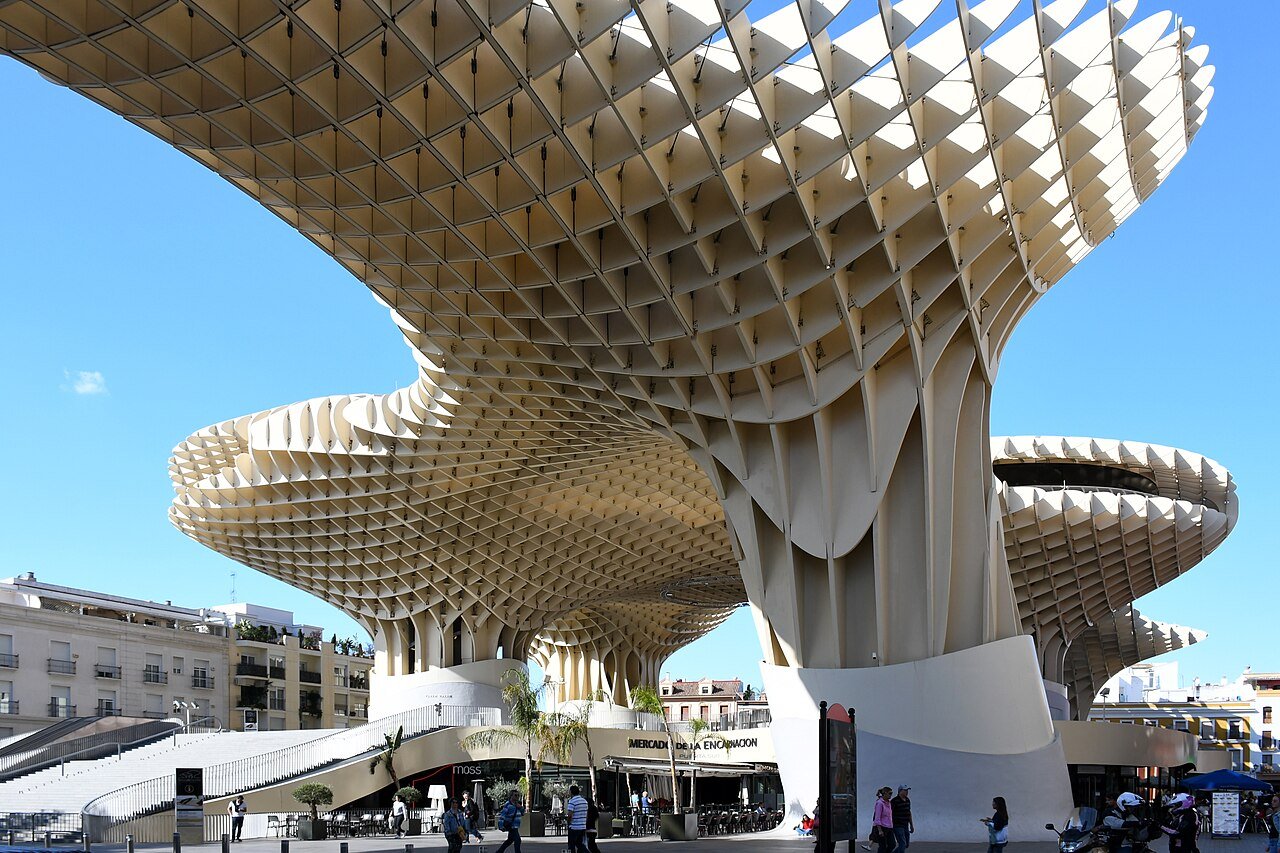
Living in Seville means surrendering your calendar to the city’s, and it is a fair trade. Autumn is golden and the tapas bars reclaim the terraces. Winter is mild, bright and social. Spring detonates: Semana Santa’s processions own the old town for a week — residents plan holidays, visitors and road closures around it — and a fortnight later the Feria de Abril turns Los Remedios’ fairground into a week-long city of casetas, horses and dancing that residents treat as a second New Year. Summer is the siesta season described above, survived in shutters and night hours, with the coast an hour away. Between the great events, the ordinary weeks — market mornings, the Setas glowing at sunset over the Encarnación, an evening in the Alameda — are what residents actually cite when you ask why they stay.
The Paperwork, Briefly
The sequence is the Spanish standard: empadronamiento (registering at the town hall) first, since it unlocks the rest; then your NIE and, as applicable, residence registration or card; then the public health card once you are working, studying or otherwise entitled. Seville’s offices are busy but the volumes are kinder than Madrid’s or Barcelona’s, and the university and the city’s welcome services publish current guidance. A gestor smooths the first round if your Spanish is young. None of it is fast anywhere in Spain; all of it is survivable, and thousands complete it in Seville every year.
Travel insurance, sorted
Whether it is a two-week holiday or a longer move, travel insurance is the one booking not to skip. We point readers to SafetyWing’s Nomad Insurance — cover built for travellers, remote workers and longer stays abroad, on a flexible monthly subscription you can start before a trip or while you are already away. Get a quote from SafetyWing
Final Thoughts
Seville is not the easiest Spanish city to move to — the heat, the language and the job market see to that — but for the right person it may be the most rewarding: a monumental city that still belongs to its residents, at prices that leave room in the month for living. Earn remotely, learn Spanish, pick Triana or the Alameda or calm Los Remedios, survive one summer, and the city tends to keep you. Walk these streets across a few days first with our 3 Days in Seville itinerary, and browse everything else we have written in our Your Ultimate Guide to Seville.
¡Buen viaje!
Photo credits: Plaza de España — Carlos Delgado, CC BY-SA 4.0 · Calle Judería, Barrio Santa Cruz — CarlosVdeHabsburgo, CC BY-SA 4.0 · Plaza Nueva — Gzzz, CC BY-SA 4.0 · Calle Betis, Triana — Anual, CC BY-SA 4.0 · Alameda de Hércules — Gzzz, CC BY-SA 3.0 · Estadio Ramón Sánchez-Pizjuán — Niels98, CC BY-SA 4.0 · Parque de los Príncipes, Los Remedios — alfonsocg1983, CC BY 3.0 · Basílica de la Macarena — Suicasmo, CC BY-SA 4.0 · Las Setas (Metropol Parasol) — Gzzz, CC BY-SA 4.0 · Torre del Oro and the Guadalquivir — Benjamin Smith, CC BY-SA 4.0 · María Luisa Park — Jl FilpoC, CC BY 4.0 · Mercado de Triana — CarlosVdeHabsburgo, CC BY-SA 4.0. All via Wikimedia Commons.


One Comment