8 Best Day Trips from Valencia: Castles, Coast and the Real Paella Country

Valencia keeps a secret in plain sight: some of the best days of a Valencian trip are not spent in Valencia at all. Within an hour of the city stand a lake where paella was invented, a castle hill layered with Hannibal, Romans and Napoleon, and coast towns and wine villages that most visitors never hear of. The city is flat, sunny and easy; its surroundings are the variety pack.
This guide covers the eight day trips I recommend most, ordered roughly by distance, with honest journey times and the traveller each one suits. All of them pair with a Valencia base — our Where to Stay in Valencia guide covers the neighbourhoods — and none of them needs a car, though a couple reward one. Start with the one every visitor should take: the Albufera, close enough to be an afternoon, different enough to feel like another world.
Table of Contents
- The Day Trips at a Glance
- 1. The Albufera and El Palmar: Paella’s Homeland
- 2. Sagunto: The Castle Hill of Empires
- 3. Peñíscola: The City in the Sea
- 4. Xàtiva: Two Castles and the Borgias
- 5. Cullera: Castle, Beach and Rice
- 6. Requena: The Underground Wine Town
- 7. Bocairent: The Village on the Rock
- 8. Morella: The Long Haul North
- Getting There: Trains, Buses and Driving
- Which Day Trip Should You Choose?
- Final Thoughts
The Day Trips at a Glance
- The Albufera and El Palmar — the lake, the boats, the birthplace of paella. Half a day. Everyone should do this one.
- Sagunto — a castle a kilometre long and a Roman theatre, 30 minutes by train. History lovers.
- Peñíscola — a white old town and a Knights Templar castle in the sea. A full day. The coast at its prettiest.
- Xàtiva — twin castles on a ridge and the Borgia popes’ hometown. A full day. Castle collectors.
- Cullera — castle hill, big sandy beach, rice fields. Half to a full day. Beach-plus-history.
- Requena — wine caves under a medieval old town. A full day. Wine lovers.
- Bocairent — a hilltop village and Moorish ice caves in the rock. A full day, easiest by car. Village wanderers.
- Morella — the great walled town of the north. A long day or an overnight. The connoisseur’s trip.
1. The Albufera and El Palmar: Paella’s Homeland

Ten kilometres south of the city, Valencia’s urban roar gives way to stillness: a vast, shallow freshwater lake wrapped in rice fields, reed beds and pine forest, separated from the sea by a strip of dunes. This is the Albufera Natural Park, and it is where paella was born — not in a city restaurant but in the farmhouses around this lake, cooked over orange-wood fires with what the fields and water provided.

The classic trip runs through El Palmar, a fishing village on the lake’s edge that now holds dozens of paella restaurants and the jetties for the lake’s flat-bottomed boats. The ritual: arrive late morning, take a boat out onto the water

eat paella where it was invented (book the restaurant ahead at weekends, and order the paella in advance too — it is cooked to order), then stay for the sunset, which the boatmen time their last trips to meet. A guided version handles all of it; independently, the city bus (line 25) gets you to El Palmar in around 40 minutes. However you do it, this is the one non-negotiable day trip — our Best Things to Do in Valencia guide ranks the sunset boat among the city’s essential experiences for a reason.
2. Sagunto: The Castle Hill of Empires
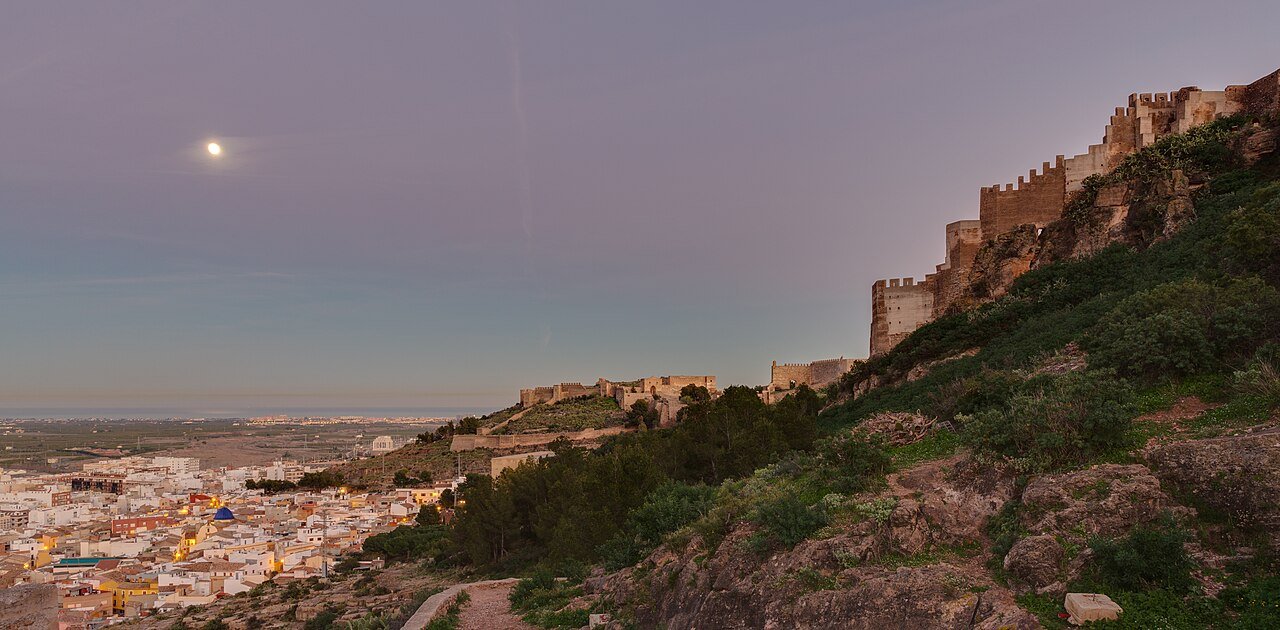
Half an hour north by suburban train, Sagunto is where Spanish history stacks up in one skyline. Its castle is less a castle than a walled hilltop city nearly a kilometre long — Iberian, Roman, Moorish and Napoleonic layers in one long walk along the ramparts, with the sea in front and the orange groves behind. Below it, the old town holds a beautifully restored Roman theatre and a medieval Jewish quarter of steep lanes.
Sagunto’s fame is ancient: it was the siege of this city by Hannibal in 219 BC that lit the fuse of the Second Punic War. Give it three to four hours — castle first, in the cool of the morning, theatre and old town after, lunch in the old town’s squares. Trains on the C6 line from Valencia Nord are frequent and the castle is a short uphill walk from the station. History lovers rate this the best half-day in the region; it is also the easiest trip on this list, with no planning required beyond checking the castle is open (it usually closes on Mondays — verify before you go).
3. Peñíscola: The City in the Sea

The postcard of the northern Valencian coast: a fortified old town of white houses climbing a rocky peninsula, crowned by the castle where the Knights Templar — and later the exiled “Pope Luna” — held out against the sea and history alike. Peñíscola calls itself “the city in the sea”, and from the long sandy beaches that stretch away on both sides, that is exactly what it looks like.
Inside the walls it is all steep lanes, blue-shuttered houses, seafood restaurants and viewpoints; the castle itself is the essential visit, for its Templar rooms and its panorama up and down the coast. This is the longest of the easy trips — roughly 90 minutes by car, or around two hours by train to Benicarló-Peñíscola station plus a local bus — so make it a full day and give the beach its hour too. Summer crowds are real; spring and autumn show Peñíscola at its serene best.
4. Xàtiva: Two Castles and the Borgias

An hour south by train, Xàtiva is the castle-collector’s day trip: two fortresses — the Castell Menor and the Castell Major — strung along a narrow ridge and joined by walls, with the whole of the old town and the Valencia plains laid out below. The climb from the town is part of the pleasure (there is also a small tourist train up, seasonally), and the views from the Major’s towers justify every step.
The town below matches its skyline: Xàtiva was the birthplace of two popes of the Borgia family, made some of Europe’s first paper, and keeps a proud old town of mansions, a grand collegiate church and shady squares for the vermut hour. Trains on the C2 line run from Valencia Nord; the castle usually closes on Mondays and its hours vary by season — check before you climb. Castle first, old town after, and leave time for both: Xàtiva suffers from visitors who do one and skip the other.
Free Valencia travel guide
Planning a trip to Valencia? Get our free one-page Valencia checklist: what to book ahead, what to skip, and the paella rules we actually follow.
5. Cullera: Castle, Beach and Rice
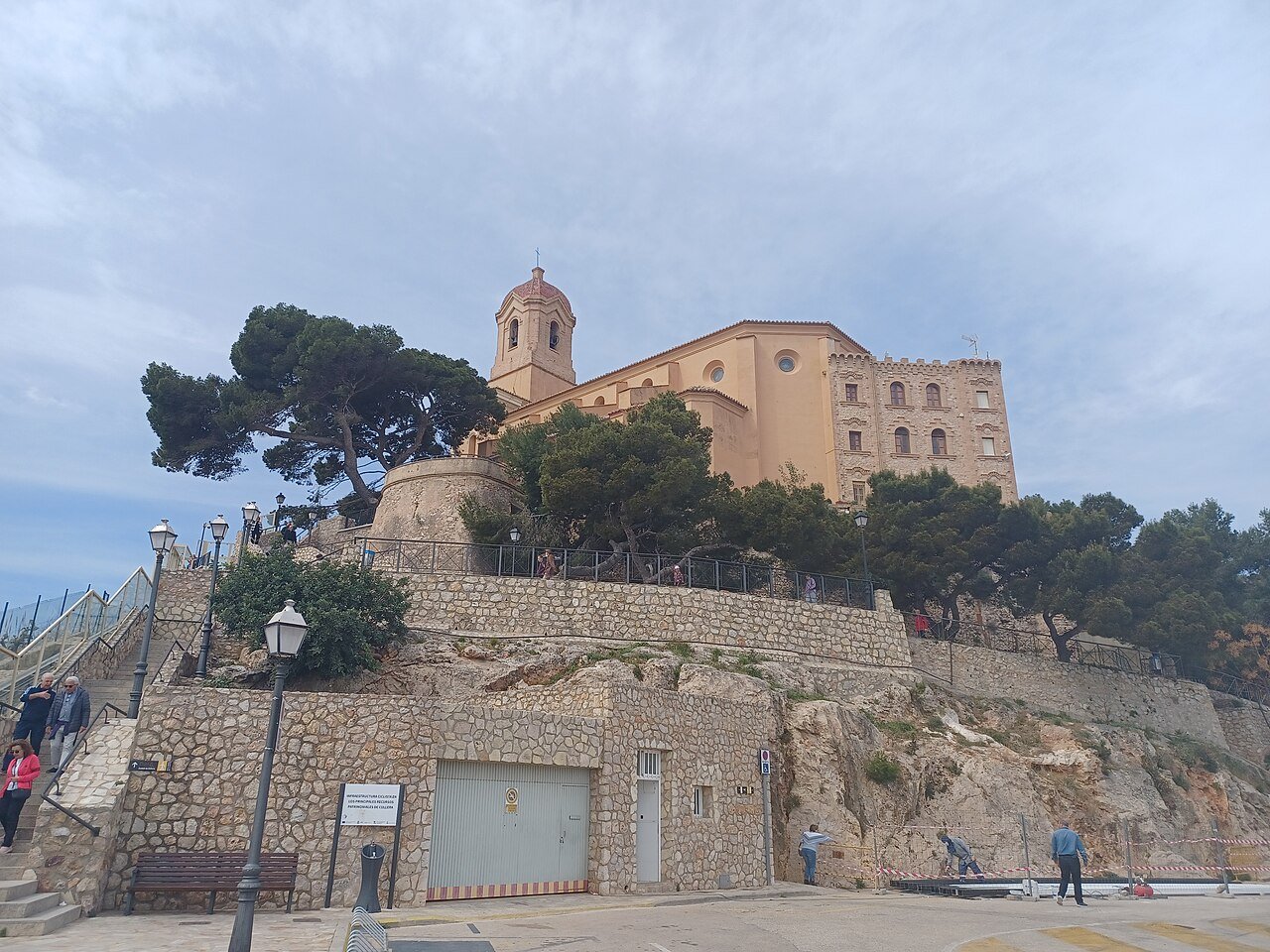
Cullera is Valencia’s own seaside, 35 minutes south by train: a bold hill rising straight from the plain, carrying a castle and the sanctuary of the Virgen del Castillo, with a long, wide, family beach unrolling beneath it and rice fields at its back. The Valencians come here to swim; you come for the combination — a morning castle climb, a swim, and a rice lunch in the town that gave its name to half the dishes on the coast’s menus.
The castle rewards the climb with the best coastal panorama on this list, from the Albufera in the north to the mountains of the Marina Alta in the south. Below, the old town around the market keeps a working feel the beachfront lacks. Cullera is the easiest beach day trip from Valencia — trains on the C1 line, the hill a short walk from the station — and pairs naturally with the Albufera if you have a car and an appetite for a big day.
6. Requena: The Underground Wine Town

An hour inland, the climate changes, the vines take over, and Requena waits: the capital of the Utiel-Requena wine country, where the red Bobal grape has been grown for centuries. The old town — the Barrio de la Villa — is a quiet, handsome warren of Gothic and Mudéjar streets, but the marvel is underneath it: the Cuevas de la Villa, a labyrinth of rock-cut caves dug from the 12th century onwards to store wine, grain and oil, still lined with giant clay jars (tinajas) taller than you are.
Above ground, complete the picture with a winery visit — the old town and its surroundings hold bodegas ranging from cave-cellars to modern estates, and tastings are the local sport. Getting there takes a little more intent: driving is simplest (about an hour), trains serve Requena town and the separate Requena-Utiel high-speed station (a taxi ride from the old town) — check which your ticket uses. Wine lovers should not miss this one; it is the trip Valencians recommend to each other.
7. Bocairent: The Village on the Rock
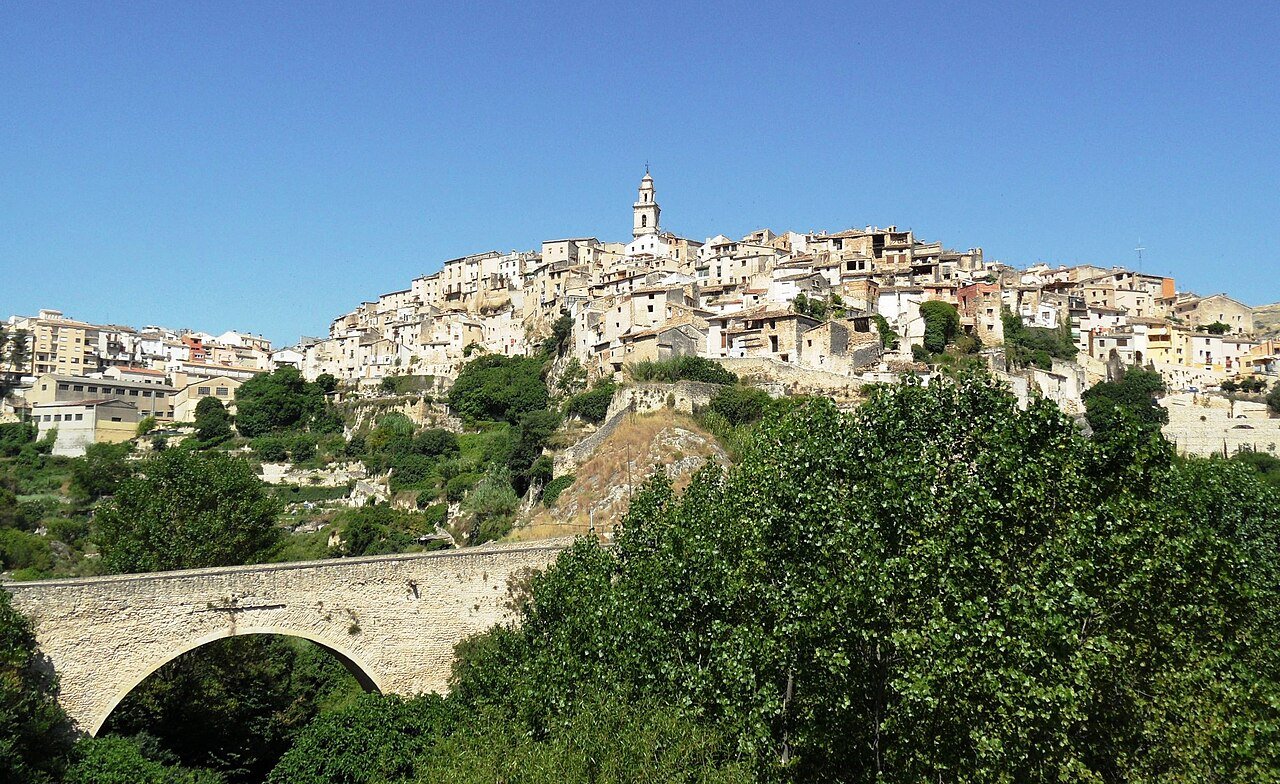
In the hills of the Sierra de Mariola, about an hour and a quarter’s drive south-west, Bocairent piles its old town up a rock above a gorge: a maze of steep, flower-hung lanes, a medieval bridge, and a bullring famously carved into the rock itself. It is one of the Valencian Community’s most beautiful villages and, mercifully, still quieter than its looks deserve.
Bocairent’s strangest sight is the Covetes dels Moros — dozens of small chambers cut into a cliff face outside the village, reached by ladders and crawled between, thought to be Moorish-era stores (visits are guided and booked through the tourist office; numbers are limited). Pair them with a slow wander of the old town and lunch in the square. Without a car, buses run via Ontinyent but the day gets long — this is the trip where renting a car for a day pays for itself. Our Your Ultimate Guide to Valencia gathers transport advice for days like this.
8. Morella: The Long Haul North

Two hours and more north-west, in the mountains of Els Ports, Morella is the region’s great inland set-piece: a walled town stacked in rings up a cone of rock, crowned by a castle that has watched the road to Aragón since Iberian times. Everything about it is outsized — the 2km of medieval walls, the Gothic basilica of Santa María with its astonishing carved stairway, the arcaded main street, the views that roll to the horizon in every direction.
Morella is honest work: it is the only trip on this list where I routinely suggest an overnight instead, or at least an early start and a late return, ideally by car (bus journeys are scenic but slow). What you get in exchange is the Valencian Community’s finest hill town, truffle country in winter, and streets that feel centuries away from the beach resorts its province also contains. Go for the town itself, not a photo stop: Morella rewards the unhurried.
Getting There: Trains, Buses and Driving

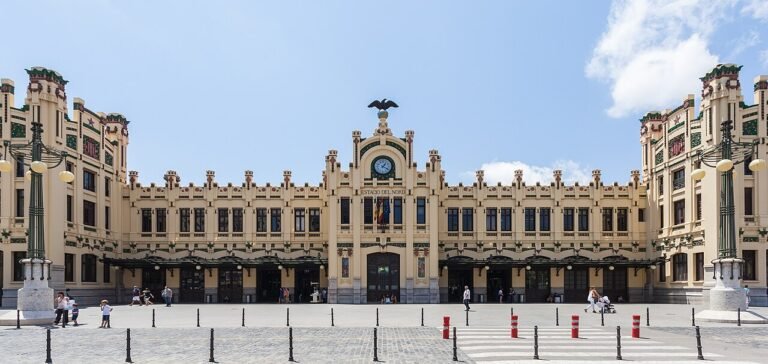
Valencia’s suburban trains (Cercanías) are the day-tripper’s best friend: the C6 runs north to Sagunto, the C1 south to Cullera, the C2 to Xàtiva, all from the Estació del Nord or Joaquín Sorolla stations — cheap, frequent and immune to traffic. Regional trains reach Peñíscola’s station (Benicarló-Peñíscola) and Requena. City bus 25 serves El Palmar and the Albufera. Our Valencia Airport and Train Stations guide explains both Valencia stations in detail.
A rental car earns its keep for Bocairent and Morella, and for chaining trips (Albufera plus Cullera; Requena plus a winery detour). Roads are good and mostly tolled-free on these routes; the honest cost is old-town parking, so aim for the signed car parks at each town’s edge and walk in — every destination on this list is best seen on foot anyway.
Which Day Trip Should You Choose?
Only time for one? The Albufera — it is half a day, quintessentially Valencian, and the sunset boat is the single best hour on this list.
History first: Sagunto for the layers, Xàtiva for the silhouette; both if castles are your thing, on separate days.
Beach plus sightseeing: Peñíscola for beauty, Cullera for ease.
Food and wine: El Palmar for paella at source (combine it with the Albufera), Requena for wine.
Villages and slow travel: Bocairent for the wander, Morella for the epic.
With children: the Albufera (boats, space, lunch) and Cullera (castle climb, then the beach) win every time.
However you choose, the rhythm that works is the Valencian one: leave after breakfast, be back for the evening paseo — and if a trip runs long, let it. Our 2 Days in Valencia itinerary and 3 Days in Valencia itinerary show where a day trip slots into a city stay without breaking it.
Final Thoughts
Valencia itself could fill a week, but its day trips are how a good trip becomes a rounded one: the lake that feeds the city’s famous dish, the castle hills of three different civilisations, a wine town with cellars under its streets, and villages the tour buses have not found. Take the Albufera on your first visit, Sagunto or Xàtiva on your second day out, and keep Morella in your pocket for the trip where Valencia stops being a city break and starts being a region you are exploring. However far you roam, the city will be waiting at the end of the line — our Your Ultimate Guide to Valencia gathers everything we have written to help you enjoy it.
¡Buen viaje!
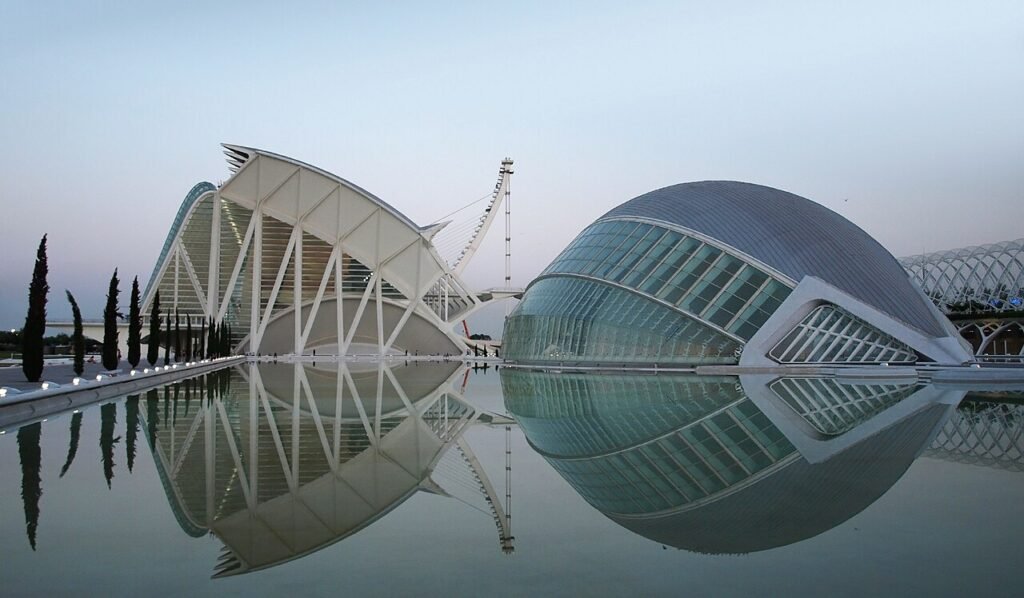
Photo credits: City of Arts and Sciences at dusk — Elemaki / Alvaro qc, CC BY-SA 3.0 · Albufera sunset boat — Diego Delso, CC BY-SA 4.0 · Barraca at El Palmar — martinwcox (via Flickr), CC BY 2.0 · Albufera canal and lake shore — Punteador, CC BY-SA 4.0 · Sagunto Castle — Diego Delso, CC BY-SA 4.0 · Peñíscola at night — Jiří Sedláček, CC BY-SA 4.0 · Xàtiva Castle — Manuel Pino, CC BY-SA 3.0 · Cullera Castle — Simon Burchell, CC BY-SA 4.0 · Cuevas de la Villa, Requena — Punteador, CC BY-SA 4.0 · Bocairent — Enrique Íñiguez Rodríguez (Qoan), CC BY-SA 3.0 · Morella — Juan Emilio Prades Bel, CC BY 4.0 · Estació del Nord — Diego Delso, CC BY-SA 4.0. All via Wikimedia Commons.


3 Comments