15 Mistakes to Avoid in Barcelona: The Complete Guide for First-Time Visitors
Barcelona is an easy city to love and a surprisingly easy one to get wrong. Not in big, trip-ruining ways — in small, grinding ones. The basilica that turns you away at the door because every ticket sold out three days ago. The park that is not really a park, or at least not a free one. The 6pm dinner that exists only in restaurants you should not be eating in anyway. Almost every mistake in this guide comes down to the same misunderstanding: Barcelona runs on timed tickets, late hours and a local calendar, and the visitors who plan for the city as it actually works have a visibly better trip than the ones who improvise.
None of this needs luck. It needs fifteen small corrections, most of them made before you leave home, and that is what this guide is for: the booking mistakes, the food-clock mistakes, the transport mistakes and the neighbourhood blind spots, in roughly the order they ambush people. Read it alongside our list of the best things to do in Barcelona and you have both halves of the trip — what to do, and what not to do while doing it.
One booking warning before anything else, because it undoes more Barcelona trips than everything else on this page combined: the big sights sell out, and they sell out days ahead in season. Barcelona: Sagrada Familia Entry Ticket with Audio Guide The Sagrada Família entry ticket through GetYourGuide is rated 4.6/5 from more than 120,000 reviews, with free cancellation up to 2 days in advance — on a trip built around timed slots, that flexibility is worth having.
Table of Contents
- The Quick Verdict
- 1. Mistake 1: Turning Up at the Sagrada Família Without a Ticket
- 2. Mistake 2: Assuming Park Güell Is Just a Park
- 3. Mistake 3: Winging It at the Other Gaudí Houses
- 4. Mistakes 4 and 5: Eating on La Rambla — and Watching Your Bag Too Late
- 5. Mistake 6: Sleeping in the Wrong Place
- 6. Mistakes 7 and 8: Driving In — and Getting the Airport Ticket Wrong
- 7. Mistakes 9 and 10: Eating Dinner at Six — and Shopping at Siesta Time
- 8. Mistake 11: Landing in August by Accident
- 9. Mistake 12: Spending Every Beach Day at Barceloneta
- 10. Mistake 13: Never Leaving the Centre
- 11. Mistakes 14 and 15: Missing the Free Sundays — and Sprinting the Whole City
- The Three That Matter Most
- When to Go
- Barcelona Costs, Honestly
- Final Thoughts
- FAQs: Mistakes to Avoid in Barcelona

The Quick Verdict
If you remember nothing else: book the Sagrada Família and Park Güell before you fly, never eat a sit-down meal on La Rambla itself, eat when the city eats (lunch at two, dinner at nine), and put one neighbourhood that is not the old town into every day. Those four corrections alone remove most of what goes wrong on a first Barcelona trip. The other eleven mistakes are refinements — the airport ticket that does not work at the airport, the free museum Sundays nobody tells you about, the August closures — but refinements are what separate a good trip from a great one, so they are all here, with the fixes attached.
1. Mistake 1: Turning Up at the Sagrada Família Without a Ticket
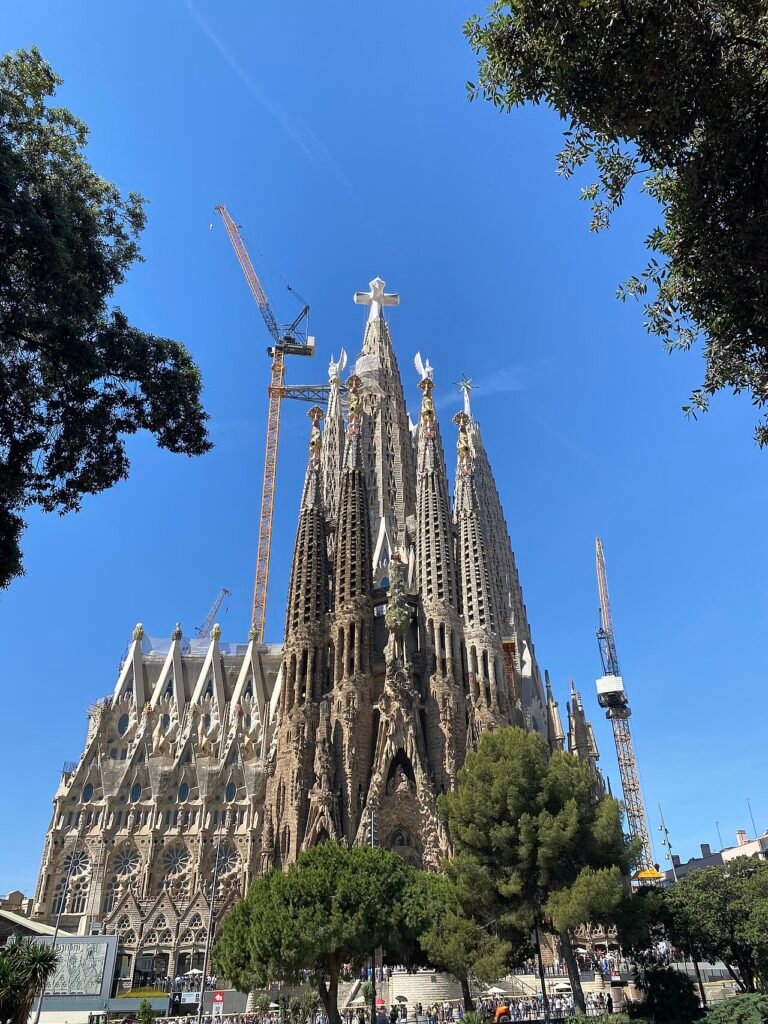
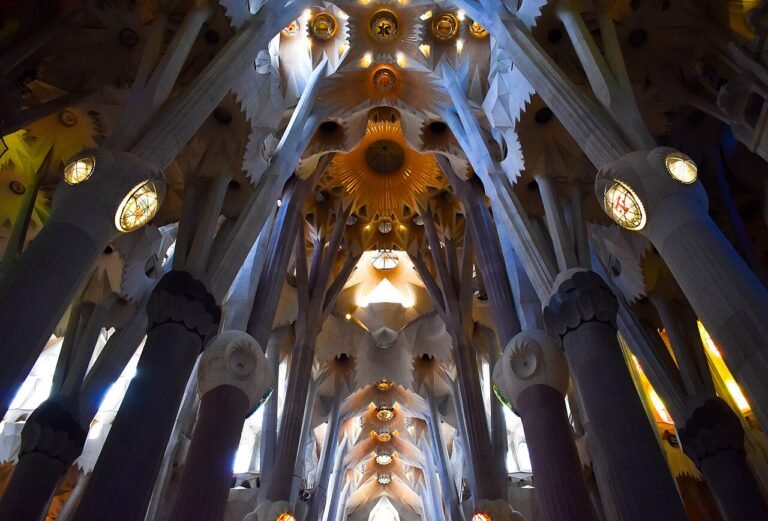
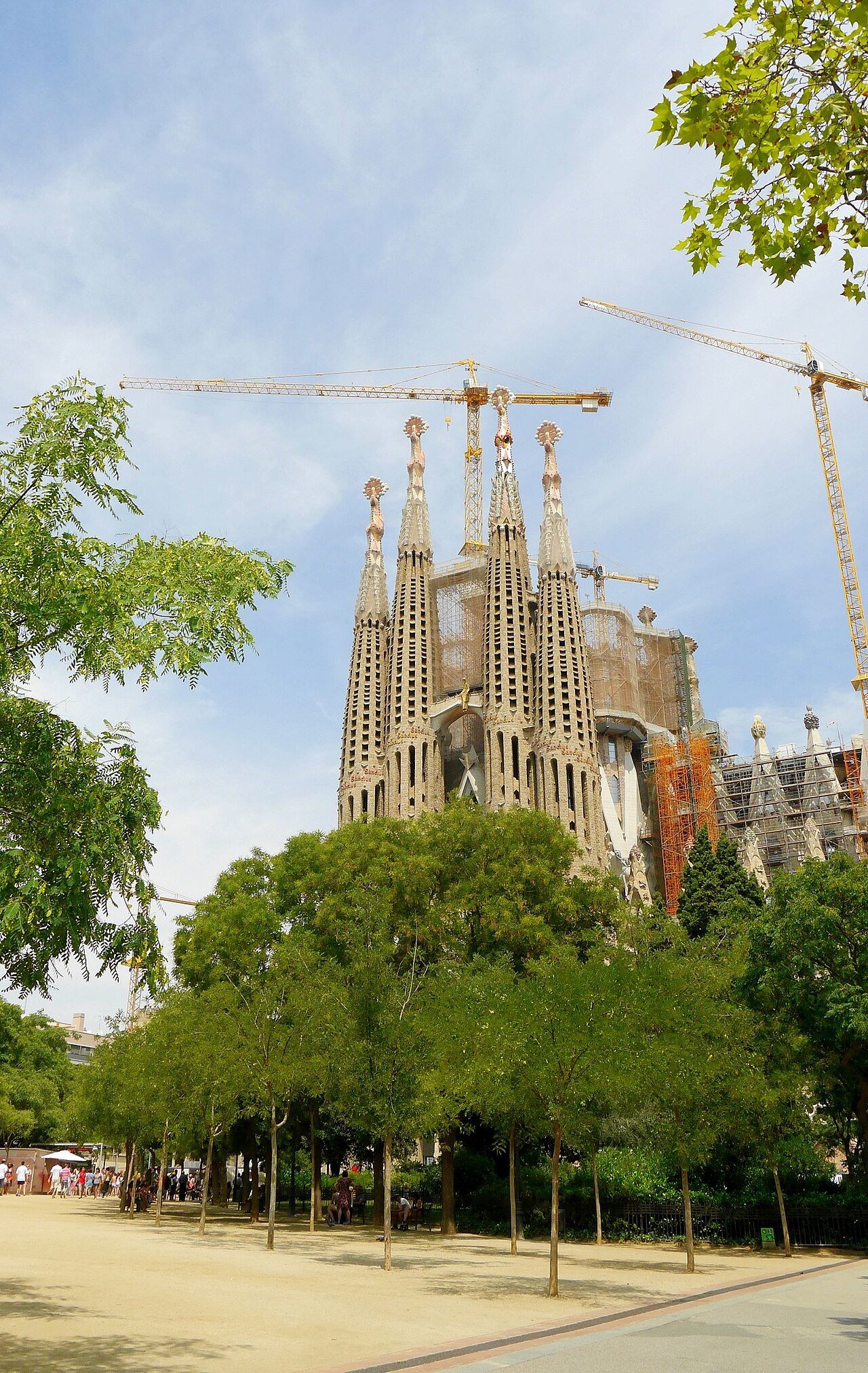
The single most common way to ruin a Barcelona morning is to stroll up to the Sagrada Família, join the queue, and discover at the window — or, more often now, from a sign — that there is nothing to queue for. Tickets for Gaudí’s basilica are sold online only, in timed slots, and in spring, summer and around holidays the popular days sell out two, three, sometimes more days in advance. There is no standby line that saves you, no ticket desk that takes pity, and no seeing the interior — the forest of stone columns that is the whole point of the building — from the pretty park across the street.
The fix takes four minutes, a few days before you travel. Book the slot, screenshot the ticket, and treat the time as a train departure: at the time of writing you may enter at your booked time or up to 15 minutes afterwards, and after that the door closes, however good your excuse. First slot of the day is the connoisseur’s choice — the nave is quieter and the morning light through the east windows is the show the building was designed around — while late afternoon gives you the fiery west glass instead. Our guide to what is inside the Sagrada Família walks the interior in detail so you can choose your slot with the light in mind.
Barcelona: Sagrada Familia Entry Ticket with Audio Guide Booked through GetYourGuide, the entry ticket includes the downloadable audio guide and that 4.6/5 rating across 121,000-plus reviews, and the free cancellation up to 2 days ahead means a weather shuffle costs you nothing. Official basic tickets start from €26 at the time of writing; either way, the rule is identical — nobody walks in on a whim, and the people photographing the façade sadly from outside are the ones who tried.

2. Mistake 2: Assuming Park Güell Is Just a Park
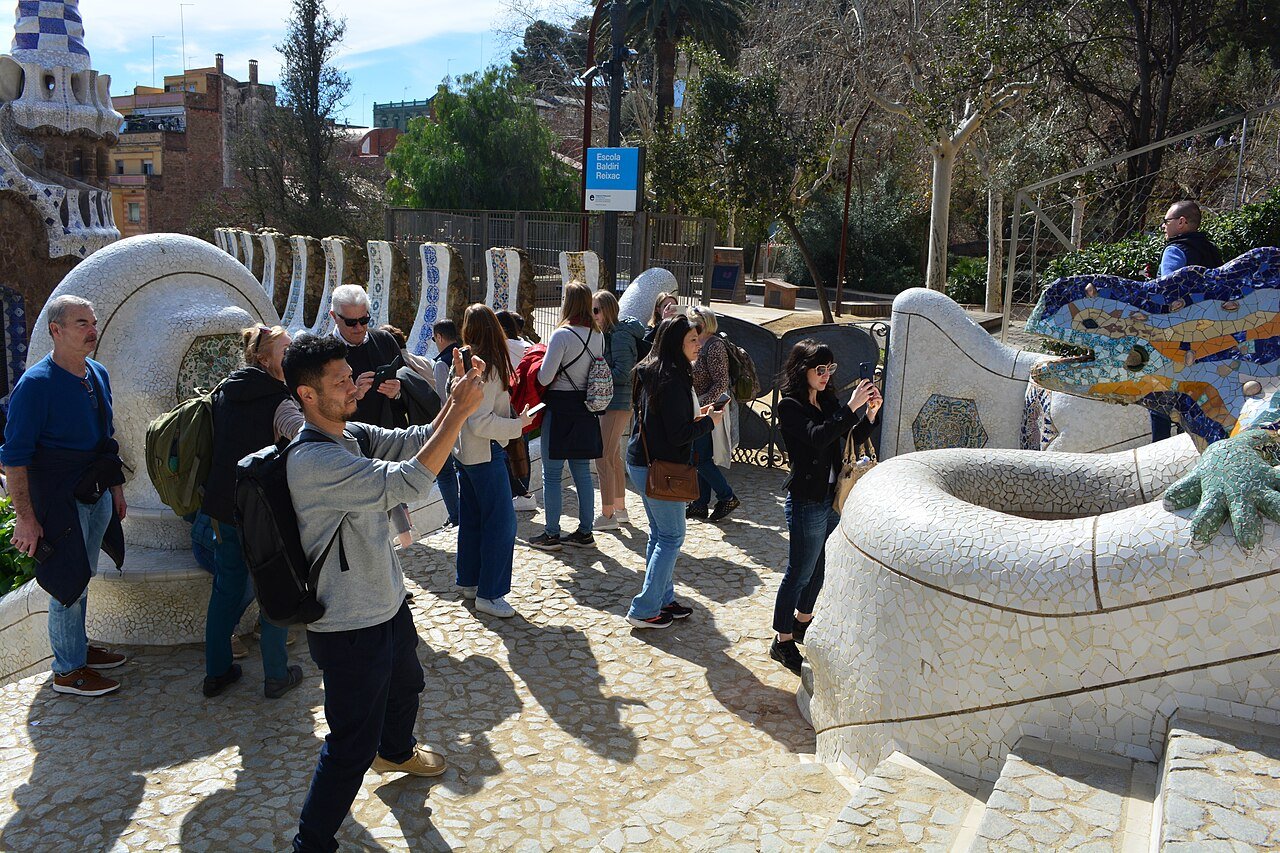
Park Güell catches people out because the name lies twice. It sounds like a park — somewhere you wander into, free, whenever the mood takes you. In truth it is two places sharing one hillside: a large, genuinely free public park of pine woods and viaduct paths, and inside it the Monumental Zone — the famous entrance staircase, the mosaic salamander El Drac, the Hypostyle Hall and the great tiled terrace — which is a ticketed, timed-entry attraction with a fixed capacity. Visitors who arrive at the dragon at midday in July without a ticket get the woods. The dragon, they get to photograph through the fence.
At the time of writing the Monumental Zone costs €18 (€13.50 for children aged 7–12 and seniors; under-7s enter free but still need a ticket), entry is by named time slot, and slots on busy days go in advance — so this is the second ticket to lock in before you fly, right after the basilica. Your slot buys you the whole zone for as long as you like once you are in; the discipline is only at the door. Go early for the terrace photographs without a hundred strangers in them, and read our Park Güell guide for the entrances, the free areas and which gate suits the metro you arrive by. And build the hill into your plan: the park sits high above Gràcia, and the walk up in August heat has ended more sightseeing days than any queue in the city.
3. Mistake 3: Winging It at the Other Gaudí Houses
The basilica teaches the lesson, and then visitors unlearn it on Passeig de Gràcia. Casa Batlló and Casa Milà (La Pedrera) are the two most popular paid houses in the city, and while they do not sell out quite as ruthlessly as the Sagrada Família, on busy days the walk-up queue snakes down the block and the next available slot can be hours away — or tomorrow. Time in that queue is the purest waste in Barcelona tourism: the houses are extraordinary, the pavement outside them is not.
Book both online, a day or two ahead is usually enough outside peak weeks, and expect to pay for the privilege — tickets for the big Gaudí houses start from around €29 at the time of writing and climb with the extras (rooftop access, augmented-reality tablets, evening events). It is also worth knowing the free version of both buildings: the façades face a public boulevard. Casa Batlló’s dragon-back roof and bone balconies, Casa Milà’s rolling stone front — half the pleasure is streetside and costs nothing, which matters when the budget section further down starts doing arithmetic on a Gaudí-heavy day.

4. Mistakes 4 and 5: Eating on La Rambla — and Watching Your Bag Too Late
Two mistakes share one street. La Rambla, the great tree-lined promenade from Plaça de Catalunya to the port, is a wonderful walk and a terrible place to sit down and eat. The terrace restaurants along it are the city’s textbook tourist traps: laminated picture menus in six languages, paella from the freezer, sangria sold by the litre at prices that would make a Parisian blush, and food cooked for people who will never come back. Every local knows the rule — walk La Rambla, photograph La Rambla, then eat two streets away from it in any direction, where the same dishes cost a third less and taste like someone cares. Our La Rambla guide covers what the street is genuinely for — the flower stalls, the Boqueria, the Liceu, the Miró mosaic under your feet.
Mistake 5 is the same street’s other tax. Barcelona’s pickpockets are, by wide European consensus, among the most skilled anywhere, and they work exactly where the crowds are thickest and the visitors most distracted: La Rambla, the metro interchanges, the queues outside the big sights, the packed August beach. The methods are theatre, not force — a petition pressed into your hands, a “spilled” drink, a friendly stranger insisting you have something on your back, a surge at the metro door. The defence is boring and total: bag worn in front in crowds, phone never on the café table edge, wallet out of the back pocket, a hand on everything during the metro-door shuffle, and valuables you do not need left at the hotel. Do that and the famous problem reduces to a non-event; skip it and you may spend a morning of your holiday in a police station with the Mossos d’Esquadra, which is nobody’s idea of sightseeing.

5. Mistake 6: Sleeping in the Wrong Place
First-timers book by one criterion — distance to La Rambla — and it is nearly the worst criterion the city offers. The streets immediately around the promenade combine the highest prices, the thinnest walls and the latest nightlife noise in Barcelona, and the Gothic Quarter’s medieval lanes, magical at noon, mean dragging suitcases over cobbles to a fourth-floor walk-up above a bar. None of this is dangerous; all of it is avoidable.
The city’s real sweet spot for a first stay is the Eixample, the elegant grid of octagonal blocks above Plaça de Catalunya: wide pavements, the Gaudí houses as your neighbours, metro lines in every direction and streets that sleep at night. Gràcia suits travellers who want the village version of Barcelona, and the streets around Sants station suit anyone arriving by train or leaving early for the airport. Our where to stay in Barcelona guide compares the neighbourhoods street by street. The mistake, in short, is not choosing a bad district — there are few — it is choosing by pin-drop instead of by the trip you are actually taking.

6. Mistakes 7 and 8: Driving In — and Getting the Airport Ticket Wrong
Barcelona rewards walkers and punishes drivers, and mistake 7 is to rent a car for the city itself. The centre is a low-emission zone — at the time of writing the ZBE restricts older vehicles on weekdays between 7:00 and 20:00, and foreign-plated cars need to be registered and authorised in advance, with fines for getting it wrong — the Eixample grid was designed for trams, parking costs hotel money, and everything a visitor wants is within a metro ride or a 30-minute walk. A car earns its keep exactly once on a Barcelona trip: the day you leave the city, for Montserrat or the Costa Brava. Rent it that morning, not for the week.
Mistake 8 is subtler, and it ambushes people at the very start: the ordinary city transport tickets do not work on the airport metro. The L9 Sud line serves both terminals, but the standard T-casual and T-familiar are not valid at the Aeroport stations — you need the specific airport ticket, or a travel card that includes the airport such as the Hola Barcelona card, and travellers discover this at a closed barrier with a plane to catch. The elegant workaround is older than the metro line: the R2 Nord commuter train from the airport to Sants and Passeig de Gràcia is covered by an ordinary zone-1 ticket, and usually gets you to the centre faster. And validate, always: travelling on an unvalidated or wrong ticket draws a fine of €100 at the time of writing, halved if you pay on the spot — the most expensive metro ride in Europe, bought by people who were saving €2.

7. Mistakes 9 and 10: Eating Dinner at Six — and Shopping at Siesta Time
Barcelona eats on a clock that baffles northern visitors and then, once adopted, ruins all other clocks for them. Lunch is the day’s main event, eaten between about 1:30 and 3:30pm — this is when the menú del día, the three-course weekday set lunch with a drink included, offers the best-value cooking in the city. Kitchens then close. Dinner service rarely starts before 8:30pm, and locals sit down at nine or ten without thinking about it. The visitor who hunts for dinner at six finds exactly the places mistake 4 warned about: the all-day tourist kitchens around the sights. The fix is not willpower, it is scheduling — a proper menú del día at two, a merienda (a coffee, a pastry, something small) at six, and dinner when the city eats it, in a room full of Catalans instead of tour groups.
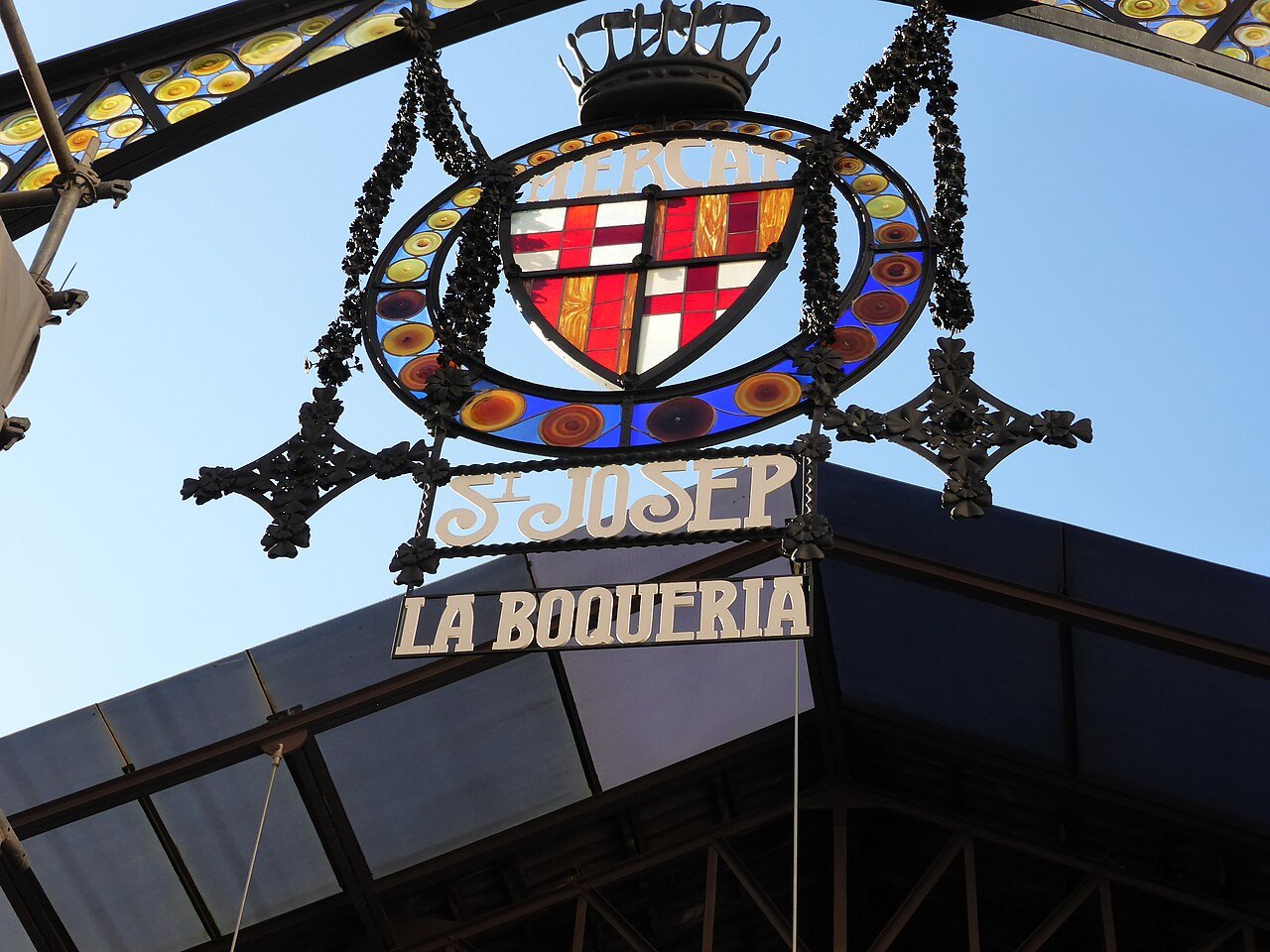
Mistake 10 is the same clock wearing a different hat. Away from the department stores and the tourist centre, Barcelona’s independent shops — the bakeries, bookshops, hardware stores and family boutiques that make its neighbourhoods — commonly close in the middle of the day, roughly between 2 and 5pm, and many stay shut on Sunday. The great exception is the food markets, which keep morning hours and are at their best early: go to La Boqueria at nine, not at one, and the stalls are stocked, the bars have seats and the crowds have not yet arrived. Plan shopping for the morning or the early evening, plan a long lunch into the dead hours, and the siesta stops being an obstacle and becomes the shape of a well-run day.
8. Mistake 11: Landing in August by Accident
August is the month Barcelona’s visitors and Barcelona’s residents swap places. Half the city leaves — and takes its restaurants with it: across the neighbourhoods, family-run bars, bakeries and favourite local kitchens hang the tancat per vacances sign and close for two, three, four weeks. What remains open is weighted towards the tourist economy. Temperatures sit in the low thirties with Mediterranean humidity on top, the beaches reach maximum density, and the big sights run their longest queues of the year under the hardest sun. None of this makes August unvisitable — the sea is warm, the evenings are glorious, and mid-month hotel prices can dip as business travel vanishes — but it makes it a specific trip, and the mistake is booking it while imagining May.
If August is what you have, take it on its own terms: sights at opening time, the long lunch indoors, the beach early or after six, and at least one day out of the city. If you have any choice in the matter, the city shows its best self in the shoulder months — read our guide to the best time to visit Barcelona for the month-by-month trade-offs, because the difference between Barcelona in late April and Barcelona in mid-August is close to the difference between two cities.

9. Mistake 12: Spending Every Beach Day at Barceloneta
Every first-timer’s beach day happens in the same place, because Barceloneta is the beach at the end of the walk from the old town — and in season it shows: towel-to-towel sand, a promenade of hawkers, queues for every chiringuito, and the city’s most attentive audience of bag-watchers required per square metre. It is a scene, and worth seeing once. It is not the beach day Barcelona would choose for itself.
The city’s seafront runs for more than four kilometres, and the character changes as you walk north-east: Nova Icària is calmer and family-minded, Bogatell is wider, quieter and loved by locals, and beyond them Mar Bella and the Fòrum open out further. Same sea, same sand, a fraction of the crowding — our Barcelona beaches guide maps the whole strip. Two beach rules travel with any of them: never leave a bag unattended while you swim (take turns, or take a waterproof pouch and take your phone in with you), and respect the flags — green means go, yellow means care, red means the water is closed, and after heavy storms the jellyfish and the water quality both argue for a promenade day instead.

10. Mistake 13: Never Leaving the Centre
Plot the average first trip on a map and it draws a small, dense knot: the cathedral, La Rambla, the Sagrada Família, the beach. A kilometre in any direction lies the rest of the city, and it is the part residents would show you first. Gràcia, the former independent town above the Eixample, is a village of small squares and cinema-and-vermouth streets. Sarrià, at the end of the FGC line, kept its main street, its market and its thousand-year-old parish and simply let Barcelona grow around it. Poblenou mixes beach, rambla and old factories turned design studios; Sants has the city’s great market street and not a tour group in sight. These are not hidden gems requiring a quest — they are 15 minutes on the metro, and each one recalibrates what you think Barcelona is.
The practical version of this mistake: build one neighbourhood half-day into every two days of sightseeing. Go in the morning, take coffee where the square fills with locals rather than lanyards, and let lunch happen where the menú del día has no English translation pinned beside it. You will eat better, pay less and come home with the version of the city that repeat visitors — the ones who keep coming back — are actually in love with.

11. Mistakes 14 and 15: Missing the Free Sundays — and Sprinting the Whole City
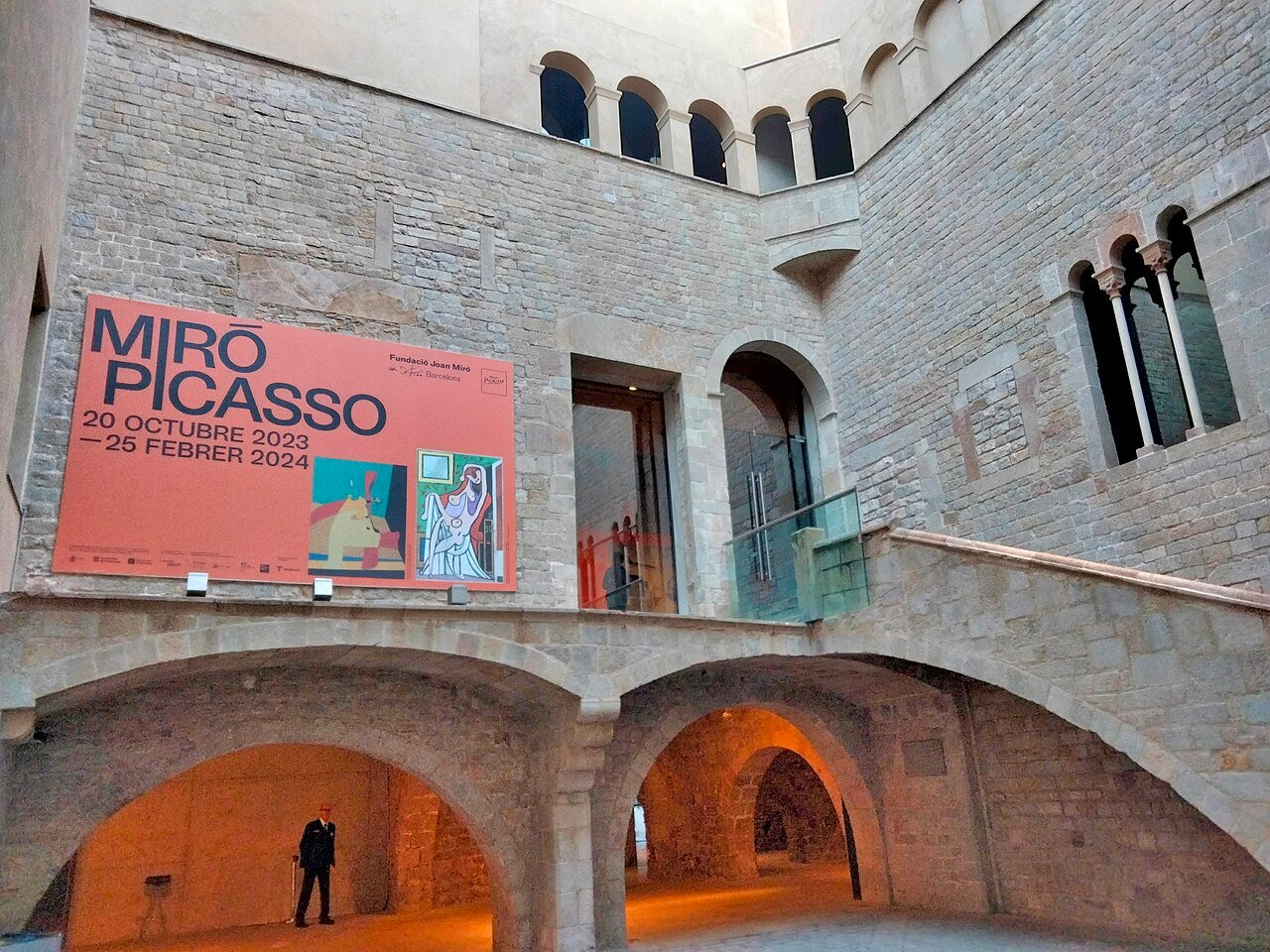
Mistake 14 costs money rather than time. Many of Barcelona’s museums — including some of its biggest names — open free on the first Sunday of the month, and a number offer free entry on Sunday afternoons as well, at the time of writing; the Museu Picasso is the famous case. The catch, and there is always a catch in this guide, is that free does not mean walk-in: the free tickets are released online in advance and are claimed fast, so the traveller who learns this the week before the trip, not the Sunday morning of it, walks past the paying queue feeling extremely clever. Check the museums on your list before you travel and book whatever free slots your dates allow.
Mistake 15 is the meta-mistake that contains the others: trying to do Barcelona at a sprint. The city has two world-class sights that each deserve half a day with the travelling around them, a dozen neighbourhoods, a seafront, a mountain at each end and a food culture that operates on long lunches. Compressed into 48 hours of queues it becomes a checklist and a grievance; given four or five days with white space in them, it becomes the trip people rebook. The arithmetic is built into this whole guide — timed tickets fix your anchors, so fix few of them: one big booking a day, one neighbourhood, one long lunch. Everything else is gravy.
The Three That Matter Most
Fifteen mistakes, but if your trip is short the triage is simple. First, the tickets: the Sagrada Família and Park Güell, booked before you fly — no other mistake so reliably turns into a closed door. Second, the food clock: lunch at two, dinner at nine, and never on La Rambla itself — this one decides whether you eat like a visitor or like a person. Third, the bag: front-worn in crowds, never unattended at the beach — five seconds of habit that removes Barcelona’s one genuinely famous problem. Get those three right and the remaining twelve become the difference between a good trip and a polished one, rather than between a good trip and a spoiled one.
When to Go
Mistake 11 covered August; the positive version is short. Late April to mid-June and mid-September to late October give you the city at its best: warm enough for the beach at the edges of those windows, cool enough for the hills, restaurants all open, festivals (Sant Jordi in April, La Mercè in September) doing their work. Winter is the connoisseur’s bargain — the sights at their emptiest and the light at its kindest, in exchange for a jacket. Whenever you come, the booking rules in this guide apply in full; they matter most exactly when the city is fullest.

Barcelona Costs, Honestly
The mistakes above are also, not coincidentally, a budget. The big tickets first: Barcelona: Sagrada Familia Entry Ticket with Audio Guide — from $37.70 per person at the time of writing on GetYourGuide, free cancellation up to 2 days ahead, and the same 4.6/5 from 121,664 reviews quoted earlier; official basic entry starts at €26. Park Güell’s Monumental Zone is €18; the Gaudí houses start from around €29. A Gaudí day is therefore a €60–80 day before you have eaten a thing, which is exactly why the free Sundays in section 11 and the streetside façades in section 3 are worth knowing about.
Against that, the city’s pleasures are cheap when you run them on local time. A menú del día still lands around €13–16 in neighbourhood restaurants at the time of writing; a vermouth-hour aperitif costs less than the coffee in most airport terminals; the metro will cross the whole city for the price of a single integrated ticket; and the best seat in Barcelona — the terrace at Park Güell, the sand at Bogatell, the square at Gràcia — charges nothing at all. The tipping rule, since visitors always ask: service is included in the bill by law, and tipping is a courtesy, not an obligation — round up, or leave 5–10% for genuinely good service, and leave the 20% habit at home.
30 Best Things to Do in Barcelona for First-Time Visitors
Travel insurance, sorted
Whether it is a two-week holiday or a longer move, travel insurance is not the most glamorous part of a trip — but it is the one booking you want to have in place before a trip, and while you are already away. Get a quote from SafetyWing
Final Thoughts
Barcelona does not punish visitors; it simply declines to rearrange itself around them. Its basilica keeps office hours and sells out, its kitchens close between services, its neighbourhoods wait patiently one metro ride beyond the crowds, and its pickpockets rely on you being too enchanted to watch your bag. Every mistake in this guide is the same mistake — expecting the city to work like a resort — and every fix is the same fix: meet it on its own terms. Book the tickets, eat on its clock, stay where it sleeps, wander where it lives. Do that, and the city that emerges is the one people fall for: not a checklist of Gaudí, but a place with a rhythm — and now you know the rhythm.
FAQs: Mistakes to Avoid in Barcelona
How far in advance should I book Sagrada Família tickets?
As soon as your dates are fixed. In the quietest weeks a few days ahead may be enough for an unpopular slot, but in spring, summer and around holidays the good times — first entry, and the late-afternoon light — go several days to a week or more ahead, and whole days sell out. The ticket is timed to a 15-minute entry window, so plan the rest of that day around it, not the other way round.
Is Park Güell free to enter?
Partly. The wooded parkland around the Monumental Zone is a free public park, open to everyone. The Monumental Zone itself — the entrance staircase with El Drac, the Hypostyle Hall and the mosaic terrace — is ticketed and timed: €18 at the time of writing (€13.50 reduced; under-7s free with a ticket). Book the slot online in advance, just as you would for the basilica.
How bad are pickpockets in Barcelona, really?
Barcelona has a genuine, well-earned reputation, concentrated where visitors bunch together: La Rambla, the metro, the big sight queues and the busiest beaches. It is distraction theft, not violence — petitions, spills, bumps and questions used to open a bag or lift a phone. Visitors who wear bags in front in crowds, keep phones off table edges and leave spare cards and passports at the hotel overwhelmingly never meet the problem.
What time do people actually eat in Barcelona?
Later than most visitors expect. Lunch — the main meal — runs roughly 1:30 to 3:30pm, and the weekday menú del día is served then. Most restaurant kitchens close mid-afternoon and reopen for dinner around 8:30pm, with locals sitting down at nine or ten. If you are hungry at six, do what the city does: a merienda — coffee, a pastry, a small snack — to carry you to a proper dinner.
Is August a bad time to visit Barcelona?
Not bad, but different, and worth choosing deliberately. Expect heat in the low thirties, the year’s busiest beaches and queues, and a noticeable number of neighbourhood restaurants closed for the owners’ own holidays. Against that: warm sea, long evenings and sometimes softer hotel prices mid-month. If you can pick your dates freely, late spring and early autumn are the city at its easiest.
Do I need to tip in Barcelona?
Not in the way visitors from the United States are used to. Service is included in prices by law, so tipping is a genuine extra for good service rather than a wage top-up: rounding up the bill, or leaving around 5–10% after a good sit-down meal, is warmly received and entirely sufficient. Nobody will chase you down the street over a euro or two, and nobody expects 20%.