Best Restaurants in Seville: 10 Spots for an Unforgettable Meal
Seville does not really do dinner the way other cities do it. It does the tapeo — a slow crawl from bar to bar, a tapa and a caña at each, standing at counters that have been pouring since before your great-grandparents were born. The single best place to start is El Rinconcillo, the bar on Calle Gerona that has been serving since 1670 and still cooks the spinach and chickpeas the whole city measures itself against. This list runs the full range of the city’s table: the historic bodegas and the €3 tapas counters first, then the modern rooms, and finally the two Michelin-starred kitchens and the special-occasion addresses. For the dishes themselves — what salmorejo actually is, and why the oxtail matters — start with our guide to the best food in Seville.
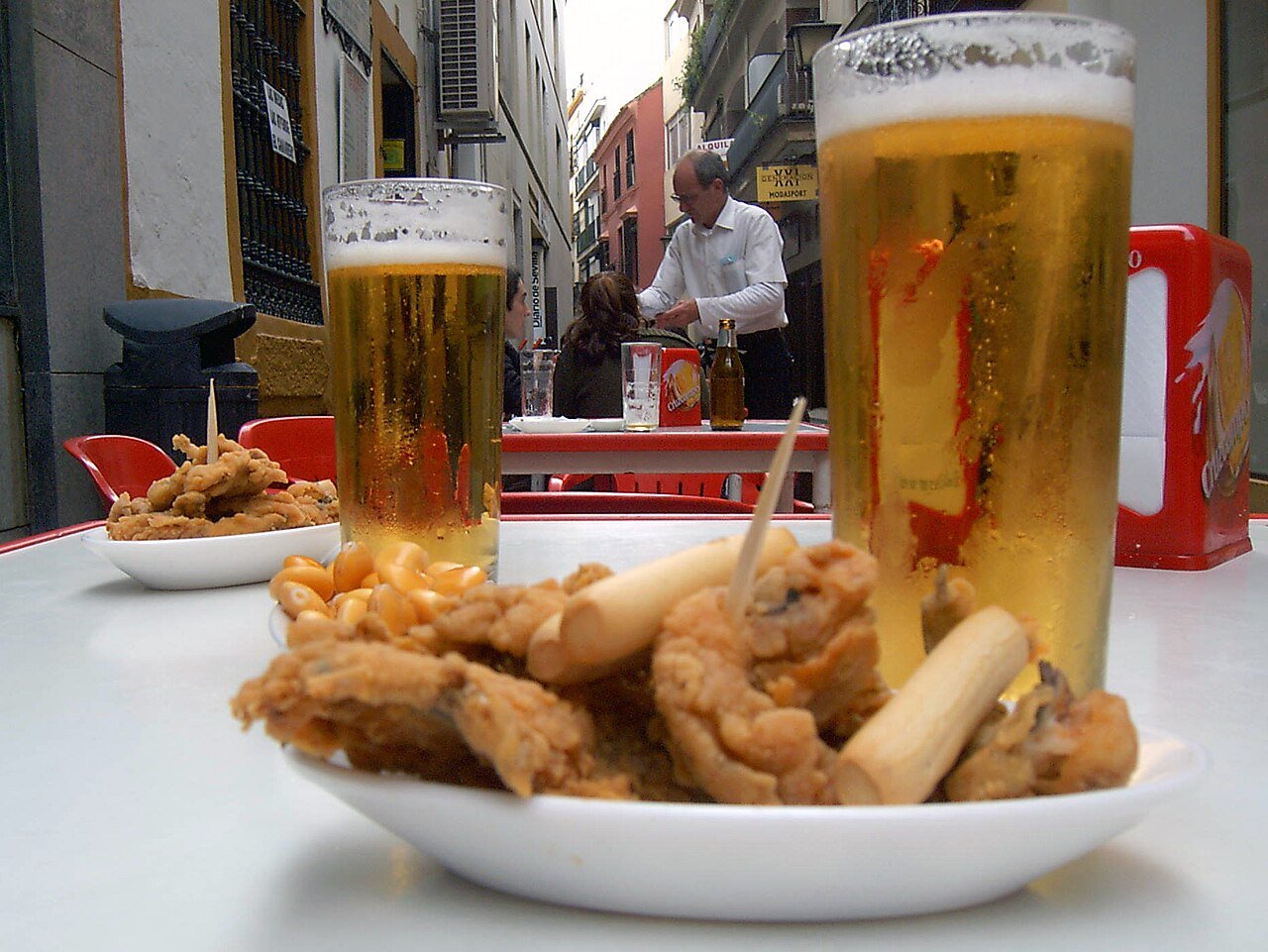
Two things are worth knowing before the list. First, tapas in Seville are not free — this is not Granada — but at the classic counters they are still cheap, mostly €2–4 a plate. Second, the city eats late and in two shifts: lunch runs from about 13:30, dinner rarely before 21:00, and most kitchens close in between. Time your crawl to those hours and every room below will be at its best.
In This Guide
1. El Rinconcillo — the Oldest Bar in Seville
Find it: Calle Gerona 40, Santa Catalina.
Order: the espinacas con garbanzos first — then the carrillada.
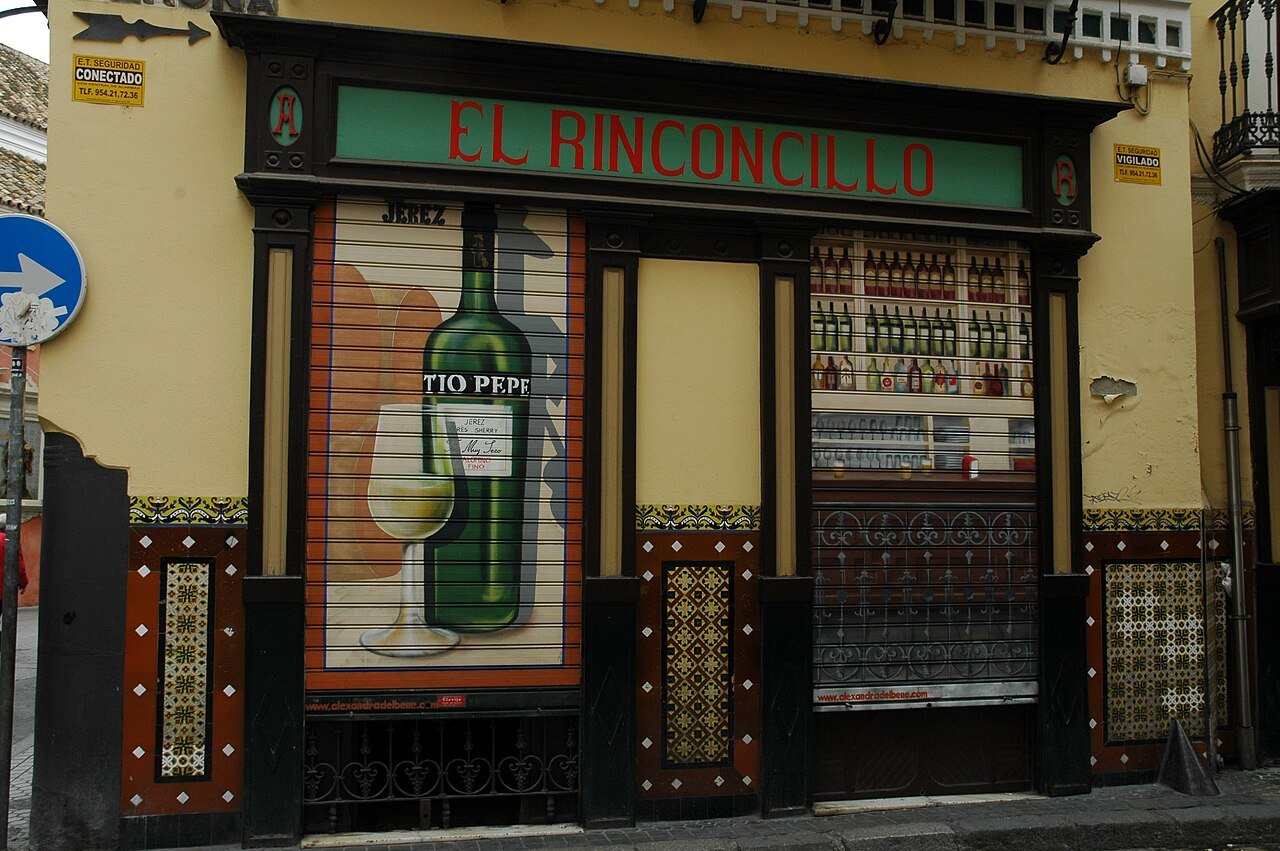
El Rinconcillo’s own website puts it plainly: this is the oldest bar in Seville, pouring since 1670. Three and a half centuries later the formula has barely moved — traditional Andalusian-Mozarabic tapas, a long tiled counter, waiters who keep your tally in chalk, and rooms that fill with locals at both services, lunch from 13:00 and dinner from 20:00. A queue forms before the doors open at lunchtime, and joining it is part of the ritual rather than a flaw in it.
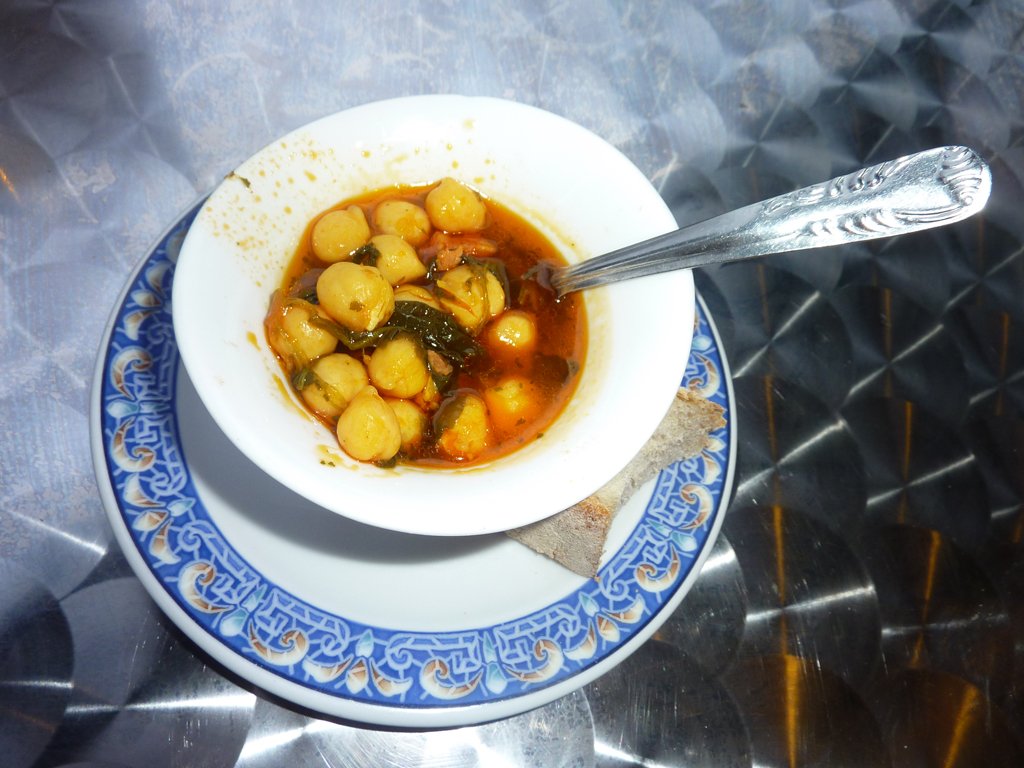
Order the espinacas con garbanzos, the spinach-and-chickpea stew spiced with cumin that Seville claims as its own, and follow it with the carrillada — pork cheeks braised until they give way at a touch. The flamenquín and a bowl of salmorejo round out the classic order. If you want the same kitchen in a calmer, more contemporary room, the family runs La Trastienda next door — but the bar is the experience, and the bar is the one to queue for.
2. Eslava — the Creative Tapas Bar
Find it: Calle Eslava 3, San Lorenzo, behind the Basílica de Jesús del Gran Poder.
Order: the yema sobre bizcocho de boletus — and the honey rib.
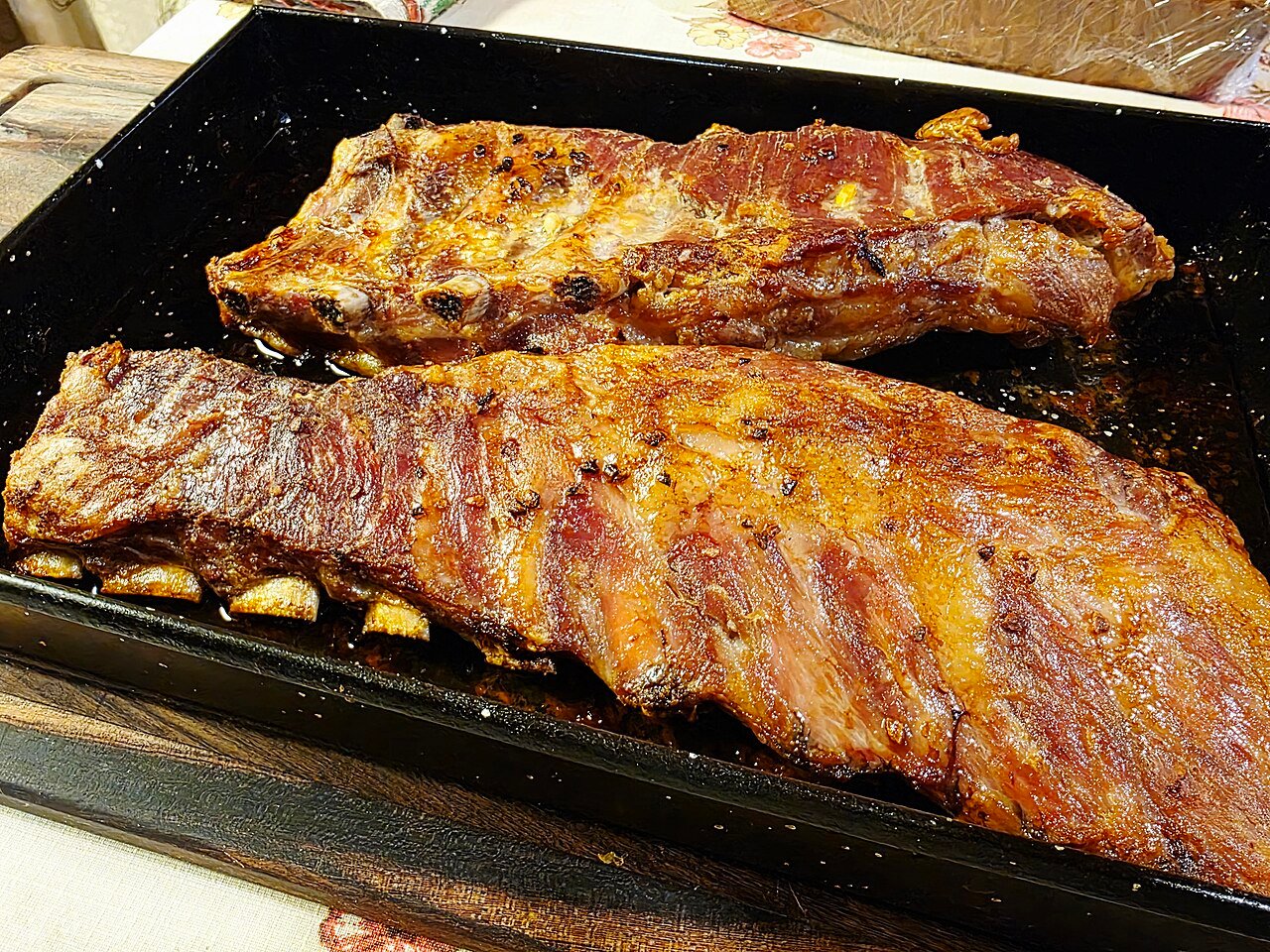
Eslava has spent more than 30 years doing one thing better than almost anyone in Seville: taking the traditional tapa and quietly reinventing it. The bar and its small restaurant sit on a side street in San Lorenzo, and the menu’s famous three explain the reputation. The yema sobre bizcocho de boletus is a slow-cooked egg yolk set on a soft boletus-mushroom sponge; the cigarro para Bécquer is a crisp pastry “cigar” filled with cuttlefish and seaweed béchamel; and the costilla de cerdo con miel de romero — a pork rib glazed in rosemary honey — is the one people cross the city for.
Prices stay honest for cooking at this level — the signature yolk tapa costs only a few euros — which is why there is almost always a wait. Put your name on the list, take a drink on the street outside with everyone else, and treat the queue as the first course. Between Eslava and El Rinconcillo you have the two poles of Sevillian tapas, old and new, a ten-minute walk apart.
3. Casa Morales — the Bodega of the Giant Jars
Find it: Calle García de Vinuesa 11, El Arenal, a short walk from the Cathedral.
Order: a montadito de pringá and a glass of the house vermouth.
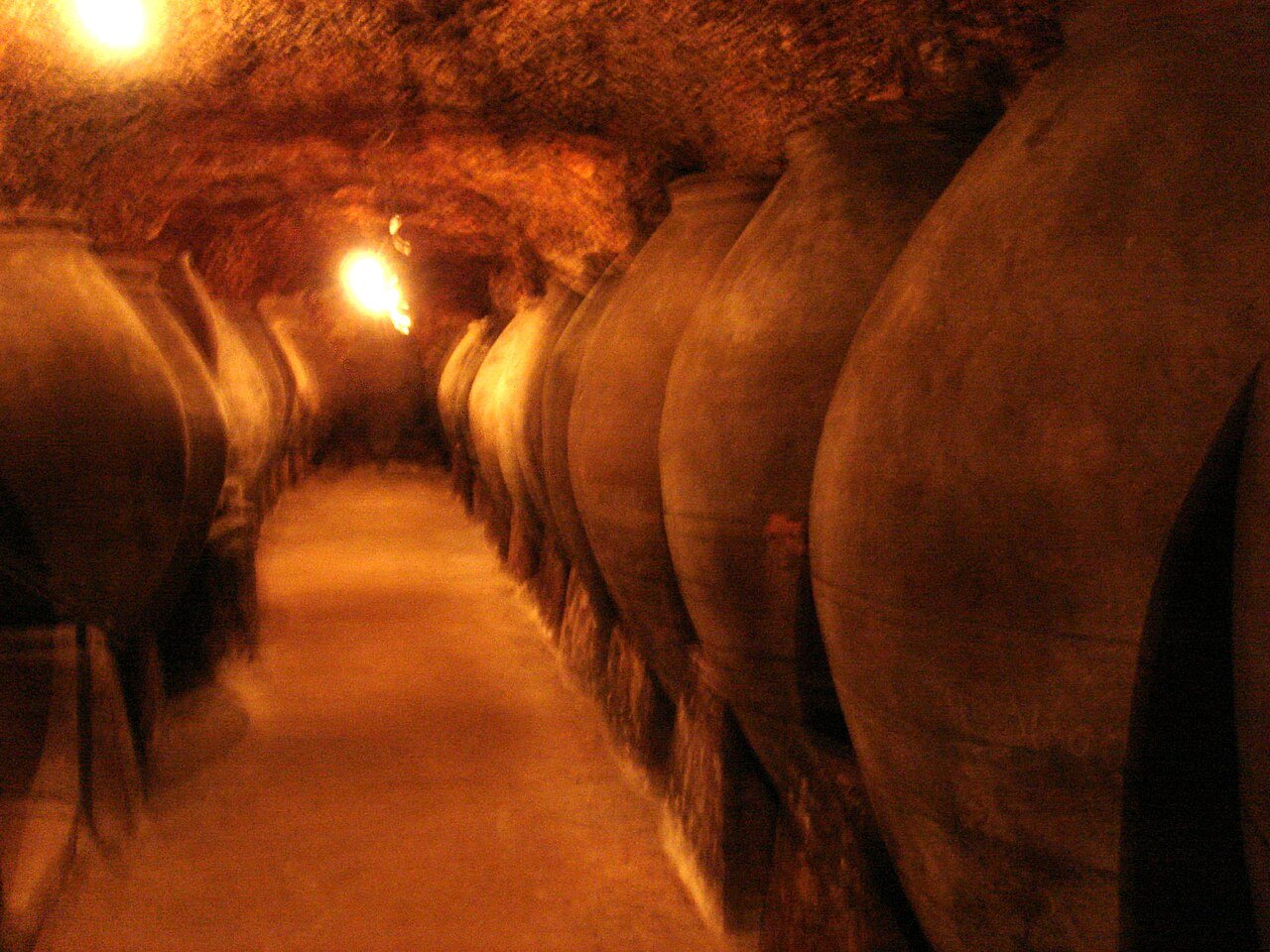
Casa Morales opened in 1850 as a winery and bar, and it is still run by the family that founded it — now the fourth generation. The front room is a stand-up bar with a shop window; the back room is the old winery, and it is the one to aim for: a barrel-vaulted space lined with enormous clay tinajas, the jars that once stored the house wine, with the day’s raciones chalked up among them. Very little about the room feels designed. It feels inherited.
The eating matches the room: montaditos — small, pressed rolls — above all the pringá, filled with the slow-cooked meats of the cocido; a carrillada that locals defend as the city’s best; and first-class conservas, tinned tuna and anchovies of a quality that makes the tin a feature rather than a shortcut. Come for a long, loud lunch, order at the bar, and let the jars do the decorating.
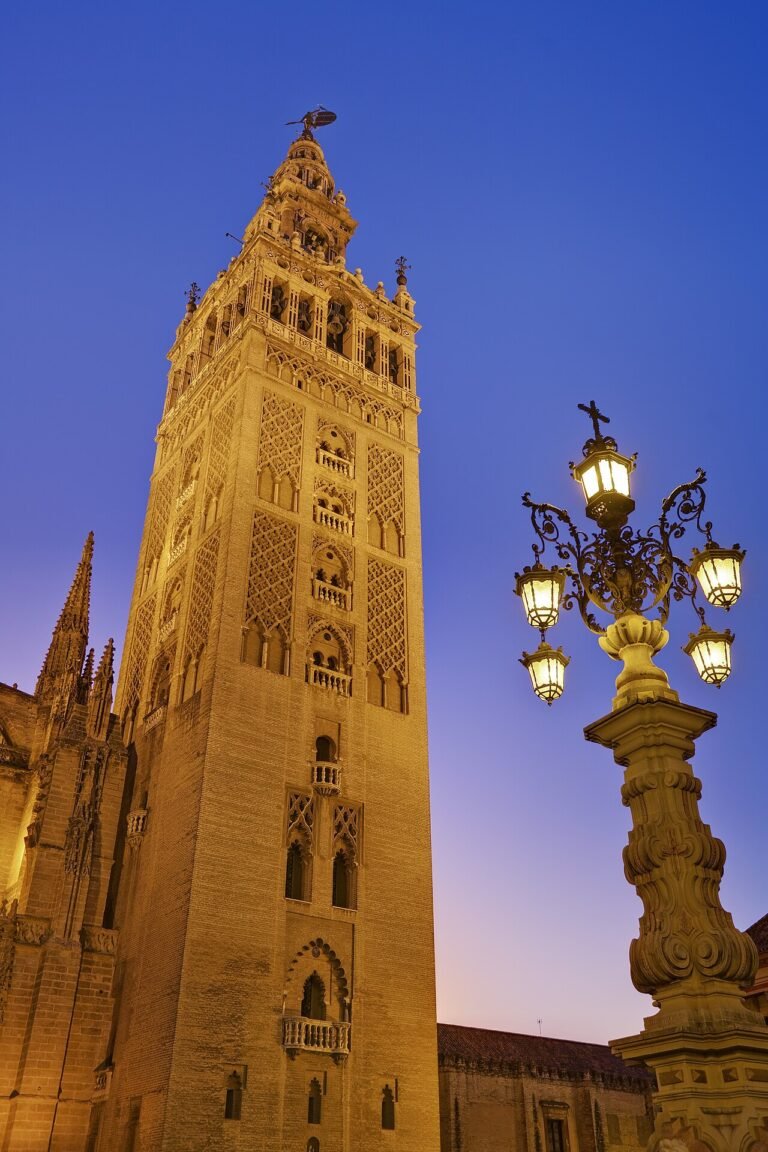
4. Bodega Santa Cruz Las Columnas — Tapas at the Foot of the Giralda
Find it: Calle Rodrigo Caro 1, on the corner of Mateos Gago, Santa Cruz.
Order: the montadito de pringá and the tortilla — and the Sunday paella if you time it right.
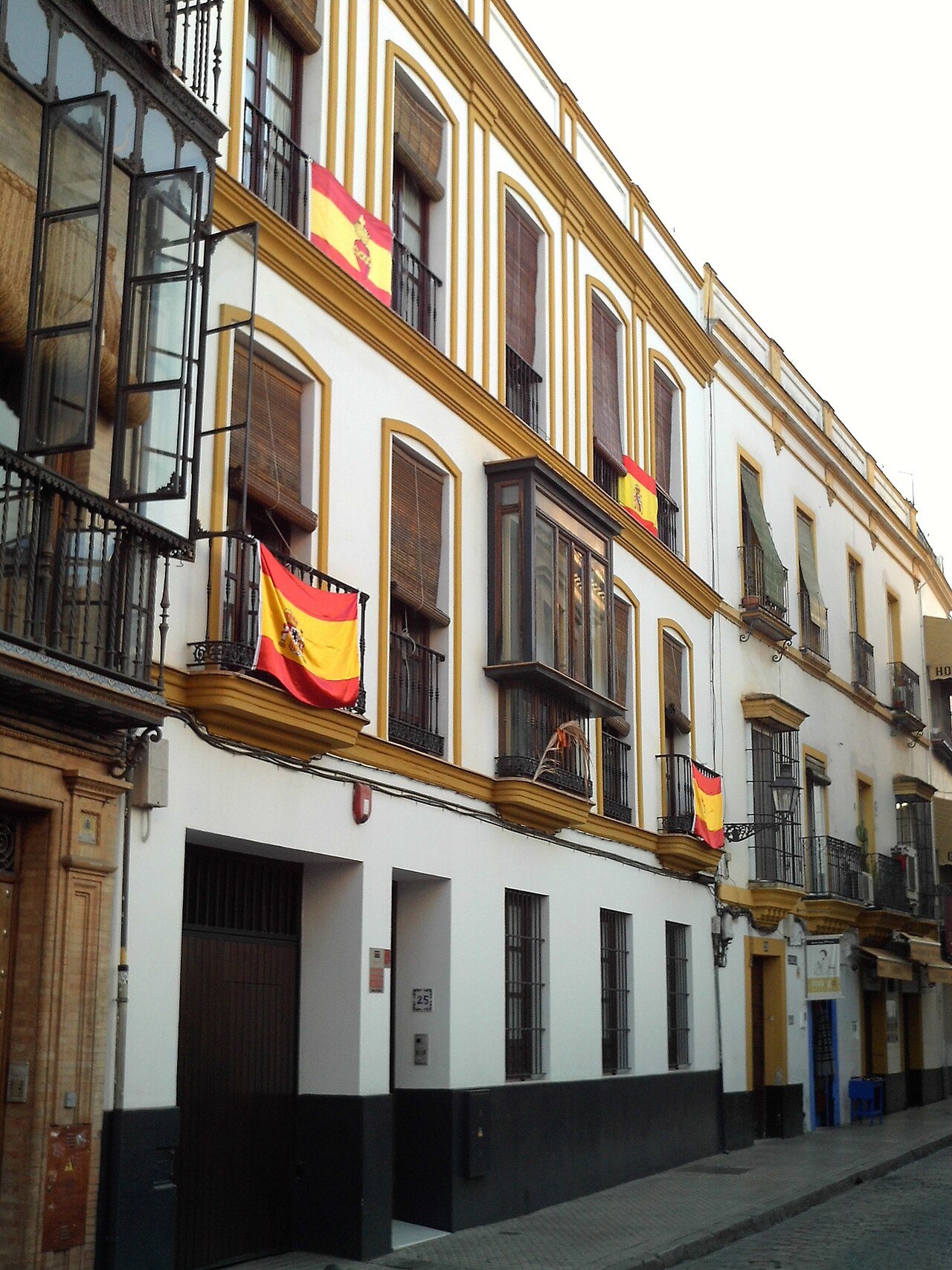
Everyone in Seville calls it Las Columnas, after the stone columns outside its yellow front, and everyone has an opinion about it: a kiosk-sized bar two streets from the Cathedral that should, by all tourist-trap logic, be terrible — and is instead packed with locals from morning to midnight. The tapas are chalked on a board, most of them around €3, and the kitchen turns them out at a speed that borders on theatre.
This is standing eating. Squeeze to the bar, point at the board, and work through the montadito de pringá, the tortilla de patatas and whatever fried fish is moving fastest. On Sundays a paella appears and disappears just as fast. It will be crowded, noisy and slightly chaotic; that is the point of the place, and after a morning inside the Cathedral and the Alcázar in Barrio Santa Cruz, it is the most Seville lunch within a five-minute walk.
5. La Azotea — the Local Favourite That Grew
Find it: Conde de Barajas 13, San Lorenzo (the flagship); sister spots across the centre.
Order: at the flagship, a rice cooked to order; at La Tienda, the tapas and the day’s fish.
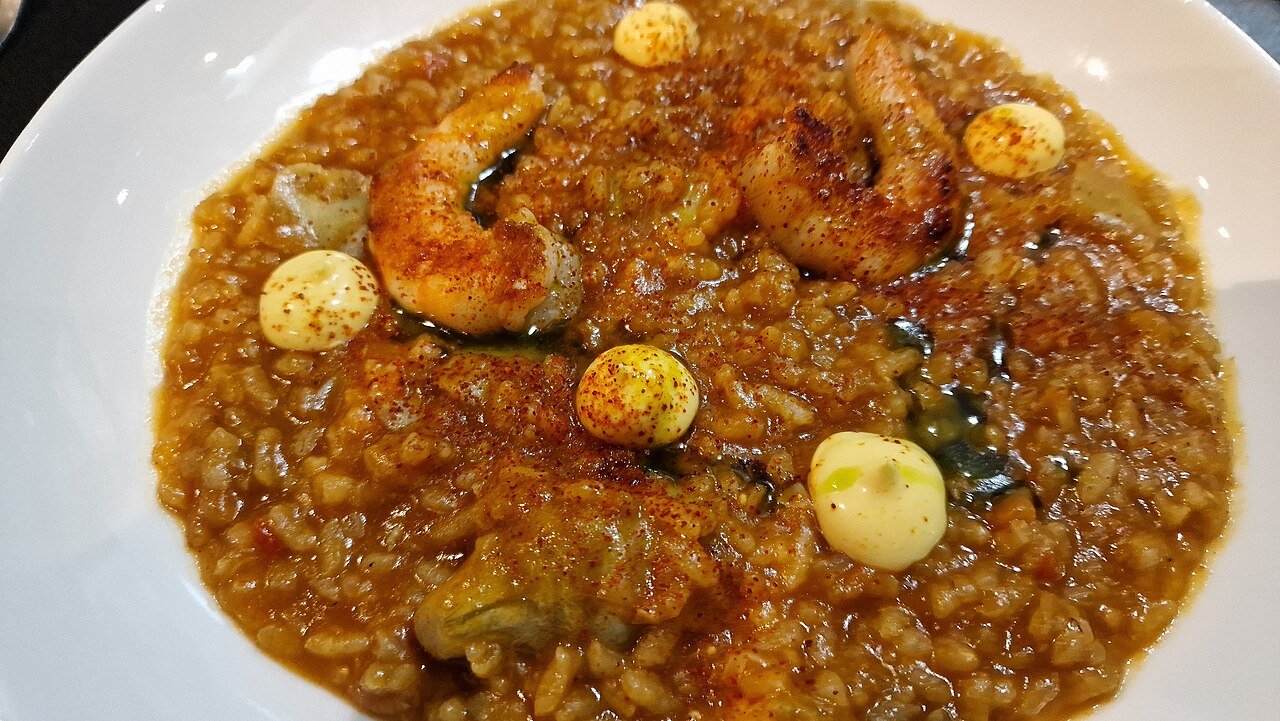
La Azotea began in 2009 as one small, serious tapas bar and became the name Sevillians give visitors who ask where locals actually eat. The flagship on Conde de Barajas has been reborn as La Azotea Restaurante y Arroces, its kitchen now built around arroz en paella — rice cooked to order in the pan, the way it should be and rarely is in a city centre. Across the street, La Tienda keeps the original spirit: tapas, fresh fish and grilled meats in a small, bright room.
There is a third address, La Azotea Vinos & Tapas, on Calle Mateos Gago in Santa Cruz, which makes the group an easy answer almost anywhere in the old town. Whichever room you land in, the cooking is the modern Sevillian middle ground — traditional flavours, seasonal fish, daily specials on the board — done with more care than the prices suggest. Book the flagship for dinner; the tapas bars reward those who arrive at opening.
6. Abantal — Seville’s Longest-Held Michelin Star
Find it: Calle Alcalde José de la Bandera 7, Casco Antiguo.
Order: the tasting menu — nine or twelve courses, and let the kitchen decide.
For the one big dinner of a Seville trip, this is the address. Chef Julio Fernández Quintero cooks what his own site calls cocina andaluza contemporánea — contemporary Andalusian cooking — and Abantal has held its Michelin star since 2010, longer than any other kitchen in the city. The room is small and calm, the service unhurried, and the tasting menus (nine or twelve courses) work through Andalusia’s larder — ajoblanco, Iberian pork, the produce of the huerta — with a precision the tapas bars never aim for.
Even the name is a piece of wordplay: Abantal comes from the old Castilian word for an apron, delantal. Book as far ahead as you can — a room this size, with a star held this long, does not keep tables free — and dress it up slightly: this is Seville dressing for dinner, and the city will meet you halfway.
7. Cañabota — the Fish Temple
Find it: Calle Orfila 3, Centro.
Order: whatever the counter says came in from the coast — and sit at the bar to watch it grilled.
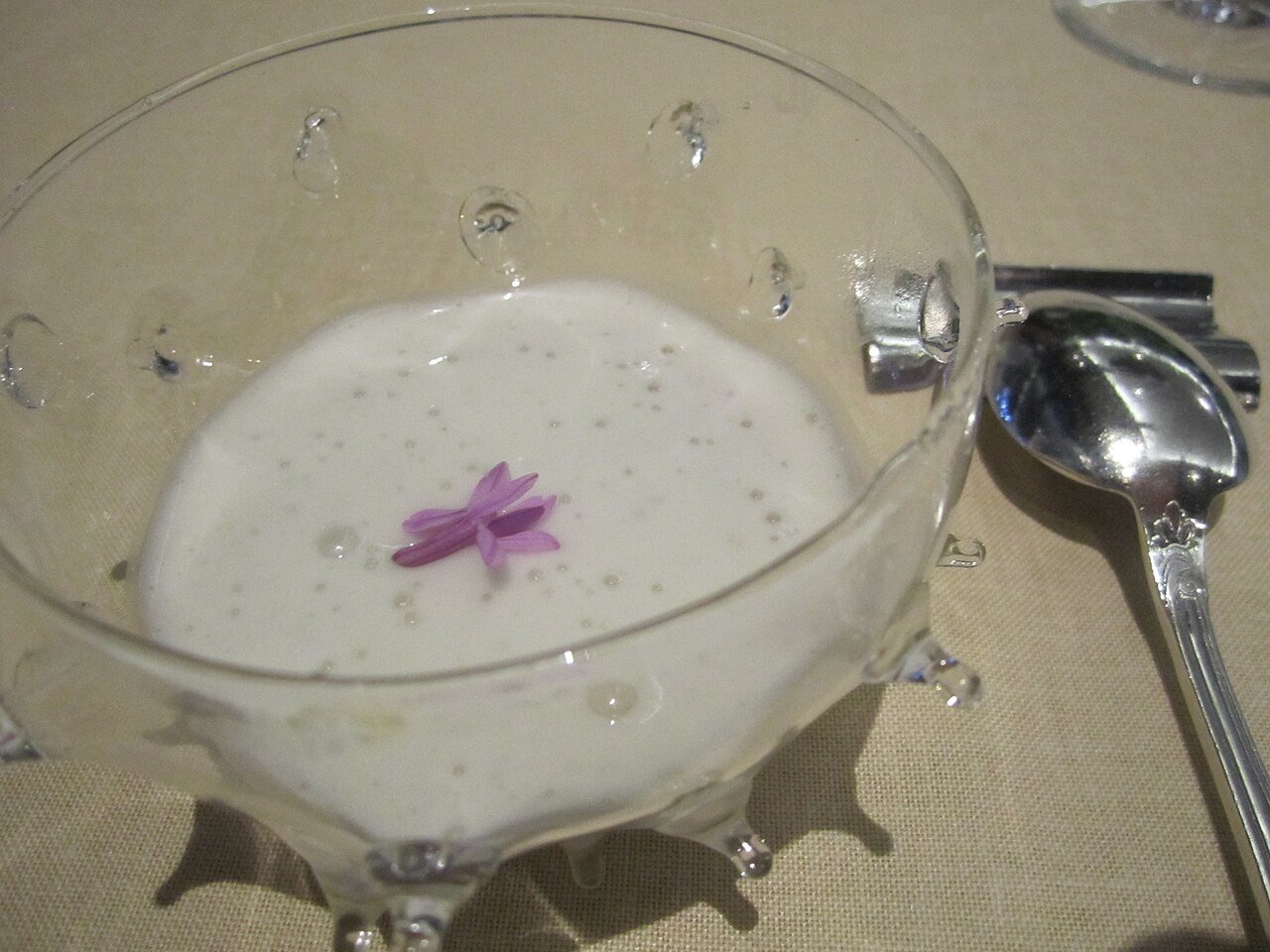
Cañabota describes itself as “mar y brasas” — sea and embers — and as a luxury fishmonger that happens to cook. It opened in October 2016 on a small street near Plaza Nueva, with a fish counter at the entrance, an open kitchen and everything grilled in front of you; in the 2022 guide it took Seville’s second Michelin star, the city’s first new one in over a decade. Owner Juanlu Fernández grew up in a fishmonger family, and the menu follows the boats: fish and shellfish from the Cádiz and Huelva coast, sold by the piece and the weight, raw, grilled or sauced.
Choose à la carte or the tasting menu, a table or the gastronomic bar — the bar seats are the theatre. It closes on Sundays and Mondays, as fish markets do. And if the main room is full or the star feels like too much occasion, La Barra de Cañabota next door serves the same product as a classic Sevillian tapas bar, oysters and croquetas included.
8. Sobretablas — the Garden Villa in El Porvenir
Find it: Calle Colombia 7, El Porvenir, near Plaza de España.
Order: the prawns with cracklings — and the tortillita.
Sobretablas is the romantic one. Chef Camila Ferraro and sommelier Robert Tetas — who met working at El Celler de Can Roca — cook in a villa built for the 1929 Ibero-American Exposition, in the quiet, leafy El Porvenir quarter, with a garden terrace that is reason enough to book on a warm night. The cooking is contemporary Sevillian built on classic roots: market vegetables, slow meats, seasonal fish, and a Bib Gourmand from the Michelin Guide to confirm the value.
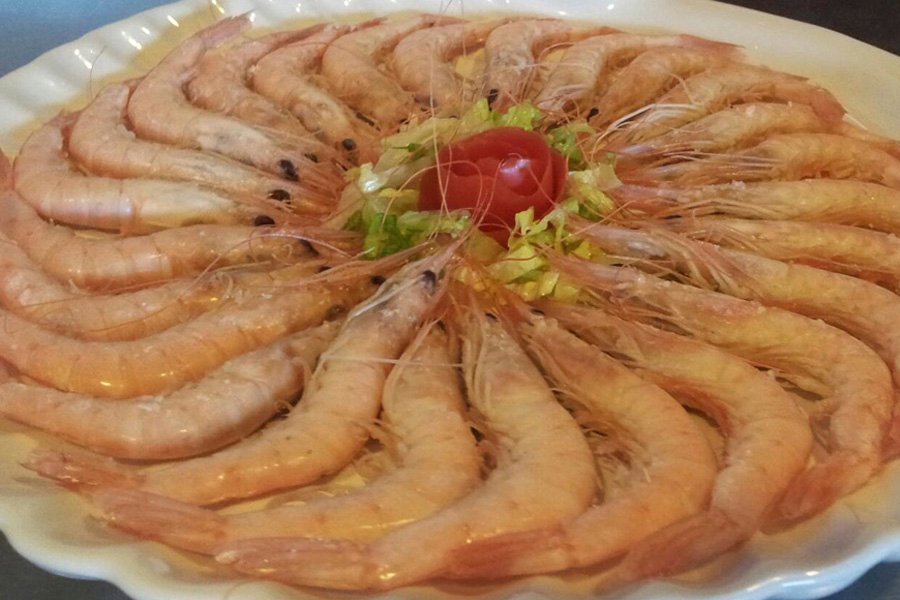
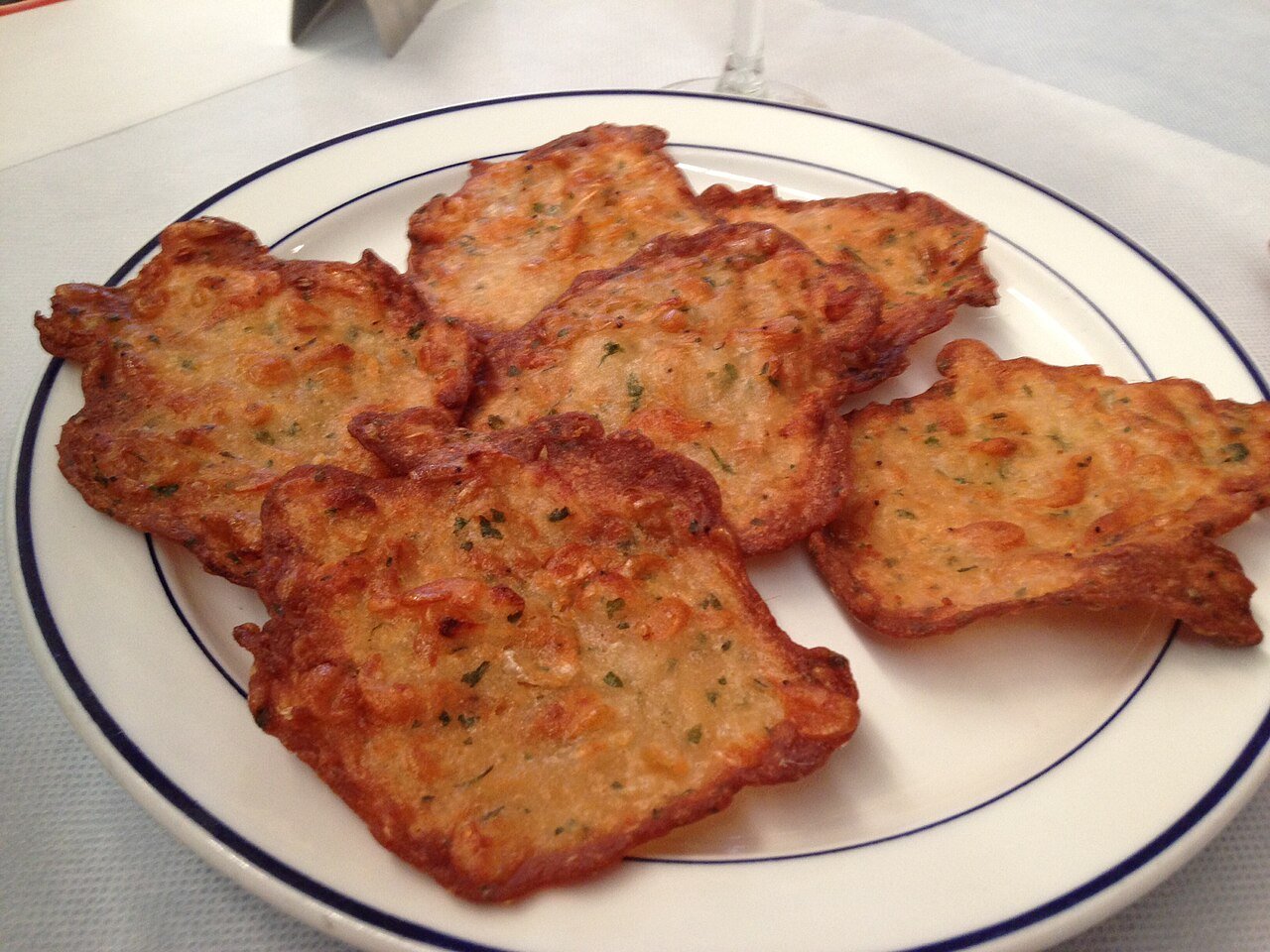
Even the name is a sherry lesson: sobretablas is the stage of sherry-making when the master decides whether a young wine becomes a fino or an oloroso — Robert’s department, and the wine list shows it. The Michelin Guide singles out the prawns with cracklings among the starters; the house’s crisp tortillita is the other order regulars insist on. Share a few dishes, or commit to the tasting menu, and walk it off afterwards through the gardens around Plaza de España.
9. Mariatrifulca — Dinner on the Triana Bridge
Find it: Plaza del Altozano 1, Triana — at the far end of the Puente de Isabel II.
Order: a table on the terrace at sunset, and one of the rices.
Mariatrifulca occupies the best seat in Triana: the corner of the Plaza del Altozano where the iron bridge from the old town lands, with a terrace and rooftop looking back across the Guadalquivir to the Giralda and the Cathedral. Come at sunset, when the light does half the kitchen’s work, and order from a creative Mediterranean menu whose strength is its rices — the brothy arroz meloso above all — alongside oysters and tapas-sized plates for the table.
It takes reservations online around the clock through its own website, and for the terrace in high season you will want one. Pair it with an evening in Triana itself — the ceramics streets and the market are a few minutes’ walk — or let someone else organise the eating: the Tapas Tour Across the River in Triana works through the quarter’s bars with a local guide in a group of no more than eight, with free cancellation up to 24 hours ahead and reserve-now-pay-later if you want to keep plans loose.
10. Egaña-Oriza — the Classic Special-Occasion Room
Find it: Calle San Fernando 41, against the Alcázar walls by the Jardines de Murillo.
Order: the kokotxas when they appear — and whatever game is in season.
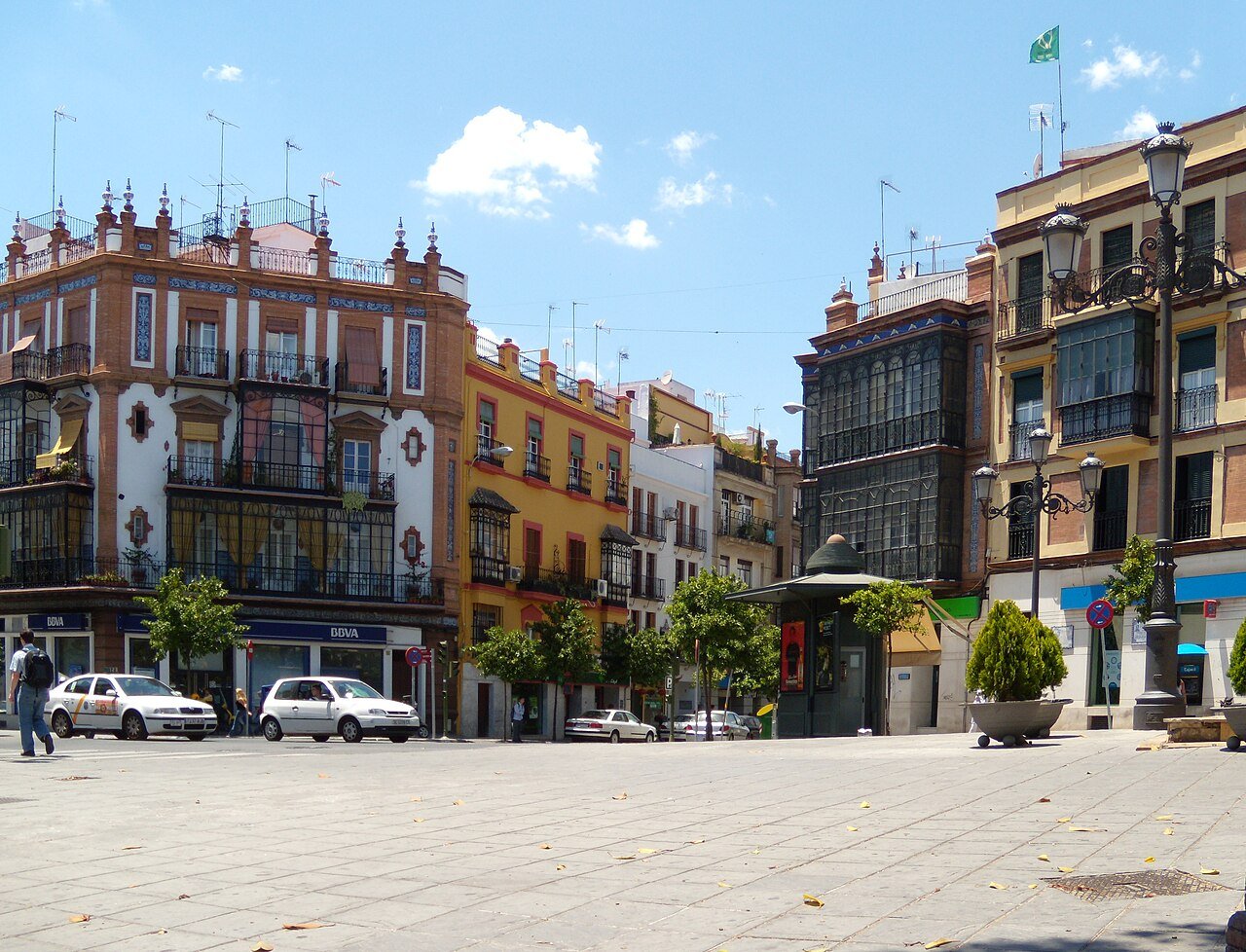
Every great food city keeps one grand old dining room, and in Seville it is Egaña-Oriza. Basque-born chef-owner José María Egaña cooks where two traditions meet — Basque technique and discipline, Andalusian produce and generosity — in the glass conservatory of a restored mansion, with the Alcázar’s walls on one side and the Murillo Gardens on the other. It is the white-tablecloth end of this list, and it wears the role comfortably.
The menu leans into game more than any other room in a seafood-led city — a passion of the chef’s — balanced by Basque classics like kokotxas, hake cheeks in a pil-pil sauce. Book it for the anniversary dinner, the last-night splurge, or the lunch that follows a morning in the Alcázar; the gardens outside the window are the digestif.
How Eating Out Works in Seville
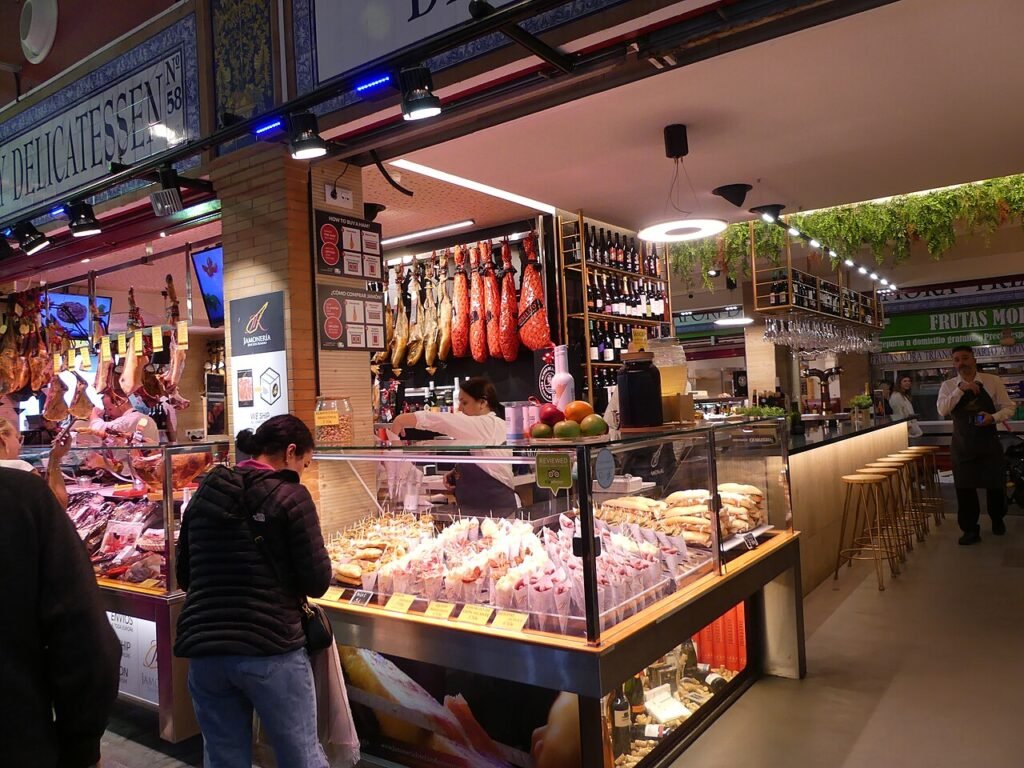
The mechanics are simple once someone explains them. A tapa is a small plate, a media ración a half portion and a ración a full one — order tapas to graze, raciones to share a main event. In the old bodegas the waiter chalks your bill on the counter or the barrel top, and it is settled at the end. Kitchens run two services, roughly 13:30–15:30 and 21:00–23:30, and the gap between them is real: at 18:00 the bars on this list will pour you a drink, but the kitchen is dark. That rhythm is why the markets of Seville make such a good late-morning grazing stop — the stalls cook while the restaurants rest.
Money goes further here than in almost any big Spanish city. A classic counter tapa costs €2–4, a caña not much more, and two people can tapeo seriously for the price of one formal dinner — which frees the budget for the one formal dinner, at Abantal or Cañabota, to be done properly. Reserve the starred rooms and Eslava or La Azotea on a weekend; everywhere else, arriving at opening is the whole strategy. And if you would rather eat with a guide on your first night, the Seville Food Tour with Tapas & Drinks with a Local spends 3.5 hours across four or more local stops and finishes, correctly, with churros.
Travel insurance, sorted
Whether it is a two-week holiday or a longer move, travel insurance is not the most glamorous part of a trip – but it is the one booking you want to have in place before a trip, and while you are already away. Get a quote from SafetyWing
Final Thoughts
Eat in Seville the way the city does and the list orders itself: a standing lunch at Las Columnas or Casa Morales, an evening crawl that starts at El Rinconcillo and ends at Eslava, one rice at La Azotea, one sunset in Triana, and one serious dinner — Abantal for the tasting menu, Cañabota for the fish, Sobretablas for the garden. However you arrange it, the rest of the trip is covered too: our 3 days in Seville itinerary builds these rooms into a day-by-day plan, so the only decision left is which counter to stand at first.
15 Best Things to Eat and Drink in Seville
Frequently Asked Questions
What is the best restaurant in Seville?
It depends on the meal you want. For tapas and history, El Rinconcillo — serving since 1670 — is the essential Seville experience. For a special dinner, Abantal, which has held its Michelin star since 2010, is the city’s benchmark tasting menu. For fish, it is Cañabota. All three are on the list above, and a good trip makes room for all three styles.
How many Michelin-starred restaurants are there in Seville?
Two. Abantal has held one star since 2010, and Cañabota gained its star in the 2022 guide — the city’s first new star in more than a decade. Beyond the stars, Sobretablas carries a Michelin Bib Gourmand, and several of the tapas bars on this list appear in the guide’s wider selection.
What food is Seville famous for?
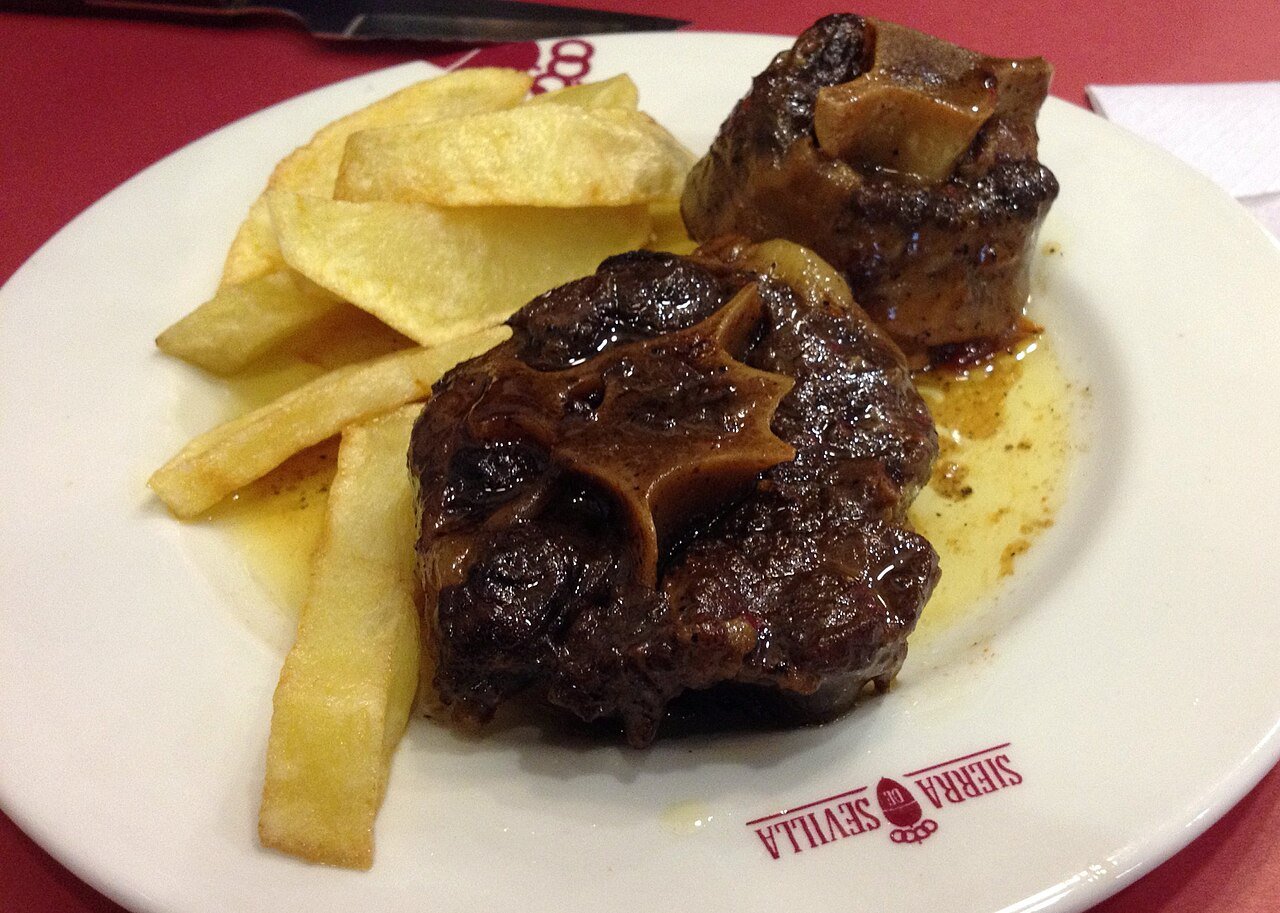
The tapas canon: espinacas con garbanzos (spinach with chickpeas), salmorejo, rabo de toro (braised oxtail), solomillo al whisky (pork in a whisky sauce), carrillada (braised pork cheeks) and pescaíto frito (fried fish). Each dish is covered in depth in our guide to the best food in Seville; this article is about the rooms that serve them best.
Do I need to book restaurants in Seville?
For the starred rooms — Abantal and Cañabota — and for Sobretablas and Mariatrifulca’s terrace, yes: book days ahead, and further in spring. Eslava and La Azotea’s flagship also fill at weekends. The historic bodegas and tapas bars mostly do not take reservations at all; the strategy there is to arrive when the doors open, at 13:00 for lunch or 20:00–21:00 for dinner.
What time do people eat in Seville?
Late, even by Spanish standards. Lunch runs from about 13:30 to 15:30 and dinner rarely starts before 21:00, with kitchens closing between services. Visitors who sit down at 19:00 will eat alone in a bar that is only pouring drinks. Adjust to the city’s clock and every kitchen on this list will be in full swing when you arrive.
Are tapas free in Seville?
No — that is Granada’s tradition. In Seville every tapa is paid for, but the prices at the classic counters are low: roughly €2–4 a tapa at places like Las Columnas and Casa Morales, with portions sized for ordering several. Order a tapa per person per round, share, and move on to the next bar.
Can I eat well in Seville on a budget?
Easily — Seville is one of Spain’s best-value food cities. A serious tapeo at the historic bars costs less than a modest restaurant dinner elsewhere, and the market bars cook excellent, cheap plates all morning. Save the splurge for one booked dinner, and let the €3 tapas counters carry the rest of the trip.