Best Breakfast in Valencia: 12 Spots to Start the Day Right
Breakfast in Valencia is really two breakfasts. There is the light one — a café con leche, a tostada con tomate and a glass of fresh orange juice at a bar counter — and then there is the famous one: the esmorzaret, the mid-morning feast of olives, peanuts and a forearm-length bocadillo that stops work in this city every day around ten. The single best place to meet it is Bodega La Pascuala in El Cabanyal, stuffing bocadillos since 1921. This guide covers both breakfasts: the traditional spots first, then the horchaterías, specialty coffee shops and brunch cafés that fill the rest of the morning map. For the food that follows later in the day, start with our guide to the best food in Valencia.
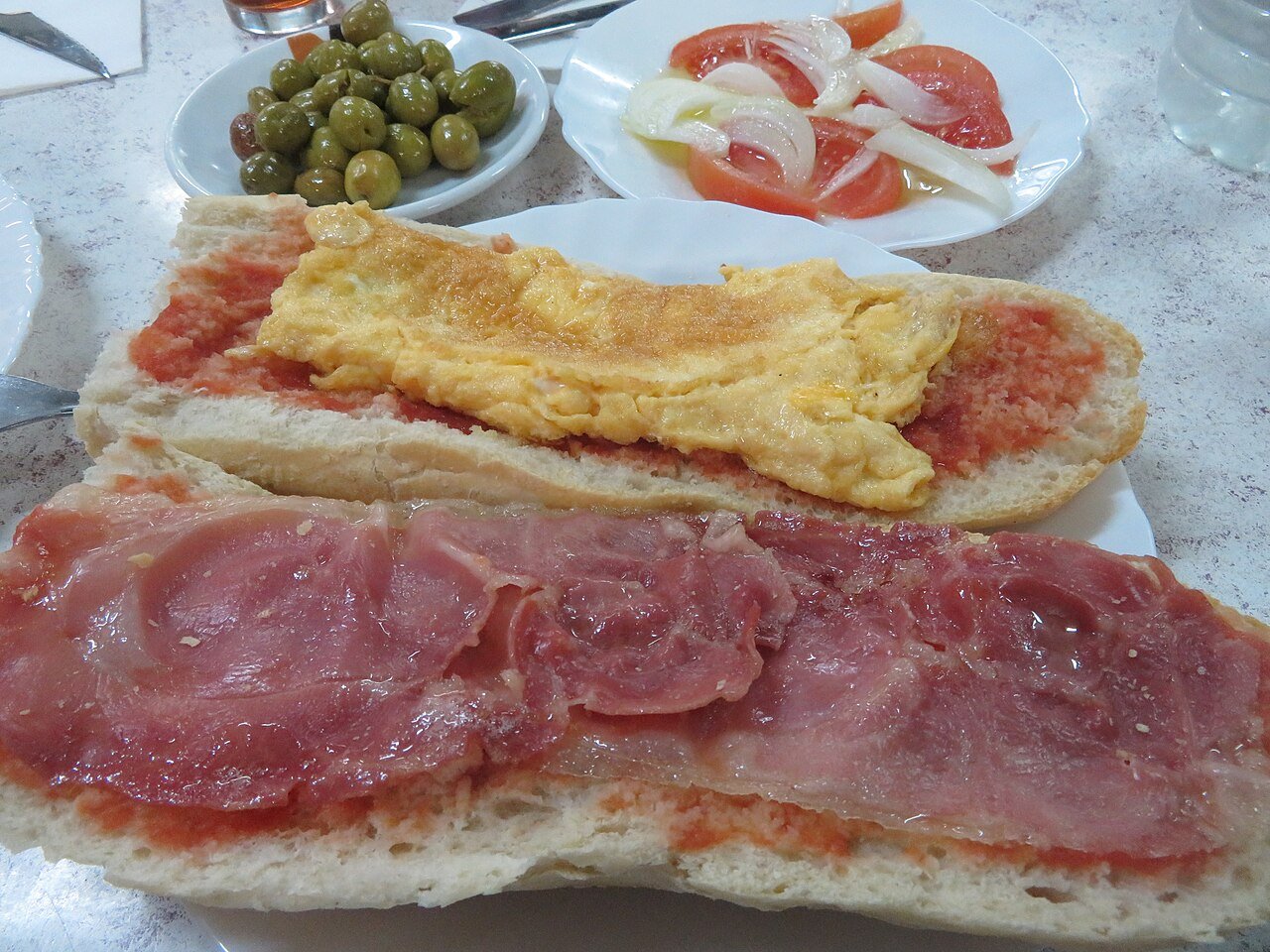
Neither breakfast needs much money or planning. A bar desayuno is one of the cheapest meals in Spain, and a full esmorzaret menu usually runs €6–8. What you do need is timing: the bocadillo ritual runs roughly from 09:30 to midday, and the best brunch kitchens stop serving by 16:00. Work through the list below in order and you will eat the way the city actually eats. And when the morning heats up, the drinks that take over — horchata, café del tiempo, agua de Valencia — are all in our guide to Valencia drinks.
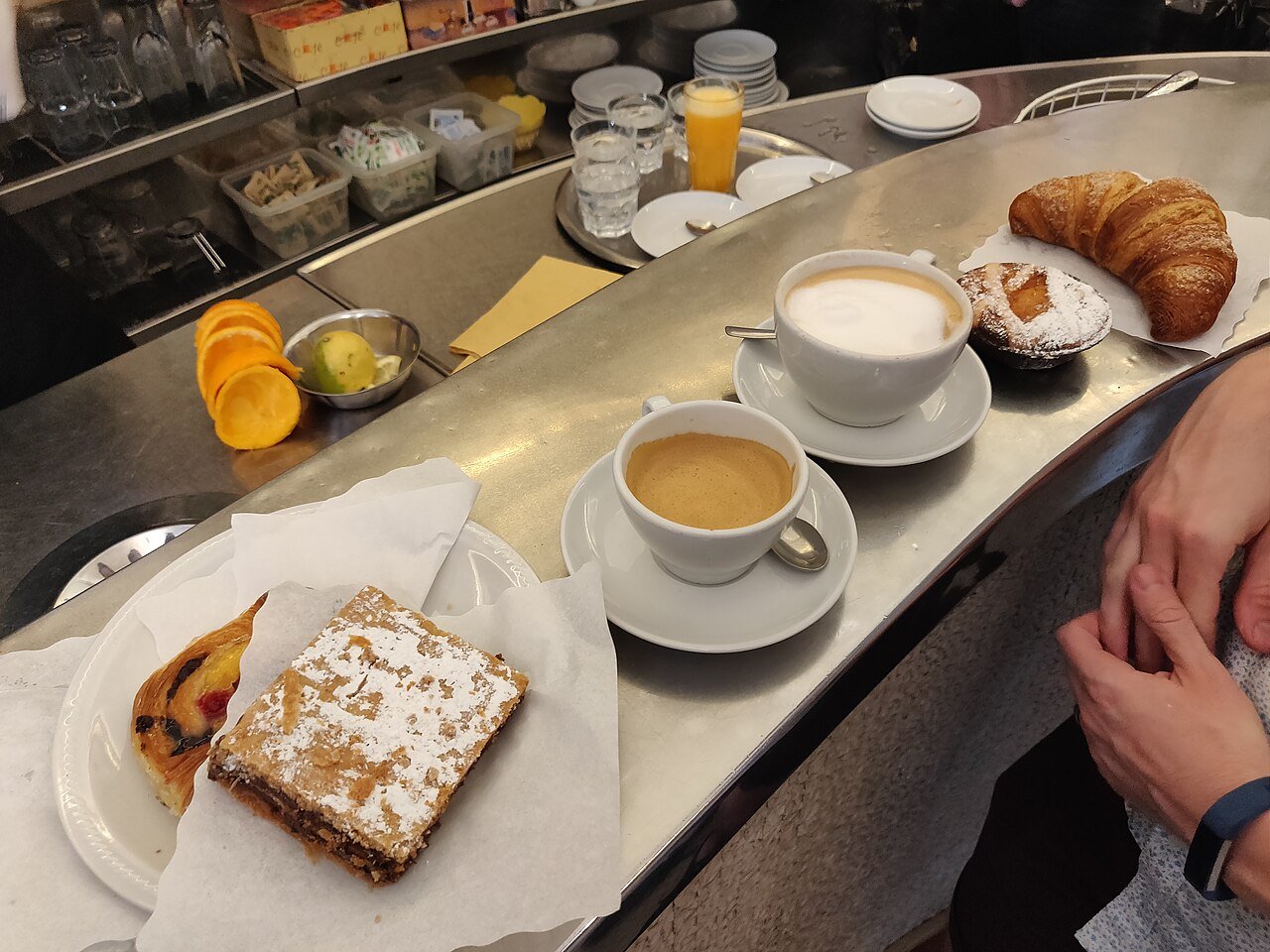
Best Breakfast in Valencia: 12 Spots to Start the Day Right
1. Bodega La Pascuala — the Esmorzaret Institution
Find it: Carrer del Dr. Lluch 299, El Cabanyal.
Order: a medio bocadillo to start — the house fills more than 30 different ones.
If you only have one Valencian breakfast, make it this one. La Pascuala has been serving the fishing quarter of El Cabanyal since 1921, and it is one of the true temples of the esmorzaret: the mid-morning ritual that begins with a picaeta of peanuts and olives, peaks with a bocadillo built for a farmer’s appetite and ends, for those who want it, with a cremaet. The menu runs to more than 30 bocadillos, and the horse-meat one is a local legend — order it if you are curious, or stick to the classics named in the closing section below.
A half bocadillo with a soda runs about €7, which makes this one of the great-value breakfasts in Spain as well as one of the most traditional. The bodega sits a short walk from the beach, so the local move is esmorzaret first, then the promenade. Come between 09:30 and midday, when the ritual is in full swing and the room is full of regulars doing exactly what their grandparents did here.

2. Horchatería Fabián — Horchata and Fartons
Find it: Carrer de Moratín 1, Ensanche.
Order: the homemade horchata with fartons caseros, still warm if you time it right.
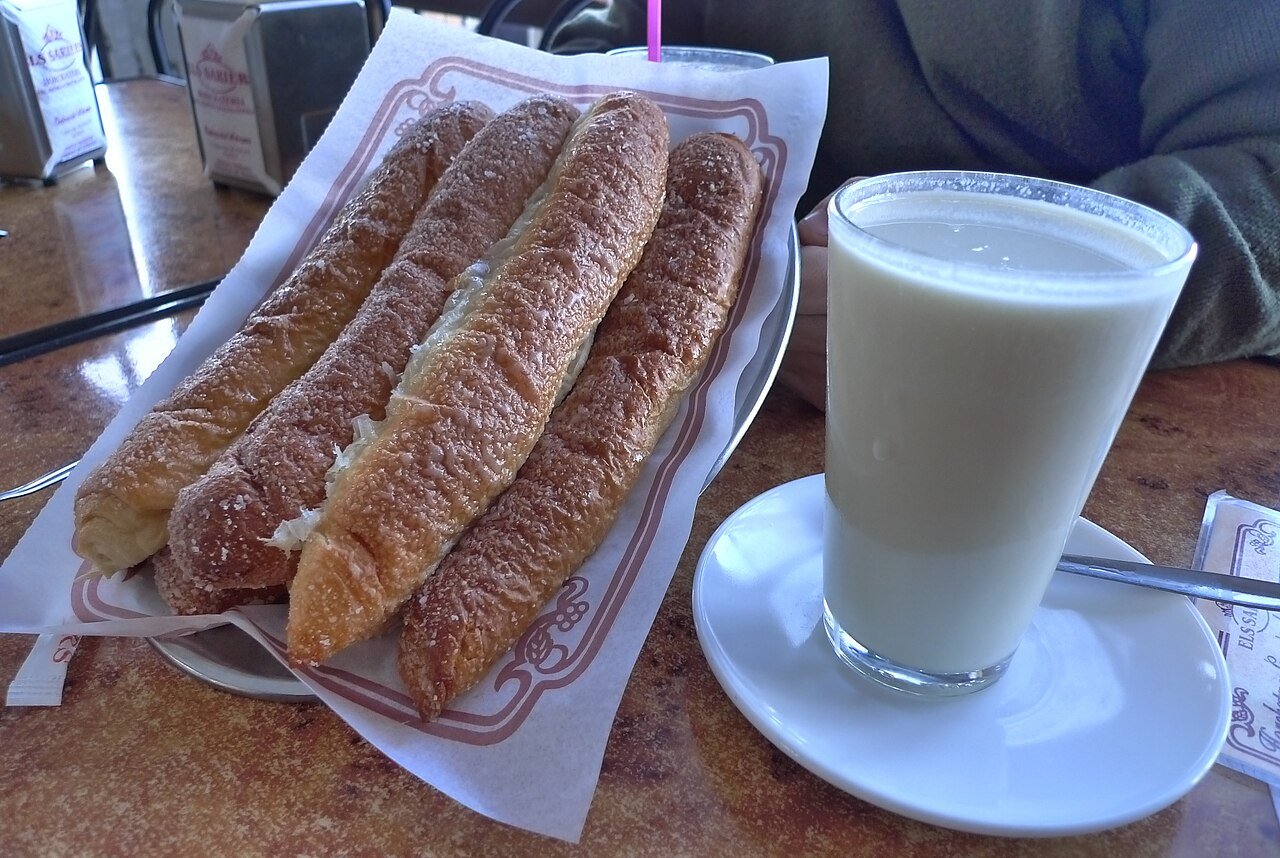
For the sweet Valencian breakfast, it is Fabián. The family horchatería recently moved a few metres from its old home on Carrer de Ciscar to Carrer de Moratín, and the horchata is still made in-house the traditional way — from chufa (tiger nuts), water and sugar, nothing else. Dunk the long, glazed fartons, which are baked for the dunking, and you have the combination Valencians have started summer mornings with for generations.
Outside summer, order the buñuelos de calabaza — pumpkin fritters — with a thick hot chocolate for dipping; in Fallas the queues for them run out of the door. The counter also does a proper coca de llanda, the city’s lemon-and-cinnamon sponge, and an apple tart worth the detour. It opens early, it is priced like the neighbourhood institution it is, and it sits right in the shopping streets for whatever comes next.

3. Bluebell Coffee Roasters — Specialty Coffee
Find it: Carrer de Buenos Aires 3, Ruzafa.
Order: a flat white with the avocado, rocket and poached-egg sandwich.
Bluebell is where Valencia’s specialty coffee scene started: a small roastery-café in Ruzafa run by two sisters, Marian and Yolanda Valero, who roast their own beans every week. It was one of the first places in the city where a flat white meant something precise, and the coffee still sets the standard the newer shops chase. The room is small, the garden patio out back is the seat to aim for, and the kitchen keeps the menu short and fresh.
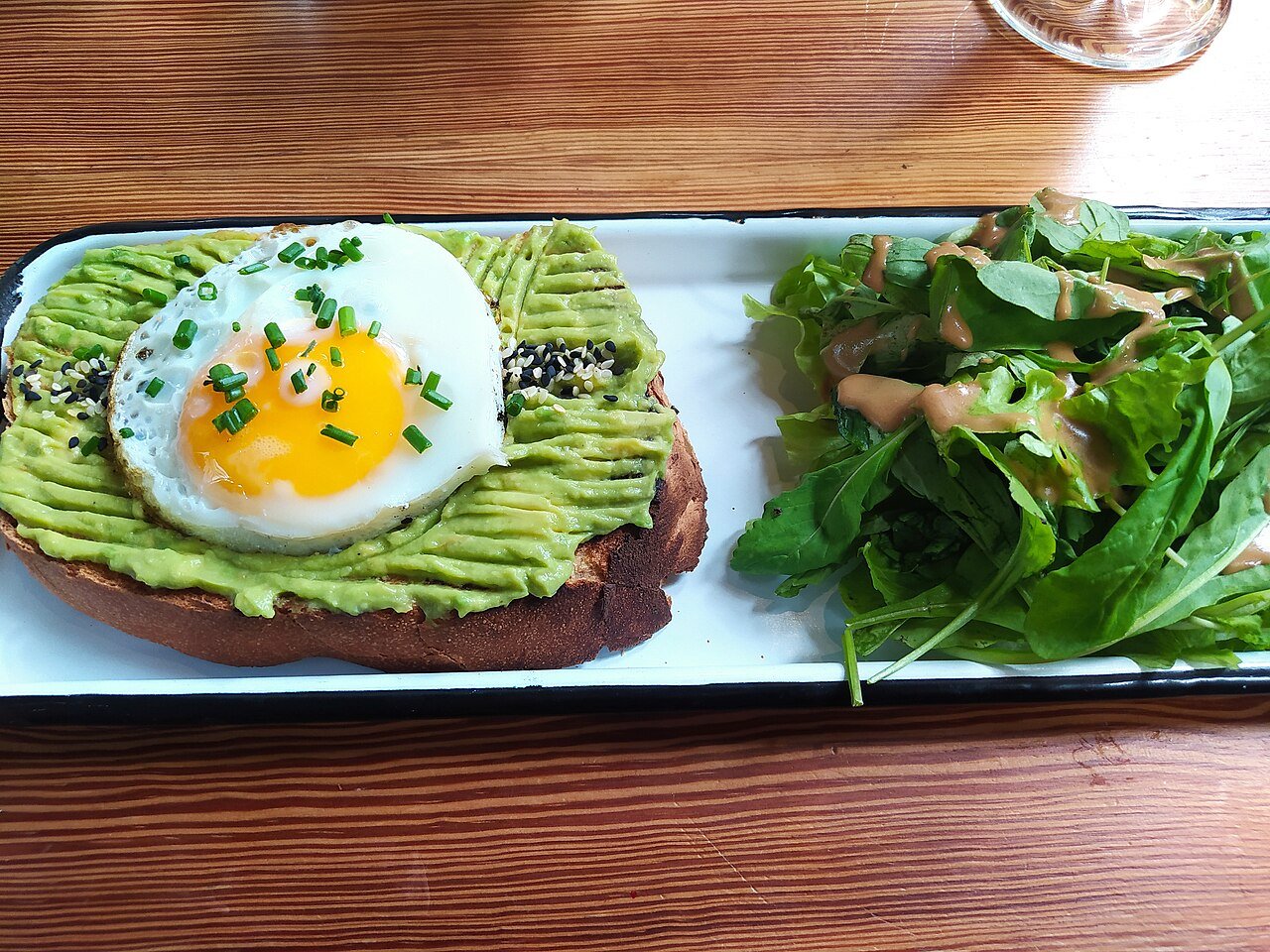
It opens 09:00 to 16:00 every day, which makes it a true breakfast spot rather than an all-day café. The pancakes draw their own following, and the avocado sandwich — smashed avocado, rocket and a poached egg — is the plate regulars order on repeat. If you care about coffee more than about the size of the menu, start your Ruzafa morning here.
4. Federal Café — the Big Brunch Menu
Find it: Carrer de l’Ambaixador Vich 15, Ciutat Vella.
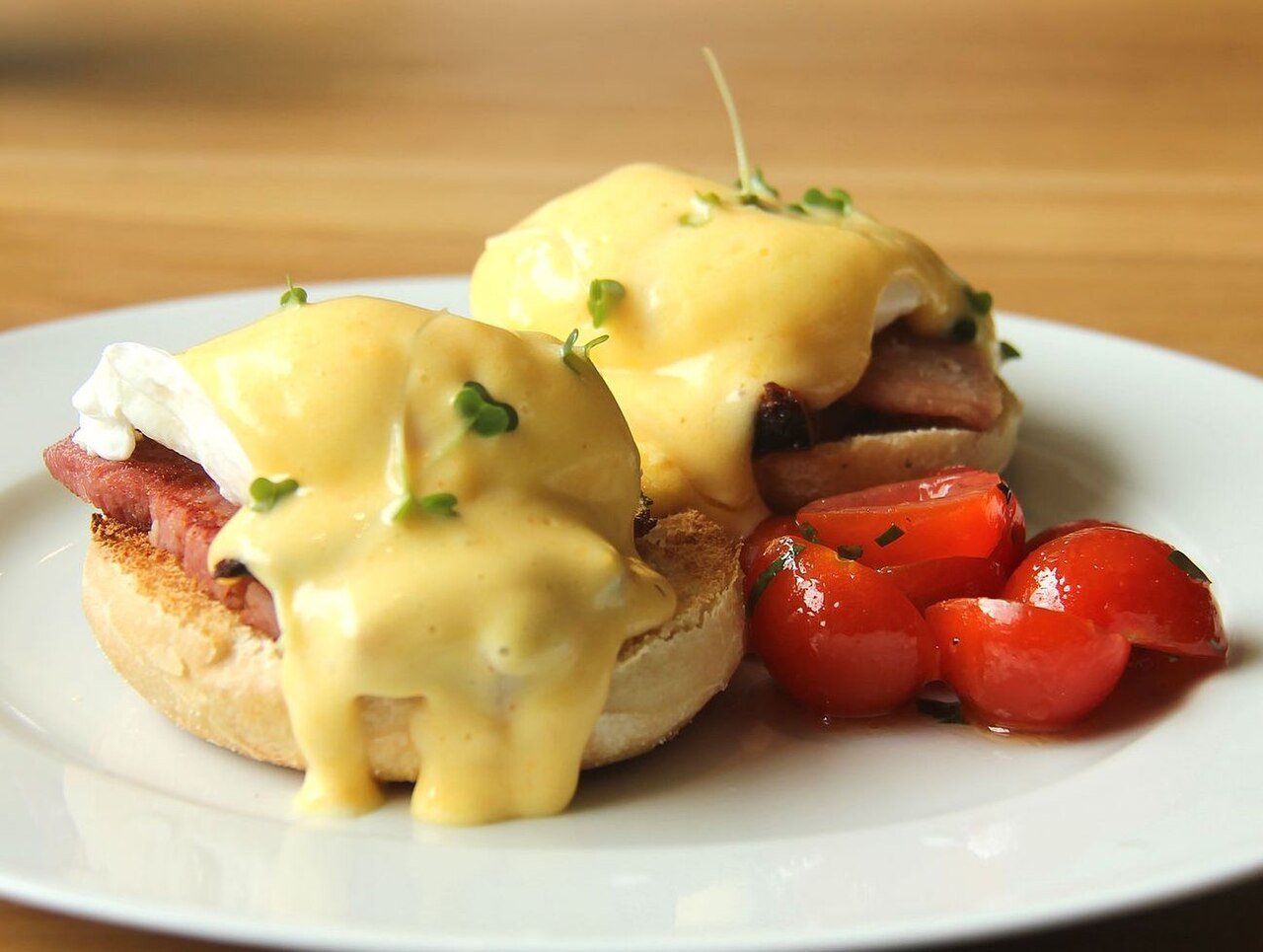
Order: the eggs Benedict — and keep the buttermilk pancakes for the table.
Federal brought the Australian café formula to Valencia’s old town: a long, serious brunch menu, good coffee and a room built for lingering. Breakfast is served until 13:00 on weekdays and stretches to 16:00 at weekends, which makes it the forgiving option after a late night. Expect to pay around €15.20 for the eggs Benedict, €12.10 for avocado toast and €10.80 for the buttermilk pancakes — city-centre brunch prices, in line with the €16 average the tourist board lists for the café.
The location does the rest: on a side street in the Ciutat Vella, minutes from the cathedral quarter, with the shopping streets around it. It opens daily from 09:00. If your group cannot agree between sweet and savoury, this is the menu that settles the argument — order across it and share.
5. Brunch Corner — California-Style Brunch
Find it: Carrer del Comte d’Almodóvar 1, by Plaça de la Verge, Ciutat Vella.
Order: the Belgian-waffle eggs Benedict, or the breakfast burrito.
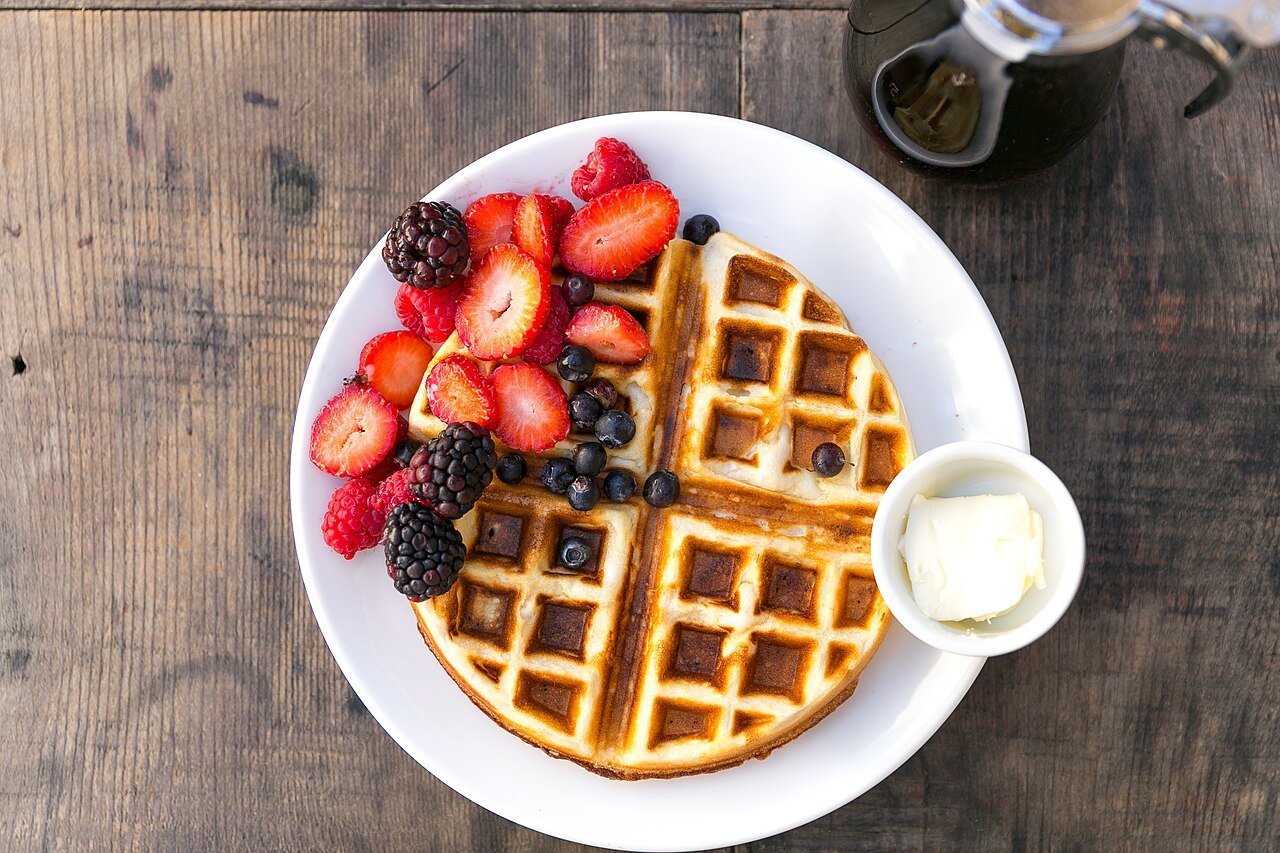
Brunch Corner started in 2014, when its founder Natalia brought a California idea of brunch to a corner by the Plaza de la Virgen — and it worked so well there are now three locations in the city. The La Virgen original opens at 08:00 on weekdays (09:00 at weekends) and serves brunch until 16:00, so it covers both the early start and the slow one. With around 2,600 reviews averaging about 4.5–4.6, it is one of the most-tested breakfast rooms in the old town.
The menu is the full international brunch canon done with care: a Full English, an All American, eggs Benedict served on a Belgian waffle, a breakfast burrito and bagels baked in-house. It sits on the same street as the Café de las Horas of Agua de Valencia fame, so a slow morning can roll straight from brunch into the old town’s squares.
6. Dulce de Leche — Argentine Baking
Find it: Carrer del Pintor Gisbert 2, Ruzafa (and Carrer de Jesús 71).
Order: the facturas — and anything carrying the house dulce de leche.
Dulce de Leche is an Argentine family bakery-café, run by a family from Villa General Belgrano in Córdoba, and it has become part of Ruzafa’s morning furniture. The draw is the baking: facturas — the soft, glazed pastries Argentina eats with coffee — empanadas for the savoury-minded, and a croissant filled with dulce de leche that explains the shop’s name. The Jesús street location opens at 08:00 for the early crowd.
It is a brunch favourite in the neighbourhood, which means one honest warning: on Sundays the queue can run out of the door, and the regulars treat that as the price of admission. Go on a weekday, or go early, and take a box of pastries away for later — they travel well and the afternoon version of you will be grateful.

7. La Más Bonita — Cake and Sea Air
Find it: Carrer de Cadis 61, Ruzafa (from 08:30), and the original on the Patacona beachfront, Alboraya.
Order: a slice of the homemade cheesecake or red velvet — yes, for breakfast.
La Más Bonita built its name on homemade cakes, and it runs two very different mornings. The Ruzafa shop on Carrer de Cadis opens at 08:30 and does the city version: cakes, a club sandwich, tortilla de patatas, fresh juices and pancakes. The original, though, is the one on the Patacona promenade in Alboraya — breakfast with the Mediterranean in front of you, up to and including a full English for homesick appetites.
Pick by mood. Cadis is the convenient stop inside a Ruzafa morning; Patacona is a destination — ride out, eat slowly, then walk the promenade. Either way, the cake case is the point of the place, and a slice of the red velvet or the cheesecake with coffee is a perfectly defensible breakfast in a city that puts a bocadillo the size of a forearm on the same list.
8. La Petite Brioche — French Baking
Find it: Carrer de Sorní 28, Eixample (from 09:00), and Carrer de Cuenca 31 (from 08:00).
Order: the cronut — the croissant-doughnut hybrid it is known for.
Baking since 2013, La Petite Brioche is the French entry on the list: a bakery-café whose croissants, quiches and tarts are made with a pâtissier’s discipline. The Sorní shop sits a short stroll from the Mercado de Colón, which makes it an easy pairing — pastries first, then the market’s gourmet halls. The Cuenca location opens an hour earlier, at 08:00, for commuters and early risers.
Beyond the cronut, the brunch plates cover the modern canon — eggs Benedict and avocado toast included — but it is the pastry case that justifies the visit. If your breakfast taste runs to laminated dough and good butter rather than to bocadillos, this is your stop in the Eixample.

9. Café ArtySana — the Healthy Brunch
Find it: Carrer de Dénia 49, Ruzafa (and a second spot in El Cabanyal).
Order: the turmeric latte and whatever the sourdough is carrying that day.
ArtySana is Ruzafa’s vegetarian brunch house: the menu is built for the plant-based crowd — vegetarian throughout, vegan and pescatarian friendly — without ever feeling like a compromise. Reviewers single out the sourdough bread, and the turmeric latte has become a signature for people who want their morning drink to do more than wake them up. Smoothie bowls, salads and eggs round out a menu designed for a lighter start.
The Ruzafa café keeps long hours — 08:30 to 18:30 Monday to Thursday, until 20:30 on Fridays, and from 09:30 at weekends — so it doubles as the late-breakfast rescue when the brunch kitchens elsewhere have closed. There is a second location in El Cabanyal if your morning is based down by the beach.
10. Flying Bean Coffee — the Roastery by the Station
Find it: Carrer del Doctor Vila Barberà 12, Extramurs, by Joaquín Sorolla station.
Order: a filter coffee with the banana and peanut-butter tosta.
Flying Bean is three things under one roof near the Joaquín Sorolla station: a working roastery, a café and a coworking space. The beans are roasted on site, the coffee is taken seriously, and the room hums with laptops from early — it opens at 08:00 on weekdays and 09:00 at weekends, and a 4.6 rating from more than 1,100 reviews says the formula works. For travellers, it is the smart breakfast stop before a train or straight after one.
The food holds up its end: avocado toast, a banana and peanut-butter tosta, coconut bread and a carrot cake that regulars mention by name. If your Valencia base is near the station, or your morning involves a departure, this is the breakfast that fits around it — coffee roasted metres from your table.

11. Ubik Café — Breakfast in a Bookshop
Find it: Carrer del Literat Azorín 13, Ruzafa.
Order: coffee and a focaccia — then browse the shelves.
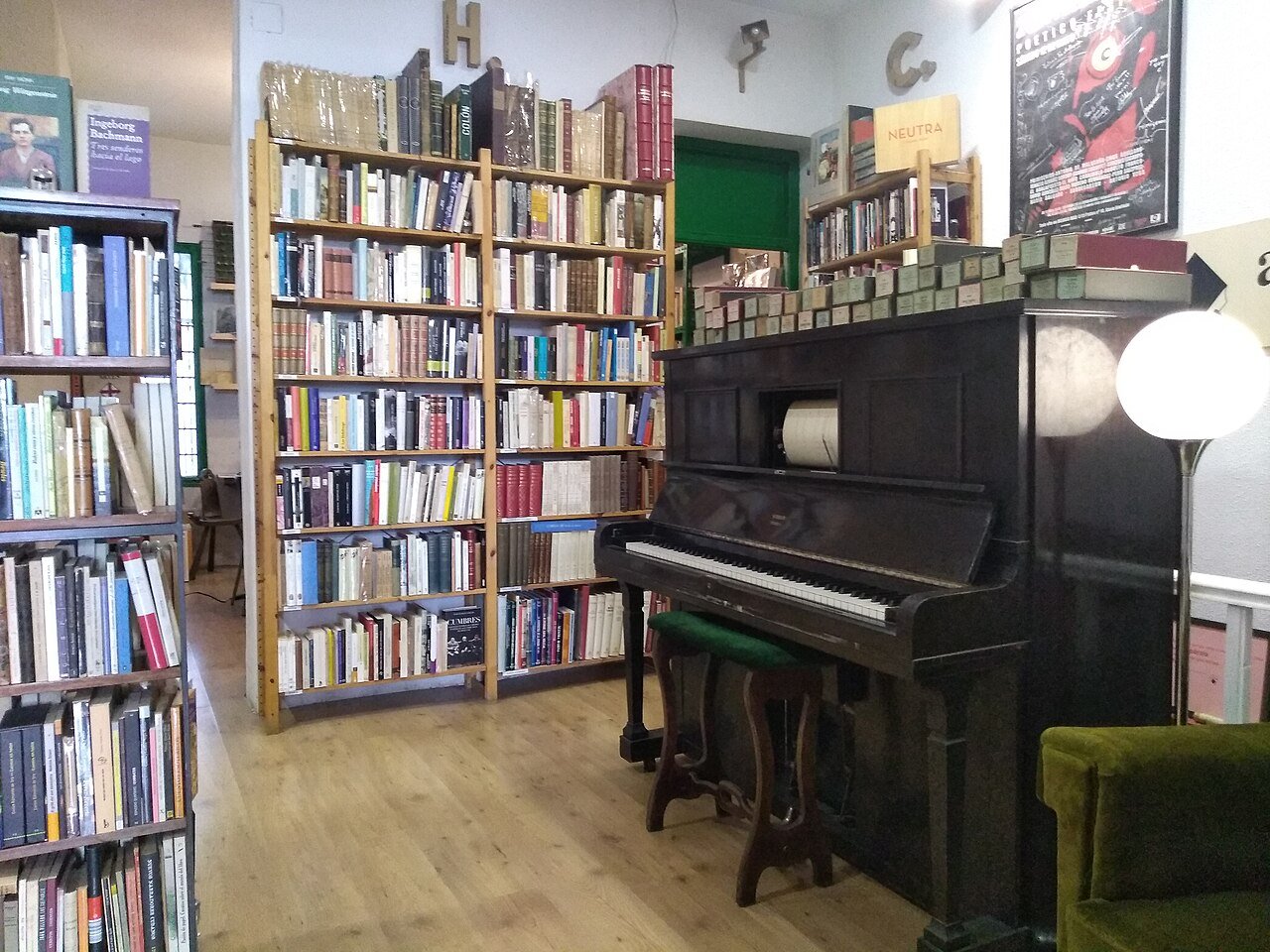
Ubik is the slow morning on this list: a bookshop-café in the heart of Ruzafa where the shelves hold new and second-hand books, there is a children’s room for small readers, and the calendar runs to concerts — Sundays at 13:30 — and book launches. The kitchen leans Italian-Spanish: focacce, bruschette, salads and tapas plates, which makes it as good for a late, grazing breakfast as for lunch.
Come here when the plan is no plan. Order at the counter, take the coffee to a table among the books, and let the morning stretch. In a guide full of rituals and queues, Ubik is the reminder that breakfast in Valencia can also just be a quiet room, a good book and nowhere to be.
12. Almalibre Açaí House — Açaí Bowls in El Carmen
Find it: Carrer de Roteros 16, El Carmen, by the Torres de Serranos.
Order: a build-your-own açaí bowl — you choose every layer.
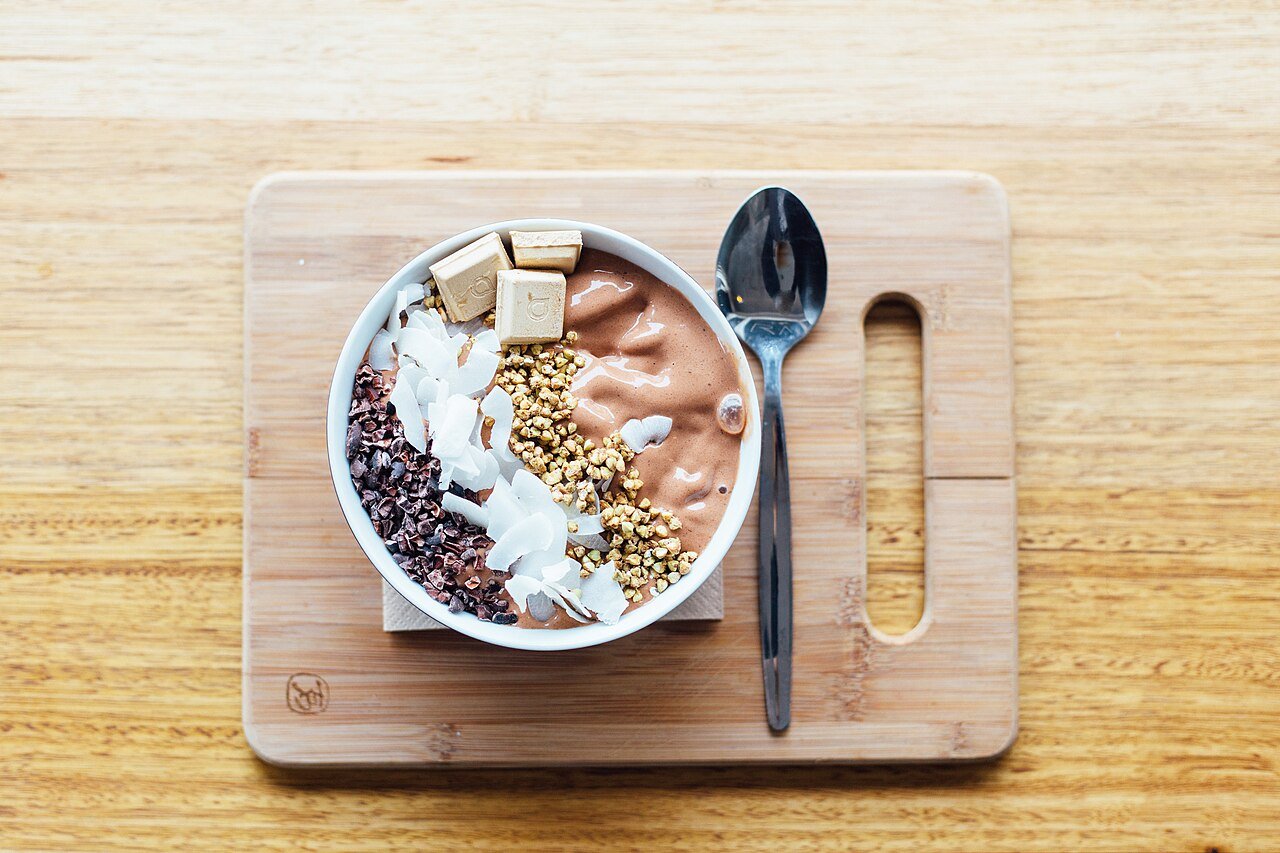
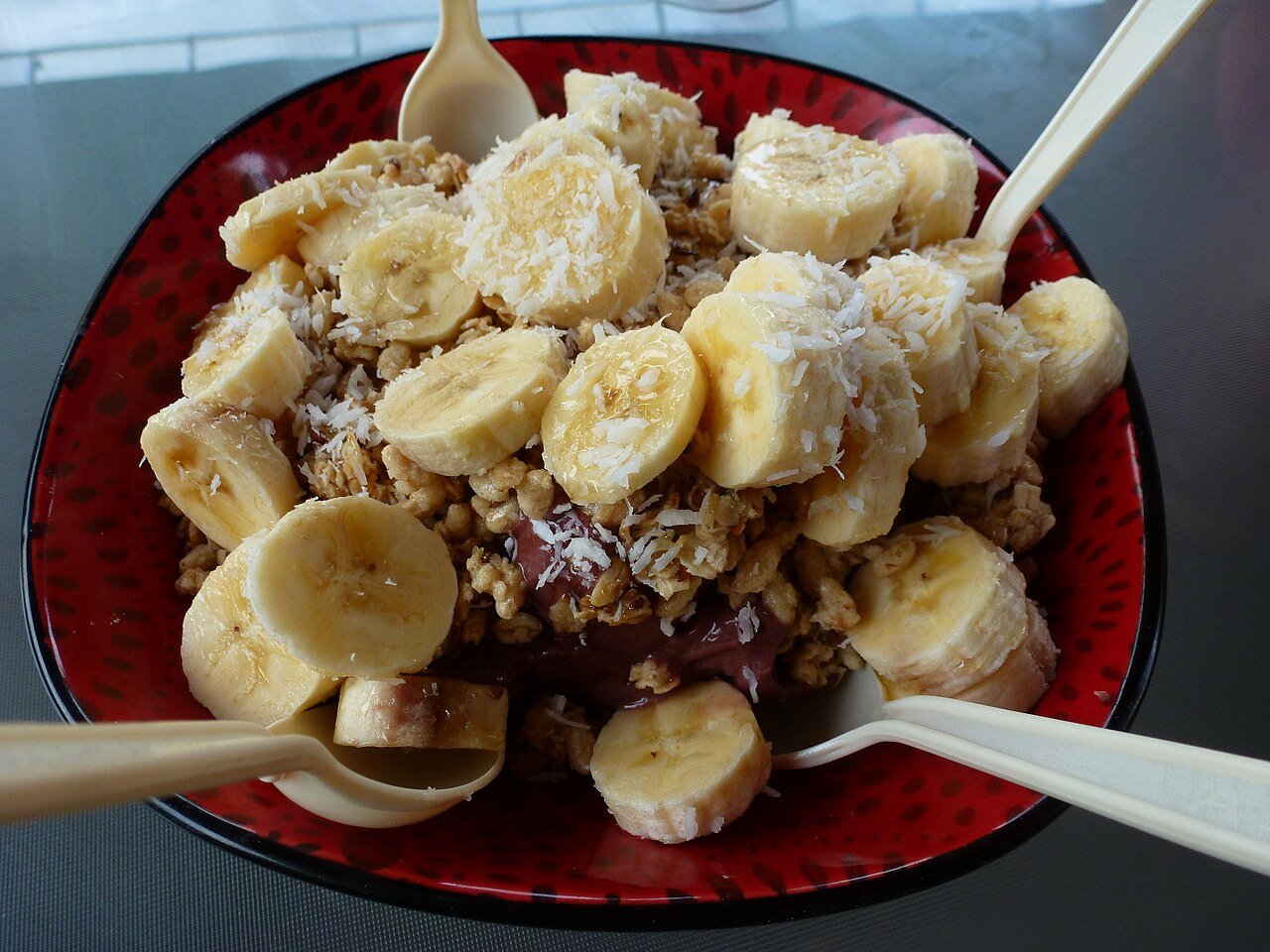
The lightest breakfast in the old town is Brazilian. Almalibre, run by a Brazilian team on a lane by the Torres de Serranos in El Carmen, builds açaí bowls to order: pick a size — from €3.50 for a small bowl, €5.50 for a regular and €11 for a shareable one — then layer in the fruit, granola and toppings. It opens at 09:30 and the menu is fully vegetarian and mostly vegan.
It is the right stop before a morning of old-town sightseeing: cold, fresh and fast, in the middle of the Carmen’s lanes, with the Turia gardens a minute away for the walk afterwards. After a week of bocadillos and brunch plates, a bowl of açaí in the sun is exactly the reset it sounds like.
How a Valencian Morning Works
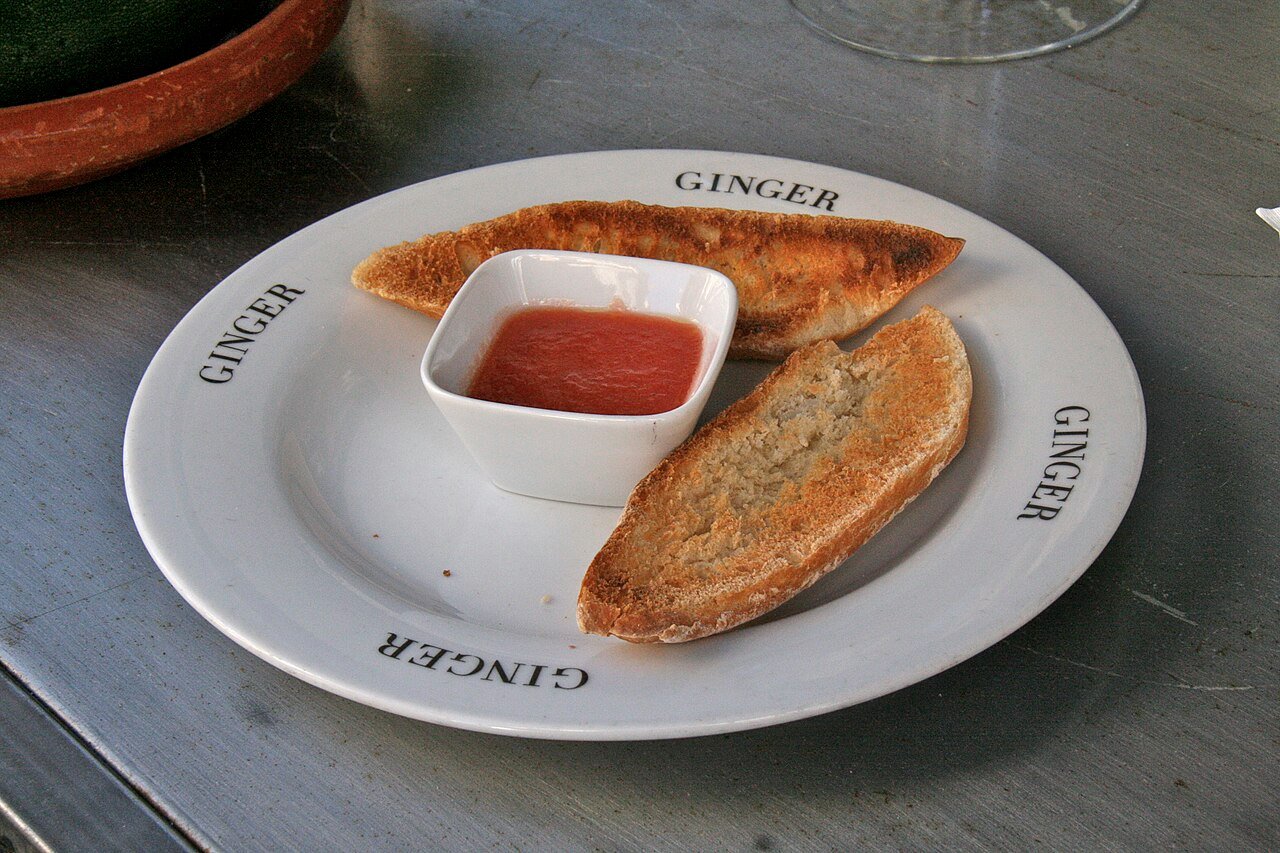
Two systems run side by side. The desayuno is the early, light one, eaten at home or standing at a bar: a café con leche or a cortado, a glass of zumo natural — fresh-squeezed orange juice is the default breakfast order in the orange capital — and a tostada con tomate, toast rubbed with crushed tomato, olive oil and salt, with jamón on top if you are hungry. Any neighbourhood bar does it, cheaply and well, and the working day starts there.
The esmorzaret is the second breakfast, and it is the one Valencia is famous for. It runs roughly 09:30 to midday and follows a liturgy: first the picaeta — also called el gasto — a little spread of cacaus del collaret (a local peanut), olives and pickles; then the bocadillo, which has named combinations you order like cocktails. A Blanco y Negro is longaniza with morcilla; an Almussafes is sobrasada with melted cheese and grilled onion; a Chivito stacks bacon, lomo, egg, lettuce, tomato and mayonnaise; a Brascada is beef with serrano ham and poached onion. The finish, for the committed, is a cremaet — a coffee touched with burnt rum. The ritual grew out of the llauradors, the farmers of the Huerta, who brought their own bocadillo to the bar and paid only el gasto — the olives, the drink, the coffee — a word the picaeta still carries. A full menu typically runs €6–8.
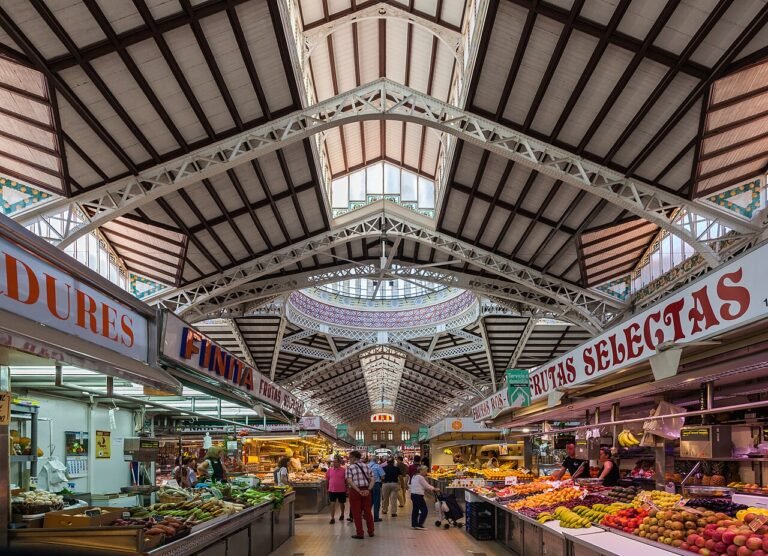
Between the two systems sit the city’s markets: a mid-morning wander through the stalls is its own kind of breakfast, and our guide to Valencia’s markets maps the ones worth the trip. And when the day heats up, the morning coffee order changes — espresso poured over ice becomes the café del tiempo, and the horchata hour arrives. That side of the story is in the drinks guide linked in the introduction.
Travel insurance, sorted
Whether it is a two-week holiday or a longer move, travel insurance is not the most glamorous part of a trip – but it is the one booking you want to have in place before a trip, and while you are already away. Get a quote from SafetyWing
Final Thoughts
Valencia’s breakfast runs on a simple rule: eat like the city, at the city’s hours. Do the bar desayuno early, the esmorzaret at ten, and save the brunch cafés for the slow mornings — La Pascuala for the ritual, Fabián for the sweet tooth, Bluebell or Flying Bean when the coffee itself is the point, and the Ruzafa cluster when it is not. However you start, the rest of the day is covered too — our round-up of the best things to do in Valencia picks up where breakfast leaves off.
Best Valencia Drinks: 13 Drinks You Have to Try
Frequently Asked Questions
What do people in Valencia eat for breakfast?
Two things, at two different times. Early on, a light desayuno: café con leche or a cortado, fresh orange juice and a tostada con tomate at home or at a bar counter. Then, between about 09:30 and midday, comes the esmorzaret — a much bigger mid-morning meal built around a bocadillo. Most visitors should try both: the bar breakfast for the everyday rhythm, and the esmorzaret at a place like Bodega La Pascuala for the ritual.
What is the esmorzaret?
It is Valencia’s mid-morning breakfast ritual: a small spread of peanuts, olives and pickles (called the picaeta or el gasto), a large filled bocadillo, and often a cremaet coffee to finish. It grew out of the farm workers of the Huerta bringing their own sandwiches to the bar and paying only for the extras — and the city has kept the tradition, and the word, ever since. A full esmorzaret menu typically costs €6–8.
Where is the best esmorzaret in Valencia?
Bodega La Pascuala in El Cabanyal, serving since 1921, is the classic answer: more than 30 bocadillos on the menu, a legendary horse-meat speciality, and a half bocadillo with a soda for about €7. Go between 09:30 and midday, when the room is full and the ritual is at full strength, then walk it off along the beach promenade nearby.
What coffee should I order at breakfast in Valencia?
At a bar, a café con leche is the morning standard and a cortado the smaller, stronger option; add a zumo natural — fresh orange juice — because this is the orange capital. Once the day heats up, locals switch to a café del tiempo, espresso poured over ice. If you want specialty coffee instead, Bluebell Coffee Roasters and Flying Bean roast their own beans and pour flat whites and filter coffee from 08:00–09:00.
Where can I have horchata for breakfast?
Horchatería Fabián, on Carrer de Moratín in the Ensanche. Its horchata is homemade, the fartons are baked to be dunked in it, and in the cooler months the buñuelos de calabaza with thick hot chocolate take over — expect queues in Fallas. It is the sweet counterpart to the esmorzaret, and many Valencians treat the two as the twin pillars of the morning.
What time do breakfast and brunch places open in Valencia?
Earlier than visitors expect. Bakery-cafés and the keenest brunch spots open from 08:00 — Brunch Corner, Dulce de Leche’s Jesús street shop and La Petite Brioche’s Cuenca location among them — coffee shops from 08:00–09:00, and açaí bowls at Almalibre from 09:30. Brunch menus generally run until 16:00. The one timing that really matters is the esmorzaret: arrive between 09:30 and midday or you have missed it.
Is breakfast in Valencia expensive?
No — it is one of the city’s best-value meals. A bar desayuno of coffee, toast and juice costs a few euros, and a full esmorzaret menu runs about €6–8. Brunch cafés charge more, in line with any European city: eggs Benedict at Federal Café is €15.20, pancakes €10.80 and avocado toast €12.10 on its current menu, while an açaí bowl at Almalibre starts at €3.50.