Best Valencia Drinks: 13 Drinks You Have to Try
The first drink to order in Valencia is the Agua de Valencia — cava, fresh-squeezed orange juice, vodka and gin, mixed by the jug and stronger than it tastes. Close behind it come the city’s other signatures: horchata de chufa, the milky tiger-nut drink served with fartons for dunking; the cremaet, a flamed rum coffee that closes the mid-morning almuerzo; mistela, the sweet Moscatel wine poured cold after meals; and café del tiempo, coffee served with its own glass of ice. If you drink nothing else in Valencia, drink those five.
This guide covers the thirteen drinks Valencia can genuinely call its own — what each one is, what is in it, where it comes from and where locals actually drink it. SpainInspired’s version of this list runs to fifteen, but five of its entries are separate craft-beer brands; here the beer gets one honest section, and everything else had to earn its place as a real Valencian signature. The city’s food — paella, tapas, the lot — is a different story, told in our best food in Valencia guide; this page is drinks only, from the first zumo of the morning to the last chupito of the night.
One note on range before the list: Valencia drinks across the whole day and the whole strength scale. Roughly half of what follows has no alcohol in it at all, and several of the coffees are as much a ritual as a drink. That is not padding — it is how the city actually drinks.
In This Guide
- 1. Agua de Valencia
- 2. Horchata de Chufa
- 3. Cremaet
- 4. Mistela
- 5. Cazalla (Cassalla)
- 6. El Barrejat
- 7. Bobal — the Wines of Utiel-Requena and DO Valencia
- 8. Turia Beer
- 9. Café Bombón
- 10. Café del Tiempo
- 11. Blanco y Negro
- 12. Agua de Cebada
- 13. Zumo Natural
- Where to Drink Them: The Addresses That Matter
- Final Thoughts
1. Agua de Valencia
What’s in it: Cava, fresh-squeezed orange juice, vodka and gin
Order it: By the jug, to share — and slowly
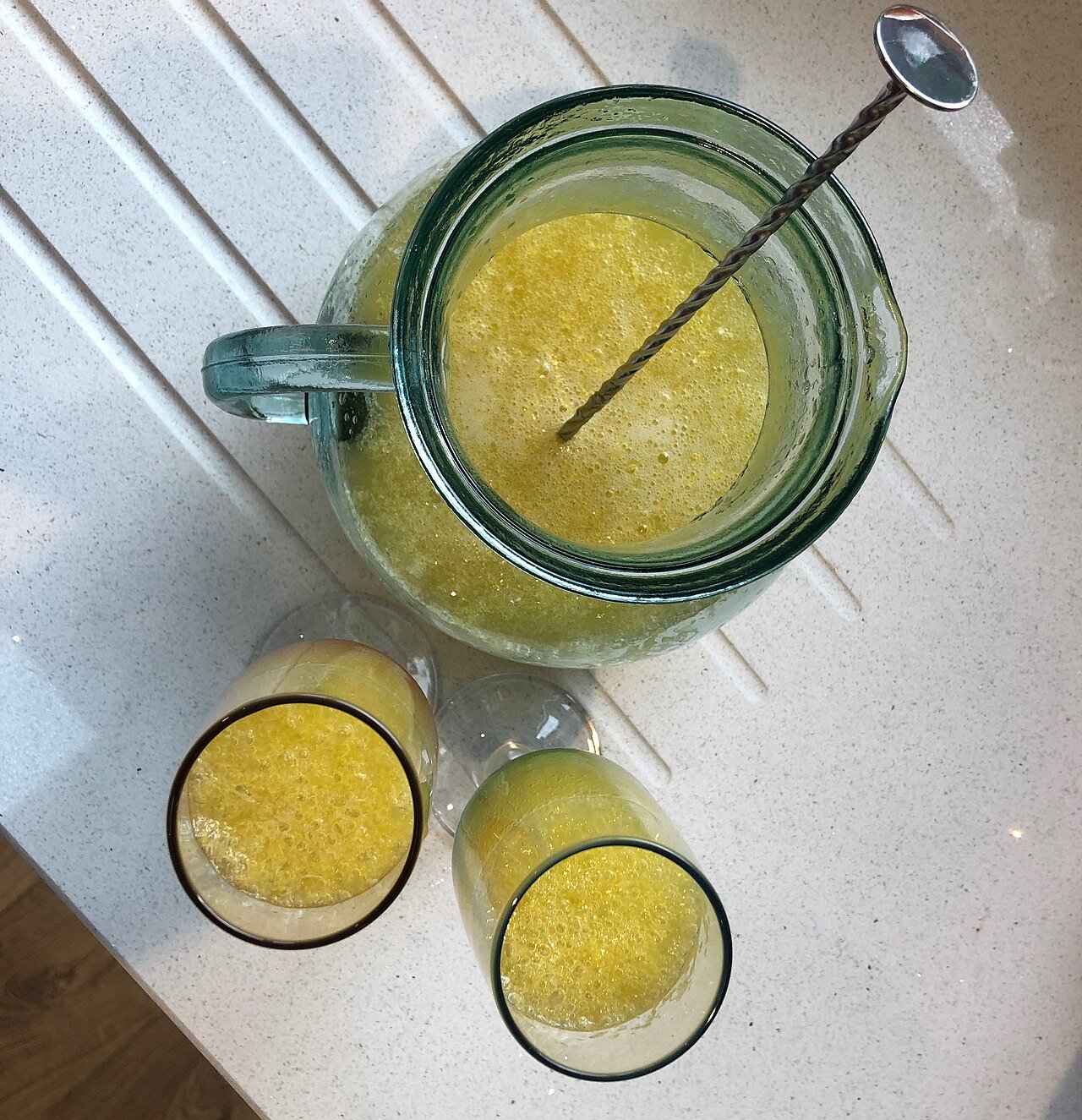
Valencia’s signature cocktail was invented in 1959 by Constante Gil at Café Madrid — then the Cervecería Madrid, on Carrer de l’Abadia de Sant Martí 10. The story Gil’s regulars told, later recorded by María Ángeles Arazo in Valencia Noche, is that a group of Basque travellers used to joke-order the house cava as “Agua de Bilbao” — Bilbao water. One night Gil answered the joke with a new mix: cava lifted with fresh-squeezed Valencian orange juice, vodka and gin. The travellers asked for it again, the name flipped to Agua de Valencia, and through the 1970s it spread from that one bar across the whole city.
It is still made exactly that way and served by the jug, which is the detail that catches visitors out: under the orange and the bubbles sit two white spirits, and a jug empties like a soft drink while working like a cocktail. Café Madrid itself has reopened and pours it again at the address where it was born. The other famous glass is at Café de las Horas, on Carrer del Comte d’Almodóvar 1 by the Plaza de la Virgen, in the old-town lanes our El Carmen guide walks — Marc has run the bar since 1994, it opens daily from 10:00 until 1:30, and its ornate, candlelit room is half the experience.
Order it if: you order one cocktail in Valencia. There is no second candidate for the title.
2. Horchata de Chufa
What’s in it: Ground tiger nuts (chufas), water and sugar — no milk, despite the colour
Order it: Líquida, mixta or granizada, always with fartons for dunking
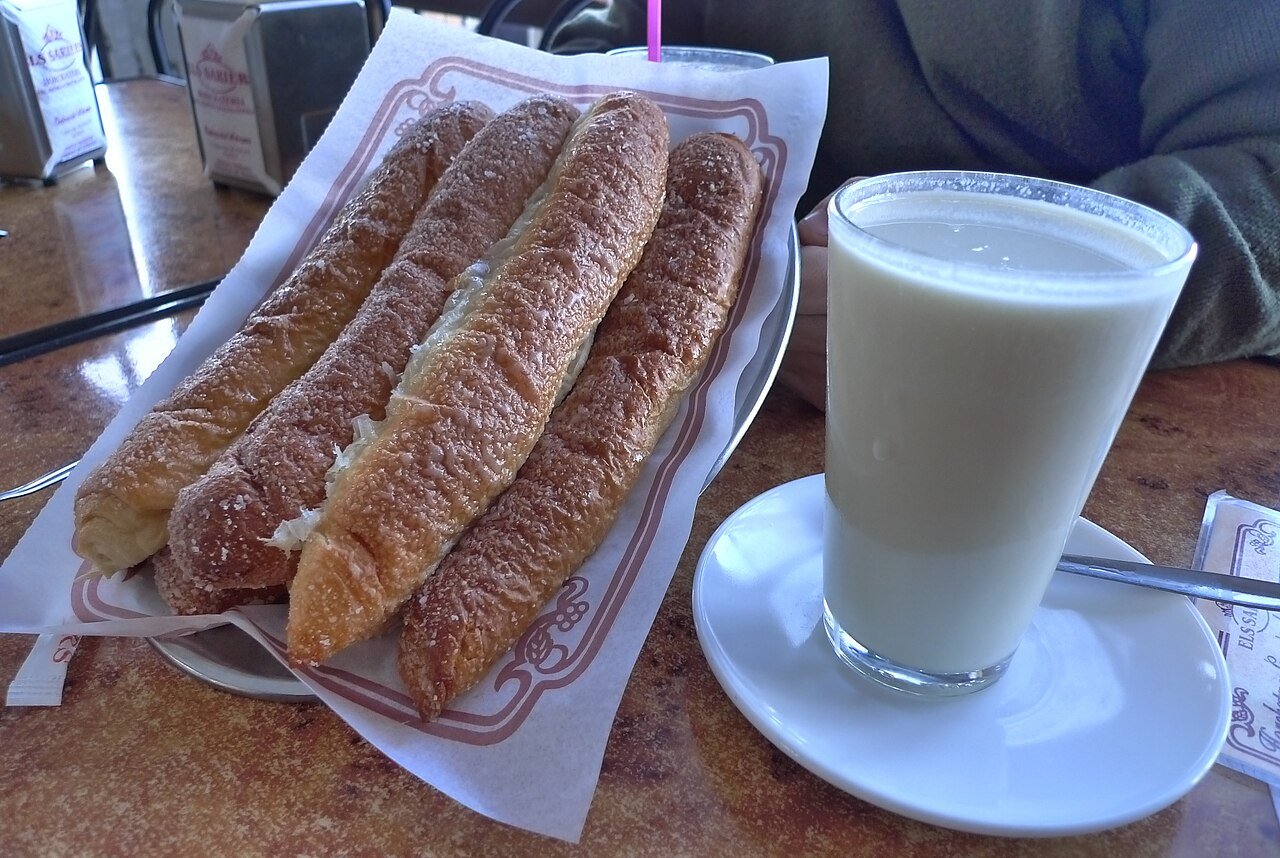
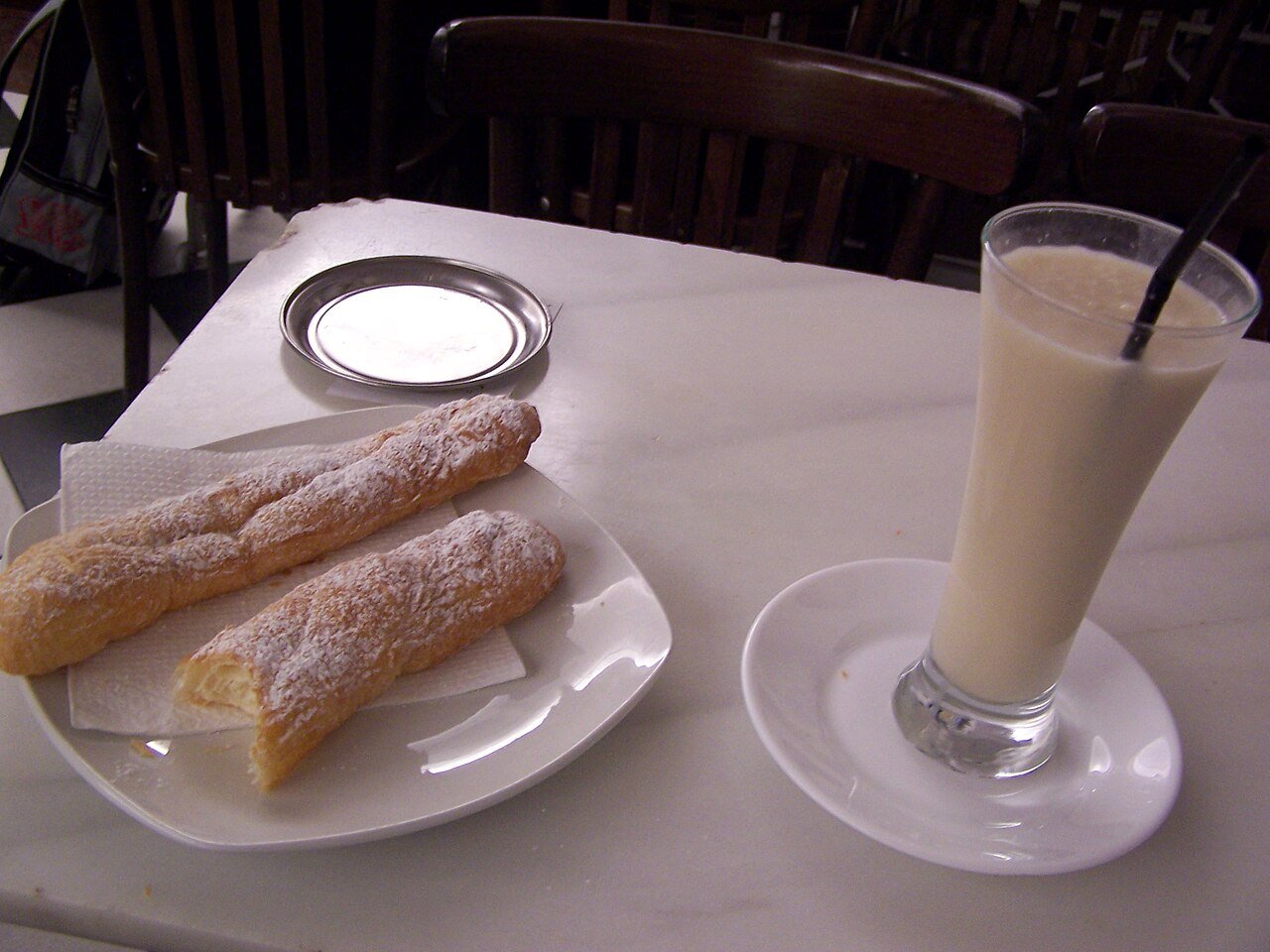
Horchata is the drink Valencia is proudest of, and it contains no alcohol and no dairy at all. Chufas — tiger nuts, small earthy tubers — are ground with water and sugar into a milky, gently sweet drink, and the best chufas grow in the huerta around Alboraya, the town that is the drink’s undisputed epicentre. Since 1996 the crop has been protected by the DO Chufa de Valencia and its Consejo Regulador, so the horchata poured in a proper horchatería is a regulated product, not a syrup mix. Order it líquida (liquid), mixta (half liquid, half granizada slush) or granizada (fully iced), and order fartons with it — the long, sugar-glazed pastries made for dunking. The horchatería’s other classic, the granizado de limón, comes from the same counter.
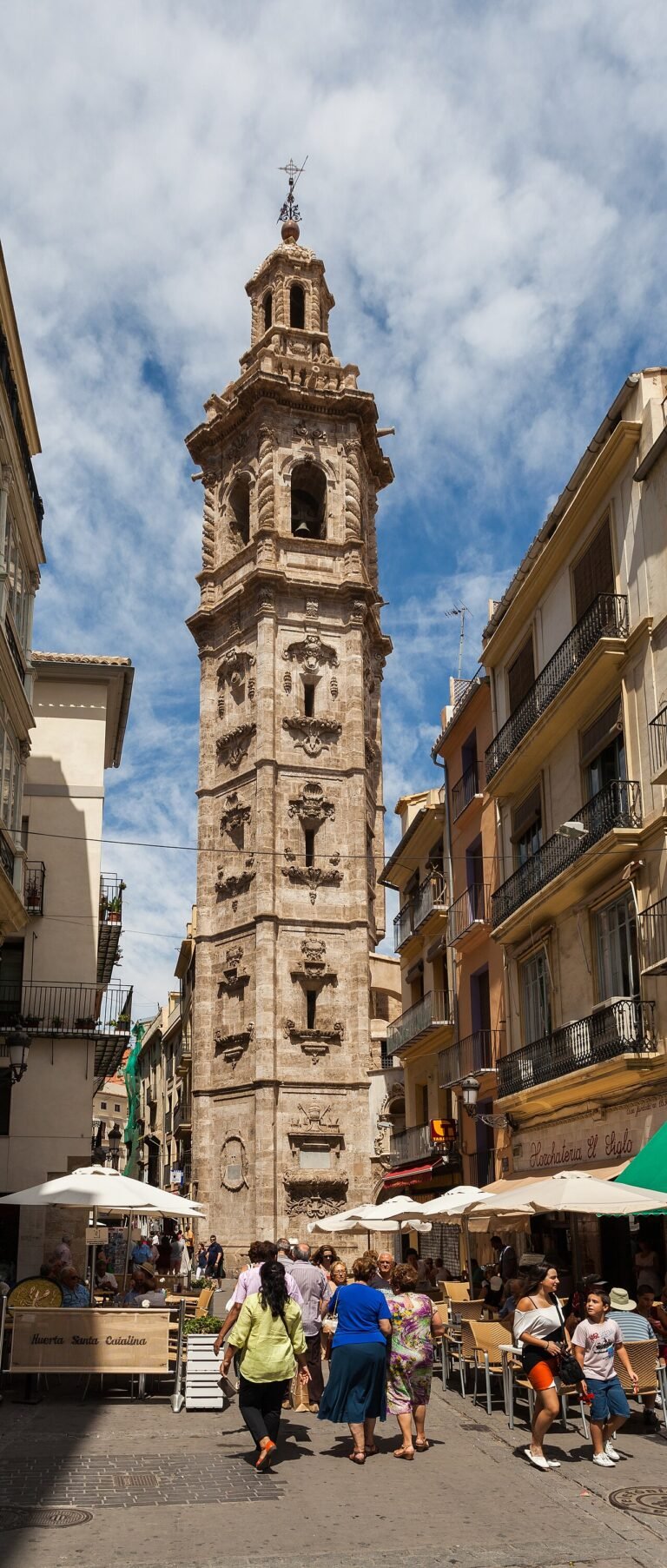
Two addresses carry the tradition. Horchatería Santa Catalina, in the old town by the Plaza de la Reina, pours behind more than 200 years of horchata history. Horchatería Daniel has made it since 1949 — at Av. de la Horchata 41 in Alboraya itself, and at stalls inside Mercado de Colón and on Calle del Mar. And the name? The story goes that Jaume I, offered a glass in Alboraya, declared “Açò és or, xata” — “this is gold, girl” — and orxata was born. That is a legend, told as one, but every horchatería in Valencia will tell it to you.
Order it if: you want the taste of Valencia that every Valencian grew up on — in Alboraya if you can, Santa Catalina if you cannot.
3. Cremaet
What’s in it: Espresso poured over rum or brandy flamed with sugar, cinnamon, lemon peel and coffee beans
Order it: At the end of an esmorzaret — and do not stir it
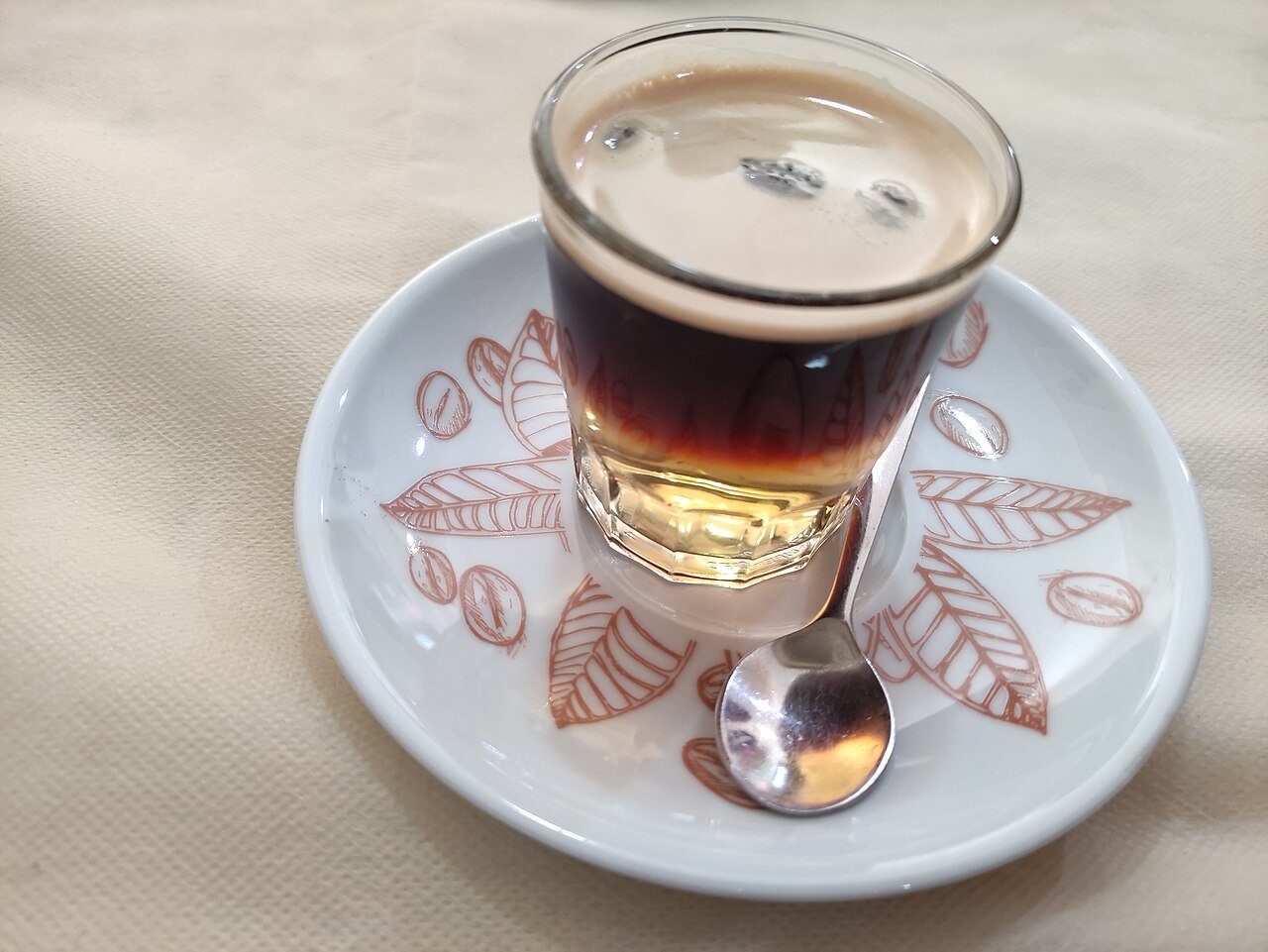
The cremaet is the full stop at the end of Valencia’s favourite sentence: the esmorzaret, the hearty mid-morning almuerzo of a filled bocadillo, olives, peanuts and a drink, eaten mid-shift all over the city. When the sandwich is done, the cremaet arrives. The build is theatre in a small glass: rum — brandy is the common substitute, purists insist on rum — is set alight with sugar, a cinnamon stick, lemon peel and a few coffee beans, and burned until the sugar caramelises; then the espresso is poured over the top. It settles into three visible layers: the golden liquor below, the dark coffee above it, and the cream on top.
You drink it as it stands, without stirring, so the layers reach you in sequence. The origin story the city tells is of a 19th-century soldier from Vila-real, home from Cuba, who adapted the rum carajillo he had learned there — a legend, but a well-kept one. What is certain is the ritual’s place: a Valencian morning that ends without a cremaet is considered, by the people who take esmorzaret seriously, unfinished.
Order it if: you have eaten the big mid-morning sandwich. The cremaet is not optional afterwards; it is the point.
4. Mistela
What’s in it: Fresh Moscatel grape must with wine alcohol added — around 15% ABV, and properly sweet
Order it: Very cold, in a small glass, after a meal — with coca if it is offered
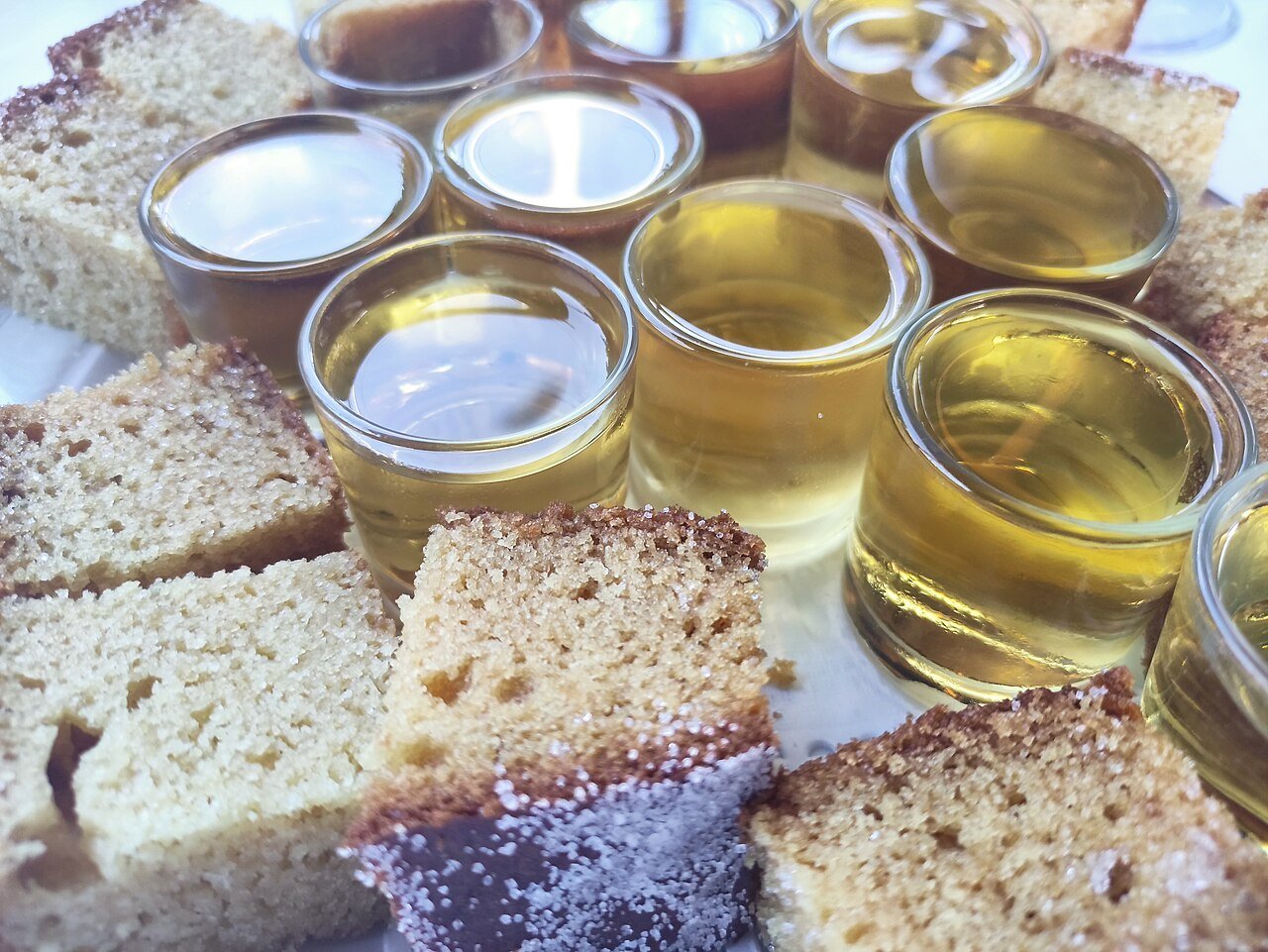
Mistela is made by an elegant interruption. The winemaker takes fresh Moscatel grape must and adds wine alcohol before fermentation can finish — the added spirit stops the yeast, so the grape’s own sugar survives in the glass instead of turning into alcohol. The result sits at roughly 15% ABV (sources give a range up to 20%) and tastes of the grape itself: floral, honeyed, unmistakably Moscatel. It is protected under DO Valencia, served very cold as the traditional end to a meal, and classically accompanied by a piece of coca, the region’s plain cake.
The emblematic name is La Baronía de Turís, the cooperative founded in 1920 in Turís, in the hills west of the city — its Mistela de Moscatel 2019 took a gold medal and 95 points at the Decanter World Wine Awards, which tells you this is not a rustic afterthought but a wine the region competes with. In Valencia you will find it in wine shops and traditional restaurants rather than cocktail bars; ask for it by name, because it is rarely the pour anyone offers first.
Order it if: you like dessert wine with a sense of place — this is the Valencian countryside in a small, cold glass.
5. Cazalla (Cassalla)
What’s in it: A dry, transparent aniseed spirit at 40–45% ABV
Order it: As a chupito — one small, cold, decisive shot
Honesty first, because Valencians are honest about this one: cazalla is named after Cazalla de la Sierra, a town in Seville province famous for anise spirits. But the drink was adopted, produced and naturalised here — distilled across the Valencian Community by houses like Cerveró in Cullera, Rios in Silla, Ferri in Bellreguard and Vidal in Almazora — until it became the undisputed spirit of the region’s fiestas. In Valencian it is cassalla, and it is what gets poured in the casales during Las Fallas and at village festivals all year.
It is a dry anís seco: clear, unsweetened, and aniseed-forward, at a full 40–45% ABV. Drink it the local way, as a chupito — a small shot, taken straight, usually at a moment of celebration rather than contemplation. If the dry, fiery neat version is more than you came for, wait one section: Valencia has a traditional fix for exactly that problem.
Order it if: it is Fallas, or a village fiesta, or someone at the table has just said “un chupito?” — the correct local answer is yes.
6. El Barrejat
What’s in it: Cazalla mixed with mistela — nothing more, nothing less
Order it: Where the bar keeps both bottles, which is more places than the menu admits
El barrejat is the Valencian solution to its own two extremes. Take the cazalla of the last section — dry, fiery, 40-something percent — and mix it with the mistela of section 4, all grape sugar and flowers. The fire gets sweetness, the sweetness gets a spine, and the result is the region’s traditional mixed shot: sources describe it plainly as a típico valenciano, a typical Valencian drink, with a particular stronghold in Torrent, the big town just south of the city.
There is no garnish, no ritual and no reinvention to report, and that is the point of including it: the barrejat is folk drinking culture, the glass that exists because two local bottles have stood next to each other behind Valencian bars for generations. Order it after you have tried its two parents separately — it makes the most sense as the third glass of the three.
Order it if: the neat cazalla was too dry and the mistela too sweet. The barrejat is the argument settled.
7. Bobal — the Wines of Utiel-Requena and DO Valencia
What’s in it: Red wine from the Bobal grape, grown inland under DO Utiel-Requena; DO Valencia covers the coastal vineyards
Order it: By the glass in any serious wine bar — ask what Bobal they have open
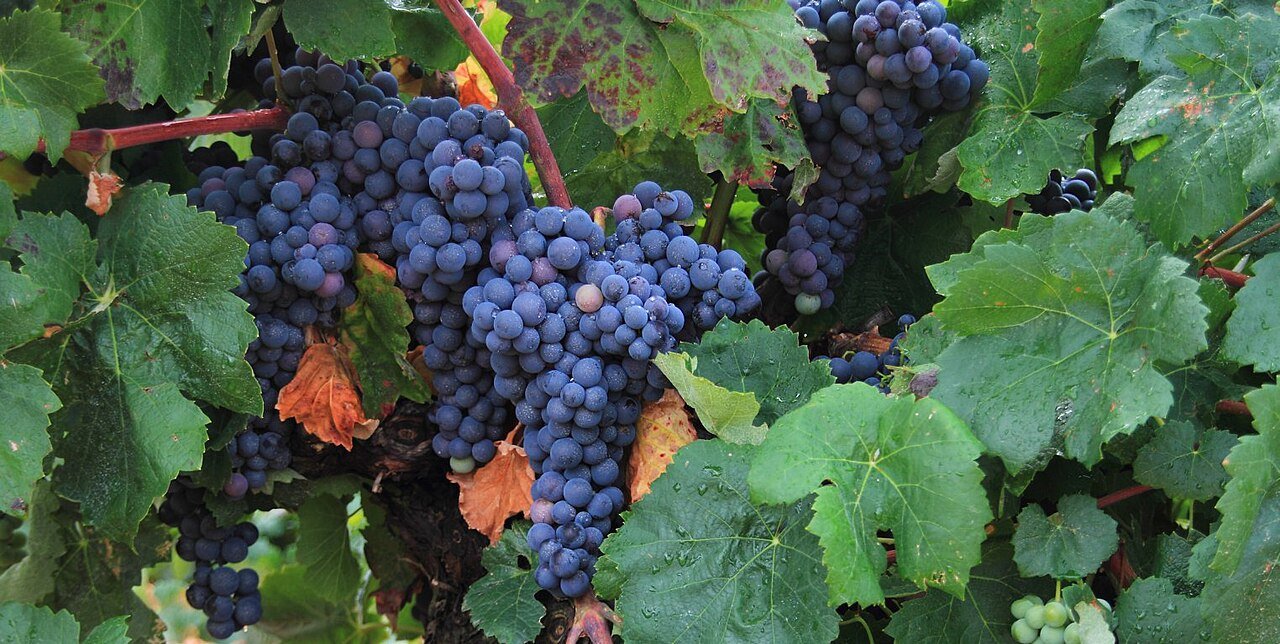
Valencia drinks wine from its own hills. The grape is Bobal, native to Utiel-Requena and documented there since the 15th century: it accounts for around 80% of the DO’s red plantings and is Spain’s second most planted red grape, yet it spent generations dismissed as bulk material before a newer wave of winemakers started bottling it properly — deep-coloured, fruity, honest reds at prices that still feel like a local secret. The DO itself sits on a plateau 600–900 metres up, some 70 kilometres inland from the city, where people have made wine since at least the 7th century BC. Nearer the coast, DO Valencia covers the Moscatel country behind the mistela in section 4.
The rewarding way to taste it is at source. One day trip runs from the city to Requena, the DO’s old wine town: it holds 4.6/5 from 130 reviews, lasts up to 7 hours, and descends into Requena’s 12th-century underground wine caves at Murviedro for three wines and snacks before visiting the Vera de Estenas family estate for three more wines with cold cuts. Bobal is the region’s signature grape, so it is the pour the day is built around.
See the Utiel-Requena Cave & Winery Day Trip, prices and dates on GetYourGuide
Order it if: you drink red wine anywhere — Bobal is the bottle that tastes of this region and almost nowhere else.
8. Turia Beer
What’s in it: Turia Märzen — a toasted amber lager
Order it: Wherever locals are drinking beer; it is the house lager of the city that invented it
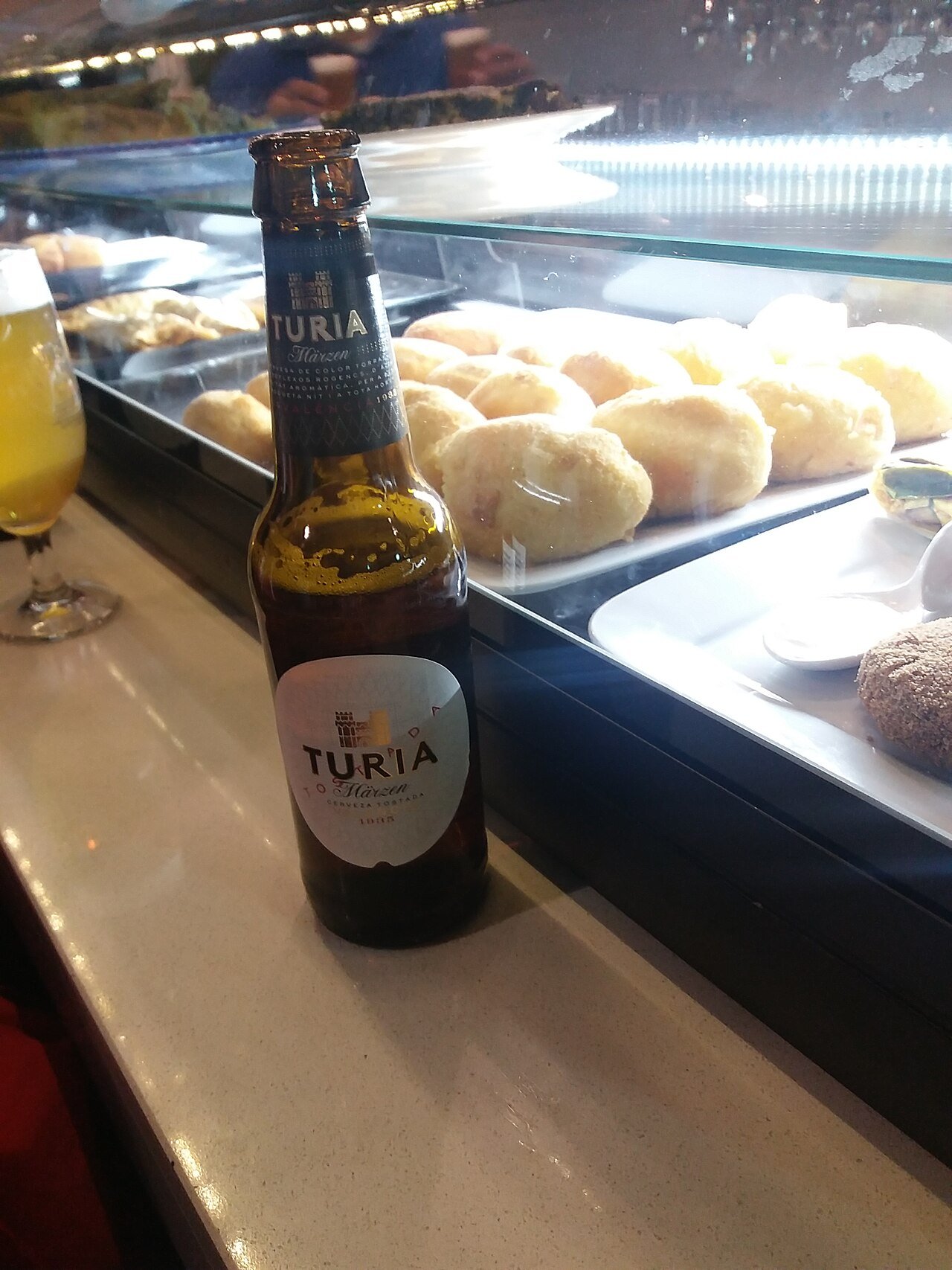
Every Spanish city has a beer it calls its own, and Valencia’s claim is older than most. Cervezas El Turia was founded in 1935 by a group of Valencian friends, with its brewery in the Cruz Cubierta quarter; the Civil War delayed real production until 1947, and of the brands it brewed — Stark, Golden Bier, Turia Märzen — only the toasted amber Märzen survived, kept alive after the big brewer Damm bought the company. The beer is named for the river Turia, and the Torres de Serranos, the old city gate on that river, stand on its logo.
Order one and you get a proper Märzen: amber, malty, a step richer than the pale lagers Spain usually pours. The modern craft wave has added Valencian names of its own — Tyris, Zeta, La Socarrada and Er Boquerón, the last brewed with seawater — and a good bar will stock one or two of them alongside the Turia tap.
Order it if: you want the beer round to say Valencia too — the Märzen for tradition, a Tyris or Zeta for the new school.
9. Café Bombón
What’s in it: Equal parts espresso and sweetened condensed milk, layered in a small glass
Order it: After lunch, instead of dessert
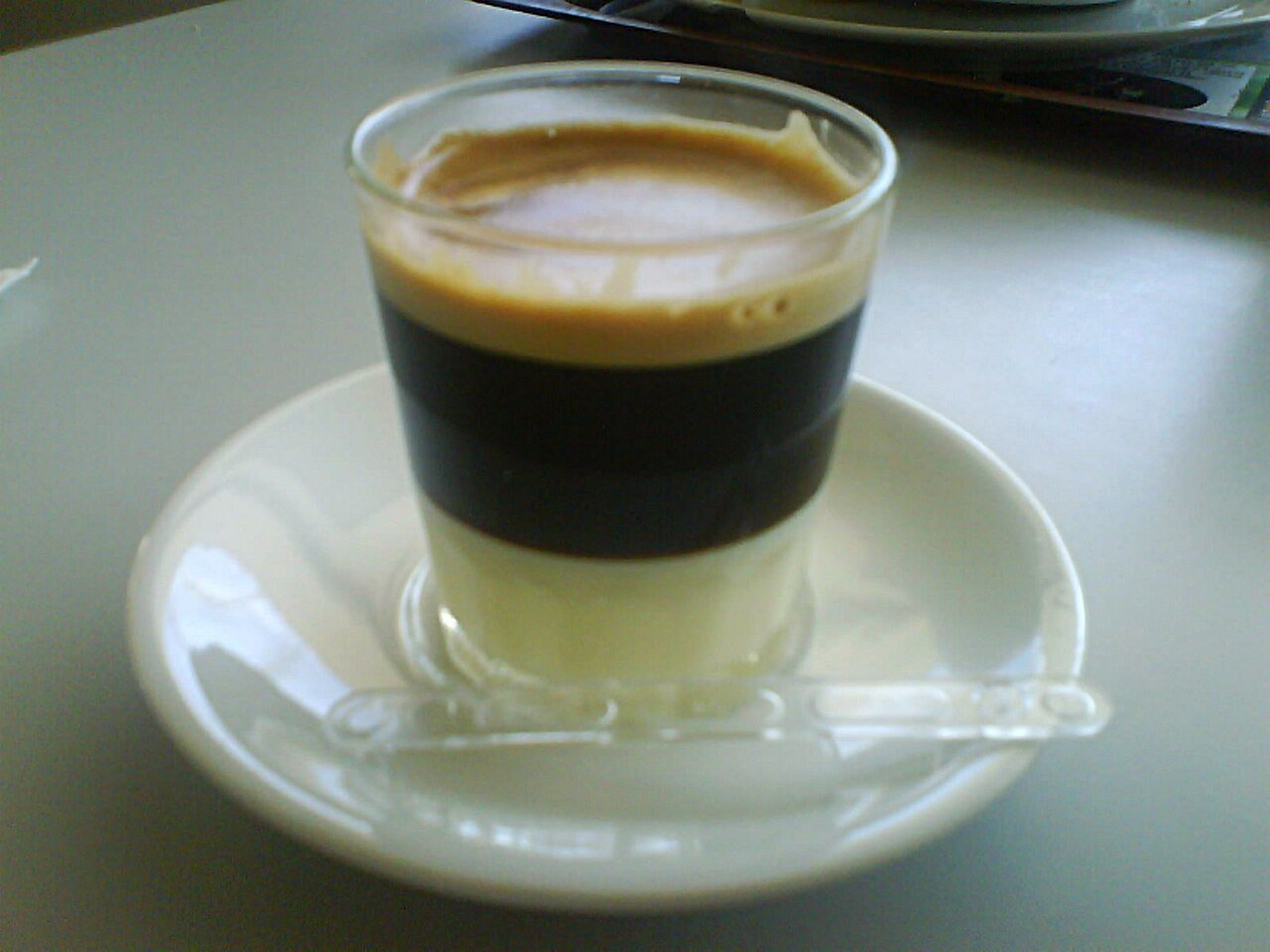
The bombón is coffee wearing its dessert on the inside. A shot of espresso is poured over an equal measure of sweetened condensed milk — condensed milk first, so the two stay in separate bands, black over white, with a tan crema on top. “Bombón” means a candy or sweet, and that is the whole idea: the milk is the sugar, the coffee is the bite, and the small glass keeps the ratio honest. Its origins are generally placed in or around Valencia, and it was certainly this city that made it popular, before it spread across Spain.
Do not expect a milky coffee — there is no fresh milk in it at all, and the sweetness is concentrated, almost caramel. Valencians order it as the finish to a meal, or at the mid-morning break when a cortado feels too plain. If you find it too sweet, that is information about you, not the drink: the recipe has had a century to be argued with, and it has not moved.
Order it if: your coffee order usually ends with “and something sweet” — this is both, in one small glass.
10. Café del Tiempo
What’s in it: Any coffee you like, served with a separate glass of ice to pour it over
Order it: All summer, at any café terrace — just ask for “un café del tiempo”
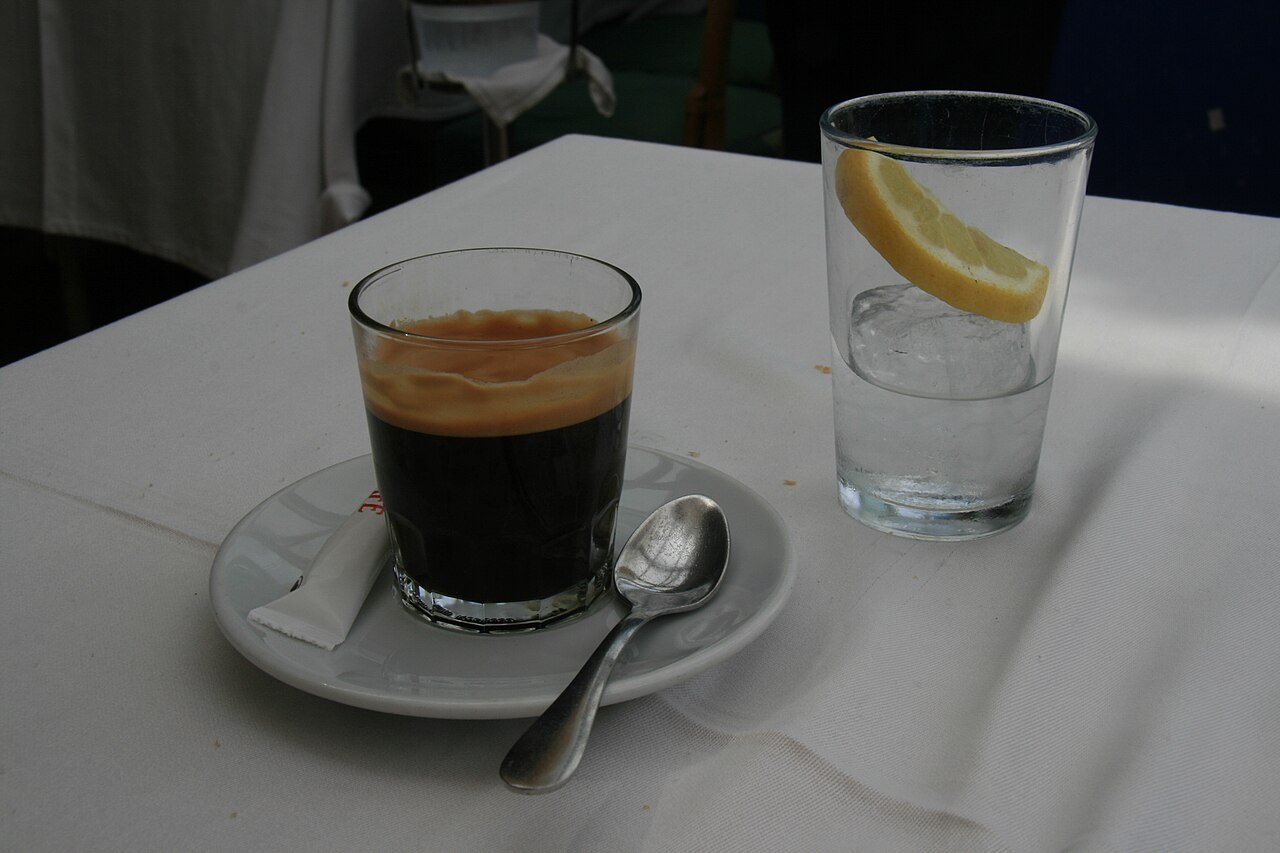
The café del tiempo is less a recipe than a piece of Valencian common sense. You order a coffee — solo, cortado, con leche, even a bombón or a carajillo — and it arrives with a second glass filled with ice, often with a slice of lemon. You pour the coffee over the ice yourself, and drink it cold. It is the Valencian name for what the rest of Spain calls café con hielo, and the name explains the trick: “del tiempo” means at ambient temperature, which is exactly where the iced coffee lands.
It sounds too simple to count as a signature drink, until you spend a July afternoon in Valencia and notice that half the terrace has the two glasses in front of them. The ritual matters: the coffee arrives hot and strong, the ice is yours to manage, and nothing gets watered down in a kitchen you cannot see. Every café in the city knows the order.
Order it if: it is hot, you want your coffee cold, and you want it exactly as strong as you poured it.
11. Blanco y Negro
What’s in it: Coffee granizado — a coffee slush — crowned with leche merengada
Order it: In a horchatería or ice-cream café, as the afternoon sweet
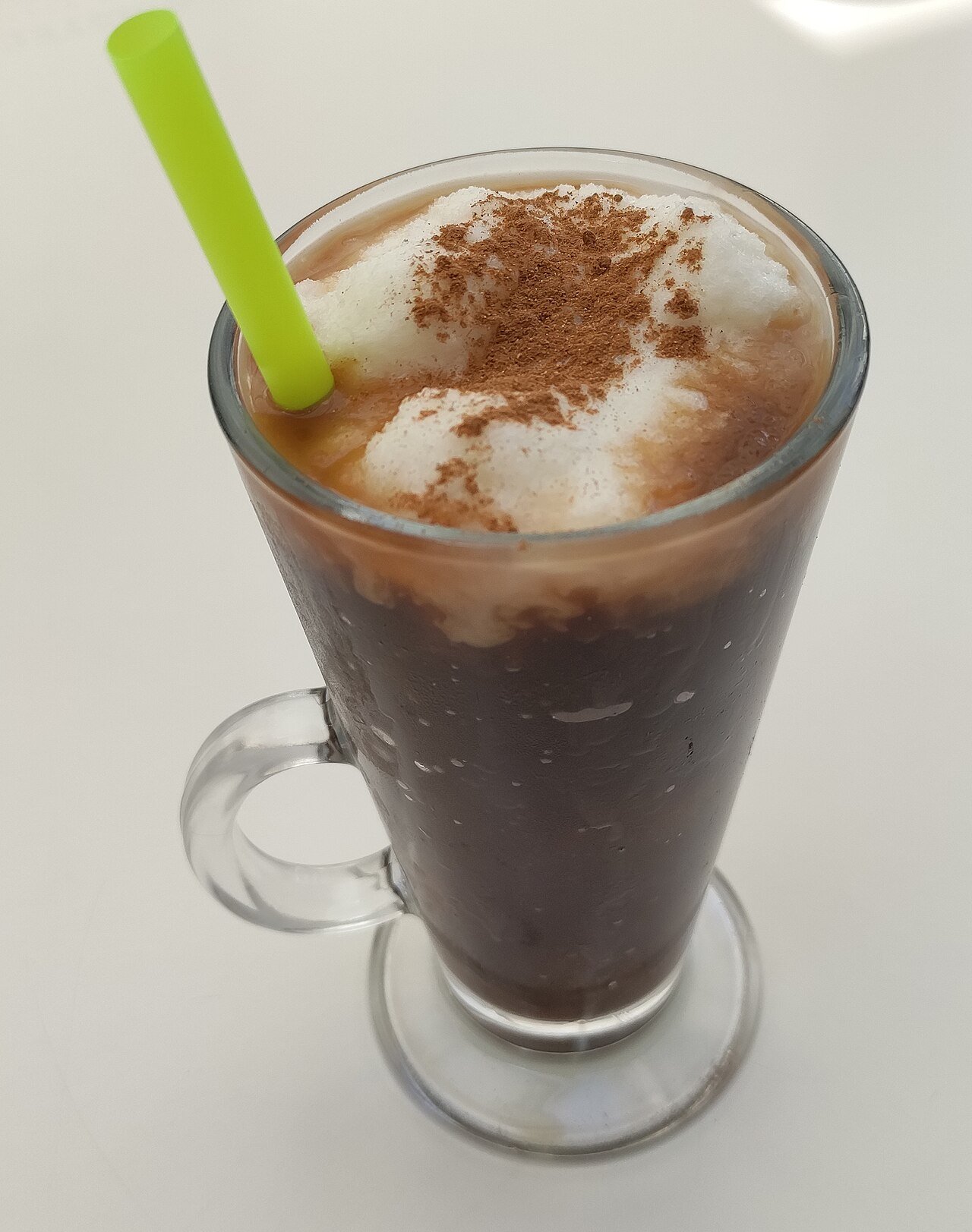
Order “un blanco y negro” anywhere in the Valencian Community and you will not get a chess set or a black-and-white coffee — you will get this: a glass of coffee granizado, the finely crushed coffee ice, topped with a crown of leche merengada, milk infused with cinnamon and lemon and folded with meringue. Black below, white above, cinnamon dusted over the foam. It is half drink, half dessert, and entirely a creature of the horchaterías and ice-cream cafés that anchor Valencian summers.
The two halves are both signatures in their own right — the granizado is the coffee version of the horchatería’s lemon slush, and leche merengada is served on its own in a glass wherever merengada is made. Together they are the blanco y negro, and the correct technique is a spoon first, then the straw, so the last mouthful is coffee and merengada mixed.
Order it if: you cannot decide between coffee and dessert, again — Valencia solved this one too.
12. Agua de Cebada
What’s in it: A slow infusion of barley, lightly sweetened, served ice-cold — no alcohol
Order it: In a horchatería in summer, alongside the granizado de limón
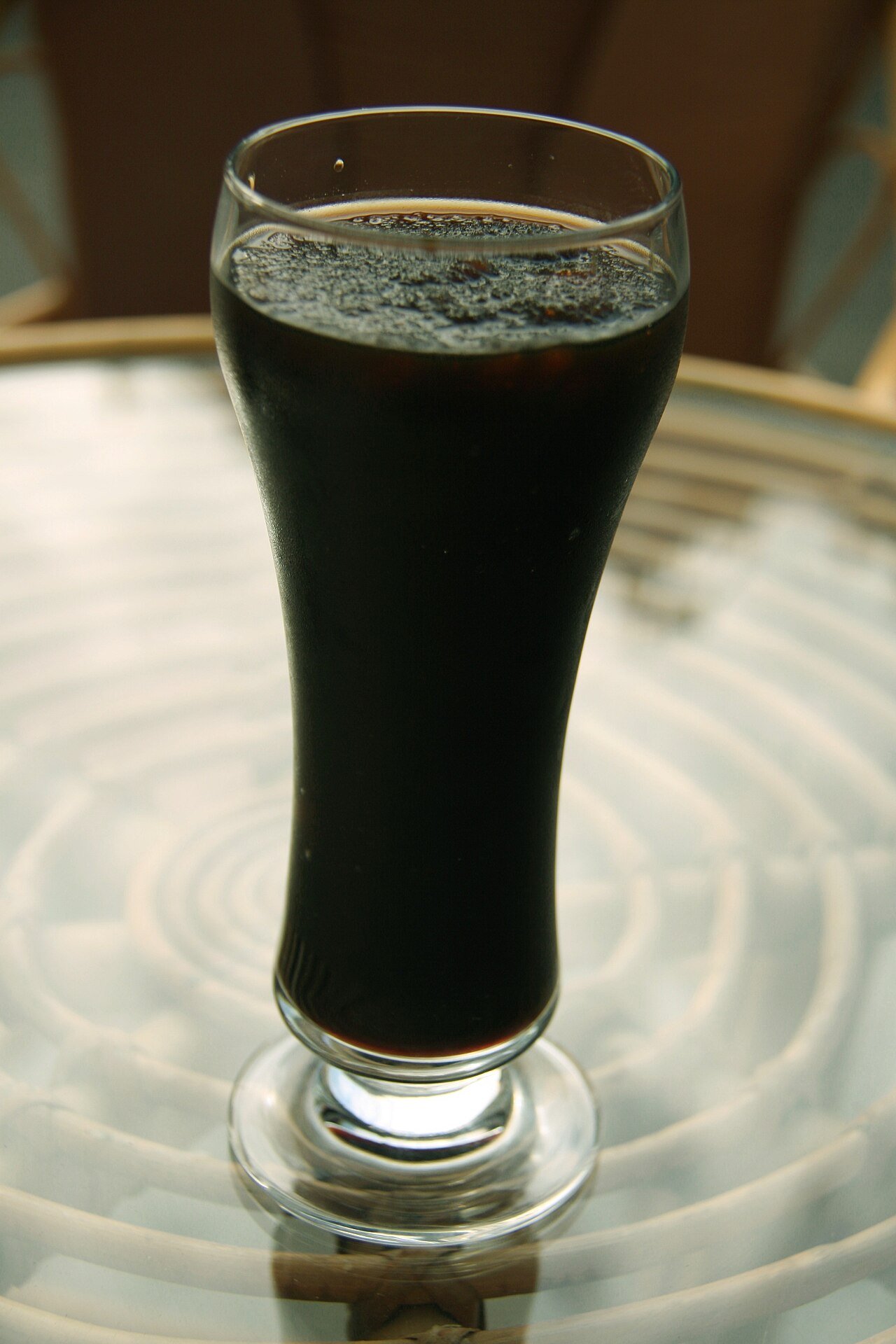
The humblest drink in this guide is also one of the oldest. Agua de cebada — barley water — is made by infusing barley slowly, sweetening it lightly and serving it very cold: a dark, gently malty refresher that filled the glasses of Valencian cafés in the 18th and 19th centuries, when it was the working city’s summer drink. The café culture that made it famous has mostly gone, but the drink survives where Valencian summer drinks have always survived — in the horchaterías of the Valencian Community, poured each summer alongside the granizado de limón and the horchata. Its strongest tradition runs through the south of the region.
You will not find it on cocktail lists or wine-bar menus, and that is its charm: it is a drink that exists because horchaterías keep their full old repertoire, not because anyone reinvented it. If the counter offers it, take the glass — you are drinking the pre-history of everything else in this guide.
Order it if: you like finding the drink nobody else at the table has heard of — and the table is a horchatería in July.
13. Zumo Natural
What’s in it: Freshly squeezed Valencian oranges — nothing else
Order it: At a market juice stall or café terrace, and watch it being squeezed
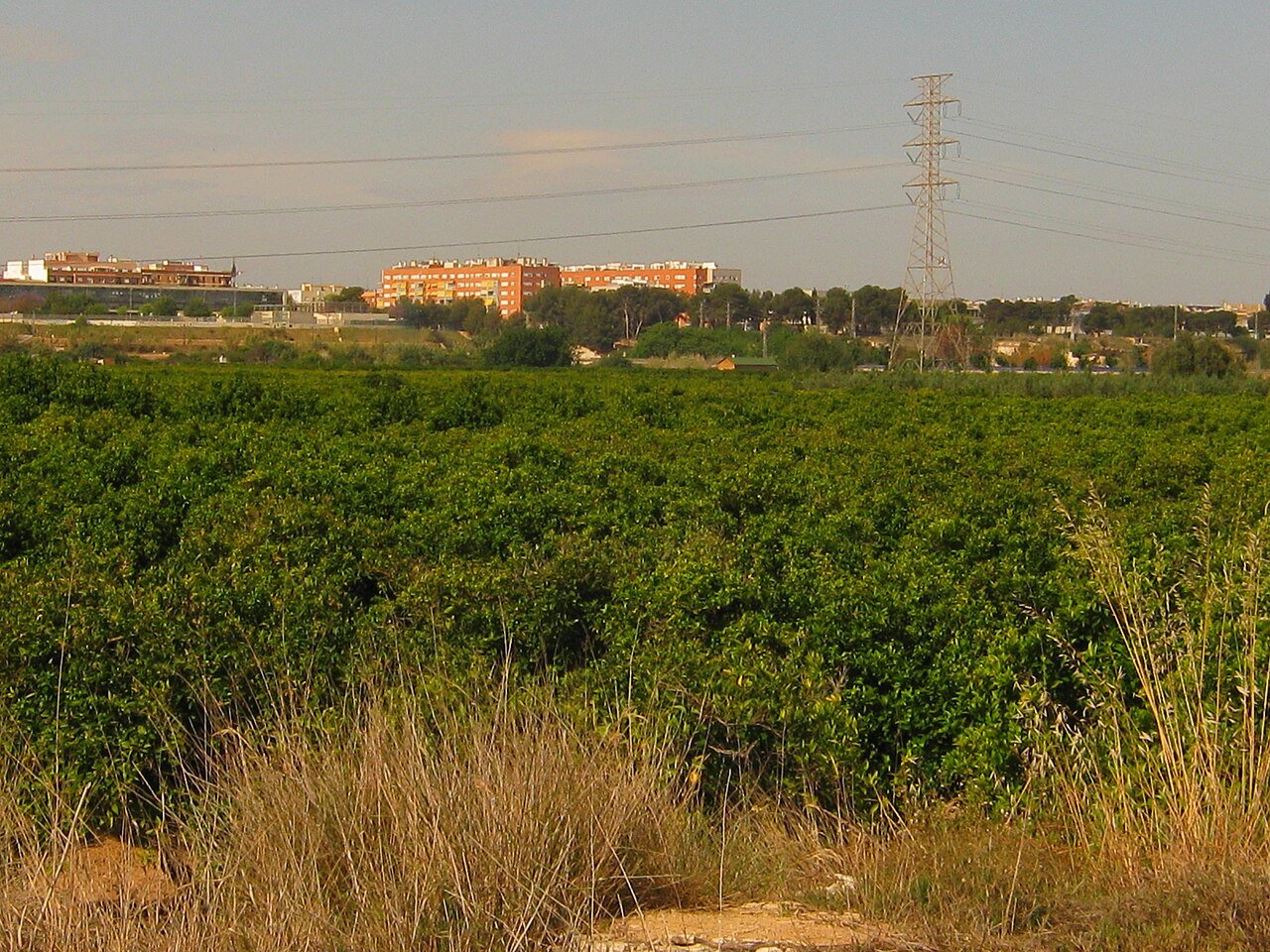
It feels almost too obvious to list, until you taste it where the oranges grow. Valencia’s huerta produces citrus under the IGP Cítricos Valencianos quality seal, marketed under the “Naranja Valenciana” brand by the Consejo Regulador and the Generalitat, and the season rolls through varieties from the early Navelina to the closing Valencia Late — so a zumo squeezed in November and one squeezed in April are genuinely different drinks. In the city, “un zumo natural” is the default breakfast order: oranges cut and pressed in front of you, no carton, no concentrate, no added sugar because none is needed.
The best place to drink it is standing up at a juice stall inside one of the city’s markets — our Valencia markets guide walks the halls where the stalls squeeze to order all morning. It is the one drink in this guide with no history to argue about and no technique to learn, which is perhaps why Valencians drink more of it than everything else here combined.
Order it if: you are having breakfast anywhere in Valencia. That is it. That is the condition.
Where to Drink Them: The Addresses That Matter
- For Agua de Valencia, go to the source and the shrine: Café Madrid, on C/ de l’Abadia de Sant Martí 10, is where Constante Gil invented it in 1959, and it has reopened and pours it still. Café de las Horas, on C/ del Comte d’Almodóvar 1 by the Plaza de la Virgen, is the other famous address — Marc has run it since 1994, it opens daily from 10:00 until 1:30, and its ornate, candlelit room makes the jug feel ceremonial.
- For horchata, old town or Alboraya: Horchatería Santa Catalina serves it in the old town by the Plaza de la Reina with more than 200 years of tradition behind the counter. For the full pilgrimage, Horchatería Daniel in Alboraya — horchata since 1949, at Av. de la Horchata 41 — is the drink’s hometown address, and Daniel also keeps stalls inside the Mercado de Colón and on Calle del Mar if the trip out is too much.
- For cremaet, follow the esmorzaret: there is no single famous cremaet bar because the drink belongs to the ritual, not a venue — pick any busy bar serving mid-morning almuerzos, eat the sandwich, and let the cremaet close it.
- For cazalla and el barrejat, timing beats address: pours happen where Fallas casales and village fiestas gather, so a March visit drinks differently from an August one. In bars, ask — both are kept behind more counters than menus admit.
- For the coffee drinks, any good café: bombón, café del tiempo and blanco y negro are citywide standards; the horchaterías pour the best blanco y negro, and every terrace knows del tiempo. Slot the tastings into a sightseeing day using our best things to do in Valencia guide and the drinks will place themselves.
Travel insurance, sorted
Whether it is a two-week holiday or a longer move, travel insurance is not the most glamorous part of a trip – but it is the one booking you want to have in place before a trip, and while you are already away. Get a quote from SafetyWing
Final Thoughts
Valencia’s drinks divide neatly into three families, and a good trip tastes all three. The alcohol signatures — Agua de Valencia by the jug at Café de las Horas, mistela cold after dinner, cazalla in a Fallas casal, a glass of Bobal with food — carry the city’s festive side. The horchatería canon — horchata with fartons, granizado, blanco y negro, agua de cebada — is its summer survival kit, refined over two centuries. And the coffees — cremaet, bombón, café del tiempo — are how the city actually runs, three times a day. If you only have a weekend, make it these five: an Agua de Valencia, a horchata in Alboraya, a cremaet after an esmorzaret, a café del tiempo on a hot afternoon, and a Bobal in your glass at dinner. You will have drunk Valencia properly.
Best Barcelona Bar Crawls: 8 Crawls Worth Booking
Frequently Asked Questions
What is the most famous drink in Valencia?
The Agua de Valencia — cava, fresh-squeezed orange juice, vodka and gin, invented in 1959 by Constante Gil at Café Madrid and served by the jug across the city. The most famous alcohol-free drink is horchata de chufa, the tiger-nut drink from Alboraya, served with fartons for dunking.
What is in an Agua de Valencia?
Cava, fresh-squeezed orange juice, vodka and gin — nothing else. It was created at Café Madrid (then the Cervecería Madrid) on C/ de l’Abadia de Sant Martí in 1959, and it is traditionally mixed and served by the jug to share, which is worth remembering: the vodka and gin are real, even when the orange juice hides them.
Is horchata made with milk?
No. Valencian horchata de chufa is made from ground tiger nuts (chufas), water and sugar — the milky colour comes from the tiger nuts themselves. The chufas are grown around Alboraya and protected by the DO Chufa de Valencia, and the drink is served líquida, mixta or granizada, always with fartons pastries for dunking.
What is a cremaet?
A cremaet is Valencia’s flamed coffee: rum or brandy is burned with sugar, cinnamon, lemon peel and coffee beans until the sugar caramelises, then espresso is poured over it, giving three layers — liquor, coffee and cream — that you drink without stirring. It traditionally closes the esmorzaret, the Valencian mid-morning almuerzo.
How strong is cazalla?
Strong. Cazalla (cassalla in Valencian) is a dry aniseed spirit at 40–45% ABV — full spirit strength, drunk as a small chupito shot or mixed with mistela to make el barrejat. Despite the strength, its name comes from Cazalla de la Sierra in Seville; the Valencian Community adopted it, produces it in towns like Cullera, Silla, Bellreguard and Almazora, and made it the spirit of Fallas and village fiestas.
What wine should I try in Valencia?
Bobal, the native red of Utiel-Requena, the DO on the plateau some 70 kilometres inland — look for it by the glass in wine bars, or taste it at source on the day trip to Requena’s underground caves and the Vera de Estenas estate (section 7). For something sweet and unmistakably Valencian, order a cold mistela, the Moscatel wine protected under DO Valencia.
What non-alcoholic drinks is Valencia known for?
More than most cities. Horchata de chufa leads the list, followed by zumo natural — orange juice squeezed to order from IGP Cítricos Valencianos fruit — and agua de cebada, the old barley water still poured in horchaterías each summer. The coffee signatures are alcohol-free too: the iced café del tiempo and the blanco y negro, coffee granizado under merengada foam.
One Comment