Seville Aquarium: The Complete Guide to the Acuario de Sevilla
Short Answer
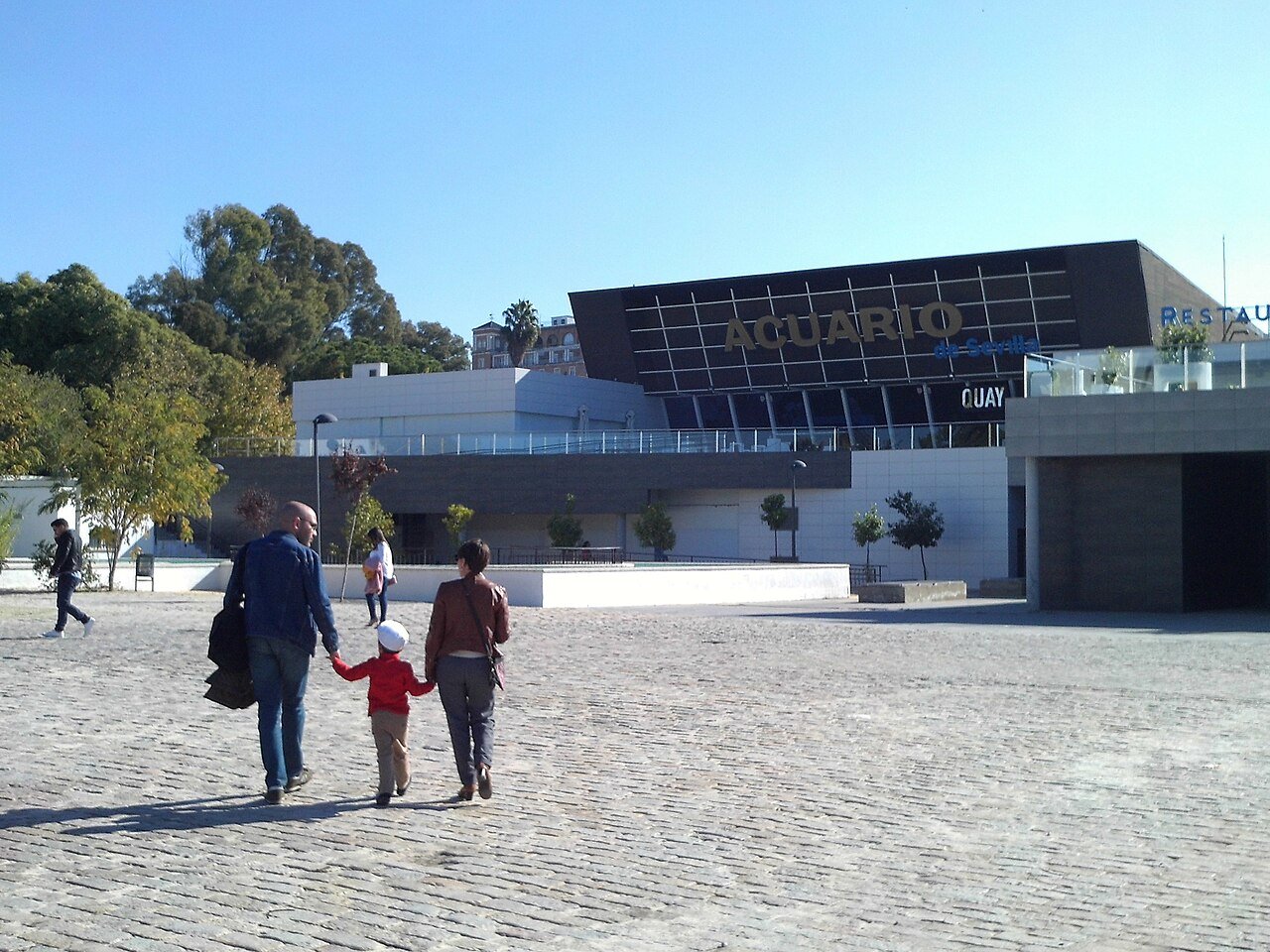
The Seville Aquarium — the Acuario de Sevilla — is a modern aquarium on the Muelle de las Delicias, the old cruise quay on the Guadalquivir river, a short walk south of the old town beside the María Luisa park. It opened in September 2014 and holds some 7,000 animals of around 400 species in 35 tanks, but its real distinction is its plot: the whole visit replays the first circumnavigation of the Earth, the 1519–1522 expedition of Magellan and Elcano that set out from this very river. You follow the fleet tank by tank — down the Guadalquivir, across the Atlantic, through the American tropics, under the Pacific in a 9-metre-deep shark tank, and home past the reefs of the Indo-Pacific — in about an hour and a half. Tickets cost €18 at the desk or €17 online as of October 2026, with children aged 4–14 at €13 and under-4s free. The simplest way to secure a slot on a busy day is the Seville Aquarium admission ticket, which you can cancel free of charge up to 24 hours before the visit. Allow 90 minutes for the route, two hours if your party stops at every window — and most do.
Table of Contents
- The Short Version
- The Voyage Behind the Aquarium
- The Journey: Eight Ecosystems in Sailing Order
- The Oceanario: Under the Deepest Shark Tank in Iberia
- Rainforest, Jellyfish and Other Highlights
- Practical Info
- Tickets and Booking
- Opening Hours
- Getting There
- When to Go
- How Long You Need
- Tips for Visiting
- What to See Nearby
- Final Thoughts
The Short Version
Seville is a city of stone, heat and orange trees, and the aquarium is its one great indoor escape: air-conditioned, blue-lit and mercifully free of queues for most of the year. It earns its place among the best things to do in Seville for three reasons. First, the theme is not decoration — the route genuinely follows a voyage, so the tanks build like chapters instead of arriving at random. Second, the centrepiece is the real thing: an oceanarium of some two million litres, the deepest shark tank in the Iberian Peninsula, with a tunnel along its floor. Third, it is the city’s best family sight after the Plaza de España: pushchair-friendly, step-free, and pitched at children without talking down to adults. This guide walks the route in sailing order, then covers tickets, hours and the small print.
The Voyage Behind the Aquarium
Every aquarium needs a story, and Seville’s was waiting on its own doorstep. On 10 August 1519 a fleet of five ships — the Trinidad, San Antonio, Concepción, Victoria and Santiago — dropped down the Guadalquivir from Seville under Ferdinand Magellan, bound for the Spice Islands by a western route. The fleet crossed the Atlantic, threaded the strait that now bears Magellan’s name, and crossed the Pacific; Magellan himself was killed on Mactan in the Philippines in April 1521. Command passed to Juan Sebastián Elcano, who brought the one surviving ship, the Victoria, back up this river to Seville in September 1522 with 18 men and a cargo of cloves — the first vessel ever to sail around the world. The aquarium, opened on 30 September 2014 and run by Aquagestion Sur, turns that expedition into architecture: the visitor route is the voyage, told in water. The building stands a few hundred metres from the stretch of river the fleet sailed down, which gives the theme a weight no amount of signage could fake.
The Journey: Eight Ecosystems in Sailing Order
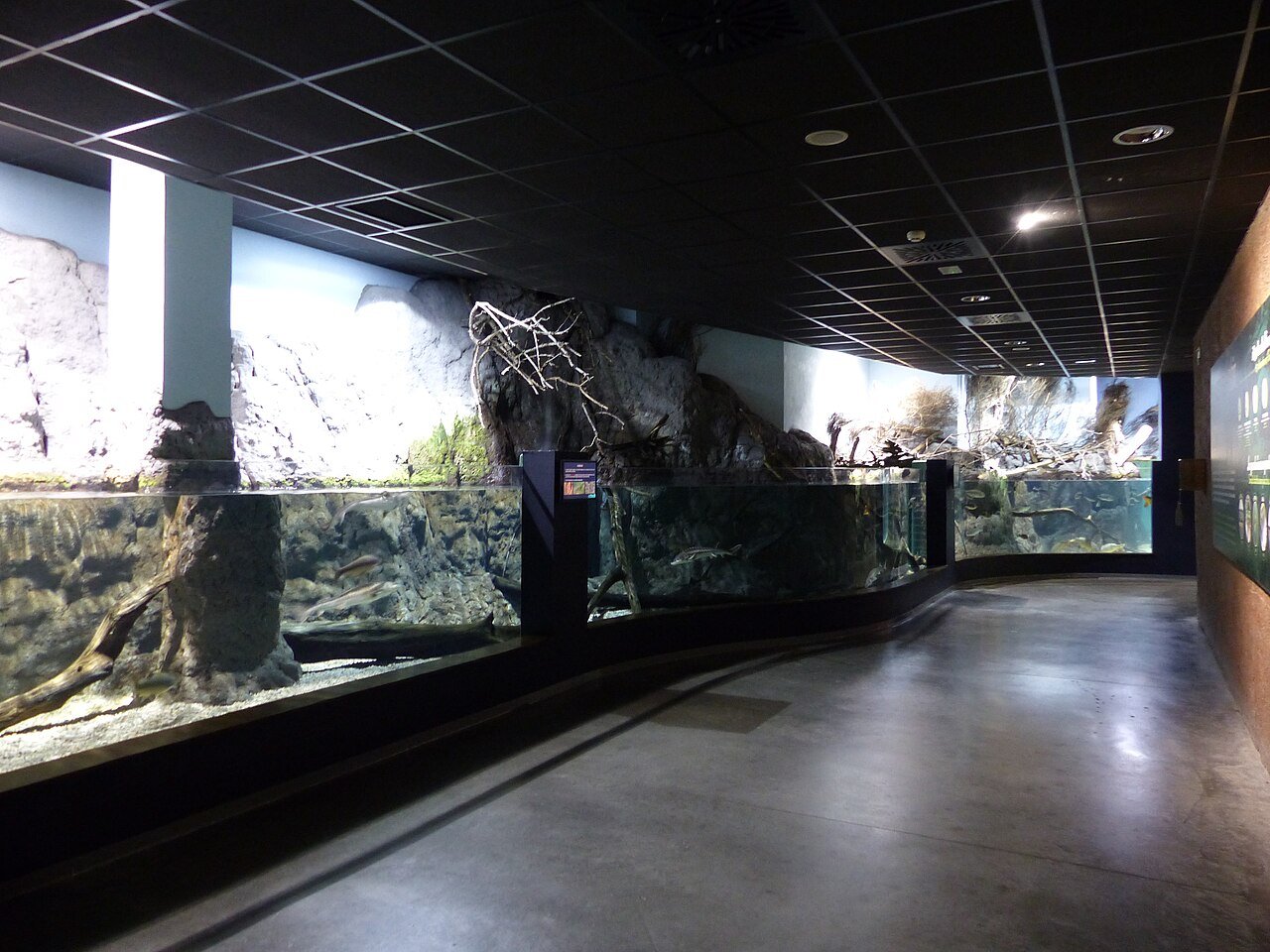
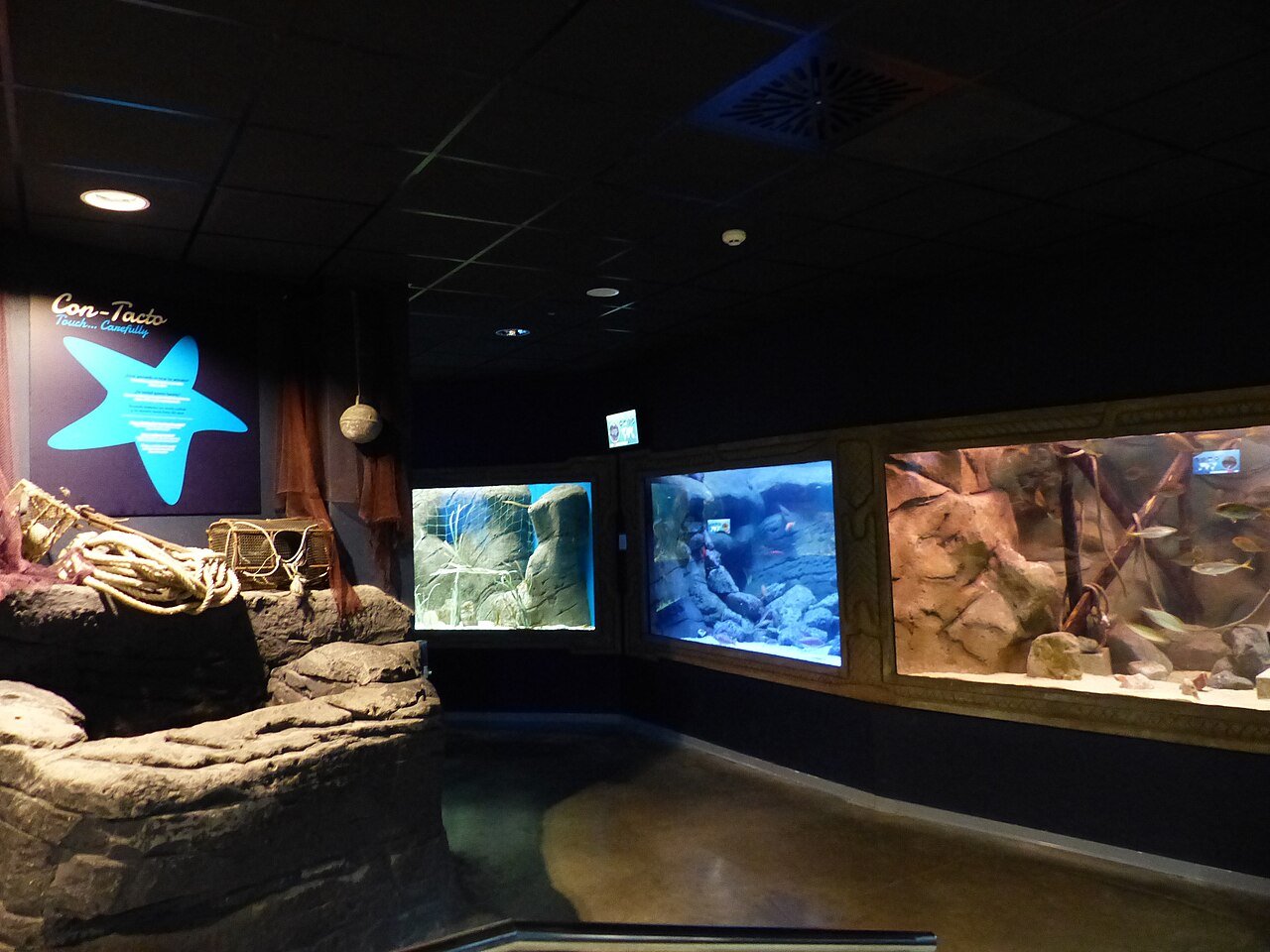
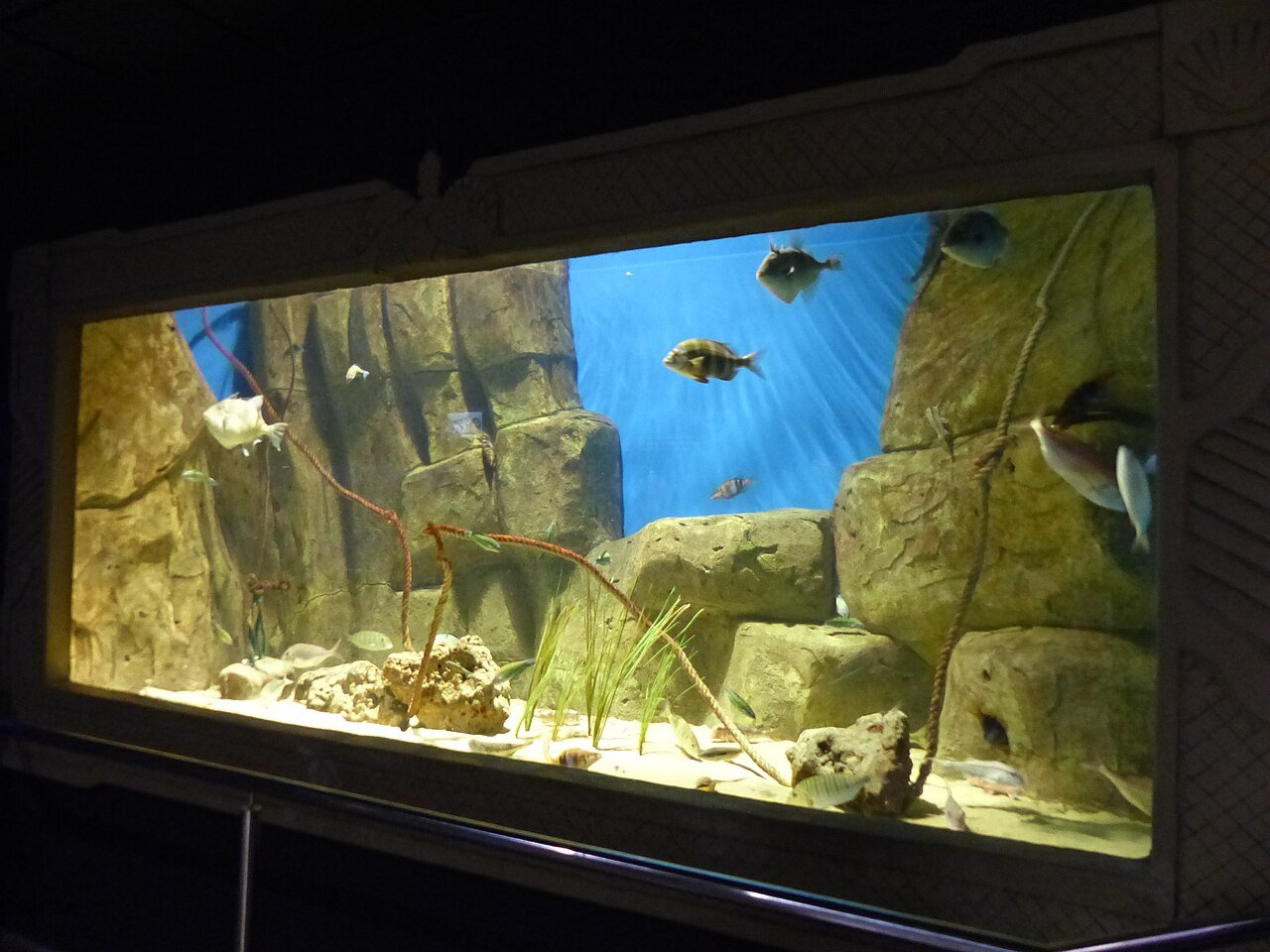
The visit is a single one-way route through eight ecosystems, arranged — as the aquarium puts it — from the Atlantic to the Indian Ocean, following the expedition’s steps. It begins, correctly, at home. The Guadalquivir zone recreates Andalusia’s great river: the freshwater fish, amphibians and bankside life of the waterway outside the door, in shallow tanks that start at ankle depth. Then the route puts to sea. The Atlántico crosses the ocean as the fleet did, from the Andalusian Atlantic coast via the Canary Islands to the eastern shores of South America, the water cooling and the species changing as you walk. Landfall brings the Selva Tropical, the tropical rainforest of the American tropics — one of the most biodiverse habitats on Earth — where the blue goes green and the tanks give way to jungle shade, waterfalls and river monsters. After the jungle comes the long Pacific haul, staged as the Oceanario, the open-sea tank covered in its own section below. The Medusas exhibition — the jellyfish, presented as el latido del mar, the heartbeat of the sea — interrupts the geography with pure theatre, glowing tanks of drifting bells, and a glimpse of the breeding room where new jellyfish are raised. The homeward leg runs through the Sabana Africana, an African savanna zone of freshwater life from the continent the fleet rounded on its way back, and the Indopacífico, where mangroves and coral reefs crowd with the most colourful species in the building. The route closes in the Bosques Húmedos, the wet forests — another of the planet’s great biodiversity factories, all dripping green and shallow water. The order is the point: river, ocean, jungle, open sea, reef, home.


The Oceanario: Under the Deepest Shark Tank in Iberia
Mid-voyage, the route dives. The Oceanario is the aquarium’s main tank and its reason for existing: some two million litres of water, 9 metres deep — the deepest shark tank in the Iberian Peninsula — holding the big animals of the open sea. Sand tiger sharks (Carcharias taurus, the tiburón toro) cruise its blue in slow circuits, alongside other shark species, guitarfish (Rhinobatos sp.) resting on the sand, rays, groupers and great shoals turning as one body. The route passes through the tank in an acrylic tunnel along the floor, so the sharks cross overhead and the surface light comes down in moving columns — the photograph every visitor takes, and takes again. Off the tunnel, a great viewing window with a bench in front of it does the opposite job: sit down, let a turtle drift past at eye level, and watch the whole system breathe. The turtles deserve their fame. The aquarium’s loggerheads (Caretta caretta) include Chelo, hatched from a nest guarded by CSIC scientists on Boa Vista in Cape Verde and raised here with her mate Nando as part of a conservation breeding project for an endangered species — the aquarium calls her its protagonist, and the Oceanario is her stage. Feeding time at the central tank is a scheduled public activity; if your visit coincides, the window bench is the seat to claim.


Rainforest, Jellyfish and Other Highlights
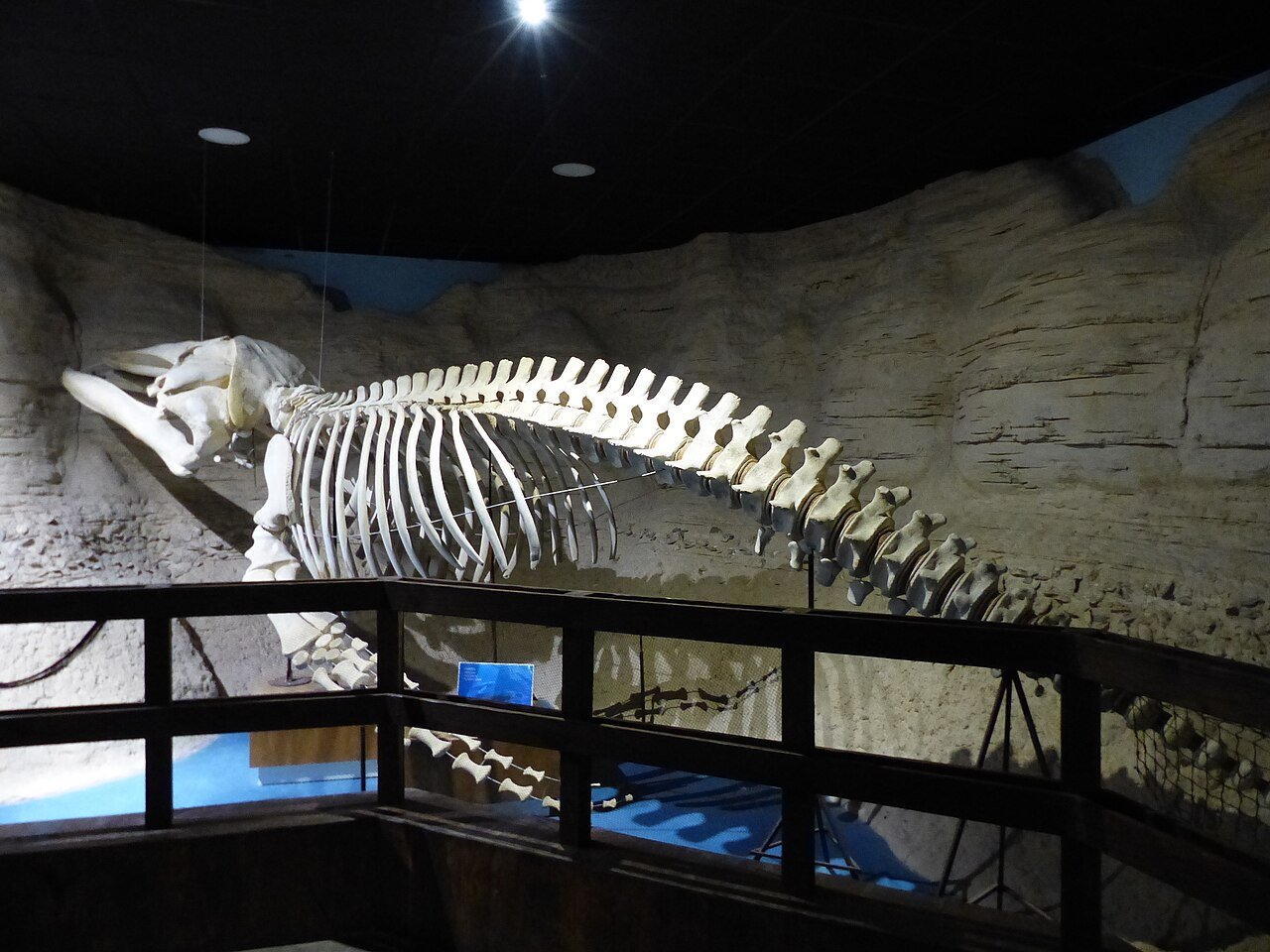
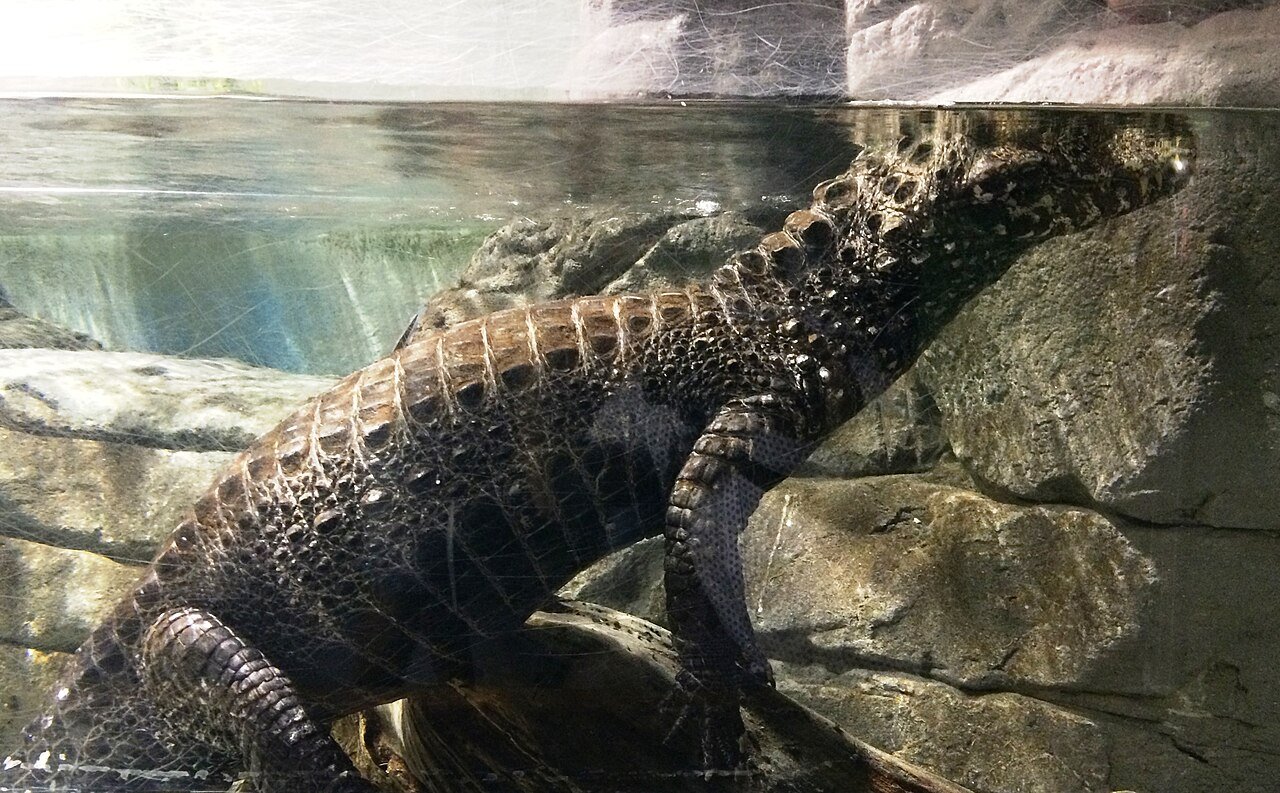
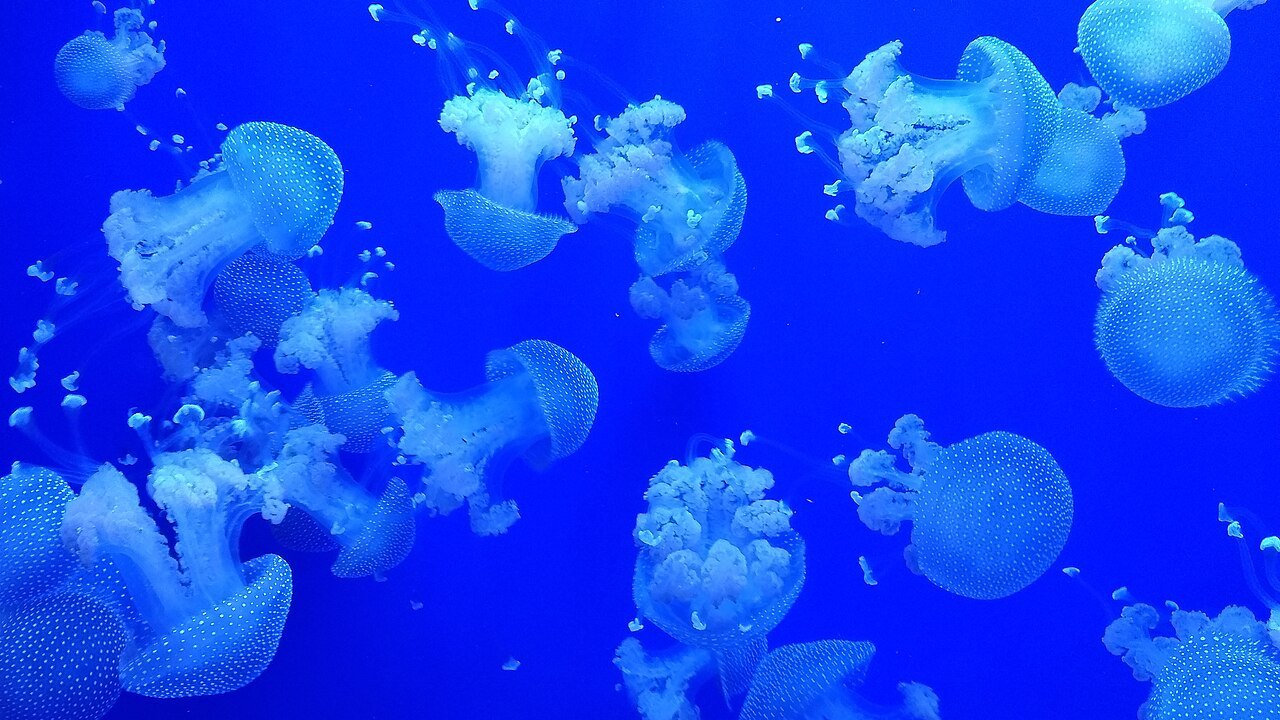
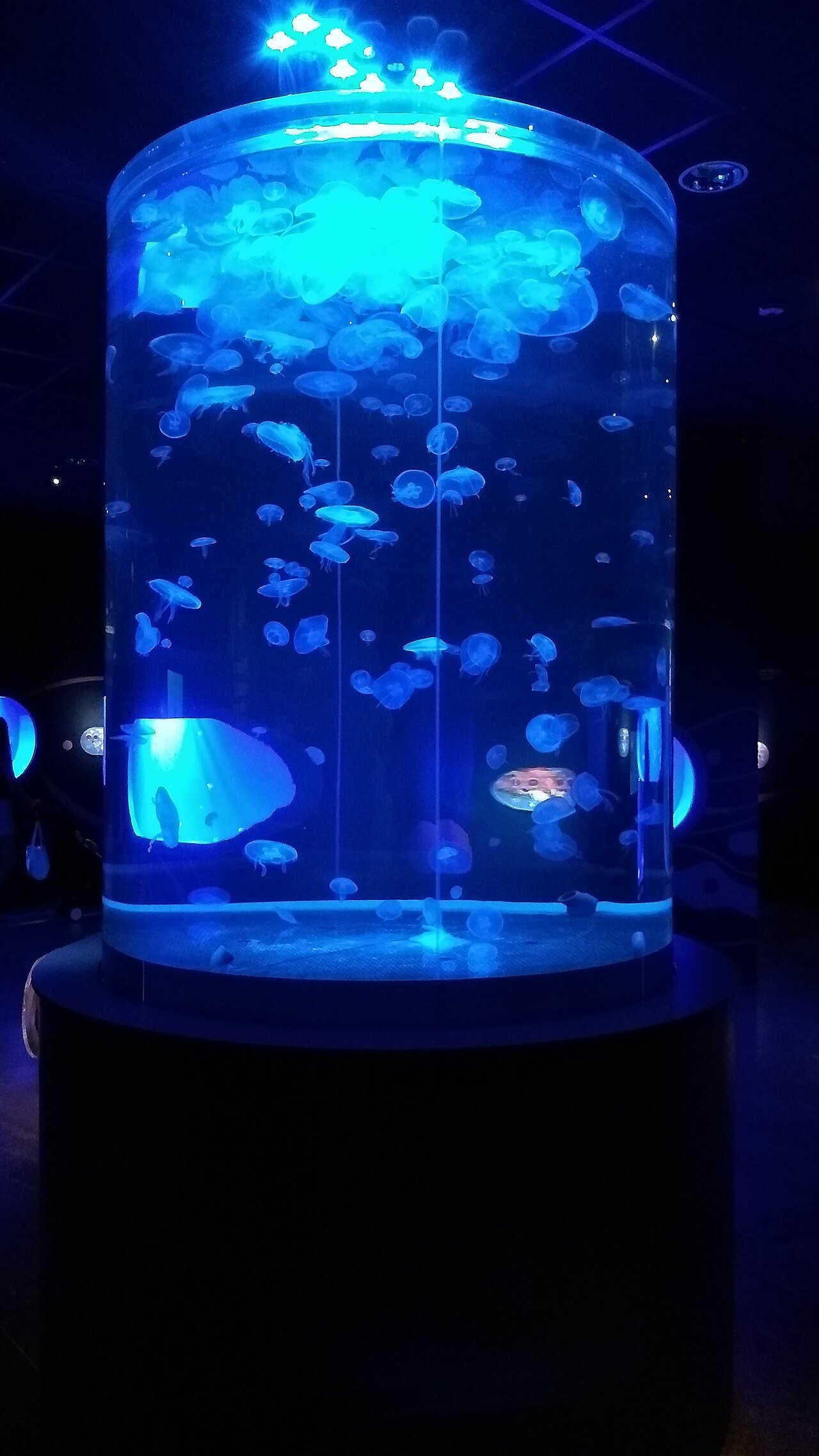
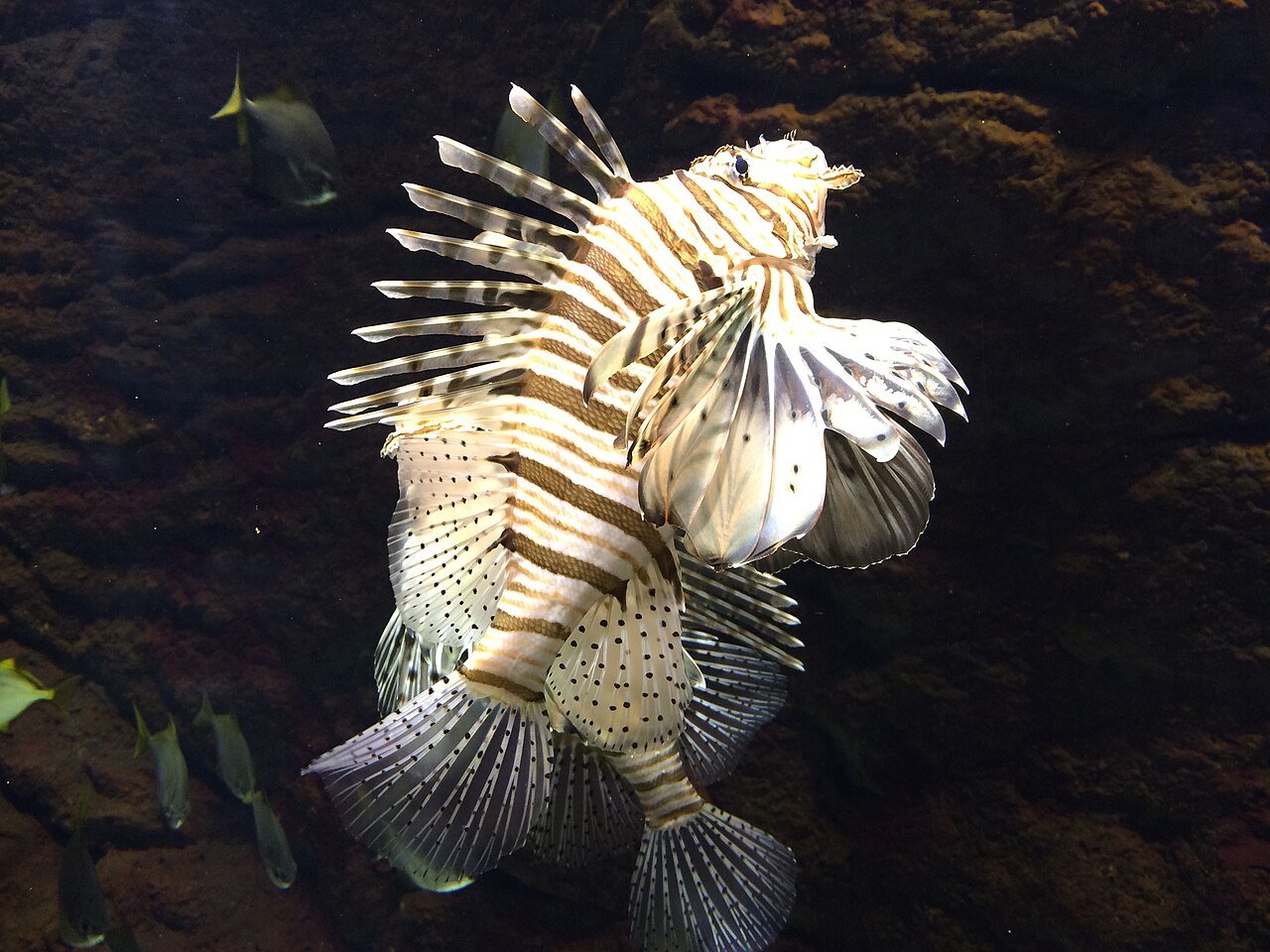
Beyond the big tank, three corners of the building earn slow time. The Selva Tropical is the aquarium’s jungle: dwarf caimans haul out on wet rock, anacondas and poison-dart frogs hold the smaller tanks, and the whole zone trades the ocean’s blue for filtered green — children who have gone quiet at the fish often wake up again here. The Medusas exhibition is the connoisseur’s stop: tank after tank of jellyfish — moon jellies in a glowing cylinder, spotted lagoon jellies pulsing in blue light — lit like sculpture and labelled as the sea’s heartbeat, with the breeding area visible so you can see next month’s display being grown. A newer resident has drawn its own crowds: the axolotl installation, devoted to the Mexican salamander that can regrow limbs, organs and part of its brain, and is critically endangered in the wild. The Indo-Pacific tanks supply the colour — a zebra lionfish fanning venomous spines, clownfish in anemones, reef fish stacked in layers. One honest note: there is no touch pool, so small hands stay on the glass; the closest encounters are the feeding sessions, the guided visits, and El lado oculto (“the hidden side”), a behind-the-scenes tour of the laboratories, quarantine and filtration plant for those who want the machinery. A virtual-reality experience and after-dark events — including Tiburones a media noche, sharks at midnight — round out the calendar.
Practical Info
Address: Muelle de las Delicias, s/n, 41012 Sevilla — on the river quay beside the María Luisa park, south of the old town. The aquarium’s own phone is 955 44 15 41.
What it is: the Acuario de Sevilla — a themed aquarium retracing the Magellan–Elcano circumnavigation through eight ecosystems, from the Guadalquivir river to the Indo-Pacific reefs, around a 9-metre-deep oceanarium. Run by Aquagestion Sur; opened 2014.
| Best for | Families, a hot-afternoon or rainy-day refuge, and anyone who likes their aquarium with a story — the route is a voyage, not a corridor |
| Entry | €18 at the ticket office, €17 online (adults, as of October 2026); children 4–14 €13; under-4s free; over-65s €15 |
| Time needed | About 90 minutes for the route at the aquarium’s own estimate; two hours unhurried |
| Nearest transport | Metro Línea 1 to Puerta de Jerez, then a 15-minute walk; Tussam buses 3, 6 and 34 stop at La Palmera |
| Don’t miss | The Oceanario tunnel, the jellyfish exhibition, and Chelo the loggerhead turtle in the main tank |
Tickets and Booking
As of October 2026 the ticket office charges €18 for adults, €13 for children aged 4–14, €15 for over-65s and €13 for visitors with disabilities, while under-4s enter free and large families pay €16/€11. Buying on the aquarium’s own online shop trims the adult price to €17 — the one-euro saving is the queue you skip, which matters more on summer weekends. Two official offers are worth knowing: the online-only family pack puts two adults and two children in for €49, and on Thursdays from 15:00 the Día del esPEZtador drops tickets to €13 for adults and €9 for children, online only, in limited numbers and never on public holidays. Booking ahead is otherwise unnecessary — reservations are only required for groups of 20 or more — but the Seville Aquarium admission ticket adds free cancellation up to 24 hours before the visit and a phone-in-hand entry, and its 4.6-out-of-5 rating across more than 2,300 reviews (as of October 2026) reflects how painless most visits are. However you buy, remember that children under 14 must be accompanied by an adult.
Opening Hours
The aquarium keeps two seasons. From September to June it opens Monday to Friday 10:00–18:00 and Saturday to Sunday 10:00–19:00. In July and August the days stretch: Monday to Friday 10:00–19:00, Saturday to Sunday 10:00–20:00. Around the Christmas and Epiphany holidays the hours shrink on the festive days themselves — shortened days on 24 and 31 December and 5 January, and a late 12:00 start on 25 December, 1 and 6 January — so check the official calendar before a holiday visit. Two rules govern every day of the year: the ticket office closes one hour before the aquarium does, and last entry is also one hour before closing, sized to the route’s 90 minutes. The shop opens at 10:15 and closes with the building. Hours can shift for special events and after-dark activities, which the aquarium announces on its own site.
Getting There
The aquarium stands on the Muelle de las Delicias, the quay from which cruise ships once worked the Guadalquivir, just south of the María Luisa park and about a 20-minute riverside walk from the cathedral. The Metro’s Línea 1 stops at Puerta de Jerez, a 15-minute walk away through the gardens; Tussam bus lines 3, 6 and 34 all stop at La Palmera, closer still. Cyclists are well served — Seville’s bike-lane network reaches the door and there is a rack at the entrance. Drivers should aim for the public underground car park beside the aquarium, entered from Avenida Moliní; the aquarium has no car park of its own. Taxis know the address well, and the sightseeing buses call at their own aquarium stop. However you arrive, the walk back along the river at closing time — the Torre del Oro lit upstream, the park behind you — is part of the visit.
When to Go
The aquarium’s two enemies are the school trip and the summer thunderstorm: term-time weekday mornings can bring class groups working the route with worksheets, and on the wettest or hottest days every family in Seville has the same idea at once. The calmest visits are at opening time, when the tanks are freshly lit and the tunnel is empty, and in the last two hours before closing, when the light through the Oceanario turns theatrical. Weekends in July and August are the peak — this is when the online ticket earns its keep. Seasonally, the aquarium is the mirror image of the rest of Seville sightseeing: when the city bakes past 40°C in summer, its cool blue halls are the best two hours of the day, and in the rainy weeks of late autumn it is the plan B that becomes plan A. Thursday afternoons carry the esPEZtador discount from 15:00, the week’s best-value slot if your dates allow it.
How Long You Need
The aquarium itself estimates the route at about 90 minutes, and that is honest for a steady walk with normal stops. Give it two hours and the visit changes character: time to sit at the Oceanario bench through a full circuit of the sharks, to read the jellyfish breeding panels, and to let children find their own favourite tank twice. There is no time limit once you are in — your ticket runs to closing — but the route is one-way, so a tank skipped in the flow means a tank missed; go slowly the first time through. A morning at the aquarium pairs perfectly with an afternoon in the María Luisa park next door, and leaves an evening free for the old town.
Free Seville travel guide
Planning a trip to Seville? Get our free one-page Seville checklist: what to book ahead, what to skip, and the tapas bars we actually eat in.
Tips for Visiting
- Buy online, and mind the Thursday trick. The online adult ticket is €17 against €18 at the desk — and on Thursdays from 15:00 the online-only esPEZtador price drops it to €13. If your Seville week includes a Thursday afternoon, that is your aquarium slot.
- Enter in the first or last hour. Opening time gives you the tunnel to yourself; the final hour (last entry is 60 minutes before closing) gives you the Oceanario in its moodiest light. Midday in August is when the crowds and the pushchairs peak.
- Pre-book through the admission ticket if your day is fixed. Free cancellation up to 24 hours ahead means the Seville weather — heat or rain — can change your plans without costing you the tickets.
- Ask about feeding times at the door. The central-tank feeding is a public activity on the aquarium’s calendar; timing your Oceanario stop to it turns a great tank into a show. The guided visit (about 90 minutes) is the other upgrade worth its money.
- Keep hands off the glass and flash off the camera. There is no touch pool here by design — the animals’ welfare rules it out — and the jellyfish and axolotls photograph far better in the tanks’ own light anyway.
- Bring the small print. Children under 14 cannot enter unaccompanied, reduced tickets need their accreditation card at the desk, and each paying adult can bring at most two under-4s in free.
What to See Nearby
The aquarium’s neighbours make a natural half-day. Across the road, the María Luisa park unrolls its fountains and tiled benches toward the Plaza de España, the great semicircular set-piece of 1929 and the one Seville sight nobody should skip. North along the river stand the Torre del Oro and the bullring; the old town beyond them holds the Seville Cathedral and La Giralda, the largest Gothic church on Earth, and the Alcázar’s palaces and gardens. For a deliberate contrast — Moorish Seville in the morning, the deep sea in the afternoon, or the other way round — end the day on the wooden waves of the Metropol Parasol (Las Setas) at sunset. And if the aquarium whets the family’s appetite for getting out of the city altogether, our guide to day trips from Seville covers Córdoba, Ronda and Cádiz within the same easy radius.
Travel insurance, sorted
Whether it is a two-week holiday or a longer move, travel insurance is not the most glamorous part of a trip — but it is the one booking you want to have in place before a trip, and while you are already away. Get a quote from SafetyWing
Final Thoughts
Most aquariums are collections; this one is a journey with a beginning, a middle and an ocean in between. It starts in the river outside its own door, crosses an ocean in a corridor of tanks, walks under the deepest shark water in Iberia, and comes home past mangroves and reefs to the rain — and it does the whole thing in 90 minutes, in the cool, five minutes from the Plaza de España. Seville has grander sights, but few that a five-year-old and a historian will argue about so happily on the walk back along the quay. Give it a morning, or a burning afternoon, and let the Victoria sail again. ¡Buen viaje!
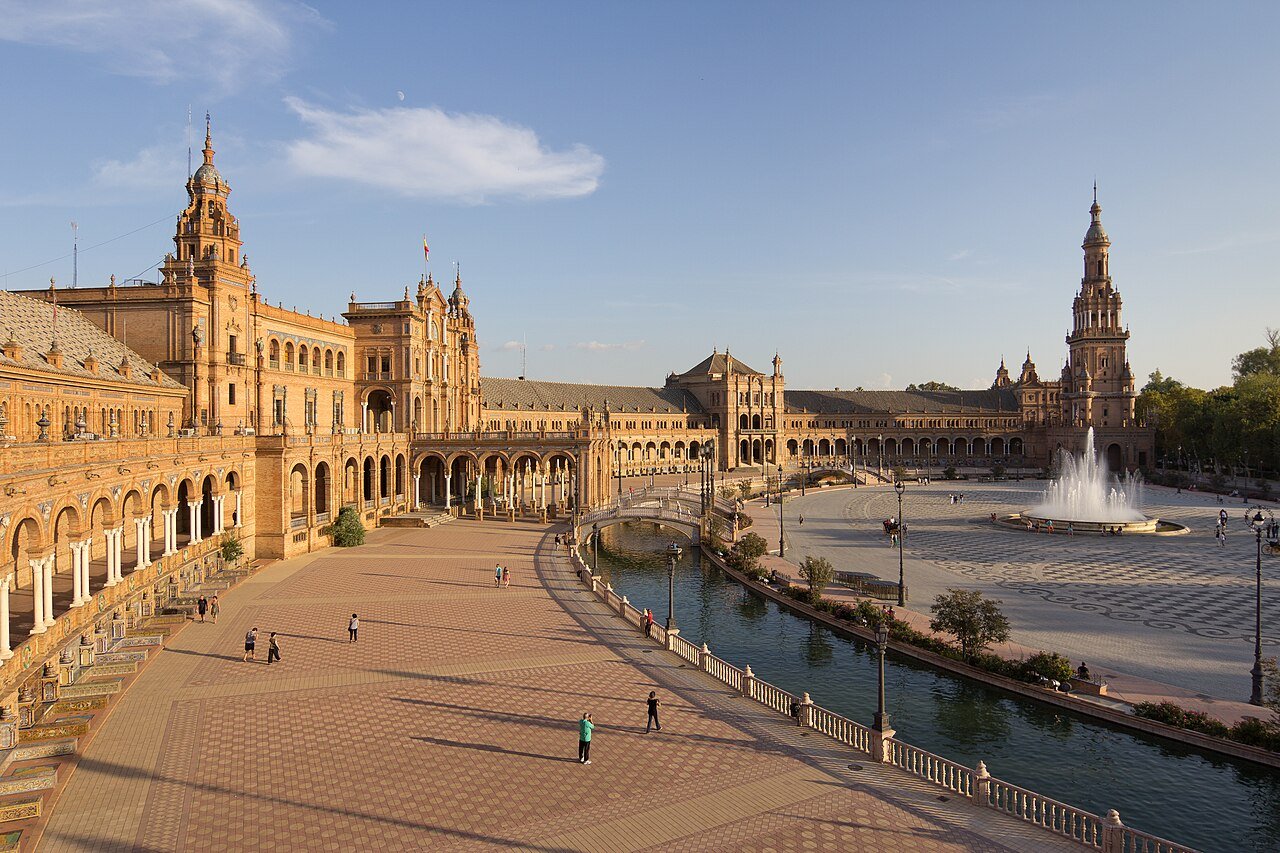
Photo credits: Benjamín Núñez González, Hispalois and CarlosVdeHabsburgo, via Wikimedia Commons.