15 Best Foods to Try in Valencia, the Home of Paella
Every Spanish city claims a dish; Valencia owns one so completely that the rest of the world cooks it under her flag. Paella was born in the rice fields around the Albufera lagoon, a short ride south of the city, and Valencians guard the recipe with a seriousness that is only half joking. But stopping at paella would miss the rest of a food culture built on rice in a dozen forms, on oranges, on tiger nuts, on the sea — and on a mid-morning sandwich break so sacred it has its own name.
This list covers the fifteen things to eat and drink in Valencia: the true paella and its rice cousins, the market, the drinks — horchata by day, Agua de Valencia by night — and the snacks of the Fallas season. The rules of engagement come first, because paella has them: it is a lunch dish, it is cooked to order for the whole table, and no, the authentic one does not contain chorizo or seafood. For where to stay, see our Where to Stay in Valencia guide; for everything else, our Best Things to Do in Valencia guide. Ara sí — a menjar.
Table of Contents
- 1. Paella Valenciana — the Real One
- 2. Mercado Central — Europe’s Freshest Food Hall
- 3. Horchata con Fartons
- 4. Agua de Valencia
- 5. Fideuà
- 6. All i Pebre
- 7. To the Albufera — Paella Where It Was Born
- 8. Buñuelos de Calabaza
- 9. Clóchinas — Valencia’s Own Mussels
- 10. Esgarraet
- 11. Arròs Negre
- 12. Lunch on La Malvarrosa
- 13. Valencian Oranges
- 14. Coca de Llanda
- 15. L’Esmorzar — the Almuerzo Ritual
- Final Thoughts
1. Paella Valenciana — the Real One
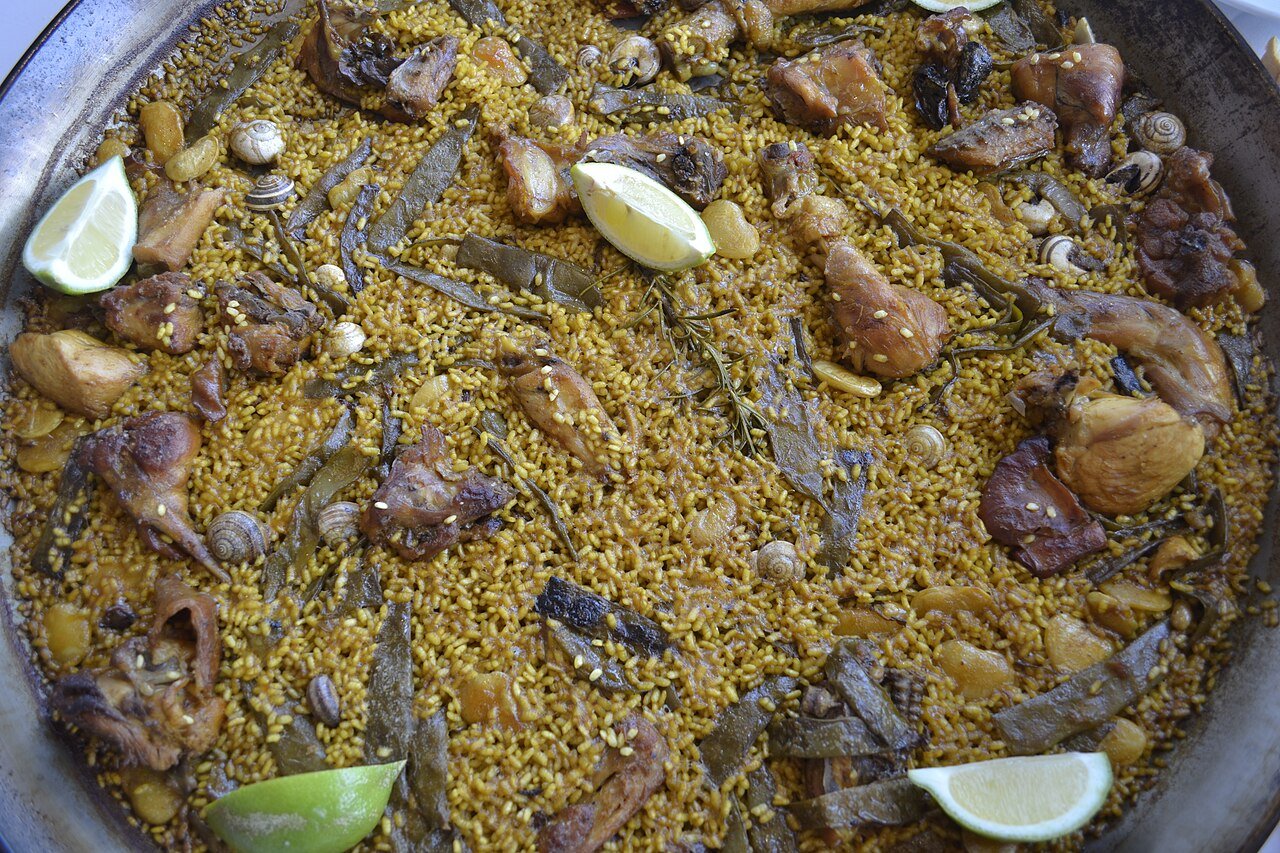
Here it is, the original: Bomba rice cooked in the wide, thin pan that gives the dish its name, with chicken, rabbit, green beans (ferraúra), white butter beans (garrofó), tomato, olive oil and saffron — snails, traditionally, if the field provided them. No peas, no chorizo, no seafood, no lemon wedges unless you ask. The rice should be dry, loose and thin — one grain deep, never a mound — with the socarrat, the caramelised crust, scraped from the base. Eat it at lunch, from the pan, with a wooden spoon if the restaurant is traditional. The famous beachfront names on the Malvarrosa — La Pepica, cooking since the 19th century and a Hemingway haunt, and Casa Carmela, where the pans still cook over orange wood — are famous because they are good. Practical tip: real paella is cooked to order and takes a while; book the restaurant, order the paella when you book if they ask, and if you want to learn the ritual hands-on, a cooking class in the city walks you from market to pan.
2. Mercado Central — Europe’s Freshest Food Hall

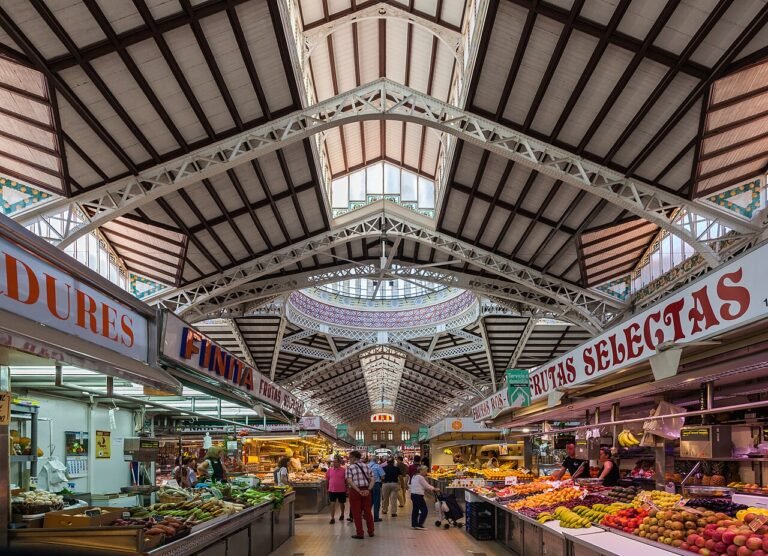
Opposite the Lonja, under a soaring modernista dome tiled like an orange grove, Valencia’s Central Market is one of the largest and freshest food markets in Europe — hundreds of stalls of fish still moving, vegetables from the huerta fields that ring the city, jamón, cheeses, snails for the paella sold by the bag. It is a working market in a cathedral’s clothes. Graze it in the morning: a coffee and a pastry, a look at the fish hall, and lunch at Central Bar, the market’s own tapas bar run by chef Ricard Camarena, cooking the stalls’ produce in the middle of it all. Practical tip: the market winds down by mid-afternoon and closes Sundays — come before noon for the full theatre, and let a guided visit show you what you are looking at.
3. Horchata con Fartons
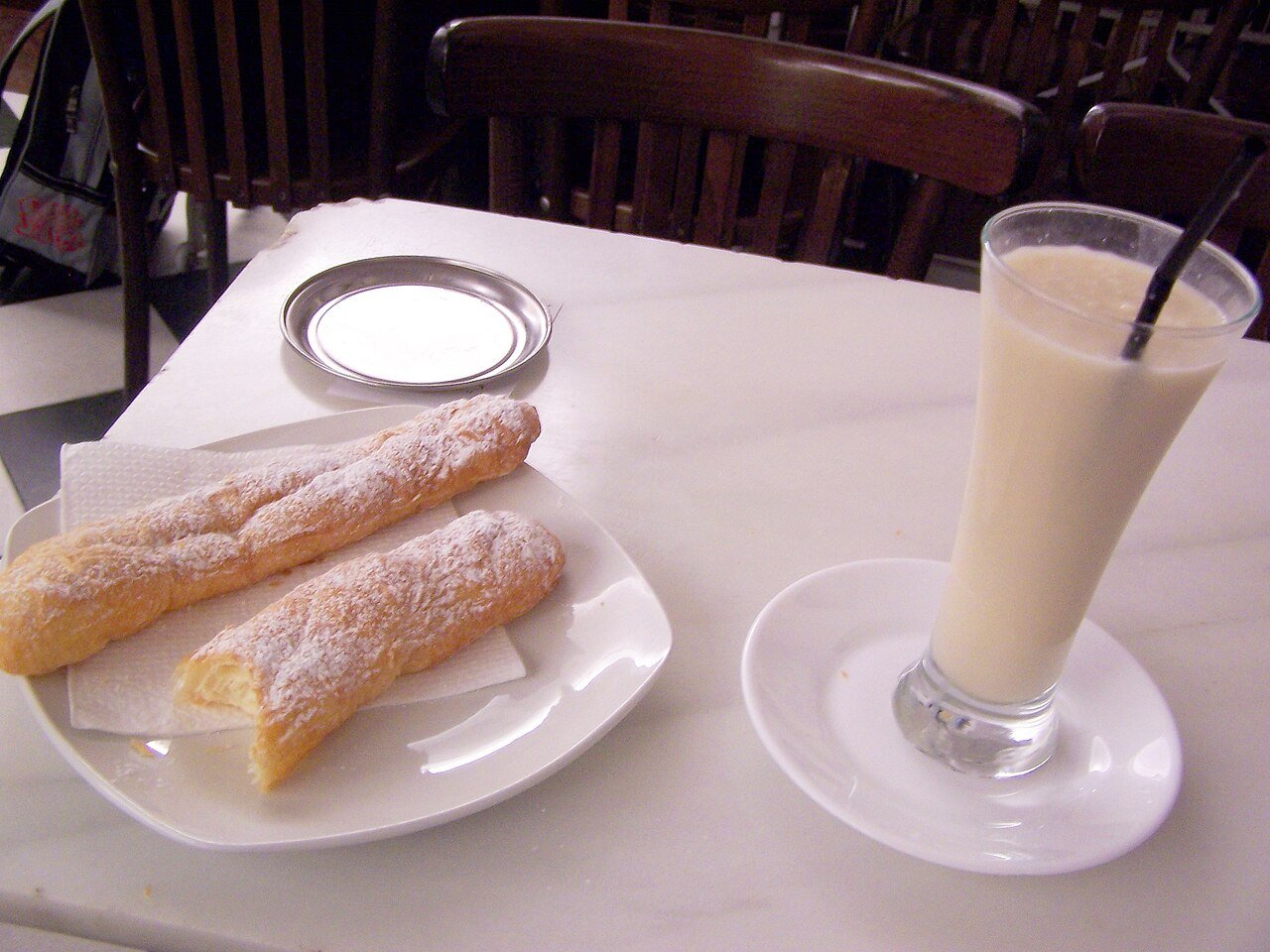
Valencia’s other signature, in a glass: horchata de chufa, a milky, sweet, ice-cold drink ground from tiger nuts — chufas — grown in the fields north of the city around Alboraya, where the drink was perfected. The correct accompaniment is fartons, long, soft, sugar-glazed fingers of pastry made for dunking until they go tender. The classic address is the Horchatería Santa Catalina in the old town, tiled and old-fashioned in the best way, pouring horchata for well over a century. Practical tip: order the horchata granizada — semi-frozen, slushy — on the hottest days, and never let anyone tell you it is a milkshake. There is no milk in it at all.
4. Agua de Valencia
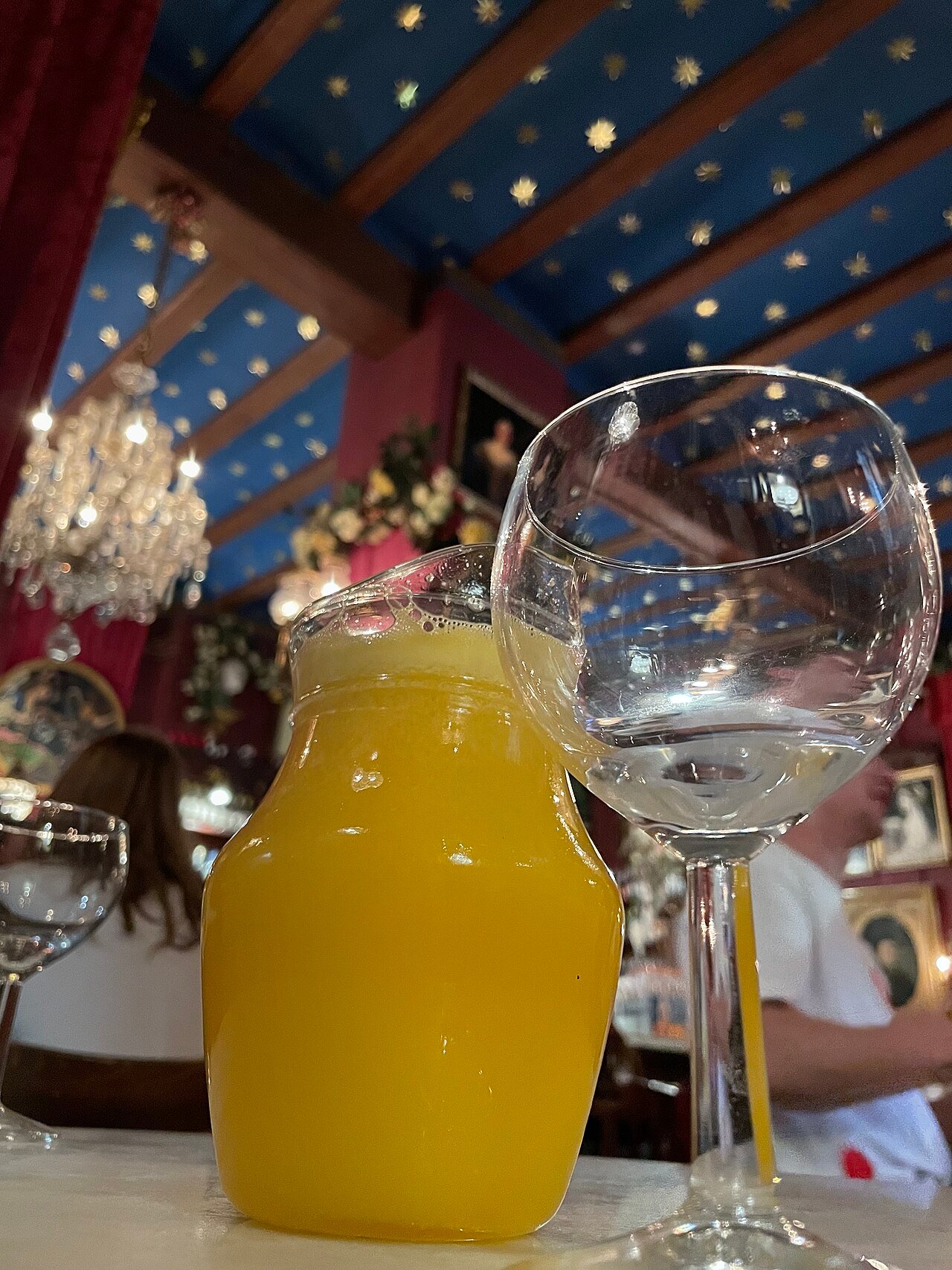
The city’s party cocktail, invented here in the late 1950s: fresh-squeezed Valencian orange juice and cava, with vodka and gin in supporting roles, served by the jug to be shared. It tastes like a sparkling orange morning and behaves like an evening, which is precisely its charm and its danger. The bar most associated with perfecting it is Café de las Horas, a gloriously over-the-top room near the cathedral, where the jugs arrive with ceremony. Practical tip: it is stronger than it tastes and it is made for sharing — one jug between two or three, food on the table, and no plans that require precision afterwards.
5. Fideuà

Thirty miles south in Gandía, so the story goes, a fishing boat’s cook ran out of rice and used short noodles instead — and fideuà joined the permanent canon. The noodles are toasted in olive oil, then simmered in a rich fish stock in the same wide pan as paella, with prawns, cuttlefish and monkfish, and finished standing up: the top strands crisp and curl in the heat. It is served with alioli, always. Valencia’s rice restaurants cook it as seriously as the rices, and arguing fideuà versus paella is a local blood sport. Practical tip: like paella, fideuà is a lunch dish cooked for two or more — and the correct ending is the same socarrat logic: scrape the pan.
6. All i Pebre

The Albufera’s own stew, and the dish the lagoon’s eel fishermen made from the catch: eel — traditionally, though you will also find it made with other firm fish — cut in pieces and stewed with potatoes in a sauce of garlic (all) and pepper-paprika (pebre), thickened with ground almonds. It is dark, garlicky, warming and completely unlike anything else on this list: the taste of the wetlands, eaten in the villages around the lake and in the city’s most traditional rice houses. Practical tip: order it in El Palmar, the island village in the Albufera where it was born, as the first course before a paella — that is the full lagoon lunch, and it is one of the great meals of Spain.
7. To the Albufera — Paella Where It Was Born

Ten miles south of the city, the Albufera is a freshwater lagoon wrapped in rice fields — the landscape paella comes from, green with rice in summer, gold at harvest, loud with birds all year. The excursion is simple and perfect: a boat ride out on the lake from El Palmar or the Embarcadero, then lunch in the village, where nearly every restaurant serves the rices of the fields in front of you. Go late in the day and the boat ride becomes the sunset one, the lagoon turning copper as the herons come in. Practical tip: pair the village lunch with the last boat of the afternoon — eat first, float after, and let someone else drive you home. Our itineraries build the trip in: see the 2 Days in Valencia itinerary for the classic pairing.
8. Buñuelos de Calabaza

During Las Fallas in March, Valencia fries. Buñuelos de calabaza — pumpkin fritters, light as air inside a crisp shell, eaten hot with sugar or dunked in thick chocolate — are sold from street stalls on every corner of the festival city, and the queues at the famous ones run down the block at midnight. Outside March, bakeries and churrerías keep the tradition alive, especially in the autumn pumpkin season. Practical tip: eat them the moment they leave the fryer, standing at the stall, with chocolate if offered. A cold buñuelo is a missed appointment.
9. Clóchinas — Valencia’s Own Mussels

Valencia grows its own mussels in the harbour — clóchinas, smaller, paler and more delicately flavoured than the big Atlantic mussels, farmed on ropes in the port since the 19th century. The season is short, roughly late spring into summer, and when it opens the city’s bars serve them simply steamed with lemon, bay and a thread of their own liquor. Valencians are evangelical about the difference; taste them side by side with ordinary mejillones and you will understand. Practical tip: if you visit between about May and August, order clóchinas wherever you see them chalked on a board — outside the season they simply do not exist, and no freezer-born substitute counts.
10. Esgarraet
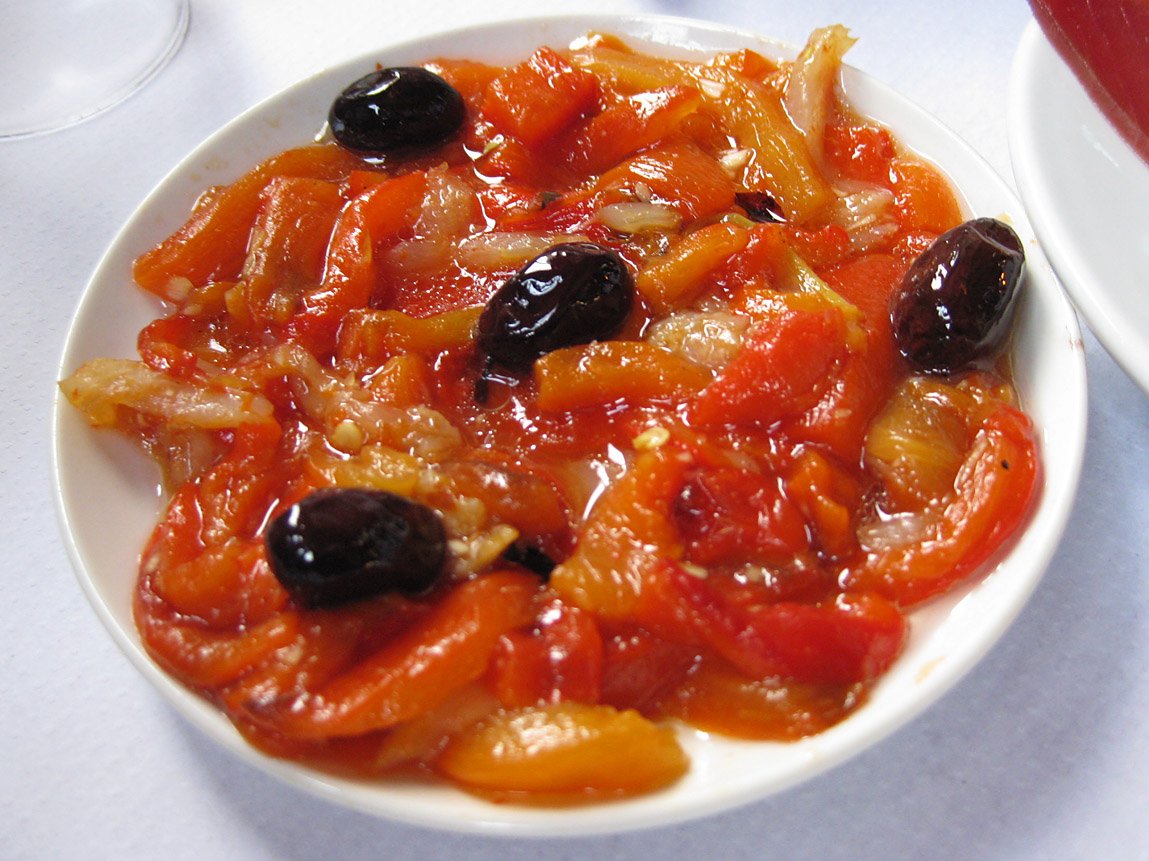
The classic Valencian tapa before the rice arrives: roasted red peppers torn into strips — esgarrat means “torn” — with flakes of salt cod (bacalao), garlic and good olive oil, sometimes with black olives over the top. Sweet, salty, glossy: three ingredients and no cooking beyond the roasting, which is exactly the point. It opens every traditional lunch in the city and is the dish home cooks judge each other by. Practical tip: order it with bread and use the bread — the oil at the bottom of the dish, pink with pepper juice and salted with cod, is the best part of the plate.
Free Valencia travel guide
Planning a trip to Valencia? Get our free one-page Valencia checklist: what to book ahead, what to skip, and the paella rules we actually follow.
11. Arròs Negre

The black rice: Bomba rice cooked in cuttlefish and squid stock darkened with squid ink, with pieces of the cephalopods through it and a spoon of alioli on the side. It looks dramatic and tastes of the sea concentrated — the dish Valencians order when they want rice but not the ceremony of the full paella, because it cooks faster and eats lighter. You will find it in every arrocería in the city and along the beach. Practical tip: the alioli is not decoration — stir a little through your portion. And like all the rices here, it is a lunch dish; an arrocería’s kitchen closes its pans by mid-afternoon.
12. Lunch on La Malvarrosa
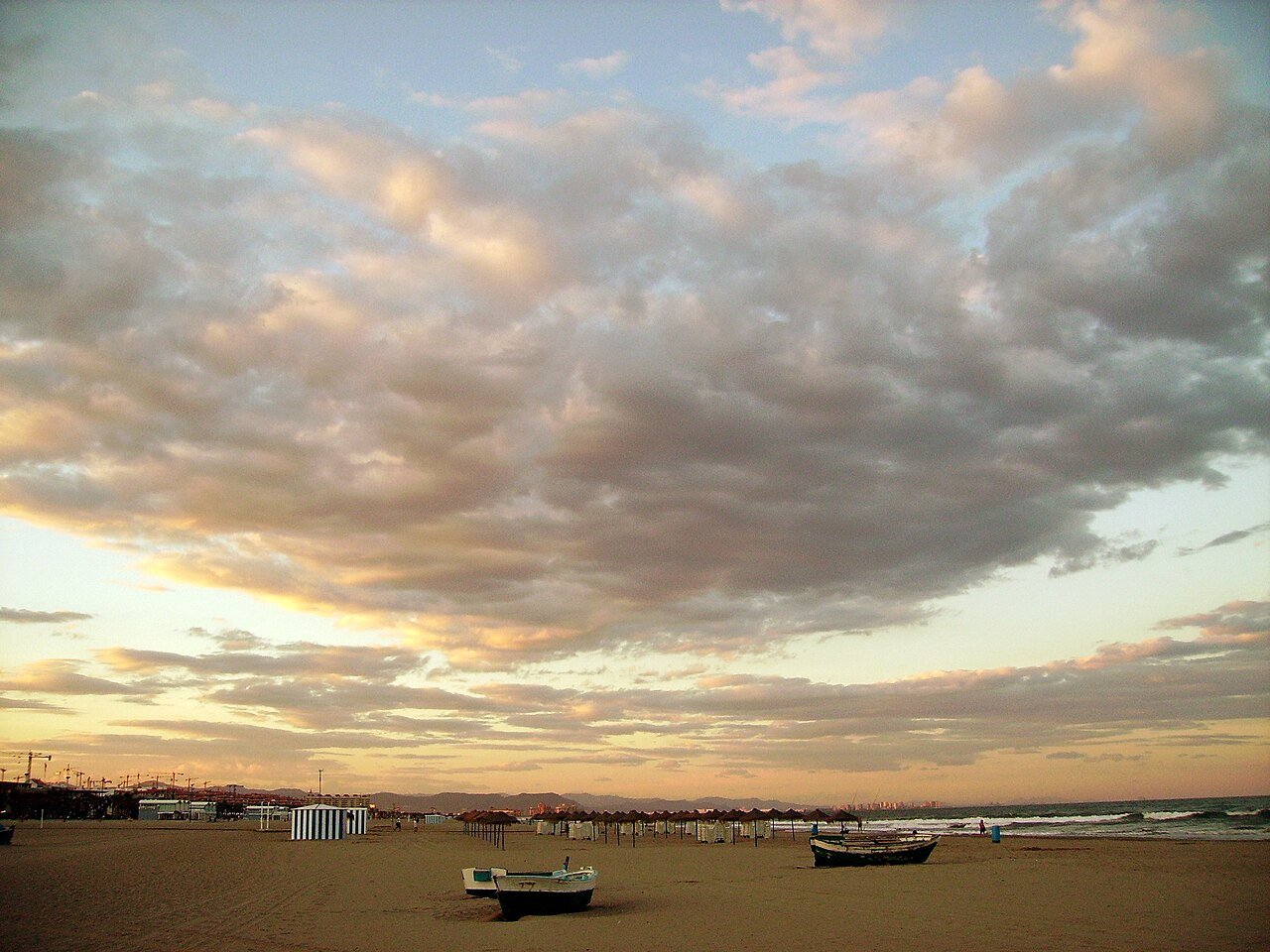
Valencia’s city beach is a long, golden promenade lined with the restaurants that made paella famous — La Pepica and its neighbours have been serving pans a few steps from the sand for generations. The ritual is the thing: a swim or a walk, a table outside, esgarraet and clóchinas if the season allows, the pan in the middle of the table, a jug of Agua de Valencia or a cold white wine, and nowhere to be afterwards except the sand again. Practical tip: weekends fill every terrace by two — book ahead, ask for the terrace, and treat lunch here as the day’s main event, because in Valencia it is.
13. Valencian Oranges
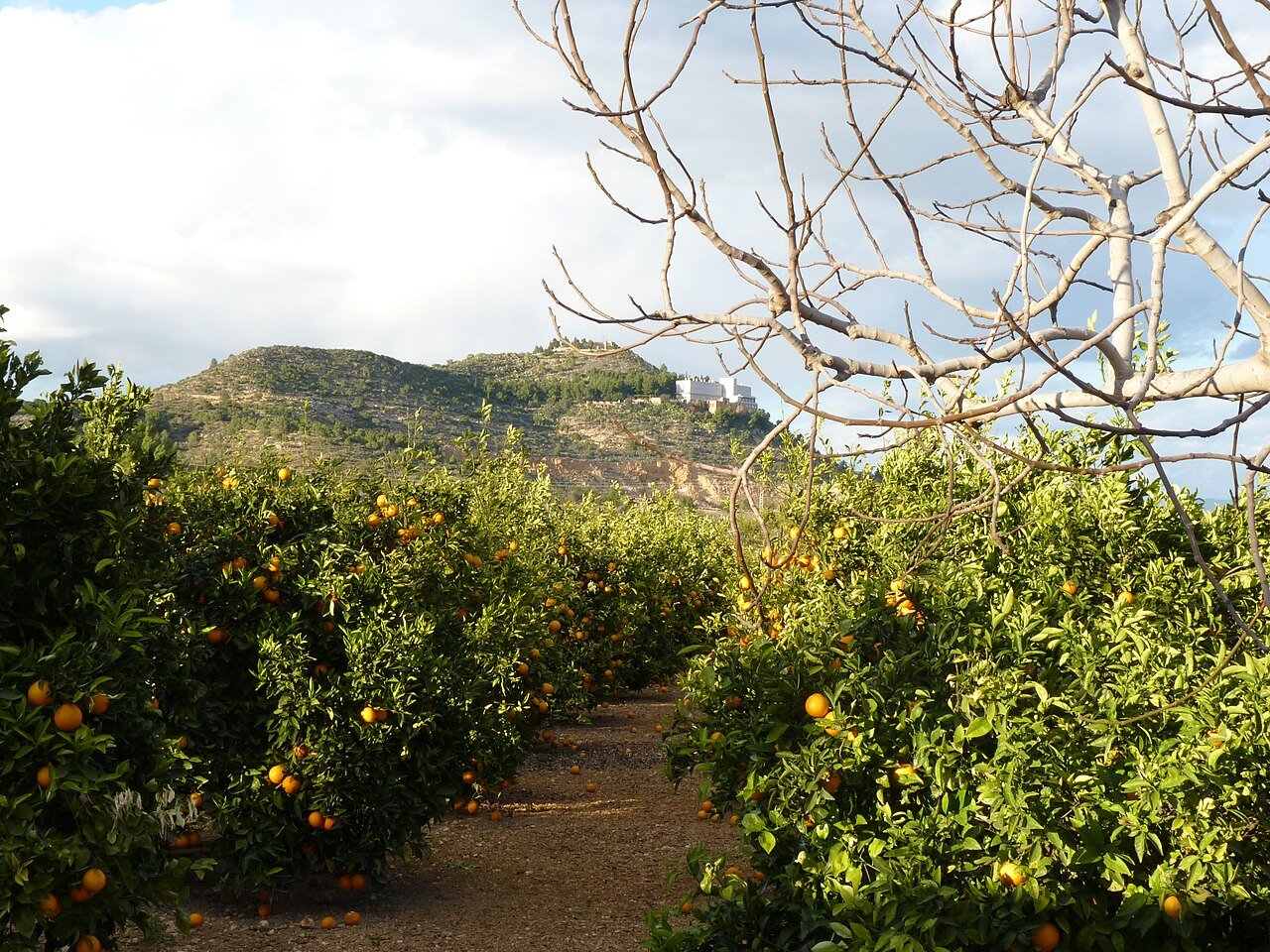
The orange is Valencia’s coat of arms: the huerta around the city is a sea of citrus groves, the old town’s streets are planted with (bitter, ornamental) orange trees, and a zumo natural — fresh-squeezed orange juice — is the default breakfast order in every café. The eating oranges of the region are famous across Europe; the juice bars press them in front of you, and in season a glass costs little more than the fruit it came from. Practical tip: juice oranges are a winter-spring glory — if you visit in season, drink a zumo every morning. The trees on the street are decoration: leave those oranges where they hang.
14. Coca de Llanda
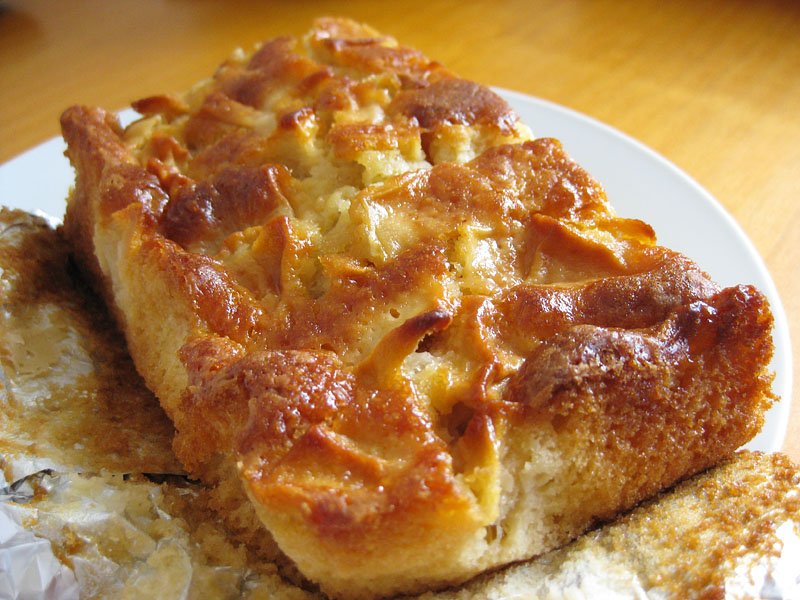
Every Valencian grandmother’s cake: a simple, golden sponge of flour, eggs, sugar, milk, oil and lemon zest, baked in the rectangular tin — the llanda — that gives it its name, with a sugary crust on top. It is the cake of meriendas and village bakeries, eaten with a coffee or a glass of sweet mistela wine, and it keeps for days, which no Valencian household has ever tested. Practical tip: look for it in traditional bakeries rather than cafés, and take a piece for the train or the plane — it travels like it was designed to, because it was.
15. L’Esmorzar — the Almuerzo Ritual
The list ends not with a dish but with an institution: l’esmorzar, the Valencian almuerzo — a mid-morning break, roughly ten to twelve, in which half the city stops for a serious bocadillo (a full baguette sandwich: tortilla, calamari, pork loin with peppers), a beer or a wine, olives and peanuts on the table, and a cremaet — a coffee spiked and flamed with rum — to finish. It is a working meal with the soul of a small festival, bars compete on the size and inventiveness of their bocadillos, and visitors who skip it miss the most Valencian hour of the day. Practical tip: pace yourself — an esmorzar is not a snack, it is lunch arriving early. If you take a full one, let the paella wait until mid-afternoon; the city does. It slots neatly into a slow morning in our 1 Day in Valencia itinerary and 3 Days in Valencia itinerary.
Final Thoughts
Valencia feeds you in chapters: the almuerzo at eleven, the pan at two, horchata at six, and its oranges in everything. Do the paella properly once — wood-fired, lunchtime, in the Albufera or on the Malvarrosa — and spend the rest of the trip on the supporting cast, because the supporting cast is where the city actually lives. For the complete picture, our Valencia hub page — “Your Ultimate Guide to Valencia” gathers every Valencia guide we have written, and the 3 Days in Valencia itinerary eats its way through most of this list in order. Bon profit — and remember: the pan is for the table, the spoon is wooden, and dinner can wait.
¡Buen viaje!

Photo credits: Paella valenciana — Dorieo, CC BY-SA 4.0 · Mercado Central dome — Diego Delso, CC BY-SA 4.0 · Horchata con fartons — Photocapy, CC BY-SA 2.0 · Agua de Valencia — Frodlekis, CC BY 4.0 · Fideuà de Gandía — boklm, CC0 · All i pebre — Francesc Fort, CC BY-SA 4.0 · Albufera at sunset — Diego Delso, CC BY-SA 4.0 · Buñuelos de calabaza — Lobo, CC0 · Clóchinas — Juan Emilio Prades Bel, CC BY 4.0 · Esgarraet — Espencat, Public domain · Arròs negre — Francesc Fort, CC BY-SA 4.0 · La Malvarrosa — Manuel Martín Vicente, CC BY 2.0 · Orange grove — Luis Miguel Fuertes, CC BY-SA 2.0 · Coca de llanda — Espencat, Public domain. All via Wikimedia Commons.


4 Comments