How Many Days Do You Need in Seville? (An Honest Answer)
Seville is the question I am asked most, and it is the one travellers most often answer wrong. They give it a day — sometimes just an afternoon between the train from Córdoba and the train to the coast — and then they write to me afterwards saying the city felt rushed, or hot, or somehow unfinished. They are right. It was. Seville keeps its two greatest monuments within a five-minute walk of each other, which fools people into thinking it is a small city. It is not. It is a city whose pleasures are mostly unhurried ones — a palace garden in the late afternoon, a riverbank at dusk, a lane in Santa Cruz that goes nowhere in particular — and unhurried pleasures are exactly what a one-day schedule deletes.
So: how many days do you need in Seville? This guide gives you my honest answer for every trip length, from the emergency one-dayer to the glorious full week, with what each day actually looks like on the ground. Where you sleep matters as much as how long you stay — our Where to Stay in Seville guide covers the neighbourhoods — and the season matters almost as much, which our Best Time to Visit Seville guide deals with in full. Start, as always, with the short version.
The Short Answer
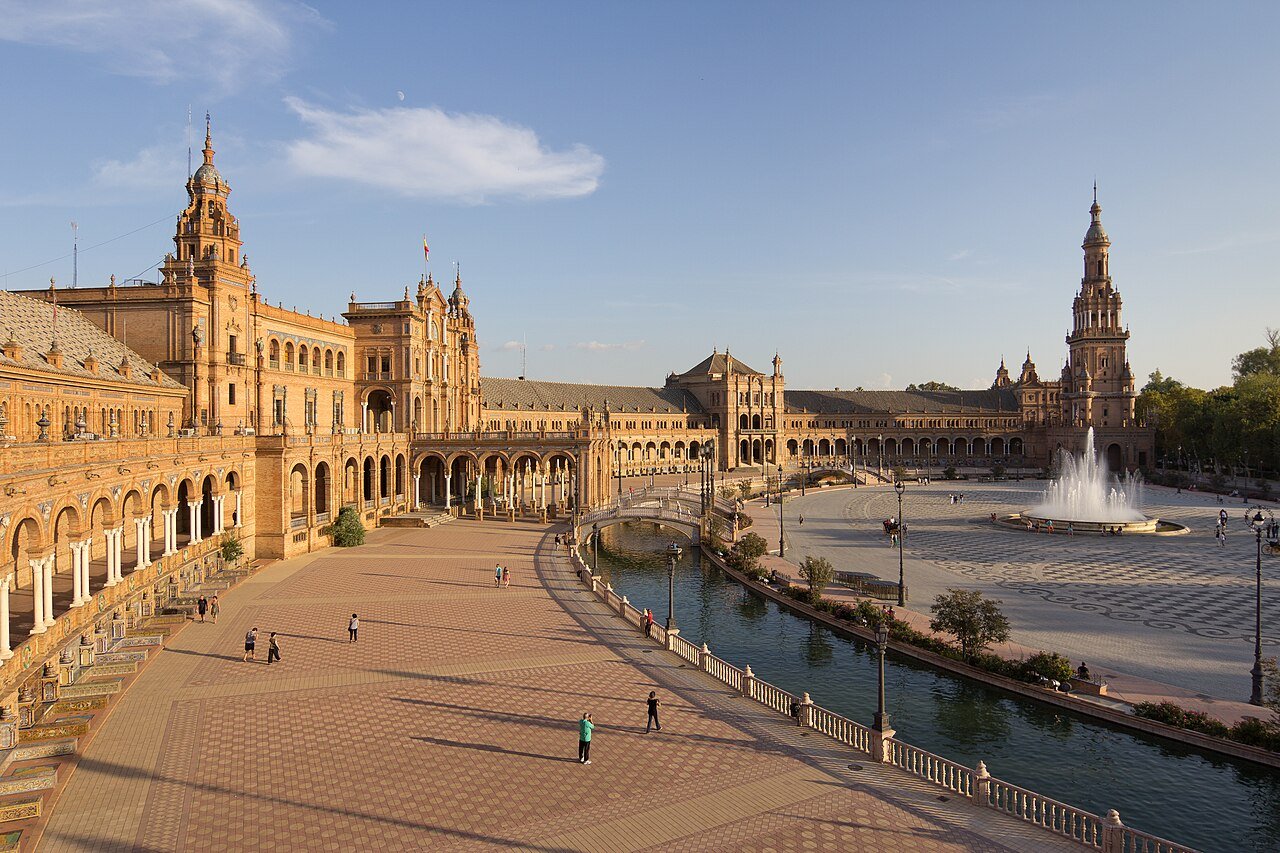
Three days. That is the honest answer for most people: three days in Seville covers the Alcázar and the Cathedral properly, gives you the Plaza de España and María Luisa Park at the right pace, leaves room for Triana, the Setas and one long, lazy evening — and does not require you to run anywhere.
The shorter versions, honestly graded:
- 1 day — doable, and better than not coming, but it is a highlights reel: the Alcázar, the Cathedral and the Giralda, the edge of Santa Cruz, one good dinner. You will leave with a list of things you missed.
- 2 days — the minimum I actually recommend. The big two monuments get the time they deserve, the Plaza de España joins the itinerary, and the city starts to feel like a place rather than a checklist.
- 3 days — the sweet spot. Everything above, plus Triana across the river, the Setas at sunset and a morning with nothing planned, which in Seville is a plan in itself.
- 4–5 days — the connoisseur’s stay: Seville at full depth, plus one of the great day trips (Córdoba above all) without stealing a day from the city itself.
- A week or more — you stop sightseeing and start living here: neighbourhoods, markets, repeat visits to favourite bars, two day trips, and days that bend around the heat instead of fighting it.
Table of Contents
- The Short Answer
- 1 Day in Seville: The Greatest Hits, Done Properly
- 2 Days in Seville: The Minimum I Recommend
- 3 Days in Seville: The Sweet Spot
- 4–5 Days in Seville: The City in Full, Plus One Great Escape
- A Week or More: Living in Seville, Briefly
- Seville as a Base: The Day-Trip Question
- How Many Days in Seville, by Traveller Type
- What to Cut and What to Protect
- Final Thoughts
1 Day in Seville: The Greatest Hits, Done Properly
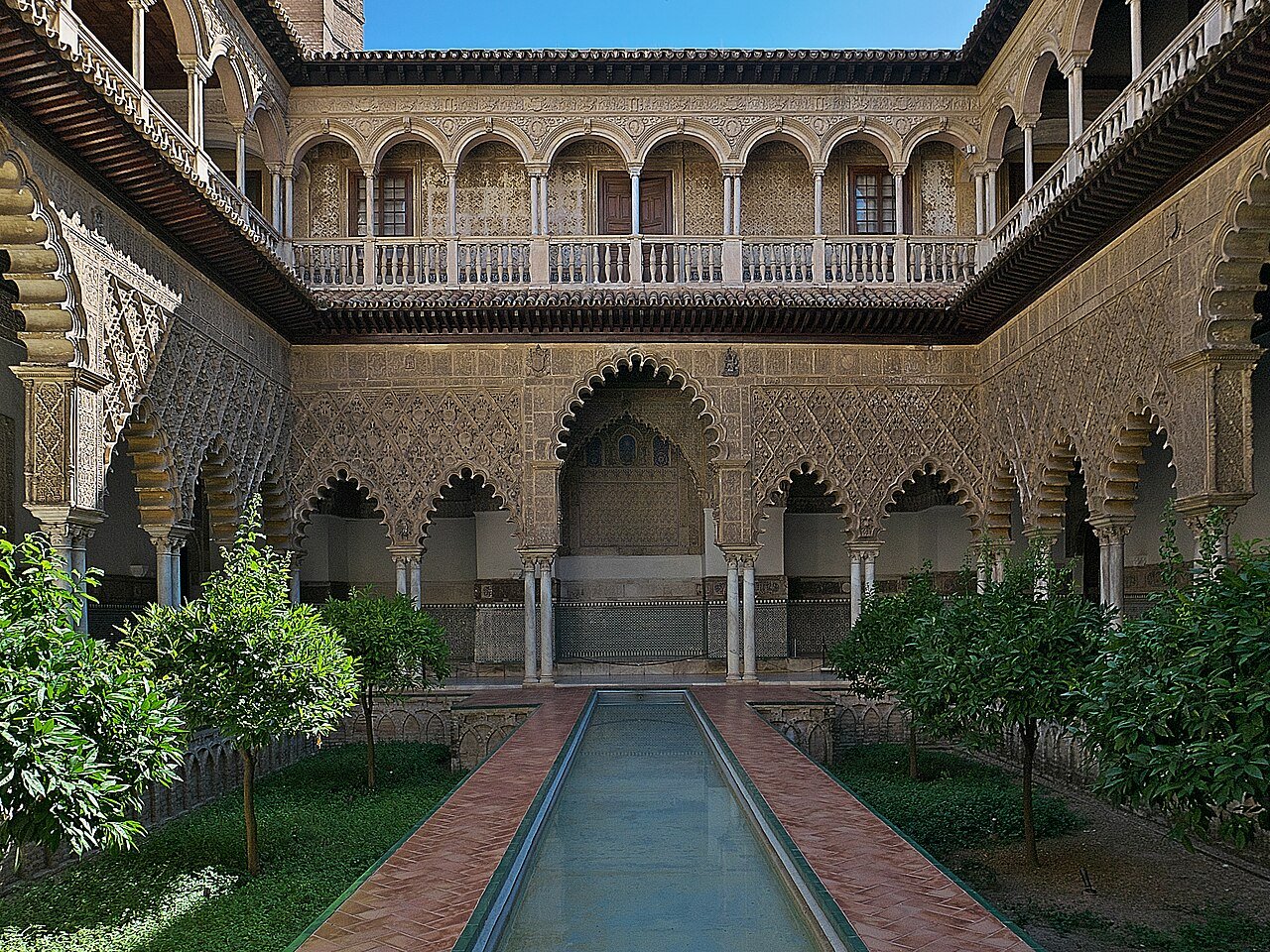
One day in Seville is a sprint past two of the greatest buildings in Europe, and the secret is sequencing. Book the Real Alcázar for the first entry of the morning Alcázar of Seville entry: the Mudéjar palace of the Patio de las Doncellas, the Ambassadors’ Hall under its gilded dome, and then the gardens — palms, orange trees, the Galería del Grutesco — while the light is soft and the tour groups are still at breakfast. Two to two and a half hours, and do not let anyone hurry you out of the gardens; they are half the palace.
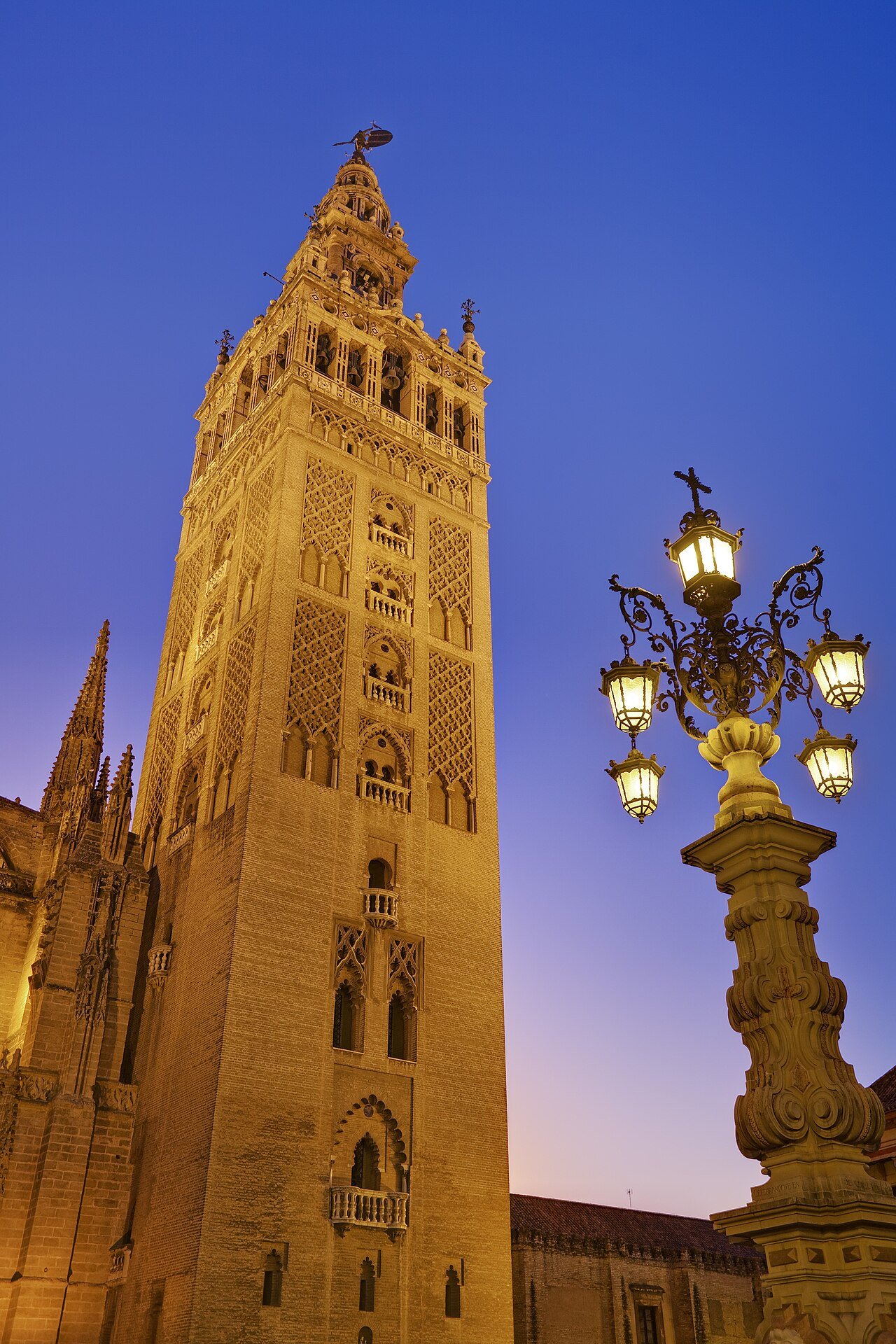
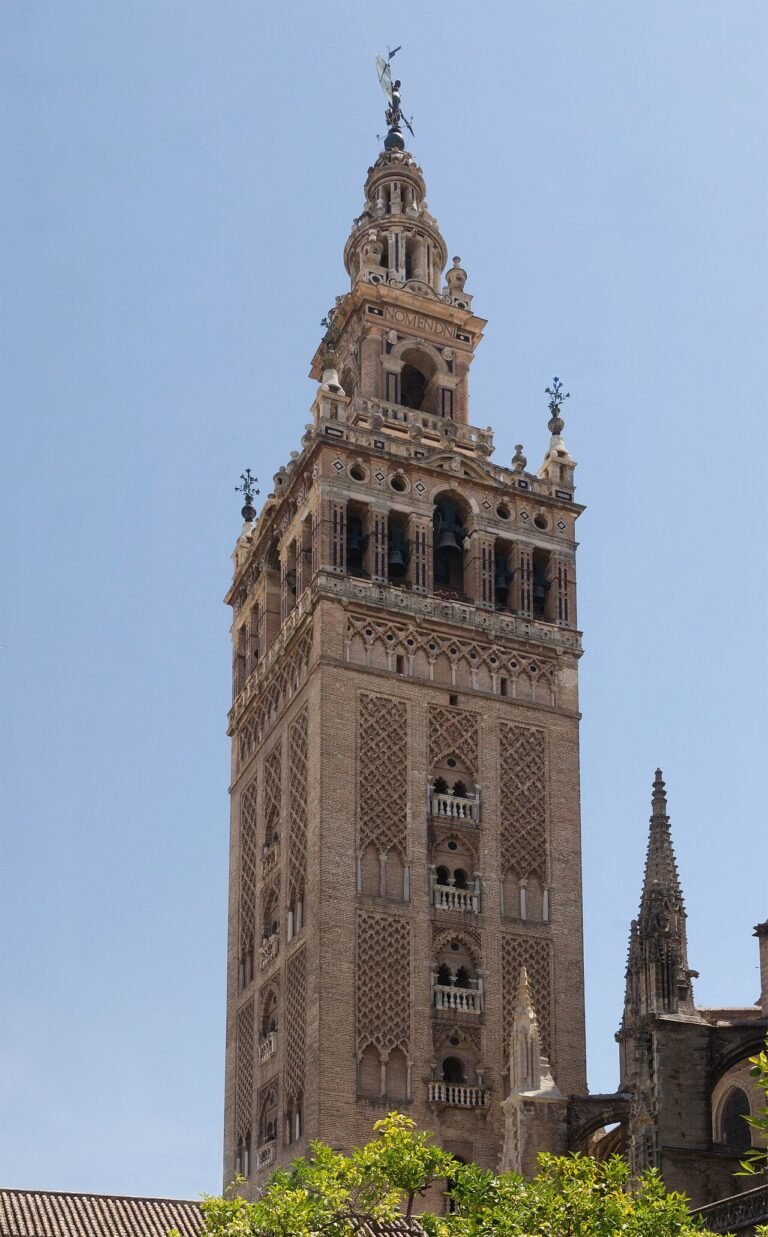
Cross the square to the Cathedral for late morning Seville Cathedral and Giralda entry. It is the largest Gothic cathedral in the world, and it earns its superlatives: the vast nave, the tomb of Columbus, and at the end the climb up the Giralda — up ramps, not stairs, built so the sultan could ride his horse to the top — for the panorama that organises the whole city in your head. Lunch in Santa Cruz follows naturally, then a slow hour getting gently lost in its lanes, and if your legs allow, the walk down to the river and the Torre del Oro before dinner. Our 1 Day in Seville itinerary lays this day out hour by hour.
What one day cannot do: the Plaza de España (it deserves an hour, and it is a twenty-minute walk the wrong way), Triana, or any evening that is not slightly breathless. Accept the deal knowingly — one day buys you the two masterpieces and a promise to return.
2 Days in Seville: The Minimum I Recommend
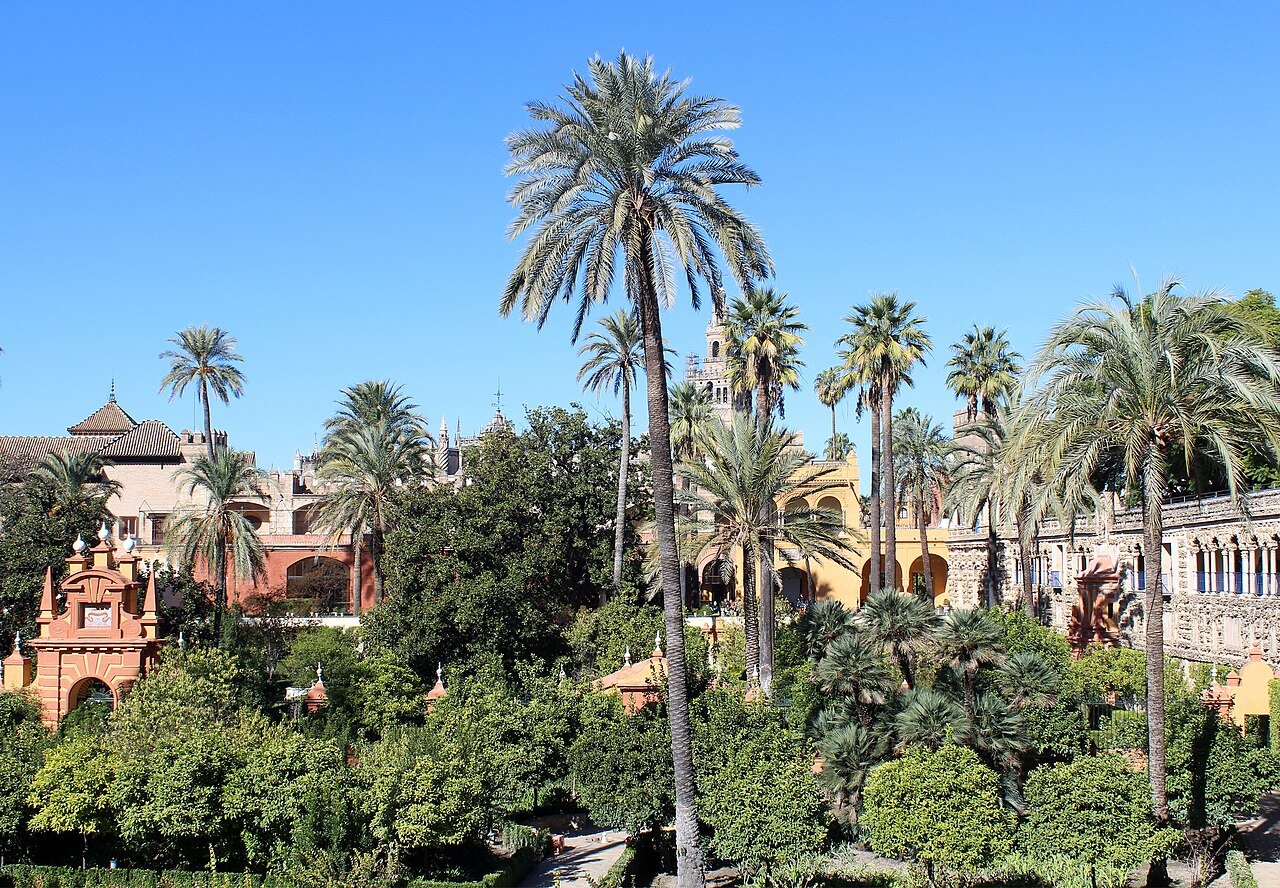
The second day is where Seville stops being a monument and becomes a city. Keep day one for the Alcázar and Cathedral as above — with the pressure off, you can give the Alcázar its gardens properly and end the afternoon in Santa Cruz rather than racing through it — and spend day two in the great green south of the old town.
Day two runs like this. Walk down through the Barrio Santa Cruz in the early morning, when the lanes are empty and the orange trees smell strongest, and continue to the Plaza de España: the vast semicircular plaza built for the 1929 exposition, its canal and bridges and the tiled alcove of every Spanish province along its gallery. Go before ten, when the light rakes across the tiles and the rowing boats are just coming out. Then give the María Luisa Park behind it the slow hour it asks for — the rose gardens, the Plaza de América, the ducks and the shade.
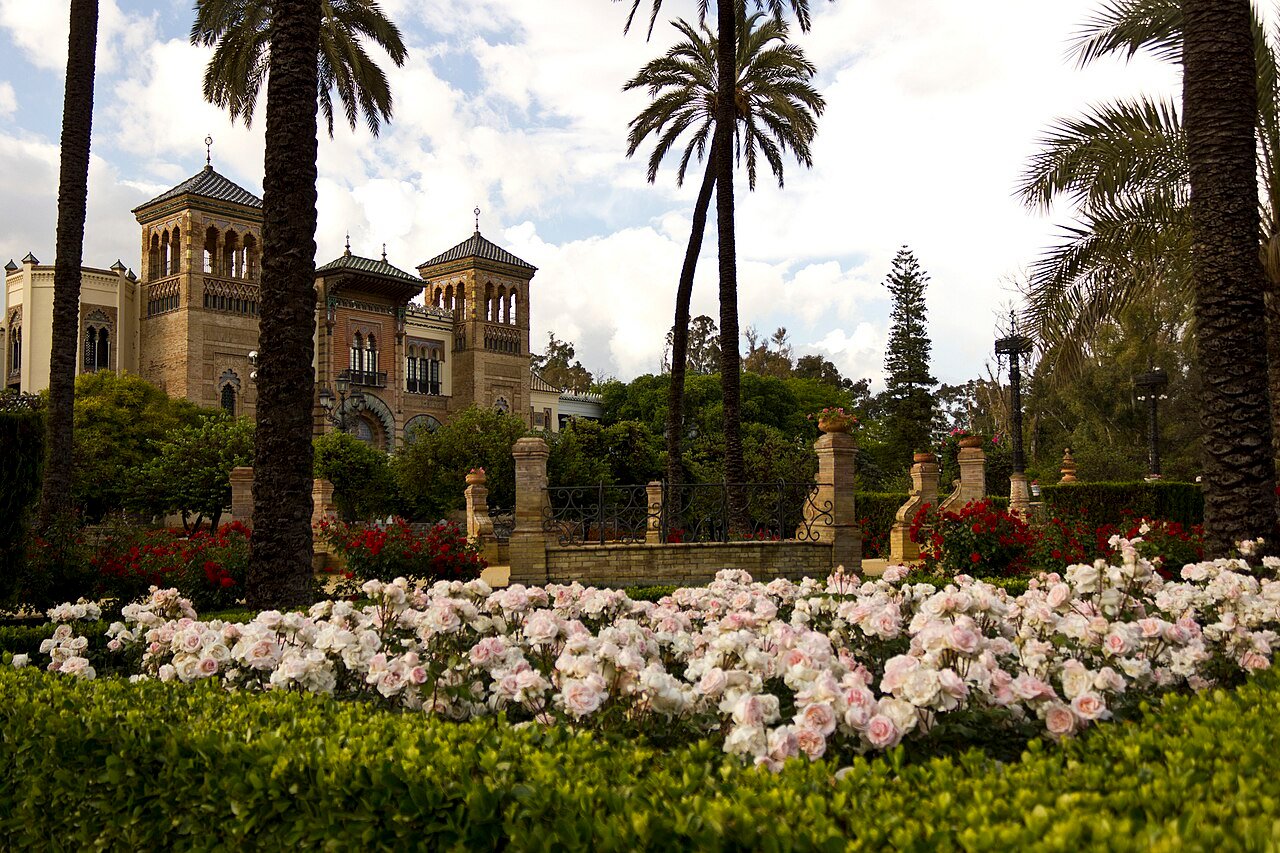
The afternoon of day two is for the river: cross to the far bank for the Torre del Oro from the water side, or stay central for the Archivo de Indias and a long coffee. The evening, though, belongs to tapas — stand at the bar, order in rounds, move on. Our 2 Days in Seville itinerary has the full timings. Two days is the floor, not the ceiling: you will still skip Triana’s interior and the modern city, but nothing essential is left undone.
Free Seville travel guide
Planning a trip to Seville? Get our free one-page Seville checklist: what to book ahead, what to skip, and the tapas bars we actually eat in.
3 Days in Seville: The Sweet Spot
Three days is where I stop apologising for a Seville itinerary. The first two days run as above, and the third opens up everything the short trips squeeze out.
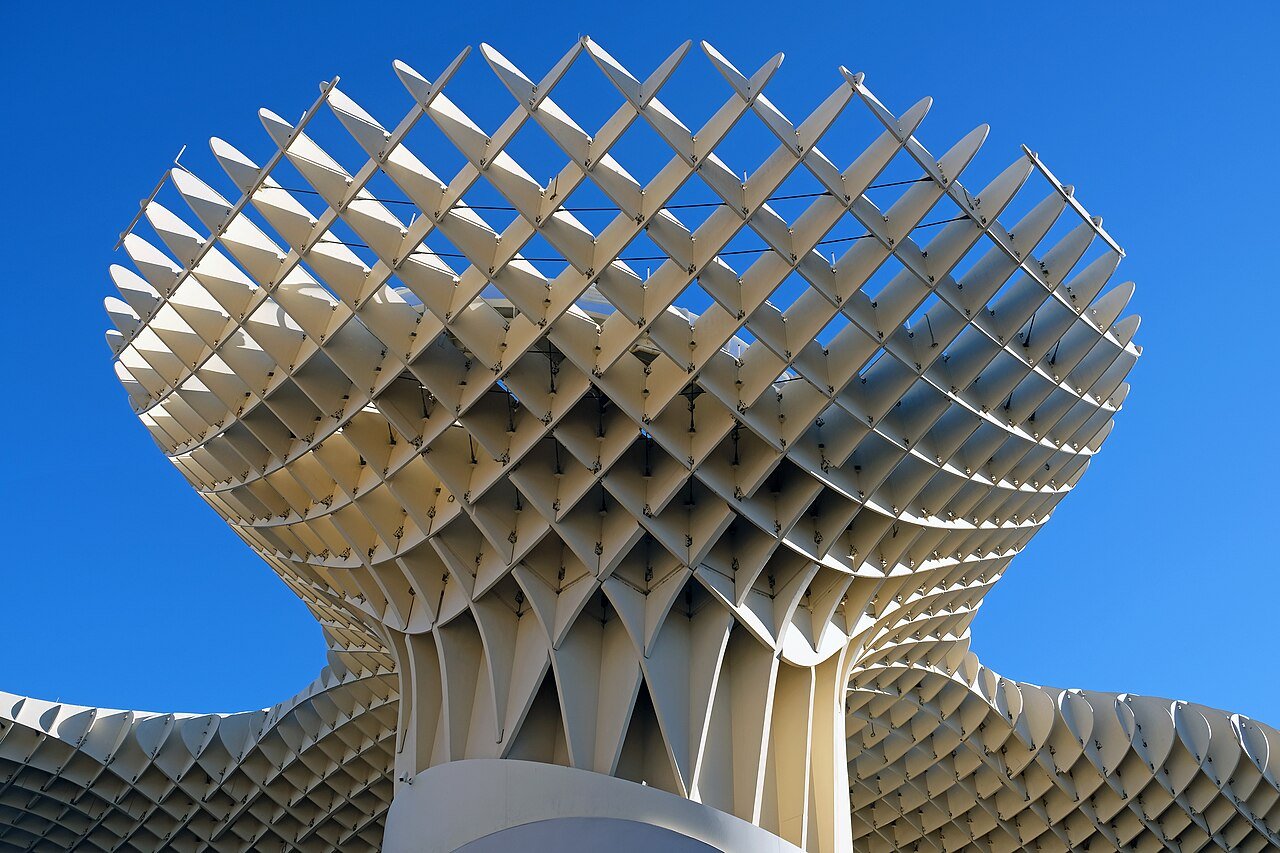
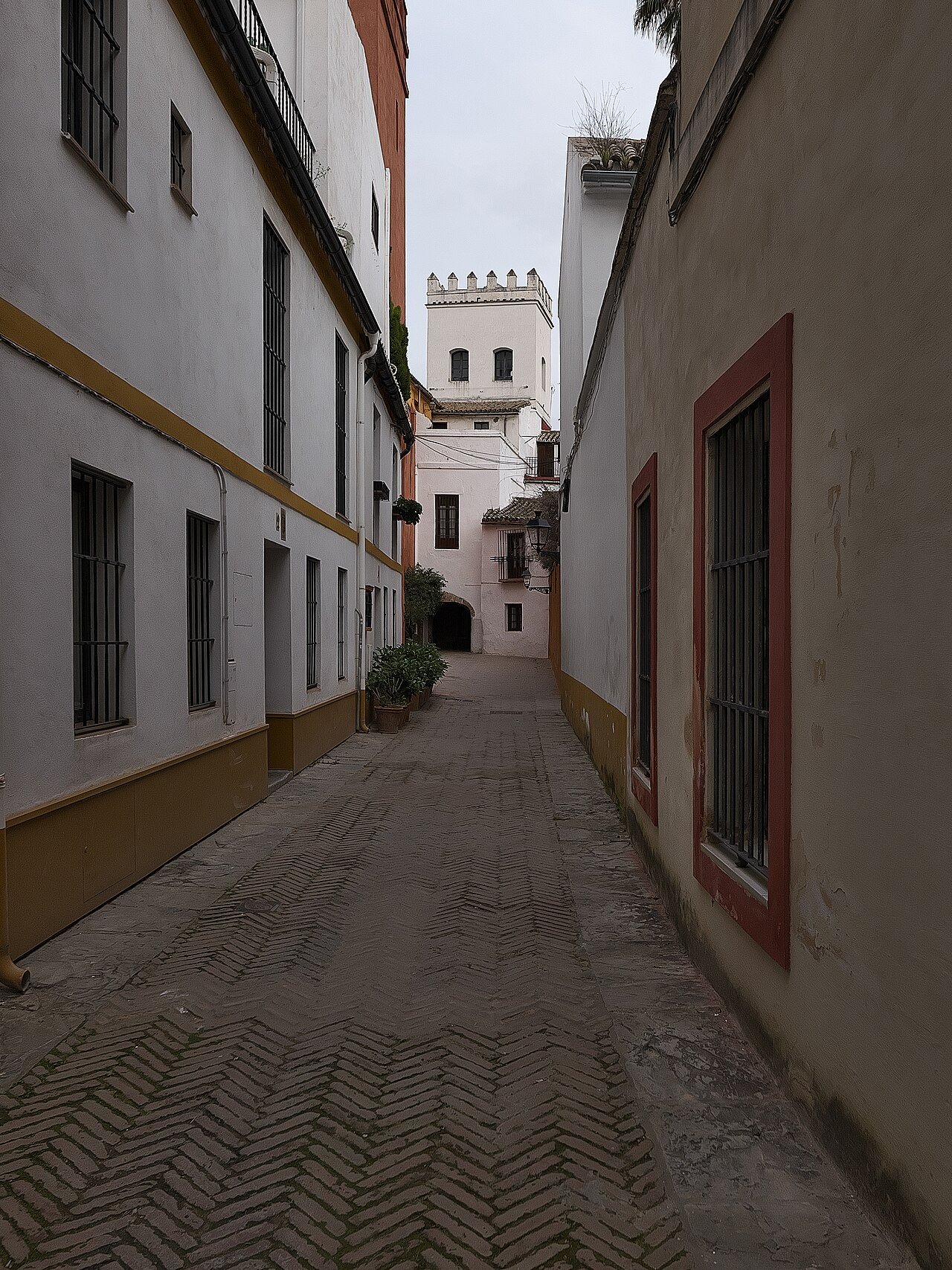
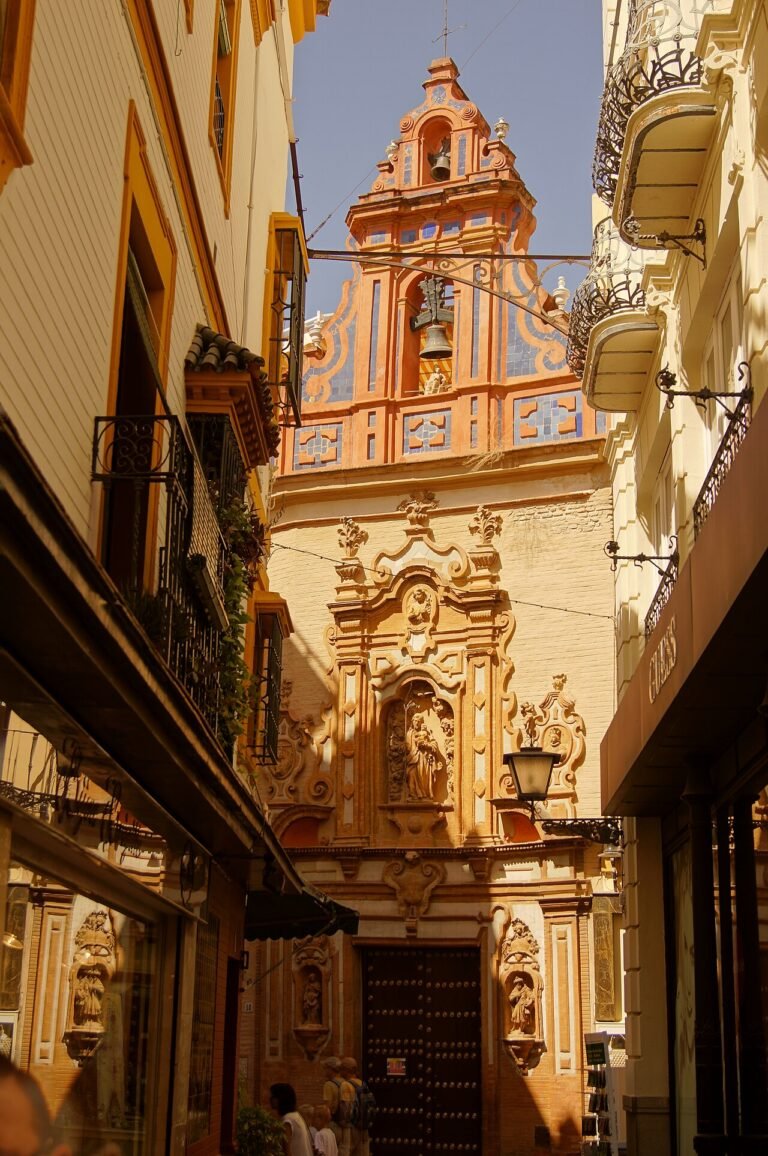
Begin day three in the north of the old town, in the shopping streets around the Setas de Sevilla — the vast timber parasol over the Plaza de la Encarnación Setas de Sevilla entry. Ride the lift to the walkway on its crown in the morning for the rooftop view, then keep the structure in your pocket for sunset, when the whole city turns gold beneath it. From the Setas, drift south through the Calle Sierpes shopping streets and the Plaza Nueva, and spend the middle of the day in the Barrio Santa Cruz without a map: the Calle Judería, the Plaza de Doña Elvira, a sherry in a bar with no sign worth reading. Santa Cruz on day one is a corridor between monuments; on day three it becomes what it actually is — the prettiest residential quarter in Andalusia.
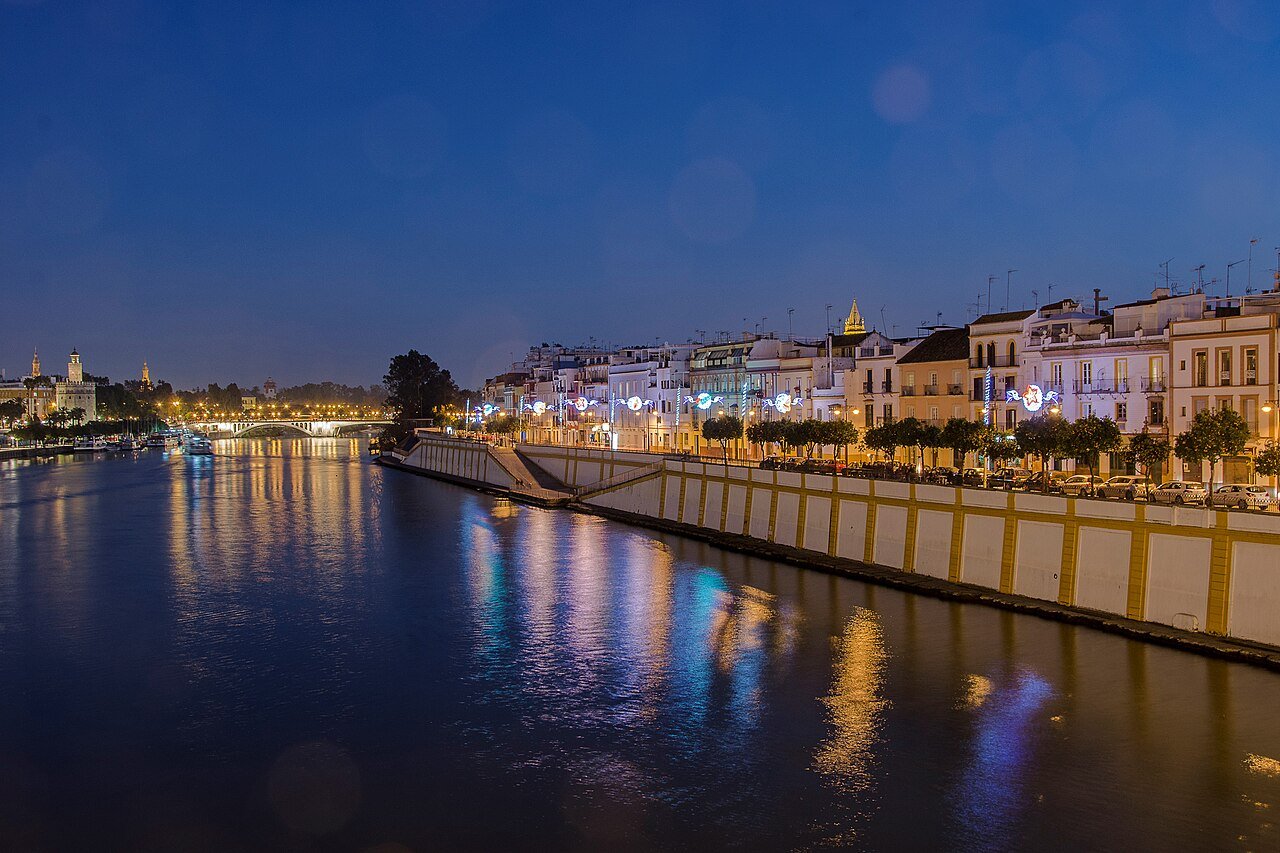
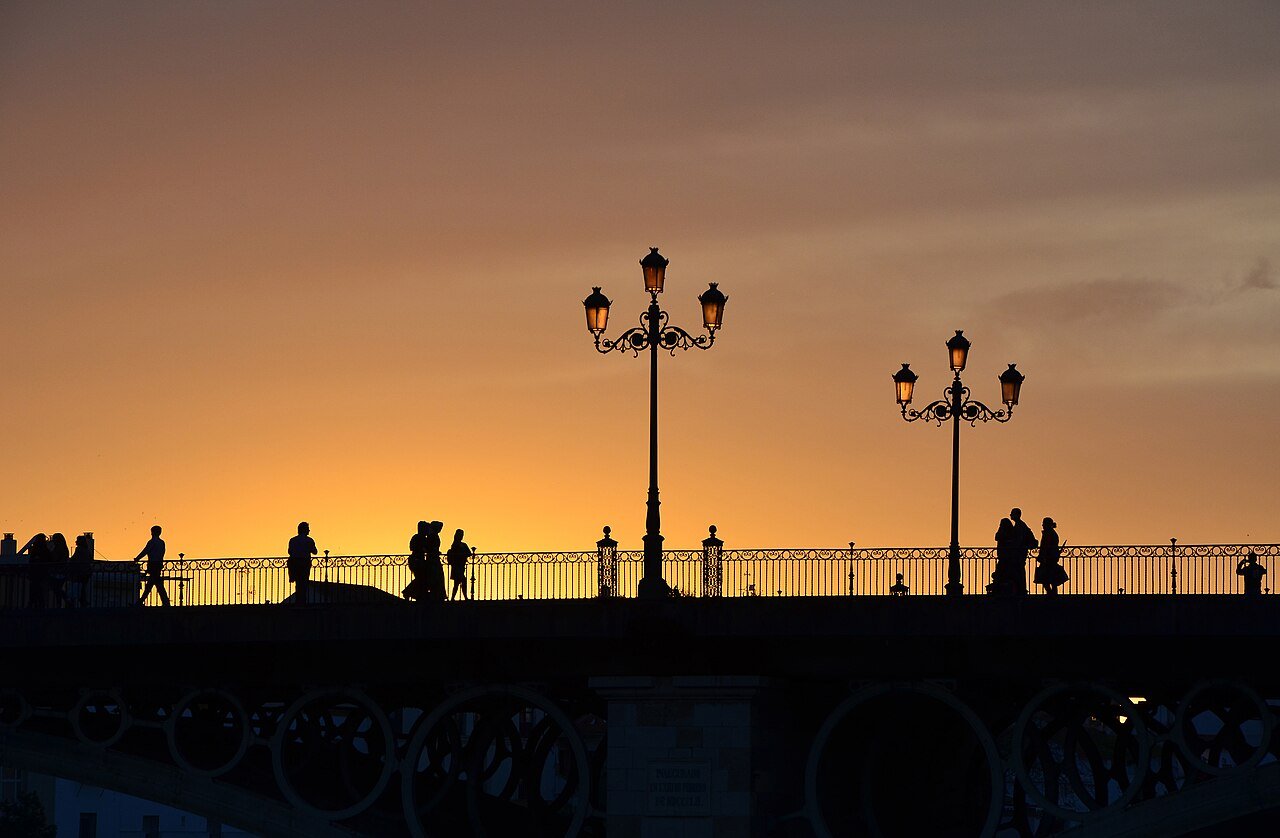
And then, the evening: cross the Puente de Triana to Triana, the potters’ and sailors’ quarter across the Guadalquivir. Walk the Calle Betis along the water as the lights come on, eat where the trianeros eat, and if flamenco calls, this is its ancestral home. Our 3 Days in Seville itinerary sequences all three days; our Best Things to Do in Seville guide ranks the full list if you are choosing between thirds. Three days, honestly used, is the trip people describe when they say they fell for Seville.
4–5 Days in Seville: The City in Full, Plus One Great Escape

Days four and five do not add more monuments — Seville’s genius is that it does not need them. They add depth. This is the trip length where you revisit the Alcázar gardens at a different hour because you can; where the Cathedral museum rooms and the Archivo de Indias stop being names on a list; where you take the river seriously — a walk along the Guadalquivir to the Torre del Oro, a boat at golden hour, the far bank’s promenade — and where neighbourhoods beyond the centre get their turn: the Alameda de Hércules with its Roman columns and young, late-night bars, the market halls of Triana and Feria, the Macarena in the north.
Most importantly, four to five days is the first length at which a day trip stops costing you the city. Give one of these days to Córdoba (see the day-trip section below) and you still keep three full Seville days in hand. In summer, this length has a second virtue: you can finally obey the heat. Sightsee until one, disappear for the long lunch and the shuttered afternoon, and take the city back at eight when it exhales — a rhythm a two-day trip simply cannot afford.
A Week or More: Living in Seville, Briefly
At a week, the question changes from “what do we see” to “how do we live”. You will have a bar — the one under your apartment whose waiter knows your order by day three. You will shop at a market in the morning and cook, or not cook, accordingly. You will go back to the Plaza de España a second time, at a different hour.
Build the week around two day trips rather than three — Córdoba and one of Ronda or Doñana, from the section below — and protect one completely empty day in the middle; in Seville the empty day reliably becomes the favourite one. A week also unlocks the seasonal city: if your dates touch Semana Santa or the Feria de Abril, the city becomes a different, overwhelming, unforgettable place, and you will want the spare days simply to absorb it. Our Best Time to Visit Seville guide explains what each season does to the city. And a practical word: at this length, where you base yourself stops being a detail — read our Where to Stay in Seville guide and choose Triana or the Alameda if you want the lived-in city rather than the postcard one.
Seville as a Base: The Day-Trip Question

Every extra day in Seville raises the same temptation, because the city sits at the hub of the finest day-trip network in Spain. My rule: a day trip earns its place from day four onwards. Before that, it steals from a city you have not finished. From day four, it adds a masterpiece the city itself cannot offer.
First among equals, always, is Córdoba — forty-five minutes by fast train, and at the end of it the Mezquita: a forest of red-and-white arches with a cathedral growing out of its middle, the single greatest interior in Spain Córdoba day trip from Seville. After Córdoba, choose by appetite: Ronda and its gorge for drama, Cádiz for the Atlantic, Jerez for sherry, Granada for the Alhambra, and Doñana for the wild card — flamingos and marshland on a 4×4 tour through one of Europe’s great wetlands Doñana day trip from Seville. Our Day Trips from Seville guide works through all ten options with honest journey times.

How Many Days in Seville, by Traveller Type
First-time visitors to Spain: three days. It is the length that fits Seville into a Madrid–Andalusia–Barcelona circuit without short-changing the best city on the route.
History and architecture lovers: four to five. The Alcázar alone can absorb a full second visit, and Córdoba is not optional for you — it is the point.
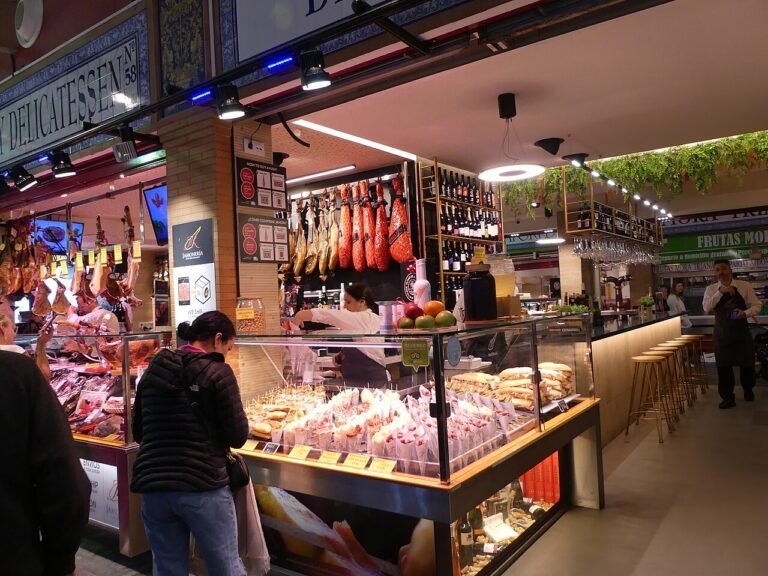
Food-first travellers: three to four. Two evenings of tapas crawling is the minimum data set; three lets you return to the best bar and order the thing you were too cautious to try first time.
Families: three to four, with the María Luisa Park and the Plaza de España boats doing the heavy lifting, and the heat rules (below) applied without negotiation.
Slow travellers and repeat visitors: a week. You already know why.
Anyone travelling in July or August: add a day to whatever number you chose. The heat taxes every plan between one and six in the afternoon, and the honest response is a longer stay at a slower pace, not a denser one.
What to Cut and What to Protect
Protect at all costs: the Alcázar (booked early, unhurried, gardens included); the Cathedral and the Giralda climb; one evening that begins on the river and ends in Triana; and the Plaza de España before ten in the morning. These four things are Seville, whatever the length of the trip.
Cut first, without guilt: the second-tier museums on any trip under four days — good, but they will still be here when you return; the bullring tour if your interest is polite rather than real; and any plan that puts you outdoors, sightseeing, between two and five on a summer afternoon. That slot belongs to lunch, shade and the siesta the whole city is taking around you.
The booking rule that saves every trip length: the Alcázar and the Cathedral sell timed entry, and in season the good slots go days ahead. Whatever your number of days, book those two the moment your dates are fixed — the rest of Seville forgives improvisation; those two do not.
Travel insurance, sorted
Whether it is a two-week holiday or a longer move, travel insurance is the one booking not to skip. We point readers to SafetyWing’s Nomad Insurance — cover built for travellers, remote workers and longer stays abroad, on a flexible monthly subscription you can start before a trip or while you are already away.
Final Thoughts
If you remember one number from this page, make it three. Three days is Seville done honestly: the palace and the cathedral with the time they deserve, the plaza and the park at their best hour, one quarter across the river, one evening with nowhere to be. Two days is a respectable compromise, one day is a down payment on a return trip — and every day beyond three buys you not more Seville, but better Seville: slower, later, more local.
The city has been perfecting its evenings for a thousand years. Give it enough of yours.
¡Buen viaje!
Photo credits: Plaza de España — Carlos Delgado, CC BY-SA 4.0 · Patio de las Doncellas, Real Alcázar — Jl FilpoC, CC BY-SA 4.0 · La Giralda — Diliff, CC BY-SA 3.0 · Jardín de las Damas, Real Alcázar — Martinvl, CC BY-SA 4.0 · María Luisa Park — Roberta Morea, CC BY-SA 2.0 · Setas de Sevilla (Metropol Parasol) — kallerna, CC BY-SA 4.0 · Calle Judería, Barrio Santa Cruz — Jl FilpoC, CC BY-SA 4.0 · Torre del Oro and the Guadalquivir — Benjamin Smith, CC BY-SA 4.0 · Calle Betis, Triana — Anual, CC BY-SA 4.0 · Mezquita-Catedral of Córdoba, interior — Benjamin Smith, CC BY-SA 4.0 · Marismas de Doñana — Dvazquezq, CC BY-SA 3.0 es · Puente de Triana — Gzzz, CC BY-SA 3.0. All via Wikimedia Commons.


3 Comments