Cost of Living in Valencia: What Life in Spain’s Most Liveable City Really Costs
Valencia keeps winning the surveys — ranked again and again among the world’s most liveable cities, and the place expats rate highest for that elusive combination of sunshine, safety and sanity. The question everyone asks next is the practical one: what does it actually cost to live in the city of the Turia gardens, the City of Arts and Sciences and the original paella? This guide answers it line by line, with realistic 2026 figures for rent, bills, food, transport and the good life itself.
The headline, up front: as of 2026, a single person renting a one-bedroom flat in a good neighbourhood should expect roughly €1,400–€1,900 a month all-in; a couple sharing a one or two-bedroom typically lives well on €2,200–€2,900. That is a clear tier below Barcelona and Madrid for a life that many residents argue is better. Every figure below is a range, because Valencia’s real pricing rule is simple: the neighbourhood decides. If you are still choosing where, our Where to Stay in Valencia guide walks the same districts from a visitor’s angle.
Table of Contents
- The Headline Numbers
- Rent: The Number That Decides Everything
- Bills, Utilities and Staying Connected
- Food: Markets, Supermarkets and the Price of Eating Well
- Eating Out: Menús, Tapas and Paella Sundays
- Transport: A City Built to Be Crossed Cheaply
- Leisure: How Much Fun Costs Here
- Two Sample Monthly Budgets
- The First Month: Setup Costs Nobody Budgets For
- How Valencia Compares
- Final Thoughts
The Headline Numbers

Valencia’s cost advantage comes from Spain’s general prices for food, drink and services combined with big-city infrastructure — a metro, a major university, an international airport — at housing costs the two bigger capitals left behind years ago. Prices have risen, as everywhere: rents especially have climbed since 2022 as the city’s popularity has grown, and the bargain districts of five years ago are bargains no longer. What remains true is the ratio. A salary or pension that rents you a room in Barcelona rents you a flat here; a budget that survives Madrid lives well in Valencia.
One more honesty note before the numbers: Valencia is a city of neighbourhoods, and a flat in Russafa or the Gran Vía costs what the same flat in Benimaclet or Orriols does not. Read every range below with your district in mind.
Rent: The Number That Decides Everything
Rent is 50–60% of most budgets and the only figure worth obsessing over. As of 2026, expect roughly:
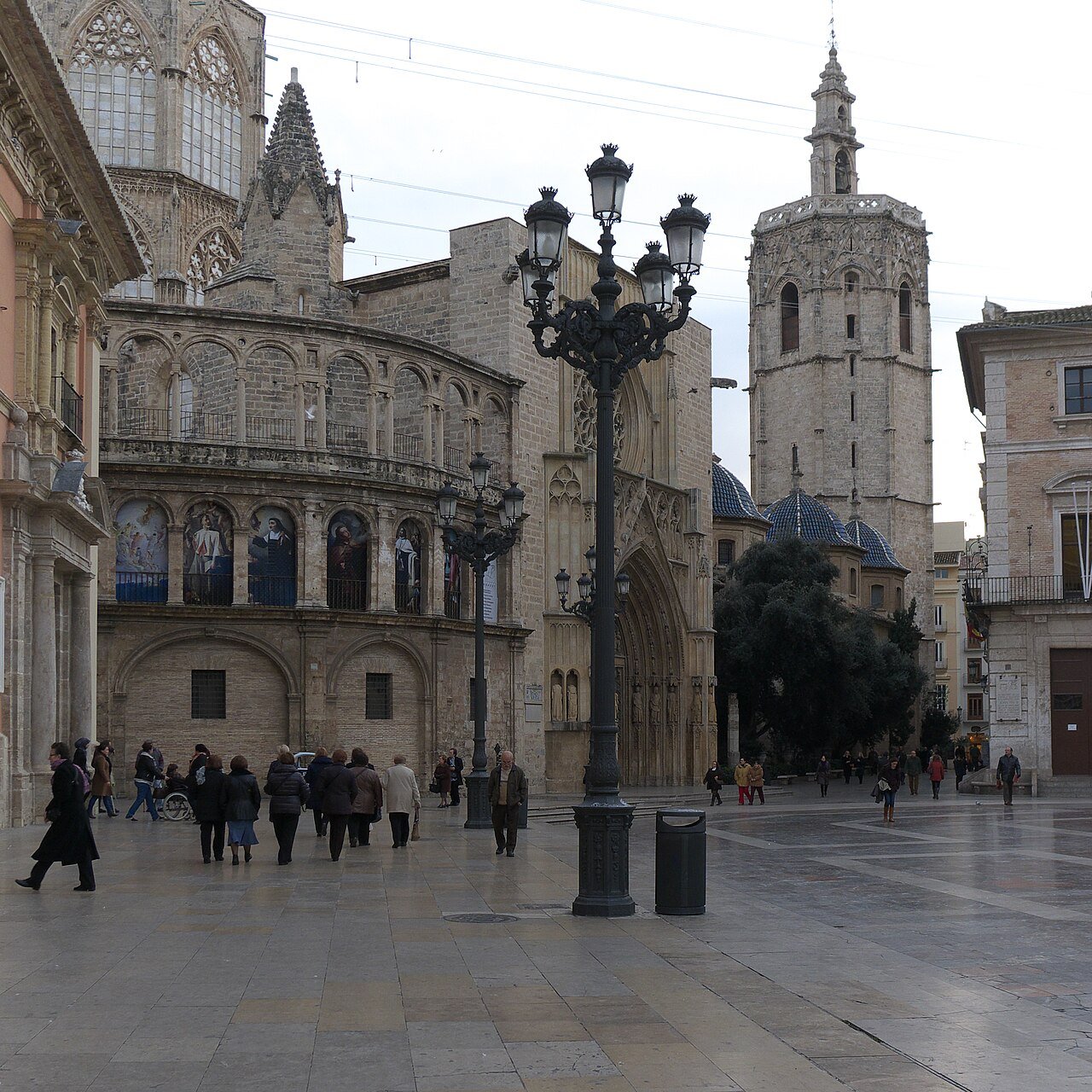
Ciutat Vella (the old town) — the cathedral quarter of lanes and plazas. One-bedrooms around €950–€1,300; the premium buys atmosphere, walk-everywhere life and older buildings. El Carmen, its bohemian half, prices a touch lower and lives a touch louder.


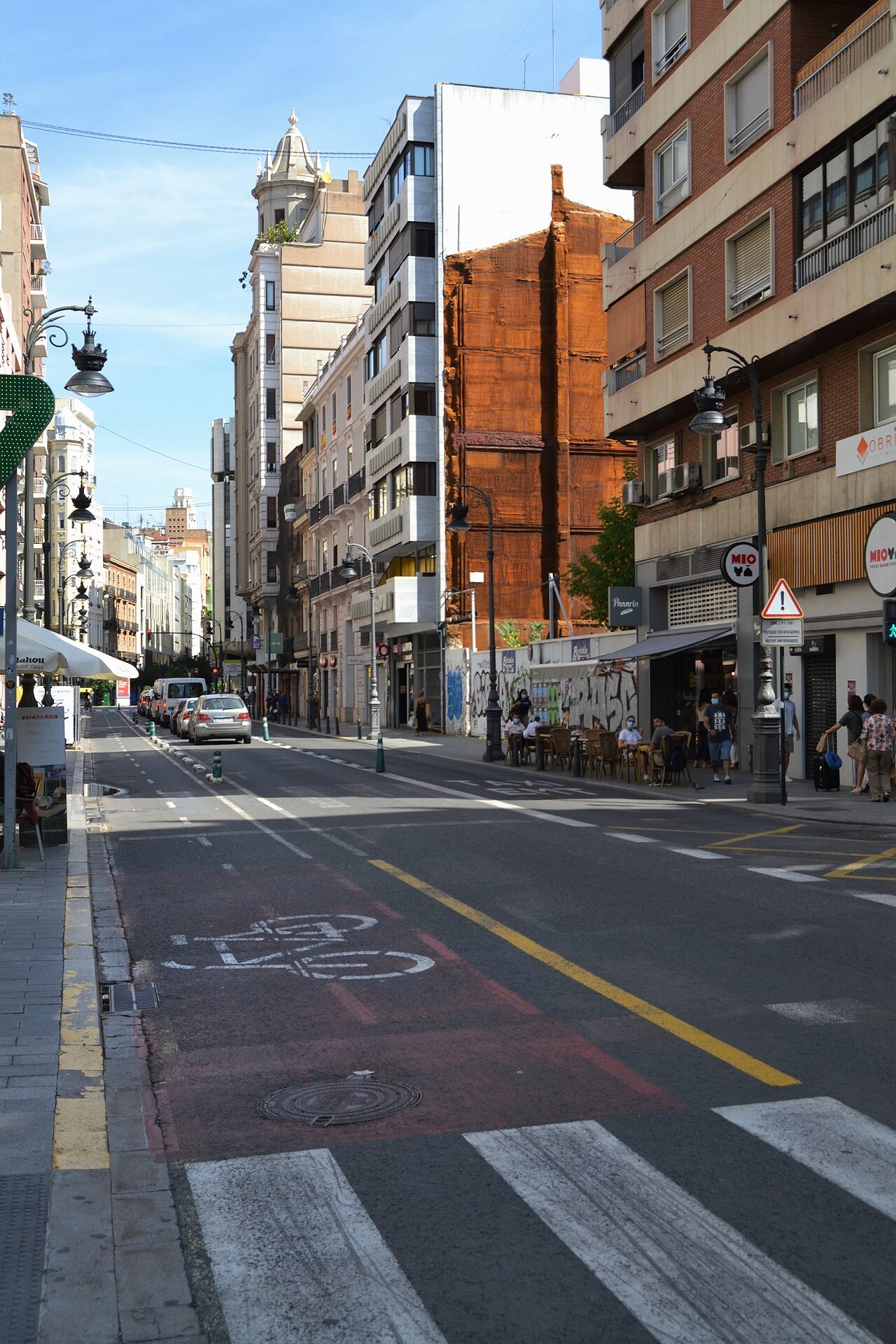
Russafa — the city’s young, food-obsessed district south of the centre, all market hall, cafés and gallery-streets. One-bedrooms roughly €950–€1,350; two-bedrooms €1,300–€1,800. It is the default landing zone for remote workers and the first district locals name when you ask where the energy is.
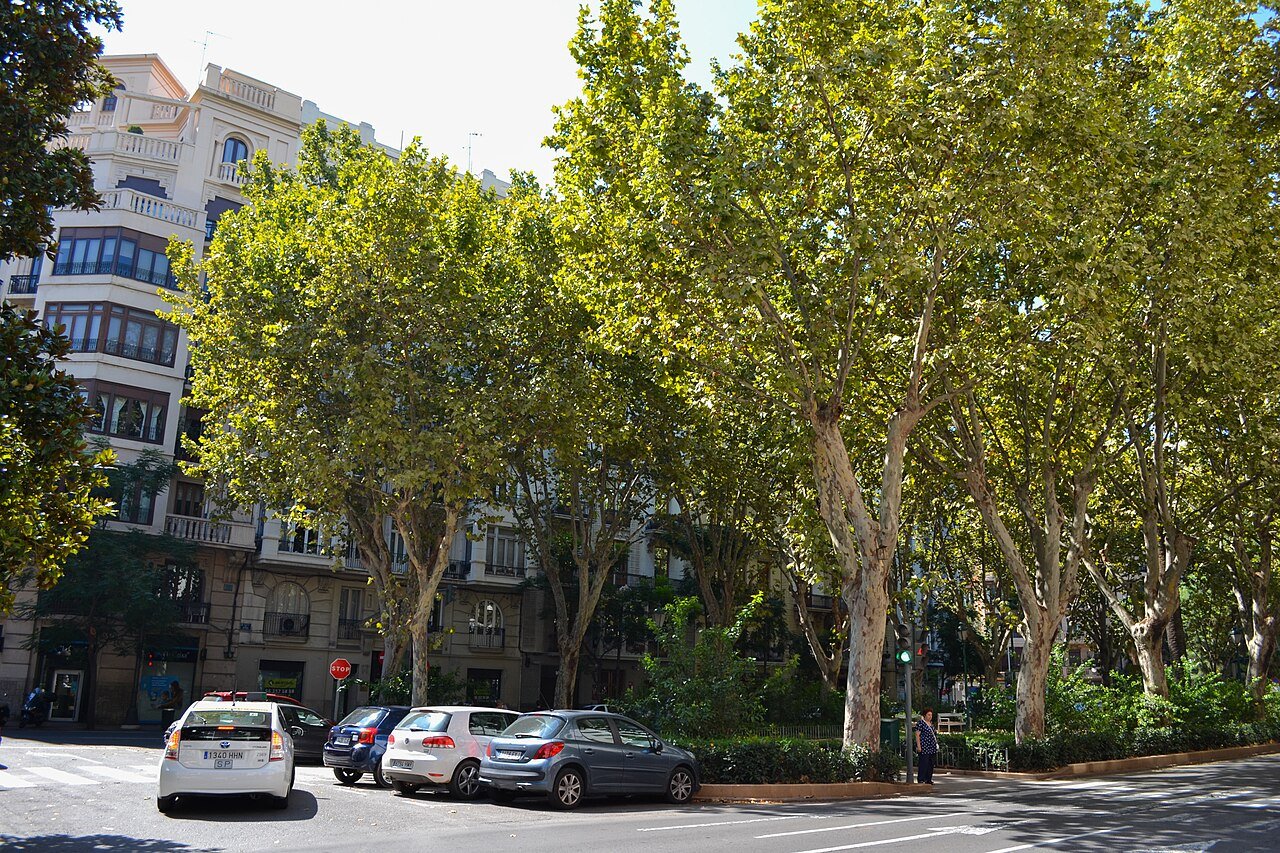
The Gran Vía and Valencia’s Eixample — the elegant grid around the Gran Vía del Marqués del Túria: broad tree-lined avenues, the Mercado de Colón, the city’s smartest flats. One-bedrooms roughly €1,050–€1,450, family-sized two and three-bedrooms €1,600–€2,400.
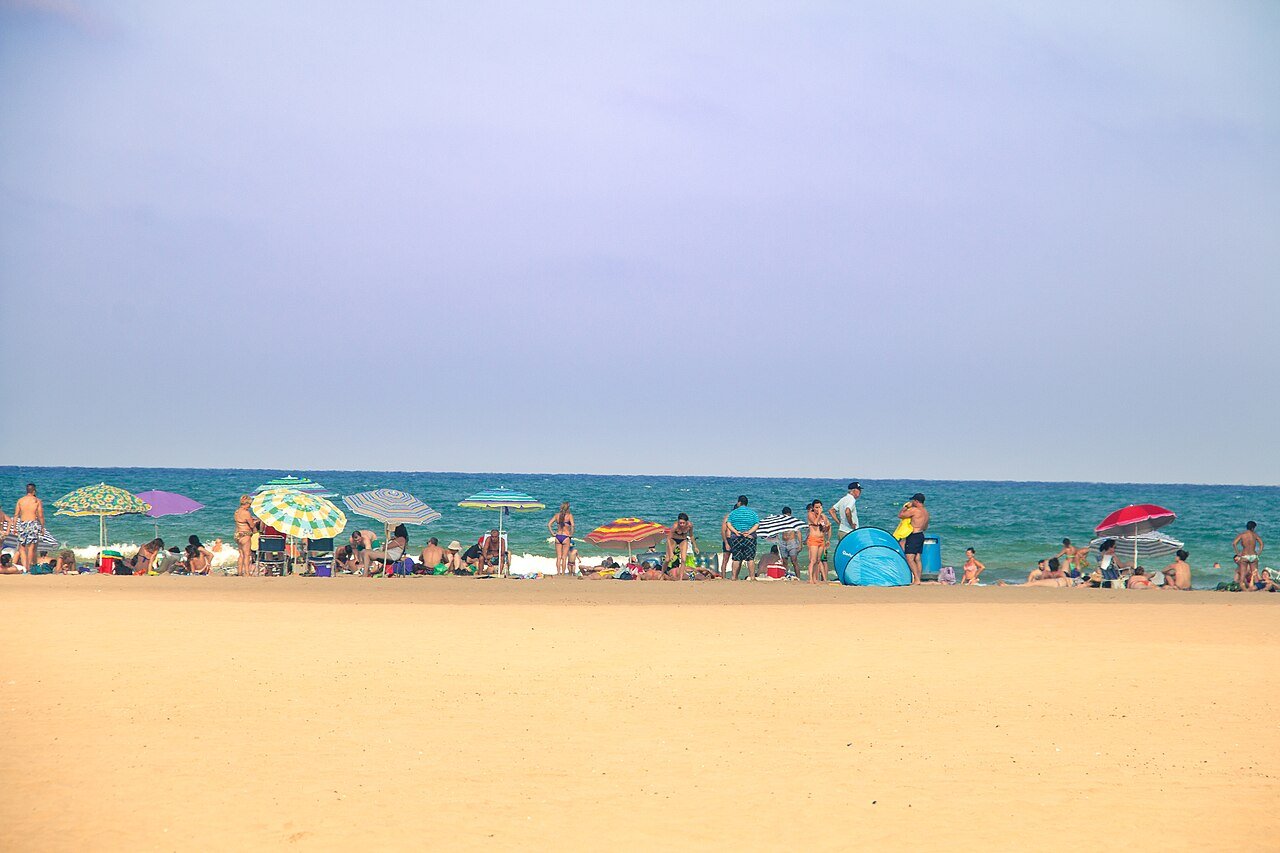
El Cabanyal and the beach districts — the old fishermen’s quarter of tiled houses by the Malvarrosa, twenty minutes by tram from the centre and a world apart in feel. Still the value play of the city: one-bedrooms roughly €800–€1,100, houses occasionally available, and the Mediterranean as your morning routine. Prices here are rising fastest of all — the secret is out — but the gap with the centre remains.

Benimaclet, Mestalla and the student belts — north of the Turia, around the universities: shared-flat rooms from roughly €300–€450, whole one-bedrooms €800–€1,050, and a younger, more Valencian-speaking street life. Students and budget-first movers start here.
Practical notes: long-term contracts are far cheaper than furnished mid-term lets; expect to show ID, proof of income and often a month’s deposit plus a month to the agency; and the best flats in Russafa and the centre move in days, so search with documents ready.
Bills, Utilities and Staying Connected
For a one or two-bedroom flat, budget roughly €80–€150 a month across the year for electricity, water and gas combined — Valencia’s mild winters keep heating costs low, and summer air-conditioning, used with Spanish discipline (shutters by day, AC by evening), is a smaller spike than Seville’s or Madrid’s. Building fees (comunidad) are usually the landlord’s problem on long lets but confirm it in the contract. Fibre broadband runs about €25–€40 a month, mobile lines €10–€20, and the combination deals every provider pushes are worth the haggling hour.
Free Valencia Budget Worksheet
Planning your move? Get our free one-page Valencia cost-of-living worksheet: the neighbourhood rent table, the first-month setup costs nobody warns you about, and the bills checklist for your first Spanish rental contract.
Food: Markets, Supermarkets and the Price of Eating Well
Valencia feeds itself from one of Europe’s great agricultural regions — the huerta at the city’s edge — and it shows in the prices. A single person cooking most meals should expect roughly €220–€320 a month in groceries; a couple, €380–€520.
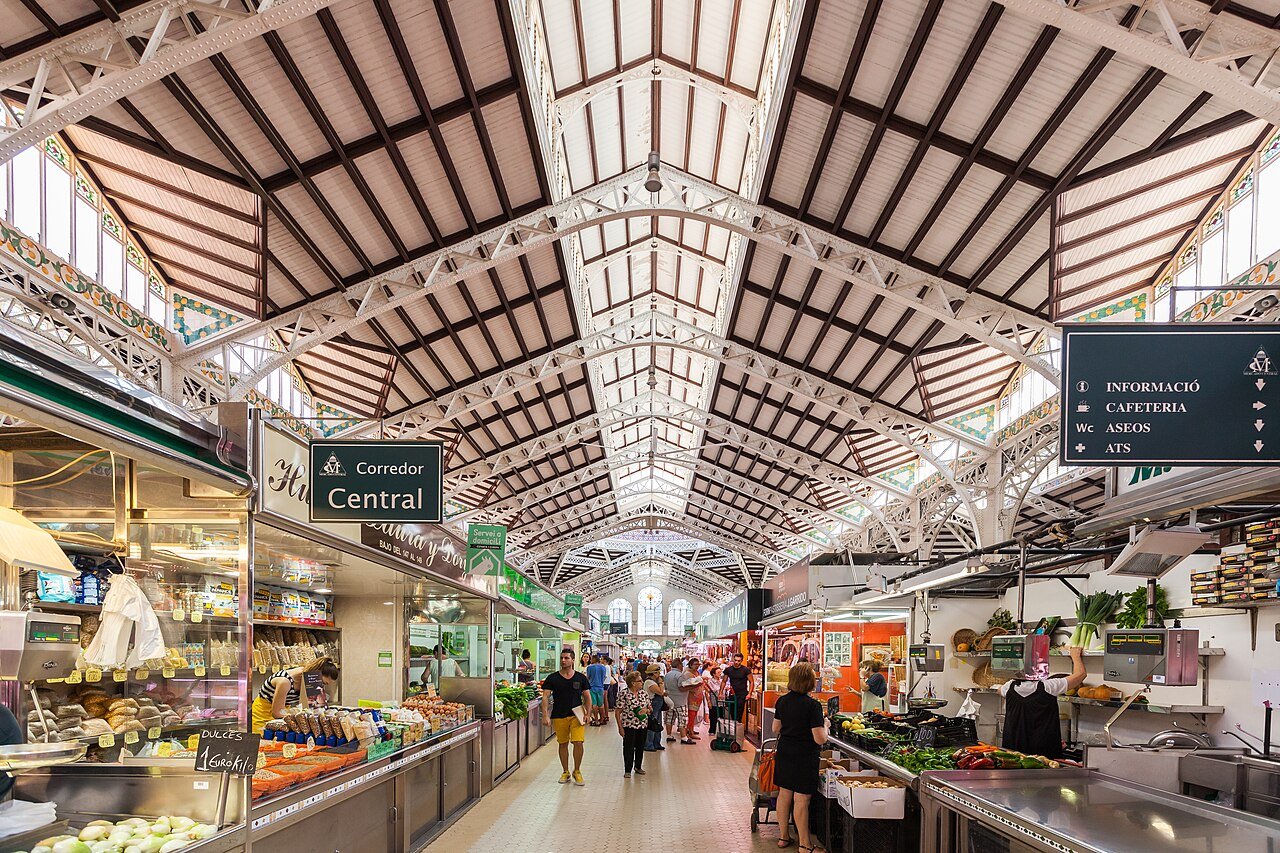
The Mercado Central, one of Europe’s largest fresh-food markets, is the city’s larder and its price benchmark: produce, fish and meat here set the standard the supermarkets (Mercadona, a Valencian company, above all) compete against. Shop the market for the good stuff, the supermarket for the rest, and the huerta does the saving for you.
Eating Out: Menús, Tapas and Paella Sundays
This is where Valencia’s value turns theatrical. The menú del día — three courses with a drink, a working institution — runs roughly €12–€16 across most of the city, less in the outer districts. A coffee costs around €1.50–€2, a caña of beer €2–€3, and an evening of tapas and drinks for two in a neighbourhood bar lands around €25–€40. The Sunday ritual — paella, eaten at lunchtime, ideally near the Albufera where the dish was born, at roughly €18–€25 a head in a good arrocería — is a line item residents defend like rent. Budget €150–€300 a month for eating and drinking out as a regular pleasure rather than a rare treat, and you will live like the locals actually do.
Transport: A City Built to Be Crossed Cheaply
Valencia is flat, compact and stitched together by cheap public transport — most residents genuinely do not need a car. The metro and tram network (Metrovalencia) covers the centre, the beach, the airport and the suburbs; the city bus network fills the gaps. A monthly zone pass has recently cost around €30–€40, with under-31s and various bonuses periodically cutting that further — fares are politically live in Valencia and change, so treat €35 as the planning figure and check the current tariff. The Valenbisi bike-share, in a city with a serious cycle-lane network and a nine-kilometre park where the river used to be, costs under €30 a year and becomes many residents’ main vehicle. A car, if you insist, adds roughly €150–€300 a month in fuel, insurance and the eternal parking question — most centre-dwellers skip it.

Leisure: How Much Fun Costs Here
The city’s best assets are free: nine kilometres of Turia gardens for running, cycling and Sunday picnics; a Blue Flag city beach; a calendar of street festivals culminating in Las Fallas each March, when the city burns its monuments and nobody sleeps. Paid pleasures price gently: cinema around €7–€9, gyms €30–€50 a month, the City of Arts and Sciences’ museums and the Oceanogràfic at resident-discounted rates, Mestalla tours and Valencia CF tickets from the €20s upward, and day trips — the Albufera’s boat rides and rice fields, the hot springs at Montanejos, Sagunto’s castle — for the price of a regional train ticket and lunch.

Healthcare, briefly: residents working in Spain are covered by one of Europe’s better public systems at no monthly premium; private insurance for faster access runs roughly €30–€60 a month for a healthy adult, and many newcomers carry it for the first years.
Two Sample Monthly Budgets
Two honest profiles, as of 2026. Both assume long-term rentals and a normal, sociable life — adjust rent by district and the rest follows.
| Line | Solo remote worker, Russafa 1-bed | Couple, Gran Vía 2-bed |
|---|---|---|
| Rent | €1,150 | €1,800 |
| Utilities + internet + mobile | €140 | €190 |
| Groceries | €300 | €480 |
| Eating & drinking out | €250 | €400 |
| Transport (passes / Valenbisi) | €40 | €75 |
| Leisure, gym, culture | €120 | €220 |
| Health insurance (private, optional) | €45 | €95 |
| Total | ≈ €2,045 | ≈ €3,260 |
Treat these as planning anchors, not promises: a Benimaclet or Cabanyal address trims the solo budget towards €1,600; an old-town penthouse pushes the couple’s past €3,800. The shape, though, is the city’s truth — housing dominates, everything else is priced for residents.
The First Month: Setup Costs Nobody Budgets For
The monthly figures above describe month six, not month one. Landing costs money in any country, and Valencia’s version deserves its own paragraph so it does not ambush you. On a long-term rental, expect to hand over the first month’s rent, a deposit of one to two months (two is the legal standard for most contracts), and — where an agency is involved — a fee that recent Spanish housing law puts on the landlord for long-term lets, though furnished and mid-term contracts play by different rules and often pass a month’s fee to you; read the contract before you celebrate either way. Add utility sign-up and the occasional transfer fee (usually small, sometimes zero), the empadronamiento and NIE appointments (free, but allow a gestor €60–€150 if you buy help), a private health policy’s first month if your visa requires one, and the soft furnishings every “furnished” Spanish flat turns out to lack — realistically, budget a landing fund of roughly two and a half to three and a half times your monthly rent beyond the first month, and month two starts to look like the tables above. One seasonal warning: signing in February or March puts you in the market as Las Fallas fever and spring demand peak; late autumn is the calmest, cheapest moment to hunt.
How Valencia Compares
Against Barcelona and Madrid, Valencia’s rent gap is the story: comparable central flats run roughly 30–45% below Barcelona and more below the capital’s best districts, while food, transport and going out price 10–20% lower. Against Seville, Valencia costs a little more in rent — expect roughly 10–20% — and buys you a milder summer, a bigger airport and the beach in exchange. Against the expat coasts (Málaga city, the Costa Blanca towns), Valencia matches prices while offering a bigger, more Spanish, working city around you. Its value case is not that it is Spain’s cheapest city — it is that nowhere else in Spain offers this much city, this close to the sea, at this number. For the sights that will fill your first weekends, see our Best Things to Do in Valencia guide; for routes, our 2 Days in Valencia itinerary and 3 Days in Valencia itinerary stitch them together.
Travel insurance, sorted
Whether it is a two-week holiday or a longer move, travel insurance is the one booking not to skip. We point readers to SafetyWing’s Nomad Insurance — cover built for travellers, remote workers and longer stays abroad, on a flexible monthly subscription you can start before a trip or while you are already away. Get a quote from SafetyWing
Final Thoughts
Valencia’s cost of living is best understood as a discount on a premium product: a top-tier Spanish city — beach, culture, food, infrastructure — priced like the regional capital it also is. As of 2026 the window is narrowing but open: pick your district with the rent table above, land in spring or autumn when the city shows its best self, and let the Turia do the rest. Everything else we have written about the city lives on our Your Ultimate Guide to Valencia.
¡Buen viaje!
Photo credits: City of Arts and Sciences — Elemaki, modifications by Alvaro qc, CC BY-SA 3.0 · Plaza de la Reina — Falk2, CC BY-SA 4.0 · Carrer del Portal de Valldigna, El Carmen — Juan Emilio Prades Bel, CC BY 4.0 · Carrer de Russafa — Joanbanjo, CC BY-SA 4.0 · Gran Vía del Marqués del Túria — Dorieo, CC BY-SA 4.0 · El Cabanyal tiled house — Enric, CC BY-SA 4.0 · Mercado Central interior — Diego Delso, CC BY-SA 3.0 · Turia Gardens — Esniom, CC BY-SA 4.0 · Malvarrosa beach — Juanedc, CC BY 2.0 · Plaza de la Virgen and the Miguelete — José Luis Filpo Cabana, CC BY 3.0 · Albufera sunset boat — Diego Delso, CC BY-SA 4.0. All via Wikimedia Commons.




2 Comments