Museu d’Història de Barcelona (MUHBA): The Complete Guide to the Roman City Under Plaça del Rei
Short Answer
The Museu d’Història de Barcelona — MUHBA — is Barcelona’s city history museum, and its headquarters at Plaça del Rei in the Gothic Quarter contains the single most astonishing archaeological site in the city: more than 4,000 square metres of the Roman city of Barcino, preserved underground beneath the square and walked on raised walkways at the level of the Roman streets. You enter through the courtyard of Casa Padellàs, a late Gothic palace that was moved here stone by stone in 1931 — which is how the ruins were found — take a lift down some 2,000 years, and walk past the city walls, a 2nd-century laundry and dye works, a salted-fish and garum factory, a winery, and the remains of the first Christian episcopal complex. Then you climb back up into medieval Barcelona: the Romanesque vaults of the Palau Reial Major, the vast Saló del Tinell and the palatine chapel of Santa Àgata with its 15th-century altarpiece by Jaume Huguet. Standard entry is €7 (reduced €5; under-16s free), the ticket also covers MUHBA’s other heritage sites across the city, and entry is free on the first Sunday of the month and every Sunday from 15:00. Allow two hours. No GetYourGuide ticket or tour covers this museum, so buy at the door or on the official MUHBA site — anyone selling you a guided tour of the underground city through a third party is selling you a walk around the square above it.
Table of Contents
- The Short Version
- A Museum Born From a Moved Palace
- Barcino: The Roman Colony Under the Square
- Walking the Underground City: Walls, Streets and Workshops
- Garum, Wine and Work: The Factories of Roman Barcelona
- From Barcino to Barcinona: The First Christians
- The Medieval Palace: Saló del Tinell and Santa Àgata
- Practical Info
- Tickets and Booking
- Opening Hours
- Getting There
- When to Go
- How Long You Need
- Tips for Visiting
- What to See Nearby
- Final Thoughts
The Short Version
Most visitors to the Gothic Quarter walk straight across Plaça del Rei, photograph the medieval palace, and move on — never suspecting that the square is a lid. Beneath it lies the best-preserved quarter of Roman Barcelona ever found: not a token trench of foundations, but streets, workshops, factories, walls and a bishop’s palace, spread over more than 4,000 square metres and dating from the 1st century BC to the 7th century AD. MUHBA is the museum built around that excavation, and it tells the city’s story the honest way — downwards first, then up. You start in a Gothic courtyard, descend to a working Roman industrial quarter that smells (in imagination, at least) of dye, fish sauce and fermenting wine, rise through the city’s first Christian centuries, and finish in the great ceremonial hall where, by long tradition, Ferdinand and Isabella received Columbus in 1493. It earns its place on any serious list of the best things to do in Barcelona because it is the one visit that makes every other street in the old town legible: after MUHBA, you know what you are standing on.
A Museum Born From a Moved Palace
The museum exists because of a road. In 1931, to save the late Gothic Casa Padellàs from demolition for the opening of Via Laietana, the city dismantled the palace stone by stone from its original site on Carrer de Mercaders and rebuilt it on Plaça del Rei, where its courtyard — one of the finest Catalan Gothic courtyards of any private house in the city — now serves as the museum’s entrance. While the palace was being rebuilt, the workmen hit Roman remains. Excavation followed, and it kept going: a whole quarter of ancient Barcino was down there, and the discovery settled a debate that had run since the 19th century about where Barcelona’s history museum should live. The Spanish Civil War interrupted the digging, but on 14 April 1943 the Museu d’Història de Barcelona was inaugurated on this spot, with the historian Agustí Duran i Sanpere as its promoter and first director.
The museum has grown in two directions since. Downstairs, the archaeological area was completely remodelled in the 1990s — the updated display opened in 1998 — with the walkways, lighting and interpretation you see today. Outwards, MUHBA has become a network: the city council’s museum now manages heritage sites all over Barcelona, from the Temple of Augustus and the Roman sepulchral way to the El Call Jewish quarter centre, the Refugi 307 air-raid shelter and the Santa Caterina archaeological space. The Plaça del Rei site remains the headquarters and the flagship — the place where the network’s whole argument, that Barcelona’s history is best told where it happened, began.

Barcino: The Roman Colony Under the Square
Barcelona begins, officially, with Augustus. Around 10 BC — sources put the foundation between about 15 and 10 BC — the emperor founded a colony for veteran soldiers on the low hill later called Mons Taber, between the Llobregat and Besòs rivers and close to the sea. Its full, proud name was Colonia Iulia Augusta Faventia Paterna Barcino; everyone just called it Barcino. It was never a giant of Roman Hispania — Tarraco, modern Tarragona, was the provincial capital — but it was a proper walled town from the start: roughly 10 hectares inside its walls, laid out around the crossing of its two main streets, the cardo maximus and the decumanus maximus, with a forum and a great temple to Augustus at its centre. By the 2nd century AD it held perhaps 3,500 to 5,000 people, and it made its money from the land around it — above all from wine, which was exported widely.
The walls matter to your visit, because the underground quarter you are about to walk through hugs them. Barcino’s first wall went up in the 1st century; in the late 3rd and 4th centuries, in less secure times, it was massively reinforced with towers, and that late wall — its line still traceable in the Gothic Quarter’s streets today — is the one whose inner face forms the spine of the excavation. The quarter preserved under Plaça del Rei is the city’s north-eastern corner: an industrial and commercial district tucked against the walls, later overlaid by the palace of the early Christian bishops. That layering — Roman factory floor, then bishop’s residence, then royal palace, then museum — is the whole story of Barcelona in one vertical slice.

Walking the Underground City: Walls, Streets and Workshops
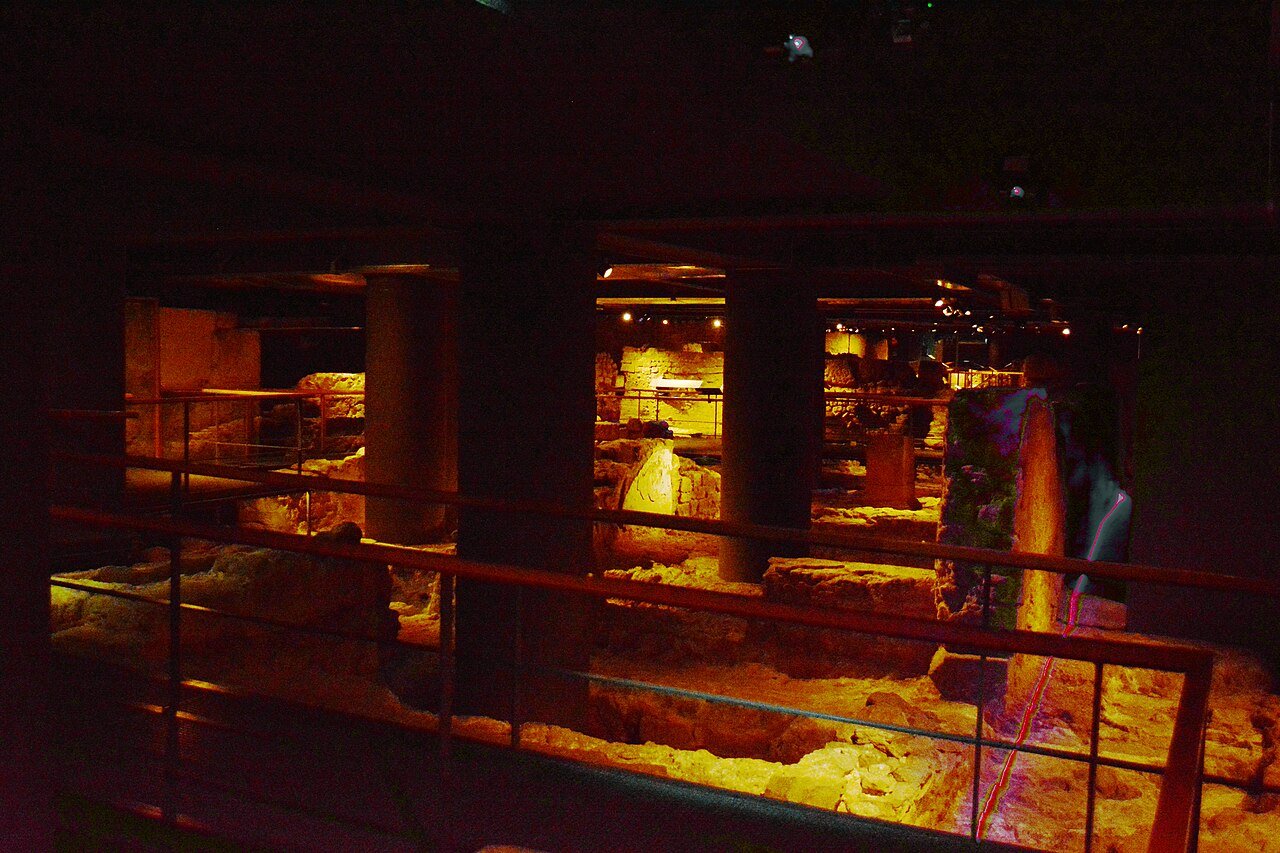
The visit is choreographed as a time machine. From the Casa Padellàs courtyard you pass the introductory displays — maps, models and objects that set out Roman daily life — and then the lift takes you down to the level of Roman Barcino, several metres beneath the modern square. The temperature drops, the light dims, and you step onto walkways suspended just above the excavated ground. Nothing down here is a reconstruction: these are the actual foundations, pavements and tanks of the quarter, conserved where they were found.
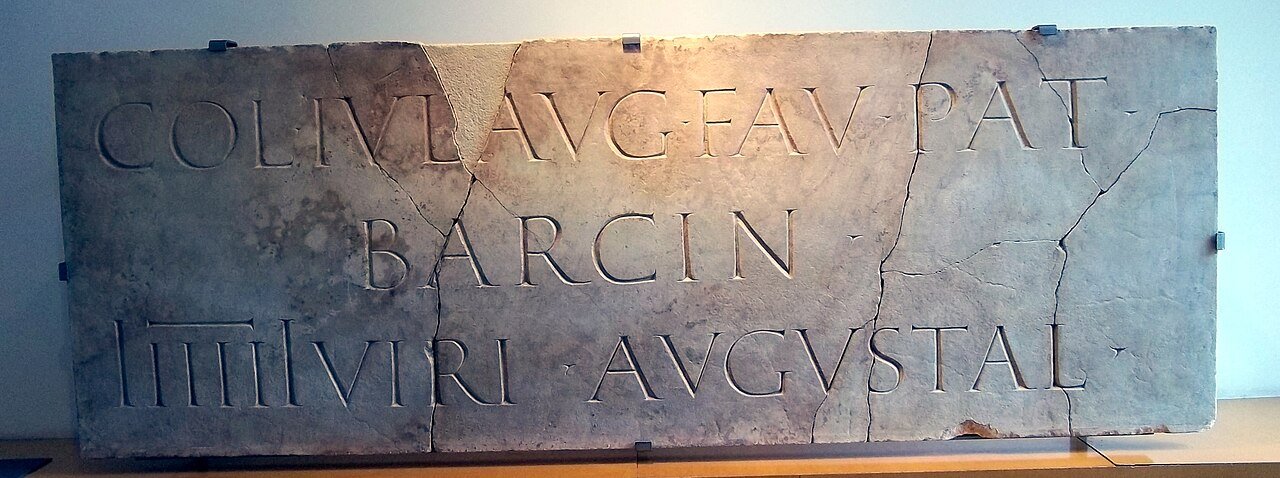
The route follows the intervallum, the service road that ran inside the walls, and a stretch of the cardo minor, one of the city’s lesser north–south streets. Along the wall you can enter the inner side of the defences and see how the towers were built — and how later generations treated the Roman fabric as a quarry and a filing cabinet at once: carved and inscribed Roman blocks turn up reused inside later walls, one of them still legibly lettered. Shops — tabernae — opened onto the streets here, and the exhibition on daily life in a Roman house fills in the domestic background: how a Barcino family cooked, dressed, worshipped and buried its dead.
The quarter’s working heart, though, was its laundry and dye works — the fullonica and tinctoria, dated to the second half of the 2nd century AD. Fullers washed and finished cloth for the whole town: garments were trampled in stalls with water and cleansing agents, rinsed in a sequence of basins, and dyed in vats set into the floor, some of the working surfaces still showing their herringbone opus spicatum brick paving. It was essential, skilled and famously smelly work, and standing over its tanks you are looking at the service industry of a Roman town preserved almost complete — one of the finest surviving examples of its kind.

Garum, Wine and Work: The Factories of Roman Barcelona
If the laundry shows Barcino at work, the next two stops show it in business. Against the walls stands the cetaria, the salted-fish and garum factory, dated to the 3rd century AD. Garum — the fermented fish sauce that Roman cooking poured on almost everything — was the ketchup and the export gold of the Roman Mediterranean, and Barcino made it industrially: fish were salted and fermented in rows of deep, waterproofed tanks, the cetariae you can still look down into, their rendered interiors and drainage holes intact. It cannot have been a pleasant neighbour. Roman towns pushed their smelliest industries to the edges for a reason, and this whole quarter, hard against the walls, was Barcino’s industrial estate.
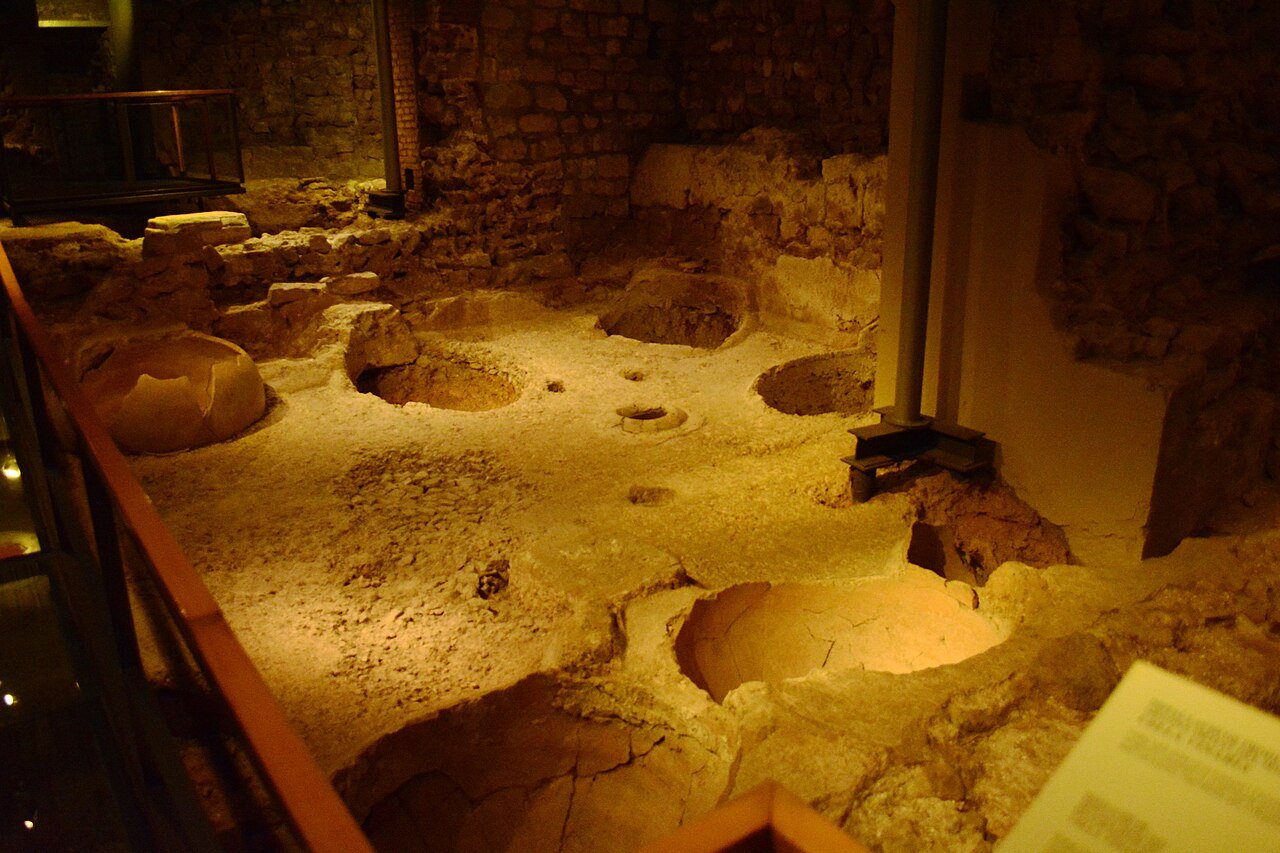
A few steps away, the winery tells a richer story. The cella vinaria here — dated to the later 3rd or early 4th century — was where wine was fermented and stored in dolia, huge earthenware jars sunk into the floor up to their necks, several of which survive in place, one still half-intact beside its empty sockets. The wine country around Barcino, in what is now the Maresme and the Barcelona plain, produced in bulk for export, and amphorae of Laietanian wine travelled across the western Mediterranean. Between the fish tanks and the wine jars, the underground visit quietly overturns the postcard idea of Roman Barcelona as temples and marble: this was a port town that processed, packed and shipped food, and the museum preserves its factory floor.

From Barcino to Barcinona: The First Christians
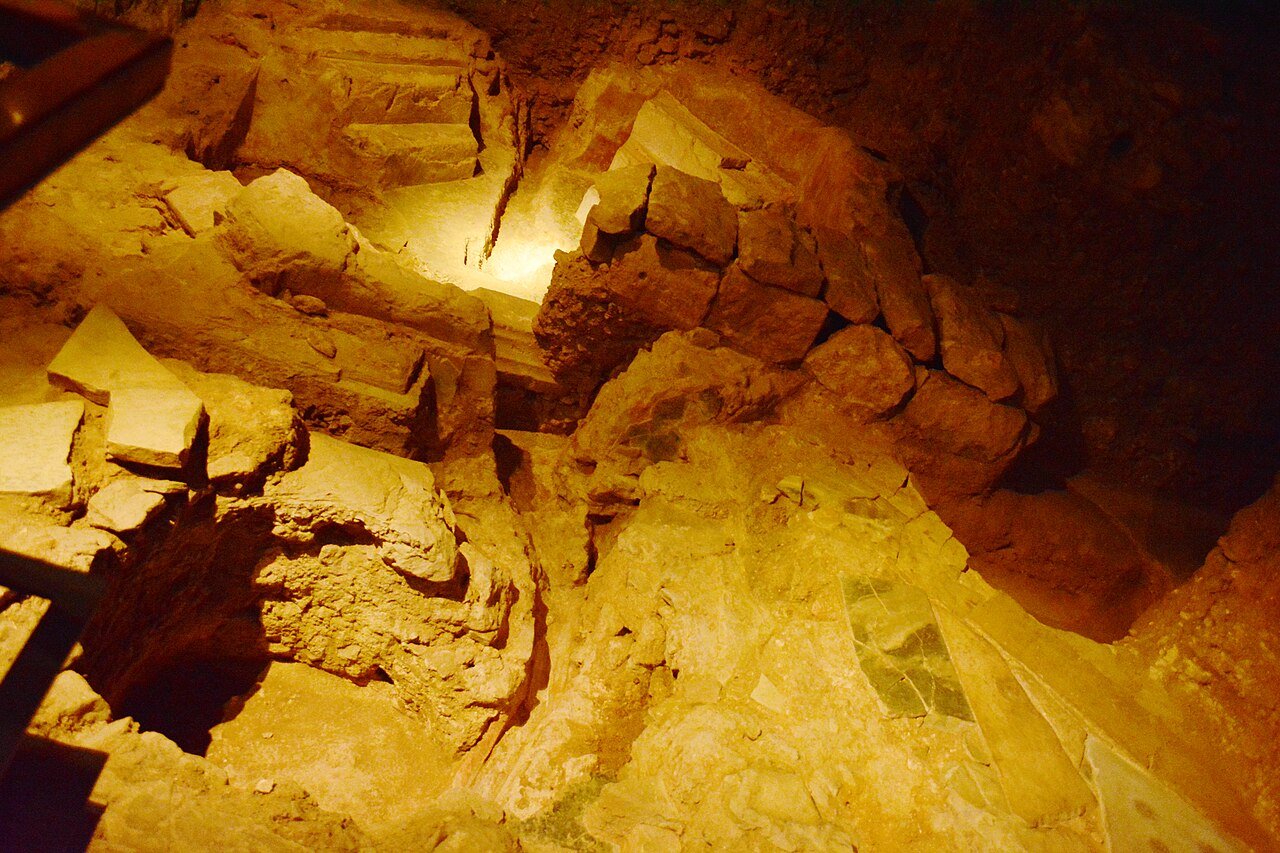
The underground route ends in a different city. By the 4th century Barcino had a Christian community with a bishop, and in the corner of the town by the walls — directly over and around the Roman workshops — grew the episcopal complex: the seat of the city’s first bishops and the ceremonial centre of what the Visigoths would call Barcinona. Its remains form the last and most atmospheric part of the excavation: a cross-shaped church, the bishop’s palace, and a baptistery, its font and surrounding structures excavated in the later 20th century, the baptistery itself brought to light in 1968.
This is not tidy architecture — it is a palimpsest, walls built from Roman stones, floors patched across centuries, a geometric mosaic still in place beneath the palace walls. But that is its power. Between the 4th and 7th centuries this corner of the city passed from Roman to Visigothic rule, from pagan to Christian worship, and the stones record every transition without tidying any of them away. A small exhibition under the palace’s Romanesque vaults then carries the story into medieval Barcelona — the counts, the growing port city, and the royal palace rising directly overhead, which is where the visit climbs next.

The Medieval Palace: Saló del Tinell and Santa Àgata
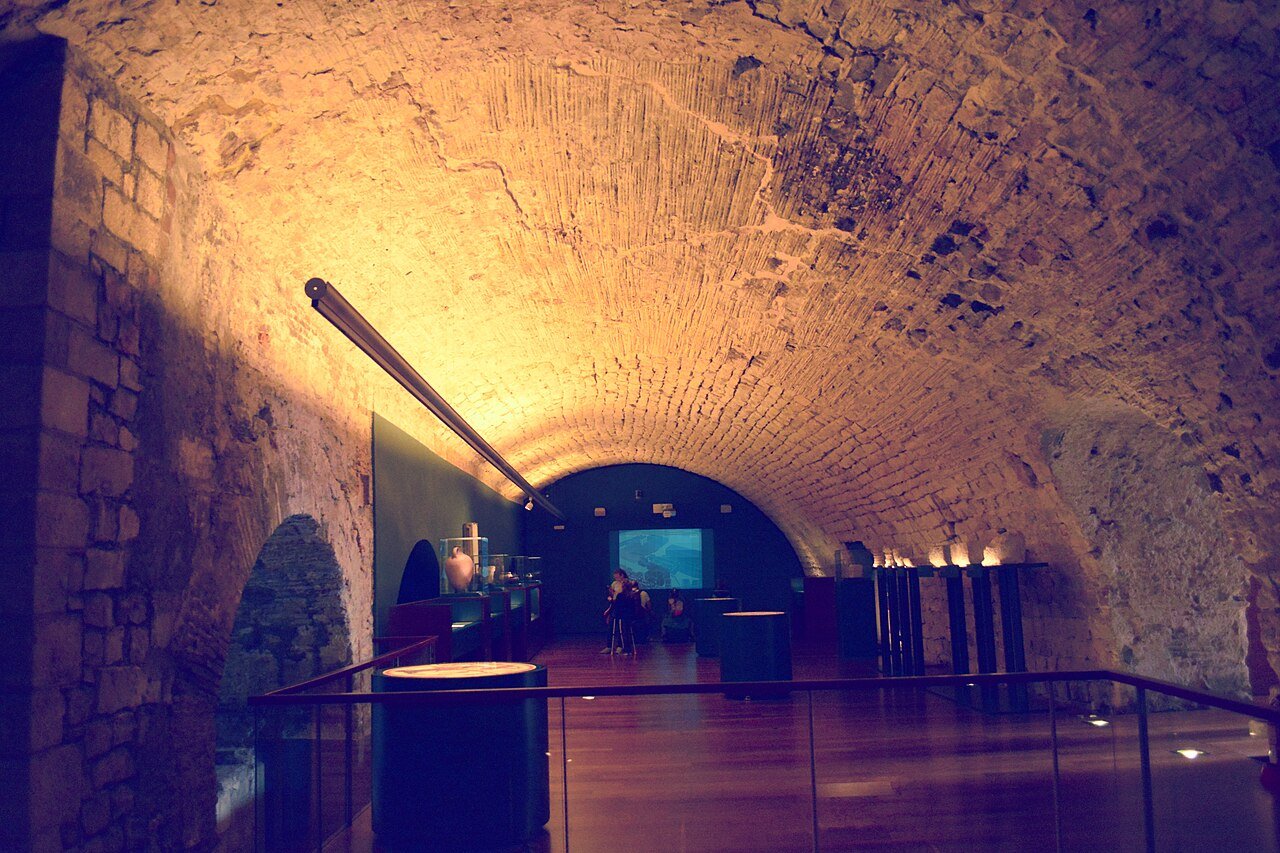
You come back up into the Palau Reial Major, the great royal palace of the counts of Barcelona and the kings of the Crown of Aragon, which fills the square above the excavation. The visit threads first through the Romanesque vaults beneath the palace — a barrel-vaulted gallery that now carries the exhibition on medieval Barcelona from the 8th to the 13th centuries — and then into the palace’s two Gothic masterpieces.
The Saló del Tinell is the showpiece: a huge ceremonial hall built for Pere IV between 1359 and 1362 under the architect Guillem Carbonell, its roof carried on a series of enormous semicircular diaphragm arches that spring across the full width of the room, founded on 11th-century vaults that themselves stand over a Visigothic-age structure. It is one of the great civil Gothic interiors of Europe, and Barcelona tradition places its most famous scene here: the reception of Christopher Columbus by Ferdinand and Isabella in 1493, on his return from his first Atlantic crossing. Historians treat the precise location as tradition rather than documented fact — but standing in the hall, with its scale and ceremony, you understand why the city has always insisted on it. Today the hall usually hosts the museum’s major temporary exhibitions, which means its mood changes with the programme; empty, it is all arches and echo.
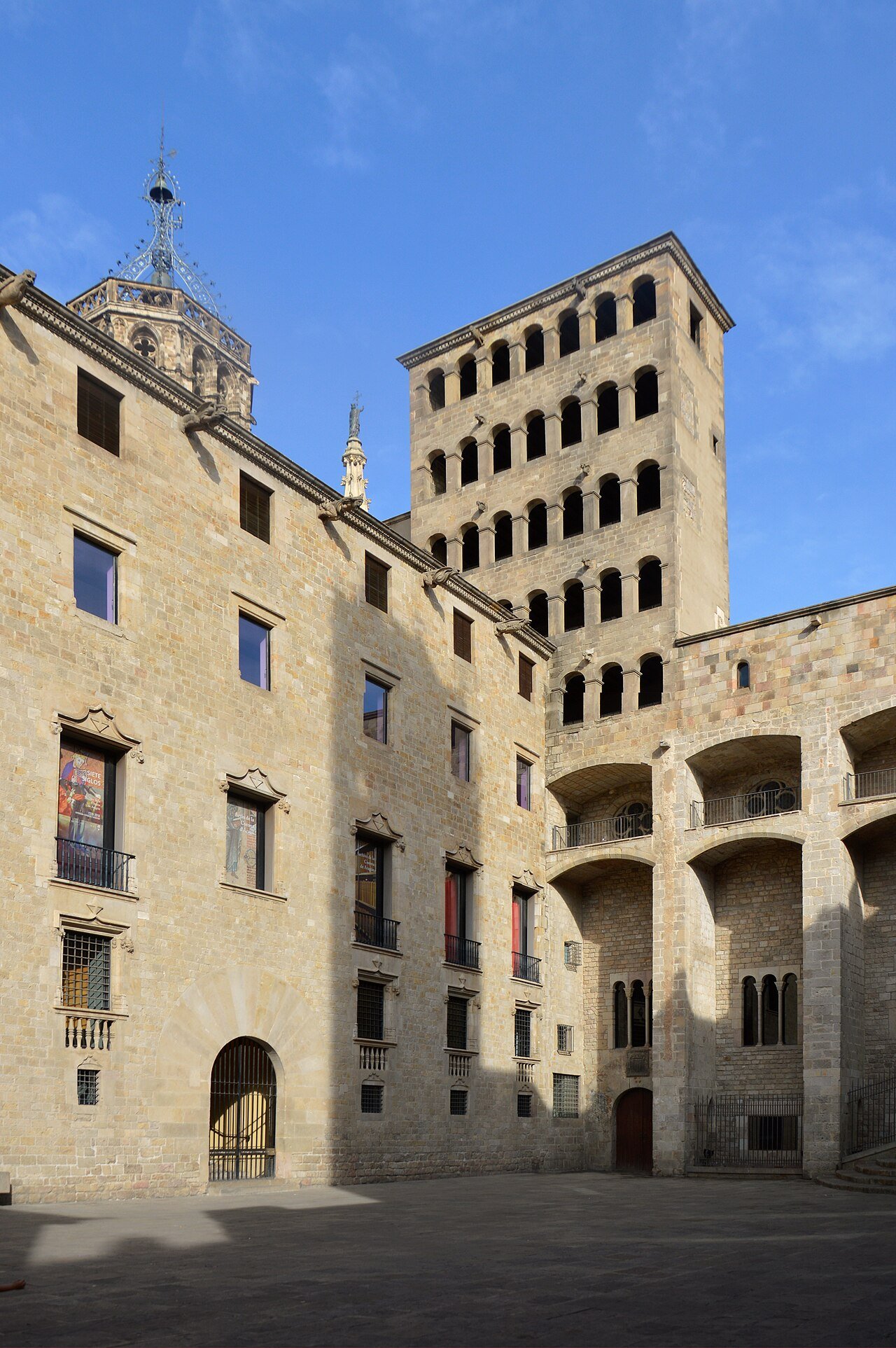
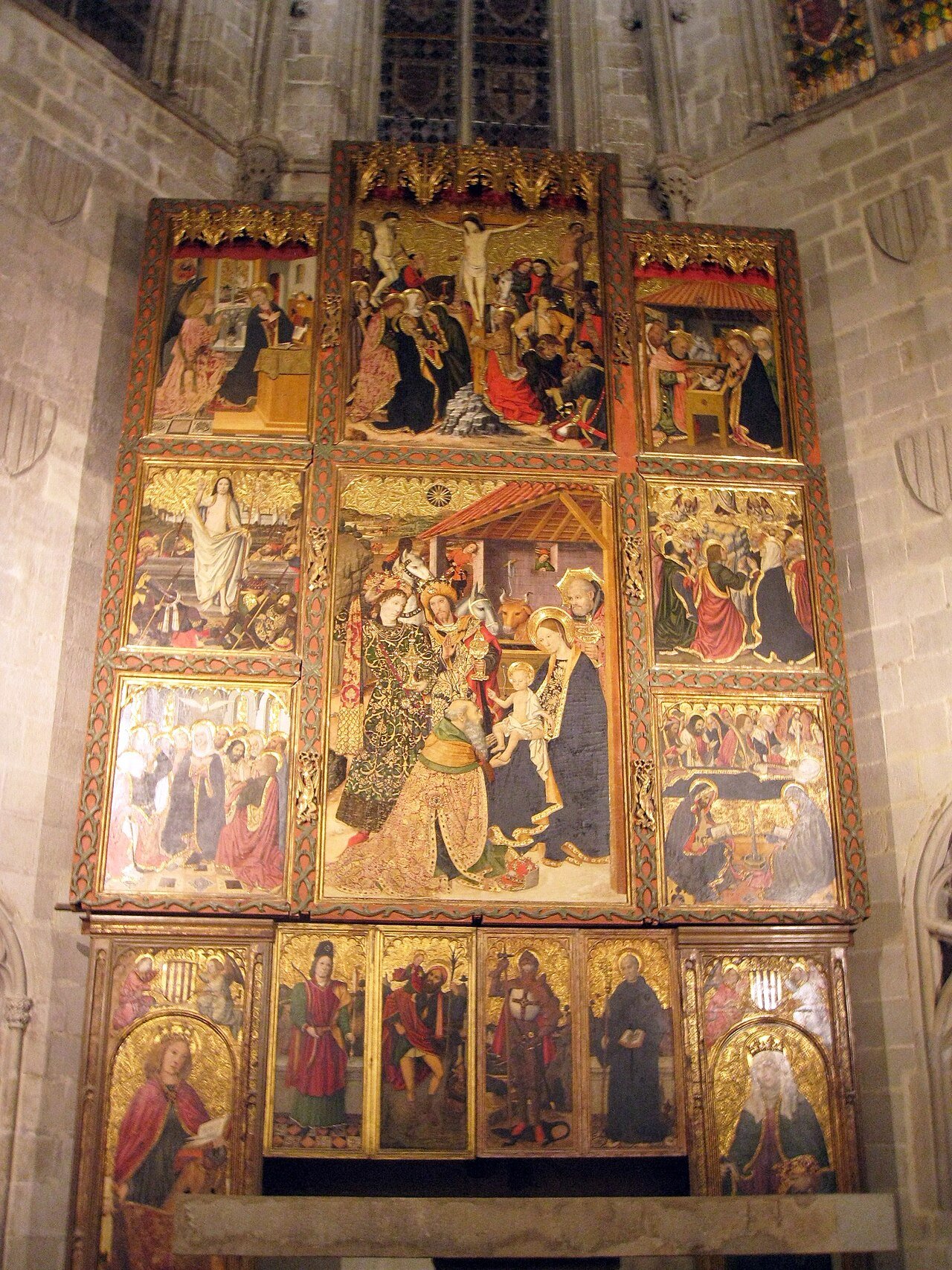
Next door, and built into the Roman wall itself — its sacristy sits inside the ancient defences — is the Capella de Santa Àgata, the palatine chapel built in 1302 under Jaume II to Bertran Riquer’s design: a single-nave Gothic chapel with a polygonal apse and a slim octagonal bell tower, as elegant and contained as the Tinell is vast. Its treasure hangs at its head: the altarpiece of the Epiphany, known as the Retaule del Conestable, painted by Jaume Huguet, the master of Catalan Gothic painting, commissioned by Pere V of Aragon in the 1460s — gold-ground panels of the Adoration of the Magi and the life of Christ, still in the chapel it was painted for. Around the square, the ensemble completes itself: the Palau del Lloctinent, built in 1549–1557 by Antoni Carbonell in late Gothic–Renaissance style and long home to the Archive of the Crown of Aragon, and above the Tinell the Mirador del Rei Martí, the five-storey lookout tower of 1555 — named for King Martin, though built a century and a half after his death. In the square itself, Eduardo Chillida’s rusted-steel Topos V, installed in 1986, holds its own against all of it.

Practical Info
Address: Plaça del Rei, s/n, 08002 Barcelona — entrance through the courtyard of Casa Padellàs (the museum also gives its address as Carrer del Veguer). The site is in the Barri Gòtic, two minutes from Barcelona Cathedral.
What it is: the headquarters of MUHBA, Barcelona City Council’s history museum network, combining a 4,000 m² underground archaeological site (Roman and early Christian Barcino) with the medieval Palau Reial Major above it. One ticket covers this site and the other MUHBA centres. Interpretation is in Catalan, Spanish and English, and an audio guide covers the Roman section.
| At a Glance | Details |
|---|---|
| Best for | Roman history, archaeology lovers, and anyone who wants to understand what the Gothic Quarter is built on |
| Entry | €7 standard, €5 reduced (16–29s and over-65s in current listings); under-16s and Barcelona Card holders free; free to all on the first Sunday of the month and every Sunday from 15:00 |
| Time needed | 1.5–2 hours for Plaça del Rei alone |
| Nearest metro | Jaume I (L4), about 2 minutes on foot |
| Don’t miss | The garum factory tanks, the cella vinaria’s sunken dolia, the Saló del Tinell, and Huguet’s altarpiece in Santa Àgata |
Tickets and Booking
Buy at the museum desk in the Casa Padellàs courtyard or in advance on the official MUHBA website (barcelona.cat/museuhistoria). The standard ticket costs €7 — reduced €5 — and under-16s go free; current listings give the reduced rate to visitors aged 16–29 and over 65, among other concession categories. Unusually good value is built in: the same ticket admits you to MUHBA’s other centres around the city — the Temple of Augustus, El Call, the Via Sepulcral Romana, the Domus de Sant Honorat, Refugi 307 and more — so keep it rather than binning it at the exit, and check the official site for its current validity period. Entry is free for everyone on the first Sunday of each month and every Sunday from 15:00, and the museum is included in the Barcelona Card.
One warning, stated plainly: there is no GetYourGuide ticket for MUHBA and no third-party tour that takes you inside it. The Gothic Quarter walking tours sold online stop at Plaça del Rei for a few minutes to talk about the palace from the square — a perfectly pleasant thing to do, but the underground city is not part of them, and no ticket they sell will get you into it. For the museum itself, the door and the official site are the whole story.
Opening Hours
Tuesday to Saturday 10:00–19:00; Sunday 10:00–20:00; closed on Mondays. The museum also closes on 1 January, 1 May, 24 June and 25 December. Hours can vary around other public holidays and for individual MUHBA centres — the Temple of Augustus and the smaller sites keep their own, shorter schedules — so check the official site on the day if a particular centre matters to you. Last entry is before closing; give yourself the full two hours rather than arriving at 18:00 and sprinting through 2,000 years.
Getting There
You will arrive on foot through the Gothic Quarter, as everyone does. The nearest metro is Jaume I (L4), two minutes away via Carrer de Jaume I and the Baixada de la Llibreteria; Liceu (L3) on La Rambla is about ten minutes through the lanes. City buses 45, 120, V15 and V17 stop on Via Laietana, a few minutes east. The tourist bus’s nearest stop is Catedral – Gòtic. Do not attempt to drive: the Barri Gòtic is a pedestrianised medieval maze, and the few car parks sit outside it around Via Laietana and the Born. The museum sits at the heart of the Barcelona old town and Gothic Quarter, so the walk in — past the Cathedral, down the Carrer del Veguer — is part of the visit.
When to Go
Weekday mornings are the underground city’s quiet hours: school groups cluster around midday in term time, and the walkways — narrow by design — feel very different with a crowd on them. The free Sunday afternoons (from 15:00, and all day on the first Sunday of the month) are the worst-kept secret in the Gothic Quarter and draw queues at the Casa Padellàs door; if you use them, arrive at the start of the free window and go straight downstairs. The site is almost entirely indoors and underground, which makes it a genuine all-weather, all-season visit — and on a fierce August afternoon, the cool of the excavation is an argument in itself. Note that there is no air conditioning as such down below; it is simply, naturally, several degrees cooler than the street.
How Long You Need
Ninety minutes is the honest minimum: about an hour underground — walls, laundry, factories, winery, episcopal complex — and half an hour in the palace above. Two hours lets you read the panels properly, linger in the Tinell, and give Huguet’s altarpiece the time it deserves. Add the other MUHBA centres and the museum becomes a day threaded across the old town: the Temple of Augustus is five minutes away, El Call ten, the Via Sepulcral fifteen. Spread across a stay, the single ticket is one of the best-value history purchases in Barcelona.
Free Barcelona travel guide
Planning a trip to Barcelona? Get our free one-page Barcelona checklist: what to book ahead, what to skip, and the Gothic Quarter walks we actually take.
Tips for Visiting
- Go down first, read later. The underground route is the heart of the museum; do it before the palace and the introductory displays, while the walkways are quiet and your legs are fresh.
- Use the free windows cleverly. Sundays from 15:00 and the first Sunday of the month are free — but arrive at the start of the window, not in the middle of it.
- Keep your ticket. It covers MUHBA’s other centres — Temple of Augustus, El Call, Refugi 307 and more — which turn one museum visit into a city-wide history trail.
- Take the audio guide for the Roman section. The panels are good, but the guide joins up the factories and workshops into the single working quarter they were.
- Don’t expect a guided tour to include it. Online Gothic Quarter tours stop at the square only. MUHBA is self-guided, and that is part of its calm.
- Photograph the square at opening time. Plaça del Rei at 10:00, before the crowds, with the Mirador del Rei Martí catching the light, is the Gothic Quarter’s best medieval photograph.
What to See Nearby
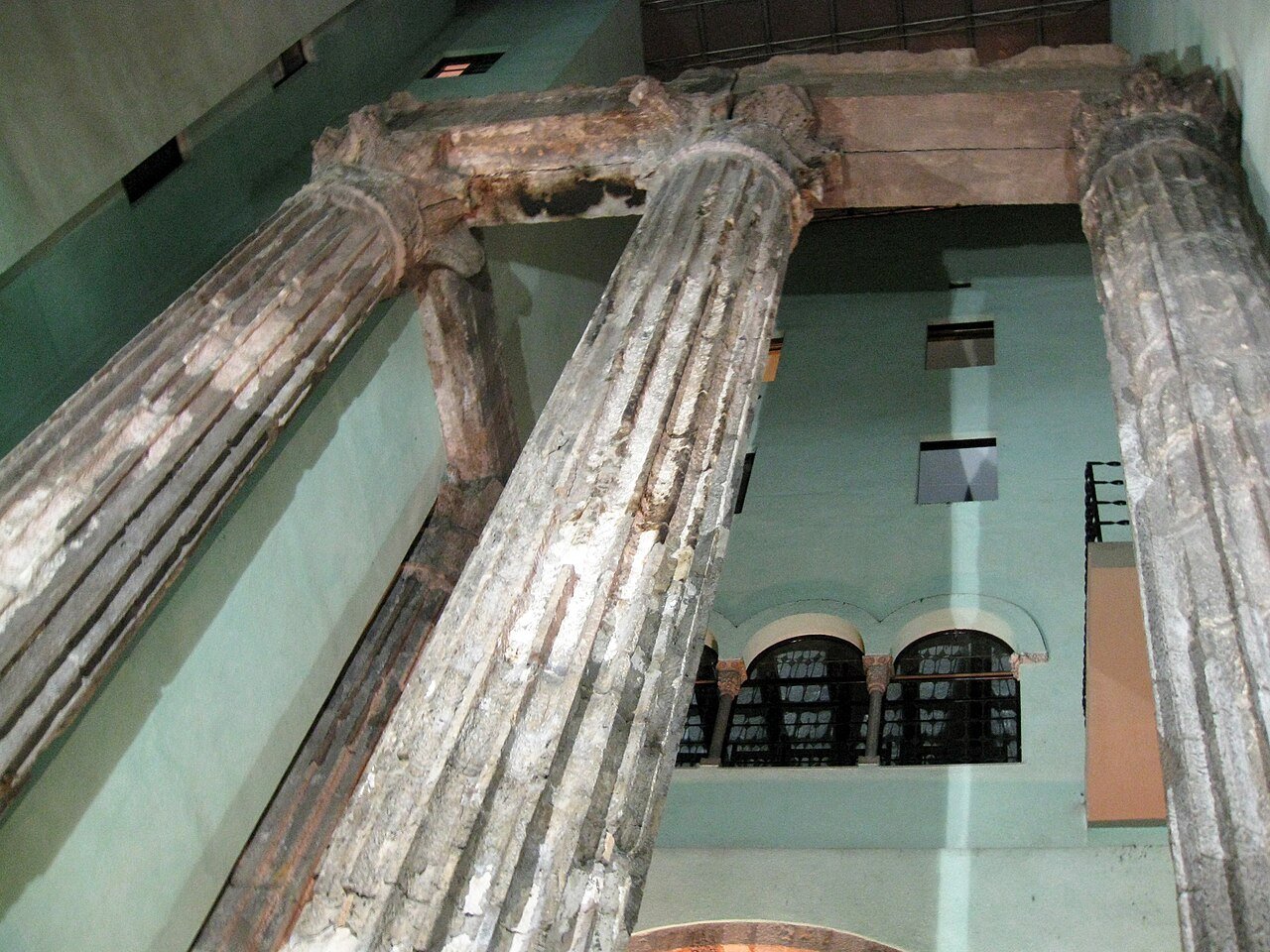
MUHBA stands in the densest few hundred metres of historic Barcelona. Two minutes north is the Barcelona Cathedral, raised over this same Roman and early Christian ground — its crypt and cloister read completely differently once you have walked the episcopal complex below Plaça del Rei. Five minutes away on Carrer del Paradís, in the courtyard of the Centre Excursionista de Catalunya, stand the four surviving columns of the Temple of Augustus — a MUHBA site, free to enter, and the forum centrepiece of the very colony you have just walked beneath. Ten minutes south-east in El Born, Santa Maria del Mar shows you what the medieval port city built with the wealth that followed the palace centuries. And before you leave the square’s orbit, step into the adjoining Plaça de Ramon Berenguer el Gran, where the Roman wall and its towers stand in the open air with the equestrian statue of Ramon Berenguer III — the stretch of defences whose discovery, in the 1930s works around this very square, runs parallel to the story of the museum itself.
Travel insurance, sorted
Whether it is a two-week holiday or a longer move, travel insurance is not the most glamorous part of a trip — but it is the one booking you want to have in place before a trip, and while you are already away. Get a quote from SafetyWing
Final Thoughts
Every city has a museum of itself; very few let you walk through the original. MUHBA’s genius is its restraint — no reconstructions, no costumes, just a Roman industrial quarter in the ground where it was abandoned, a bishop’s palace built out of its stones, a royal hall built over both, and a museum honest enough to let the layers speak in order. Come for the garum tanks and the wine jars, stay for the Tinell and Huguet, and leave with the Gothic Quarter permanently re-mapped in your head: every lane above ground now has a street, a wall or a workshop beneath it that you have stood beside. It is the cheapest time machine in Barcelona, and at €7 — or free on a Sunday afternoon — the best history bargain in the city. ¡Buen viaje!
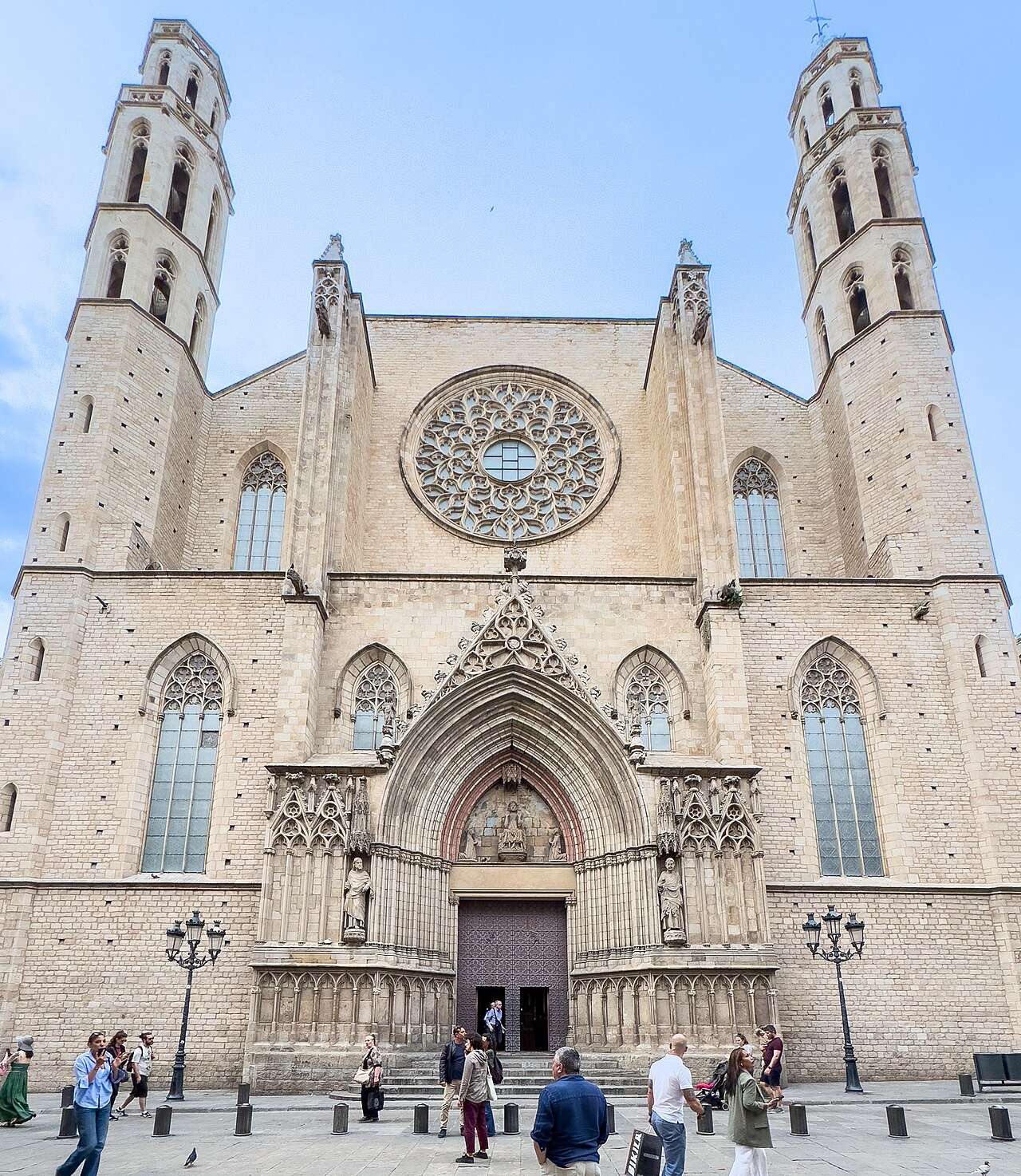
Photo credits: DimiTalen (CC0); Joe Mabel (CC BY-SA 4.0); Simon Burchell, Kippelboy, JosepBC and Enfo (CC BY-SA 3.0); altarpiece photograph (CC BY-SA 3.0), via Wikimedia Commons.


One Comment