Museu Picasso Barcelona: The Complete Visitors’ Guide
Everybody arrives in Barcelona knowing the name Picasso, and most people picture the same things — Cubist faces, fractured guitars, Guernica. Then they walk into the Museu Picasso in El Born and find almost none of that. Instead they get something rarer and, frankly, more interesting: the full story of how a prodigiously gifted teenager from Málaga became Picasso, told in the city where it happened, inside five medieval palaces on one of the most beautiful streets in the old town.
This is not the museum of the finished myth. It is the museum of the making of it — the schoolboy exercises, the academic set-pieces painted to prove a point, the Blue Period melancholy, and then, at the far end of the route, an elderly master in 1957 taking Velázquez’s Las Meninas apart 58 times to see how it worked. If you want to understand Picasso rather than just recognise him, there is nowhere better on earth to do it.
This guide covers what the collection actually holds, the story of the secretary who built the museum, how to book (including the free-entry windows that sell out fast), and the nearby sights that turn a museum visit into a perfect El Born half-day.
Short Answer
The Museu Picasso stands at Carrer Montcada 15–23 in El Born, spread through five adjoining 13th–15th-century palaces. Its permanent collection of 4,251 works is the world’s most complete record of Picasso’s formative years — nearly everything up to the Blue Period, the complete 1957 Las Meninas series, and almost nothing of the famous later styles, so set your expectations accordingly and it will delight you. Book a timed ticket online in advance; general admission is €15 (€14 online), the museum is closed on Mondays, and a focused visit takes 90 minutes to two hours.
The one upgrade genuinely worth considering is a guide. The collection is chronological and biographical — the story is the exhibit — and the Picasso Museum skip-the-line guided tour pairs skip-the-line entry through a separate entrance with 1.5 hours of expert storytelling (rated 4.6/5 from nearly 4,000 reviews). Solo visitors book timed tickets on the museum’s official site — never leave it to the day itself in season.
Table of Contents
- The Short Version: Is the Museu Picasso Worth It?
- First, Understand What This Museum Is (and Is Not)
- Five Palaces on One Street
- How a Secretary Built a Museum
- The Teenager Who Painted Like an Old Master
- The Blue Period Rooms
- Las Meninas: 58 Ways to Argue with Velázquez
- 1917 and the Later Picasso
- Temporary Exhibitions and the Rest of the Complex
- The Palaces Themselves Deserve a Slow Lap
- A Suggested Route Through the Museum
- Practical Info
- Tips That Will Improve Your Visit
- What to See Nearby
- Final Thoughts

The Short Version: Is the Museu Picasso Worth It?
Yes — with one honest condition. Go if you are curious about how genius is built: the draughtsmanship of a 15-year-old out-painting his teachers, the moment the academic prodigy starts breaking rules, the complete Las Meninas series that no other museum can show you whole. The palaces alone would justify a ticket in most cities.
Skip it, or go in with adjusted expectations, if your Picasso is the Picasso of Cubism and the Riviera years — Paris tells that story better. Barcelona’s museum is deliberately about the beginning, and about the city’s own role in it. Judged on what it sets out to do, it is one of the finest single-artist museums in Europe, and an essential stop on any serious list of the best things to do in Barcelona.
First, Understand What This Museum Is (and Is Not)
Most artist museums are trophy cabinets. This one is a biography. The permanent collection runs chronologically, and its 4,251 works are heavily weighted to the years before Picasso turned 25: childhood drawings from A Coruña and Málaga, the Barcelona apprenticeship, the first Paris trips, the Blue Period. After that the trail thins on purpose — a strong showing from 1917, when Picasso returned to Barcelona with the Ballets Russes, and then the great late gift of the Las Meninas series, donated by the artist himself.
So there are no Cubist landmarks here, and Guernica hangs in Madrid’s Reina Sofía. What you get instead is the answer to a better question: not “what did Picasso make?” but “how did Picasso happen?” For anyone who has ever stood in front of a late Picasso wondering where that confidence came from, these rooms are the explanation.
Five Palaces on One Street
Carrer Montcada was medieval Barcelona’s grandest address, the street where the city’s great merchant and noble families built their courtyard palaces a short walk from the port. The museum threads through five of them, and knowing which is which makes the visit richer:
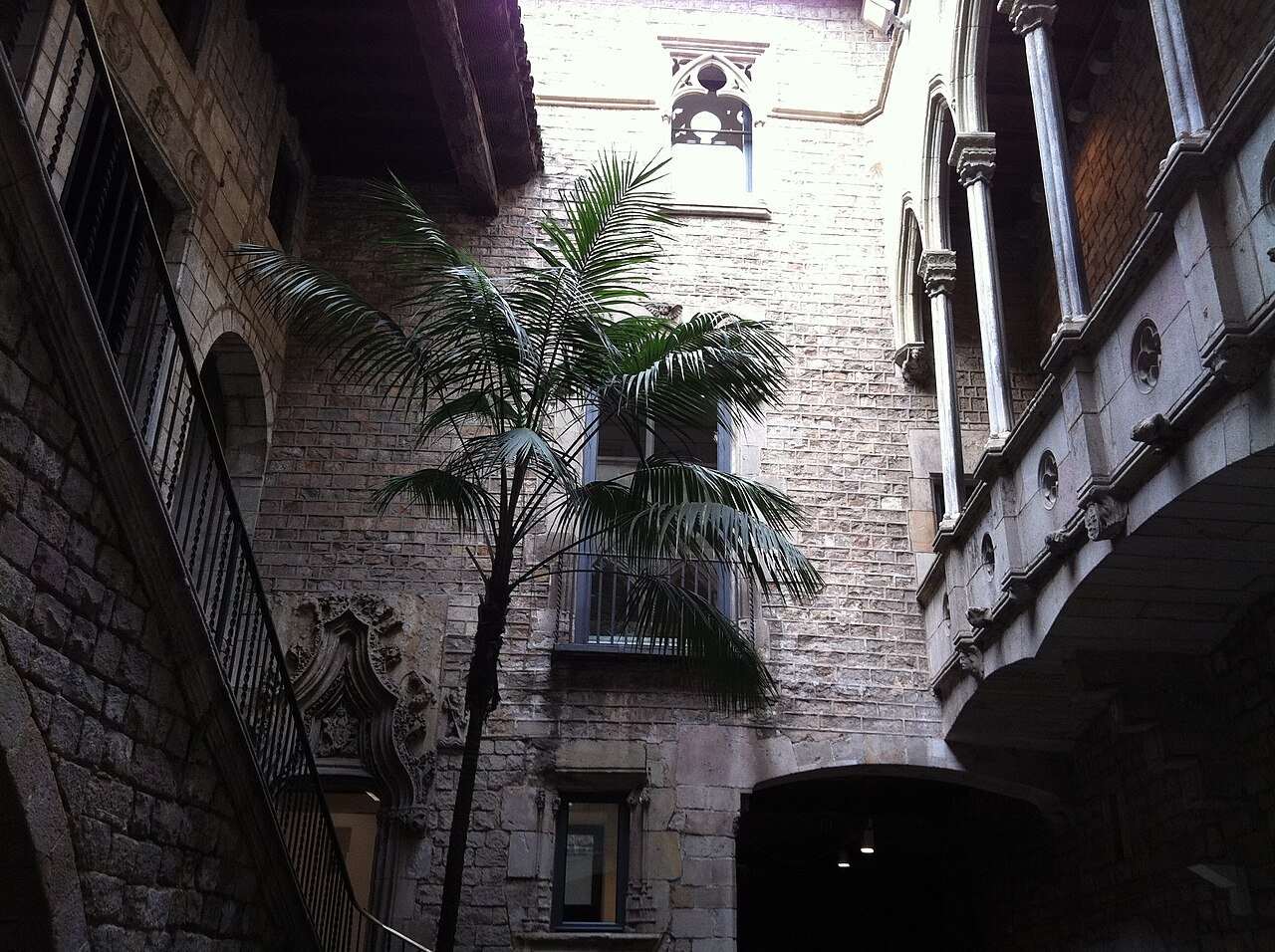
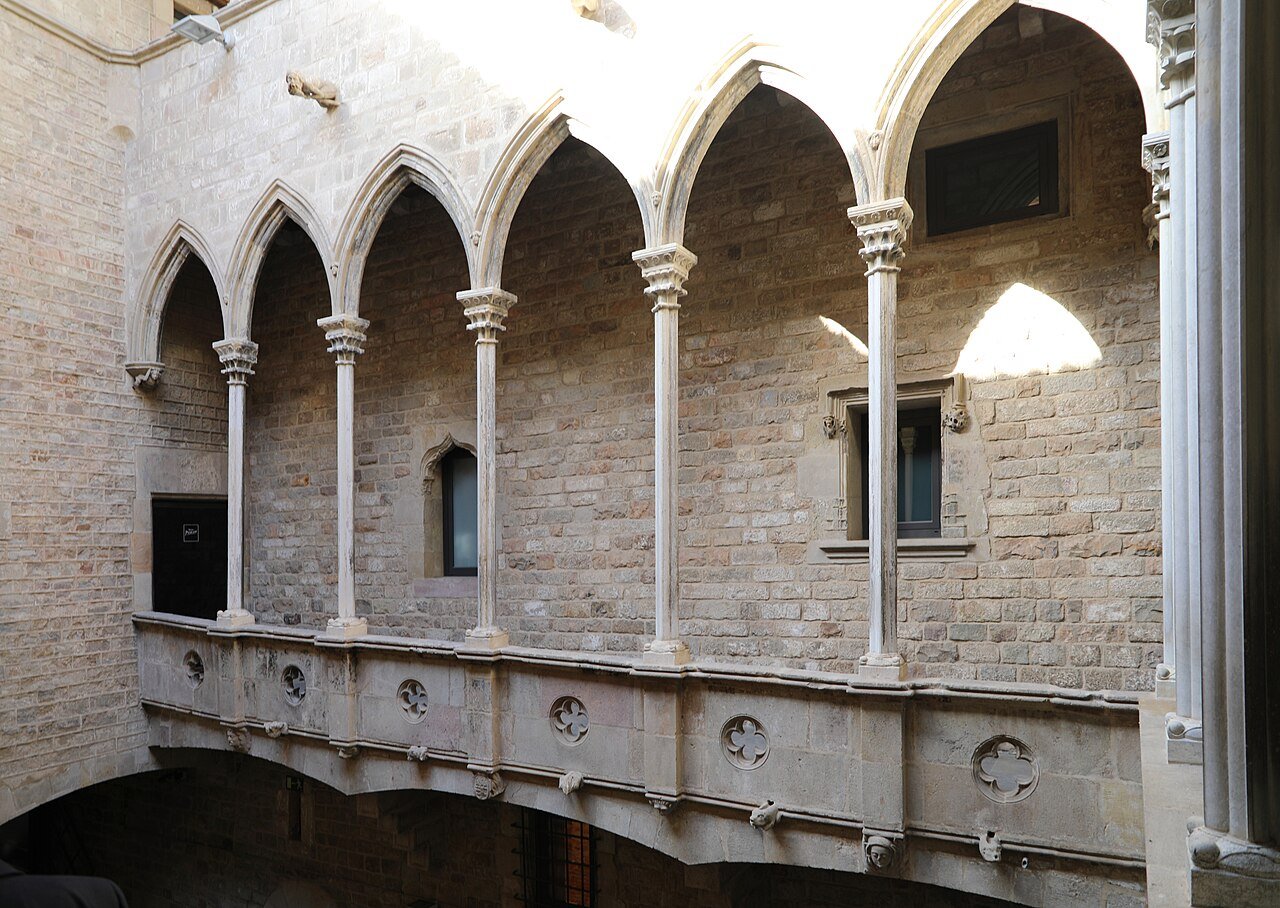
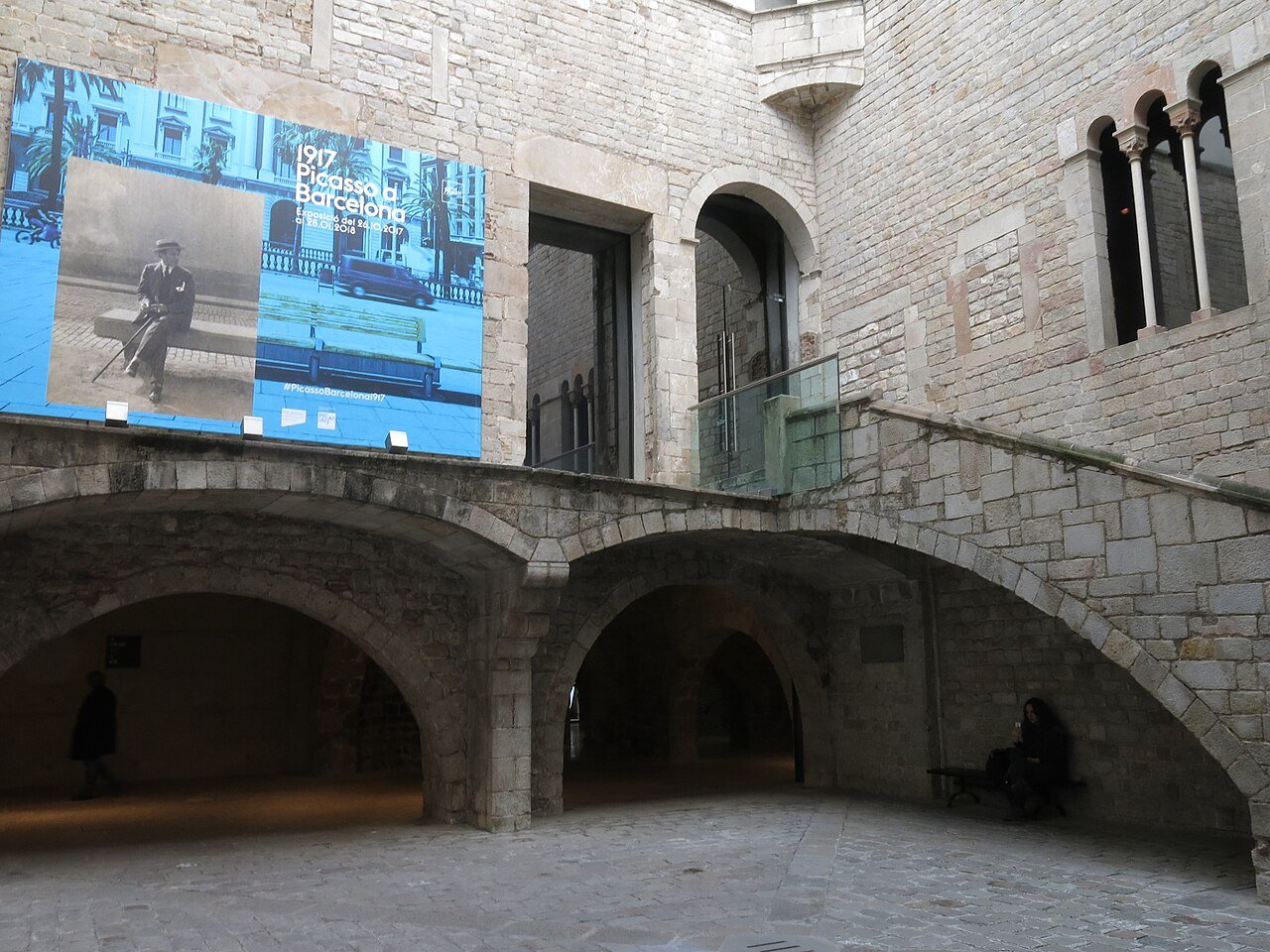
- Palau Aguilar (no. 15) — the museum’s original home, a 13th-century palace wrapped around a courtyard with a Gothic open gallery and an external staircase, the classic Catalan civic-Gothic plan.
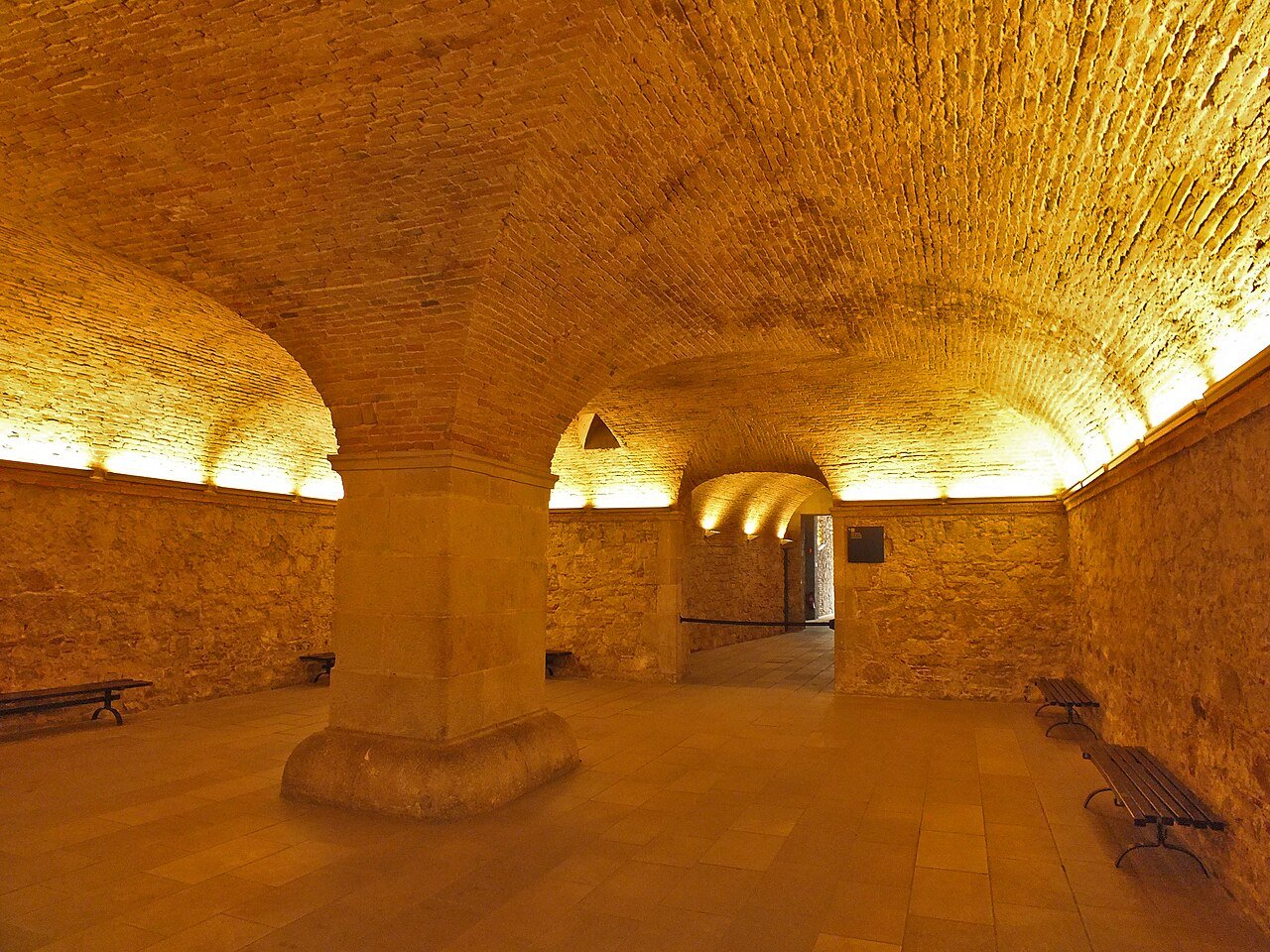
- Palau del Baró de Castellet (no. 17) — its neighbour, with a serene courtyard and a great vaulted brick hall on the ground floor.
- Casa Mauri (no. 21) — an 18th-century house built over earlier fabric, now part of the museum’s working core.
- Palau Finestres (no. 23) — another courtyard palace, long used for the museum’s temporary exhibitions.
- Palau Meca (no. 19) — added as the museum grew, its plainer courtyard now the calmest corner of the complex.
You move between them through courtyards, staircases and vaulted passages, so the building keeps interrupting the art in the best possible way. Budget a little attention for the container as well as the contents.


How a Secretary Built a Museum
The Museu Picasso exists because of a friendship. Jaume Sabartés — sculptor, writer, and from 1935 Picasso’s personal secretary — was a Barcelona boy who had known Picasso since their shared youth in the city. It was Sabartés who proposed a museum in Barcelona built around his own collection of the artist’s work, and Picasso who embraced the idea and fed it, donating works across the rest of his life.
The museum opened on 9 March 1963 in the Palau Aguilar — under a dictatorship wary of the exiled, communist artist, it opened discreetly as the “Sabartés Collection,” Picasso’s name kept off the door. It grew palace by palace into today’s complex, and holds a distinction no rival can claim: the first museum dedicated to Picasso, and the only one created during his lifetime, with his involvement and his gifts. In 1968, after Sabartés died, Picasso donated the entire Las Meninas series in his friend’s memory — the museum’s single greatest treasure.
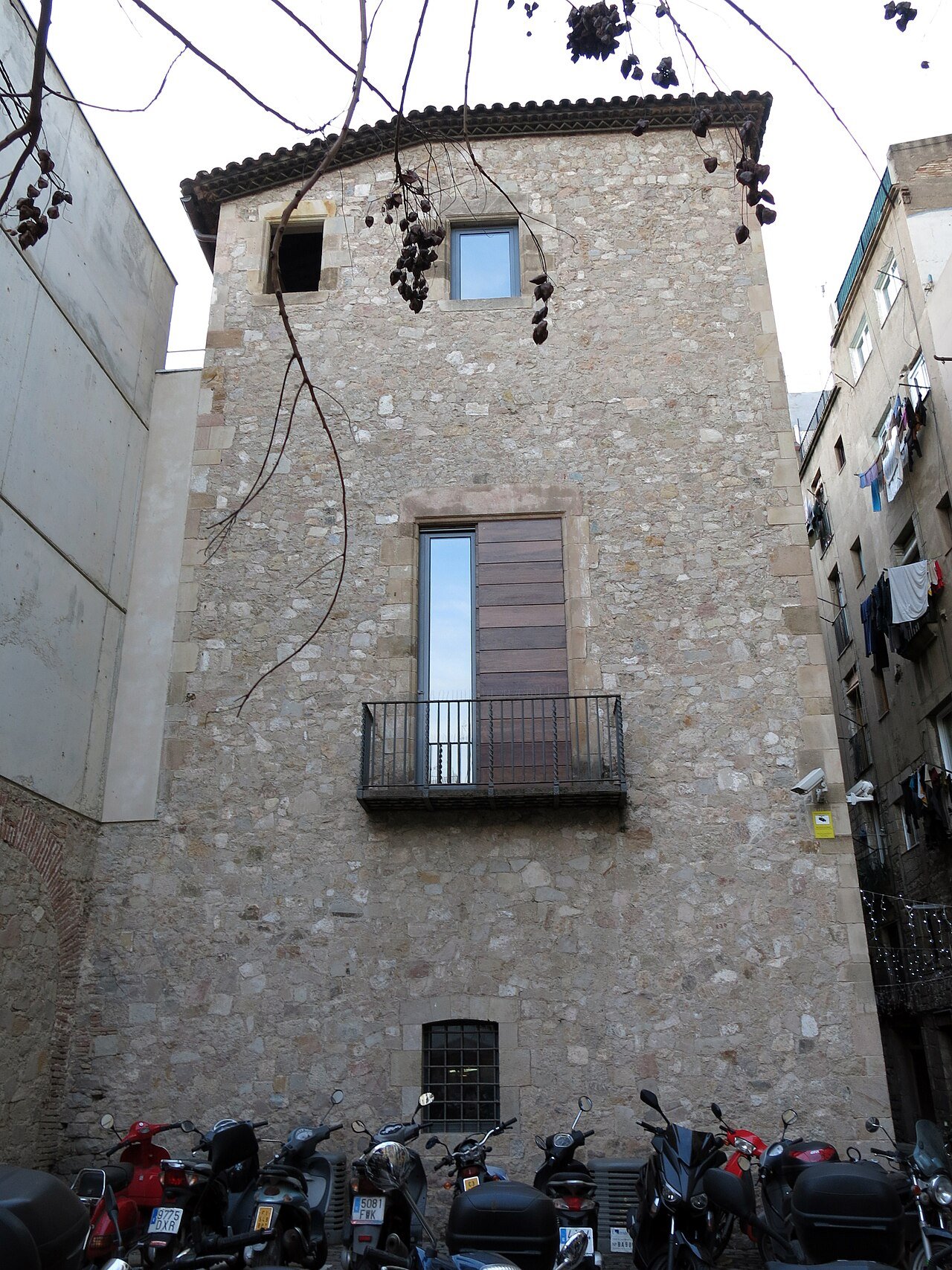
The quiet square behind the palaces, where the museum’s rear façade rises over the parked scooters, is named for him: Plaça de Jaume Sabartés. Look for the marble plaque, which describes him simply and perfectly — escultor i escriptor, amic de Picasso: sculptor and writer, Picasso’s friend.

The Teenager Who Painted Like an Old Master
Picasso’s family moved to Barcelona in 1895, when Pablo was 13 and his father took a teaching post at the La Llotja art school. The boy passed the entrance exam for the advanced class — set for students years older — with a speed that became family legend, and the first rooms of the museum show you the evidence.
Two enormous academic canvases anchor this section. The First Communion (1896), painted when he was just 15, is a flawlessly conventional religious scene built around his sister Lola. Science and Charity (1897) is bigger still — a doctor (modelled by Picasso’s own father) taking a sick woman’s pulse while a nun offers her a drink — executed by a teenager who had plainly already mastered every technique the academy could teach him. Standing in front of it, you understand the rest of the museum: nothing that followed was rebellion born of inability. He broke the rules after proving, publicly, that he could follow all of them.
Around these set-pieces hang the sketches, portraits and Barcelona scenes of a young artist absorbing the city — the cafés, the modernista buzz, the Els Quatre Gats circle where he held his first exhibitions. Within five years he would be in Paris, and painting in blue.

Free Barcelona travel guide
Planning a trip to Barcelona? Get our free one-page Barcelona checklist: what to book ahead, what to skip, and the tapas bars we actually eat in.
The Blue Period Rooms
From 1901 to 1904 Picasso painted the world in shades of blue — beggars, prisoners, blind men, exhausted mothers — a body of work shaped by poverty, by travels between Barcelona and Paris, and by the suicide of his friend Carlos Casagemas. Barcelona’s holdings of the period are among the most complete anywhere, because so much of the work was made here and stayed here.
Take these rooms slowly. The Blue Period is where the apprentice becomes an artist with a subject: human misery, painted without sentimentality and with a draughtsman’s total control. Works like The Blindman’s Meal and the portraits of the period show a 22-year-old who has stopped demonstrating what he can do and started deciding what he is for. It is the emotional centre of the museum, and the crowd behaviour tells you so — this is where the rooms go quiet.
Las Meninas: 58 Ways to Argue with Velázquez
In the summer and autumn of 1957, in his studio at La Californie above Cannes, the 75-year-old Picasso did something no living artist had dared: he took on Las Meninas, Velázquez’s masterpiece and the most analysed painting in Spanish art, and repainted it 58 times. Whole-canvas versions in which the Infanta Margarita’s court is rebuilt in his own visual language; close studies of the Infanta, the maids of honour, the dwarf and the dog; versions in slashing black and white and versions in Mediterranean colour.
Barcelona holds the complete series — the only one of Picasso’s great series kept whole in a single museum — because Picasso gave it, in 1968, to this museum and to the memory of Sabartés. Walking its rooms in sequence is the closest you will ever get to watching a great artist think: the same image worried at, dismantled, joked with, and finally understood. Give it time. It is the climax of the visit, and for many visitors the single best reason to come.
1917 and the Later Picasso
The collection’s other late-flowering strength is 1917. Picasso returned to Barcelona that year with Diaghilev’s Ballets Russes — he had designed Parade — and stayed for months, painting in a city he barely recognised and falling for the dancer Olga Khokhlova, who became his first wife. The works from that summer, poised between Cubism and a new classical clarity, are represented here in real depth.
Beyond that, expect highlights rather than coverage: a fine print collection, ceramics, and individual later works that arrived through the artist’s donations and later gifts. The museum is honest about its shape, and so should you be: come for the formation and the Meninas, and treat everything after as a coda.
Temporary Exhibitions and the Rest of the Complex
The museum runs a serious temporary-exhibition programme — dialogues between Picasso and other artists, deep dives into single periods — shown mainly in the Palau Finestres and Palau Meca end of the complex. Some exhibitions are included in general admission and some carry their own ticket; check when you book, as a strong temporary show can add an hour.
The complex also includes the museum shop (strong on books and prints, light on tat), a café, and a research centre behind the palaces. Ordinary visitors won’t need it, but its existence makes the point: this is a working research institution, not just an attraction.
The Palaces Themselves Deserve a Slow Lap
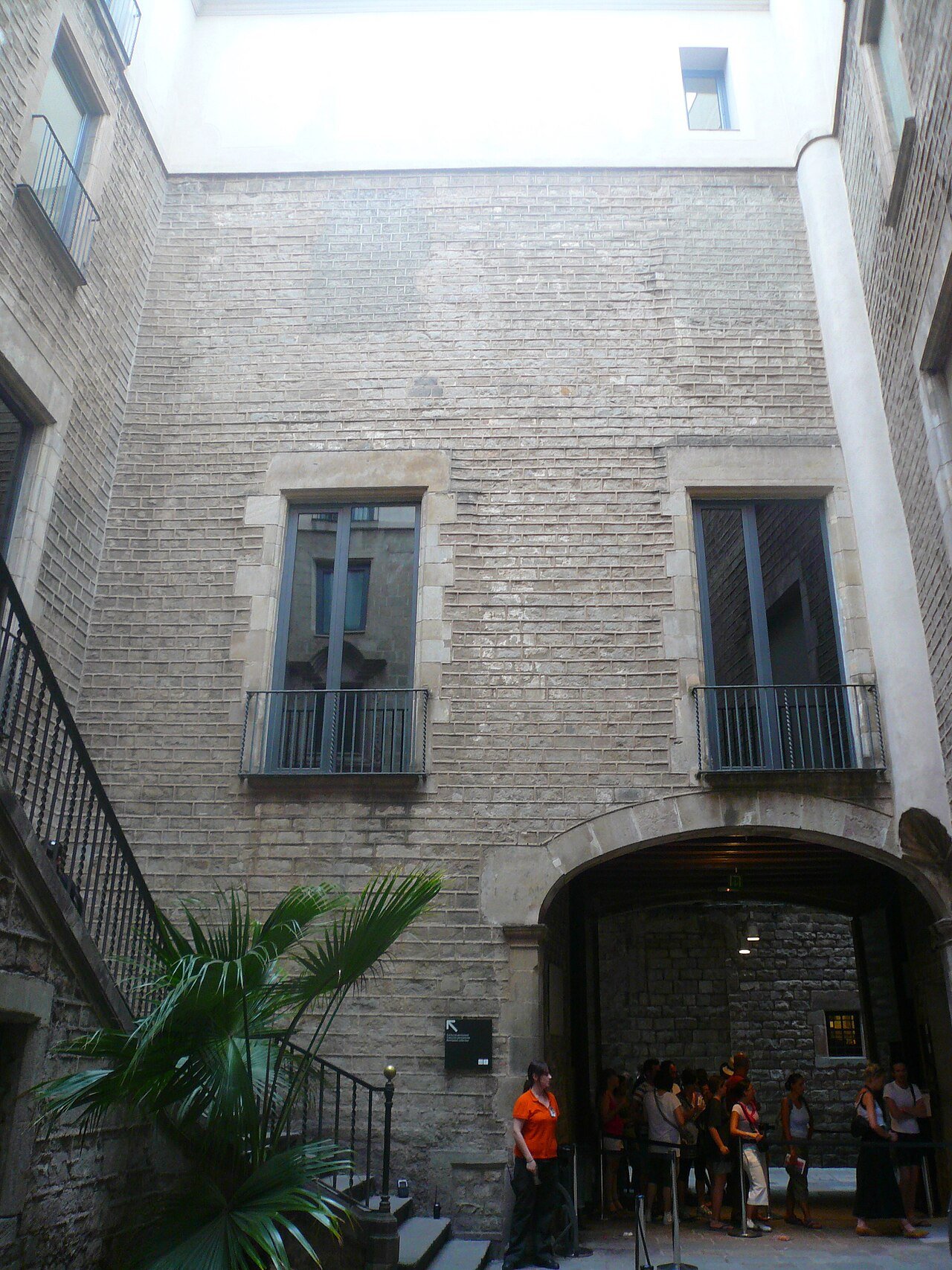
Even visitors who race the collection tend to slow down for the architecture, and they are right to. The five palaces preserve the standard plan of the Catalan Gothic town house — entrance passage, courtyard, external open staircase, piano nobile gallery above — in stone the colour of honey. The Palau Aguilar’s courtyard, with its single palm and carved Gothic doorway (look for little St Christopher, patron of travellers, beside the flamboyant arch), is one of the most photographed corners of the old town, and it is a working thoroughfare of the museum, free to enjoy with any ticket.
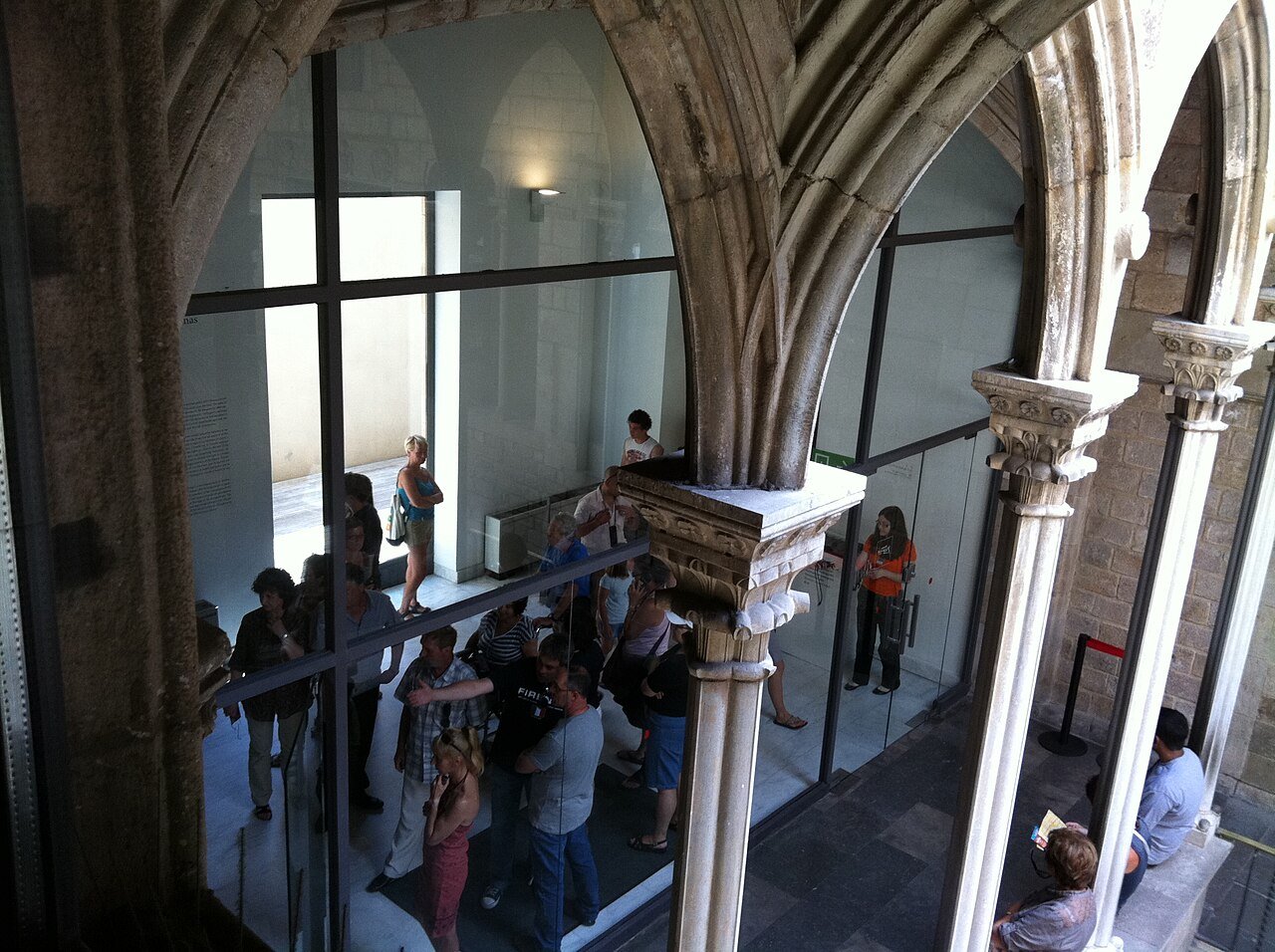
Do one deliberate lap of the courtyards before you leave — Aguilar’s gallery, the Baró de Castellet’s vaulted hall, the view straight up through a courtyard to a square of Barcelona sky. Housing the city’s favourite adopted son inside the palaces of its medieval merchants is a piece of curatorial poetry nobody planned and everybody feels.


A Suggested Route Through the Museum
The route through the palaces is one-way in spirit and broadly chronological, so the museum largely routes itself. How you pace it is up to you:
- 45 minutes: the two teenage set-pieces (The First Communion, Science and Charity), the Blue Period highlights, and a brisk pass through the Las Meninas rooms. You will leave having seen the headlines but not the story.
- 90 minutes: the full permanent route at a comfortable read-the-labels pace, plus ten minutes in the Palau Aguilar courtyard. This is the sweet spot for most visitors.
- 2.5 hours: everything above plus the temporary exhibition, the prints and ceramics, and a slow lap of all five courtyards. Add the guided tour at the start if you want the biographical thread pulled tight — the Picasso Museum skip-the-line guided tour is built exactly for this, after which you can linger in the rooms that hooked you.
Photography is not permitted inside the galleries — one more reason the courtyards matter, because they are where your camera comes out.
Practical Info
At a Glance
| Detail | Info |
|---|---|
| Address | Carrer Montcada 15–23, El Born, Barcelona |
| Nearest station | Jaume I (Metro L4); Arc de Triomf (L1) also close |
| Opening hours | Tue–Sun from 10:00; seasonal closing (19:00 in winter, later in summer) — check the official site |
| Closed | Mondays (some public-holiday Mondays excepted), 1 Jan, 25 Dec |
| Tickets | General €15 (€14 booked online); reductions apply; under-18s free |
| Free entry | First Sunday of the month and Thursday afternoons in the low season — online reservation required, sells out |
| Time needed | 90 minutes–2 hours; 2.5 hours with a temporary exhibition |
| Official site | museupicasso.bcn.cat |
How to Book
Buy on the museum’s official site and choose your entry slot carefully — tickets are timed, and in high season the day’s allocation can vanish days ahead. The guided alternative carries its own entry: the Picasso Museum skip-the-line guided tour enters through a separate entrance with the guide, runs about 1.5 hours, and leaves you inside to continue on your own. Either way, do not plan to queue for same-day tickets between April and October; the queue on Carrer Montcada is a famous waste of a Barcelona morning.
Free Entry — the Windows Worth Knowing
The museum keeps the municipal tradition of free windows: the first Sunday of every month, and Thursday afternoons (16:00–19:00) from autumn to spring. Free places still require an online reservation, released in advance on the museum’s site, and they are claimed quickly — set a reminder and book the moment your date opens. Under-18s enter free year-round, which makes this one of the best-value family museums in the city at any time.
Getting There
Jaume I station (L4) is a four-minute walk: cross Via Laietana, pass Santa Maria del Mar, and Carrer Montcada is on your left. Arc de Triomf (L1) and the Passeig de Sant Joan approach suit anyone combining the museum with the Arc and Ciutadella Park. The whole visit sits inside El Born, the most walkable quarter in the city — you will not need transport again until you leave the neighbourhood.
When to Go
First entry of the day and the last two hours are the calmest; the Blue Period and Meninas rooms fill noticeably between 11:00 and 14:00. Weekday mornings outside school holidays are the connoisseur’s slot. In August, book the earliest entry you can and give the midday hours to lunch.
How Long You Need
Ninety minutes covers the permanent collection properly; two hours lets the Meninas series breathe. With a temporary exhibition, allow two and a half. Anyone who tells you they “did it in 40 minutes” saw the palaces, three paintings and the shop.
Tips That Will Improve Your Visit
- Book the timed ticket the day you book your flights. This museum sells out more reliably than almost any sight in Barcelona except the Sagrada Família.
- Start with the two giant teenage canvases and read them properly. Science and Charity is the key that unlocks the whole collection — everything afterwards is a man escaping the mastery it proves.
- Do the Las Meninas rooms in order, then walk them backwards. In sequence you see the analysis build; in reverse you see how far he travelled from Velázquez’s original composition.
- Take the guided tour if this is your only Picasso stop in Europe. The collection is a story, and stories are what guides are for; solo visitors should at least take the audioguide.
- Save the courtyards for last. The galleries ban photography and hold crowds; the palaces’ courtyards are the decompression chamber, and the light in the Palau Aguilar is best late in the day.
- Never queue for the free windows without a reservation. Free-entry places are booked online in advance — turning up hopefully on a first Sunday is a plan to see the queue, not the museum.
What to See Nearby
You are standing in the middle of the finest half-day in Barcelona. Two minutes away rises Santa Maria del Mar, the great Gothic church built by the porters of this very port district — the perfect architectural companion to the palaces. Around it, the lanes of El Born are dense with wine bars, bakeries and small museums; the Mercat de Santa Caterina covers lunch, and the Passeig del Born covers the evening.
West across Via Laietana, the Gothic Quarter begins — the cathedral, Plaça del Rei and 2,000 years of the city in a ten-minute walk. East, Ciutadella Park and the Arc de Triomf give you green space after all that stone.
Travel insurance, sorted
Whether it is a two-week holiday or a longer move, travel insurance is not the most glamorous part of a trip — but it is the one booking you want to have in place before a trip, and while you are already away.
Final Thoughts
There are grander Picasso collections, and there are certainly more famous paintings elsewhere. But there is only one museum that shows you the artist being assembled — the schoolboy copying the masters, the teenager out-painting them, the young man turning grief into a blue world, and the old master, at the end, graciously wrestling the greatest Spanish painting ever made. That the whole argument unfolds inside five honey-coloured medieval palaces, on the street where Barcelona’s merchants once lived, makes it doubly unmissable. Book ahead, take the story in order, and give the Meninas rooms the time they ask for.
¡Buen viaje!
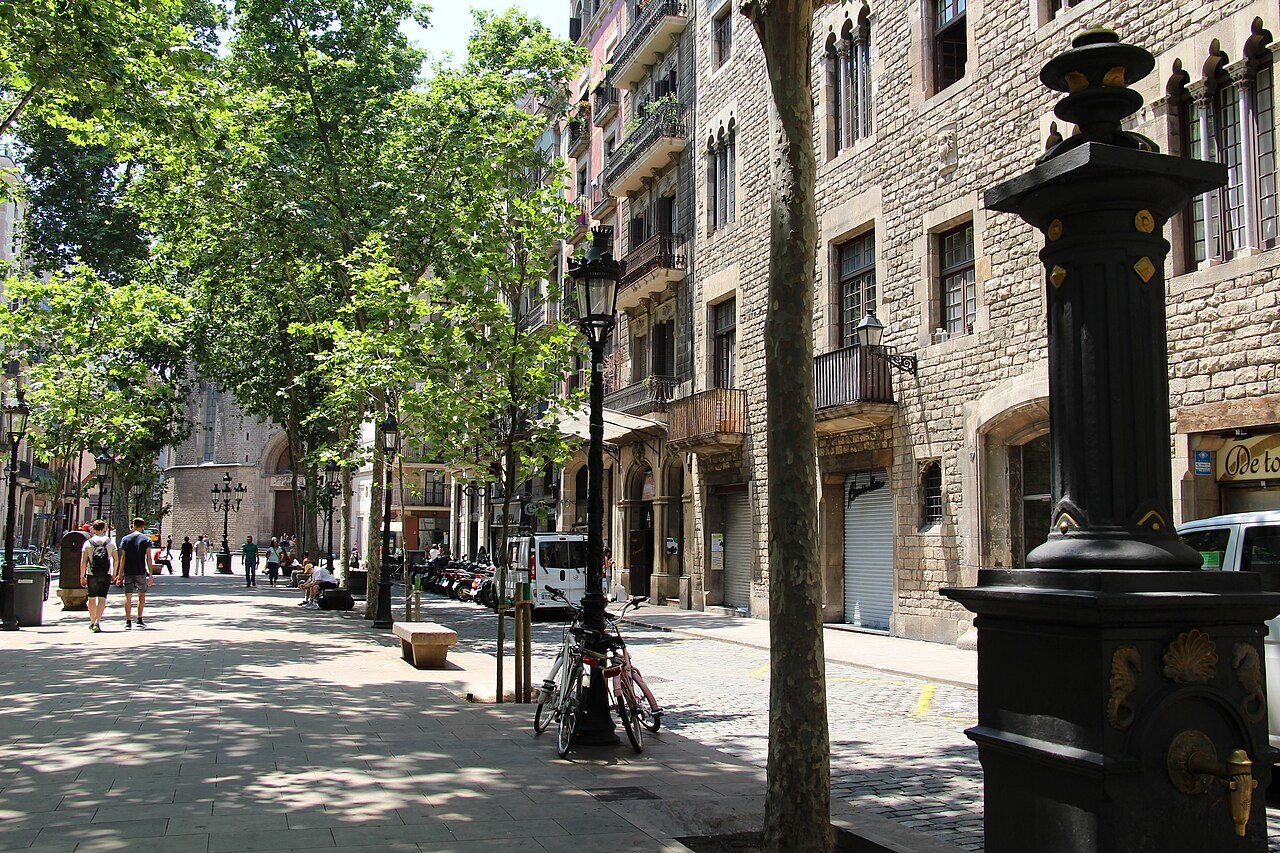
Photo credits: Wikimedia Commons contributors Kippelboy, Enric, Francesco Bini, Pere López, Ardfern and Robert Rutkowski, via Wikimedia Commons (CC BY / CC BY-SA).




One Comment