Barcelona in March: 12 Things to Do, From the Sweetest Festival to Holy Week
March is the month Barcelona changes gear. The quiet winter city of January and February is still there — the monuments are walk-in for most of the month, the light lengthening by minutes a day — but the calendar starts throwing parties in every direction. A hundred thousand tech delegates descend for the Mobile World Congress, then hand the streets to a festival where the crowd is showered with tonnes of sweets. Thirty-seven thousand runners take over the avenues for the marathon. Down in Valencia, the Fallas build to the night everything burns. The peach orchards of the Segrià turn a horizon pink, the calçot grills fire up for their last month, and then Holy Week slows the city down again: palms in the squares, gilded pasos in the Gothic Quarter, a four-day Easter weekend to finish.
The month is really three months in one. The first week belongs to the congress and Sant Medir, and it is the priciest hotel week of the year. The middle is the connoisseur’s stretch — marathon Sunday, blossom, the last calçotades, Gaudí’s sights still in their winter calm — at the spring’s softest rates. And the final week is spoken for: Palm Sunday opens Holy Week on 21 March, Good Friday and Easter Monday are both public holidays, and the city empties and fills in the great Easter exchange. One day out of the city earns its place in any of these versions: the Tarragona and Sitges day trip from Barcelona, because Roman Tarraco in the March sun, with Sitges quiet after carnival, is the south coast at its best. These are the twelve things to do in Barcelona in March, in calendar order — sweets first, candles last.
The Short Version
- Mobile World Congress week (1–4 Mar): the city’s fullest hotels and, by day, its emptiest monuments — play it right and it works for you (§1).
- Sant Medir (3 Mar): Gràcia’s sweet festival, where the parade throws tonnes of caramels (§2).
- Free-museum Sunday (7 Mar): the month’s first Sunday opens the big museums free, in the calm before marathon weekend (§3).
- The Barcelona Marathon (Sun 14 Mar): 37,000 runners on one of the world’s fastest courses — run it, or cheer it (§4).
- Las Fallas day trip (15–19 Mar): Valencia’s week of fire, a short train ride away, ending in the cremà on the 19th (§5).
- Sant Josep (19 Mar): Father’s Day, Catalan style — which mostly means crema catalana (§6).
- Peach blossom at Aitona (mid-Mar): the Segrià’s orchards turn the horizon pink for a fortnight (§7).
- The last calçotades: March is the calçot season’s farewell — eat one before the grills go quiet (§8).
- The Gaudí sights in their last quiet weeks: summer’s monuments at winter crowd levels, until Easter (§9).
- Roman Tarragona: a day among amphitheatres and aqueducts an hour down the coast (§10).
- Spring in the gardens (from 20 Mar): the equinox, the Laberint’s maze, Montjuïc in first green (§11).
- Holy Week (21–28 Mar): palms, pasos and the long Easter weekend (§12).
Barcelona Weather in March
March is where Barcelona’s year tips from winter into spring. Daytime highs average around 17–18 °C (63–64 °F) — proper T-shirt afternoons by the end of the month — and overnight lows sit around 9 °C (48 °F), so evenings still want a jacket. It is a touch wetter than February on paper — roughly 35 mm of rain over four or five days — but the rain arrives in short, dramatic showers rather than settled grey. The real story, as in February, is the light, only now it accelerates: the day stretches from about eleven and a half hours to nearly thirteen, and sunset drifts from around 18:45 to past 20:15, because on Sunday 28 March the clocks go forward and the city gains its long spring evenings in a single night. The Mediterranean is still cold — around 14 °C (57 °F). Pack layers you can shed at midday, a jacket for evenings, and one warm layer for procession-watching after dark. The full month-by-month picture is in our guide to the best time to visit Barcelona.
12 Things to Do in Barcelona in March
Contents
- 1. Play Mobile World Congress Week to Your Advantage (1–4 March)
- 2. Get Showered in Sweets at Sant Medir (3 March)
- 3. Use the Free-Museum Sunday: 7 March
- 4. Run — or Cheer — the Barcelona Marathon (14 March)
- 5. Take the Train to Valencia for Las Fallas (15–19 March)
- 6. Eat Crema Catalana for Sant Josep, Father’s Day (19 March)
- 7. See the Peach Blossom at Aitona (Mid-March)
- 8. Eat the Season’s Last Calçotada
- 9. See the Gaudí Sights in Their Last Quiet Weeks
- 10. Take a Day Trip to Roman Tarragona
- 11. Welcome Spring in the City’s Gardens (From 20 March)
- 12. Do Holy Week the Barcelona Way (21–28 March)
1. Play Mobile World Congress Week to Your Advantage (1–4 March)
For four days at the start of March, Barcelona hosts the biggest event in the mobile industry’s calendar — and if you are not in the mobile industry, your job is simply to surf it. Mobile World Congress runs from Monday 1 to Thursday 4 March 2027 at Fira Gran Via, over the river in L’Hospitalet, with its start-up sibling 4YFN at Fira Montjuïc (dates confirmed by the GSMA, the show’s organiser; the 2026 edition drew around 105,000 attendees). Its effects on a visitor are double-edged and predictable. On the debit side: this is the most expensive hotel week of Barcelona’s year, rooms priced for expense accounts, the best Eixample tables booked out at delegate dinners. Book late and you will pay congress prices for an ordinary room, or find the centre sold out.
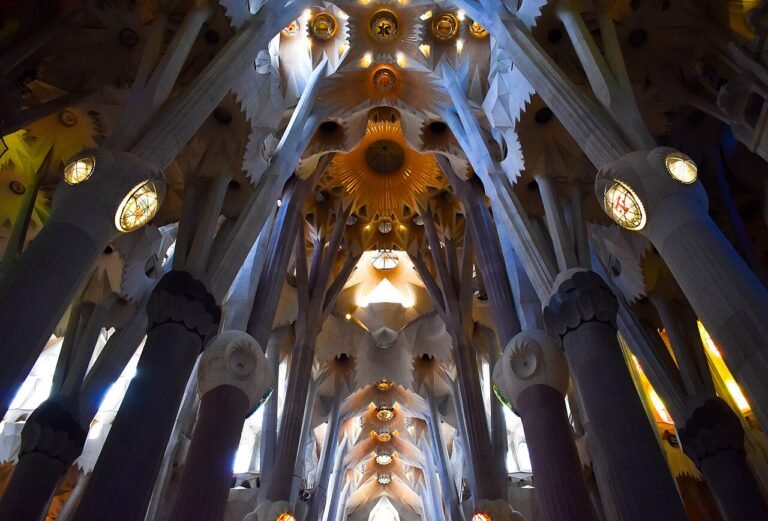
On the credit side is a quirk most visitors never notice: while a hundred thousand delegates are indoors looking at phones, the city’s sights are deserted. The Sagrada Família on a congress Tuesday is a different building from the same basilica in Easter week — slots open at civilised hours, the nave nearly hushed — and the same goes for the Gaudí houses, the museums and the old town’s lanes, all at their quietest since February. If your dates are flexible, slide to the second week and let the congress go home. If they are not — if 1–4 March is your window — lean in: book the hotel months ahead or stay where the delegates do not, sightsee hard while the monuments are empty, and eat early. Either way, do not blunder into this week unbooked: it is the one week of the spring when Barcelona does not forgive improvisation.
2. Get Showered in Sweets at Sant Medir (3 March)
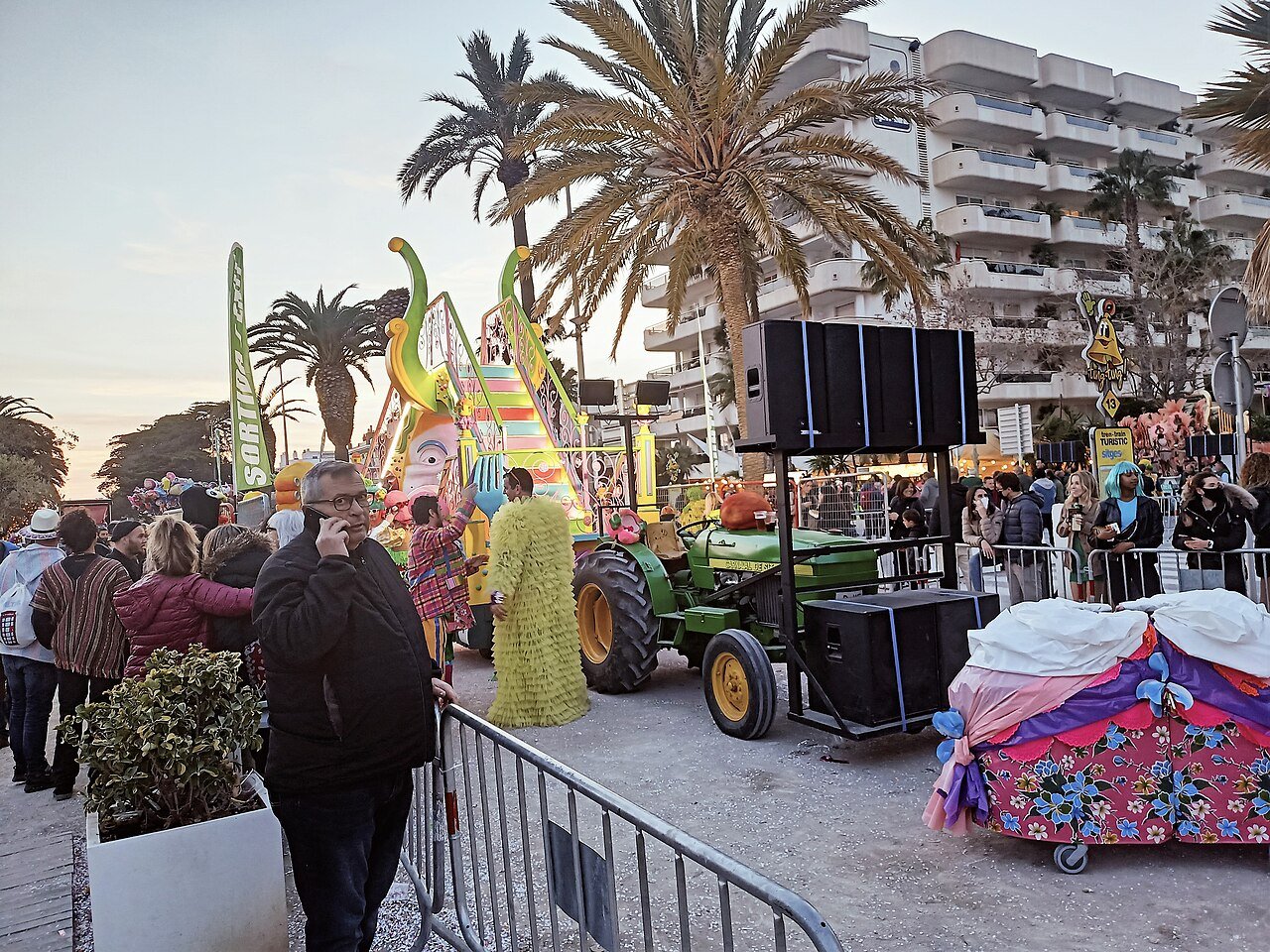
On Wednesday 3 March, Barcelona holds the most cheerful festival in its calendar — the one the locals call, without any argument, la festa més dolça: the sweetest festival. Sant Medir belongs to Gràcia, and its mechanics are simple and glorious. Through the day, the neighbourhood’s colles — some twenty to thirty clubs of neighbours and mounted riders — parade their decorated horses, carriages and floats, and from every float they throw sweets. Not a handful: tonnes of them, wrapped caramels by the kilo, raining onto the pavements all day. The usual estimate runs to some sixty tonnes in a single day, and the crowd comes prepared like nowhere else on earth — carrier bags open, pockets ready, and, in the festival’s signature move, umbrellas turned upside down to trawl the air for candy.
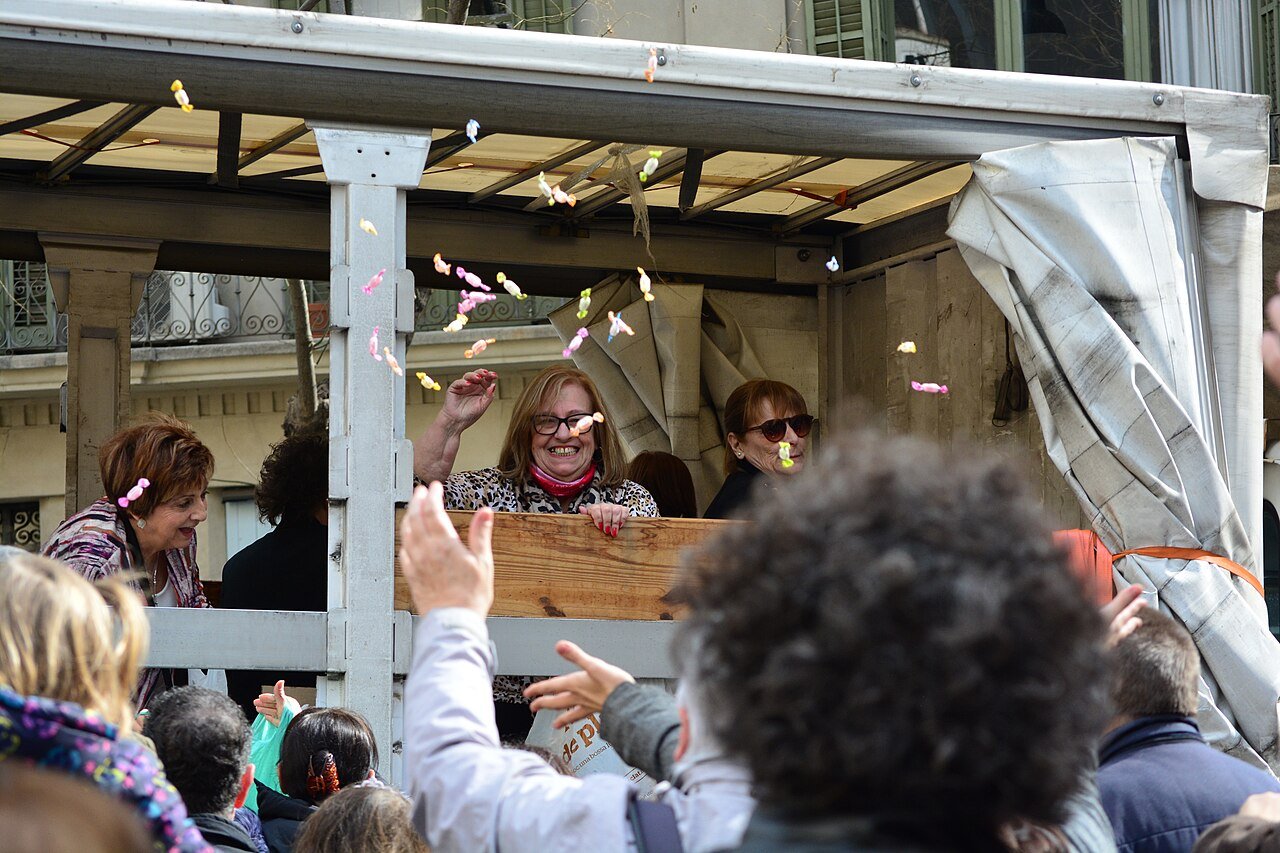
The day has a shape. The colles parade their own routes through the morning — the school-run hours, when classes line the pavements — then ride out in pilgrimage to the little Ermita de Sant Medir, the saint’s hermitage in the Collserola hills. In the evening, from around 19:30, everyone converges for the grand procession: the full cavalcade rides down Gran de Gràcia to the Jardinets at its foot, in a blizzard of thrown sweets, before fireworks close the night. The legend underneath it is pure Barcelona: a Gràcia baker, Josep Vidal i Granés, desperately ill in 1830, vowed to ride to the hermitage every year if the saint cured him; he recovered, kept the vow, and announced his pilgrimage by banging a drum and handing out beans — which over the years became sweets. Practicalities: the 3rd is an ordinary working day (the festival refuses to move for weekends), the pavements afterwards are famously sticky — wear shoes you do not love — and it rains often enough that locals joke the saint orders it. Sarrià keeps its own Sant Medir the same day, and La Bordeta holds a final morning parade on the Sunday after, 7 March. If you do one neighbourhood festival in Barcelona this year, make it this one.
3. Use the Free-Museum Sunday: 7 March
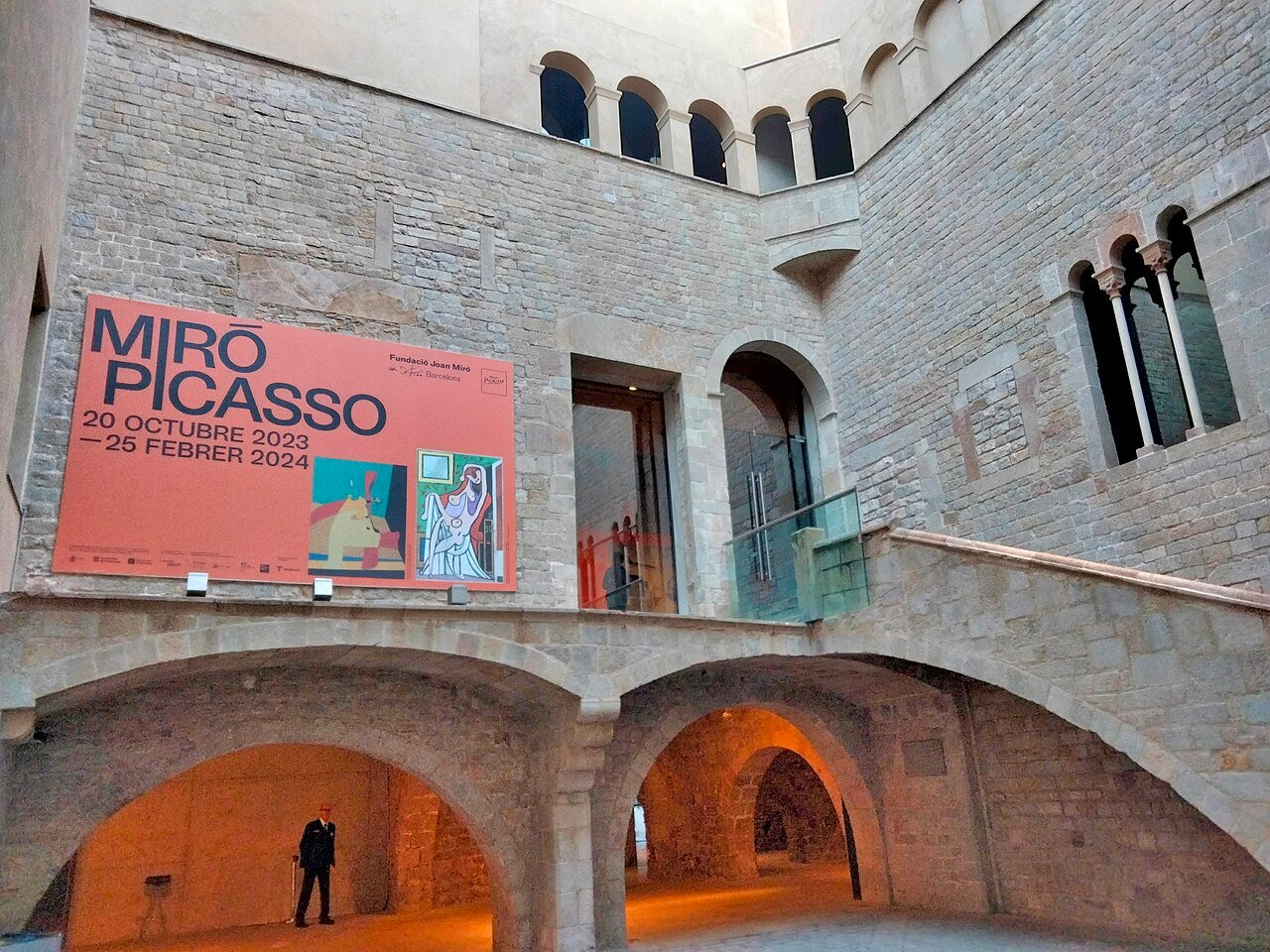
March’s first Sunday falls on 7 March 2027, and it is the sweet spot of the museum calendar: the congress crowds have flown home, the marathon is still a week away, and many of Barcelona’s biggest museums open free on the first Sunday of the month to a city that has not yet woken up to spring. The Museu Picasso is the one to build the day around — five Gothic palaces on Carrer de Montcada holding the world’s best collection of the artist’s early work; our Museu Picasso guide walks the collection room by room. Free first-Sunday entry is claimed online in advance and the slots go, so book the moment they are released. Up on Montjuïc, the Museu Nacional d’Art de Catalunya (MNAC) runs the same first-Sunday pattern — a thousand years of Catalan art under the Palau Nacional’s dome, with the terrace view as the free bonus.
The tactic from January and February still holds, with a March refinement: pick one big museum for the morning, arrive at opening, and spend the rest of the day in its neighbourhood — the Born’s lanes and the basilica of Santa Maria del Mar after the Picasso; the Montjuïc gardens, just greening, after the MNAC. Plenty of municipal museums also open free on Sunday afternoons, which stretches the trick across every Sunday of your trip — including, neatly, marathon weekend and Palm Sunday, when everyone else is watching something else. The full list of the city’s no-cost wins is in our guide to free things to do in Barcelona.
4. Run — or Cheer — the Barcelona Marathon (14 March)
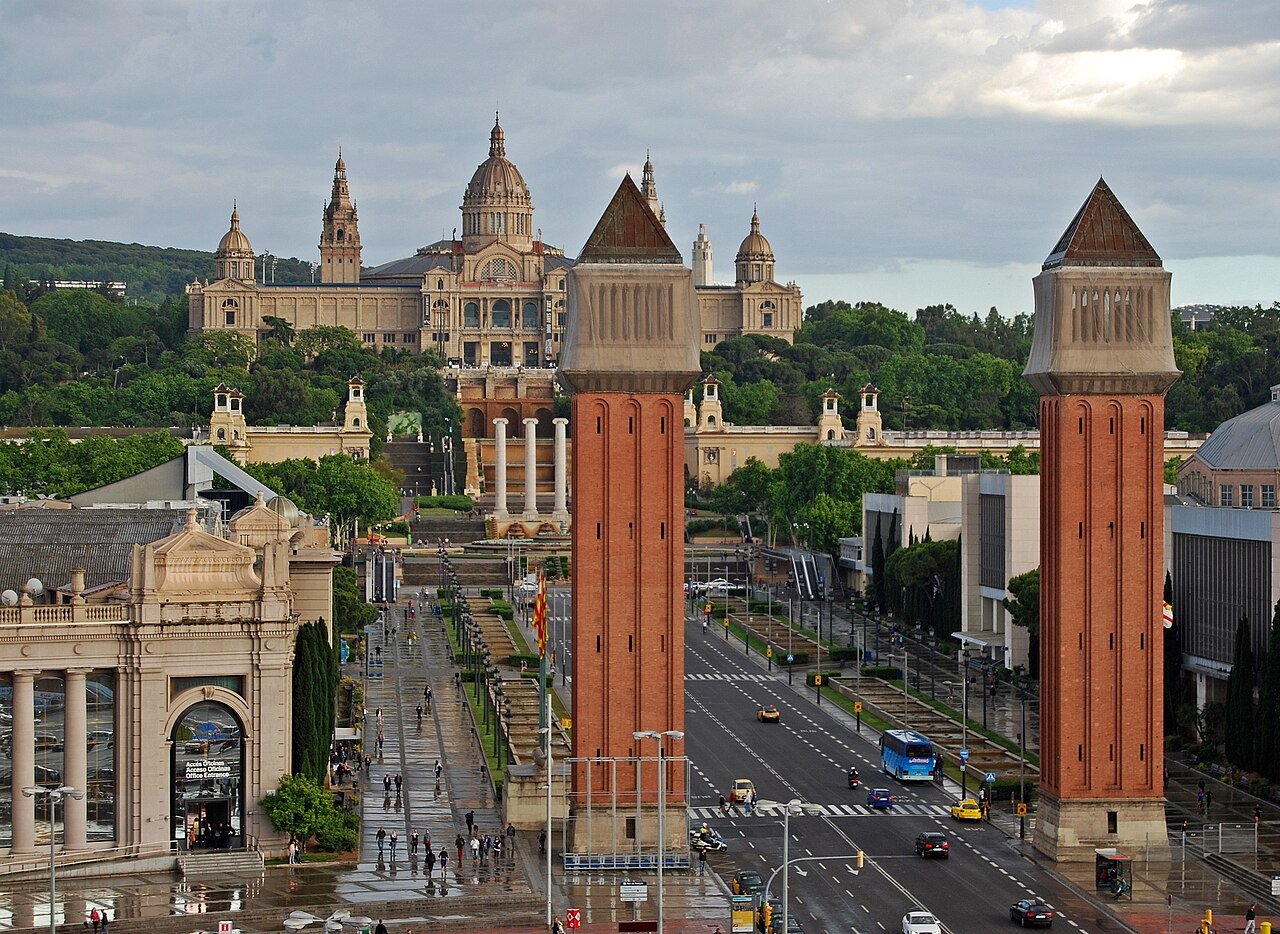
A fortnight after the half marathon’s February warm-up act, the main event arrives: on Sunday 14 March 2027, the Zurich Marató de Barcelona runs its 48th edition through the heart of the city. The organisers have raised the field to 37,000 bibs for 2027, and the race is one of the fastest on the planet — a flat, wide-avenued circuit whose combined elite times rank it among the quickest marathon courses in history, in the company of Berlin and Chicago. It starts and finishes on Avinguda Reina Maria Cristina below Montjuïc, between the Venetian Towers and the Magic Fountain, and it starts early — 08:30, in the March morning light — before looping past the Sagrada Família, up to the Arc de Triomf, along the seafront and back through the Eixample, with half the city on the pavements making noise.
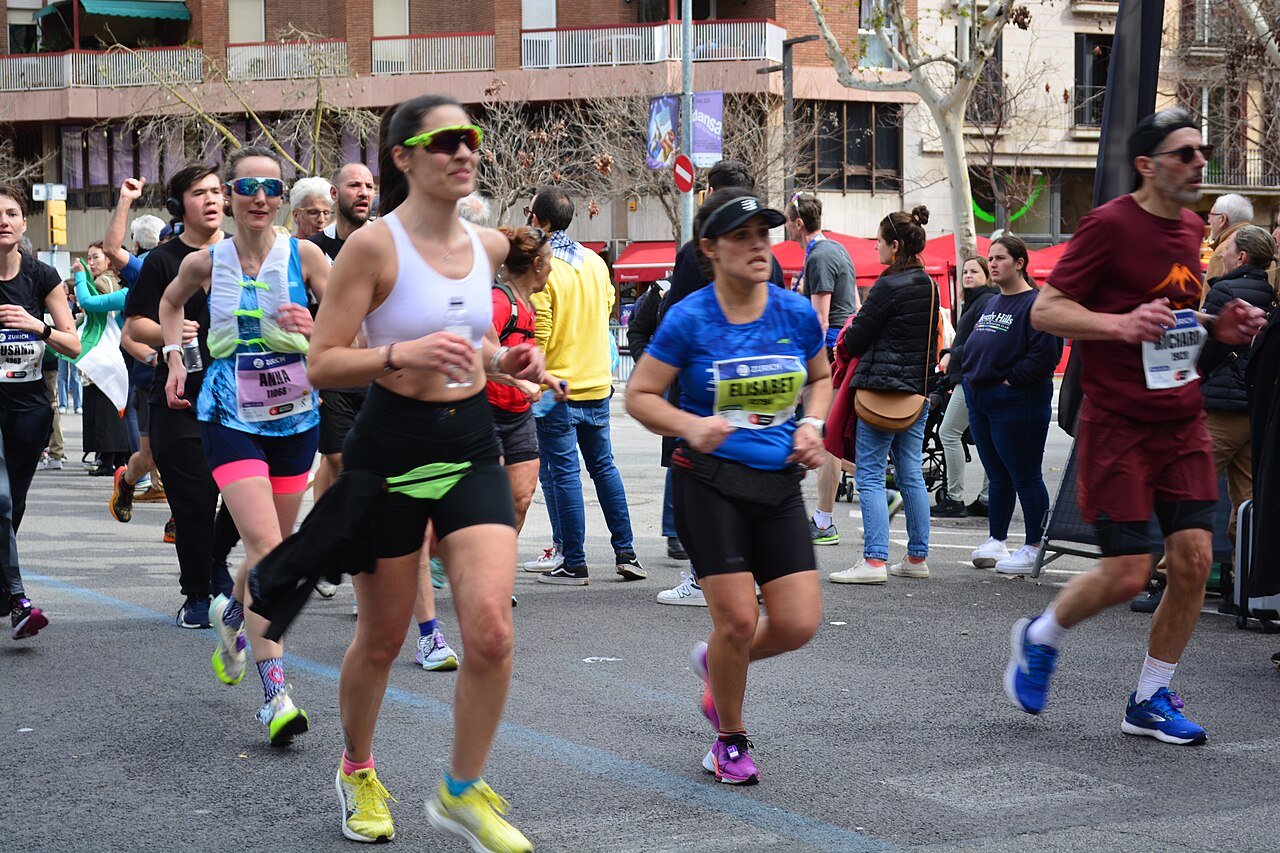
Entries opened back in April 2026 and Barcelona’s bibs have a habit of disappearing (⚠ check the official race site for what remains, and use only the organisers’ official channels — never a stranger’s screenshot). Running it is the obvious way in, but spectating is a genuine pleasure and costs nothing: claim a barrier early on the start avenue, move to the Arc de Triomf or the Sagrada Família stretch for the fast middle kilometres, and be back at Maria Cristina for the finish, where the fountain, the towers and thirty-seven thousand small victories make the best free show of the spring. Practical notes mirror February’s: much of the centre is closed to traffic on race morning, and the metro is the only sane way to move.
5. Take the Train to Valencia for Las Fallas (15–19 March)
Ninety minutes south, Spain’s loudest festival reaches its climax in mid-March — and from Barcelona it is close enough to raid. Las Fallas fills Valencia from 1 March, but the week that matters runs Monday 15 to Friday 19 March 2027: five days in which hundreds of falla monuments — giant, satirical sculptures built by neighbourhood commissions over a whole year — stand on the city’s corners. The rhythm is fixed and wonderful. Every day at 14:00 the mascletà shakes the Plaça de l’Ajuntament, a five-minute earthquake of firecrackers. On the 15th the plantà completes the monuments; on the 17th and 18th the Ofrenda builds a vast cloak of flowers for the Virgin from the dresses and bouquets of tens of thousands of falleras; and on the night of the 19th comes the cremà — the burning — when every monument in the city is put to the torch, the children’s fallas first, the great ones around midnight, under the hoses of the bomberos. UNESCO lists the whole beautiful madness as Intangible Cultural Heritage of Humanity, and it honours Sant Josep, patron of carpenters — which is why it ends on his feast day, the 19th.
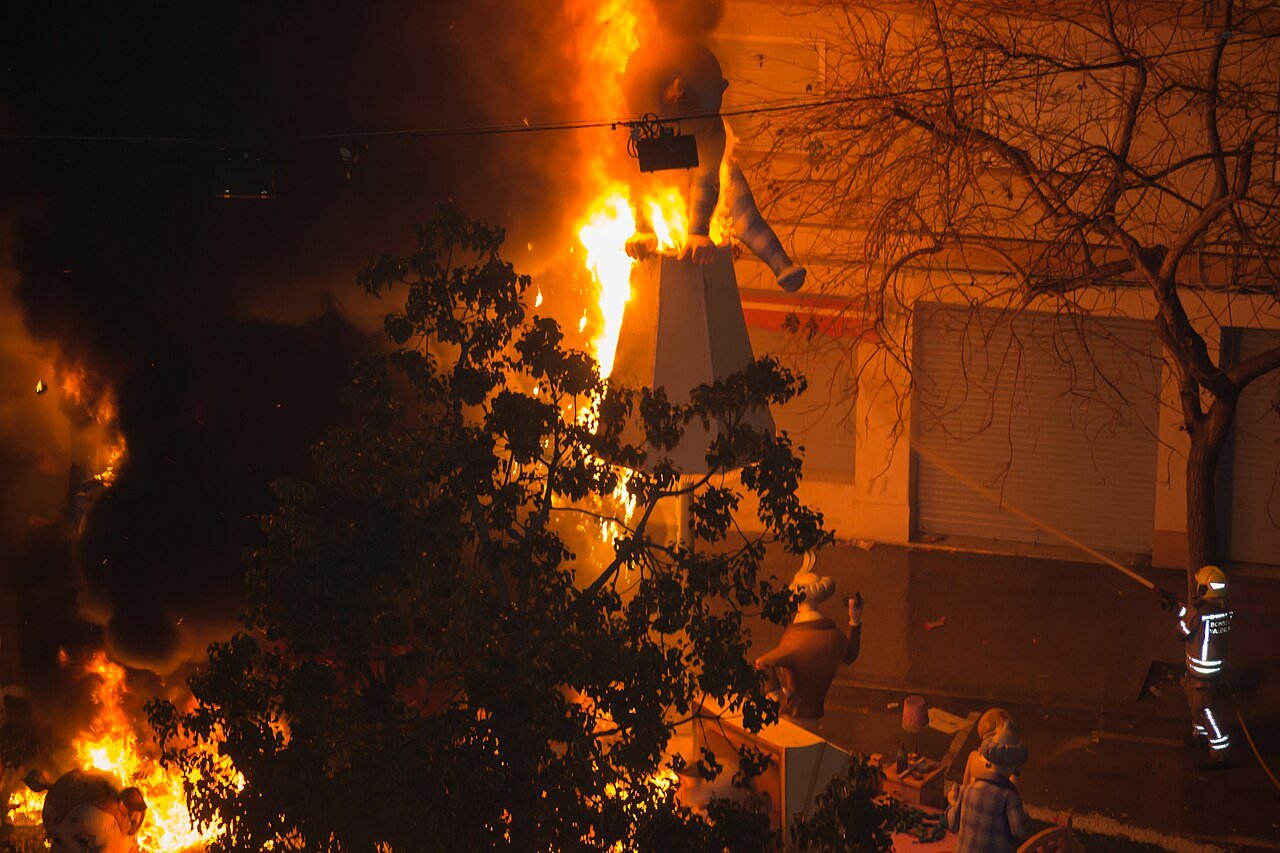
From Barcelona the doing is easy by train: services from Sants to València Joaquín Sorolla take a little under three hours on the fastest runs. The honest question is which Fallas you want. A long day trip gets you the mascletà at 14:00, an afternoon among the monuments at their finished best, and the Nit del Foc fireworks on the night of the 18th if you stay late — and you still sleep in Barcelona. The cremà itself, on the night of Friday 19 March, really asks for a bed in Valencia: the fires peak around midnight and the trains thin out; book that night’s room early, because half of Spain has the same idea. Our Las Fallas festival guide has the full street-by-street breakdown. Earplugs are not a joke, and if you only ever see one Spanish festival at full volume, this is the one that argues hardest.
6. Eat Crema Catalana for Sant Josep, Father’s Day (19 March)
Friday 19 March is Sant Josep — Saint Joseph’s day — and across Spain it doubles as el Día del Padre, Father’s Day, fixed here not by a card company but by the calendar of saints. Barcelona marks it quietly: the 19th is pointedly not a public holiday in Catalonia in 2027 — the city works, the shops open, the schools run — while down in Valencia the same saint’s day closes the Fallas in fire. What Barcelona does instead is eat. The day has a dessert, and the dessert is a classic: crema de Sant Josep, known everywhere else as crema catalana — by tradition the first custard of spring: milk, egg yolks, sugar, cinnamon and lemon, set in an earthenware dish and crowned at the last moment with a crust of caramelised sugar. For one day a year it is not just on the menu; it is the menu’s point.
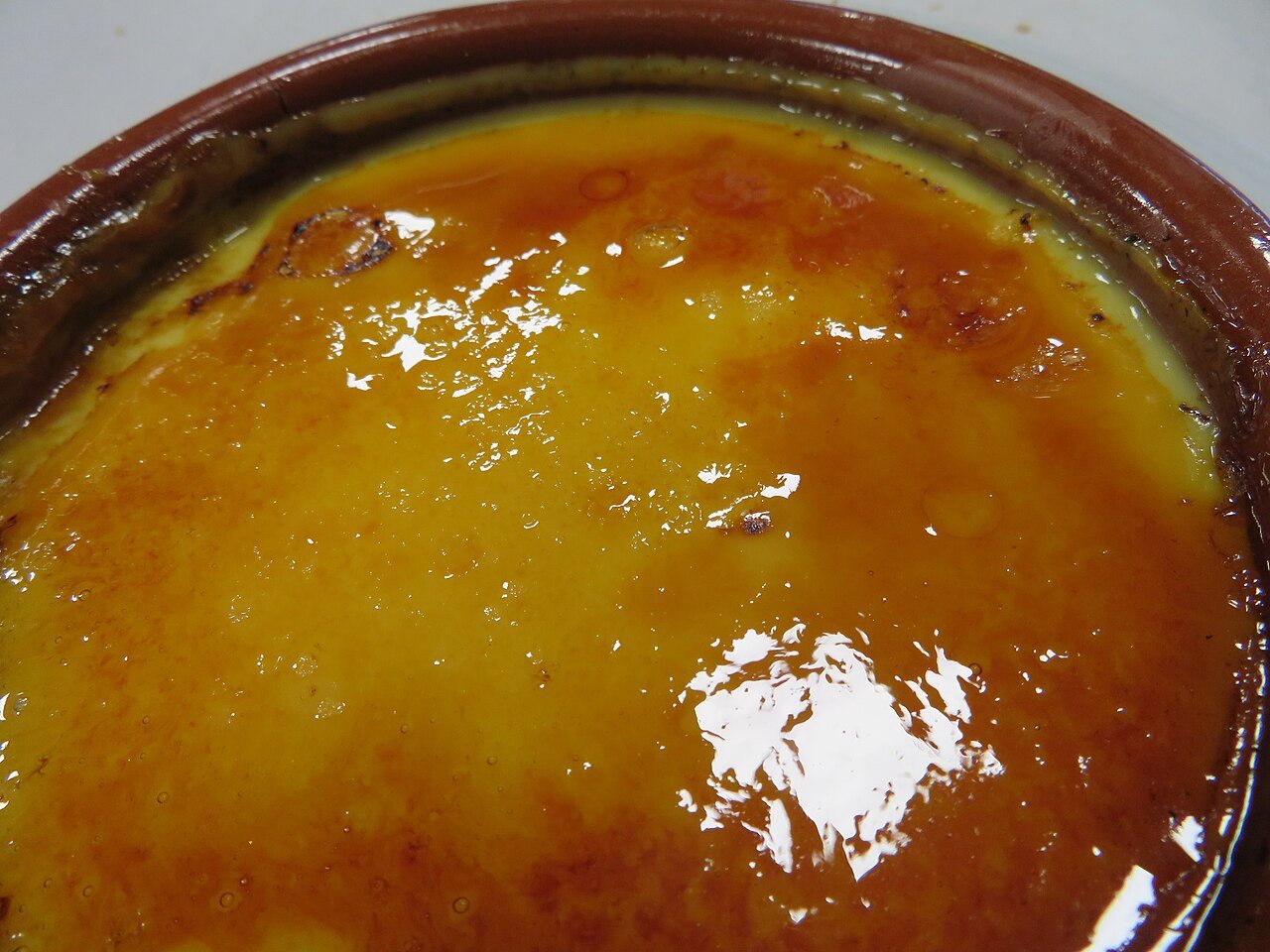
So do Sant Josep the local way. Order the crema where lunch is longest — any neighbourhood restaurant worth its menu del día will have it on the 19th, flagged as the day’s own — or buy it from a pastisseria on Carrer de Petritxol, the old town’s chocolate street, where the xurrerias serve it with their churros. Crack the crust with the back of the spoon, which is the entire ceremony, and know you are eating the dessert Catalonia invented centuries before France made its brûlée famous — a claim the Catalans will defend at length, ideally over a second crema. A quiet Friday of fathers, Josés and perfect custard is exactly the pace March sometimes needs.
7. See the Peach Blossom at Aitona (Mid-March)
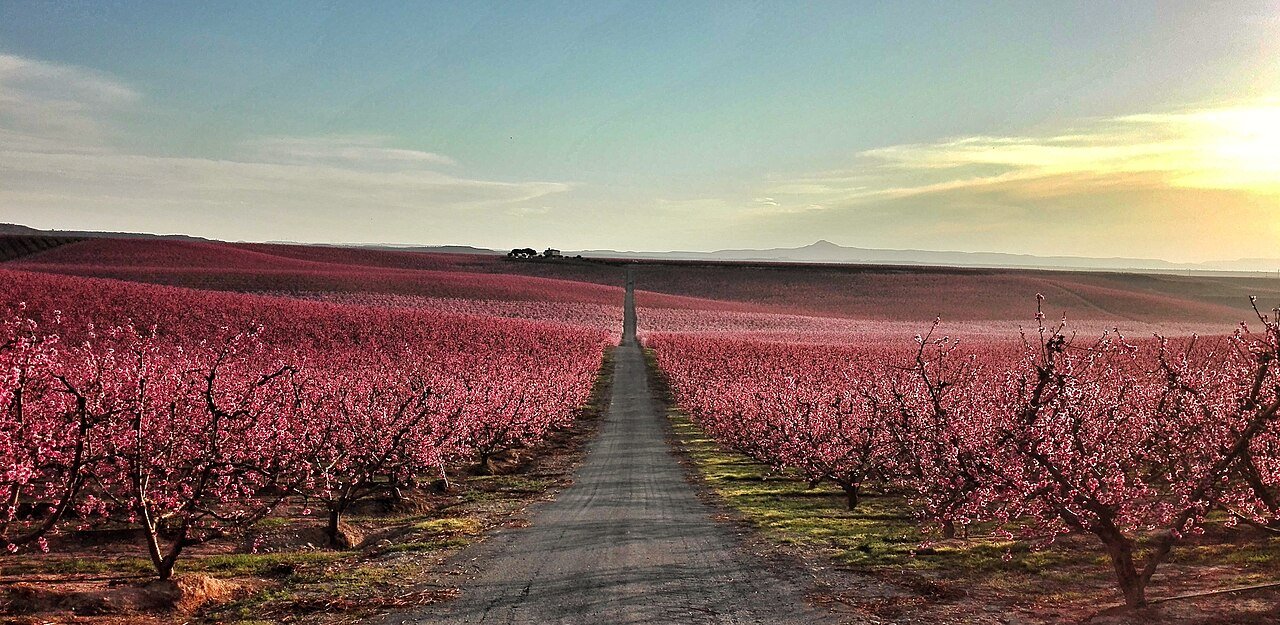
February had the almond blossom; March answers with something bigger, pinker and altogether more theatrical. Two hours west of Barcelona, in the Segrià plain around the village of Aitona, thousands of hectares of peach, nectarine and flat-peach orchards come into flower at once, and for a short season the whole agricultural horizon turns a single saturated pink. Catalans call it the floració, and in a decade it has grown from a farmers’ commonplace into one of spring’s great small spectacles: the village’s Fruiturisme programme runs guided walks and cycle routes through the blossom, viewpoint stops above the sea of pink, tastings, even balloon flights over it, drawing tens of thousands of visitors to a working landscape that still, first of all, grows fruit. It lasts a couple of weeks, it is free to look at, and on a clear March morning, with the sun low and the river mist burning off the rows, it is as beautiful as anything in this guide.
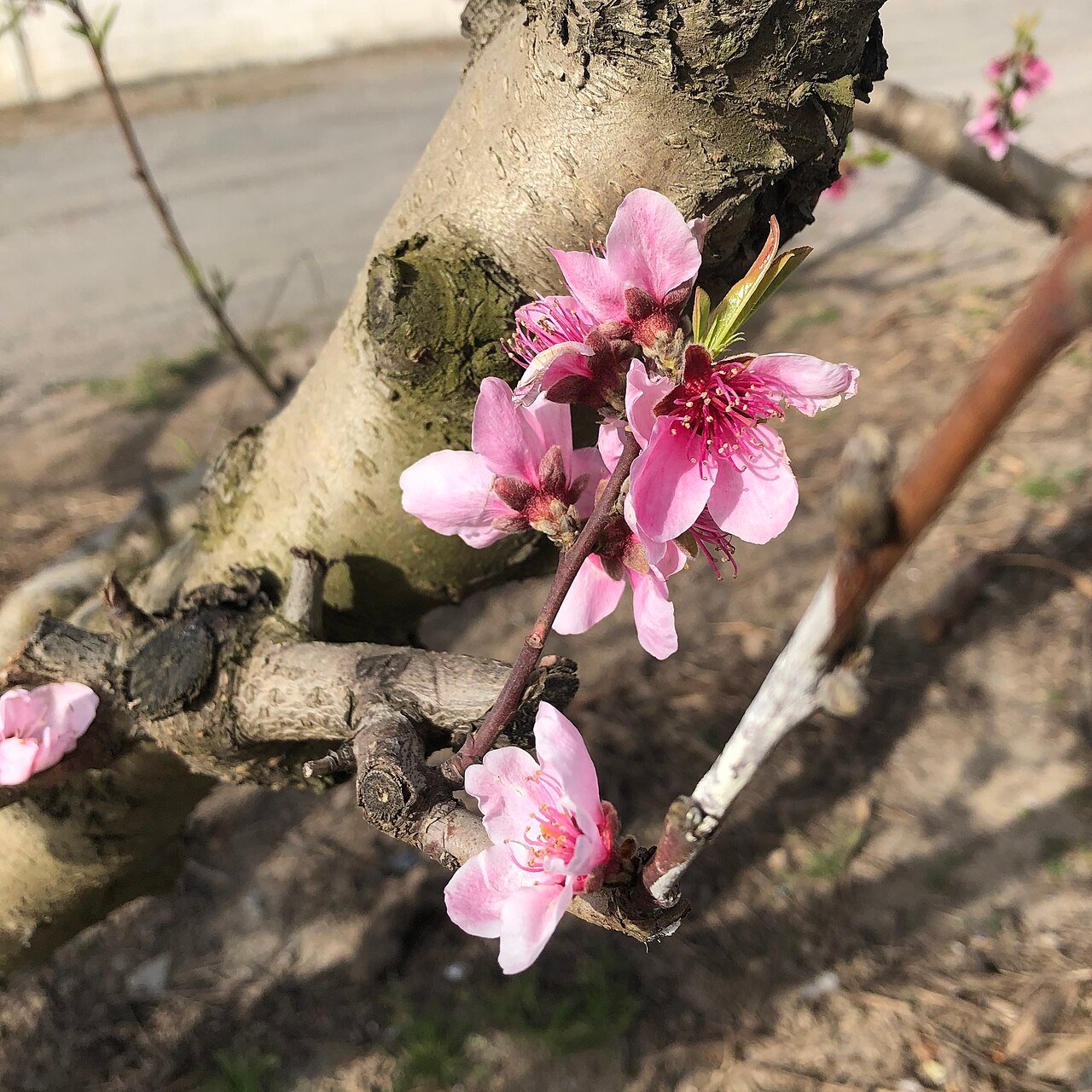
⚠ Blossom answers to weather, not to calendars: the peak follows the winter’s cold and shifts by a week or more either way — in recent seasons the viewing window has run through roughly the middle three weeks of March — so check Fruiturisme’s reports the week you travel and treat any fixed date, including ours, as an aim rather than a promise. The practicalities reward a little planning. Aitona is about two hours’ drive from Barcelona (the train gets you to Lleida, still a local hop short), the orchards are private farms rather than a park, and the guided routes are booked ahead through Fruiturisme — the etiquette is to walk the marked paths, not the rows. Go on a weekday if you can: the blossom weekends fill the village lanes with half of Lleida province doing exactly what you are doing. Pair it with a slow lunch in Aitona or Lleida city, twenty minutes back down the road.
8. Eat the Season’s Last Calçotada
All winter this series has sent you to the grill; March is where the story ends, so eat the finale properly. The calçot season — those long, sweet, earth-mounded spring onions, blackened over open flames, steamed in newspaper, peeled with the fingers and drowned in romesco — runs from the late autumn, but by March it is in its last full month: the community calçotades thin out, the masia restaurants of the Collserola hills begin winding their calçot menus down, and once Holy Week arrives the grills go quiet until November. What March loses in peak sweetness it repays in everything else: the weather for the ritual is now reliably on your side — long, mild afternoons built for trestle tables in the sun.

The mechanics are the ones February taught you, with one change of emphasis: book now, and book the Sunday. Farmhouse restaurants in the hills and grill houses in town serve the full sequence — calçots by the tile, then grilled meats, beans and artichokes, the porró making its rounds — typically around €30–45 a head (⚠ typical published ranges, not a fixed price — every house sets its own), and the last weekends fill as fast as the first, because every Barcelonan who has been meaning to go since January has the same deadline you do. Wear forgiving clothes, skip the white shirt, and treat it as what it is: not a repeat of February’s item but its closing ceremony. Miss March and the next calçot of the year is eight months away.
9. See the Gaudí Sights in Their Last Quiet Weeks
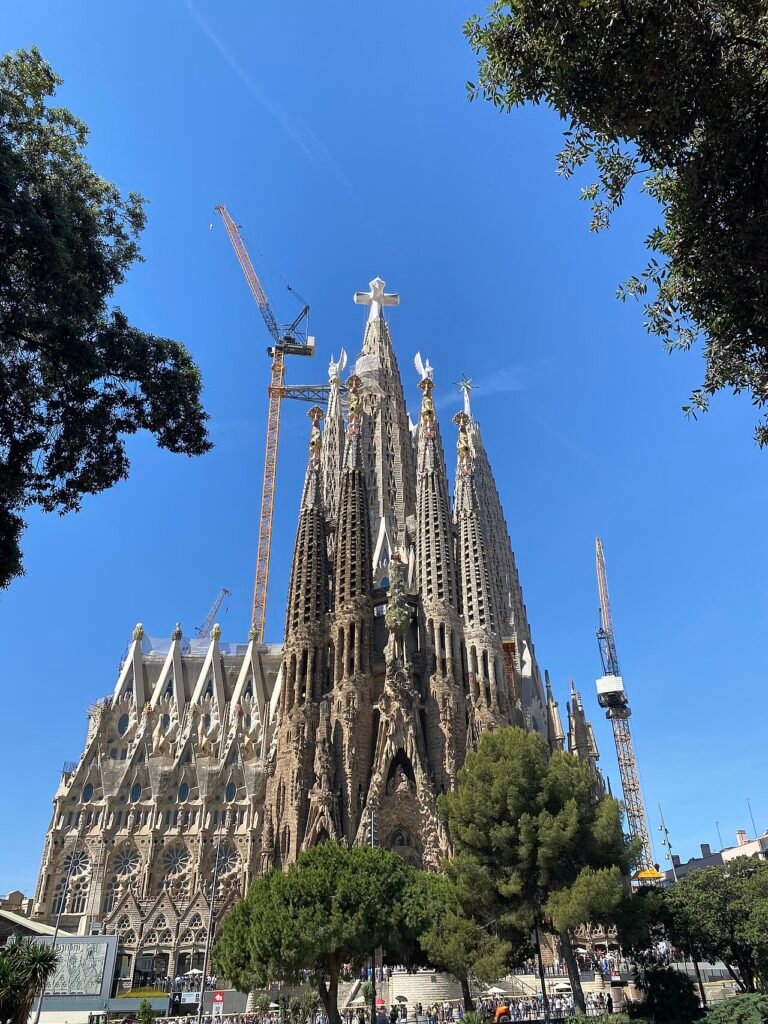
March holds a distinction April will take away: it is the last month in which Barcelona’s great sights still run at winter crowd levels — and even that is only true of its first three weeks. The Sagrada Família in early March is the building at its most merciful: timed tickets bookable at decent hours, space to stand back in the nave, and a sun now high enough to fire the eastern glass deep into the morning and the western glass from mid-afternoon. The full room-by-room picture is in our guide to inside the Sagrada Família. Park Güell runs the same way — the Monumental Zone (€18 at the official 2026 price, reductions for children and seniors, under-7s free with a ticket) bookable at short notice, El Drac’s staircase a photograph rather than a queue, the terrace shared with hundreds rather than thousands; our Park Güell guide covers the whole hill.

The warning is written into the month’s own calendar, and it is the reverse of February’s: March starts quiet and ends at the season’s first peak. The marathon weekend brings its forty thousand visitors, and Holy Week — 21 to 28 March, with the holiday weekend of 26–29 — is when the tour buses return in earnest, the best ticket slots go days ahead, and the city steps up into its high-season rhythm for good. So front-load the monuments: do the big three in the first fortnight if your dates allow, book the Sagrada Família and Park Güell online ahead, and if your trip is Holy Week itself, accept the crowds as the price of the processions — you are here for §12 anyway. Savour it while it lasts: in March, Barcelona still lets you choose your hour at Gaudí’s table; from Easter onwards, the table chooses you.
10. Take a Day Trip to Roman Tarragona
If March gives you a clear day and itchy feet, spend it an hour south, in the city the Romans built to rule Spain. Tarragona was Tarraco, capital of the largest province in Hispania, and its bones are still the best Roman day out in Catalonia: an amphitheatre carved into the slope above the sea, where gladiators fought with the Mediterranean as their backdrop; a circus whose vaulted galleries run under the old town’s streets; the provincial forum, walls you can walk, and, a short way out of town, the Pont del Diable — the Devil’s Bridge — a two-tiered aqueduct striding across a wooded valley, free to walk across. UNESCO lists the whole ensemble. March is when to see it: the ruins empty, the light hard and kind, the old town locals-only quiet, and lunch on a terrace in the sun rather than in a queue.
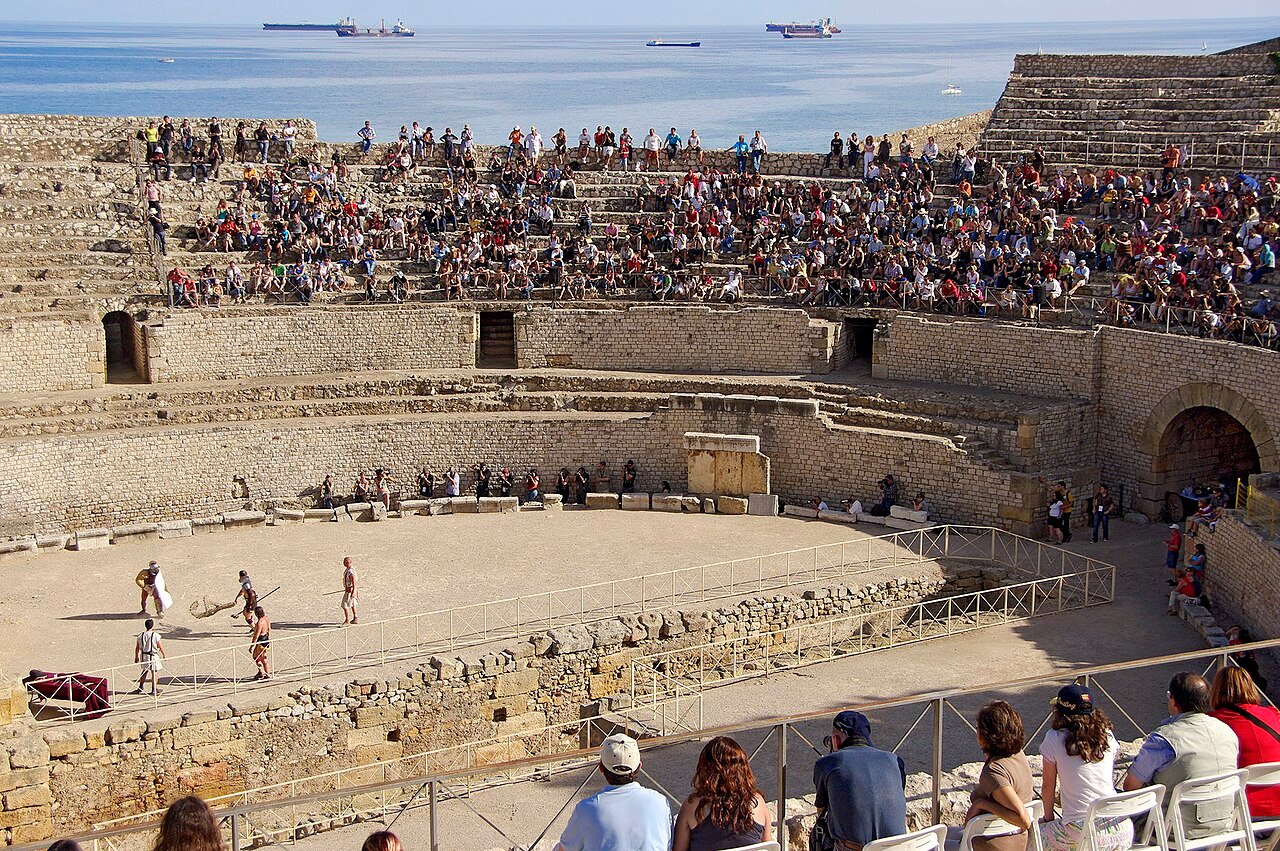
The doing is easy either way. Trains from Barcelona Sants reach Tarragona in under an hour on the regional services, and our day trips from Barcelona guide sets out the whole coast of options. The easy way to add the shore is the trip built for it: the Tarragona and Sitges small-group tour — a 10-hour day with hotel pickup that walks Tarragona’s Roman circuit with a guide — aqueduct, walls, circus, amphitheatre — then runs up the Garraf coast to Sitges for the afternoon, rated 4.8 out of 5 across 604 reviews. Sitges in March is the town with its breath back: carnival a month behind it, the modernista mansions and the Maricel museum open, the church of Sant Bartomeu on its rock above an empty, shining beach. Romans in the morning, modernistas after lunch, home by dinner.
11. Welcome Spring in the City’s Gardens (From 20 March)
On Saturday 20 March, at the equinox, spring officially starts — and Barcelona, which has been rehearsing for weeks, marks it the only way that matters: outdoors. This is the weekend for the city’s gardens, and the crown of them is the one most visitors never reach. The Parc del Laberint d’Horta, up in the city’s northern hills, is Barcelona’s oldest garden — laid out from 1791 for the Desvalls family — and its heart is a true labyrinth of clipped cypress, a hectare of green corridors with Eros waiting at the centre, ringed by terraces, pavilions and waterfalls. Entry is capped each day to protect the hedges, which keeps it hushed even on sunny Sundays; arrive in the morning and get happily lost for the statutory half-hour.
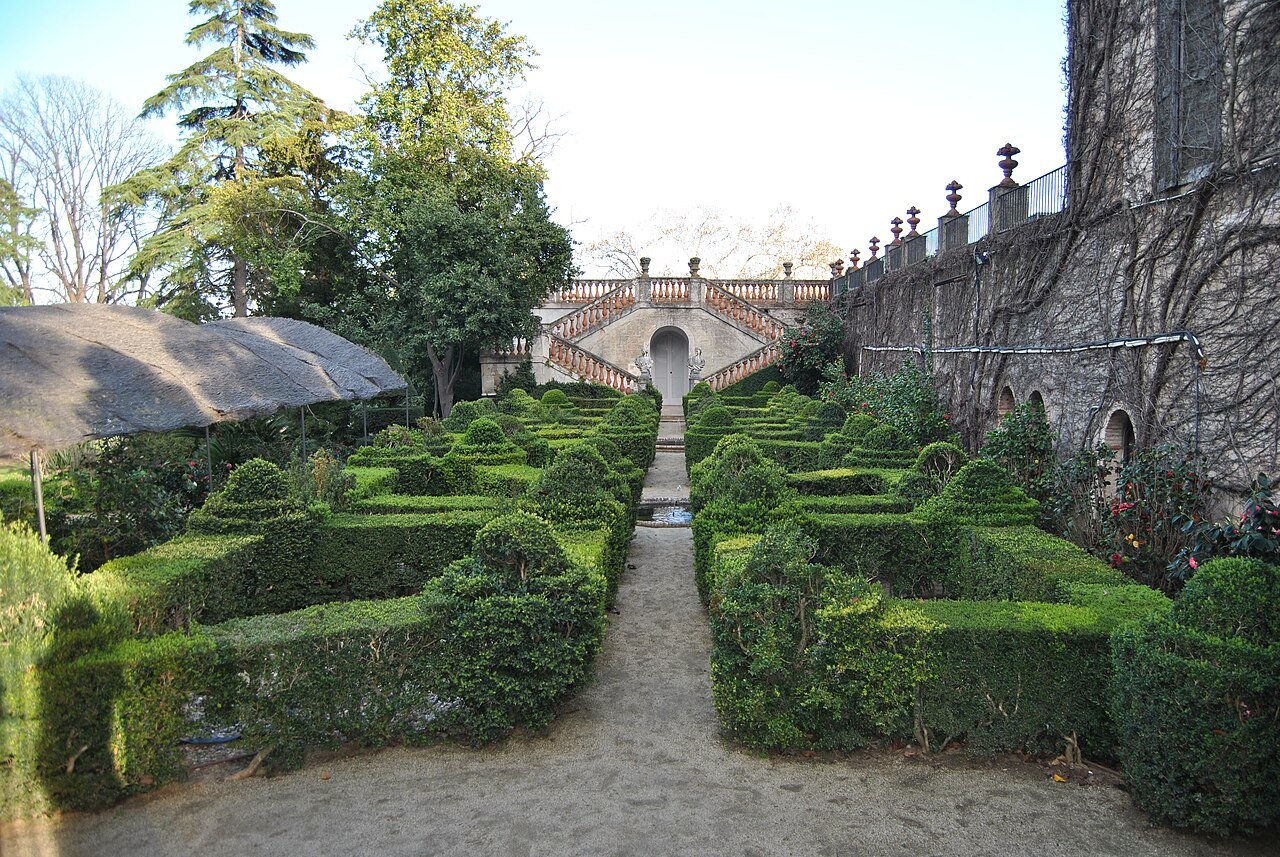
The Laberint is the headliner, not the whole show. On Montjuïc, the cactus garden of Mossèn Costa i Llobera — thousands of desert plants terraced above the port, one of Europe’s strangest, sunniest walks — comes into its own in the March sun, and the hill’s other gardens, Laribal and the Grec theatre gardens among them, are at their fresh, empty best; the Ciutadella is all blossom and rowing boats by now. None of this costs anything but time, which is precisely the point of the month’s hinge weekend: after the congress, the marathon and the fires, a quiet green Saturday is not the absence of a plan. It is the plan.
12. Do Holy Week the Barcelona Way (21–28 March)
The month ends by slowing down. Holy Week — Setmana Santa — runs from Palm Sunday, 21 March, to Easter Sunday, 28 March 2027, and Barcelona keeps it the Catalan way: smaller than Seville’s famous passion, and all the more moving for being a neighbourhood affair. It opens with the palms. In the days before the Sunday, stalls selling palmes and palmoms — bleached, plaited palm leaves — appear around the cathedral and the larger churches, and on Palm Sunday morning the city’s children carry them to be blessed. Then the first paso takes to the streets: the Processó de la Burreta, the little donkey, bearing Christ into Jerusalem from the church of Sant Agustí in the Raval, palms waving over the gilded float; and that evening the Cristo de la Buena Muerte processes from Santa Anna through the Gothic Quarter to La Mercè.

The week deepens as it goes. Maundy Thursday brings the Via Crucis de la Sang through the old town; Good Friday — Divendres Sant, 26 March, a public holiday across Spain — brings the great evening processions around the cathedral, the Dolors and the Jesús del Gran Poder i Macarena brotherhoods carrying their pasos through the Gothic lanes from late afternoon into the night (⚠ the brotherhoods publish each year’s exact times and routes closer to the week — recent editions have run from around 17:00 — so check the city’s Holy Week programme when you arrive, and claim your pavement early). In recent years the Sagrada Família has joined the week in its own idiom, with a free light-and-music show telling the Passion across its Passion façade on Holy Week evenings (⚠ the basilica confirms each year’s dates and format nearer the time). And then the city exhales: Easter Sunday is quiet, half of Barcelona having left in the great operació sortida, and Easter Monday, 29 March — a holiday in Catalonia — belongs to the mona de Pasqua, the chocolate creation godparents present to their godchildren, eaten, by tradition, on a picnic out of the city. Shops close on Good Friday and Easter Monday, the processions are free, and the four-day weekend of 26–29 March is a hotel peak — book it early. And for the grand-scale version, see our Semana Santa in Seville guide.
Which of the 12 Fits Your Trip?
| Your trip | Don’t miss | Also add |
|---|---|---|
| The congress week (1–4 Mar) | The empty monuments while the delegates are indoors (§1) | Sant Medir’s sweet rain on the Wednesday (§2) |
| The festival trip | Sant Medir (§2), the marathon crowds (§4) | The Fallas raid to Valencia (§5) |
| The fire trip | Las Fallas’ big week and the cremà (§5) | Sant Josep’s crema, the saint of the day (§6) |
| The blossom trip | Aitona’s pink horizon (§7) | The city gardens at the equinox (§11) |
| The food trip | The last calçotada of the season (§8) | Crema catalana on its own feast day (§6) |
| The culture trip | The free-museum Sunday (§3) | The Gaudí sights before the Easter crowds (§9) |
| The quiet-city trip | Early-March monuments (§9), the Laberint (§11) | Roman Tarragona on a clear weekday (§10) |
| The Holy Week trip | The Burreta and the Good Friday pasos (§12) | The mona hunt on Easter Monday (§12) |
What March in Barcelona Costs
March contains both the year’s most expensive hotel week and some of its best value — timing is everything:
- Free: Sant Medir (§2), many major museums on the first Sunday, 7 March (§3), marathon spectating (§4), the Holy Week processions (§12), the gardens (§11) and standing in the Aitona blossom (§7 — the guided farm routes are the ticketed part).
- The congress spike (§1): Mobile World Congress week, 1–4 March, is the priciest of the year for hotels — book months ahead or slide your dates; the sights, meanwhile, are as empty as they get.
- Las Fallas (§5): a return train to Valencia bought ahead is the main cost of the day-trip version; the cremà version adds a Valencia hotel night on 19 March, which books out — reserve it early.
- Tarragona (§10): the Tarragona and Sitges day trip runs from $110 per person (about €100) for the 10-hour guided day with hotel pickup, rated 4.8/5 across 604 reviews. The DIY version is a regional train from Sants, bookable from single figures each way bought ahead.
- The big sights (§9): Park Güell’s Monumental Zone is €18 at the official 2026 price; the Sagrada Família and Gaudí houses are standard timed tickets — in March you are still buying availability, until Holy Week takes it away.
- Eating the season (§§6, 8): crema catalana costs pudding money on its feast day; a full calçotada menu typically runs around €30–45 a head (⚠ typical published ranges — each house sets its own).
- Hotels and flights: after the congress leaves on 4 March, rates fall to the spring’s softest until the marathon weekend stirs them; Holy Week (26–29 March) is the month’s second peak. The sweet spot is the fortnight between the two.
Barcelona in February: 12 Things to Do, From Sitges Carnival to the Santa Eulàlia Festival
Travel insurance, sorted
Whether it is a two-week holiday or a longer move, travel insurance is not the most glamorous part of a trip — but it is the one booking you want to have in place before a trip, and while you are already away. Get a quote from SafetyWing
Final Thoughts
March is Barcelona in fast-forward: a city that starts the month in a delegate’s lanyard and ends it carrying candles. It gives you a rain of sweets and a river of runners, a horizon of pink blossom and a night of fire ninety minutes away, the last calçots of winter and the first evenings of spring — and then, just when the pace feels unsustainable, it slows itself down for Holy Week and a long, quiet Easter weekend. If February was the city with its sleeves rolled up, March is the city in full stride — and if your trip bridges the two, our guide to Barcelona in February picks up the season where this one starts. Book the congress week or dodge it, catch the sweets, eat the last calçot — God willing, March will do the rest.
FAQs
Is Barcelona warm in March?
Spring-warm, not summer-warm: daytime highs average around 17–18 °C (63–64 °F) and nights around 9 °C (48 °F), with four or five rainy days in a typical month. By the last week, sunny afternoons are T-shirt weather — but the sea, at around 14 °C, is still for looking at.
When is the Barcelona Marathon in 2027?
Sunday 14 March 2027 — the 48th edition of the Zurich Marató de Barcelona, with the field raised to 37,000 runners. It starts at 08:30 on Avinguda Reina Maria Cristina below Montjuïc, on a flat, fast circuit past the Sagrada Família, the Arc de Triomf and the seafront. Entries opened in April 2026; check the official race site for any remaining bibs.
What is the Sant Medir festival?
Gràcia’s festa major of early spring, held on 3 March — in 2027, a Wednesday — and known as la festa més dolça, the sweetest festival, because the neighbourhood’s colles parade on horseback and on floats throwing tonnes of wrapped sweets to the crowd. The day ends with a grand evening procession down Gran de Gràcia and fireworks; bring a bag, or an umbrella to catch with.
Can I see Las Fallas as a day trip from Barcelona?
Yes — trains from Barcelona Sants reach Valencia in a little under three hours, and a long day covers the 14:00 mascletà and the finished monuments. The one event that argues for staying over is the cremà, the burning, on the night of 19 March: the fires peak around midnight, so book a Valencia room for that night or plan the latest train.
What happens in Barcelona during Holy Week 2027?
Holy Week runs 21–28 March. Palm Sunday brings the blessing of the palms and the Burreta procession in the Raval; Good Friday (26 March, a public holiday) brings the evening processions around the cathedral; and Easter Monday (29 March, also a holiday in Catalonia) is the day of the mona de Pasqua, the godparents’ chocolate gift. The brotherhoods confirm exact times and routes closer to the week.
What should I pack for Barcelona in March?
Layers for a month of two seasons: a warm jacket, scarf and closed shoes for the mornings, the marathon start and the Holy Week evenings; lighter clothes and sunglasses for the terrace afternoons; and a bag with room in it — for Sant Medir’s haul, if for nothing else.


One Comment