Barcelona Wine Tours: Penedès Cava Trips, Winery Visits and Tastings Worth Booking
Barcelona has a piece of luck most big cities would kill for. Less than an hour from the centre, the Penedès hills produce almost all of Spain’s cava — the sparkling wine poured at celebrations across the country. That means the best Barcelona wine tours are not long slogs to distant vineyards. They are easy half-days and full-days in real wine country, plus some excellent guided tastings in the city itself for anyone short on time.
So here is the short answer first. If you take one wine trip, take a guided day tour into the Penedès, where a driver and a guide handle everything and you simply taste. If your time is tight, book a sommelier-led tasting in the Old Town instead — five Catalan wines in about two hours. And if food matters as much as wine, the tapas and wine walking tour through El Born is the one to pick. This guide walks through all three routes, the do-it-yourself train versions, and the prices you should expect, so you can book once and book right. If you want the wider food picture first, start with our guide to famous Spanish foods — then come back here for the liquid half of the story.
One piece of background makes everything else fall into place. Cava is not a place; it is a style of sparkling wine, made exactly like Champagne — the wine ferments a second time inside the bottle, which is where the bubbles come from — but from Catalan grapes: Macabeu, Xarel·lo and Parellada. The Penedès is where it was born in the 1870s and where it is still overwhelmingly made, alongside fresh still whites and a growing number of serious reds. Keep those three grape names in your pocket. By the end of any tour in this guide, you will be tasting for them.
In This Guide
- 1. Take a Guided Penedès Tour: Cava Country Without the Driving
- 2. Do It Yourself in Sant Sadurní d’Anoia, the Capital of Cava
- 3. Go Deeper in Vilafranca del Penedès and at Família Torres
- 4. Combine Montserrat With a Winery in One Day
- 5. Make the Pilgrimage to the Priorat for Spain’s Great Reds
- 6. Slip Away to Alella, the Vineyards Almost Inside the City
- 7. Stay in the City: A Sommelier-Led Tasting in the Old Town
- 8. Walk, Sip, Repeat: The Tapas and Wine Experience
- 9. Do the Vermouth Hour Like a Local
- 10. Prices and What to Expect on a Barcelona Wine Tour
- 11. How to Choose Your Barcelona Wine Tour in One Minute
- Final Thoughts
- Frequently Asked Questions
1. Take a Guided Penedès Tour: Cava Country Without the Driving

The Penedès is the wine region Barcelona is lucky enough to sit next to. It stretches south-west of the city in a patchwork of vine rows, farmhouses and small towns, and around 95% of all the cava made in Spain comes from these hills. The drive takes about 45 minutes to an hour, the landscape turns green within sight of the city edge, and somebody else is doing the driving — which, on a wine tour, is rather the point.
The strongest all-round option is the small-group 4WD vineyard tour run by World Experience. It is rated 4.8 out of 5 from 910 reviews, lasts 6 hours and costs from $101 per person. The format is two family-run estates rather than one giant brand. You start at Pere Ventura, a premium cava house, for about two hours among the vines and cellars. Then you move to Can Bas, a historic wine estate, for around 100 minutes of still wines. Across the day you taste 3 wines and 4 cavas, with local cheese and charcuterie on the table, and the signature touch is a 4×4 ride out through the vineyards themselves, so you see the land the wines come from instead of just the cellar.
The two-estate format is smarter than it sounds. The big cava names are impressive, but a family estate shows you how wine is actually made day to day — a working yard, a small cellar, and often a member of the family doing the talking. Pere Ventura covers the sparkling side at the top end, all chandeliers and deep galleries, while Can Bas is an old wine estate with centuries of farming behind it, pouring the still wines the region drinks itself. Between them you get the complete Penedès picture in a single day, plus the 4×4 run through the vines, which is the part everyone photographs. Groups stay small, the pace is unhurried, and because both estates are working farms, wear shoes you do not mind getting dusty.
Practical points are simple. The tour meets at Carrer de Martí i Franquès 21 in Barcelona — there is no hotel pickup, so plan to reach the meeting point yourself. It runs in English and Spanish, the minimum age is 16, and it is not suitable during pregnancy. Booking through GetYourGuide gives you free cancellation up to 24 hours in advance for a full refund, and you can reserve now and pay later, which keeps your plans flexible.
Book this one if it is your first wine day out of Barcelona and you want the full picture — vines, cellars, sparkling and still wines — in a single, well-run day. It also slots neatly into a wider sightseeing plan: pair it with one of the city days in our guide to the best things to do in Barcelona and you have covered the city and its wine country in one trip. Book the Penedès 4WD wine and cava tour here: https://www.getyourguide.com/barcelona-l45/exclusive-local-cava-and-wine-tasting-at-family-run-winery-t94605/?partner_id=DNOE3UY
2. Do It Yourself in Sant Sadurní d’Anoia, the Capital of Cava

If you like doing things at your own pace, the cava capital is an easy train ride away. Sant Sadurní d’Anoia is a small town of around 13,000 people where more than 80 producers make cava — the pavements quite literally sit on top of cellars. Rodalies line R4 runs from Barcelona Sants and Plaça Catalunya to Sant Sadurní in about 45 to 50 minutes, and the two great names of cava are both waiting for you.
Start with Codorníu, where Josep Raventós made the first bottle of cava in 1872. The estate is a Modernista jewel: its cellars were designed by Josep Puig i Cadafalch, a contemporary of Gaudí, and the complex is a declared Historic-Artistic Monument. Visits take you down into galleries some 20 metres underground, where a small train carries you past walls of ageing bottles — millions of them, resting in the cool and dark. Book your visit slot in advance on the winery’s own site, because the popular times sell out, and note that guided visits to Codorníu with transport from Barcelona are also widely listed on GetYourGuide from around €23 per person if you would rather not organise the train yourself.
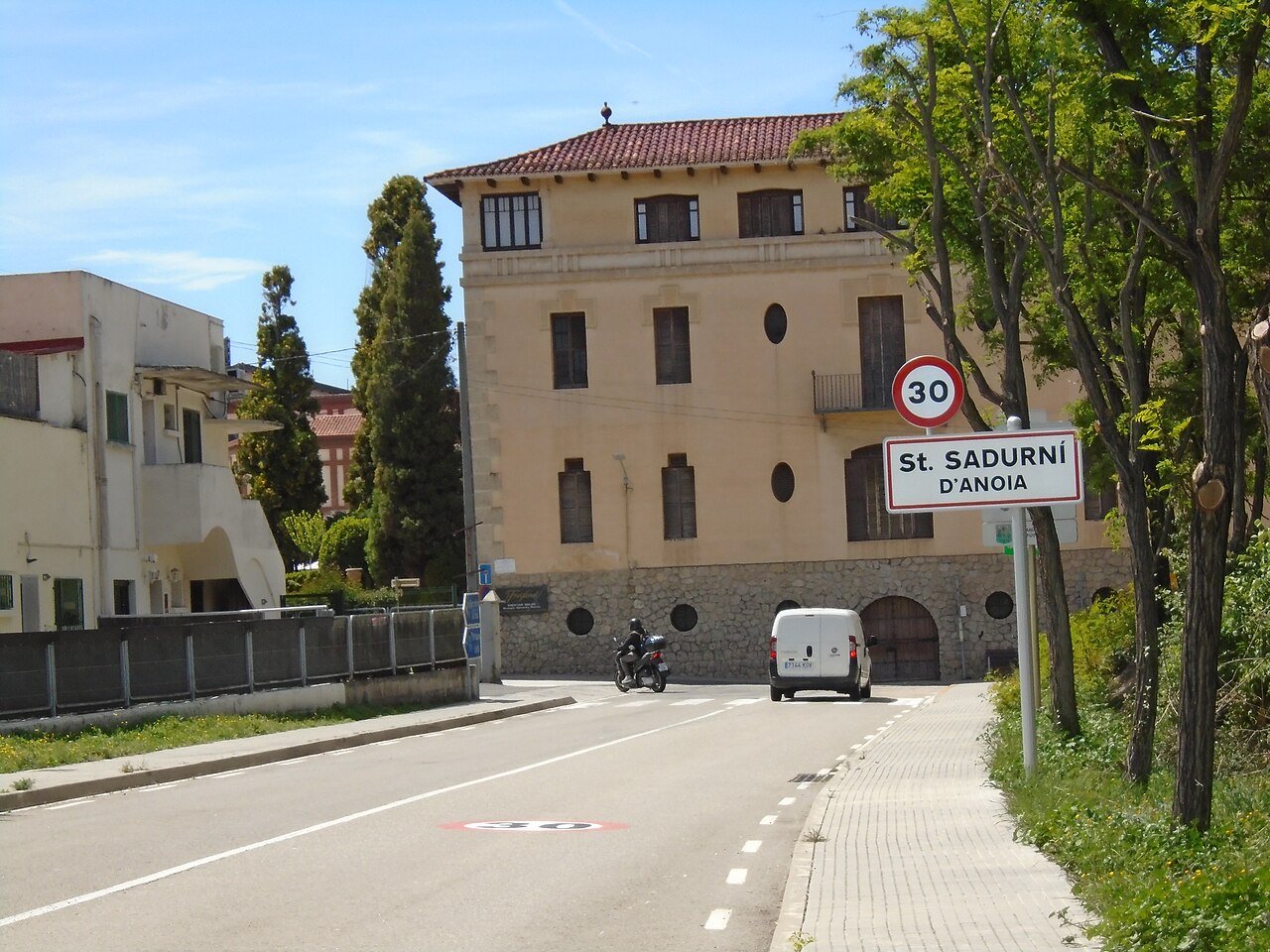
Then walk to Freixenet, whose headquarters stand right beside the station — you can be off the train and inside within minutes. The cellars date from 1922 and the visit runs from the old underground galleries to the modern plant, ending, as all good visits end, with a glass in hand. Between the two big houses, leave an hour for the town itself: a slow coffee, a look at the modernista houses along the main street, and perhaps a stop at one of the smaller family caves, where the owner may well be the person pouring.
The DIY day works out cheaper than any guided tour and lets you linger where you like. What it asks in return is a little planning: check the train times back before your last tasting, and remember that the person who drives is not you, but the person who walks back to the station still has to find it.
A workable shape for the day: take a morning train, do Codorníu first while you are fresh — it is the bigger visit and the one with the underground train — then lunch in town, then Freixenet in the afternoon, since it sits beside the station for the ride home. Between the houses, the town rewards a wander. Sant Sadurní grew rich on bubbles, and it shows: Modernista mansions line the streets, the church square fills at aperitif hour, and the local chocolate maker, Simón Coll, runs visits of its own if you are travelling with anyone who prefers cocoa to cava. Small producers line the streets too — names like Gramona and Recaredo are known to cava lovers everywhere for long-aged, serious sparkling wines — and several open their doors to booked visitors. Ask at the tourist office by the station for the current list rather than knocking at random; in this town, appointments matter.
3. Go Deeper in Vilafranca del Penedès and at Família Torres
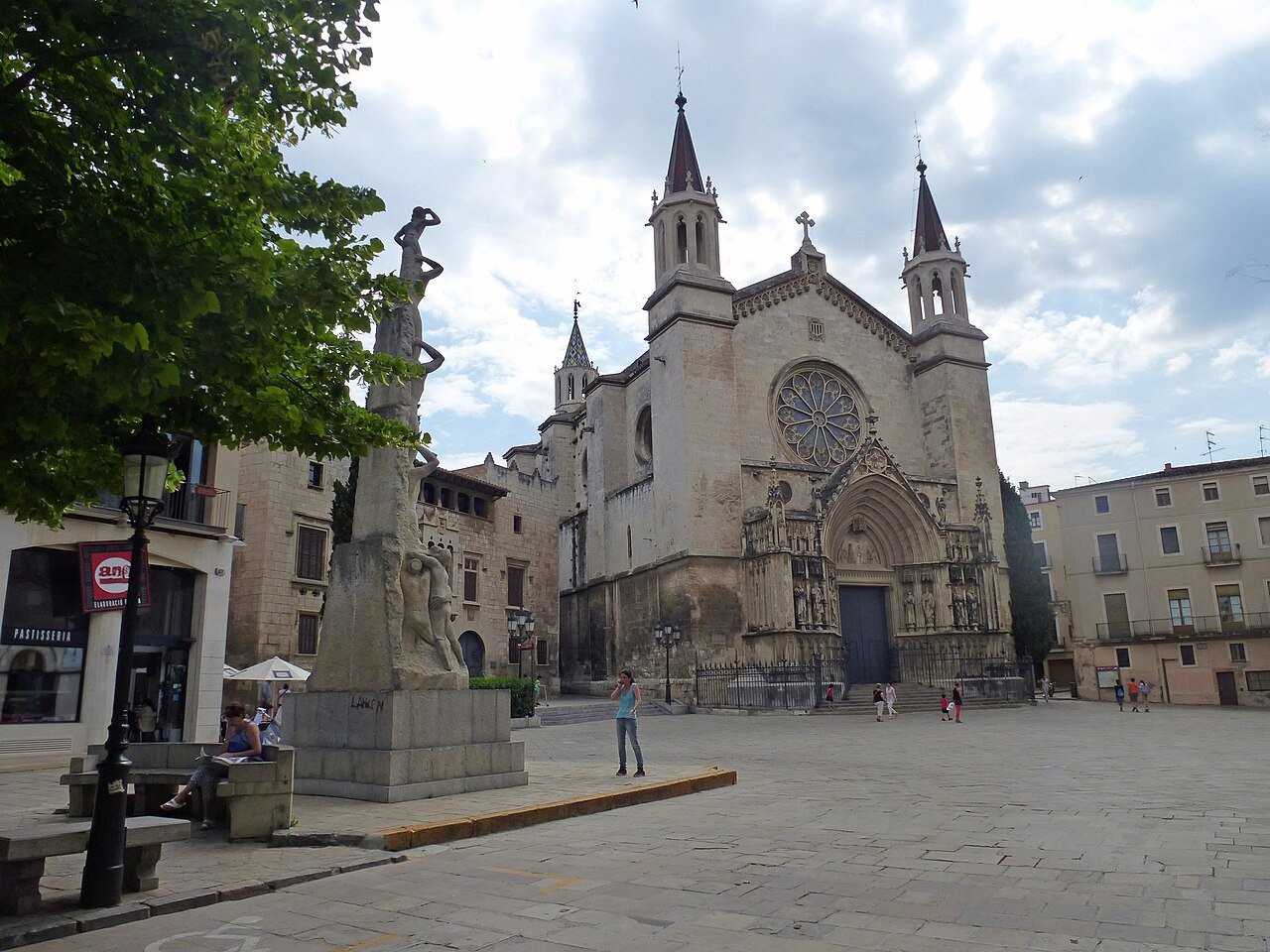
One stop further down the same railway line sits Vilafranca del Penedès, the capital of the region — a working wine town rather than a tourist set. Stay on the R4 for about 55 to 70 minutes from Barcelona and you arrive in a town whose calendar turns on wine: its wine museum, VINSEUM, fills a former royal palace with the story of Penedès wine culture, and the main square is watched over by the Gothic basilica of Santa Maria and a monument to the castellers, the human towers this town is famous for.

The headline visit here is Família Torres, one of the most famous wine families in Spain. Their visitor centre sits at Pacs del Penedès, a short taxi ride from Vilafranca station, and the experiences go well beyond a standard cellar walk: rides through the vineyards, tastings that pair wines with local food, and a serious commitment to climate-friendly winemaking that the family has championed for decades. Book the experience you want ahead of time — formats and prices change with the season — and give it half a day rather than trying to squeeze it between trains.
Choose Vilafranca over Sant Sadurní if you already know you like wine and want the region’s capital rather than its sparkling-wine factory floor. The cava town is about bubbles; Vilafranca is about the whole culture — reds, whites and rosés alongside the fizz, in a town that lives from the vine all year round.
The Torres name carries weight beyond the Penedès: the family has made wine here since 1870, and their name is on bottles in more than 140 countries — yet the home estate still feels like a family farm with a very good visitor centre attached. If you time the trip for a Sunday in summer, you may catch the castellers practising or performing in the square; Vilafranca’s team is one of the best in Catalonia, and watching a human tower rise is the perfect counterpoint to a morning of tastings. VINSEUM is worth an hour even on its own: its exhibits explain the vine’s year, the phylloxera plague that once destroyed these vineyards, and how the region rebuilt itself around cava — context that makes every glass afterwards taste more interesting.
4. Combine Montserrat With a Winery in One Day
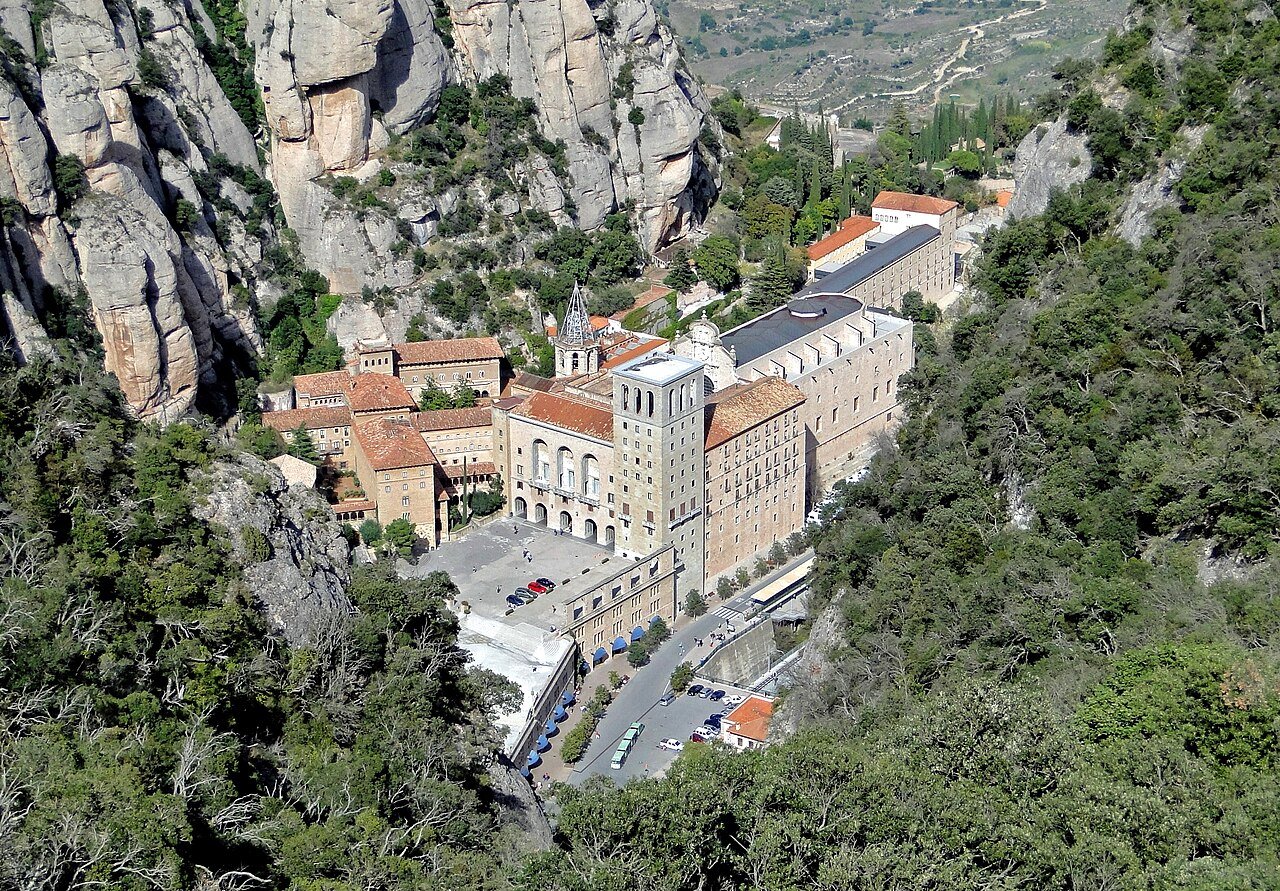
Montserrat is the day trip almost every Barcelona visitor takes: a Benedictine abbey clamped to a serrated mountain of pink rock, about an hour from the city. What fewer people realise is that the foothills around the mountain are wine country too — the Pla de Bages region — and plenty of tours pair the two in a single day: the abbey in the morning, a winery in the afternoon.
The classic pairing visits a castle winery such as Oller del Mas, a medieval estate near Manresa whose vineyards spread out below the castle walls with Montserrat on the horizon. You walk the vines, step into the cellars and taste the estate’s wines in rooms that have seen a thousand years of harvests. It is not the deepest wine experience in this guide — the winery shares the day with a mountain and a monastery — but as a piece of trip design it is hard to beat: two of Catalonia’s great sights, one journey, and a designated driver throughout.
Book a combo day if your Barcelona stay is short and Montserrat is already on your list. If wine is the main event and the abbey is optional, take the pure Penedès day in §1 instead. For the full menu of escapes from the city, see our guide to day trips from Barcelona.
A typical combo day runs like this. You leave the city in the morning and ride up to the abbey while the day is still cool, with time for the basilica, the Black Madonna and the views from the monastery terrace. Then, instead of heading straight back, the tour drops into the foothills for the winery: a walk in the vines, the cellars, and a tasting with the mountain filling the window. You are back in Barcelona by late afternoon or early evening. The wine part is a tasting, not a deep study — three or four wines, well explained — so think of this format as sightseeing with a delicious second act rather than a wine course. Travellers who only have two or three days in the city often find it the best-value day of the whole trip.
5. Make the Pilgrimage to the Priorat for Spain’s Great Reds
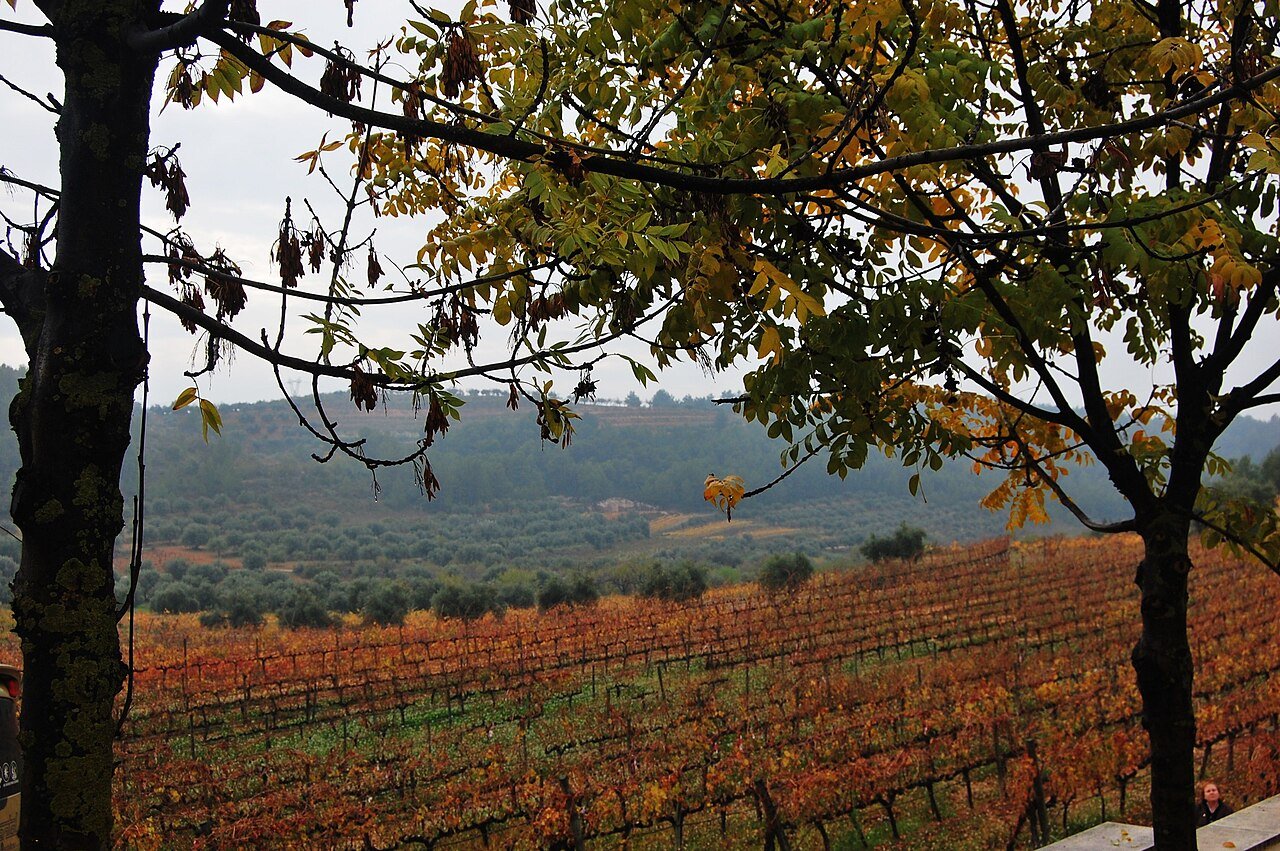
Everything so far has been an easy day. The Priorat is not — and for serious red-wine lovers, that is exactly its appeal. This small, steep region lies about two hours by road south-west of Barcelona, and it holds the DOQ classification, the top tier of Spanish wine, shared with only one other region in the country. If Penedès is about freshness and bubbles, the Priorat is about power.
The secret is the soil: llicorella, a crumbling dark slate that forces old vines to dig deep and yields tiny harvests of intensely flavoured grapes. Garnacha and Cariñena from these terraced slopes — many of them farmed by hand because no machine can work the inclines — make some of the most sought-after reds in Spain: dark, mineral, long-lived wines that collectors chase around the world. The little town of Falset is the usual base, and villages like Gratallops are where the famous estates cluster.
Realistically, this is a guided day with an early start or, better, an overnight stay. Wineries here are small, visits are by appointment, and the roads between villages wind. Do not attempt it as a casual self-drive after tastings. But if you cellar wine at home, or simply want to taste Spain at its very highest level, no other trip in this guide comes close.
The region’s wine story began with Carthusian monks at Scala Dei, who planted vines here in the 12th century — the ruined monastery still stands at the foot of the Montsant cliffs and makes a moving stop between tastings. The modern fame dates only to the late 1970s and 1980s, when a handful of pioneers realised what the old vines on slate could do and started bottling wines that won prizes around the world. Prices at the cellar door reflect that fame: these are not everyday bottles, and a tasting here is a treat to budget for rather than a bargain to hunt. If you go, build the day around two wineries, not five — the roads are slow, the wines are strong, and the winemakers like to talk.
6. Slip Away to Alella, the Vineyards Almost Inside the City

The closest wine country to Barcelona is the one most visitors never hear of. Alella sits barely 20 to 30 minutes north-east of the centre, in green hills that look down to the Mediterranean, and it is one of the smallest and oldest wine regions in Spain. Vineyards here supplied Barcelona for centuries before the city grew towards them.
The wines are mostly white, led by the local Pansa Blanca grape, grown in sauló — a pale, sandy decomposed-granite soil that gives the wines a fresh, almost salty edge that suits the sea air. Production is tiny and family-run: a handful of small wineries, where visits are personal and unhurried and the winemaker may pour for you personally. The town of Alella itself is a pretty, quiet place for lunch, and the nearest station, El Masnou on the coastal line, is a short taxi ride from the vines.
Alella is the answer when you want real vineyards but only have half a day, or when a full Penedès day feels like too much organisation. It is also the easiest region in this guide to reach entirely by public transport — train, short taxi, taste, and you can still be back in Barcelona for the evening.
The history here runs deep. Wine from these hills was the local drink of Barcelona for centuries, praised in Catalan literature long before cava existed, and Alella was among the first regions in Spain to receive official protection for its wines. That heritage survives in old farmhouses like Can Magarola, where a historic vineyard is kept as a living museum of how the vines were once worked. Visits at the small estates usually need a quick booking ahead — these are family doors, not turnstiles — but that is also the charm: no crowds, no gift-shop gauntlet, just a quiet hillside, a sea breeze and a glass of something crisp and white. On a clear day, bring a camera; the combination of vines, village and Mediterranean is one of the prettiest half-hours-out-of-a-city views in Spain.
7. Stay in the City: A Sommelier-Led Tasting in the Old Town
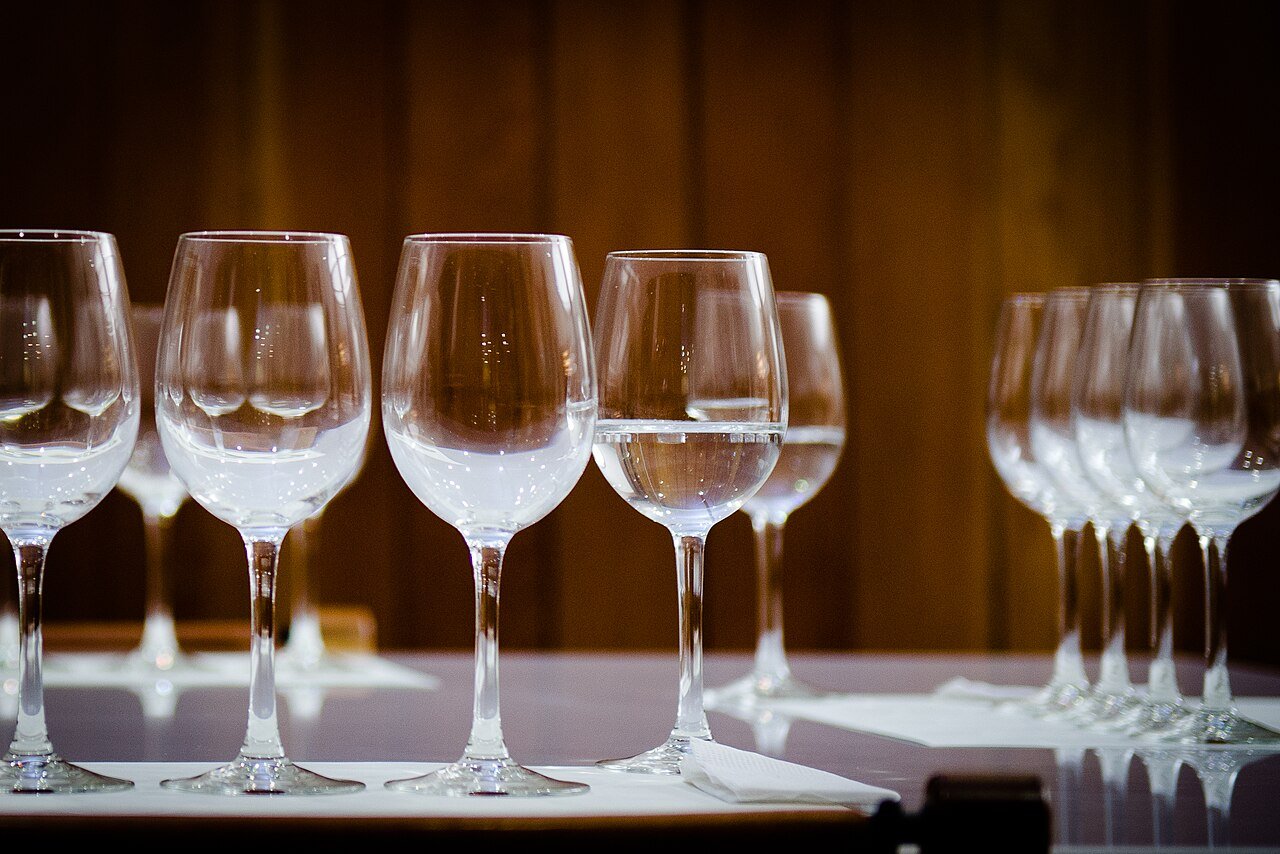
Not every good wine experience needs a train or a tour bus. Barcelona’s wine shops and tasting rooms run proper guided tastings in the centre, and the best of them teaches you more in two hours than a rushed cellar day would. The pick of the current crop is the Catalan and Spanish wine tasting run by Vivinos Barcelona Tastings in the Old Town.
The numbers first: it is rated 4.8 out of 5 from 718 reviews, runs 1.5 to 2 hours and costs from $39 per person. A professional sommelier leads you through 5 regional wines — 1 sparkling, 2 whites and 2 reds — explaining where each comes from and how to taste it properly. Snacks, cheese and tapas pairings are available as add-ons if you want food with the lesson. It is adults-only (18+), wheelchair accessible, and booking through GetYourGuide gives you free cancellation up to 24 hours in advance and reserve now & pay later.
This is the right choice if your Barcelona days are already full, if you are travelling in winter and the vineyards look bare, or if you want a foundation before a Penedès day — taste the styles with a sommelier first, then go and see where they are made. And because it sits in the Old Town, it pairs beautifully with dinner: our guide to the best food in Barcelona will point you at the right table afterwards. Book the Vivinos Catalan and Spanish wine tasting here: https://www.getyourguide.com/barcelona-l45/barcelona-tasting-of-catalan-spanish-wines-t71559/?partner_id=DNOE3UY
What do you actually learn in two hours? More than you would guess. A good sommelier walks you through how to taste in the proper order — look, swirl, smell, sip — and then maps the wines onto Spain: a crisp cava-style sparkler, whites built on Xarel·lo and other local grapes, and reds that show the difference between a fresh young wine and one that has rested in oak. It is the fastest way to stop ordering “the second-cheapest bottle” and start asking for what you like by name. Sizes stay small — a shop tasting room, not a lecture hall — so questions are easy, and most people leave with a shortlist of bottles to look for in wine shops for the rest of the trip. If you only do one paid wine activity in Barcelona, the value per euro of this one is hard to beat.
8. Walk, Sip, Repeat: The Tapas and Wine Experience

Some people learn wine best with food in front of them — and in Barcelona, that is the local way anyway. The Tapas and Wine Experience is a small-group walking tour through two of the city’s oldest quarters, El Born and the Gothic Quarter, stopping at 4 traditional tapas bars over about 2.25 to 3 hours. It is rated 4.8 out of 5 from 829 reviews and costs from $77 per person.
Across the evening you work through 9 tastings — enough, together, to count as a full meal — and each stop pairs the food with a drink: regional wines, a glass of cava, and a vermouth along the way, so you taste the three pillars of Catalan drinking in a single walk. The route passes Santa Maria del Mar and threads lanes you would never find alone, and the tour is wheelchair accessible. Booking through GetYourGuide gives you free cancellation up to 24 hours ahead and reserve now & pay later. One tempting extra: an optional flamenco show can be added after the tour ends (the ticket is not included) — and if that idea appeals, our guide to the best flamenco shows in Spain will help you pick the right room.
Choose this tour over the sit-down tasting in §7 if you would rather learn by eating and walking than by sitting and studying. It is the most social format in this guide, and the best first-evening plan in the city: you finish fed, oriented, and with a shortlist of bars to return to.
Expect the classics of the Barcelona tapas bar, in places that cook them properly: tomato bread rubbed with garlic, cured ham, fried potatoes with spicy sauce, anchovies, conservas — the tinned seafood Spain treats as a delicacy — and whatever the kitchen is proudest of that week. At each stop the guide explains the pairing in plain terms: why a sharp, cold vermouth wakes up salty food, why cava cuts through fried dishes, and which local reds stand up to grilled meats. El Born and the Gothic Quarter are also simply beautiful at night — lantern-lit lanes, the floodlit stones of Santa Maria del Mar, tiny squares that appear out of nowhere — and walking them with someone who knows every corner is worth the ticket on its own. Groups are small, the walking is gentle, and nobody is rushed out of a bar they are enjoying.
Book the tapas and wine walking tour here: https://www.getyourguide.com/barcelona-l45/barcelona-tapas-wine-experience-walking-tour-t57612/?partner_id=DNOE3UY
9. Do the Vermouth Hour Like a Local
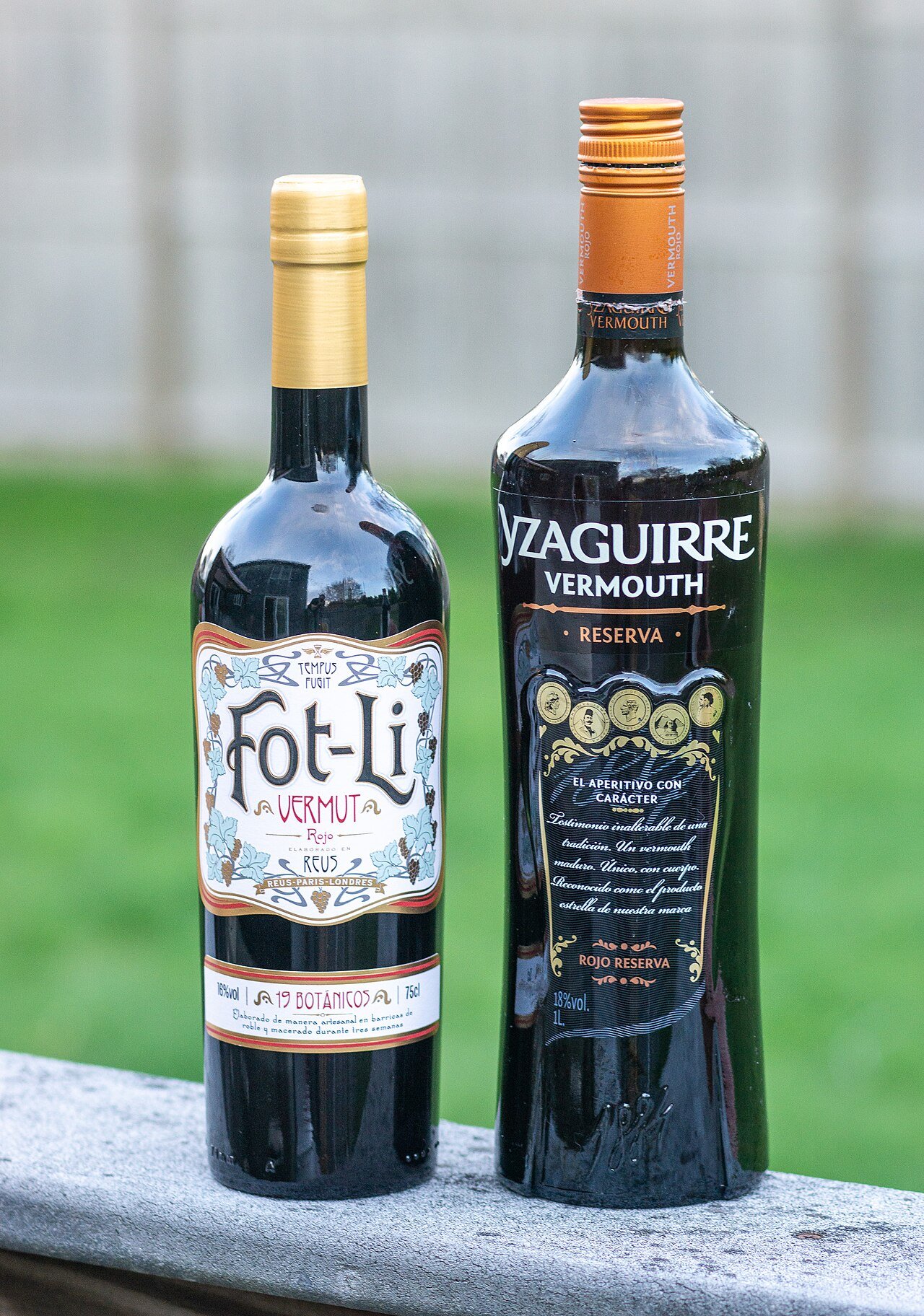
Barcelona’s most beloved wine ritual is not a tour at all. It is la hora del vermut — the vermouth hour — the late-morning pause, especially on weekends, when locals fill the old bodegas for a glass of red vermouth on ice with an olive and a slice of orange, plus salty snacks: crisps, cockles, stuffed olives, a little tinned seafood. It is cheap, cheerful and completely unhurried, and it is the easiest piece of real Barcelona life a visitor can join.
Vermouth is wine at heart — a fortified, aromatised wine — and Catalonia takes it seriously: the town of Reus, south of Barcelona, is the vermouth capital of Catalonia, and classic Catalan labels such as Yzaguirre and Fot-Li are what the old bars pour, often straight from the barrel into your glass. In the city, the ritual survives best in neighbourhood bodegas with marble counters and barrels behind the bar. Two names to know: Quimet & Quimet in Poble-sec, a tiny standing-room legend where the family has poured vermouth and stacked conservas for generations, and Vila Viniteca in El Born, one of the city’s great wine shops, where the staff will happily open your eyes to Catalan bottles you have never heard of.
Do this on a Sunday before lunch, order what the table next to you is having, and do not rush. Then, when evening comes, you are perfectly placed to continue into dinner — or into one of the shows in the flamenco guide this article pairs with. Book nothing; just show up before 2 pm.
Practical notes for your first vermouth hour. Order a “vermut de la casa” — the house vermouth — and it will often come from a barrel or a big unlabelled bottle behind the counter; a splash of soda from the classic siphon bottle is traditional if you find it strong. The glass should arrive cold, with ice, an olive and an orange slice, and it costs little more than a coffee in most neighbourhood bars. Food is part of the ritual, not an extra: order crisps and something tinned or pickled and share everything. And pace yourself — vermouth is stronger than wine, the hour is long, and lunch is still to come. This is the one experience in the guide where spending the least money buys you the most local feeling.
10. Prices and What to Expect on a Barcelona Wine Tour
Wine days out of Barcelona are good value by European standards, but the formats differ, so compare like with like. An in-city guided tasting is the cheapest ticket in this guide at about $39 per person. A guided evening of tapas and wine on foot runs about $77. A full guided day in the Penedès with transport, a guide and two estates sits higher — the 4WD tour in §1 is from $101 — while the do-it-yourself train day to Sant Sadurní costs the least of all: a train fare plus the winery visit fees you choose. However you go, a wine-country day should cost less than a comparable day out from Paris or Florence, which is one more reason to do it.
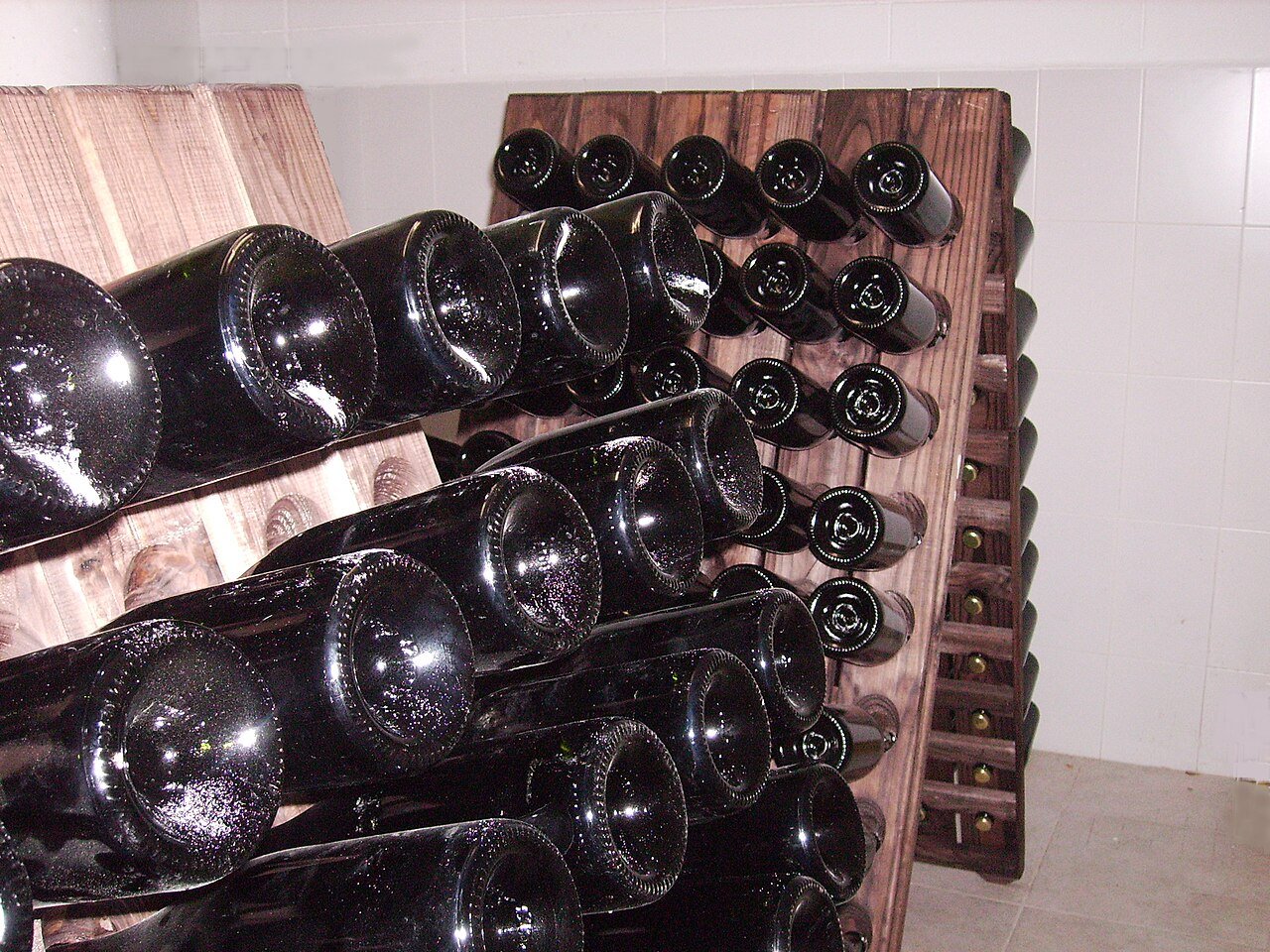
What does a winery visit actually involve? A walk in the vineyards, a look at the tanks and barrels, and a guided tasting of 3 to 5 wines at the end. In cava country, add the underground galleries: millions of bottles ageing neck-down in riddling racks, turned by hand a quarter-turn at a time so the sediment slides to the neck — the traditional method, the same one used for Champagne, is explained on every visit, and it is genuinely fascinating the first time you see the scale of it.
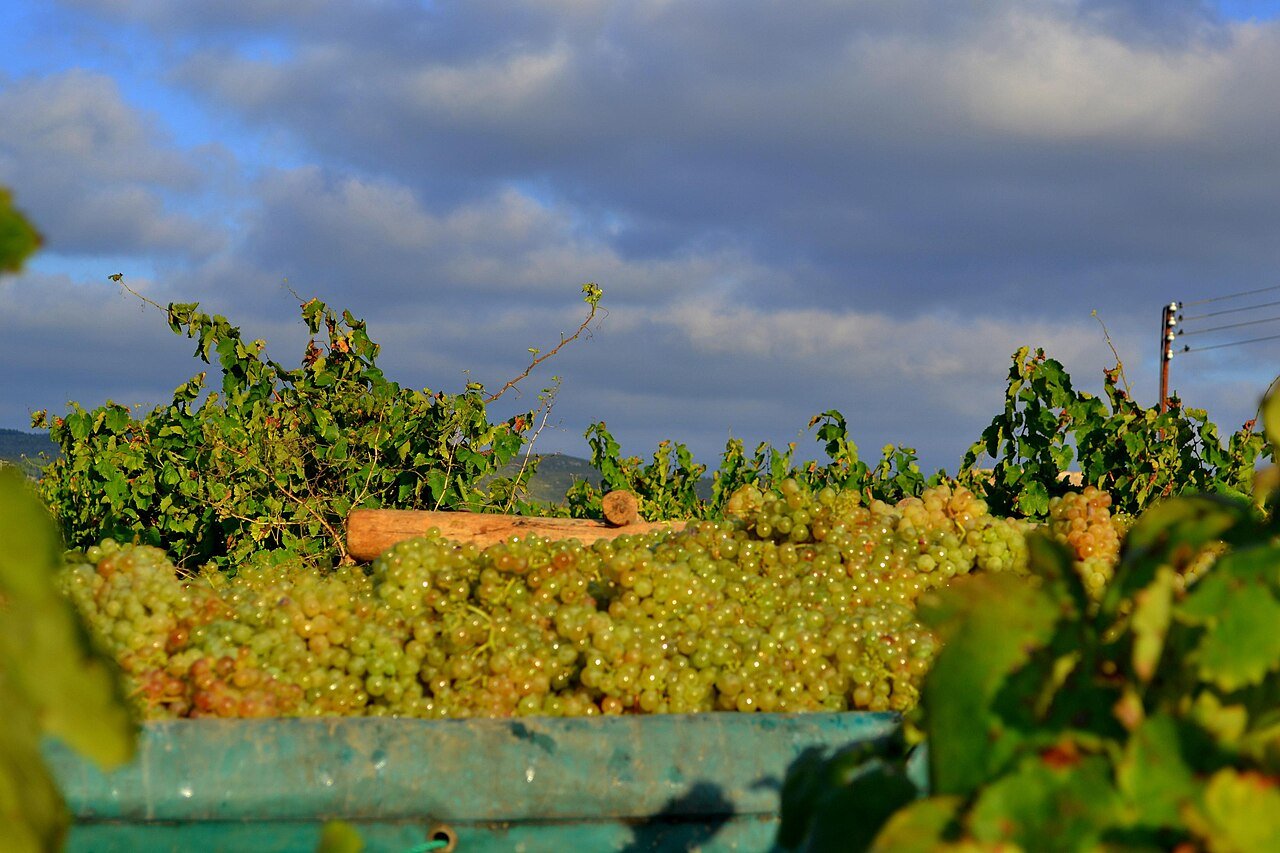
Timing matters. Harvest — la verema — usually runs from late August into September, when the Penedès smells of crushed grapes and every trailer on the road is piled with Xarel·lo; it is the most exciting time to visit and the busiest, so book further ahead. Spring is green and quiet, autumn colours the vines gold, and winter visits are perfectly good for cellars and tastings even if the vines are bare. One honest rule that applies everywhere in this guide: never plan to drive yourself after a tasting day. The trains and tours exist precisely so that nobody has to — and our budget travel in Spain guide will help you keep the whole trip’s costs in shape.
A few small habits make any of these days better. Eat a proper breakfast before a winery day; tastings start earlier than you think. Carry water and drink it between pours — the wineries provide spittoons, and using them on a long day is what the professionals do, not a waste. Dress a layer warmer than the street for the cellars, which sit cool all year. And if you fall for a bottle, buy it at the cellar door: prices are fair, some wines never leave the region, and wineries will wrap bottles for travel — just remember they must fly in checked luggage, not in the cabin.
11. How to Choose Your Barcelona Wine Tour in One Minute
Still torn? Decide by who you are:
- First wine day, want it all handled: the guided Penedès 4WD tour in §1. Vines, two estates, sparkling and still wines, no driving.
- Independent, on a budget, happy on trains: the DIY day in Sant Sadurní (§2). Codorníu and Freixenet, at your own pace, for the least money.
- Already into wine: Vilafranca and Família Torres (§3), or make the bigger journey to the Priorat (§5) for Spain’s greatest reds.
- Only a free evening: the sommelier tasting in the Old Town (§7) — five wines, two hours, no travel.
- Food first, wine a close second: the tapas and wine walking tour (§8). You will leave full.
- Two icons, one day: Montserrat plus a winery (§4).
- Half a day and no fuss: Alella (§6), the vineyards almost inside the city.
- A Sunday like a local: skip booking anything and do the vermouth hour (§9).
Two last booking tips. Weekend slots at the famous cellars and the best-rated tours sell out in spring and during harvest, so book a few days ahead rather than the night before. And build your tasting days early in the trip, not on the last day — if a tour moves or the weather turns, you keep a spare day to rebook into. More ground rules of that kind live in our Spain travel tips.
Travel insurance, sorted
Whether it is a two-week holiday or a longer move, travel insurance is not the most glamorous part of a trip – but it is the one booking you want to have in place before a trip, and while you are already away. Get a quote from SafetyWing
Final Thoughts
Barcelona’s wine story is a gift of geography: a great food city with cava country at the end of a commuter line, a top-tier red region in reach of a long day, and a vermouth ritual waiting in its old bars every weekend. Pick the format that fits your time — a guided Penedès day if you can, a city tasting if you cannot — and you will taste the best of Catalan wine without a single stressful decision. God willing, the only hard part will be choosing what to bring home.

Best Flamenco Shows in Spain: The Tablaos, Caves and Peñas Worth Your Money
Frequently Asked Questions
What is the best wine tour from Barcelona?
For most visitors, a guided day tour to the Penedès — the region that makes almost all of Spain’s cava, under an hour away. The 4WD vineyard tour in §1 is the best all-rounder: two family estates, 3 wines and 4 cavas, and a 4.8/5 rating. If you have no spare day, the sommelier-led tasting in the Old Town (§7) is the best city option.
Can I visit cava wineries without a tour?
Yes. Sant Sadurní d’Anoia, the cava capital, is about 45 to 50 minutes from Barcelona on the R4 train, and both Codorníu and Freixenet run bookable visits there. Reserve your slot in advance — the big houses fill their popular times — and let the train do the driving.
How much does a wine tour in Barcelona cost?
Expect about $39 per person for a guided tasting in the city, about $77 for a tapas and wine walking tour, and from around $101 for a full guided day in the Penedès with transport included. A do-it-yourself train day costs the least: the fare plus whichever winery visits you book.
Is the Priorat worth the longer trip?
If you love serious red wine, yes. The Priorat is one of only two regions at Spain’s top DOQ level, and its old-vine Garnacha and Cariñena wines grown on slate are world-famous. It is about two hours each way, so treat it as a full guided day or stay overnight — it is not a half-day trip.
What wines should I try in Barcelona?
Start with cava, the sparkling wine of the Penedès, made mainly from Macabeu, Xarel·lo and Parellada grapes. Then try a still Xarel·lo or Pansa Blanca white, a big Priorat red if you get the chance, and a glass of red Catalan vermouth at the vermouth hour — the four tastes that sum up drinking in Catalonia.
When is the best time of year for wine tours near Barcelona?
Late August and September bring the grape harvest, the most exciting — and busiest — weeks in the Penedès. Spring is green and quieter, autumn turns the vineyards gold, and winter is fine for cellar visits and city tastings. There is no bad month; there is only booking ahead or not.
Can children join a wine tour from Barcelona?
Wine tours are adult-focused, and the age rules are printed on each booking page: the Penedès 4WD tour in §1 takes guests aged 16 and over, and the Old Town tasting in §7 is strictly 18+. Families usually do best with the do-it-yourself winery day in Sant Sadurní (§2) — children are welcome on the estate visits themselves, the underground train at Codorníu delights younger visitors, and only the tastings are for the adults.
Do I need to book wine tours in advance?
For the big cava houses and the best-rated guided tours, yes — book a few days ahead, and further ahead still for weekends, spring and harvest season. City tastings sometimes have same-day space, but the popular evening slots go first. Booking through the links in this guide also locks in free cancellation up to 24 hours ahead on all three recommended products, so booking early costs you nothing.


2 Comments