Living in Valencia: 20 Pros and Cons (An Honest Local Guide)
Valencia has spent a decade climbing every quality-of-life ranking in Europe — and being discovered, with all that discovery brings. Foreign residents praise its light, its prices and its riverbed park; they grumble about its Augusts, its bureaucracy and one very loud week in March. Both camps are telling the truth, which is exactly why a simple list of pros and cons is more useful than another love letter.
This guide gives you ten of each, honestly weighted, for anyone weighing a move — retirees, remote workers, families and the Valencia-curious alike. It deliberately avoids the money maths: for rents, bills, groceries and full monthly budgets, read our companion piece, the Cost of Living in Valencia guide. For comparisons, our Living in Barcelona guide and Living in Seville guide run the same honest audit on the sister cities. And if you are still at the “long holiday” stage, our Best Time to Visit Valencia guide and the Valencia hub page will start you off. First, the case for the defence.

The 10 Pros of Living in Valencia
1. The Light and the Climate (Almost All Year)
Valencia gives you roughly 300 days of sun a year, mild winters where a jacket is a January accessory rather than a season, and springs and autumns that feel purpose-built for terraces. Outdoor life never fully stops — the Turia fills with runners in February, and the first beach swimmers appear in April. For anyone arriving from northern Europe, the light alone is a lifestyle change.
2. A City-Sized City
Valencia is Spain’s third city — big enough for an opera house, a university, serious hospitals, an aquarium and a football club — but it lives at a human scale. The centre is walkable, the neighbourhoods are distinct, and almost everything you need sits within a 20-minute radius of home. It offers most of what Barcelona offers, minus the feeling of living inside an attraction.
3. The Turia Gardens

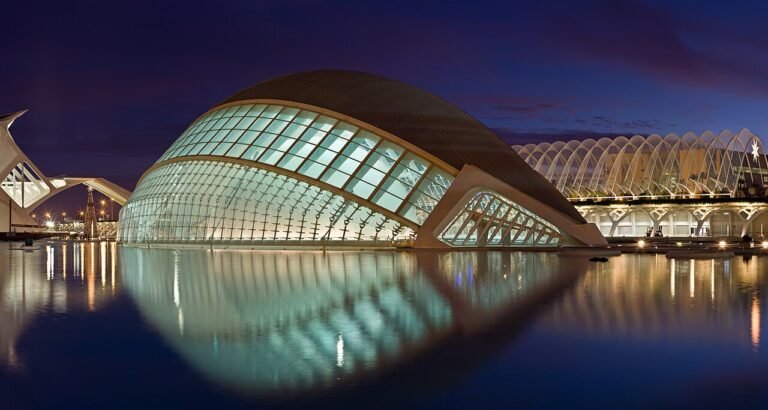
Every city says it has a great park; Valencia has a nine-kilometre river. The diverted Turia’s old bed is a green artery of gardens, sports pitches, running tracks and playgrounds running through the city’s heart, ending at Calatrava’s City of Arts and Sciences. It is gym, garden, commute route and Sunday living room in one — and it shapes daily life here more than any single building.
4. The Beach Is Part of the City
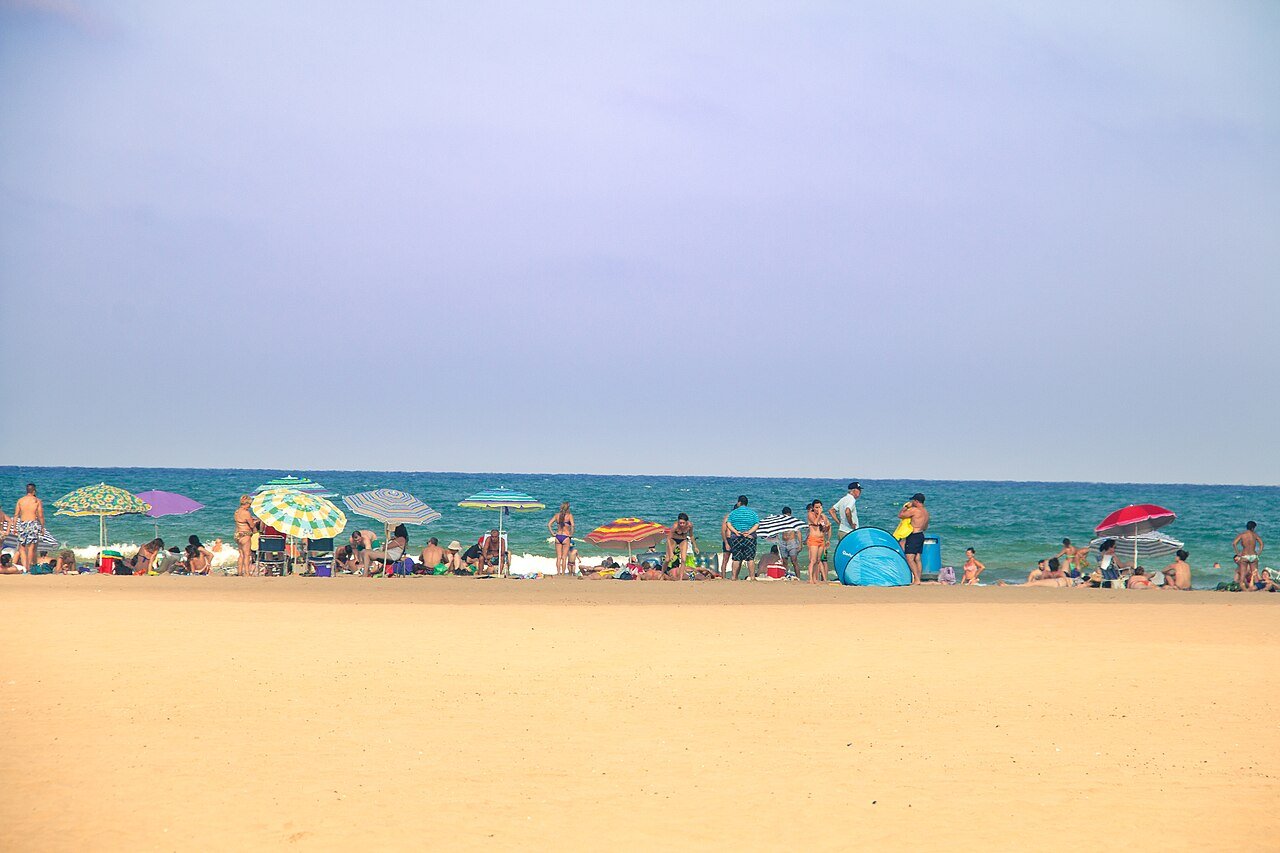
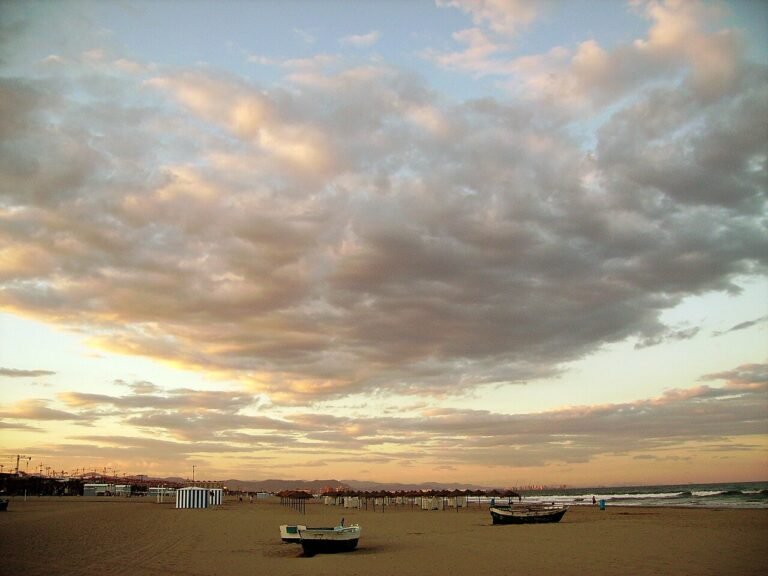
Malvarrosa and the Cabanyal beaches are not a day trip; they are a tram ride. Living here means evening swims after work in summer, weekend paella at the seafront, and a promenade that fills with half the city on fine Sundays. Few European cities of this size keep a real, swimmable, lived-in beach inside the urban fabric.
5. The Food Culture
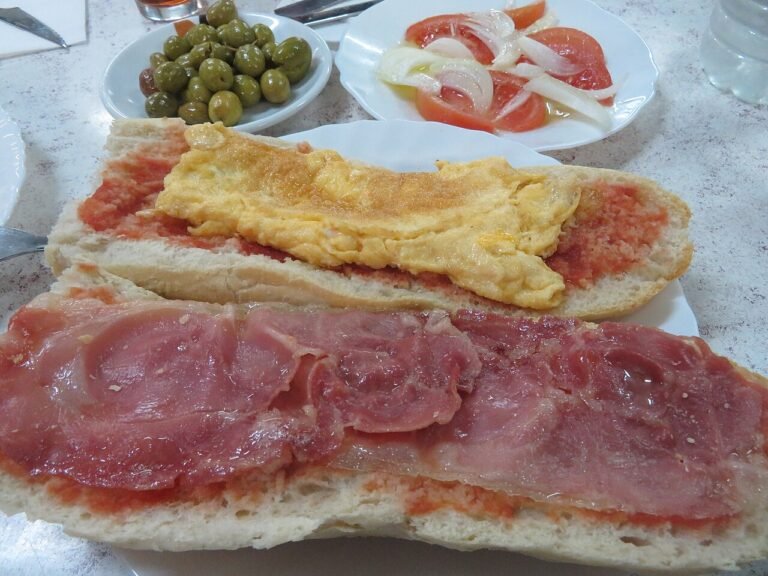
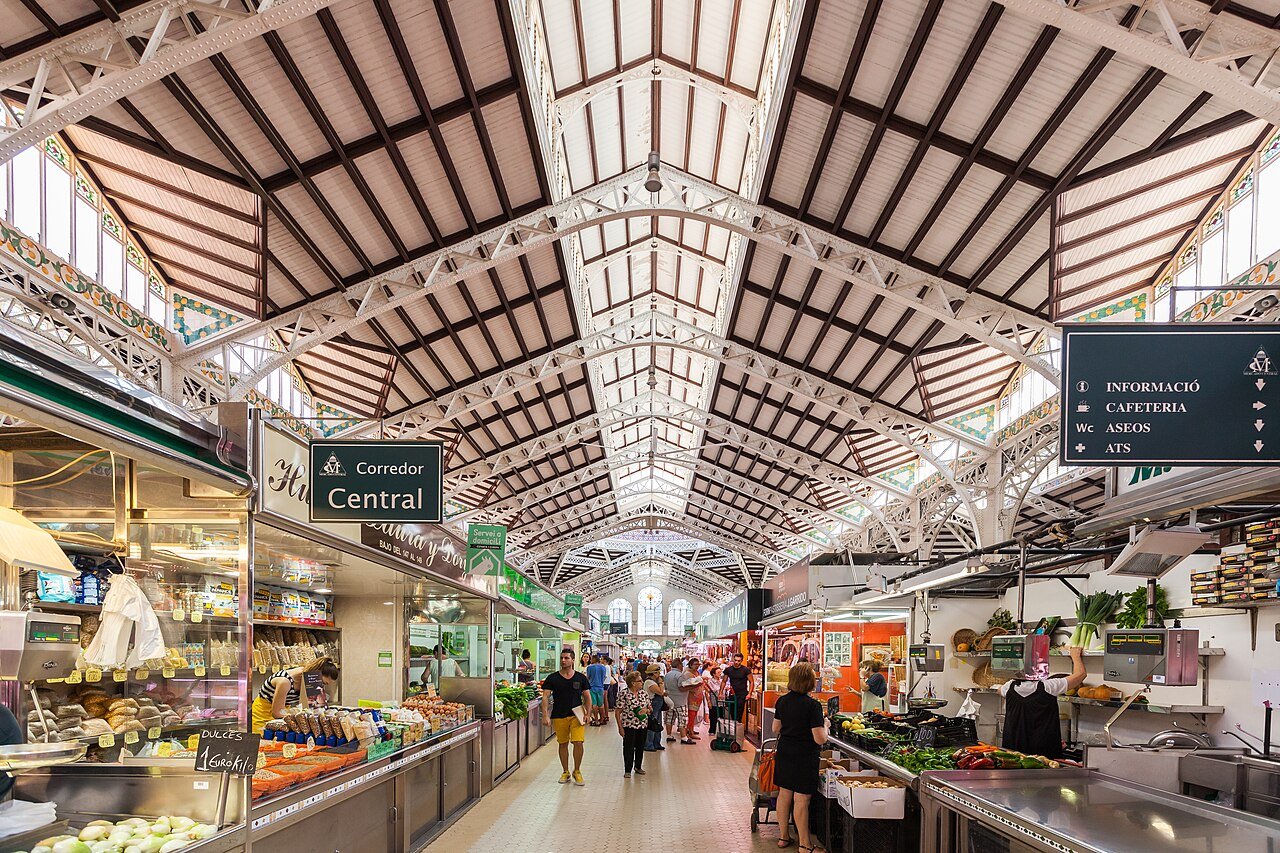
This is the birthplace of paella — the real one, protected, argued over, and eaten at lunch — and a city whose Mercado Central is among Europe’s great food halls, whose horchata comes from the tiger-nut fields at its edge, and whose restaurant scene runs from €12 menús del día to serious fine dining. Eating well here is not a hobby; it is the default.
6. A Cost of Living Below the Big Two
Valencia remains noticeably cheaper than Madrid and Barcelona for the same quality of life — as of 2026, a solo renter can still live well on roughly €2,000 a month, and couples on not much more per person. The full breakdown — rents by neighbourhood, utilities, transport, groceries — is in our Cost of Living in Valencia guide; the short version is that money goes further here than in any comparably equipped Spanish city.
7. Getting Around Is Easy
A metro and tram network, cheap city bikes (Valenbisi), flat terrain that makes cycling a genuine transport choice, and streets laid out for walking: most residents use cars rarely. The Estació del Nord and Joaquín Sorolla stations put Madrid under two hours away by high-speed train, and the airport is nine kilometres out with direct flights across Europe.
8. Festivals and a Full Calendar
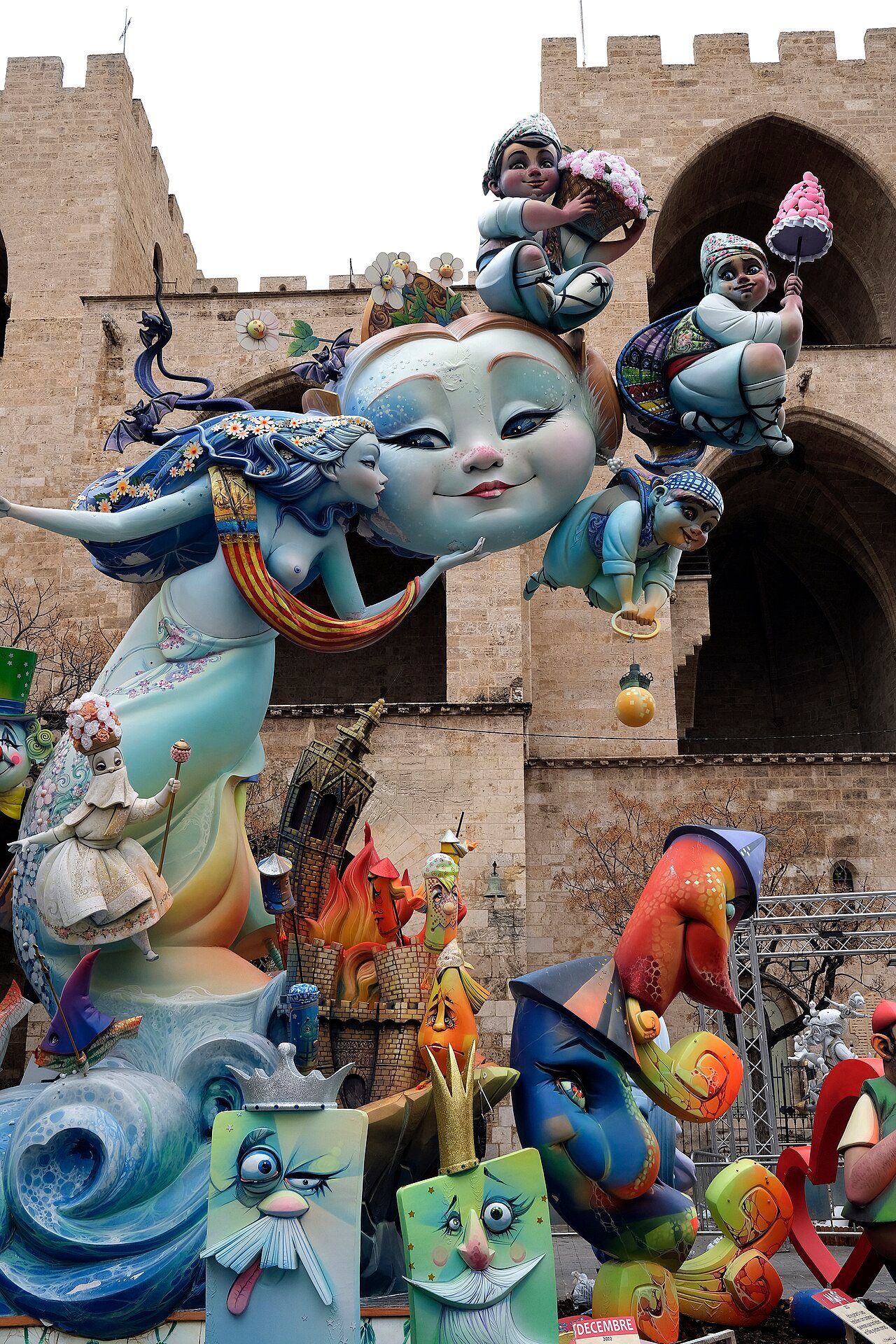
However quiet a Tuesday in Russafa feels, the Valencian year is loud with celebration: Las Fallas in March, the July fair, Holy Week by the sea in the Cabanyal, concerts and exhibitions at the City of Arts, and a neighbourhood fiesta seemingly every fortnight. If your fear of moving abroad is boredom, Valencia will cure it.
9. Neighbourhoods with Real Character
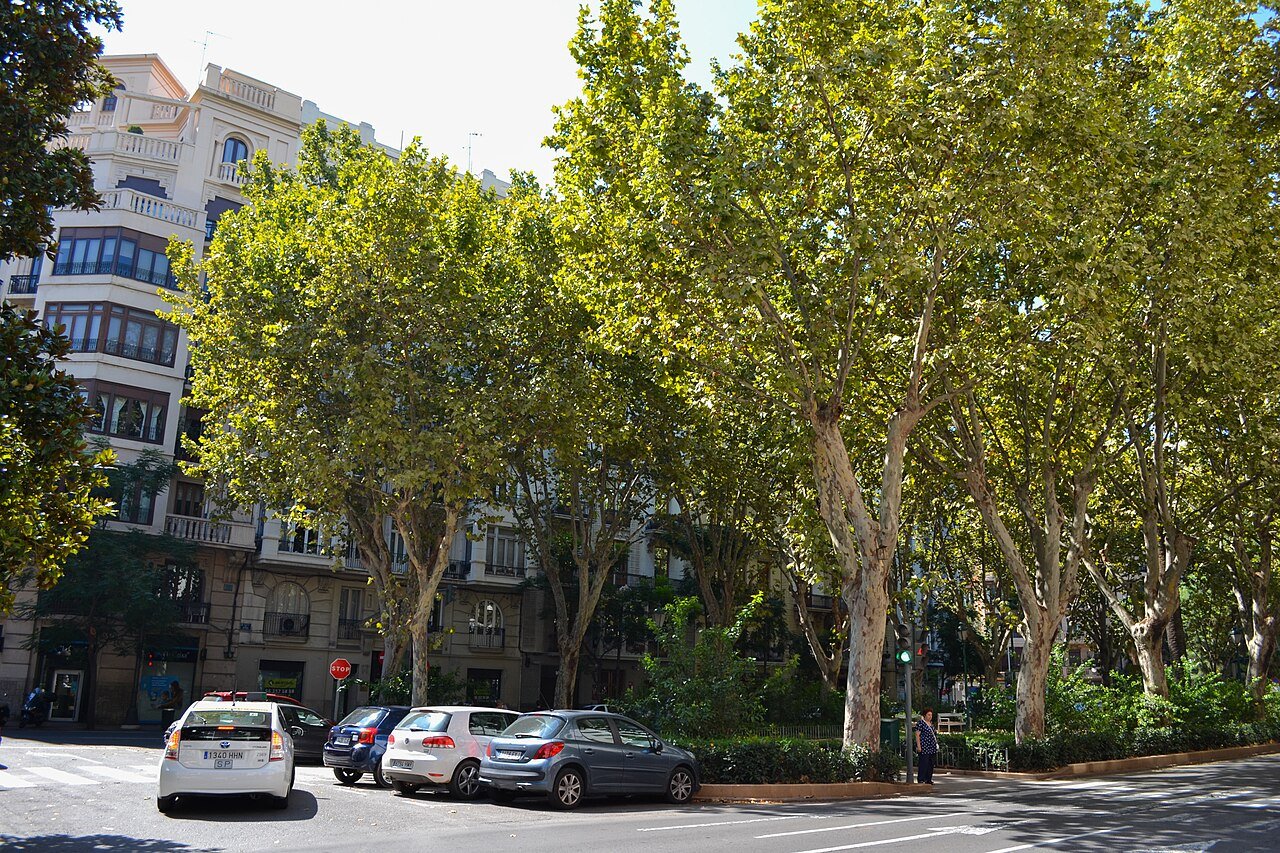
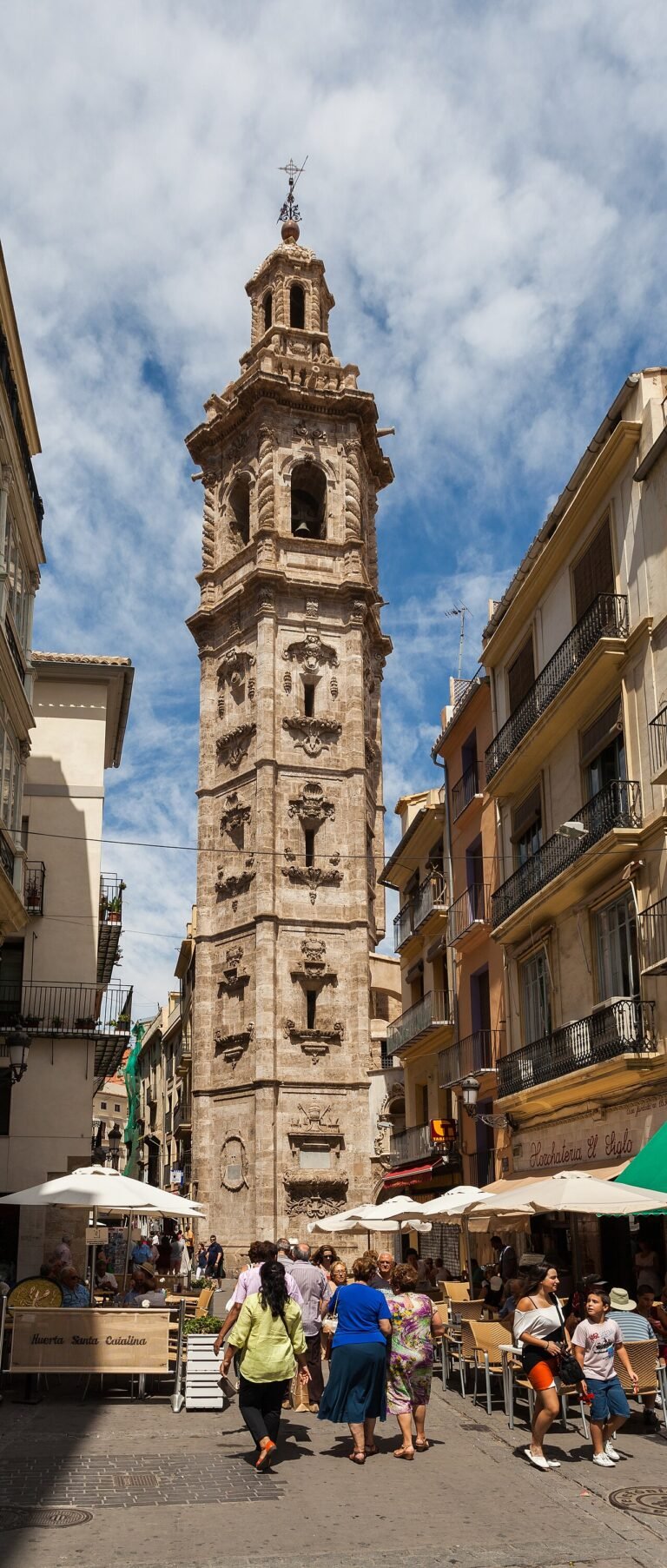
Russafa’s cafés and galleries, El Carmen’s medieval lanes and street art, the Gran Vía’s elegant bourgeois boulevards, the Cabanyal’s tiled fishermen’s houses by the beach, Benimaclet’s village-within-the-city feel: Valencia’s districts are genuinely different from one another, so your choice of home actually chooses your lifestyle. Our Where to Stay in Valencia guide profiles the main areas — written for visitors, but the neighbourhood portraits double as a mover’s shortlist.
10. Healthcare and Services
Spain’s public healthcare ranks among the world’s best, and Valencia’s hospitals — La Fe is one of Europe’s largest — back that up locally, with private insurance notably affordable by international standards for those who want it. Add good public schools, two universities, and the general competence of a regional capital, and daily life runs on rails.
Free Valencia moving guide
Thinking of moving to Valencia? Get our free one-page Valencia checklist: the neighbourhoods, the paperwork order, and the mistakes new arrivals make.
The 10 Cons of Living in Valencia
1. The Summer Heat and Humidity
July and August are the price of that famous light: daytime highs in the low-to-mid 30s with Mediterranean humidity, nights that can stay sticky, and a city that empties as residents flee to their villages. Air-conditioning is not optional equipment. If you wilt in heat, test Valencia in August before signing anything long-term.
2. Las Fallas Is Not for Everyone
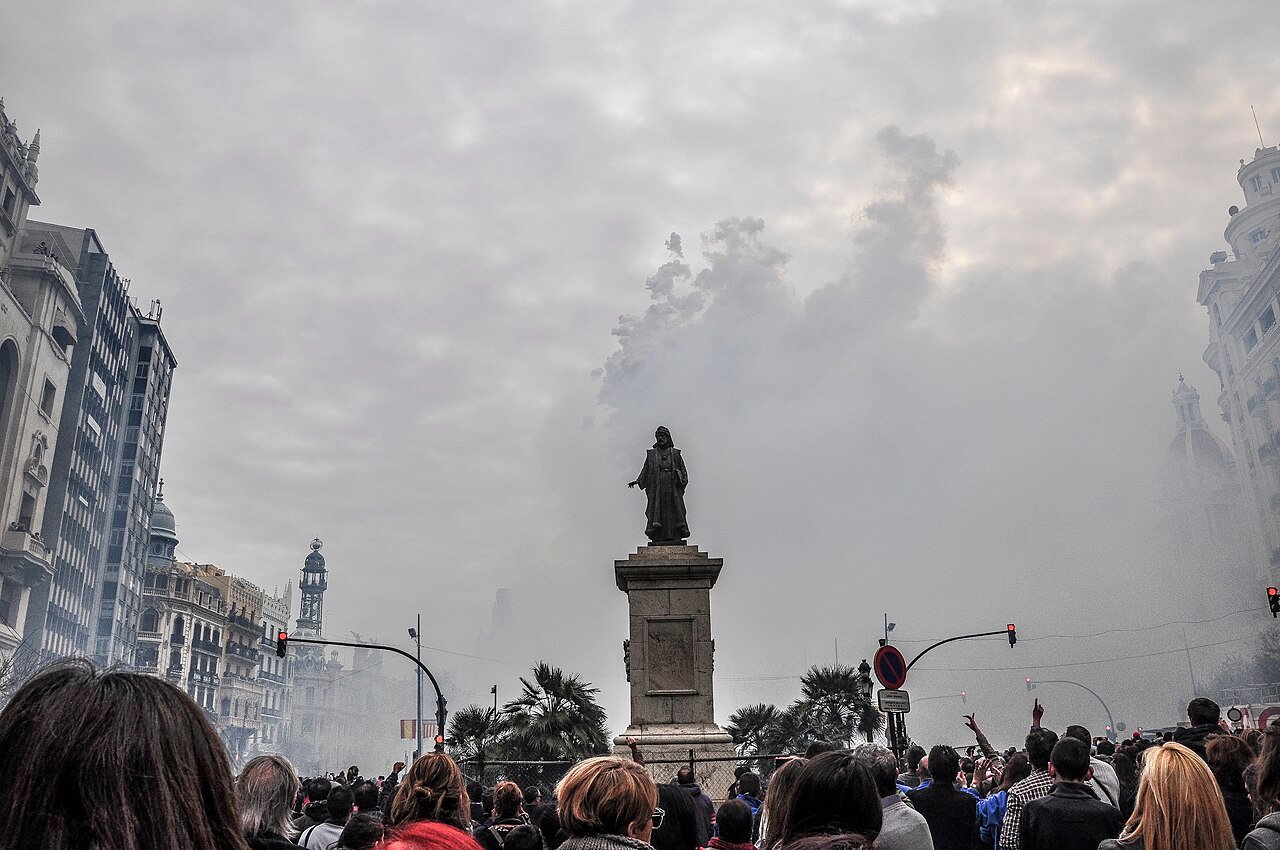
The same festival listed as a pro is, for five days — and the firecracker build-up for weeks — a con: mascletàs shake the windows at 2pm daily, streets close across the centre, sleep is negotiable, and pets suffer. Many residents adore it; many others leave town for the week. Know which person you are; our Best Time to Visit Valencia guide describes the full, glorious onslaught.
3. Bureaucracy, in Valencian and Spanish
Spain’s paperwork is famously unhurried — empadronamiento, NIE appointments, residency cards — and Valencia adds a wrinkle: officialdom and street life run in both Spanish and Valenciano. The local language is a point of pride and, in schools and public-sector life, a requirement to reckon with. None of it is impossible; all of it rewards patience, preparation and a gestor for the big steps.
4. Rents Are Rising
Valencia’s secret is out. Rents have climbed steeply in the popular districts over the last few years — Russafa and the centre most sharply — and good long-term flats in the sweet spots get contested. It is still cheaper than Barcelona; it is no longer the bargain it was in 2019, and budgeting on old blog posts will strand you.
5. The Job Market Is Thin
Local salaries are modest and well-paid local jobs are scarce outside health, education, logistics and the growing tech scene. Most foreign residents arrive with remote income, a pension or savings — and Valencia works beautifully on that basis. Arriving planning to “find something” is the classic mistake.
6. Tourism Is Growing Here Too
Valencia has not reached Barcelona’s saturation, but the centre feels the trend: short-let flats in El Carmen, fuller terraces in the old town, cruise-ship days at the beach. It’s a con with a long fuse — worth knowing if your dream is the undiscovered Valencia of a decade ago.
7. The Language Barrier Is Real Outside the Centre

English will carry you through hotels and the university bubble, but daily life — the plumber, the health centre, the homeowners’ meeting — runs in Spanish, often with Valenciano in the mix. Integration here is absolutely possible, but it is earned in Spanish classes, not assumed.
8. August and the Quiet Weeks
The flip side of the Mediterranean calendar: in August, and again around Christmas and Easter, the city half-closes. Favourite bars shut for the month, tradespeople vanish, and officialdom slows to a crawl. It is charming until your boiler breaks on the 14th of August.
9. Occasional Grey, Wet Surprises
The gota fría — the cold-drop storm pattern — can deliver autumn downpours of real violence, and the region has suffered catastrophic flooding within living memory; more mundanely, winter weeks can turn grey and damp in homes built for heat, not cold. It does not dominate the climate, but newcomers from dry places are often surprised by both the storms and the chilly interiors of January.
10. It Can Feel Sleepy If You Want a Metropolis
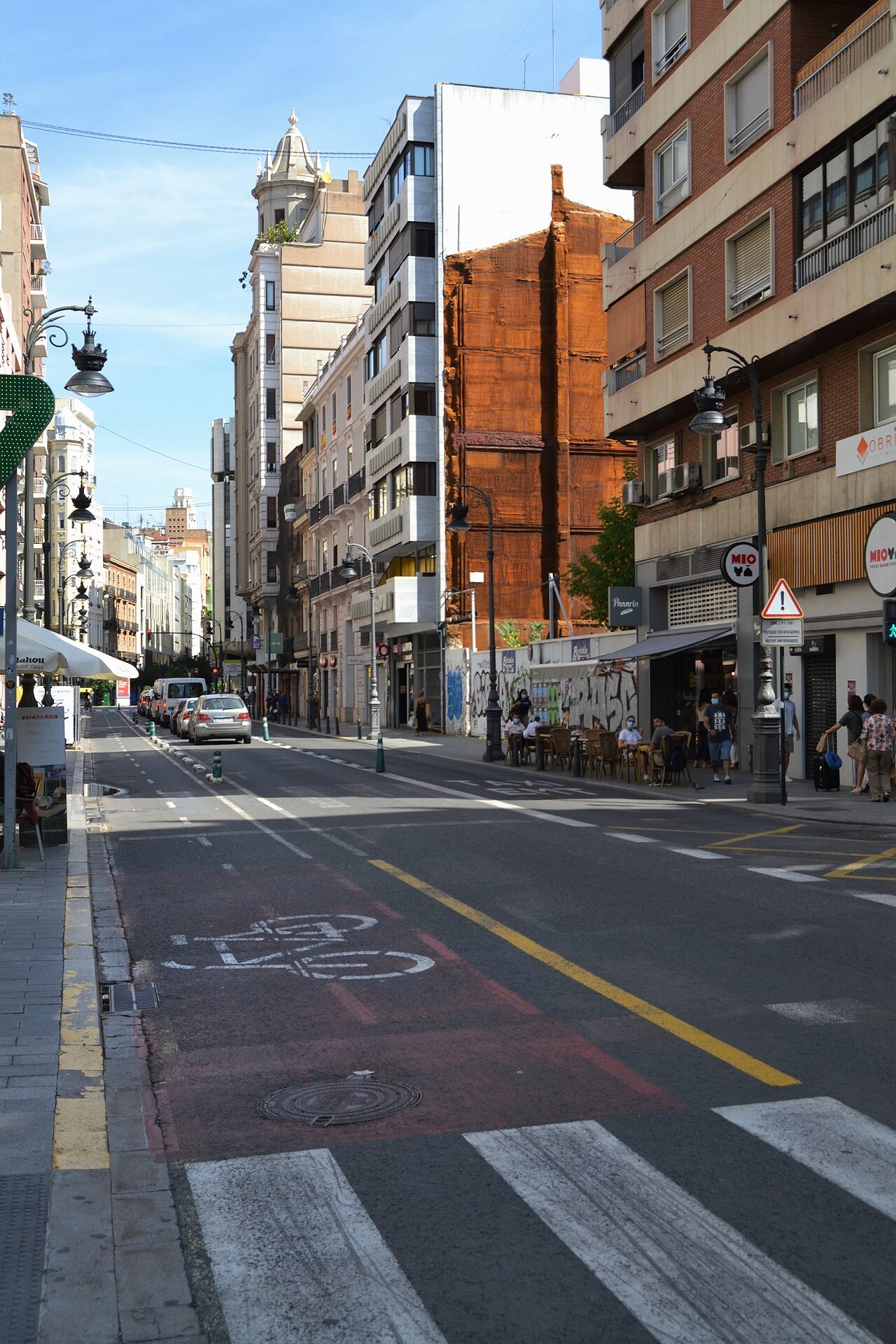
Valencia closes earlier, parties — Fallas aside — more gently, and lacks the 24-hour static of a true capital. Some arrivals from London, Madrid or Barcelona find the first months too calm. The same quality is Pro #2 viewed from the other side: your verdict depends entirely on the life you are trying to build.
The Balanced Verdict

Weigh the two lists and a pattern emerges: almost every con is either seasonal (the heat, August, Fallas), administrative (the paperwork, the language) or the shadow of a pro (rising rents because people agree with Pro #1). There is no entry on the cons list about safety, squalor, cost spirals or a city failing at daily life — and that, in the end, is Valencia’s pitch. It is a comfortable, beautiful, affordable Mediterranean city whose flaws are the manageable kind.
One more consideration belongs in the balance, because it decides more moves than any single pro or con: Valencia is easy to test. It is large enough to have an expat infrastructure — international schools, co-working spaces, English-speaking services in the centre — yet small enough that a one-month trial rental in Russafa or the Cabanyal gives you the true texture of life here, not a tourist’s version of it. Compare that with the sister cities honestly: Barcelona offers more of everything except calm and value, Seville offers more tradition at the price of fiercer summers and a thinner international scene. Valencia’s pitch was never that it wins every category. It is that it loses none of them badly.
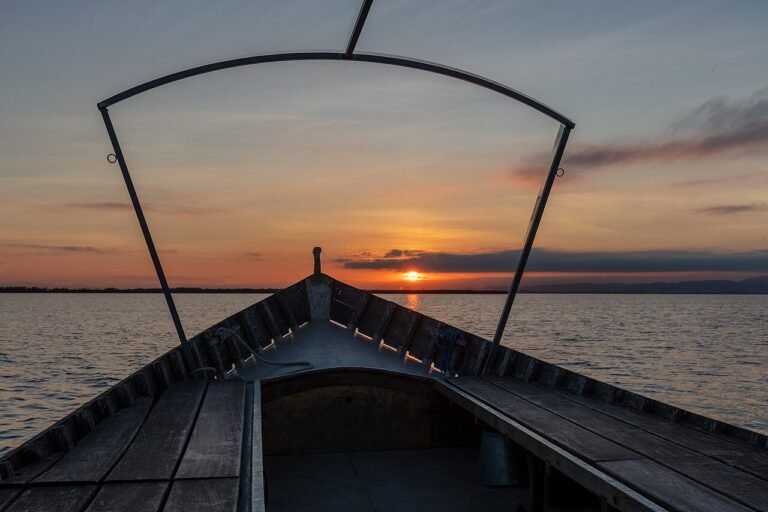
Valencia suits remote workers, retirees, families and slow-life seekers best; it suits job-hunters and nightlife maximalists least. The honest way to decide is the way locals test anything: spend a month, in two seasons if you can, live in a neighbourhood rather than a hotel, shop at the Mercado Central, queue at the health centre, and live one ordinary week. If the ordinary week makes you happy, the extraordinary ones — a sunset boat on the Albufera on an ordinary Thursday evening, say an Albufera sunset boat trip — will take care of themselves.
Travel insurance, sorted
Whether it is a two-week holiday or a longer move, travel insurance is the one booking not to skip. We point readers to SafetyWing’s Nomad Insurance — cover built for travellers, remote workers and longer stays abroad, on a flexible monthly subscription you can start before a trip or while you are already away.
Final Thoughts
Every city trades something. Valencia trades away the buzz of the capital and a month of summer comfort, and in exchange gives back light, space, food, the sea and money left at the end of the month. For a growing number of people — Spanish as well as foreign — that is the best trade on the Mediterranean. Start with the numbers in our Cost of Living in Valencia guide, weigh the sister cities in our Living in Barcelona guide and Living in Seville guide, and then come and walk the Turia at dusk and decide for yourself. Everything else we have written about the city lives on our Valencia hub page — “Your Ultimate Guide to Valencia”.
¡Buena vida en Valencia!
Photo credits: Plaza de la Reina — Falk2, CC BY-SA 4.0 · Turia Gardens — Esniom, CC BY-SA 4.0 · Malvarrosa beach — Juanedc, CC BY 2.0 · Mercado Central interior — Diego Delso, CC BY-SA 3.0 · Falla monument at the Torres de Serranos — ANGEL-ROS-DIE, CC BY-SA 4.0 · Gran Vía del Marqués del Túria — Dorieo, CC BY-SA 4.0 · The mascletà — Keith Ellwood, CC BY 2.0 · Carrer del Portal de Valldigna, El Carmen — Juan Emilio Prades Bel, CC BY 4.0 · Carrer de Russafa — Joanbanjo, CC BY-SA 4.0 · City of Arts and Sciences at dusk — Elemaki, modifications by Alvaro qc, CC BY-SA 3.0 · Plaza de la Virgen and the Miguelete — José Luis Filpo Cabana, CC BY 3.0. All via Wikimedia Commons.