Barcelona Beaches: The Complete Guide to All Ten City Beaches
Short Answer
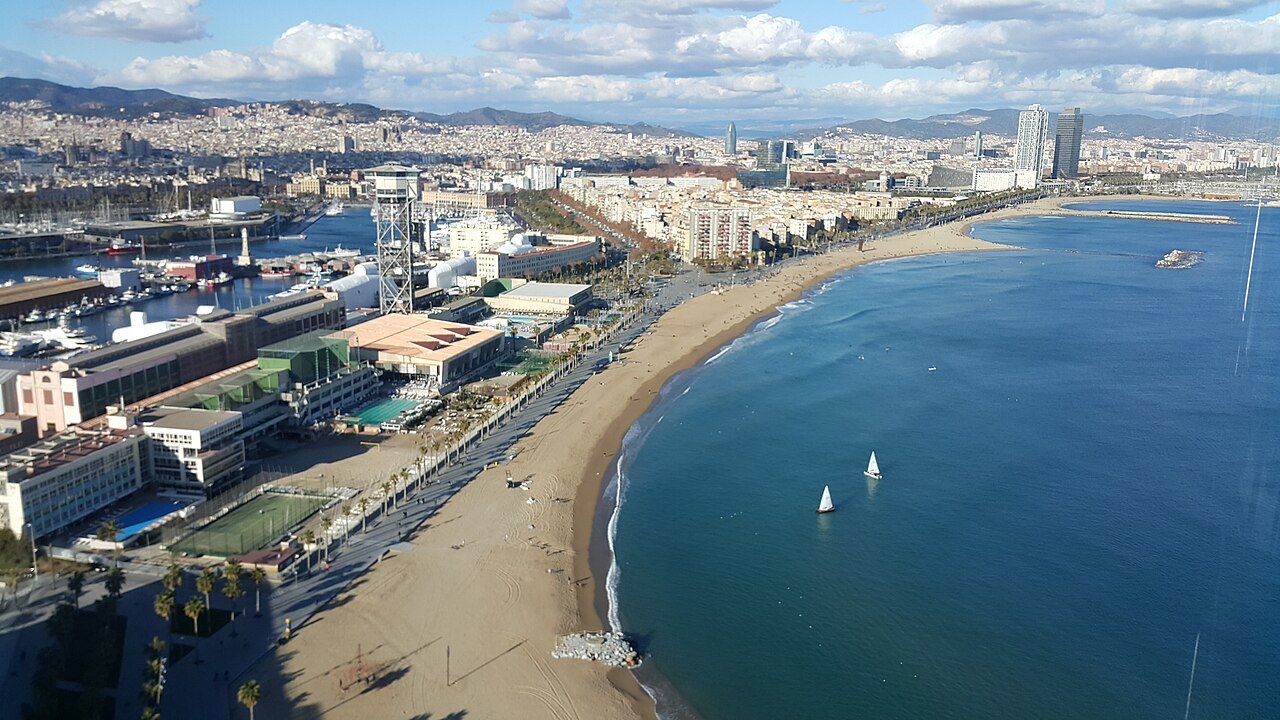
Barcelona is one of the few great cities where the beach is not a day trip but a neighbourhood. From the W Hotel at the southern end to the Fòrum at the north, the city runs about five kilometres of Mediterranean waterfront divided into nine sandy beaches — Sant Sebastià, Sant Miquel, Barceloneta, Somorrostro, Nova Icària, Bogatell, Mar Bella, Nova Mar Bella and Llevant — plus the Fòrum bathing area, a paved seawater basin with no sand at all. Together their official lengths add up to roughly 4.5 kilometres of sand, every metre of it free, open and reached by the same yellow metro line.
The beaches are not interchangeable, and choosing well is the whole game. The old beaches by the Barceloneta quarter are the famous, crowded, historic ones; the beaches north of the Port Olímpic grow steadily quieter, wider and more local as you walk. A beach morning earns its place on any list of the best things to do in Barcelona — but which beach, at what hour, decides whether you get the postcard or the crush.
Table of Contents
- The Short Version: One Coastline, Ten Personalities
- A Seafront Reborn: A Short History
- The Old Beaches: Sant Sebastià and Sant Miquel
- Barceloneta and Somorrostro: The Famous Stretch
- Port Olímpic and Nova Icària: The Olympic Shoreline
- Bogatell: The Locals’ Favourite
- The Northern Beaches: Mar Bella, Nova Mar Bella and Llevant
- The Fòrum Bathing Area: The Beach That Isn’t
- See the Whole Coastline from the Water
- Practical Info
- Tickets and Costs
- Getting There and Getting Around
- When to Go
- How Long You Need
- Tips for Visiting
- What to See Nearby
- Frequently Asked Questions
- Final Thoughts
The Short Version: One Coastline, Ten Personalities
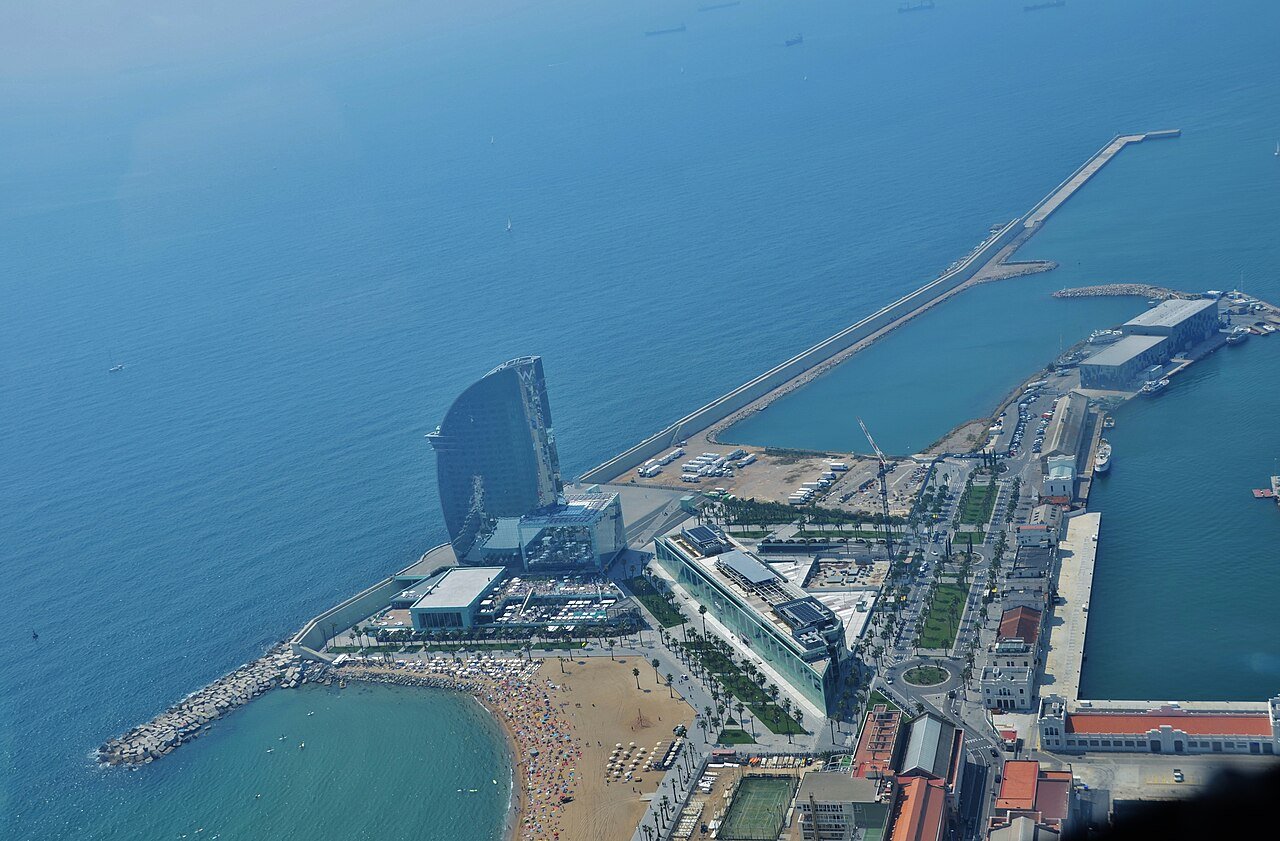
Read the waterfront from south to north and it tells you its own story. It begins under the sail-shaped W Hotel with the two oldest bathing beaches in the city, passes the fishermen’s quarter of the Barceloneta and its sardine-grill restaurants, crosses the 1992 Olympic marina, and then straightens into a long, calm sequence of local beaches built for the Games era — before ending at the Fòrum, where the “beach” is a flight of concrete steps into a sheltered basin. Locals navigate by beach name the way they navigate by neighbourhood, because each stretch has its own crowd, its own hour and its own rules of thumb.
If you want the whole chain in a single glance before choosing your spot, see it from the water. The Catamaran Orsom cruise sails from Port Vell, at the foot of La Rambla, and runs along the coast past every beach in this guide — 1.5 hours on a big sailing catamaran, with an optional live jazz set on board, rated 4.7 out of 5 on GetYourGuide. It is a sightseeing cruise, not a beach service: it does not stop, and there is no swimming stop. What it gives you is the map — the W, the old quarter, the Olympic towers, the long northern sand — laid out in one slow pass, after which every beach name in this article has a place.
A Seafront Reborn: A Short History
Barcelona turned its back on the sea for most of its history. The waterfront was a working edge of port, railway and industry, and the one district that faced the water — the Barceloneta, a grid of small streets laid out from the 1750s for fishermen and port workers — lived from the sea rather than on its beach. Bathing began, respectably and separately by sex, at the establishments that opened along the Sant Sebastià shore in the 19th century; the great swimming clubs, the Club Natació Barcelona and the Club Natació Atlètic-Barceloneta, still stand on that same stretch, which is why the council calls Sant Sebastià and the Barceloneta the city’s oldest and most traditional beaches.
The 20th century nearly ended the story. Shanty towns spread along the sand north of the old quarter — the largest, the Somorrostro, housed some 15,000 people in makeshift homes on what is now open beach — and the surviving stretches were cut off from the city by railway lines and industry. The shanties were cleared in the 1960s, but the coast stayed a back yard until the event that rebuilt it: the 1992 Olympic Games. For the Games, Barcelona demolished the barriers, built the Port Olímpic marina, laid the long seafront promenade and created or restored the whole sequence of beaches north of the old quarter — Nova Icària, Bogatell, Mar Bella and Nova Mar Bella among them. The last beach, Llevant, only joined the chain in the summer of 2006, and the W Hotel’s sail rose over Sant Sebastià in 2009.
The modern chapter is about management rather than building. The beaches have been smoke-free since the summer of 2022 — smoking is banned on the sand across all of them — and the council counts the visitors in millions: 5.6 million people used the beaches in the summer of 2026 alone, according to City Council figures reported in the local press. What you are swimming from is a working piece of city infrastructure, cleaned, lifeguarded, re-sanded after storms and argued over like a park — because that is exactly what it is.
The Old Beaches: Sant Sebastià and Sant Miquel
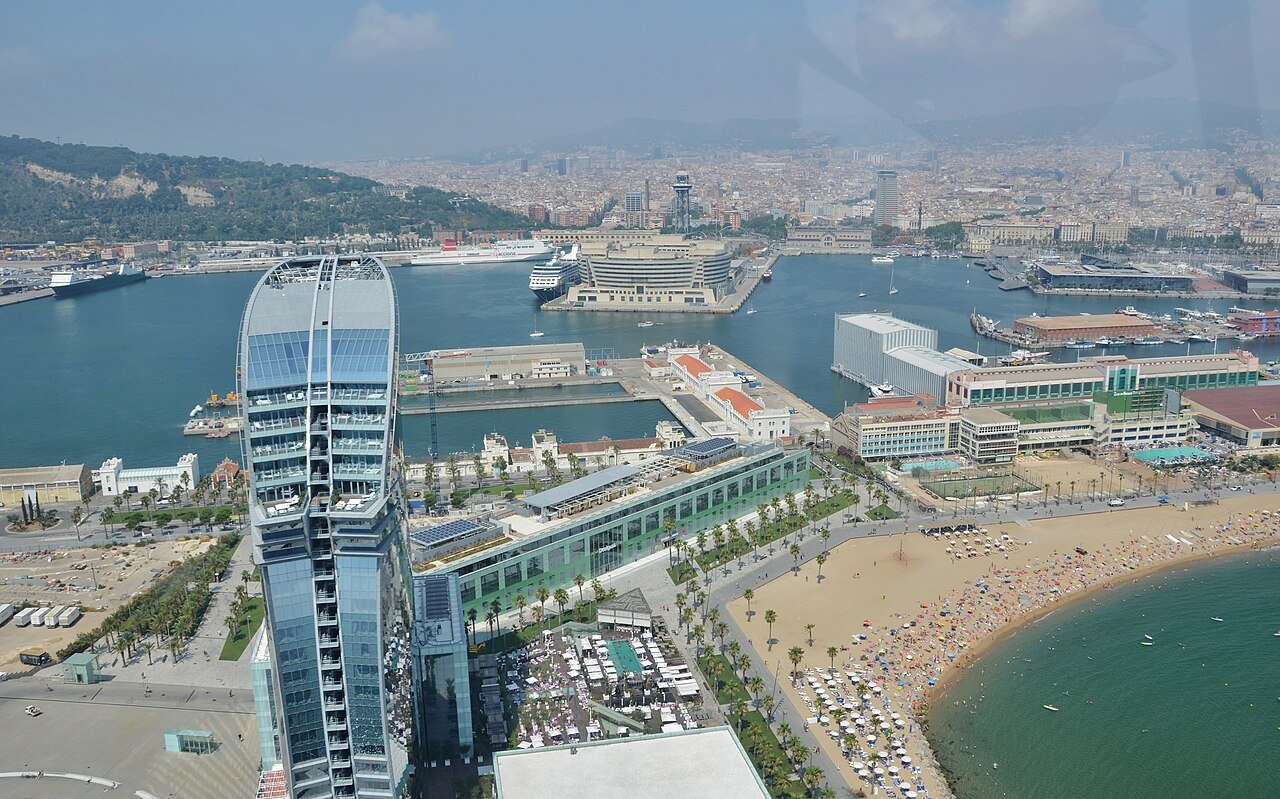
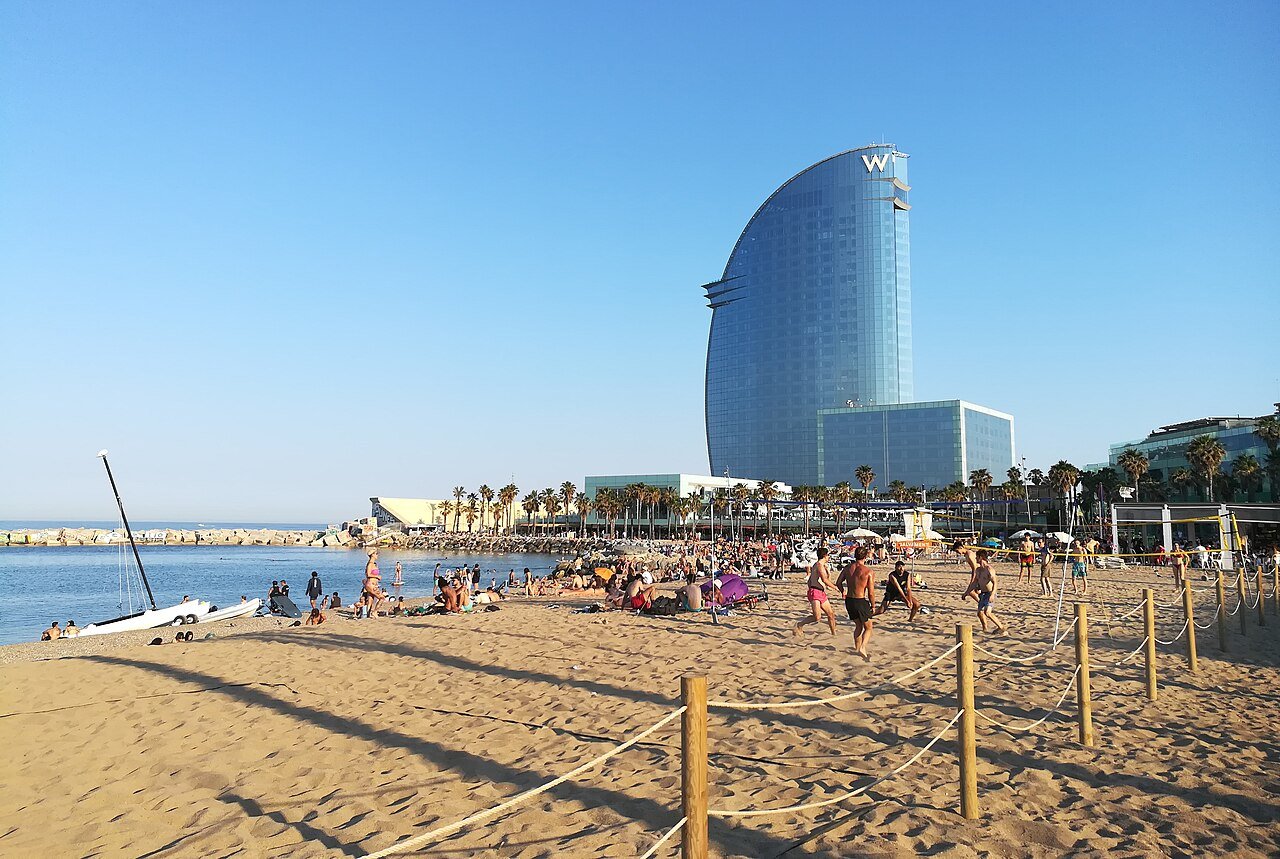
Start at the south, where the city beach began. Sant Sebastià (660 metres) runs from the harbour entrance to the Plaça del Mar, beneath the W Hotel, and it is the grandest of the old beaches: broad, busy and flanked by the historic swimming clubs whose members swim here all year. Almost 70% of its users are Barcelonans, the council notes, which tells you this is no tourist invention — it is where the old quarter has always come to swim. It has the full kit of the city beaches — lifeguard towers, adapted showers and toilets, wooden walkways that run down towards the water, lounger and parasol hire — and the bars and terraces of the Plaça del Mar at its back.
Next door, Sant Miquel (420 metres) is one of the oldest beaches in the city, named for the church of Sant Miquel del Port, built in 1755 in the heart of the Barceloneta quarter just behind it. Small, central and often the busiest stretch of sand in Barcelona relative to its size, it sits between Sant Sebastià and the Barceloneta beach proper, a few steps from the quarter’s market and its tapas bars. Come here for the classic scene — the quarter’s washing strung over the balconies behind you, the whole city apparently on one towel — and come early or late in the day if you want any space in it.
Barceloneta and Somorrostro: The Famous Stretch
Barceloneta beach (422 metres) is the name the world knows, and the beach itself is the short, intense stretch between the Gas breakwater (the Espigó del Gas) and Sant Miquel. On its sand stands the waterfront’s best-loved sculpture: Rebecca Horn’s L’Estel Ferit — the “Wounded Shooting Star” — a teetering stack of rusted steel-and-glass cubes installed for the 1992 Olympics, said to honour the quarter’s old beach shacks and bars. The beach behind it is the city’s stage: the fullest, loudest and most watched stretch of sand in Barcelona, with chiringuitos (beach bars), volleyball, itinerant drinks sellers working the towels and a promenade that never really empties. Swim here once for the scene; then, like most Barcelonans, do your serious beach-going further north.
East of the Gas breakwater, Somorrostro (522 metres) continues to the Port Olímpic — wide, open and calmer, and the most historically loaded sand in the city: this is the shore the Somorrostro shanty town stood on, and the beach keeps the name deliberately, as recovered memory. Under the promenade arcade in front of the Hospital del Mar sits the Centre de la Platja, the council’s Beach Centre, with free activities and information through the season. Somorrostro is the hinge of the coastline — the last beach of the old town, with the Olympic towers already in view — and for many visitors it is the sweet spot: the old-quarter atmosphere without the Barceloneta crush.


Port Olímpic and Nova Icària: The Olympic Shoreline
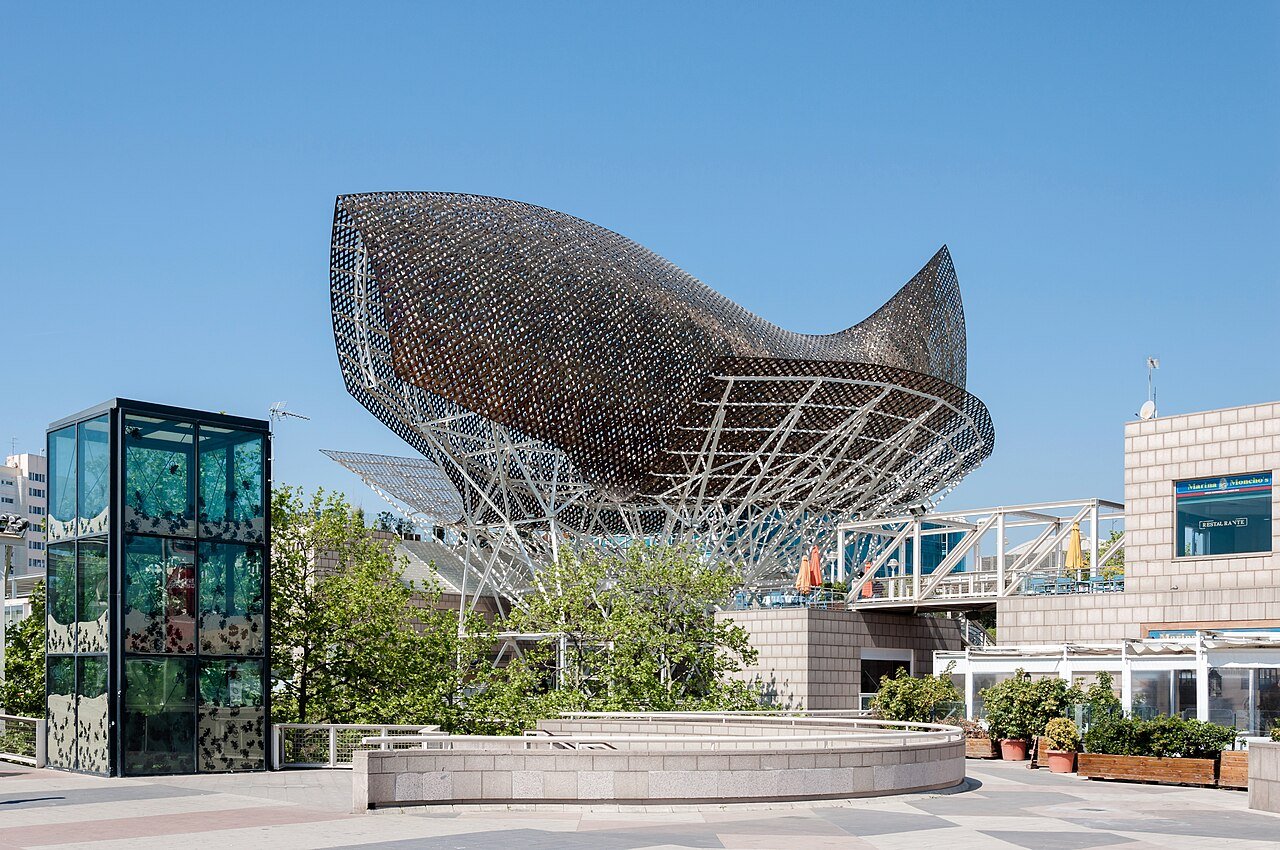
The Port Olímpic is the coastline’s full stop — a marina built for the 1992 sailing events, watched over by the twin towers of the Hotel Arts and the Torre Mapfre and by Frank Gehry’s Peix d’Or, the great golden fish whose copper scales shimmer over the promenade. Between Somorrostro and Nova Icària the waterfront is restaurants, marina walkways and the casino rather than sand, and it makes the natural lunch break on a walk up the coast.
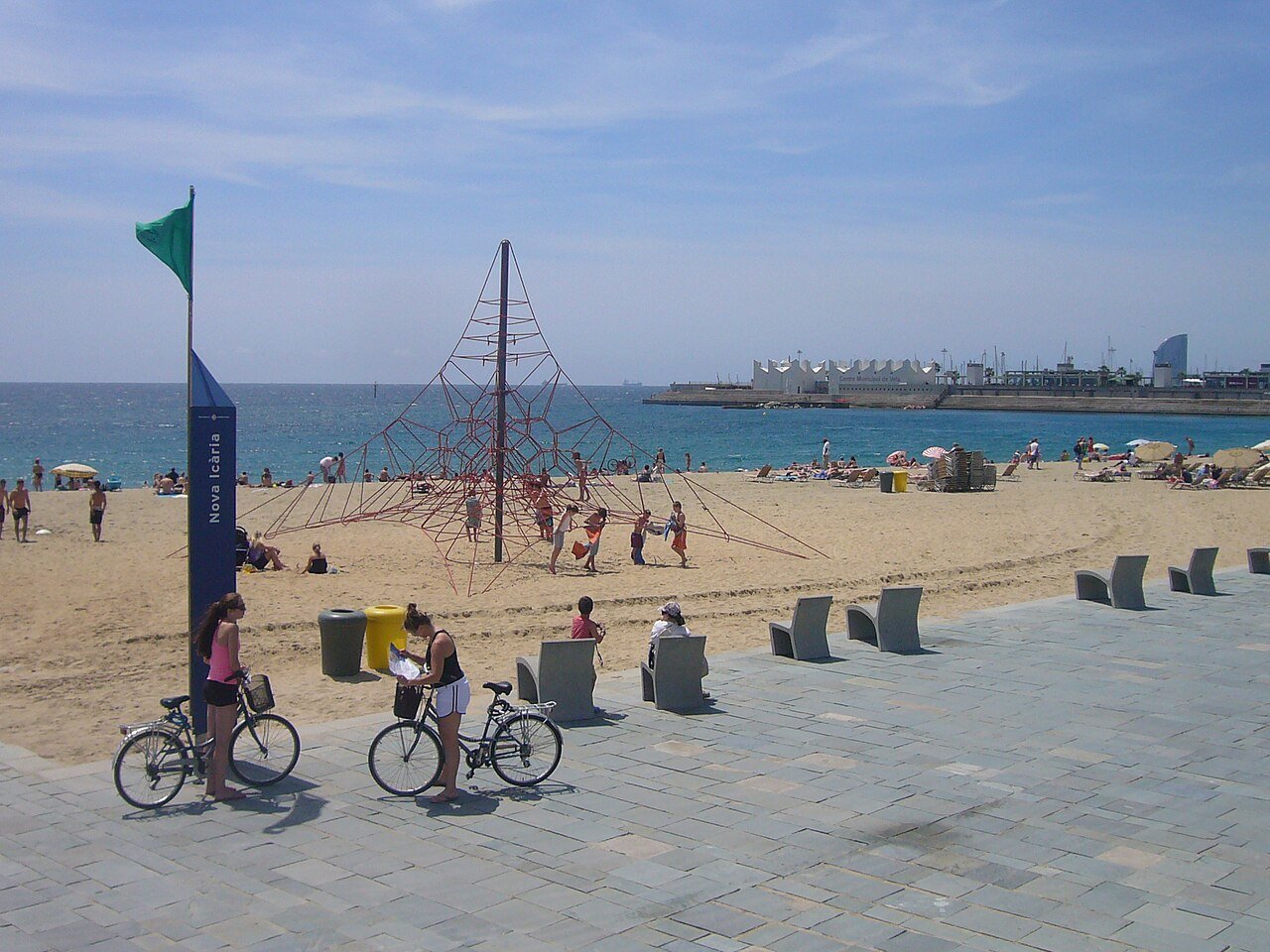
Beyond the marina lies Nova Icària (415 metres), which the council itself calls one of the quietest beaches in the city, and the description holds: a family beach of volleyball courts, ping-pong tables and the big rope-climbing pyramid children migrate to, with the calmest water of the central beaches behind its breakwater. Nova Icària is also one of the beaches where the council runs its assisted bathing service — staff, amphibious chairs and equipment to help bathers with reduced mobility into the water, bookable in advance through the council’s beaches pages. If you are travelling with children, grandparents or anyone who needs the water gentle and the facilities close, this is the beach the locals will point you to.
Bogatell: The Locals’ Favourite
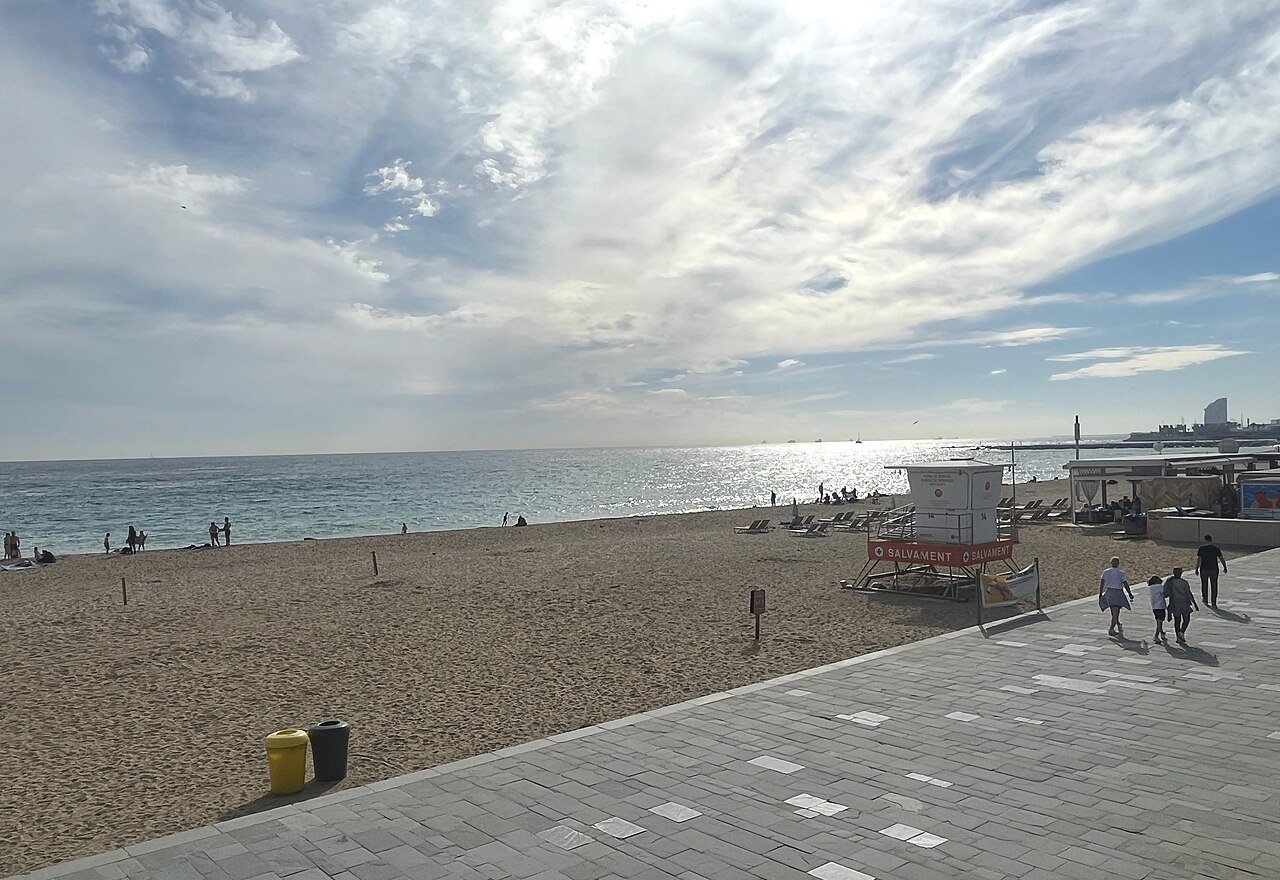
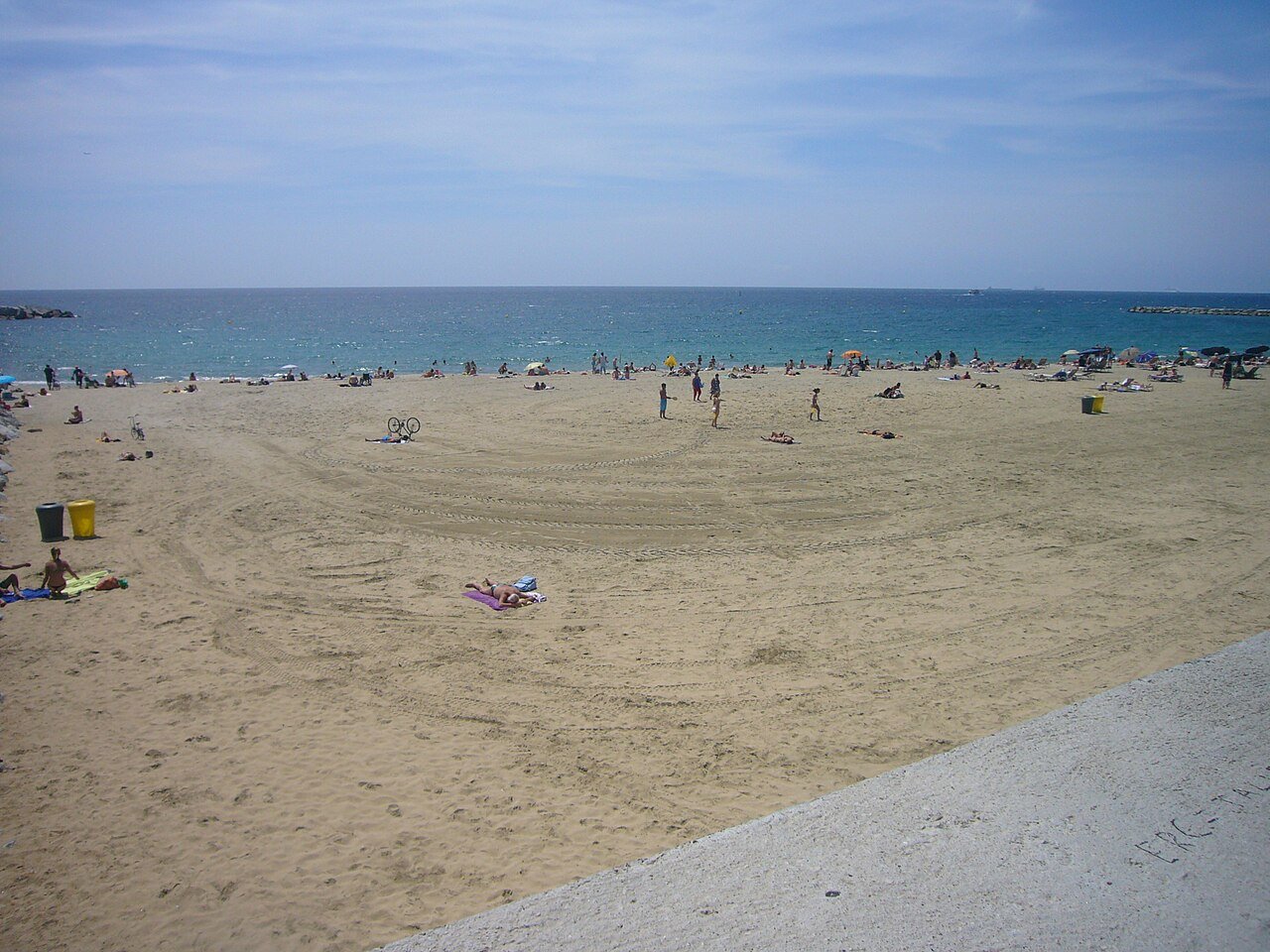
Ask a Barcelonan which beach they actually use and the answer, more often than not, is Bogatell (702 metres) — at that length the longest beach in the city, and the one where the balance tips decisively from visitors to residents. It has the same full service as everywhere — lifeguards, showers, toilets, lockers, a chiringuito or two — but the crowd is older, the towels are further apart and the promenade behind it fills with the Poblenou neighbourhood out for its evening walk. The sports kit is serious: volleyball, ping-pong tables, a football pitch and exercise areas along the back of the sand, and the water, reached past a slightly pebbly entry in places, is as clean as anywhere on the chain — the city beaches fly Blue Flags, Bogatell among them. If your trip allows only one “real” beach day, the local vote says to spend it here.
The Northern Beaches: Mar Bella, Nova Mar Bella and Llevant
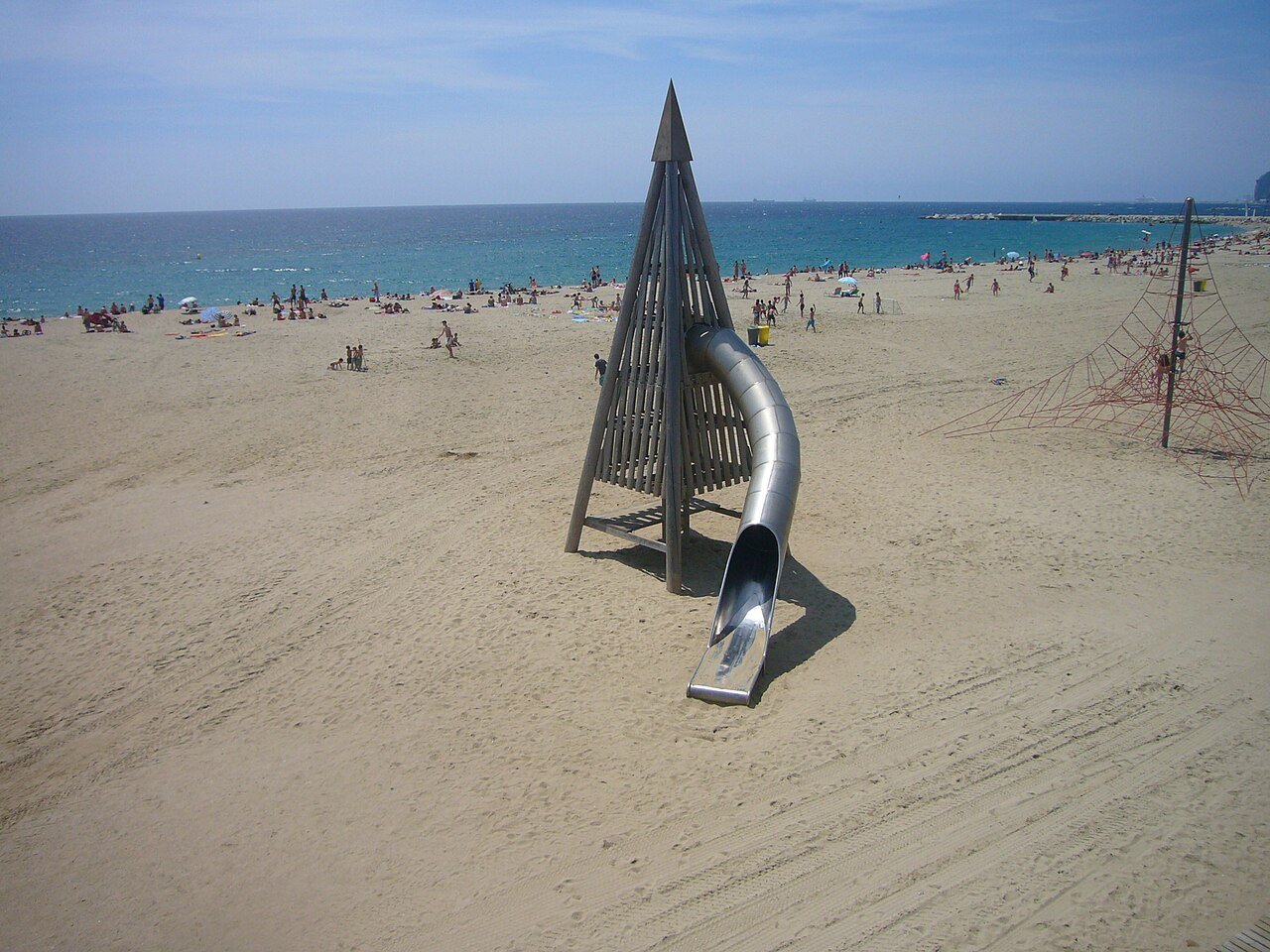
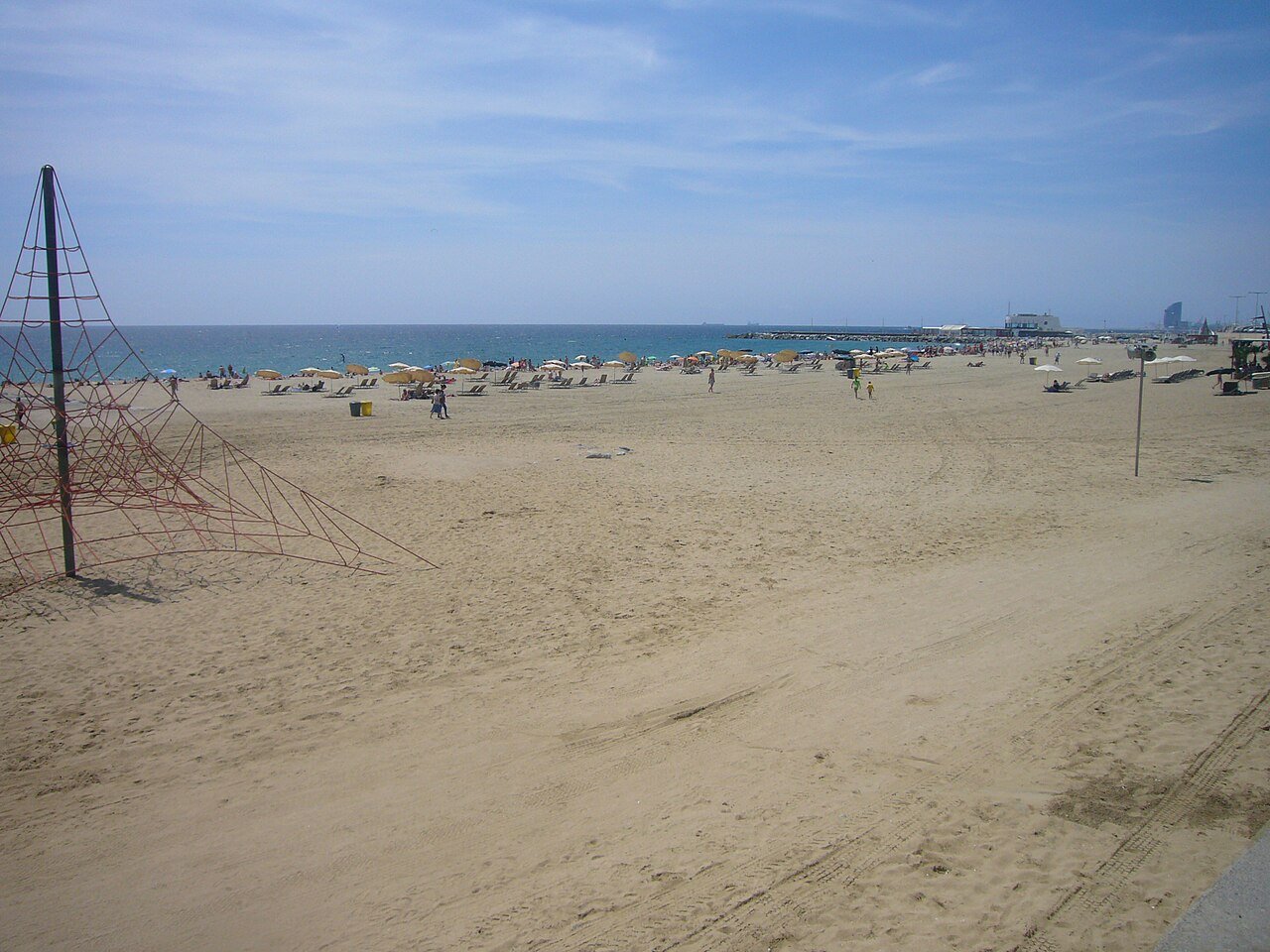
Past Bogatell the promenade grows greener and the beaches grow calmer still. Mar Bella (512 metres) is the young, sporty one — skate park and basketball hoop on the promenade, a nautical base at its western end, volleyball on the sand — and it holds the city’s designated naturist area, at the Bac de Roda breakwater end, where nude bathing is the established custom and nobody makes anything of it. Nova Mar Bella (about 420 metres), created with the same Olympic-era reclamation of the seafront, is the quietest of the sandy beaches: broad, residential, and favoured by the Sant Martí neighbourhoods behind it — the beach for a book and a whole afternoon.
The chain’s last sand is Llevant (about 375 metres), the newest beach in Barcelona, added in the summer of 2006 beside the Fòrum. Llevant holds one distinction no other city beach has: in high season a fenced section of it is set aside as an area for residents with dogs — the only legal way to take a dog onto a Barcelona beach in the bathing season, when dogs are otherwise barred from the sand. Even without a dog, Llevant is worth the extra metro stops for its space and its views back down the whole coastline.
The Fòrum Bathing Area: The Beach That Isn’t
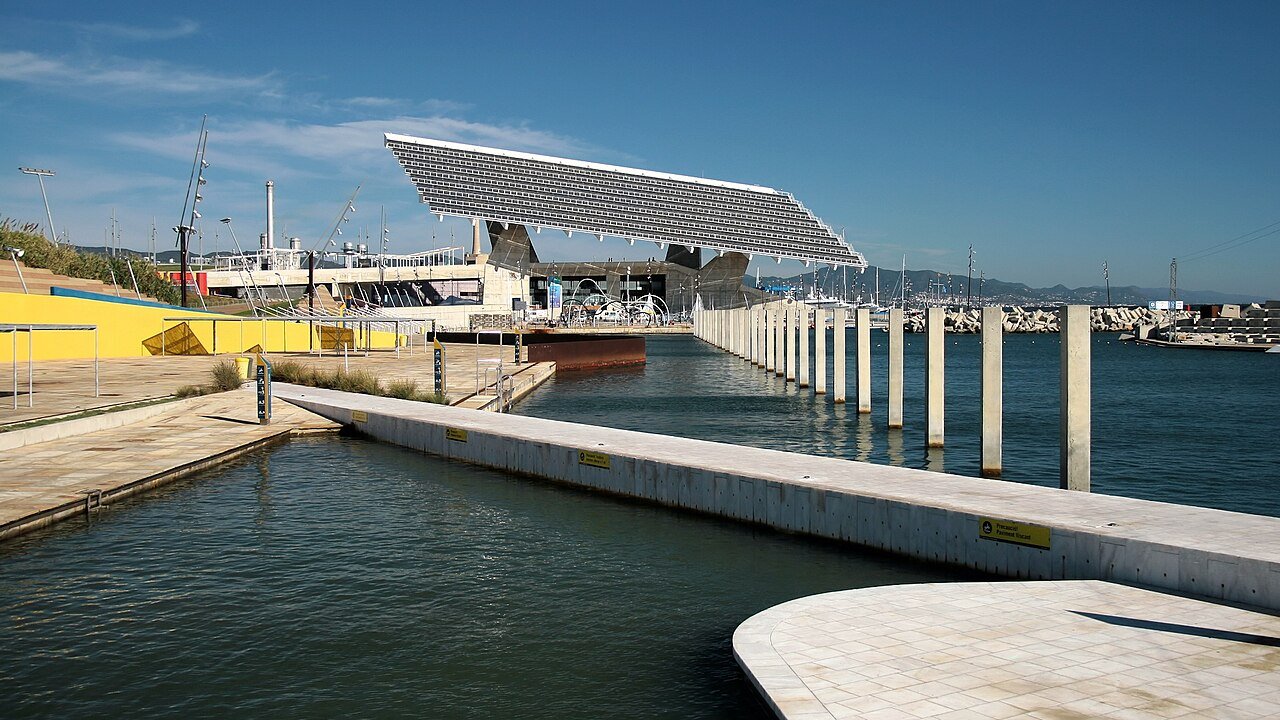
The tenth entry in the council’s list is not a beach at all. The Fòrum bathing area (Zona de Banys), at the far northern end of the waterfront in the Parc del Fòrum, is a paved harbour basin: broad concrete steps and platforms lead down into sheltered seawater, fenced from the open sea, beneath the park’s enormous tilted photovoltaic pergola — the solar sail left by the 2004 Forum of Cultures. There is no sand to stake a towel on, the water is entered by steps and ladders like a harbour pool, and in exchange you get deep, calm water, space, and one of the city’s assisted bathing points, with a hydraulic chair among its equipment (the point has been closed for works at times, so check the council’s beaches pages before relying on it). As a place to swim it is excellent; as a beach it is a piece of Barcelona contrariness to end the chain on.
See the Whole Coastline from the Water
Walk the promenade and the beaches pass one at a time; from the sea, they read as one design. That is the pleasure of the Catamaran Orsom cruise along the coast: boarding at the Moll Adossat in Port Vell, beside the Columbus monument at the foot of La Rambla, you sail out past the W Hotel and then run the length of the chain — the old quarter’s beaches, the golden fish, the twin towers, the long northern sand fading to the Fòrum’s solar sail — with the city laid out behind it like a relief map. The boat is a large sailing catamaran with nets at the bow; drinks are bought on board, the live jazz is an optional extra on the booking page, and free cancellation runs to 24 hours before. Do it on your first evening and the rest of this guide becomes a map you have already seen; do it at the end and it is a farewell pass over every beach you swam from.
Practical Info
- What and where: nine sandy beaches and the Fòrum bathing area along roughly five kilometres of waterfront, running south-west to north-east: Sant Sebastià, Sant Miquel, Barceloneta, Somorrostro, Nova Icària, Bogatell, Mar Bella, Nova Mar Bella, Llevant, Fòrum. All are public and free, at all hours, all year.
- Bathing season and lifeguards: the council staffs the beaches in a mid season (Easter period, spring weekends, May, and mid-September to early October) and a high season — in 2026, high season ran from 30 May to 13 September, with lifeguard and rescue services on all beaches from 10:30 to 19:30 (10:30 to 18:30 in mid season). Outside those hours and in the low season there are no lifeguards; the emergency number is 112.
- Flags: obey the flag on the lifeguard tower — green means bathing is safe, yellow means caution, red means no bathing; a jellyfish warning flag flies when jellyfish are present. Only swim inside the buoyed bathing areas, and keep out of the marked boat channels.
- Facilities: every beach has showers, public toilets (open through the season), drinking fountains and litter and recycling points; most have lockers, children’s play areas, sports kit and deckchair and parasol hire from concessions. Wooden walkways run down the sand towards the water on all beaches. Note that in drought periods the council has switched beach showers off to save water — check the notices on the day.
- Accessibility: all beaches have adapted toilets, adapted showers and reserved parking. The assisted bathing service — personal and technical help into the water, with amphibious chairs and a hoist — operates at set points including the Barceloneta, Nova Icària, Bogatell and the Fòrum bathing area; it is bookable online through the council’s beaches pages and runs in the bathing season only.
- Rules: the beaches are smoke-free (since summer 2022; smoking survives only in the beach bars and on the promenades). Dogs are not allowed on the sand in the bathing season, except in Llevant’s designated dog area in high season. The naturist area at Mar Bella is custom, not compulsion — dress or undress as you prefer there.
Tickets and Costs
There are no tickets: every Barcelona beach is free, unreserved and open, and anyone who offers to sell you beach entry is selling you nothing. The costs of a beach day are the add-ons, and they are modest and optional — a lounger and parasol from the hire concessions on the sand (prices are set by each concession and vary by beach and season, so check the board at the hut), drinks and lunch at the chiringuitos or in the Barceloneta quarter’s restaurants behind the promenade, and lockers where they are offered. The one bookable product in this guide is the boat: the Orsom catamaran cruise is priced per person on GetYourGuide and varies by date and by whether you add the live jazz; it changes nothing about the beaches themselves — they remain gloriously free on the other side of it.
Getting There and Getting Around
The yellow metro line L4 is the beach line, and each station names its beach: Barceloneta for Sant Sebastià, Sant Miquel and the Barceloneta itself (a few minutes’ walk through the quarter); Ciutadella | Vila Olímpica for Somorrostro and Nova Icària, past the Port Olímpic; Bogatell for Bogatell beach; Llacuna for Bogatell and southern Mar Bella; Poblenou for Mar Bella; and Selva de Mar for Nova Mar Bella and Llevant, with the T4 tram running on to the Fòrum. From the old town, the southern beaches are a simple walk: down through the Gothic Quarter and the Barceloneta quarter, or along the Port Vell waterfront from the Columbus monument — and the Port cable car lands you at the Torre Sant Sebastià, directly above Sant Sebastià beach.
Along the waterfront itself, walk or cycle. The promenade runs unbroken from the W Hotel to the Fòrum — about five kilometres, flat, shaded in stretches and lined with water fountains — and a full end-to-end walk, stopping as you go, is one of the great free mornings in the city. City buses run along the seafront roads behind the promenade, and the sightseeing buses stop at the Port Olímpic and the Barceloneta.
When to Go
The Mediterranean season is generous but the serviced season is what matters: for lifeguards, open facilities and the full chiringuito row, come between late May and mid-September, with June and the first half of September the sweet spots — warm sea, full services, thinner crowds. July and August bring the hottest water and the full weight of the city’s summer: the central beaches fill by midday, and the local strategy is the early swim — before 11:00 the sand is still mostly Barcelona’s. The night of 23 June, Sant Joan, is the beaches’ great festival, when the whole city seems to come down to the sand for bonfires, fireworks and the year’s first midnight swim. Outside the season the promenade stays alive — runners, skaters, winter swimmers from the old clubs, terrace lunches in the January sun — but the sea is cold, the lifeguards are gone and the bathing is a bracing hobby rather than a plan.
How Long You Need
A single beach session needs half a day to do properly — Barcelona beach-going is a slow art of swim, chiringuito, promenade and second swim. To feel the range of the coastline, give the waterfront a full day: the old beaches and the Barceloneta quarter in the morning, lunch at the Port Olímpic, then the walk or the metro hops north through Bogatell to Mar Bella, and the Fòrum’s basin at the end. Most visitors, sensibly, spread it out — a different beach on different afternoons, fitted around the city’s sights, which is how the residents use them too.
Tips for Visiting
- Choose by neighbourhood, not by name. “The Barceloneta” is the famous address, but Bogatell and Nova Icària are where the city itself swims. Walk ten minutes north of the crowds and the beach changes completely.
- Guard your things. The central beaches are notorious for bag theft, and the classic move — the whole group swimming at once, bags unattended — is the one to avoid. Take turns in the water, keep valuables to a minimum, and use the lockers where they exist.
- Swim in lifeguard hours. The towers are staffed from 10:30 through the season’s day, and the flags and buoyed channels mark the safe water. Outside them, you are on your own recognisance.
- Read the flag, then look for jellyfish. Yellow-flag days with the jellyfish warning flying are common after onshore winds; a sting is treated at the first-aid posts on the central beaches.
- Book assisted bathing ahead. If anyone in your party needs help into the water, the council’s service at Nova Icària, the Barceloneta, Bogatell or the Fòrum is excellent — and bookable online — but it is seasonal and scheduled; do not simply turn up and hope.
- Respect the smoke-free rule. The ban on smoking on the sand is enforced and genuinely observed; step up to the promenade or a beach bar terrace instead.
- Shower strategy. The beach showers are for rinsing, and in drought-saving periods they may be off entirely; the fountains along the promenade are drinking water, and the quarter’s cafés are never far.
- End the day on the promenade. The hour before sunset, when the light turns and the beach empties into the bars behind it, is the waterfront at its best — plan to still be there.
What to See Nearby
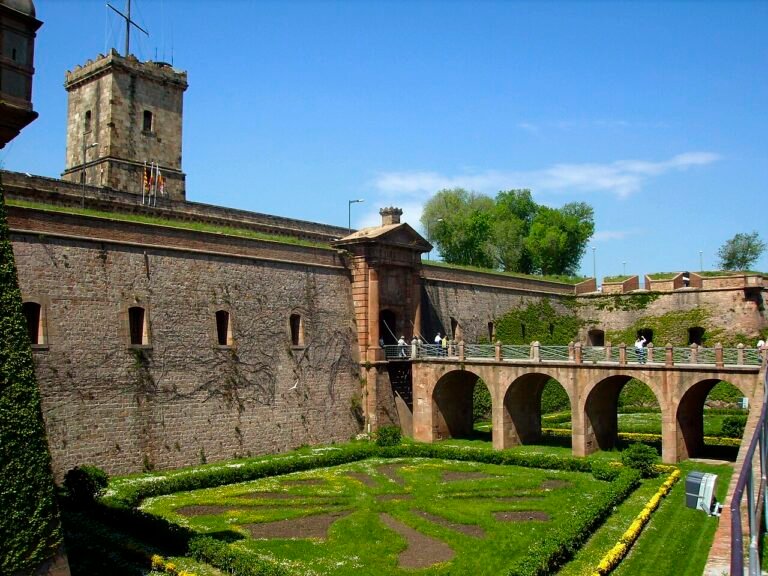
The beaches back onto whole quarters. Behind the southern beaches stands the Barceloneta itself — the fishermen’s grid of narrow streets, seafood restaurants and tapas bars, with the El Born quarter and its medieval streets just beyond it. Port Vell, the old harbour at the foot of La Rambla, holds the aquarium and the Maremàgnum across the water from the W. On the hill above the southern end, Montjuïc’s gardens and castle watch over the port. North of the marina, the Port Olímpic’s restaurants cluster under the golden fish; behind Bogatell and Mar Bella, the Rambla del Poblenou runs up into that neighbourhood’s terraces and ice-cream shops; and at the far end, the Parc del Fòrum and the Diagonal Mar district close the city. A beach day in Barcelona is never only a beach day.
Frequently Asked Questions
Which is the best beach in Barcelona?
It depends on the day you want. For the classic scene and the old quarter on your towel, the Barceloneta or Sant Miquel. For families and gentle water, Nova Icària. For space, sport and a local crowd, Bogatell. For quiet, Nova Mar Bella; for character, Somorrostro; for a swim without sand, the Fòrum. The sections above give each beach its full case.
Are Barcelona’s beaches natural or man-made?
Both, in layers. The old beaches by the Barceloneta have centuries of bathing history, but the coastline you see today is largely a creation of the 1992 Olympic redevelopment — beaches built, widened and laid with sand along a shore that had been railways, industry and shanty towns — and the council maintains them actively, redistributing and replenishing sand after storms.
Can you swim in Barcelona all year round?
People do — the old swimming clubs’ members swim through the winter — but the serviced season runs from spring to early autumn, and outside it there are no lifeguards, few facilities and a cold sea. Summer visitors get water at its warmest from July to September.
Are the Barcelona beaches free?
Yes — every beach, and the Fòrum bathing area, is public and free at all hours. You pay only for optional extras: lounger and parasol hire, lockers, food and drink.
Is there a nude beach in Barcelona?
Yes. Mar Bella has a designated naturist area at its Bac de Roda breakwater end, where nude bathing is the local custom. It is one ordinary section of a normal city beach — everyone is welcome, dressed or not.
Can I take my dog to the beach in Barcelona?
Not onto the sand in the bathing season — with one exception: in high season, Llevant beach sets aside a designated area for residents with dogs. Outside the season, dogs on the promenade and the winter shore follow the city’s general rules; check the council’s beaches pages for the current arrangement before you go.
Travel insurance, sorted
Whether it is a two-week holiday or a longer move, travel insurance is not the most glamorous part of a trip — but it is the one booking you want to have in place before a trip, and while you are already away. Get a quote from SafetyWing
Final Thoughts
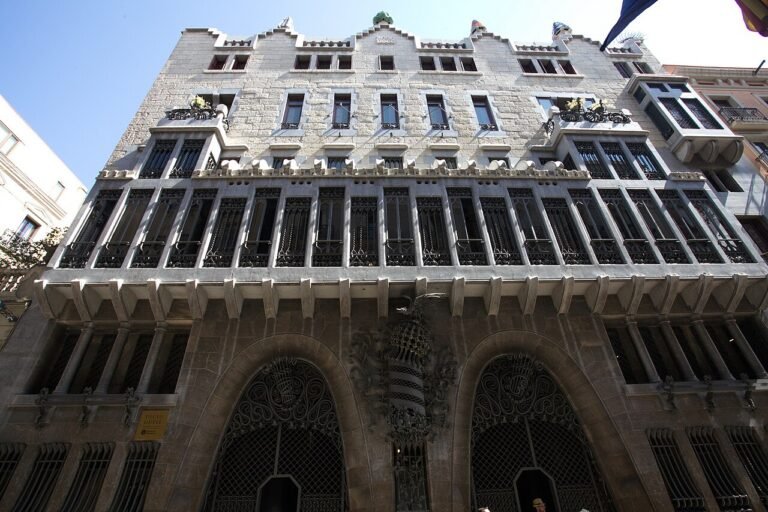
Most cities lend you their beach; Barcelona’s is built into the city’s daily life, and that is its charm. These ten stretches of water are where the city swims before work, argues over lunch, walks its dogs at the one beach that allows them and celebrates its biggest night of the year. Pick your beach the way a local would — by the day you want, not the name you know — swim in the lifeguarded hours, and walk the promenade once from end to end. The Gaudí houses will still be there tomorrow; the Mediterranean, on a June morning with the flags green, is the sight Barcelona keeps for itself.
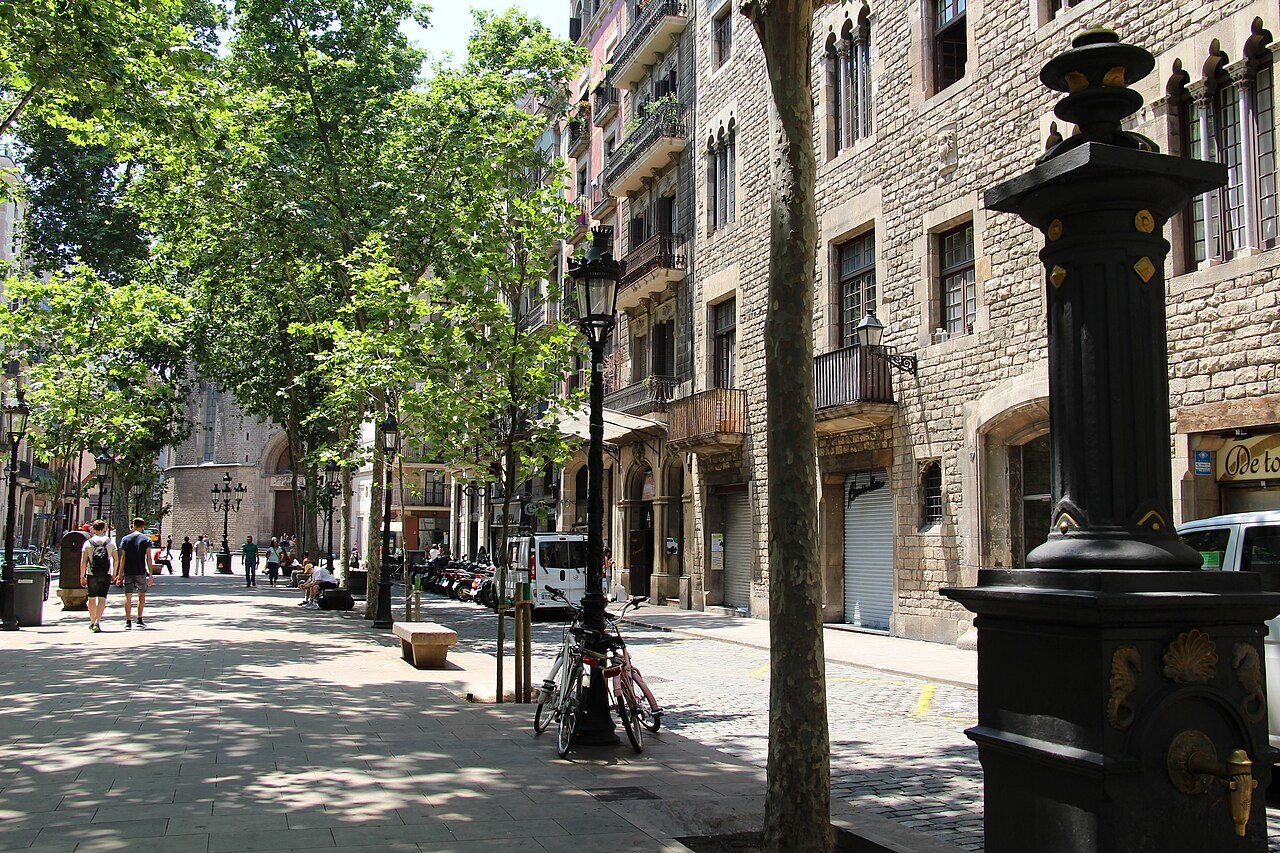
Photo credits: Friviere, Maria Rosa Ferré, Enric, Enfo, dronepicr, Isiwal, Jordiferrer, Benoît Prieur and Jorge Franganillo, via Wikimedia Commons.


One Comment