Barcelona in August: 12 Things to Do, From Gràcia’s Decorated Streets to the Beaches at Their Fullest
August is Barcelona turned all the way up — and then, strangely, half-emptied. This is the hottest month, the warmest sea of the year and the fullest beaches, and at its centre sits the city’s greatest street party, a week when a whole district rebuilds its streets as other worlds. It is also when the Barcelonins leave: family shops shutter, restaurant kitchens close, and the city hands itself over to its visitors and its festivals. Where July in Barcelona was summer at full stretch, August is summer at maximum density — everything bigger, hotter, more crowded, with one beloved festival as the compensation.

The practical shape of the month: it opens on a free-museum Sunday (the 1st), runs through the world’s biggest LGBTQ+ party week and the last nights of open-air cinema, peaks with the Festa Major de Gràcia (15–21 August) and closes with the Festa Major de Sants in the last week. One oddity to know before you plan: in 2027 the Assumption, 15 August, falls on a Sunday and Catalonia grants no substitute — there is no August weekday holiday at all (§9 explains). And for the day the city’s sand defeats you, book the coast an hour north: From Barcelona: Costa Brava Day Tour with Lunch runs ten hours to a cove swim, clifftop gardens, lunch and walled Tossa de Mar — 4.7/5 across 1,261 reviews, from $129, free cancellation up to 24 hours ahead.
What follows is the month in calendar order.
The Short Version
Short on time? Here is August in five lines:
- The shape: Maximum summer — the hottest days, the warmest sea (25–26 °C), the fullest beaches, and the locals’ great exodus underneath.
- The headline week: The Festa Major de Gràcia, 15–21 August — around twenty streets rebuilt as themed worlds, free day and night.
- The headline days: The month opens with free-museum Sunday on the 1st, and the season’s open-air cinema ends in the first week — both are use-them-or-lose-them.
- The weather: Highs around 29–30 °C with serious humidity, nights near 22 °C, late-month thunderstorms.
- The strategy: August is a booking month and a rhythm month — Gaudí slots and Gràcia-week hotels first, sights early, sea and shade at midday, the city after nine.
August’s only real traps are expecting the 15th to behave like a holiday (it falls on a Sunday in 2027, with no substitute) and expecting your favourite little restaurant to be open. It may well be at the beach.
What August Weather Is Really Like
August is the Mediterranean summer at full pressure: the heat of July with a lid on it. The defining sensation is the xafogor — the thick, humid closeness that settles over the city — and the month’s second half adds the late-afternoon thunderstorm that builds over the hills and breaks over the beaches.
| August in Barcelona | The numbers |
|---|---|
| Daytime highs | Around 29–30 °C, and 33 °C or more on heatwave days |
| Night-time lows | Around 22 °C — nights that stay above 25 °C happen in most Augusts |
| Sea temperature | About 25 °C at the start, 26 °C mid-month — the year’s warmest water |
| Rain | Roughly 4–5 days — mostly short, violent storms rather than grey days |
| Daylight | About 14 hours at the start, easing to about 13 by the end; sunset slips from about 21:05 to about 20:30 |
Pack for heat plus humidity: the lightest natural fibres you own, swimwear in rotation, a hat, serious sun protection — and a plan for the storm hour, because August’s rain rarely ruins a day but cancels an afternoon’s beach. The behavioural rules harden from July’s: nothing strenuous outdoors between one and six, water carried everywhere, the evening treated as the day’s main event. Our best time to visit Barcelona guide sets August against the year; the short version is that August is the extreme month — the sea at its best, the city at its most intense.
Contents
- 1. Free-Museum Sunday on the Month’s First Morning (Sunday 1 August)
- 2. Circuit Festival: The World’s Biggest Party Week (Early August)
- 3. Open-Air Cinema: Catch the Season’s Last Nights (First Week)
- 4. The Beaches at Maximum: August’s Rules of the Sand
- 5. The Gaudí Sights in the Month of Sold-Out Slots
- 6. Day Trip: The Costa Brava, Done Properly
- 7. Up the Mountain: Tibidabo and the Collserola Air
- 8. Festa Major de Gràcia: The Streets Become Worlds (15–21 August)
- 9. The Great Exodus: The City the Locals Leave You
- 10. Festa Major de Sants: The Month’s Second Festival (Late August)
- 11. Eat August: Tomatoes, Figs and Sardines off the Grill
- 12. August After Dark: Perseids, Promenades and Lit Streets
1. Free-Museum Sunday on the Month’s First Morning (Sunday 1 August)
August performs its neatest trick on its very first morning. The 1st of August 2027 is a Sunday — which makes it the month’s free-museum Sunday, the day the city’s civic museums open free, many of them all day, exactly when you need to be inside a cool stone building.

In August the scheme’s star is the building itself. The Museu Marítim occupies the Drassanes Reials, the royal shipyards — a vast Gothic hall of stone arches where galleys were built in the Middle Ages, and one of the coolest, dimmest, most beautiful rooms in the city on a hot morning, with the full-size replica of Don Juan’s galleon riding its floor. Build the rest of the day on the same principle: the MNAC, the Museu Picasso’s palaces, the Fundació Joan Miró. August’s crowds make the booking rules absolute — the famous names run timed entry even when free, the Picasso’s free slots go within minutes, and arriving at opening time is the difference between a museum and a queue.
The full scheme, museum by museum, is in our guide to free things to do in Barcelona — in August, read it with a strategist’s eye: the free Sunday buys you the hottest hours of the first week at €0, in air the 14th century designed.
2. Circuit Festival: The World’s Biggest Party Week (Early August)
In the first full week of August, Barcelona hosts the largest LGBTQ+ festival on the planet. Circuit Festival — run by the Matinée Group since 2008 — takes over the city’s clubs, beaches and pools, drawing tens of thousands of visitors from more than eighty countries: daytime pool parties, beach sessions, and club nights running to dawn.
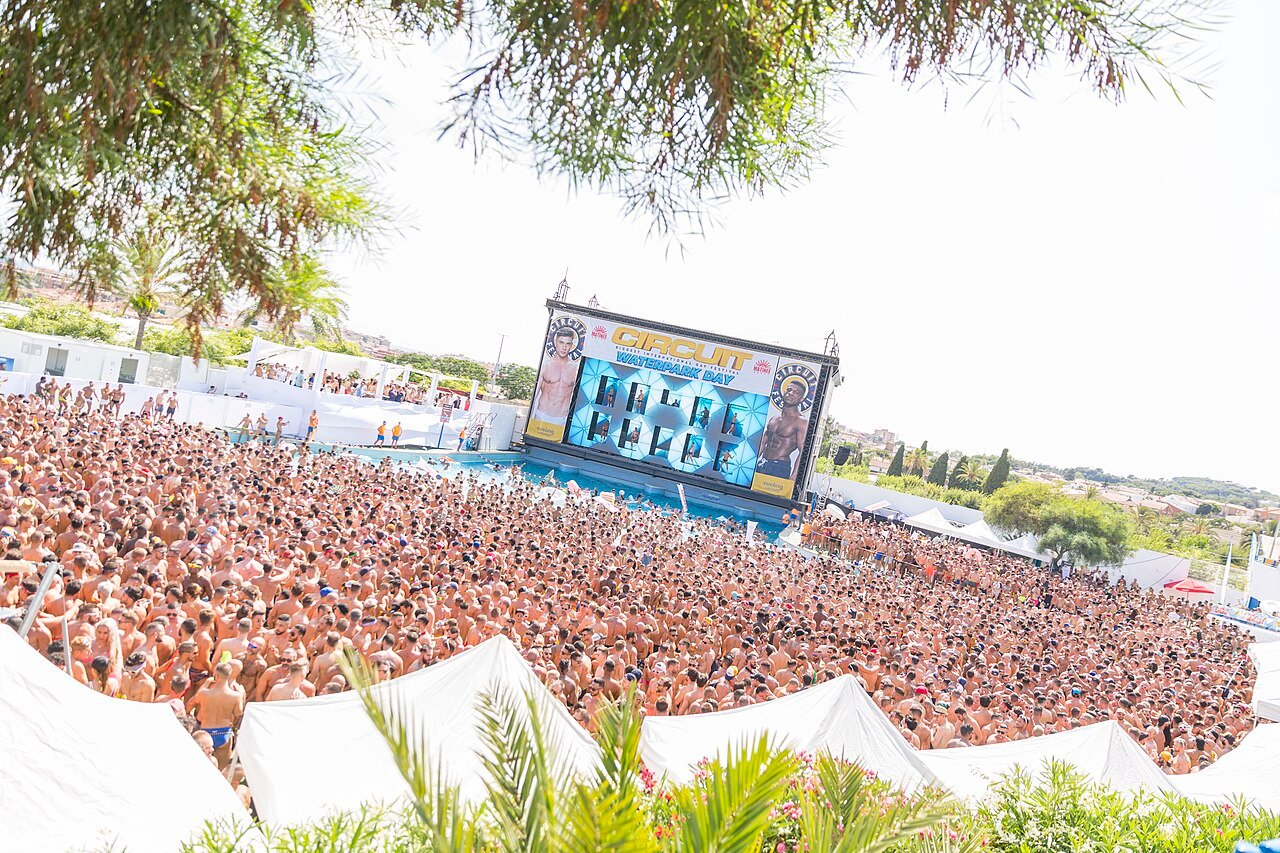
The signature event is the Water Park Day, when the festival decamps to Illa Fantasia, the water park in Vilassar de Dalt up the coast, for a party among the slides and pools running into the small hours — described as the biggest gay pool party in the world, and the ticket the week is organised around. Around it, the rhythm is pure August: sleep through the heat, beach in the late afternoon, party from midnight.
⚠ Dates to confirm, stated plainly: Circuit had announced no 2027 dates when this guide was researched. The pattern is firm — in 2026 the festival ran from Saturday 1 to Sunday 9 August, the month’s first full week, with the Water Park Day on its Tuesday — and circuitfestival.net is where the 2027 dates appear. If Circuit is your trip’s purpose, anchor your hotel to that week on a flexible rate and buy tickets as they drop.
3. Open-Air Cinema: Catch the Season’s Last Nights (First Week)
Two of the summer’s defining institutions end in the first days of August. Sala Montjuïc, the open-air cinema in the Santa Eulàlia moat of Montjuïc Castle — a live concert as the light fades, then a film under the fortress walls — runs its final screenings in the month’s opening nights. Across the city, Cinema Lliure a la Platja sets its screen on the sand at Sant Sebastià beach for its last free Thursday-evening sessions: a concert at dusk, a short film, then a feature as the sea turns black behind the screen.

The established shapes, from the most recent editions: Sala Montjuïc has run four nights a week (Monday, Wednesday, Friday, Saturday) from early July to the first Wednesday of August, tickets around €7.50 with deckchairs for a few euros more; Cinema Lliure has run on Thursday evenings from mid-July into August’s first week, entirely free. Both publish their 2027 programmes in late spring (salamontjuic.org, cinemalliure.com) — but the strategic point does not wait: August holds only a handful of screenings, all in its first days. If your trip covers the 1st to the 6th, treat one of these nights as fixed.
4. The Beaches at Maximum: August’s Rules of the Sand
August is the beaches’ championship month. The sea reaches its annual peak — about 25 °C as the month opens and around 26 °C at its warmest — the high-season machine runs at full specification (lifeguards daily 10:30–19:30 in the established pattern; every service in operation), and the sand holds more people than at any other time of year. This is the Barcelona beach as the postcards promise it, crowds included.
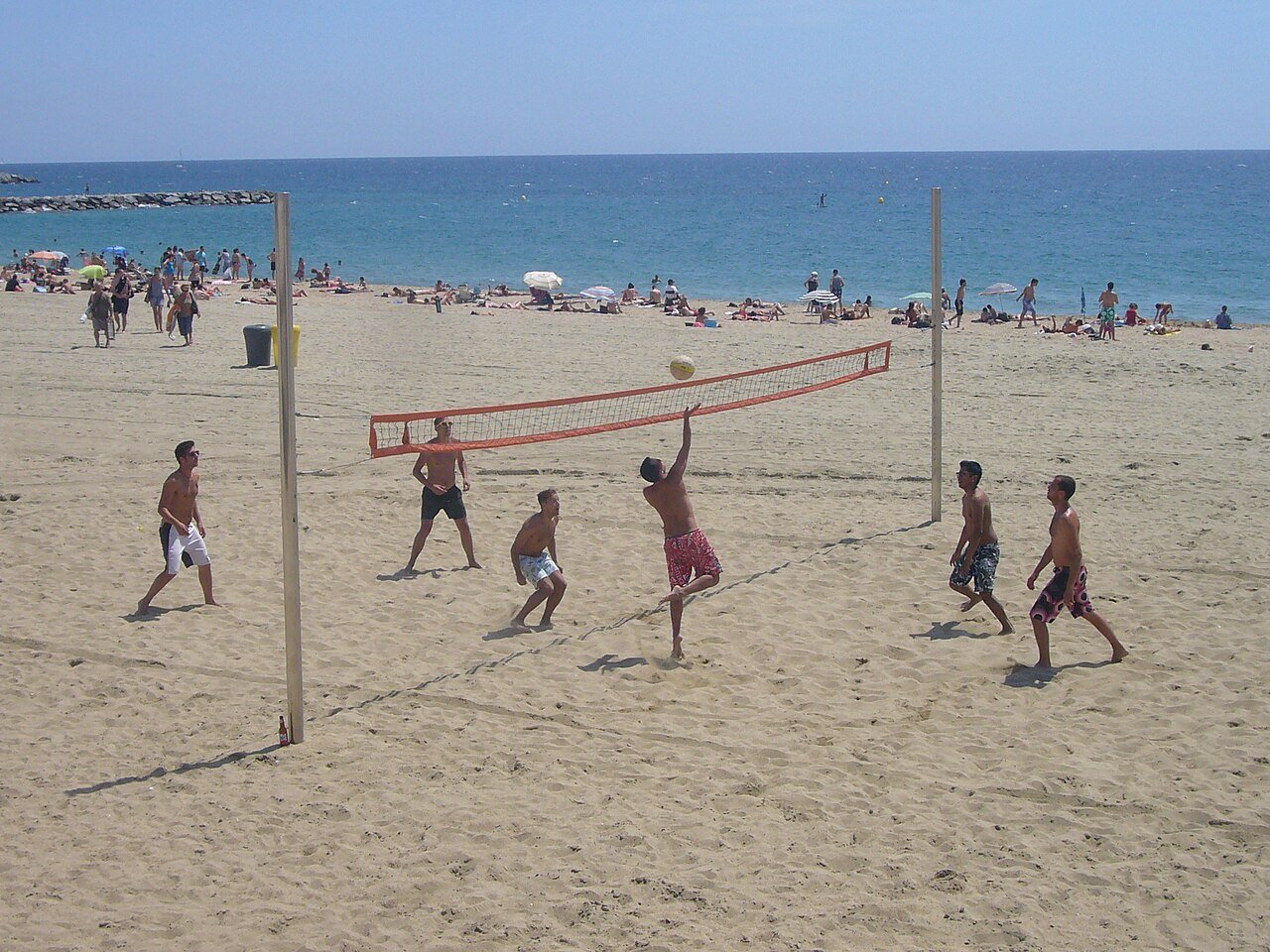
August’s rules are therefore about timing and territory. The towel deadline is real: on the central beaches, arriving after eleven means negotiating for space; before ten means choosing it. Weekdays are the insider’s weekend — the metropolitan crowds peak on Saturdays and Sundays, and a Tuesday morning at Nova Icària or Bogatell still holds space. Walk east for elbow room: the string from Bogatell through Mar Bella to the Fòrum end thins as it goes, keeping a local, younger character. And respect the month’s two hazards: the afternoon sun at its most violent (midday is for shade, lunch and the water) and the warm sea’s jellyfish days, which the flags and lifeguards’ boards announce honestly — a yellow flag is information, not insult.
Match the beach to the day as the summer has taught: Barceloneta for theatre and seafood, Nova Icària for calm water and families, Bogatell for room, Mar Bella for the young crowd and the volleyball nets. Our guide to Barcelona’s beaches walks the whole string. At 26 °C the water is luxurious — first swim before breakfast, last swim at dusk.
5. The Gaudí Sights in the Month of Sold-Out Slots
If July is the Gaudí sights’ hardest month, August is the month that stops apologising. Demand reaches its annual maximum at the peak of the European holiday calendar: the Sagrada Família and Park Güell sell their desirable slots out weeks ahead. The traveller August punishes is not the one who queues; it is the one who believed there would be a queue to join.
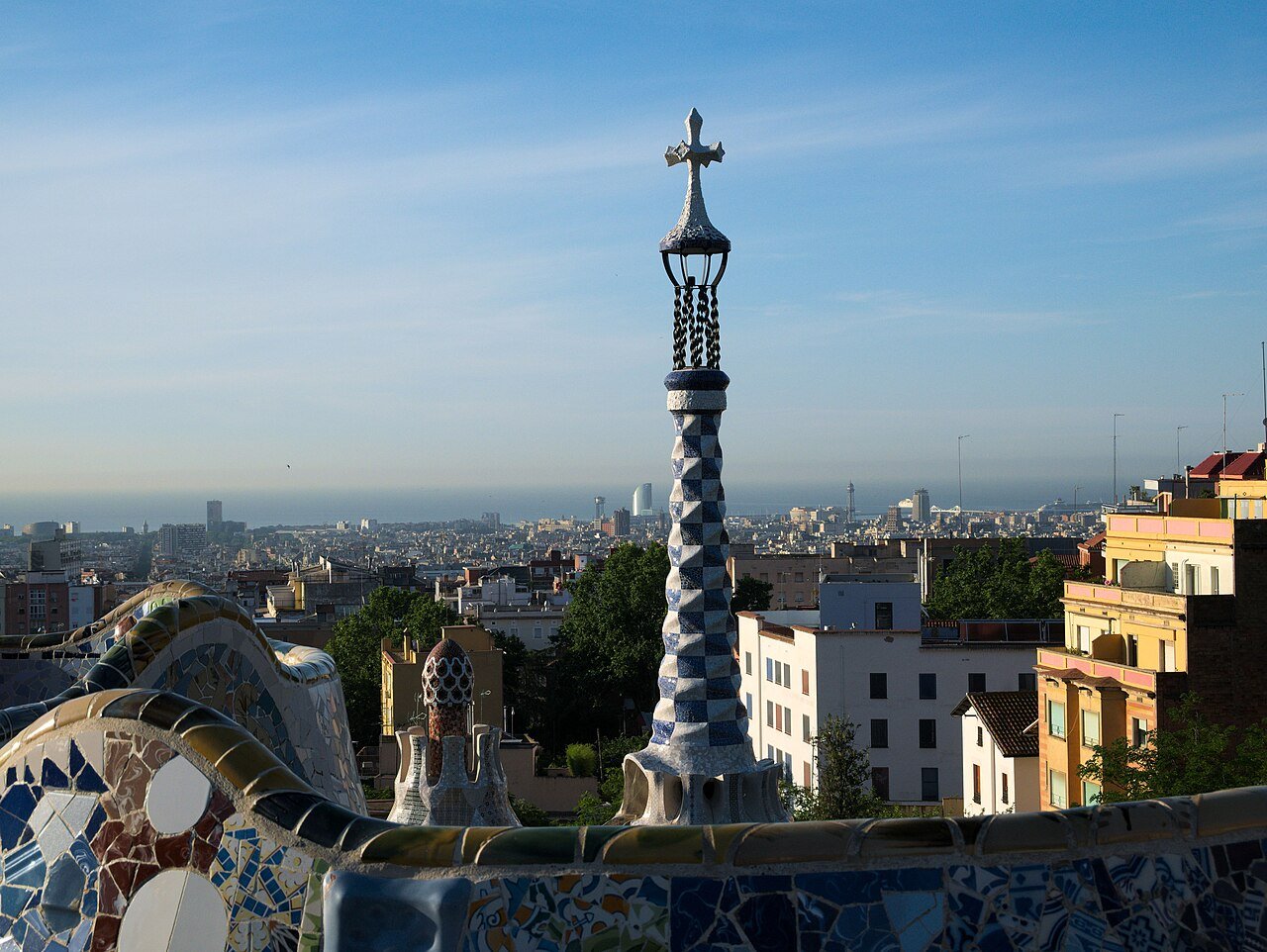
The strategy is by now a catechism, but August adds emphasis. Book the day your flights are confirmed — not the week before, not on arrival. Take the edges of the day: the first Sagrada Família slot for space and the east glass’s cool morning fire, or the last slots for the west glass ablaze; Park Güell at opening time, when the bench still has gaps and the light is clean. Keep the middle of the day for shade — in August this is a safety rule, not a preference. Inside the basilica, our guide to inside the Sagrada Família walks the columns, the light and the museum.
And know the pressure valves, because in August you may need them and they are genuinely good: Casa Vicens, Gaudí’s first house, tiled and gardened in Gràcia and a fraction as crowded; the Sant Pau Recinte Modernista, Domènech i Montaner’s pavilion-city of a hospital, routinely half as busy as it deserves; the Palau Güell’s rooftop chimneys; Casa Batlló and Casa Milà’s warrior rooftops in the long evening light. August at the icons is a logistics exercise with a masterpiece at the end of it.
6. Day Trip: The Costa Brava, Done Properly
Every month of this series has an escape valve, and August’s is the most necessary: a day on the coast an hour north, where the Costa Brava’s coves hold water a shade cooler and far clearer than the city’s. You can drive it or train-and-bus it — or let a tour do the logistics while you swim.
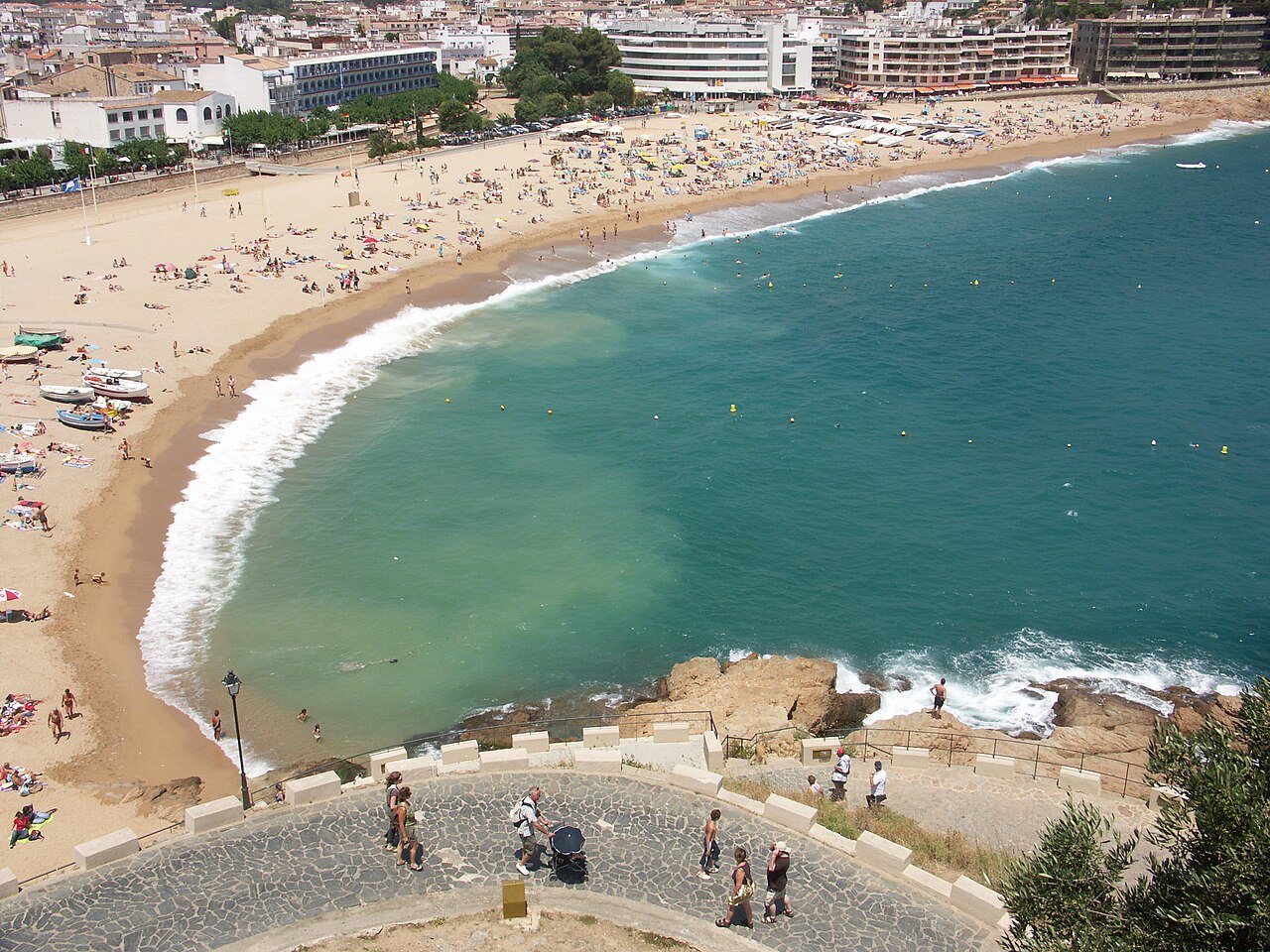
The trip to book is From Barcelona: Costa Brava Day Tour with Lunch. It leaves from the Explore Catalunya office opposite the Palau de la Música and runs ten hours: up the coast road to Blanes, the Costa Brava’s gateway, where the morning offers a choice — free time on a secluded cove beach for a swim, or the Marimurtra botanical gardens on the cliffs above the sea (entrance included). Then a Mediterranean lunch with a drink in a family-run restaurant, and on to Tossa de Mar, the last fortified town on the Costa Brava: up through the whitewashed Vila Vella to the lighthouse, then free time in the old town or a dip at the Platja Gran beneath the walls. Rated 4.7/5 across 1,261 reviews, from $129 — and August is precisely the month for its fine print: cancellation is free up to 24 hours in advance, with a reserve-now-pay-later option if you want the day held while your plans settle.
Take it on a weekday if you can — the coves keep weekday space even in August — and instead of a second city beach day, not a sights day. Our day trips from Barcelona guide sets it among the coast and mountain options; in the month of 30-degree afternoons, the wilder coast argues for itself.
7. Up the Mountain: Tibidabo and the Collserola Air
Five hundred metres above the xafogor, August changes its mind. The Tibidabo — the peak that closes Barcelona’s skyline, crowned by the Sagrat Cor church and one of Europe’s oldest amusement parks — sits in Collserola air several degrees cooler than the Eixample’s, with a breeze the city below has forgotten.
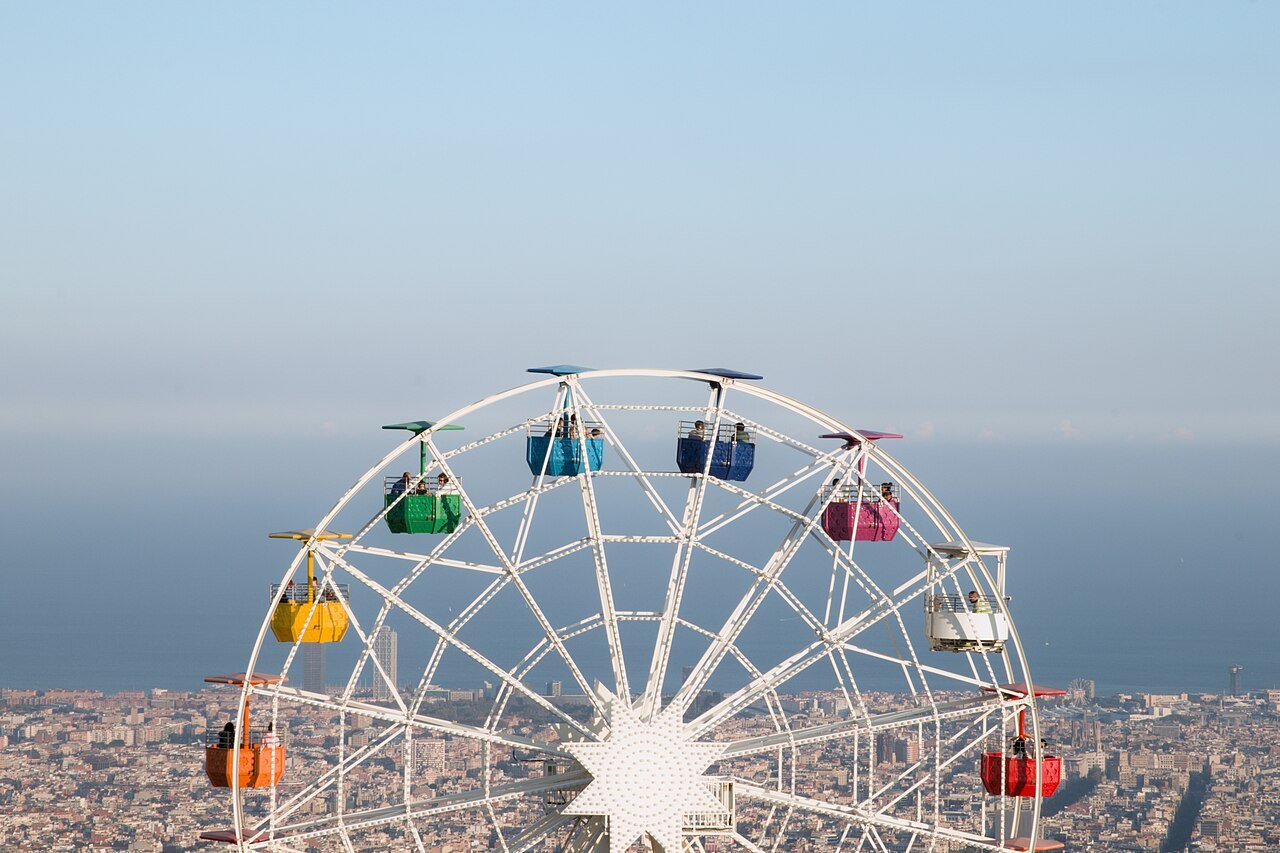
In high summer the amusement park opens daily, and its pleasures are pointedly old-fashioned: the Giradabo, the great wheel whose coloured gondolas turn slowly against the whole of Barcelona and the sea; the Talaia, a 1921 basket lifting you fifty metres higher; the Avió, the red replica aeroplane flying its circle since 1928. Around the rides: the Sagrat Cor’s terraces and lift, the cool dim church, and the Collserola’s pines for shaded ridge walks. Come up in the late afternoon, when the heat breaks and the light goes long, ride the wheel at the golden hour, and stay as the city’s lights come on — in August the park’s evening openings, announced each season, are among the best nights of the summer. The way up is part of the ritual — through Sarrià to the funicular climbing the last green slope — and our Tibidabo guide covers the routes and the park’s workings; schedule it for the day the thermometer wins.
8. Festa Major de Gràcia: The Streets Become Worlds (15–21 August)
And now the reason August exists. For one week, Gràcia — the village-turned-district above the Eixample — holds the greatest neighbourhood festival in Spain. The Festa Major de Gràcia is a competition and an act of collective art at once: around twenty of the district’s streets are closed, rebuilt and decorated by their own residents into complete themed worlds — an Egyptian tomb, a vineyard at harvest, an ocean floor, a cinema, a jungle — every ornament handmade, much of it from recycled material, the themes kept secret and unveiled all at once.

The week’s shape is fixed by a tradition reaching back to 1817. On the evening of Saturday 14 August the pregó, the opening speech, fires the starting gun from the town hall balcony in Plaça de la Vila. On Sunday 15 August — the Assumption, the festival’s patronal feast — the streets are unveiled, and for seven days, to Saturday 21 August, Gràcia belongs to them: a jury walks the entries and awards the prizes, and the whole city walks them too, a slow river of visitors beneath the canopies. Around the decorations the full festa major programme runs — castells in the squares, correfoc fire-runs after dark, giants processing, concerts and communal meals in every plaça.
How to do it well: go twice — once on a weekday morning, when you can stand inside the streets, and once at night, when the lights transform them. Use the festival’s map of participating streets; the prize-winners cluster but the quiet masterpieces hide. Respect the work: the decorations are a year of evenings by the people who live above them — look, photograph, marvel, touch nothing. Our guide to Gràcia covers the district the festival lives in. The 2027 themes and programme stay secret until the unveiling — the week itself, 15–21 August, is fixed.
9. The Great Exodus: The City the Locals Leave You
Underneath the festivals, August runs its second plot: the departure of the Barcelonins. The city empties in a tide — families to the coast and the mountains, whole businesses to a month of rest — and the visitor meets the evidence everywhere: the hand-lettered Tancat per vacances (“closed for holidays”) signs taped inside shutters, the beloved bakery dark, the little restaurant locked until September.
First, the year’s strangest footnote, because it changes how the closure wave works. In 2027 the Assumption, 15 August — normally the holiday the whole exodus anchors to — falls on a Sunday, and Catalonia’s official labour calendar (published by the Generalitat in 2026) grants no substitute: unlike six other Spanish regions, which moved the day off to Monday 16, Catalonia let it go. So there is no August public holiday in Barcelona in 2027 at all — Monday the 16th is an ordinary working day, and Gràcia’s streets (§8) are unveiled on a Sunday that is a festival day by tradition rather than by law. The exodus happens anyway — August holidays are taken in blocks regardless — but without the single great closure spike a weekday Assumption brings.
Read the half-closed city correctly and it becomes an advantage. What closes: small family restaurants, bakeries, workshops and neighbourhood shops, for anything from a week to the whole month — if a specific small place matters to your trip, check its own channels before you come, and keep a second choice. What does not: the sights, the museums, the markets (though individual stalls take their turns at holiday), the big shops, the beaches and the entire festival machine. What improves: the Eixample at eight in the morning, emptied of commuters; tables at the restaurants that stay open; the Laberint d’Horta and the Ciutadella at half their usual population. August hands the visitor a trade: fewer locals, in exchange for a city performing entirely for the people who came. It is not a bad trade — just one to make knowingly.
10. Festa Major de Sants: The Month’s Second Festival (Late August)
Gràcia does not get the month’s last word. As its decorations come down, the festival baton crosses the city to Sants — the old textile village in Barcelona’s south-west — whose Festa Major fills the last full week of August with the same beloved formula: nine days of decorated streets, street stages and popular culture, honouring the district’s patron, Sant Bartomeu, whose feast falls on Tuesday 24 August.
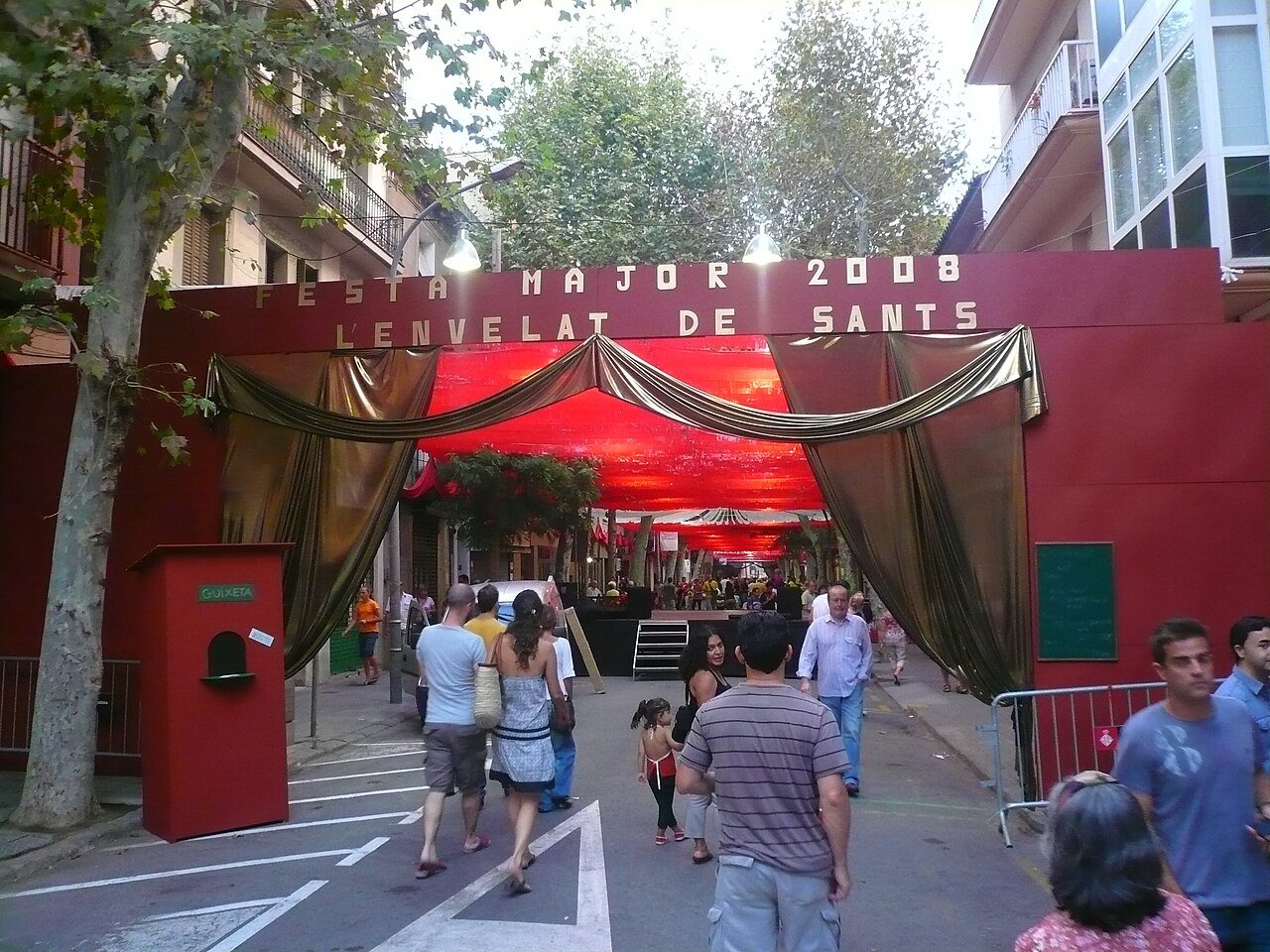
Sants decorates seriously — eleven streets and squares competed in the most recent edition — but its soul is its programme: the pregó and parade that open the week at the Parc de l’Espanya Industrial, communal meals, concerts on every decorated street, and Catalan popular culture performed by the district’s own. The Castellers de Sants — the Borinots, one of the city’s great human-tower teams — hold their diada in Plaça de Bonet i Muixí; the correfoc sends its devils and sparks through the streets on the final Saturday; and the festival closes with a piromusical, fireworks married to music, over the Espanya Industrial lake. Where Gràcia draws a million visitors, Sants draws its own city — more Catalan, fewer lanyards, the same warm welcome.
⚠ Dates to confirm: Sants had published no 2027 dates when this guide was researched. The pattern is dependable — nine days wrapped around Sant Bartomeu: in 2026 the festival ran from Saturday 22 to Sunday 30 August, and on that shape the 2027 festa occupies the week of the 24th, opening the weekend before. The district publishes the programme in the weeks before; treat the window, not any single day, as the booking unit — and note the happy overlap: a late-August trip can catch Gràcia’s final nights and Sants’ opening days in one week.
11. Eat August: Tomatoes, Figs and Sardines off the Grill
August’s market is the year’s most generous and its most honest test of the exodus rules — some stalls shuttered for holidays, the rest buried under the late-summer harvest. This is the tomato’s month of glory: the stalls carry varieties with names and postcodes — the hanging tomàquet de penjar, the sweet Montserrat, beefsteaks the size of grapefruit — and the defining dish needs nothing else: ripe tomato, oil, salt, bread. Around the tomatoes the season piles up: peaches and nectarines at their last peak, melons cut to order, peppers and aubergines for escalivada, and — in the month’s final days, the event the regulars wait for — the first figs, eaten within hours of the tree.
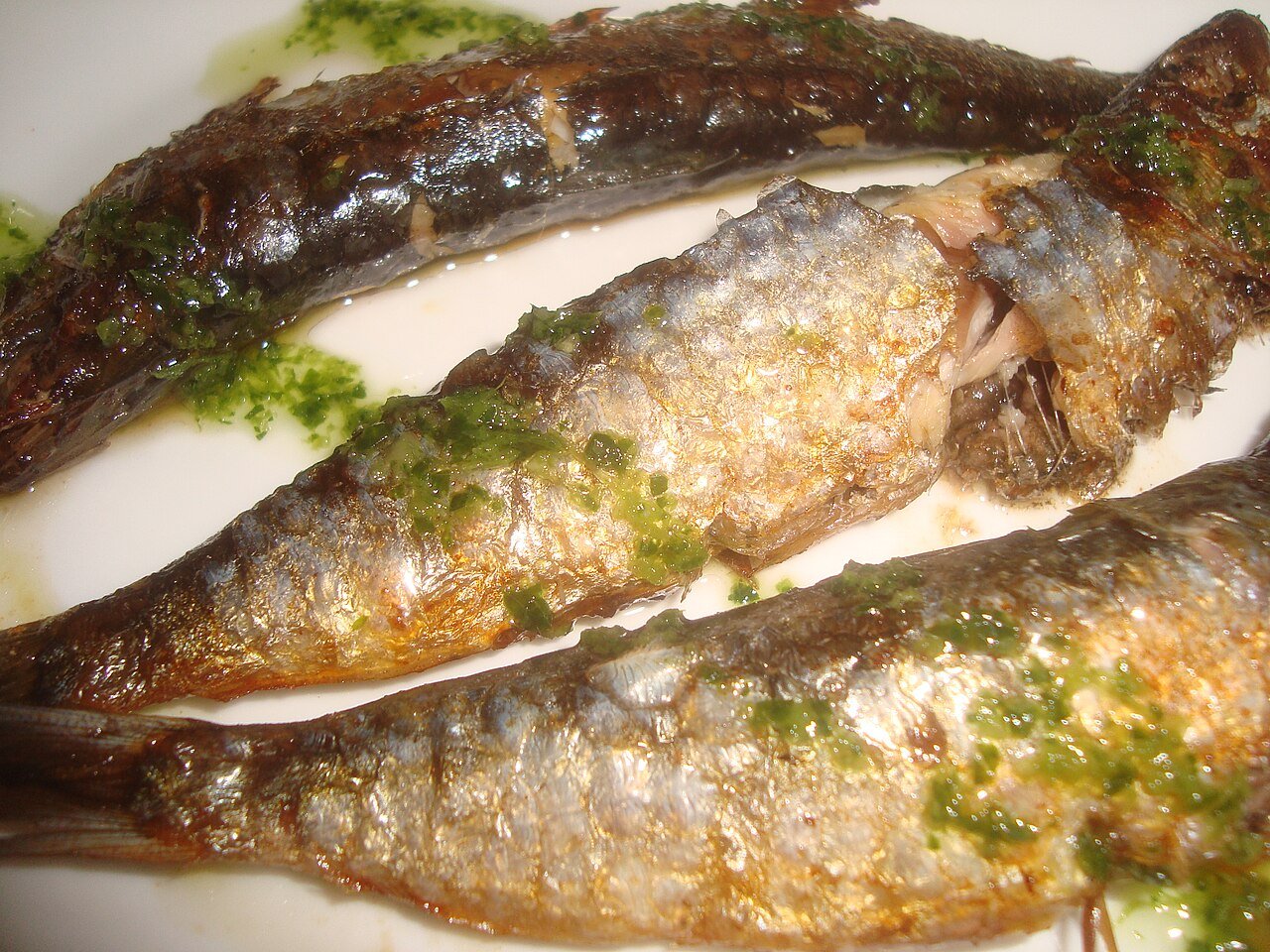
The beach writes the other half of the menu. August is when the chiringuito lunch reaches its final form — grilled sardines silvered and smoking, a tomato salad, a cold beer, your feet in the sand — and when the old fishing quarter’s seafood restaurants do their simplest, best cooking: suquet fish stews, arròs dishes eaten at three in the afternoon with the sea going gold. The cold canon earns its keep: gazpacho by the glass, melon with ham, horchata, granissats turning at every ice-cream counter. And the vermouth hour — a small glass, an olive, an orange slice at one — is August’s official start to lunch.
Timing is the tactic, as ever: shop before ten, while the halls are cool and complete, and check which stalls are on holiday before building a breakfast around them. Our Barcelona markets guide routes between the halls. In August the famous small kitchens may be at the beach themselves — forgive them: a tomato, a fig and a plate of sardines in the shade out-eat most restaurant meals of the year.
12. August After Dark: Perseids, Promenades and Lit Streets
August saves its best hours for after the sun gives up. The nights are the month’s true programme — warm enough for the beach at midnight, dark enough by eleven for the sky to perform — and the city’s summer institutions all lean into them: the festival streets lit and singing (§8, §10), the last open-air films (§3), terraces full at one in the morning.
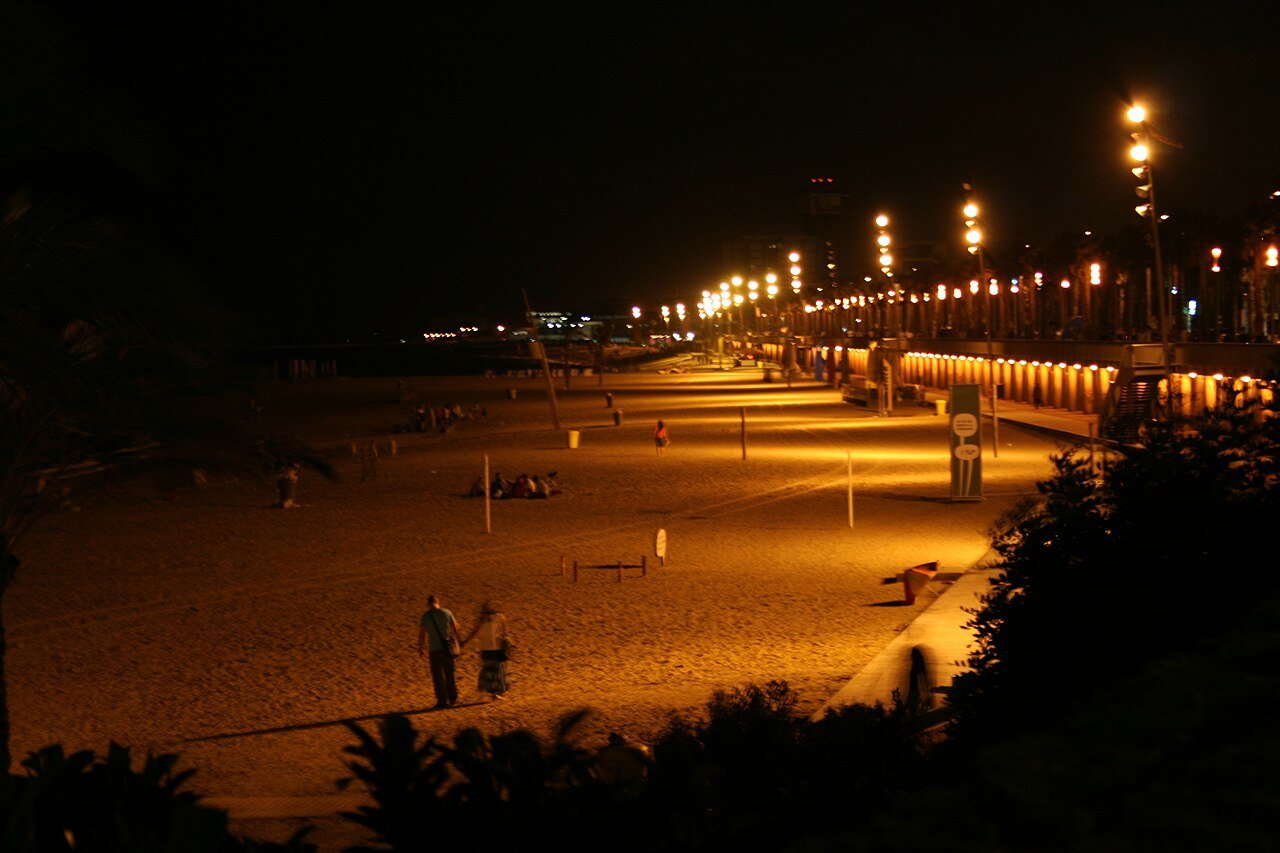
The month’s one appointment with the sky falls on the night of 12–13 August, when the Perseid meteor shower peaks — the llàgrimes de Sant Llorenç, Saint Lawrence’s tears, in the Catalan tradition. The city’s glow washes out the fainter meteors, so give the shower its best local stage: the Collserola ridge above Tibidabo (§7), the castle terraces on Montjuïc, or the dark end of the beaches beyond the Fòrum, lying on the sand after midnight with the sea at your back. A dozen bright ones an hour is a fair city expectation on a clear night.
The standing programme fills the other nights. The seafront promenade becomes the city’s drawing room — buskers, beach bars and floodlit sand from the W Hotel to the Fòrum. Festival concerts run late; Sant Sebastià keeps its evening swimmers until the light goes; and the Palau Nacional lit above Plaça d’Espanya remains the classic night walk (the Magic Fountain’s full shows have been paused in dry years — check the current status, and go for the lit cascades either way). Our guide to Barcelona at night maps the whole circuit. August’s version of the city’s oldest advice is the month in one line: sleep through the furnace if you can — but do not sleep through the night.
Which of the 12 Fits Your Trip?
| If your trip is about… | Start with… | Why |
|---|---|---|
| The great street festival | 8 (Gràcia) + 10 (Sants) | Gràcia’s decorated streets run 15–21 August; Sants follows in the last week — late August can catch both |
| The party of the year | 2 (Circuit Festival) | The world’s biggest LGBTQ+ festival takes the first full week — pools by day, clubs all night |
| The Mediterranean itself | 4 (The Beaches) + 6 (The Costa Brava Day) | The sea at its annual warmest (25–26 °C), plus coves an hour north with weekday space |
| The icons, done properly | 5 (The Gaudí Sights) | Peak demand of the year — booked weeks ahead and taken at the day’s edges |
| The city the locals keep | 9 (The Exodus) + 10 (Sants) | A half-emptied city, quiet gardens, and the festa major the tourists mostly miss |
| Culture on a budget | 1 (Free-Museum Sunday) + 3 (Open-Air Cinema) | Free collections on the 1st; the season’s last films for a few euros — both gone after the first week |
| Beating the heat | 7 (Tibidabo) + 12 (August After Dark) | Collserola air several degrees cooler, and a city whose best hours start at nine |
| Eating the season | 11 (Eat August) | Tomatoes at their peak, the first figs, sardines off the grill |
What August in Barcelona Costs
August is peak season at full stretch: the year’s highest hotel rates alongside July, with a second pressure spike across the Gràcia week, when the whole region books into the city. The compensations are structural: both headline festivals are free, and the sea at its best charges nothing.
| August cost | What to budget |
|---|---|
| From Barcelona: Costa Brava Day Tour with Lunch | From $129 for 10 hours including transport, guide, garden entry and lunch with a drink — 4.7/5 across 1,261 reviews, free cancellation up to 24 hours ahead |
| A central hotel | Around €200–260 a night — and Gràcia week (14–21 August) books like a festival anywhere. Book August rooms first |
| The Festa Major de Gràcia | €0 — around twenty decorated streets, castells, correfocs and concerts, all free, for seven days |
| Circuit Festival | Priced per party, with multi-day bracelets and the Water Park Day as the premium tickets — check the official site when 2027 sales open |
| Sala Montjuïc’s last nights | Around €7.50 a ticket in recent editions, plus a few euros for a deckchair — the beach cinema at Sant Sebastià is free |
| Free-museum Sunday (the 1st) | €0 all day at the big civic museums — reserve free slots as they open |
| Tibidabo | Summit terraces and views are free; rides are pay-per-ride or a day wristband — the coolest air in Barcelona |
| The beaches | €0 — the warmest sea of the year, full lifeguard service |
| The Gaudí sights | The Sagrada Família from around €40 — in August the slot is the prize, gone weeks ahead |
Three money rules for August. First, sequence like a general: Gràcia-week hotels before everything, Gaudí slots the day flights are booked, the Costa Brava day while its free cancellation holds your options open. Second, let the month’s free architecture carry the budget — two festival weeks, the free Sunday, the free beach cinema, the free sea — and spend what you save on the rooms and the one great day trip. Third, buy flexibility wherever August punishes rigidity: heatwaves reroute afternoons, storms cancel beach days, and the small restaurant you dreamed of may be on holiday.

Barcelona in July: 12 Things to Do, From the Grec’s Summer Stage to the Pride Parade
Travel insurance, sorted
Whether it is a two-week holiday or a longer move, travel insurance is not the most glamorous part of a trip — but it is the one booking you want to have in place before a trip, and while you are already away. Get a quote from SafetyWing
Final Thoughts
Put the summer in a row and August is its maximum: the sea at 26 degrees, the beaches at full stretch, a district that turns its streets into other worlds for a week, a second festival to close the month — and underneath it all the strange, lovely quiet of a city whose own people have gone to the mountains, leaving their festival behind for whoever came. It asks the most of any month: the earliest bookings, the strictest rhythm, the most forgiveness for a shuttered restaurant. Book the Gràcia week like you mean it, take the free Sunday and the last films in the first week, swim before breakfast and walk the lit streets after midnight — August is not the easiest Barcelona, but it is the fullest one there is.
FAQs
Is August a good time to visit Barcelona?
It is the most intense month of the year, in both directions: the warmest sea (25–26 °C), the fullest beaches, the Festa Major de Gràcia on 15–21 August and Sants in the last week — at the price of the hottest, most humid weather (highs around 29–30 °C), peak crowds, top hotel rates and a share of small restaurants closed for holidays. If your trip is built around Gràcia, the sea and the night, August is not a compromise — it is the point.
How hot and crowded does Barcelona actually get in August?
Hot and humid: average highs around 29–30 °C and lows around 22 °C, with heatwave days of 33 °C or more and a thick closeness the locals call the xafogor. Crowds peak at the beaches on weekends and at the Gaudí sights all month — desirable slots sell out weeks ahead. The mitigations are the city’s own: sights at the day’s edges, sea and shade at midday, Tibidabo’s mountain air, and a local population on holiday, which calms the Eixample and the museums.
When is the Festa Major de Gràcia in 2027?
The festival is fixed by tradition to the Assumption week: the pregó opens it on the evening of Saturday 14 August 2027, the decorated streets are unveiled on Sunday 15 August, and the festa runs to Saturday 21 August. Around twenty streets, each decorated by its own residents to a secret theme, compete for the jury’s prizes, with castells, correfocs and concerts all week — all of it free. Go once on a weekday morning for the details and once at night for the lights.
Is 15 August a public holiday in Barcelona in 2027?
Surprisingly, no — and it catches people out. The Assumption falls on Sunday 15 August 2027, and Catalonia’s official labour calendar does not move it to the Monday: six other Spanish regions shifted their day off to Monday 16 August, but Catalonia let the Sunday holiday go, so Barcelona has no August public holiday in 2027 and Monday 16 is an ordinary working day. Shops, sights and museums keep normal hours either way — and Gràcia’s festival, which honours the Assumption, runs its full week regardless.
What actually closes in August?
The small and the family-run: neighbourhood restaurants, bakeries, workshops and little shops close for anything from a week to the whole month — the Tancat per vacances sign in the shutter is the month’s unofficial emblem, and closures peak in the middle two weeks. The big machinery never stops: sights, museums, markets (some individual stalls away), department stores, transport and both festivals run as normal. If one specific small restaurant is the dream, check its own pages before you travel and keep a second choice warm.
What should I book first for an August trip?
Hotels for the Gràcia week (14–21 August) before anything else — the month’s tightest squeeze — then timed Gaudí tickets for the Sagrada Família and Park Güell the day your flights are confirmed, then the Costa Brava day while its free cancellation holds your options open. Front-load the expiring things: free-museum Sunday is the 1st and the open-air cinema seasons end in the first week. And plan the days like the city does: out early, water at midday, the night in full.



One Comment