15 Best Things to Do in Valencia for First-Time Visitors

Valencia is the rare city where a best things to do list has to hold two different places at once: a medieval old town of silk palaces and Grail chapels, and a futuristic city-within-a-city in a drained riverbed. First-timers often treat one as the warm-up for the other. Do not. These 15 are the experiences I give every first-timer, the icons, yes, but also the market breakfasts, riverbed cycles and sunset boat rides that explain why two-day visitors end up rebooking for five.
The order is my order for limited time: unmissables first, deep cuts further down, a frescoed church most visitors walk past, a food crawl in the quarter where the city actually eats. Everything pairs into days; our Valencia hub page gathers all our Valencia guides for planning.
Where to Stay in Valencia
First, a base: all three picks sit in or beside the old town, putting most of this list on foot and the rest one short ride away.
Luxury pick — Only YOU Hotel Valencia
Five stars on Calle de la Paz, two minutes from the cathedral, witty, design-led interiors, a serious cocktail bar, and the old town on your doorstep. The splurge that earns it.
Boutique pick — Vincci Palace Valencia
A converted palace on the same street: marble, warm wood and calm, grown-up polish at a step below five-star money, atmosphere, with quiet.
Budget pick — Hostal Antigua Morellana
A family-run hostal (guesthouse, not dorms) in an 18th-century building by the Central Market, spotless rooms, a tiled courtyard, and prices that leave your budget for food and tickets.
Table of Contents
- Where to Stay in Valencia
- 1. City of Arts and Sciences
- 2. Oceanogràfic
- 3. Valencia Cathedral and the Holy Grail
- 4. Climb the Miguelete
- 5. La Lonja de la Seda
- 6. Mercado Central
- 7. Turia Gardens
- 8. Bioparc
- 9. Malvarrosa Beach and a Paella Lunch
- 10. Albufera Sunset Boat Ride
- 11. Torres de Serranos
- 12. San Nicolás Church
- 13. Hemisfèric IMAX
- 14. Gulliver Park
- 15. A Russafa Food Crawl
- Final Thoughts
1. City of Arts and Sciences
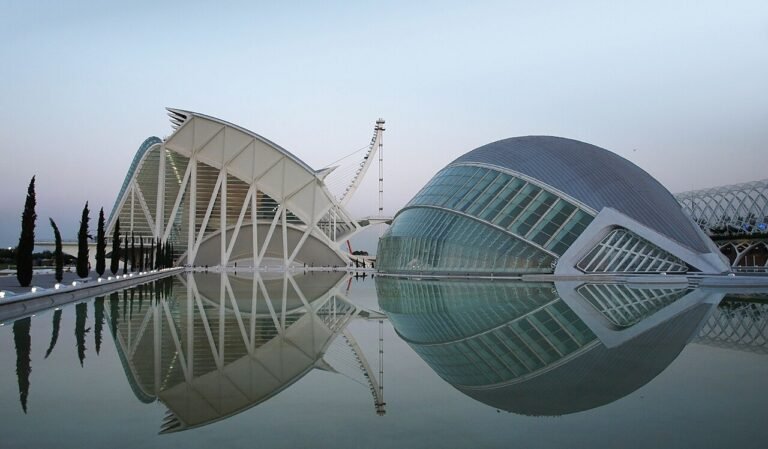
Start with the image Valencia sends around the world. Santiago Calatrava’s City of Arts and Sciences runs down the old riverbed like a fleet of white spacecraft: the Hemisfèric like a great glass eye, the science museum like a whale’s skeleton, the opera house rearing behind, all of it doubled in long reflecting pools. Even if you go inside nothing, walking the full length of the complex is one of the great free spectacles in Spain, come in the morning for the architecture and again at dusk, when the buildings glow and the pools turn to mirrors. A guided walk helps the engineering make sense. Tip: the complex is long, give it an hour just to stroll before committing to any interior.
2. Oceanogràfic

Europe’s largest aquarium, and the one interior at the City of Arts and Sciences that nobody should skip. The Oceanogràfic is a small city of water: a tunnel that walks you through the shark tank, beluga whales drifting in an Arctic hall, a dolphinarium, and Mediterranean, Red Sea and wetland worlds as pavilions among the lakes. It is a half-day place, three hours minimum, four if you stop for everything, and the attraction Valencia’s own families vote for, every time. Tip: book entry online before you go, the ticket queues here are the longest in the city.
3. Valencia Cathedral and the Holy Grail
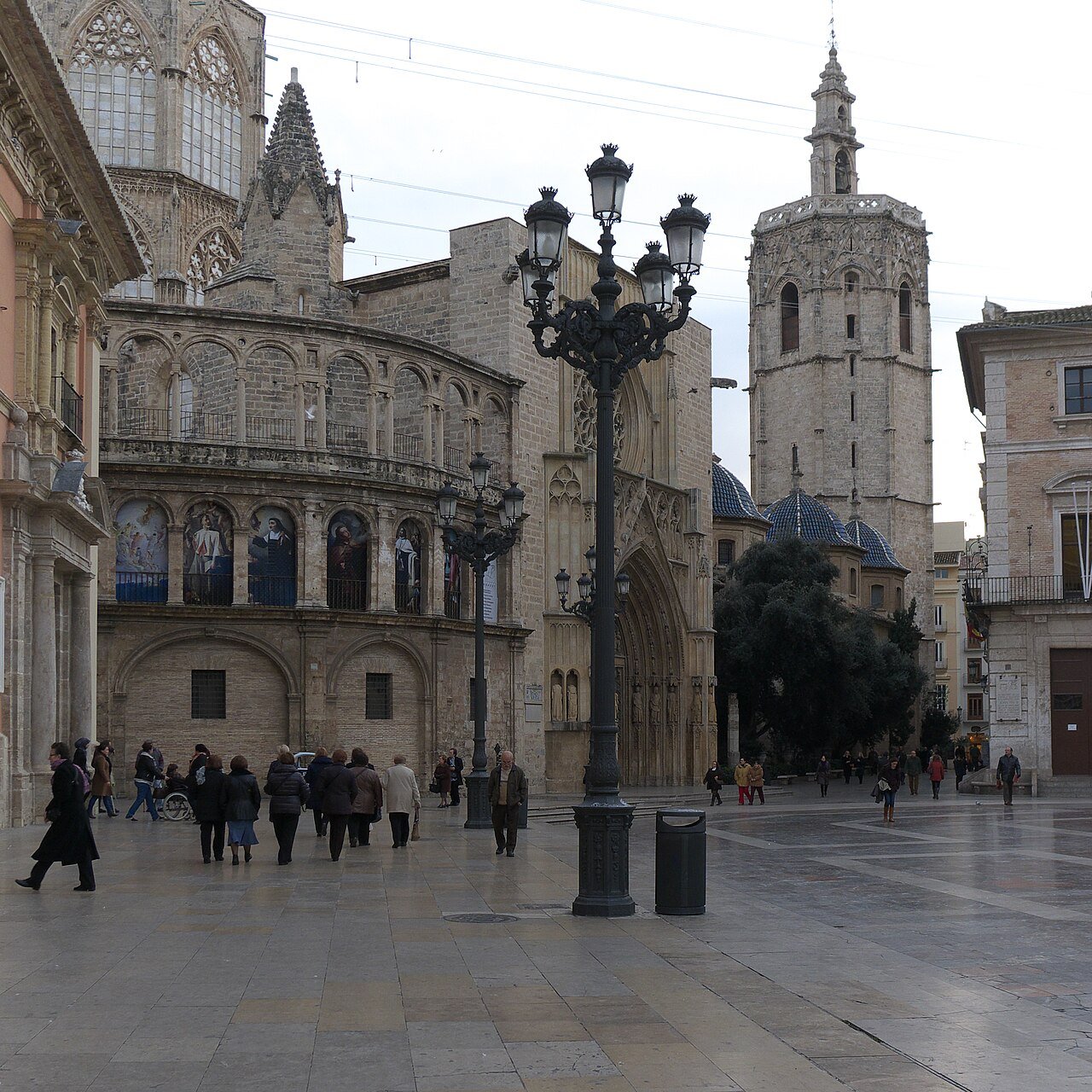
The cathedral is a layer cake of Romanesque, Gothic and Baroque raised over the old mosque, and most come for one small, hushed room: the chapel displaying the chalice Valencia holds to be the Holy Grail. Believe the claim or not, the quiet in that chapel is real, and so is the rest of it, a soaring Gothic nave, a small museum with Goyas, centuries stacked in stone. Go at opening, before the tour groups, when the light comes through the alabaster windows and the Grail chapel feels like a secret. Tip: a guided visit stitches the layers together and usually adds the tower next door.
4. Climb the Miguelete

The cathedral’s octagonal bell tower is the city’s exclamation mark, and the view from its top is the one that organises Valencia in your head: terracotta rooftops in every direction, the green ribbon of the Turia Gardens curving east, the sea flashing at the end. The climb is 207 spiral steps up a narrow staircase never designed for two-way traffic, which is why you should do it first thing, by late morning the squeeze becomes a slow, warm queue. The ticket is usually combined with cathedral entry. Tip: there is no lift and no shortcut; wear proper shoes, and pause at the bell chamber on the way down.
5. La Lonja de la Seda
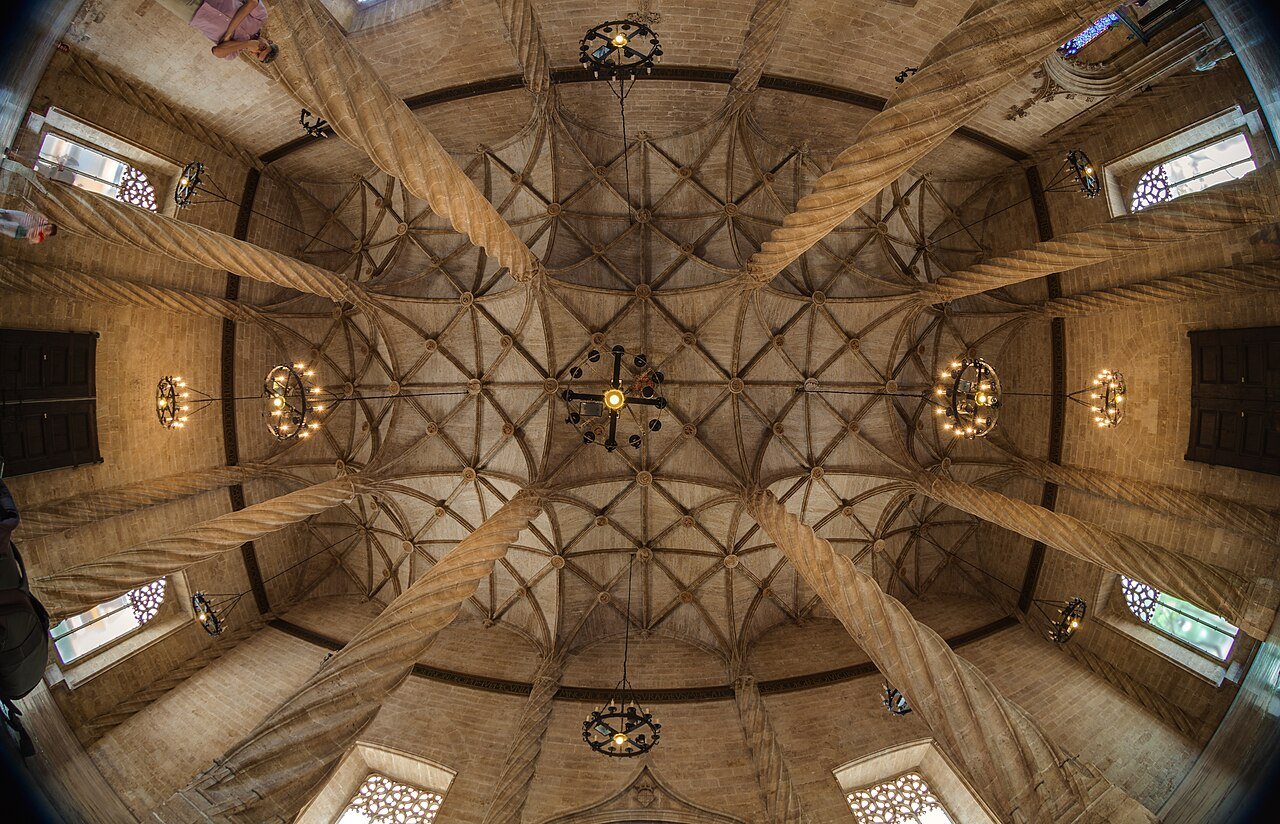
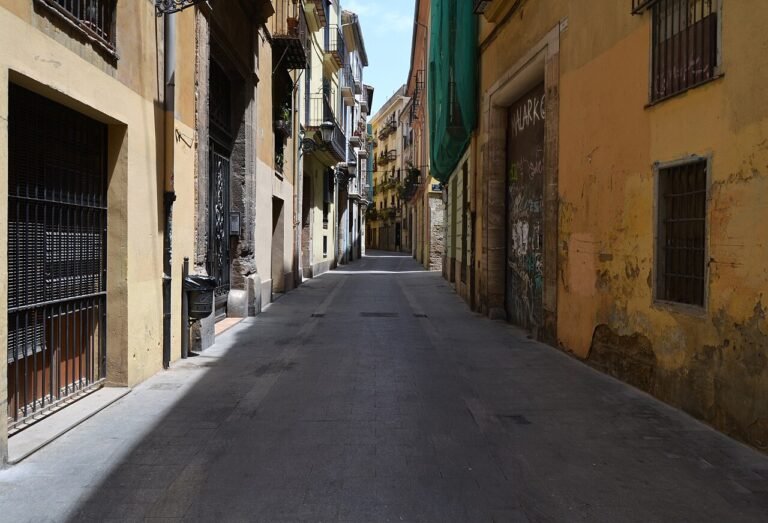
Valencia’s UNESCO-listed silk exchange is one of the great Gothic interiors of Europe: a columned hall where twisted pillars fan into star vaults, and a courtyard orange grove behind, all of it proclaiming the city as a Mediterranean trading power in the 15th century. The Lonja is free to enter most days, and it should be your first stop in the old town, it sets the bar for everything that follows and makes the rest of the quarter feel more connected. Pair it with an old-town walking tour that walks you from here through the plazas. Tip: look for the carvings on the columns, merchants doing business, and a small warning, in Latin, against cheating.
6. Mercado Central
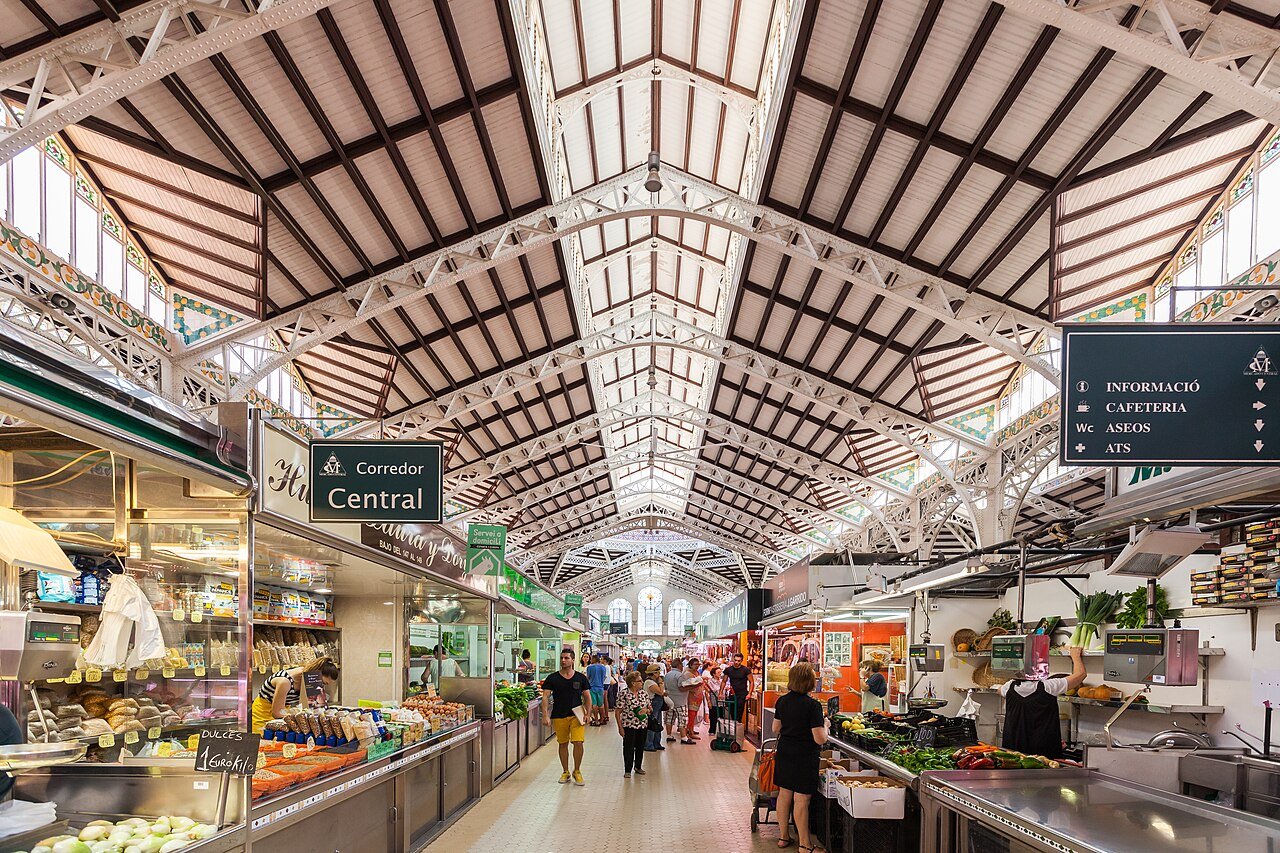
One of Europe’s most beautiful covered markets, all stained glass, iron and a dome that floods the aisles with light, and one of the best food experiences in Valencia. Come hungry in the morning: a coffee and a tostada at the bar, a paper cone of jamon, a horchata from the stall that has been serving it for generations, and a slow lap past saffron, dried peppers, olives in every marinade and whole fish laid out like sculpture. Tip: a guided food tour with a Central Market visit is the smartest way to taste without guessing.
7. Turia Gardens

After the great flood of 1957, Valencia did not pave its river, it turned the old bed into a nine-kilometre park that runs from Bioparc in the west to the City of Arts and Sciences in the east. The Turia Gardens are the city’s playground and its green spine: playgrounds, fountains, orange trees, sports courts and a cycle path that runs almost the whole way. The best way to see them is by bike, and rent a bike for the day, ride the full length, then drop down to the beach. Tip: go in the morning or at sunset, when joggers and families replace the midday heat.
8. Bioparc
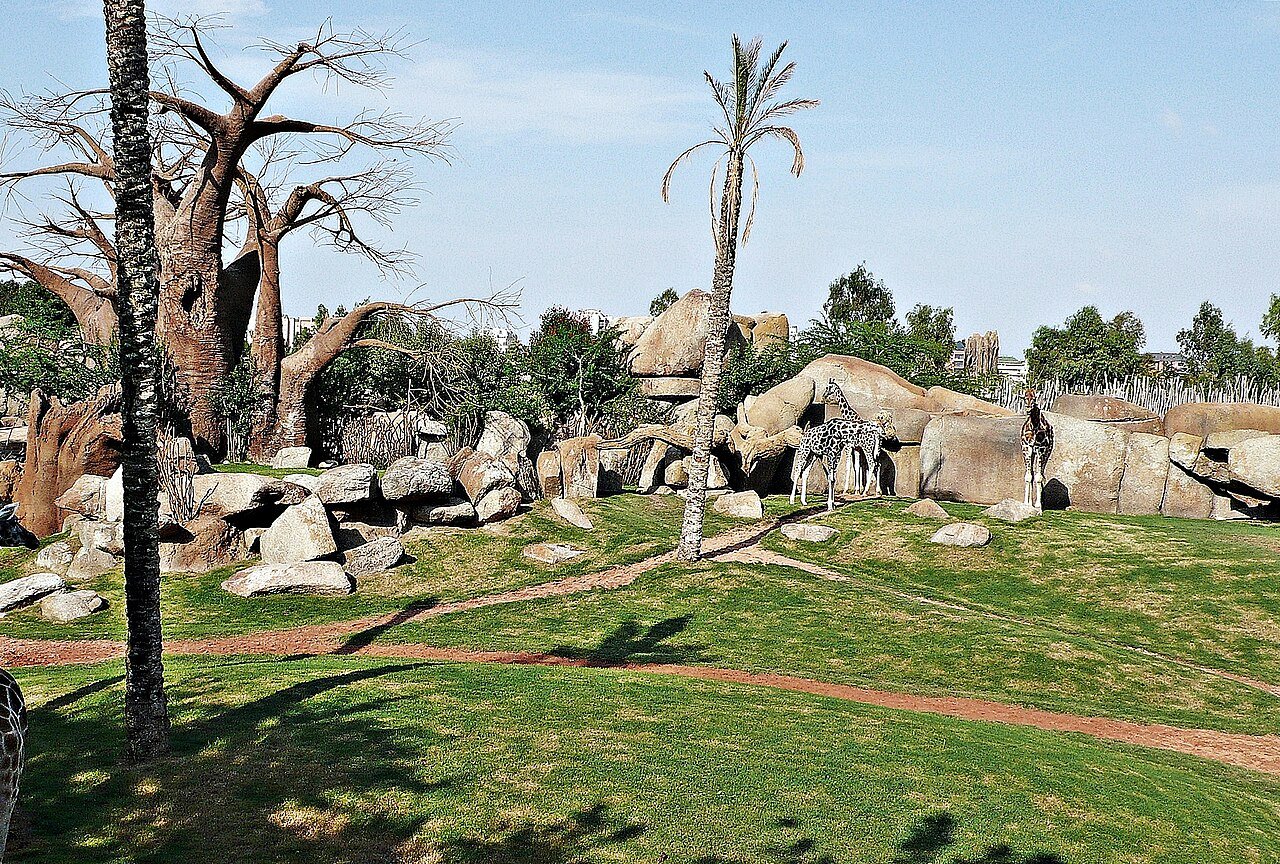
A zoo that hides its barriers so well you will stop noticing them: Bioparc recreates African habitats, savanna, forest and wetland, as one continuous landscape, with giraffes and elephants on the open plain, lemurs leaping overhead, and a hippo pool you watch through glass. It is the family favourite after the Oceanogràfic, but it is also a serious conservation project, and the design makes it a genuinely pleasant morning even without children. Tip: book ahead and go at opening, when the animals are most active and the savanna is empty.
Free Valencia travel guide
Get all the Valencia tips and tricks you need for a stress-free trip – from a local!
9. Malvarrosa Beach and a Paella Lunch
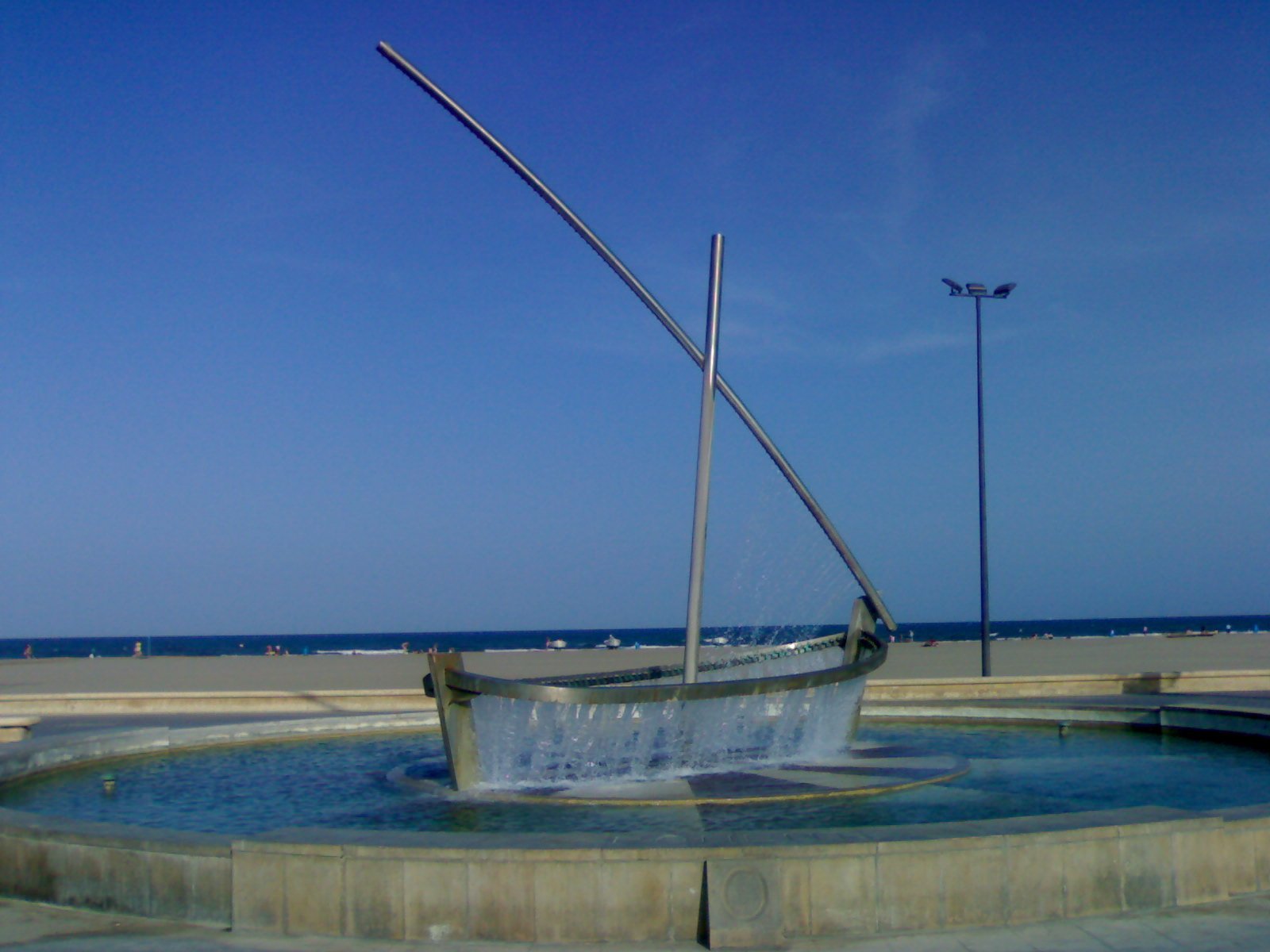
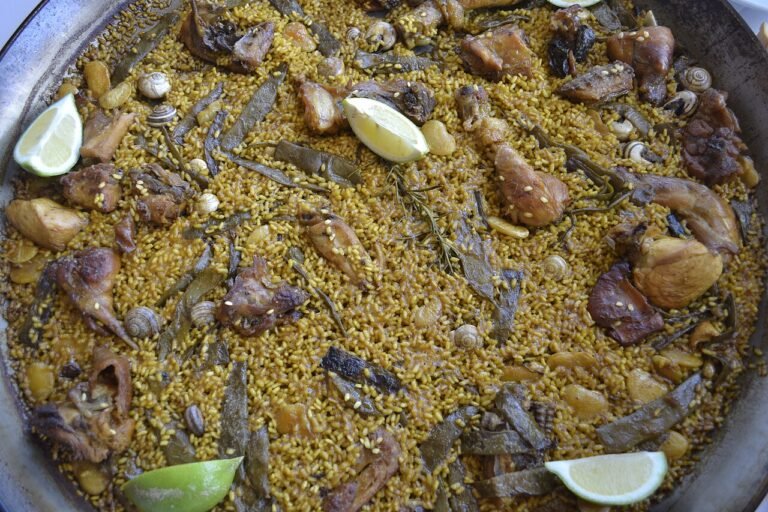
Valencia is one of the few Spanish cities where a proper beach is part of the city centre, not a day trip. Malvarrosa is a wide, golden sweep with a long promenade, palm trees and a skyline of apartment blocks that somehow never spoils it. Come for a swim, then do what Valencians do: a long paella lunch at one of the beachfront restaurants, ordered for the table, eaten slowly, with a walk along the sand afterwards. This is also the city where paella was invented, so treat the beachfront places with care, the best ones are the ones locals queue for at 2pm, not the ones with picture menus. Tip: the city’s paella cooking classes are worth a morning if you want to learn the real thing, with a Central Market tour first.
10. Albufera Sunset Boat Ride

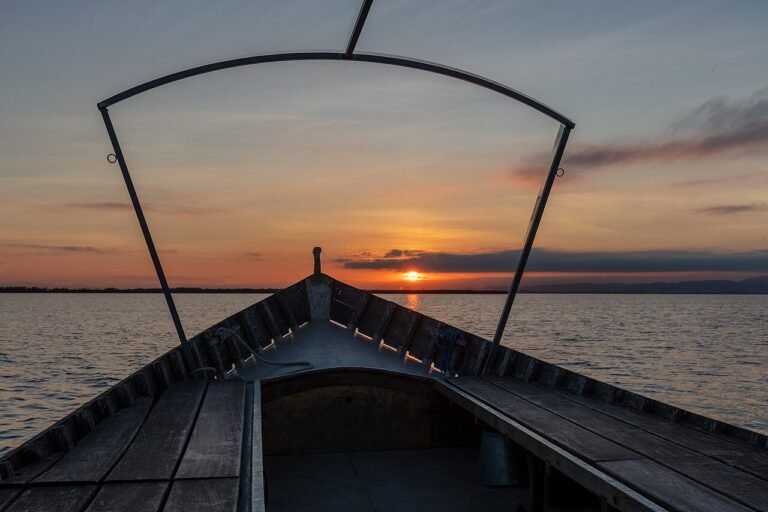
Ten kilometres south of the city, the Albufera lagoon is where Valencia’s rice grows and where its evenings turn to gold. Take a traditional wooden boat from El Palmar or El Saler out onto the still water as the sun drops, and watch the sky change colour over the reeds, the herons settling, the city far behind you. It is a quiet, unshowy experience, and it is the one people mention first when they get home. Tip: book the sunset departure, not a daytime one, and bring a jumper, it cools fast on the water.
11. Torres de Serranos
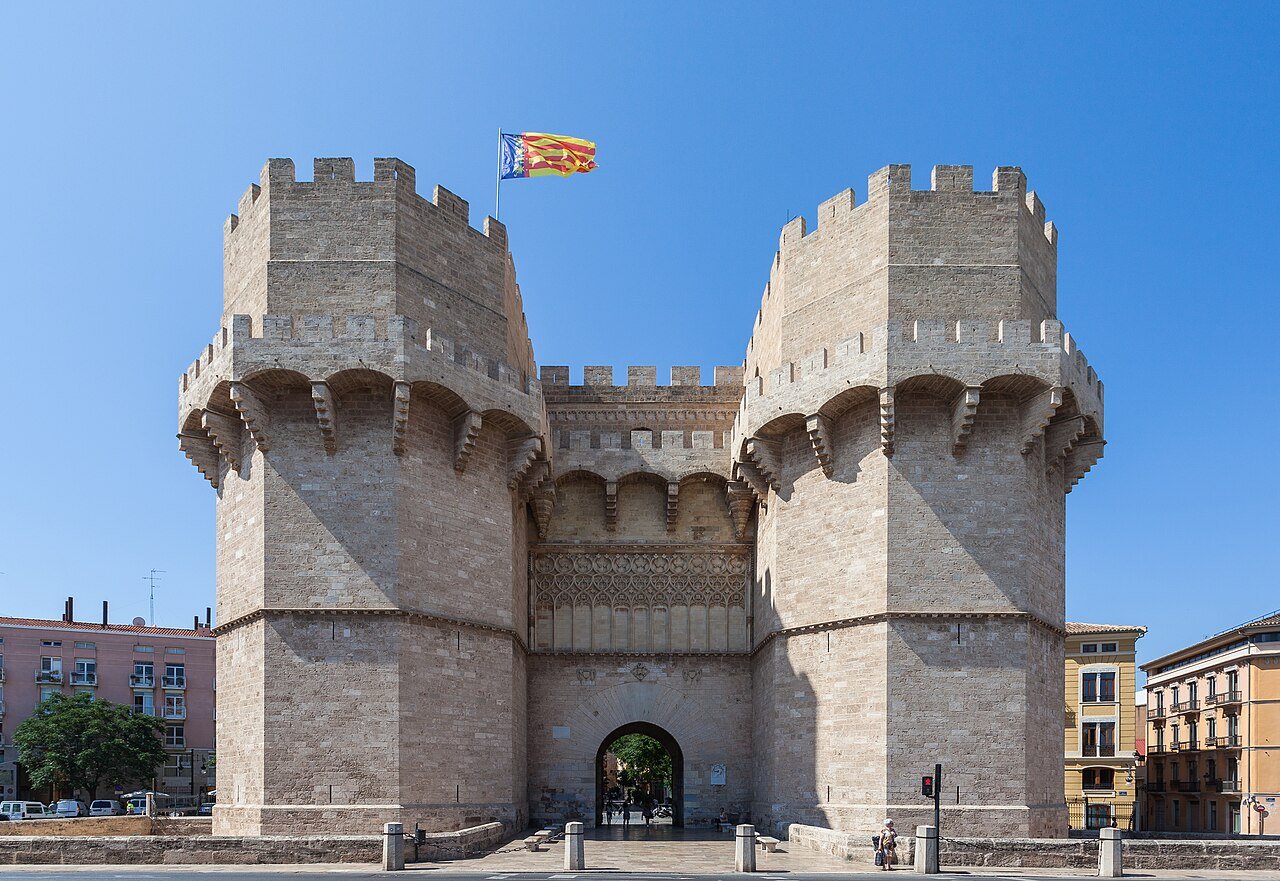
The Serranos Towers are the grandest surviving gate of Valencia’s medieval walls, two great Gothic towers flanking an arch, built in the 14th century to guard the road to Barcelona. Climb to the top for a panorama of the old town and the Turia Gardens, then walk down through the arch into the city the way travellers have for six centuries. It is a quick visit, half an hour at most, and a perfect first stop in the old town. Tip: come at golden hour, when the stone glows and the square below fills with locals.
12. San Nicolás Church

From the street, San Nicolás looks like an ordinary parish church. Step inside and the ceiling explodes: every inch of vault and wall painted in Baroque frescoes, angels, clouds, saints, so completely that locals call it the Valencian Sistine Chapel. The frescoes were hidden under centuries of grime until a recent restoration brought back their colour, and the result is one of the most surprising rooms in Spain. It sits five minutes from the cathedral, yet most visitors walk straight past. Tip: book San Nicolás Church entry in advance and look up as soon as you enter, the ceiling rewards the first glance.
13. Hemisfèric IMAX
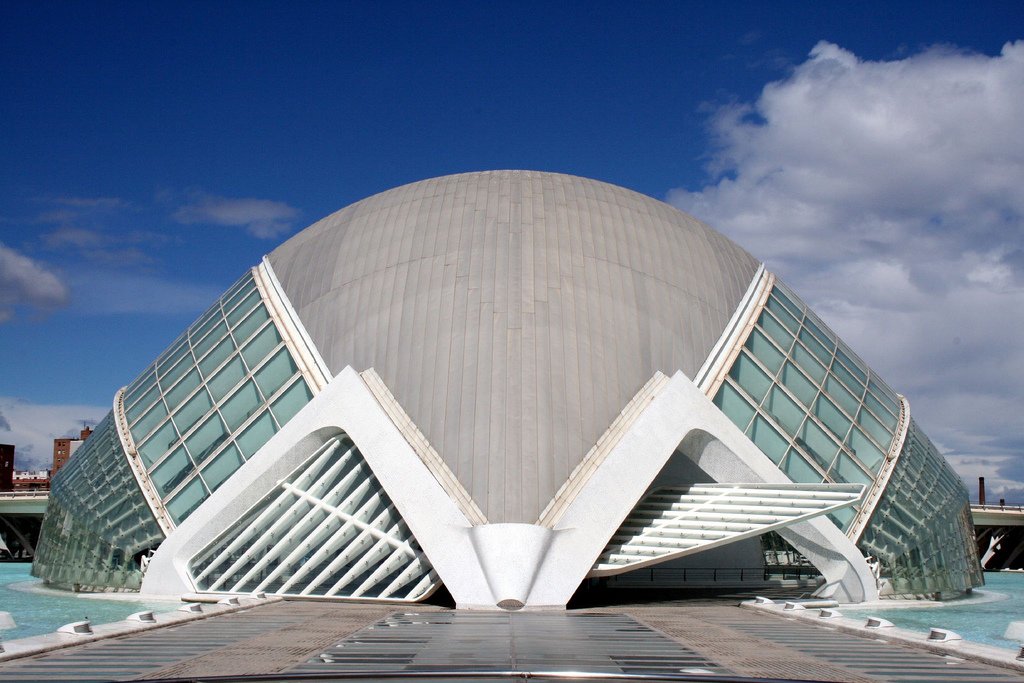
The Hemisfèric is the eye at the centre of the City of Arts and Sciences, a giant glass eyelid that opens over a reflecting pool, and inside it an IMAX cinema with a domed screen that wraps around you. The films are science and nature documentaries, oceans, space, the natural world, shown in a room that is itself a spectacle, and it is a perfect rainy-day or rest-your-feet stop between the science museum and the aquarium. Tip: a combined ticket with the Oceanogràfic saves money if you are doing both.
14. Gulliver Park
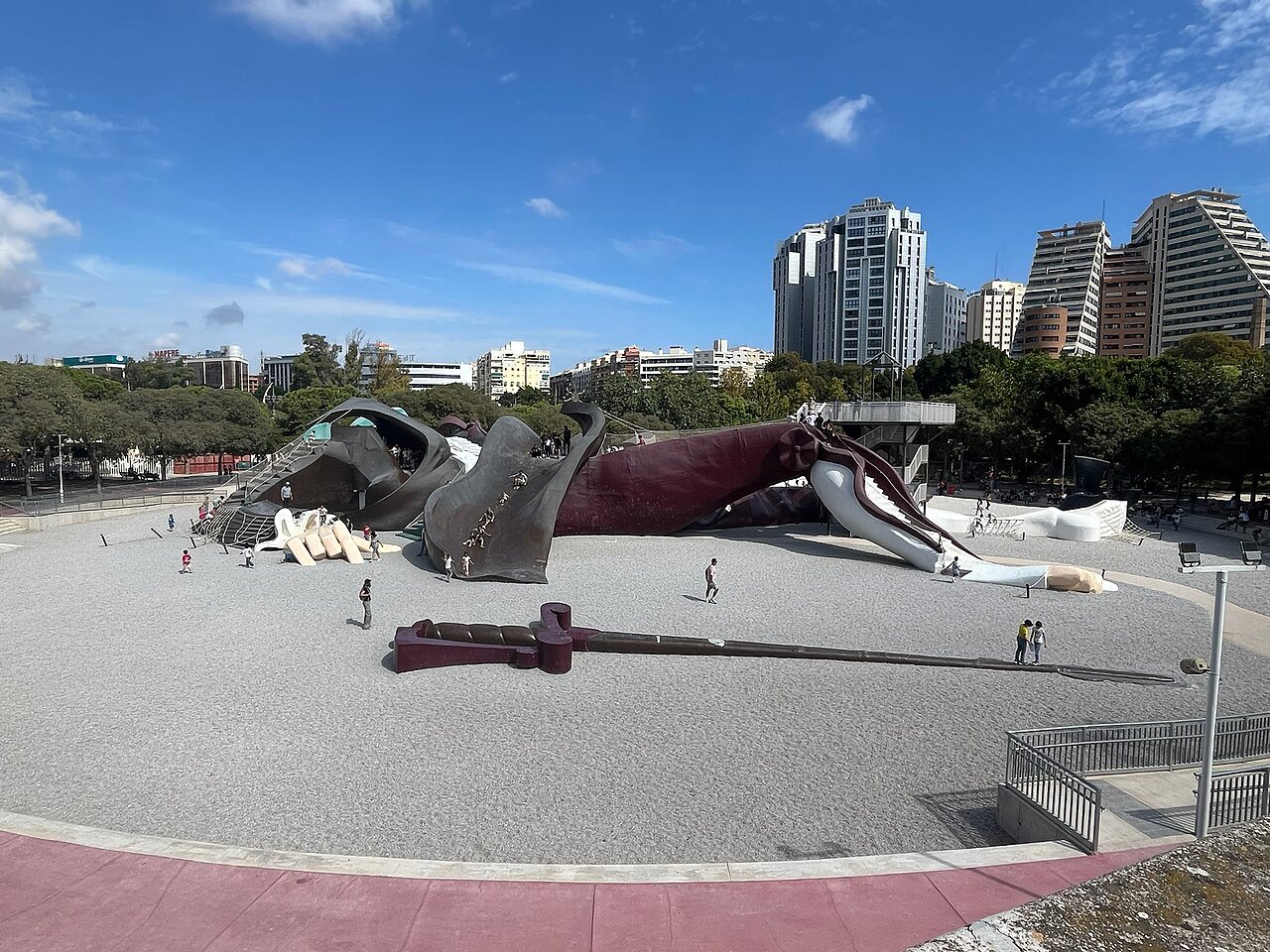
In the Turia Gardens, Gulliver lies tied down by Lilliputians, a giant figure 70 metres long, and children climb all over him: slides down his coat, stairs up his arm, ramps across his chest. It is free, it is gloriously silly, and it is the best playground in Spain, a stop that will make any family trip and will charm adults who remember the book. Tip: pair it with a Turia Gardens cycle ride, it sits right on the path.
15. A Russafa Food Crawl

End where Valencia eats now. Russafa, just south of the old town, is a grid of colourful streets, vintage shops, wine bars and small restaurants, and the right way to do it is as a crawl: a vermouth here, a plate of bravas there, a glass of local wine, a sweet to finish, moving from bar to bar as the evening fills up. Start at the Mercado de Russafa for a sense of the neighbourhood, then let the streets decide. See 2 Days in Valencia itinerary for how it ends a perfect second day. Tip: a guided tapas and wine tour is the easiest way in if you do not know where to start.
Final Thoughts
Valencia rewards the traveller who does both halves: the old town in the morning, the riverbed and the beach in the afternoon, a market breakfast and a Russafa dinner to bookend the day. If you only have two days, do the City of Arts and Sciences and the cathedral on day one, the Turia Gardens, the market and the Albufera sunset on day two, and leave the rest for the return trip you will almost certainly plan.
For where to sleep while you do it, our guide to Where to Stay in Valencia matches each area to its traveller.
¡Buen viaje!
Photo credits: Elemaki / Alvaro qc, CC BY-SA 3.0; Felipe Gabaldón, CC BY 2.0; José Luis Filpo Cabana, CC BY 3.0; Codex, CC BY-SA 4.0; Diego Delso, CC BY-SA 3.0; Esniom, CC BY-SA 4.0; Alberto-g-rovi, CC BY-SA 3.0; Javier Vte Rejas, CC BY 2.0; Diego Delso, CC BY-SA 4.0 – all via Wikimedia Commons; Photo: Diego Delso, CC BY-SA 4.0, via Wikimedia Commons; Photo: Dorieo, CC BY-SA 4.0, via Wikimedia Commons; Photo: Diego Cosenza, CC BY 2.0, via Wikimedia Commons; Photo: MCAE Consulting, CC0, via Wikimedia Commons; Photo: 19Tarrestnom65, CC BY-SA 4.0, via Wikimedia Commons.

34 Comments